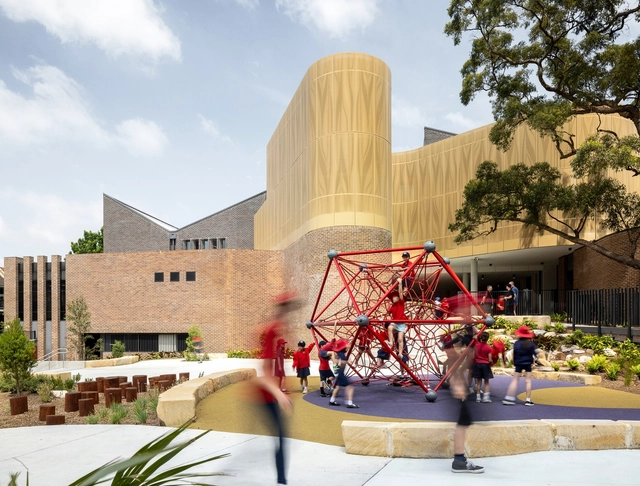
The Darlington Public School in Australia by fjcstudio has been declared the World Building of the Year at the World Architecture Festival 2024. fjcstudio previously won Building of the Year in 2013, making it the first practice in WAF's history to win the award twice.
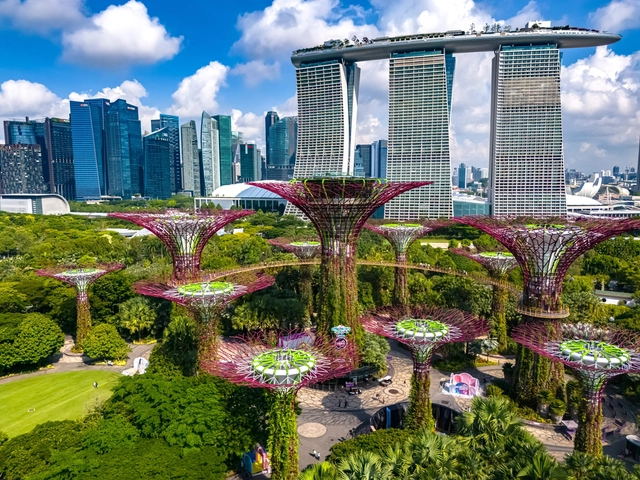
The ultimate accolades of World Building of the Year, World Interior of the Year, Future Project of the Year and Landscape of the Year were announced today as hundreds of delegates from across the world convened at a final Gala Dinner at Marina Bay Sands in Singapore. The announcement follows the final day of WAF, in which prize winners across all 42 categories have been competing for the winning titles.
Lord Norman Foster has been announced as the recipient of the 2025 Andrée Putman Lifetime Achievement Award by the Créateurs Design Awards. The award, now it its fifth edition, recognizes Foster's significant contributions to urban design and the environmental movement within architecture. This recognition highlights his longstanding influence and contributions to the field since founding Foster + Partners in 1967. The award ceremony will take place in Paris on January 18th, 2025.
The International Union of Architects (UIA), in partnership with UN-Habitat, has just announced the winners of the second cycle of the UIA 2030 Award. This prestigious award recognizes architectural achievements that advance the UN's 2030 Agenda for Sustainable Development and the New Urban Agenda. Honoring projects that embody sustainable design principles, the UIA 2030 Award celebrates contributions to Sustainable Development Goal 11: "Make cities and human settlements inclusive, safe, resilient, and sustainable."
After receiving 100 submissions from 33 countries, regional finalists were selected in the first stage, representing the five UIA regions: Western Europe, Central and Eastern Europe and the Middle East, the Americas, Asia and Oceania, and Africa. These finalists moved on to Stage 2, where they submitted three-minute videos showcasing their projects in action and detailing their alignment with the SDGs. The winners in the six categories have been awarded during the World Urban Forum (WUF12), taking place in Cairo,Egypt, from November 4-8, 2024. This biennial competition highlights how architects around the world are advancing sustainable, inclusive urban solutions to address global challenges and shape resilient communities for the future.
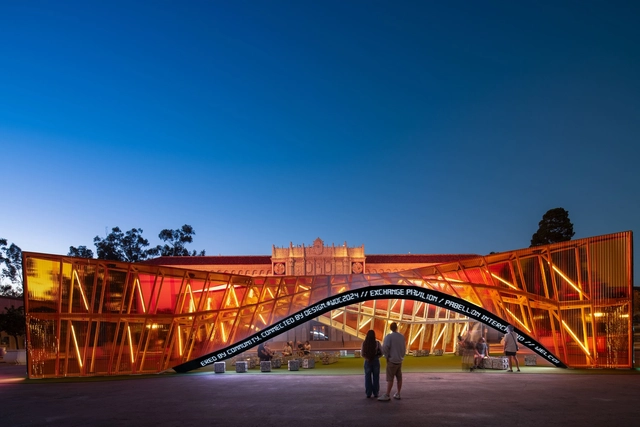
Global conferences, events, and exhibitions have profoundly influenced the evolution of architecture and design, serving as catalysts for innovation, new ideas, and pivotal debates. Some gatherings, like the historic Congrès International d'Architecture Moderne, have impacted the field. In contrast, others, such as the Venice Biennale and the World Design Capital (WDC), continue shaping the architectural landscape through periodic editions. Initiated in Turin, Italy, the WDC celebrates a different city every two years as a hub of design reflection and creativity. In the latest edition, the binational region of Tijuana-San Diego made history as the first cross-border WDC, emerging as a creative epicenter with a rich, innovative program that warrants special attention.
https://www.archdaily.com/1023090/tijuana-san-diego-as-a-creative-beacon-exploring-the-world-design-capitals-growing-influenceEnrique Tovar
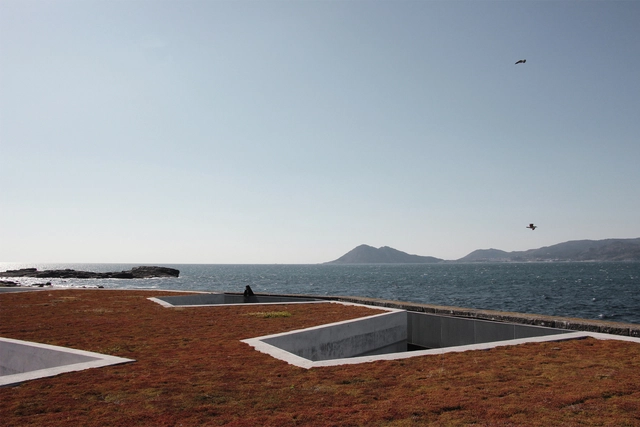
The 2024 European Prize for Urban Public Space has announced the overall winners for the 12th edition: For the General Category, the "Park at the Warsaw Uprising Mound" in Poland by studios topoScape and Archigrest received recognition its ability to honor the site's historical significance; while the Seafront Category prize was given to the "Beach Improvement and Redevelopment of the Harbour Edge" in Porto do Son, Spain, designed by CREUSeCARRASCO and RVR Arquitectos for its careful integration of natural and manmade elements. Selected from a list of 10 finalists, the projects were appreciated for their sensible response to local memory and an understanding of the interplay between various elements that interact with urban life.
Architectural grafting, a concept recently popularized by Jeanne Gang inThe Art of Architectural Grafting, presents a transformative approach to urban regeneration and sustainability. Drawing inspiration from botanical and horticultural practices — where new growth is added to existing plants for enhanced resilience — this architectural method integrates new structures with existing ones, allowing them to coexist and adapt. Rather than pursuing demolition, grafting prioritizes adaptation, extending the life of buildings while safeguarding their cultural and historical significance.
While Studio Gang has played a pivotal role in advancing this method, architectural grafting embodies a broader principle that architects have long used to enhance sustainability, conserve resources, and honor heritage. Across scales — from individual buildings to urban landscapes —grafting reshapes the relationship between past and present, adapting existing structures for contemporary needs while addressing environmental demands. By reimagining historic buildings for modern use, this approach fosters a sustainable evolution of cityscapes.
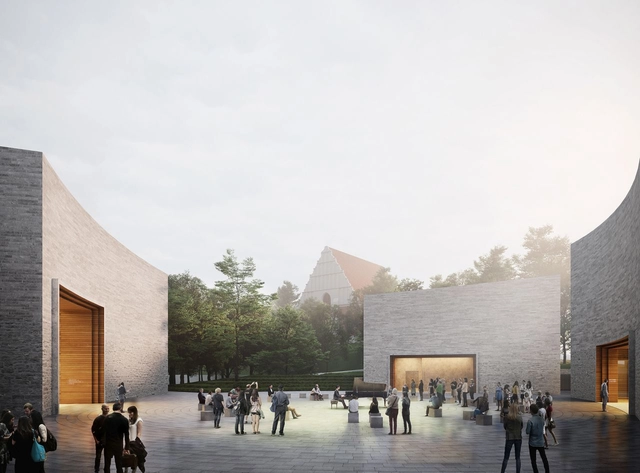
WXCA Architectural Design Studio has unveiled its design for a new museum aiming to honor the 1918-1919 patriotic uprising and victory of the people of Greater Poland. Situated near the historic St. Adalbert's Hill, home to an 800-year-old church, the museum is set to become a significant cultural and historical site. In addition to its preservation of history, the museum aims to offer the people of Poznań a contemporary public space to highlight this collective heritage. WXCA architects won the 2019 competition for the museum design and urban concept. The project began construction in early 2024 and is expected to open to the public in 2026.
The Tamayouz Excellence Award has announced George Arbid, Lebanese architect and educator, and the founding director of Beirut's Arab Center for Architecture, as the recipient of the prestigious Mohamed Makiya Prize for Architecture 2024. Also known as the Middle Eastern Architectural Personality of the Year Award, this accolade honors Arbid's efforts in documenting, researching, and advocating for the modern architectural heritage of the Arab region. The Mohamed Makiya Prize, established in 2014 to honor the eminent Iraqi architect Dr. Mohamed Saleh Makiya, celebrates those who have profoundly influenced architecture and the built environment across the region.
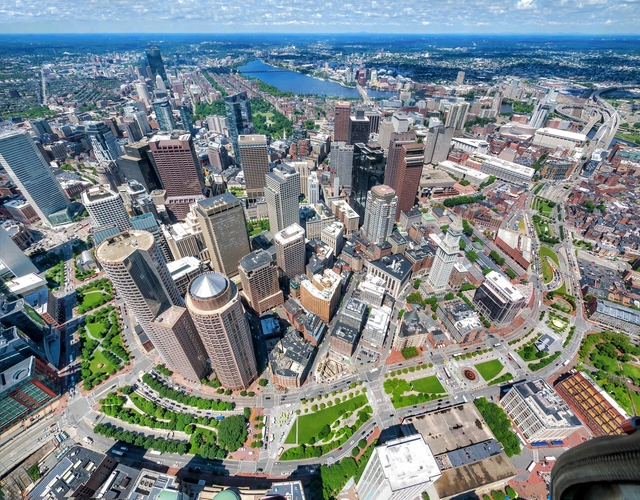
Greenways, as a typology of urban design, have become an essential element in the planning of modern cities. They emerge in response to the increasing fragmentation of urban landscapes by elements such as highways. They usually integrate natural and constructed spaces, providing much-needed connections across various parts of the city. At the same time, they promote pedestrian accessibility, recreation, and social interaction. The Rose Kennedy Greenway in downtown Boston, United States, exemplifies this human-centered approach to design. The project, which began construction in 1991, showcases the potential of greenways to reconnect urban environments and enhance community life. As a series of parks designed by various architecture firms, it aims to create physical links and meaningful spaces that foster social development and a sense of place.
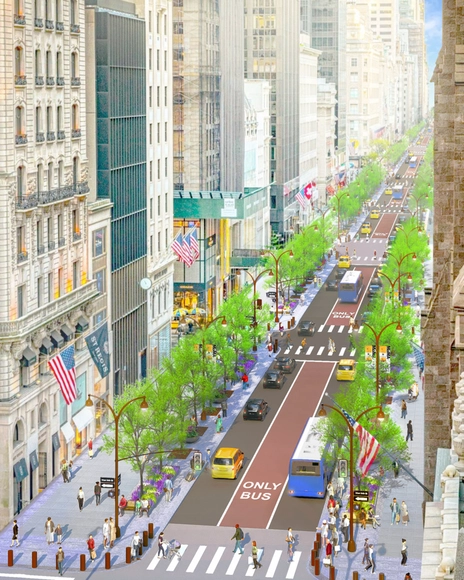
The mayor of New York City, Eric Adams, along with the Future of Fifth Partnership, announced plans to transform Fifth Avenue, between Bryant Park and Central Park, into a pedestrian-centered boulevard. The project includes expanding sidewalks by 46%, reducing traffic lanes, improving pedestrian safety with shorter crosswalks, and adding greenery and lighting. The initiative begun with the Future of Fifth public-private partnership, which selected Arcadis, Sam Schwartz Engineering, and Field Operations to lead the design and study, and schematic design, scheduled to be completed by summer 2025.
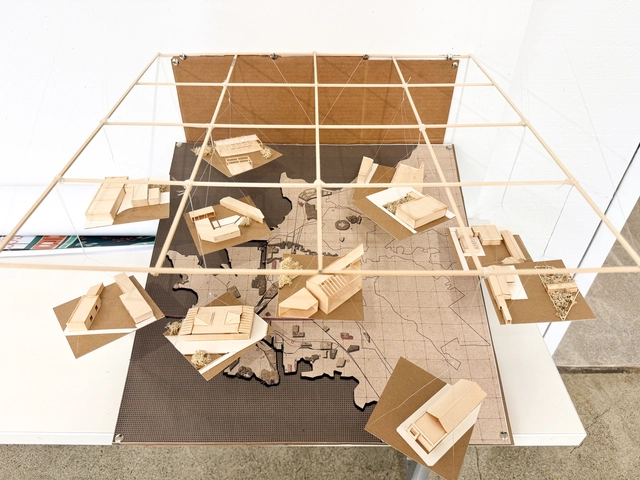
Model for reshaping Richmond, California, from Berkeley MUD first-semester introductory studio. Image: Courtesy College of Environmental Design, UC Berkeley
Fifteen UC Berkeley Master of Urban Design students watched as farmers, small business owners, government agency officials, representatives from Indigenous tribes, and interested citizens filed into the exhibition hall in the John Steinbeck Center. For months, the students had been developing ideas for dynamic agritourism in California's Salinas Valley. But they never expected so many people to show up to listen to their presentations.
"They were eager to see our work. It was humbling, and empowering, to realize that we could have a real impact on people's lives through urban design," remembers one of the participating students.
In celebration of Urban October, a month dedicated to recognizing the significance of innovative urban spaces, this curated selection presents 8 conceptual projects that demonstrate the transformative potential of public spaces. These projects, submitted by the ArchDaily community, showcase the myriad ways public spaces can enhance cultural identity, community interaction, and environmental quality. Conceptual projects and competition entries serve as a platform for architectural experimentation, challenging the norms and sparking discussions about the future of urban landscapes. From rural settings to layered historical squares or small-scale urban interventions, the designs engage with their contexts, aiming to improve the experience of residents and visitors, highlight the histories of the space, and ensure accessibility for all.
Each month, ArchDaily's editors select a collection of conceptual projects centered around a theme or program, submitted to ArchDaily. These projects are developed by small and large-scale architecture offices from around the world and submitted openly to the ArchDaily platform, thus forming a worldwide community of practitioners sharing their work, be it purely conceptual, a competition entry, or an early-stage design phase. Submissions are open to everybody. If you wish to contribute, send in your work by following the instructions here.
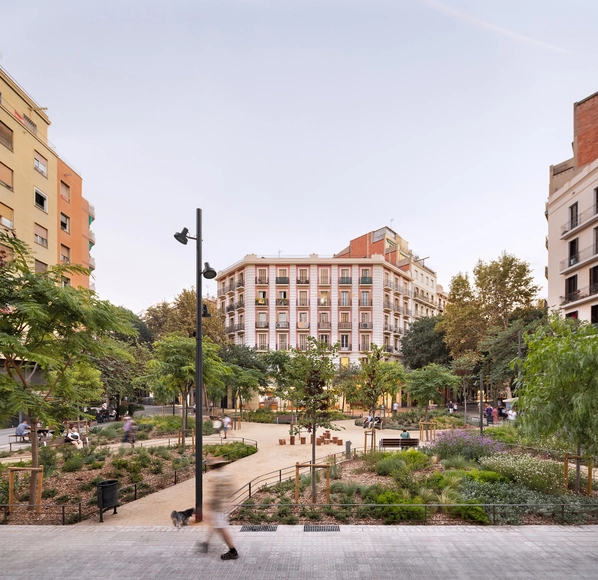
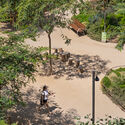
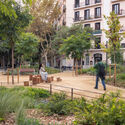
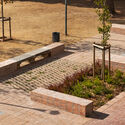
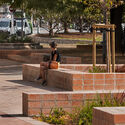
What is urban renaturalization? How is it possible to reintegrate nature into the urban environment? With increasingly limited access to nature for the population and growing exposure to environmental hazards such as noise or air pollution, resource scarcity, climate change, and more, the development of "renaturalized" spaces in cities is seen as a tool capable of improving the quality of life for citizens and designing spaces for gathering, resting, and leisure areas for the common good, while also balancing urban development with biodiversity and the benefits of ecosystems. One of the many architecture firms involved with this concept is 08014 arquitectura, based in Barcelona, which, through its Plaza-jardín Rocafort and Paseo Comte D'Ègara projects, aims to revitalize certain urban areas, paying particular attention to improving the quality of life for citizens and their connection to the natural environment.
On the first Monday of October, World Architecture Day offers an opportunity to reflect on the role that architecture plays in shaping our world and our communities. Established by the International Union of Architects (UIA) in 1986, this day was designated as a basis for the ongoing discussions on innovations in architectural practice, new approaches to the ever-changing role of architects and designers, and the varied responses to emerging concerns.
As in previous editions, UIA sets a central yearly theme to guide these conversations. This year, the theme of World Architecture Day 2024, "Empowering the Next Generation to Participate in Urban Design," opens up multiple interpretations, contemplating the impact of urban design on the next generation, as well as highlighting the impact and contributions of young architects in shaping the cities of tomorrow. This year's event aims to address crucial challenges faced by the urban environments and their impact on the next generations. The focus is on creating cities that are not only greener and more environmentally friendly but also inclusive, catering to the diverse needs of various groups in society.
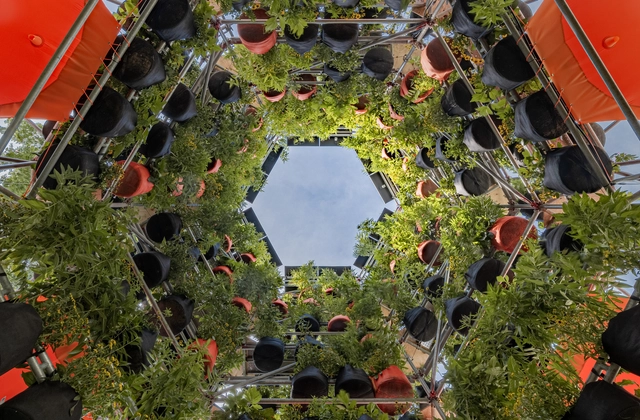
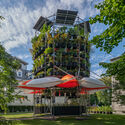
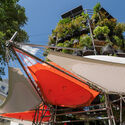
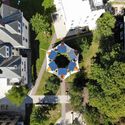
Architects Belinda Tato and Jose Luis Vallejo of Ecosistema Urbano have designed a plug-in public space designed to address the effects of climate change in ill-equipped urban environments. Titled Polinature, the installation has been funded by the Salata Institute for Climate and Sustainability at Harvard, and is now installed in the backyard of the Harvard Center for Green Buildings and Cities. The pavilion, featuring native plans set into a scaffolding, with an inflatable bioclimatic canopy, aims to demonstrate how small-scale interventions can create compound positive effects for the local micro-climate and biodiversity.
With expanding urban populations and evolving consumption patterns, cities are faced with challenges pertaining to waste management. Traditional approaches centered on collection and disposal currently seem inadequate in the face of serious environmental concerns and resource scarcity. Waste management has become a focused topic to address, being introduced as a key strategy towards circular economies. The Zero Waste concept hopes to transform the way cities manage urban waste and build supportive cultures around it.
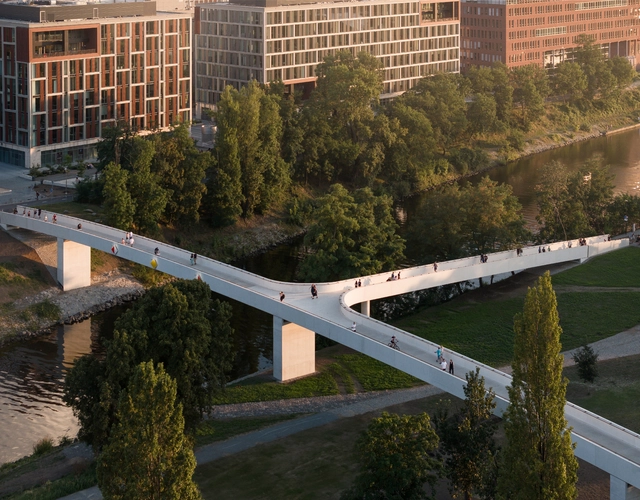
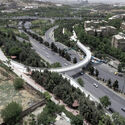
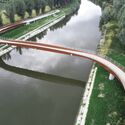
There is growing awareness of the importance of developing pedestrian infrastructure. Bridges and elevated structures enhance the quality of cities by connecting spaces and reducing distances. Their use benefits pedestrians and the thousands of cyclists seeking a more sustainable mode of transportation.
Pedestrian infrastructures, such as bridges, walkways, and widened sidewalks, not only promote sustainable mobility but also contribute to the revitalization of urban areas. Their design can transform underused spaces into active, safe, and accessible places for everyone, enhancing social cohesion and fostering community. By incorporating elements such as greenery, smart lighting, and urban furniture, these structures become more than just thoroughfares: they transform into meeting points and spaces for social interaction.