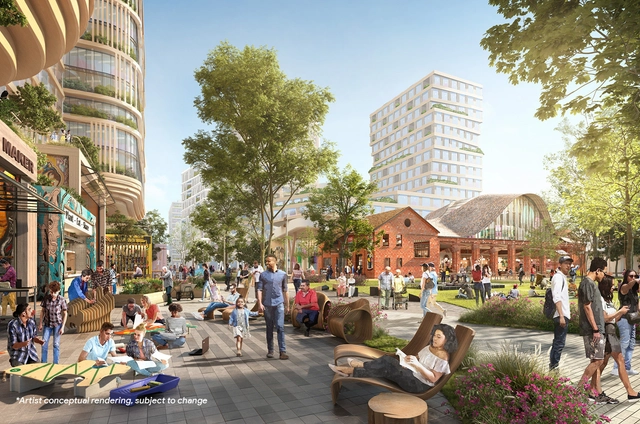
Foster + Partners revealed its design for a masterplan focusing on adaptive reuse and programmatic diversity meant to regenerate the site of a mid-century factory in the heart of Santiago. The practice's first project in Chile proposes the refurbishment of the existing factory building, La Fabrica, while adding a residential development on the adjacent site and introducing timber as a sustainable building material for the extensions.
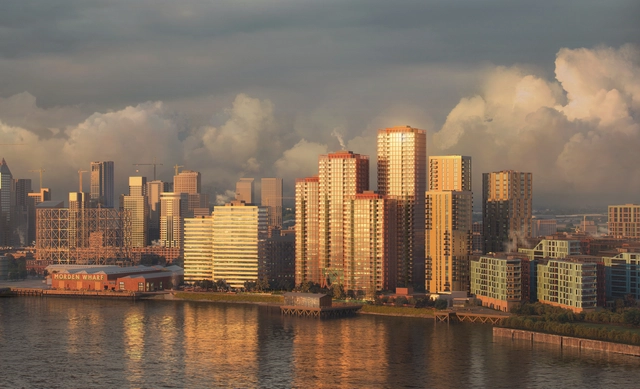
OMA’s mixed-use development for Morden Wharf has just been granted planning consent from the Royal Borough of Greenwich’s Planning Committee. The scheme created for developer U+I is located on a 2.4-hectare brownfield site, with an industrial past, on London’s Greenwich Peninsula facing the historic Greenwich and the millennial O2 Arena.
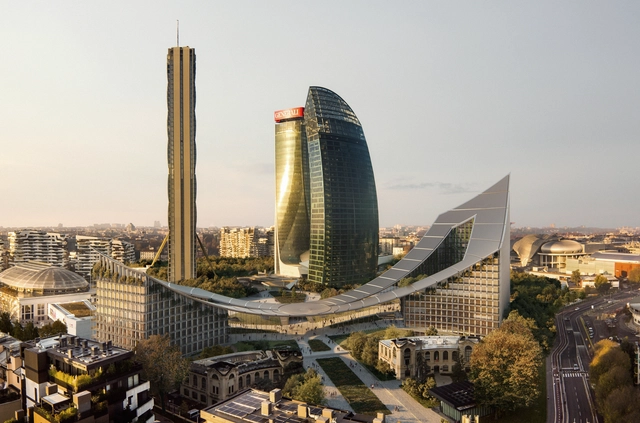
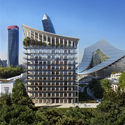
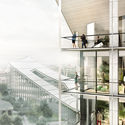
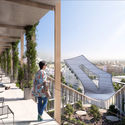
Work on Bjarke Ingels Group's gateway for Milan's CityLife district has officially commenced. The new-generation office building marks the completion of the CityLife area in the Italian city, an urban regeneration project that has been restored to provide a livable environment characterized by sustainability, improved quality of life, and all-inclusive services. The structure is set to "stand as a new paradigm for the offices of the future, as the outcome of a new idea of workplace based on innovative design solutions that put quality of life at the center and redefine the concept of sustainability".
UNStudio has won the competition to redesign Sochi Waterfront with a masterplan that creates the framework for a vibrant urban environment for the local community while shaping a new identity for the notorious leisure resort on the Black Sea coast. Dubbed SoCo, the proposal seeks to create a year-round destination that would provide visitors with new attractions within Russia’s most important holiday destination, building on existing natural and cultural resources. At the same time, the design strategy focuses on shaping a close connection to the landscape and natural environment, building the foundation for inclusive neighbourhoods that would bring together various social groups.
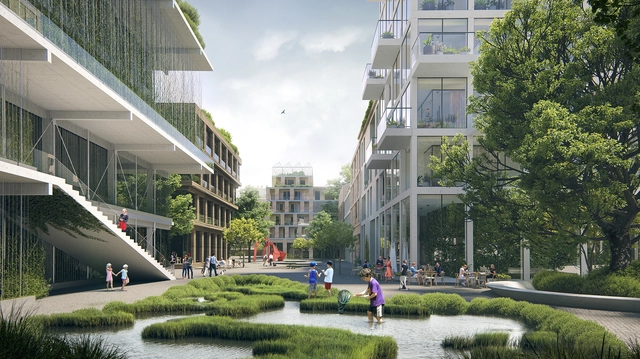
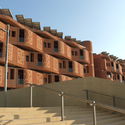
MVRDV's Traumhaus Funari project, a residential master plan that redevelops parts of a former US Military barracks, has started construction in Mannheim, Germany. The project aims to combine affordability, individuality, and diversity by allowing residents to make their own ecological and spatial choices regarding their homes. The master plan consists of a catalogue of residential typologies with a variety of materials, sizes, finishes, interior layouts, and connections to the outdoors which future residents can choose from.
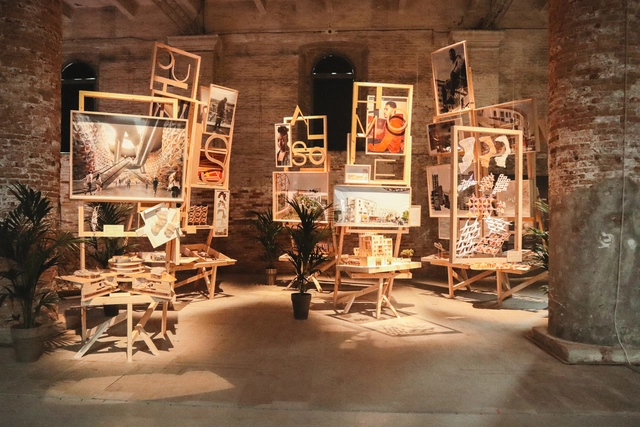
Benedetta Tagliabue - Miralles Tagliabue EMBT participates in the 17th International Venice Architecture Biennale with an installation detailing the design thinking behind Plateau Central Masterplan at Clichy-Montfermeil, Paris. Entitled Living within a Market - Outside space is also Home, the exhibition showcases a series of models, drawings, prototypes and collages which illustrate the principles of community building and social integration that underline the project. The installation also brings to Venice a display structure designed by Enric Miralles in 1996, reproduced for the first time this year for the Miralles series of exhibitions in Barcelona.
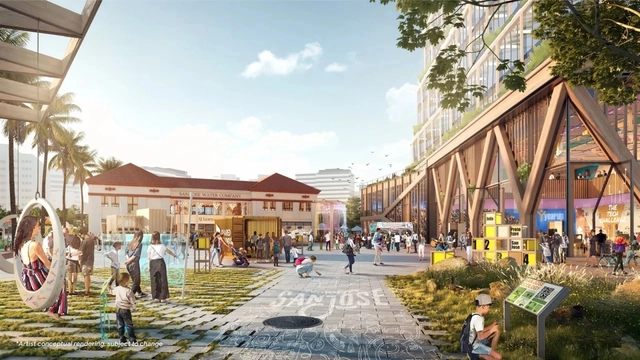
The City Council of San Jose recently approved Google’s “Downtown West” mixed-use corporate campus, an 80-acre net-zero environment, also set to feature the largest multimodal transit hub on the west coast. A departure from the tech campuses of Silicon Valley, the masterplan designed by San Francisco-based SITELAB urban studio is envisioned as an integrated part of the urban environment, an extension of Downtown San Jose open to the local community.
Transformation of the brownfield area in Náchod city. Image Courtesy of LETO Architects
Urban design is increasingly striving for more inclusive, sustainable environments, bringing together various groups and activities, and fostering social interaction. This week's curated selection of the Best Unbuilt Architecture focuses on urban designs, large-scale urban development projects and masterplans submitted by the ArchDaily Community, showcasing how architects around the world work with and shape the urban fabric of highly diverse environments.
From the transformation of a brownfield into a lively neighbourhood in the Czech Republic to the redevelopment of Bergamo's city centre around new spatial and collective values, the following projects showcase the ideas shaping urban design, from functional diversity and notions of proximity to a focus on outdoor spaces. The common denominators of the following projects are their collective focus and the strong connection with the existing urban fabric.
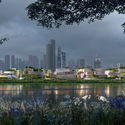
Japan plans on transforming the area around Shinagawa station into a global hub, further connecting Tokyo to the international scene of business and innovation. The Connecticut-based architecture firm Pickard Chilton recently completed the masterplan and concept design for the area's redevelopment into the Global Gateway Shinagawa, an innovative urban environment.
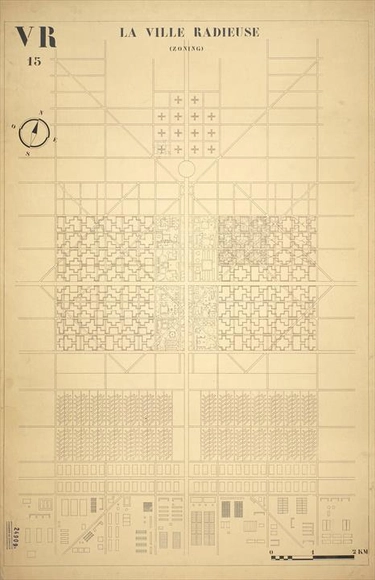
The Master Plan of the Radiant City. Image Courtesy of LE CORBUSIER FOUNDATION
Throughout history, religious reformers and visionary starchitects have attempted to envision the future of our cities: from the Venetian model city of Palmanova to the multi-story housing complex for 5,000 people drafted by Italian architect Paolo Soleri, from Frank Lloyd Wright’s Broadacre City to Le Corbusier’s Radiant City, numerous masterplans have been crafted to illustrate some of the most unprecedented ambitions.
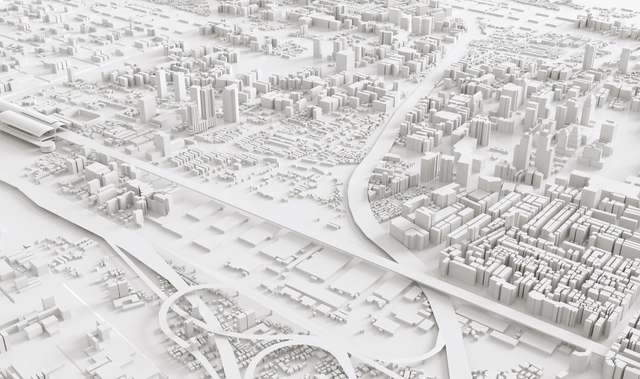
Over the past two decades, new master-planned cities have risen at a pace and scale rarely seen in modern history. Concentrated largely in Asia, the Middle East, Africa and Latin America, more than 150 such projects are currently underway. For some, these cities are promoted as fast tracks to modernization and a way to leapfrog from resource- or agriculture-dependent economies into knowledge-driven ones. For others, they are strategic showcases, designed to attract global attention, foreign capital, and prestige. By packaging urbanization itself as an investment opportunity, these projects promise to stimulate growth and reposition nations within the global economy—all through the act of building anew.
According to Forbes, "The new city building movement that we are currently in the middle of is one of the most under the radar and most misinterpreted social and economic developments happening in the world today". What often escapes scrutiny, however, is not only the architecture of these projects, but the governance model they advance.
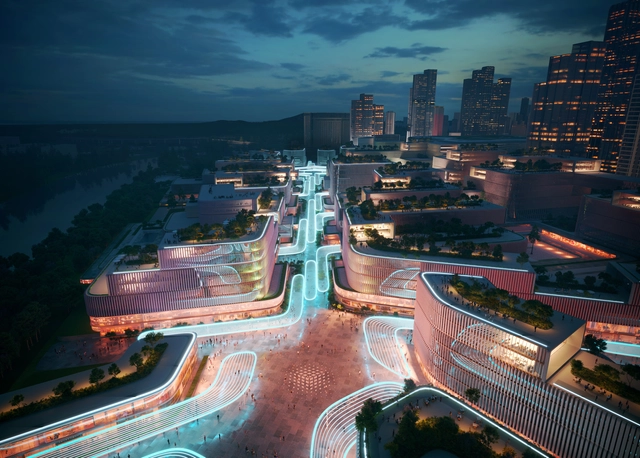
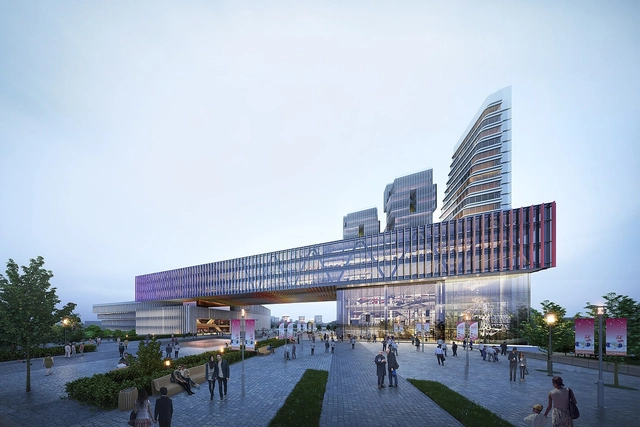
Zaha Hadid Architects has designed the future of Huanggang Port Area, creating a hub of scientific research and collaboration in industries in Shenzhen, China. The new proposed master plan puts in place “an important node of the Guangzhou-Shenzhen Science and Technology Corridor”, through the reconstruction of the port building as well as the transformation of its empty lots into the national center for technology innovation.
KCAP Architects & Planners won the international competition for one of the Bucheon Daejang New Town as part of the Seoul metropolitan region in South Korea. Titled Open Fields City, the proposal was made with DA GROUP to create new urban quarters characterized by "fields" and interconnected pathways.
Google has released new details of a sprawling, 80-acre plan to transform downtown San Jose, California. Designed to be a corporate campus, the "Downtown West" development will emphasize public open space and parkland. Google intends to make the area feel less like a traditional corporate development by incorporating office space, housing, retail and other uses within a new urban neighborhood framework.
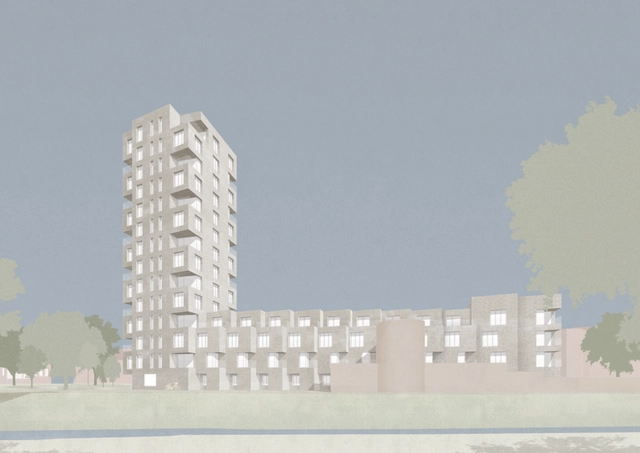
David Chipperfield Architects has received planning permission for Hertogensite residences in Leuven, a new 14-story residential tower in Belgium. Part of a global vision to redevelop a former hospital campus, the project is connected to nine townhouses and a four-story apartment building.
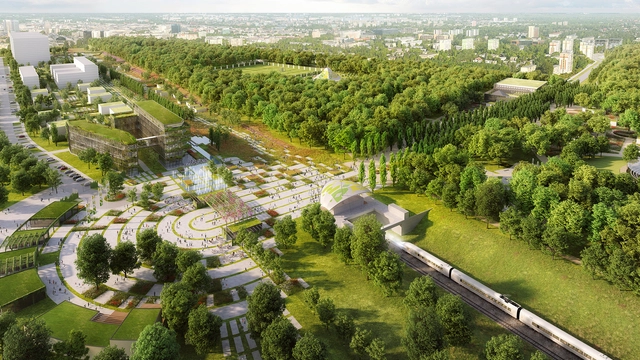
Chapman Taylor has unveiled a masterplan for an 80-hectare World Horticultural EXPO in Łódź, Poland’s third-largest city. Also known as Green EXPO, the international exhibition devoted to the use of greenery and landscaping in urban environments will be located in the heart of the city center, in proximity to the main railway station, and surrounded by the urban fabric.
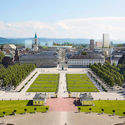
Proposing a reflective “floating garden” to counterpoint the existing absolutist castle, MVRDV has won the competition for the masterplan of the Ettlinger Tor area in Karlsruhe, Germany, taking joint-first place alongside Max Dudler Architekten. Inspired by the historical fabric of the city, the project imagines a new composition, blurring divisions, and bringing more greenery to the area.
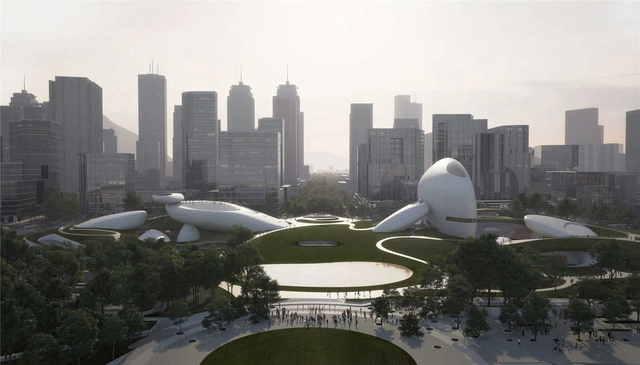
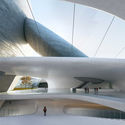
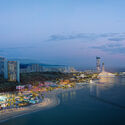
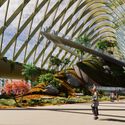
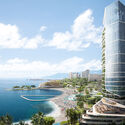
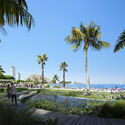
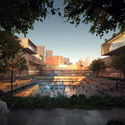
MAD Architects has unveiled its design for the Shenzhen Bay Culture Park along the waterfront in Shenzhen, China. The masterplan puts in place a 51,000 square meters cultural complex that includes the Creative Design Hall, the Shenzhen Science and Technology Museum, and a vast public green space.











.jpg?1626762371&format=webp&width=640&height=580)
.jpg?1626762472 "© MVRDV")
.jpg?1626762365 "© MVRDV")
.jpg?1626762420 "© MVRDV")
.jpg?1626762410 "© MVRDV")
.jpg?1626762371)






_Atchain.jpg?1617649894&format=webp&width=640&height=580)
_Lifang.jpg?1617649814 "© Lifang Courtesy of Pickard Chilton")
_Lifang.jpg?1617649761 "© Lifang Courtesy of Pickard Chilton")
_Lifang.jpg?1617649682 "© Lifang Courtesy of Pickard Chilton")
_Atchain.jpg?1617649557 "© Atchain Courtesy of Pickard Chilton")
_Atchain.jpg?1617649894)
.jpg?1611288061 "The Line project in Saudi Arabia. Image © NEOM")










.jpg?1596440556&format=webp&width=640&height=580)
.jpg?1596440410 "Courtesy of MVRDV")
.jpg?1596440577 "Courtesy of MVRDV")
.jpg?1596440379 "Courtesy of MVRDV")
.jpg?1596440556)