

According to a document published last month, London's aspiration to become "a great cycling city" has taken one step closer to reality. The office of the Mayor of London has approved plans to develop Europe's longest segregated bicycle lane through the centre of the city following modifications to an original plan that drew sharp criticism from residents and commuters. The new plans, which have been supported by a number of private companies and public bodies, aims to maintain vehicular traffic capacity whilst allowing the segregated cycle lanes to cater for a large capacity of cyclists.
London: The Latest Architecture and News
Mayor Of London Supports Plans For Europe's Longest Segregated Cycle Lane
https://www.archdaily.com/594486/mayor-of-london-supports-plans-for-europe-s-longest-segregated-cycle-laneJames Taylor-Foster
The Building Centre Presents "Rethinking the Urban Landscape"
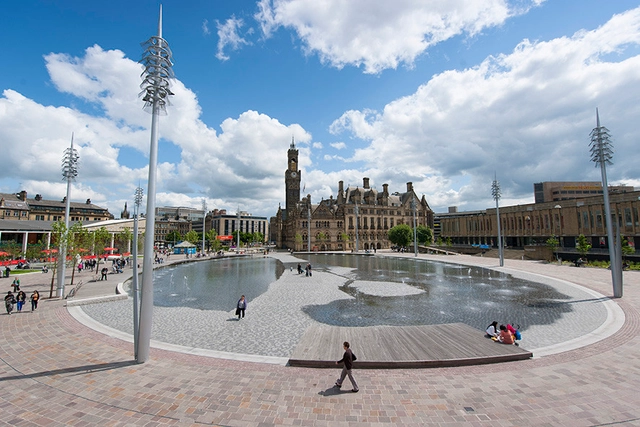
Rethinking the Urban Landscape, a (free!) exhibition curated by The Building Centre and Landscape Institute, presents a case for a landscape-first approach to city design and regeneration. The show, which is on view at The Building Centre in London until end of February and then tours, focuses on six problematic areas - from environmental issues to financial planning - and shows international projects that, due to the early procurement of landscape architects, deliver unique solutions.
https://www.archdaily.com/592872/the-building-centre-presents-rethinking-the-urban-landscapeKarissa Rosenfield
London’s “Olympicopolis” Aims to Host Smithsonian’s First International Venue
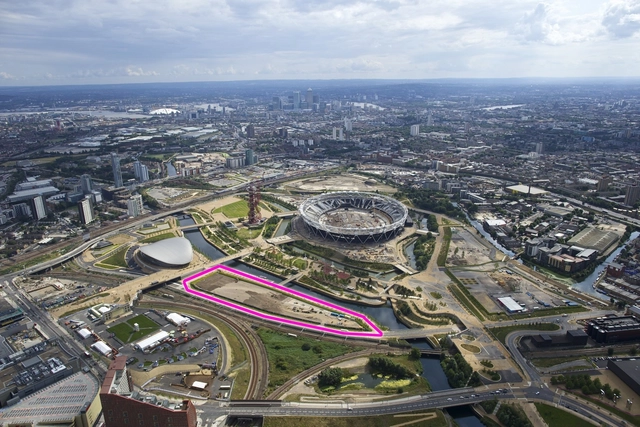
The Smithsonian is considering opening its first international exhibition space in “Olympicopolis” - London’s former Olympic park that is to be transformed into a world-class cultural hub by 2021. Should the self-financed proposal be approved, it will be the first time in the institution’s 168-year history to build a public venue outside of the United States.
“We see this as an unprecedented opportunity to show the breadth of the Smithsonian in one of the most diverse cities in the world,” stated Smithsonian acting secretary Al Horvath.
https://www.archdaily.com/592870/london-s-olympicopolis-aims-to-host-smithsonian-s-first-international-venueKarissa Rosenfield
Charles Rennie Mackintosh Exhibition To Open Next Month In London
_RIBA_Library.jpg?1422208050&format=webp&width=640&height=580)
The Royal Institute of British Architects (RIBA) have announced that a new exhibition exploring the Scottish designer and artist's celebrated, but difficult, career is to open next month in London. Mackintosh Architecture will be the first exhibition solely devoted to his architecture, offering the opportunity to view over sixty original drawings, watercolours and perspectives spanning the entirety of his working life. Seen together, they "reveal the evolution of his style from his early apprenticeship to his later projects as an individual architect and designer." Drawings on display will also show his collaboration with the accomplished artist and designer Margaret Macdonald, his wife.
https://www.archdaily.com/591262/charles-rennie-mackintosh-exhibition-to-open-next-month-in-londonJames Taylor-Foster
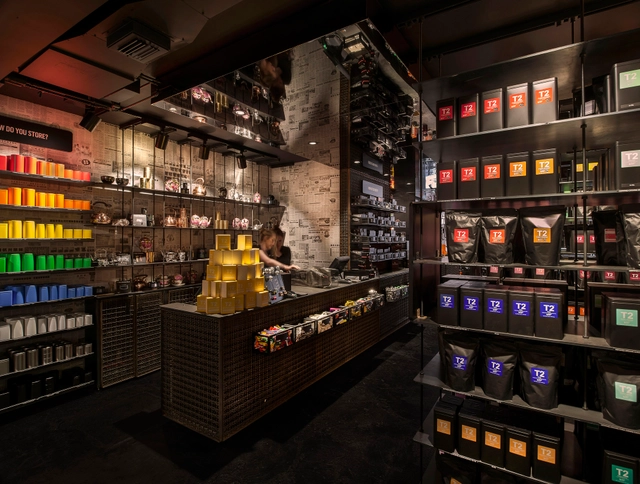
T2 Shoreditch / Landini Associates





-
Architects: Landini Associates
- Year: 2014
-
Professionals: AWESO, Landini Associates, Poulton Industrial Estate, Powells
https://www.archdaily.com/590090/t2-shoreditch-landini-associatesDaniel Sánchez
RSHP Reveals Plans for the "Ladywell Pop-Up Village" in Lewisham

Addressing increasing housing demands in the London Borough of Lewisham, Rogers Stirk Harbour + Partners (RSHP) has unveiled their plans for the "Ladywell Pop-Up Village," which is to become one of the UK's first temporary housing villages.
The short term housing will provide accommodation for 24 families, alongside community and commercial spaces at street level. Drawing its name from the site of the former Ladywell Leisure Centre upon which it is to be located, the Ladywell Pop-Up Village is fully demountable, thanks to its volumetric construction technology. It is envisioned that the housing units will remain at the Ladywell site for up to four years, after which point they can be relocated throughout the Borough as needed.
https://www.archdaily.com/590285/rshp-reveals-plans-for-the-ladywell-pop-up-village-in-lewishamPatricia Arcilla
Avery Associates Reveals Design for 270-Metre Tower Next to London's Cheesegrater
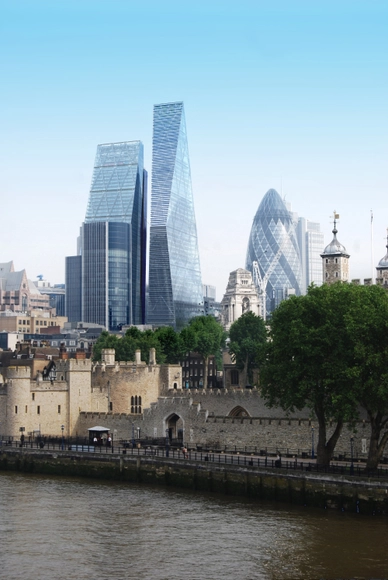
London practice Avery Associates Architects has unveiled their designs for No.1 Undershaft, a 270-metre tall office tower directly adjacent to Rogers Stirk Harbour + Partners' Cheesegrater in the City of London's central skyscraper cluster. The building is currently planned to be the tallest in this cluster and the second-tallest in London (after the Shard) - notwithstanding an as-yet-unrevealed plan for the site of the scrapped Pinnacle project which could potentially supersede it.


https://www.archdaily.com/589330/avery-associates-reveals-design-for-270-metre-tower-next-to-london-s-cheesegraterRory Stott
Explore the Land of the Upright People in Grant Smith's "Upright and Educated"
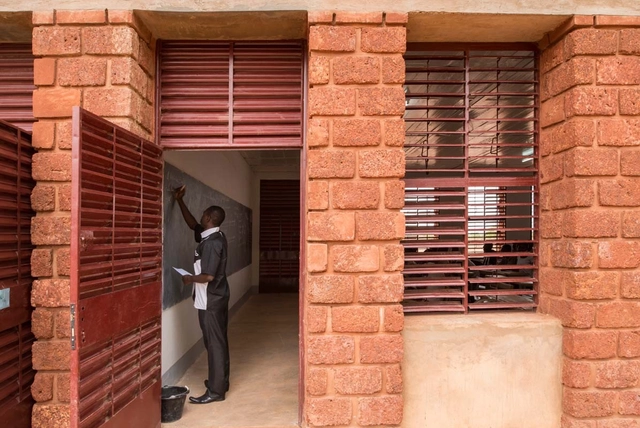
Through January 31, The Building Centre is hosting Upright and Educated, a photographic exhibition documenting the work of UK charitable organization Article 25 in Burkina Faso. Captured by award-winning photographer Grant Smith, the images chart the construction and use of a school in Gourcy, in the country's north.
Founded in 2006, Article 25 worked with local builders, craftspeople, and fellow UK charity Giving Africa to construct Bethel Secondary School, allowing up to 1100 children access to enhanced education and vocational training facilities. Learn more about the project and view selected images from the exhibition after the break.
.jpg?1421189427 "© Grant Smith")
.jpg?1421189433 "© Grant Smith")
.jpg?1421189422 "© Grant Smith")
.jpg?1421189447 "© Grant Smith")

https://www.archdaily.com/588706/explore-the-land-of-the-upright-people-in-grant-smith-s-upright-and-educatedPatricia Arcilla
Video: Hawkins\Brown Go Underground with Crossrail

https://www.archdaily.com/588687/video-hawkins-brown-go-underground-with-crossrailPatricia Arcilla
New Documentary Chronicles the Rise and Fall of Brazil’s Sérgio Bernardes
Few remember the name Sérgio Bernardes. A prominent Brazilian architect in the 1960s, Bernardes was a contemporary of Oscar Niemeyer, renowned for his elegant upper-class houses, as well as his fondness for car-racing and womanizing. In the latter half of his career, Bernardes turned away from the decadence of high society, devoting himself to solving the world’s problems through his progressive strain of architecture. This devotion led him to partner with the Brazilian dictatorship, believing that he could reform the government from within. The result was a series of unsuccessful projects that left him unpopular and eventually ignored by the public. Now, a documentary about the rise and fall of this once-iconic architect has premiered this week in London. Titled Bernardes, and directed by Paulo de Barros and Gustavo Gama Rodrigues, the film explores the series of events that led Bernardes to anonymity.
https://www.archdaily.com/587940/new-documentary-chronicles-the-rise-and-fall-of-brazil-s-sergio-bernardesConnor Walker
Video: The Making of RSHP's Leadenhall Building
In celebration of Rogers Stirk Harbour + Partners’ relocation to their newly constructed Leadenhall Building, the London-based practiced has released a short film that captures the “making of” the 52-story, 225-meter skyscraper. RSHP, now occupying the building’s 14th floor, is said to be proud to be Leadenhall’s latest tenants:
“After 30 years at Thames Wharf Studios, it is important for us to be moving into a building that reflects the ethos and evolution of our design practice, clearly stated in its urban relationship with the Lloyd’s building opposite,” says the partners of RSHP. “We will begin this new phase of our history in a building that already feels like home but allows us the advantages of a contemporary, flexible office space in a prime location in the increasingly vibrant and exciting City of London.”
The building, popularly referred to as the "Cheesegrater," was completed in September of last year.
https://www.archdaily.com/587339/video-the-making-of-rshp-s-leadenhall-buildingKarissa Rosenfield
Sto Werkstatt to Showcase World’s Best “Building Images”
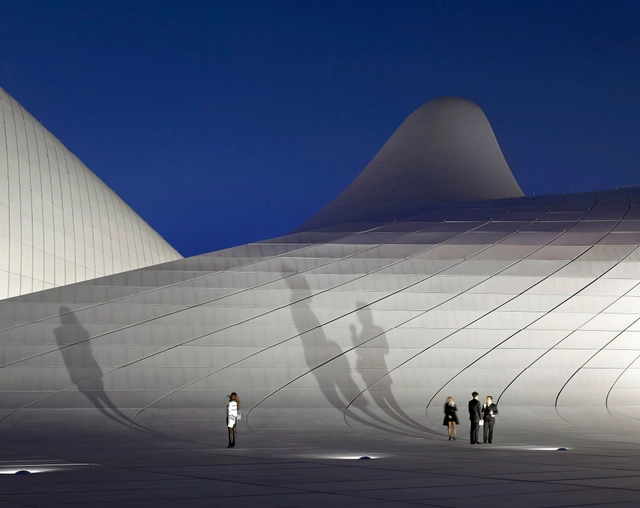
Modern times have seen the rise and proliferation of architectural media, allowing people to remotely experience spaces and buildings without ever physically entering them. As such, the importance of the architectural image has never been greater.
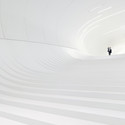
Opening on January 15 at London’s Sto Werkstatt and organized in conjunction with Arcaid Images, Building Images celebrates the "power and impact of photography on the way we sense and experience spaces." Described by Arcaid Images co-founder Lynne Bryant as having "long been the means of communicating architecture," photography is a medium that has grown inseparable from the notion and creation of the architectural image. Learn more and view selected images from the exhibition, after the break.


https://www.archdaily.com/587052/sto-werkstatt-to-showcase-world-s-best-building-imagesPatricia Arcilla
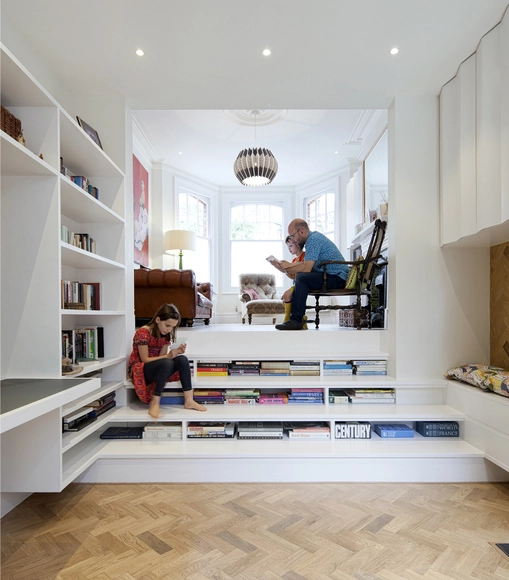
Rosa and John’s Residence / Zminkowska De Boise Architects



-
Architects: Zminkowska De Boise Architects
- Year: 2013
-
Professionals: AMA Consulting Engineers
https://www.archdaily.com/585844/rosa-and-john-s-residence-zminkowska-de-boise-architectsCristian Aguilar
Five Teams Shortlisted to Masterplan UCL’s New Campus in London’s Olympicopolis
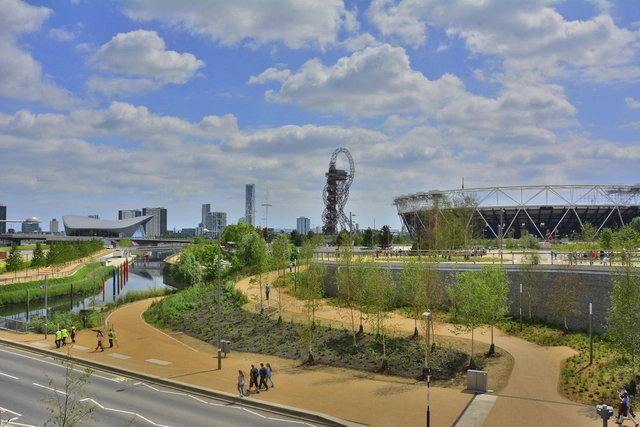
Five consortiums have been shortlisted to envision the University College London’s (UCL) new 125,000-square-meter campus on a key section of London’s Olympicopolis. Planned for the site’s cultural and educational district, nearby the future homes of Victoria & Albert Museum, University of the Arts London and Sadler’s Wells, the campus’ first phase will include the university’s first School of Design, a “Museum of the Future,” and the UCL Center for Experimental Engineering.
The complete shortlist, including Aecom, Gehl Architects and Stanton Williams, after the break.
https://www.archdaily.com/586329/five-teams-shortlisted-to-masterplan-ucl-s-new-campus-in-london-s-olympicopolisKarissa Rosenfield
House of Vans London / Tim Greatrex
.jpg?1420846842&format=webp&width=640&height=580)
.jpg?1420846880 "Courtesy of Tim Greatrex")
.jpg?1420846785 "Courtesy of Tim Greatrex")
.jpg?1420846934 "Courtesy of Tim Greatrex")
.jpg?1420846940 "Courtesy of Tim Greatrex")
.jpg?1420846842)
-
Architects: Tim Greatrex
- Area: 2500 m²
- Year: 2014
-
Manufacturers: Dalhaus
-
Professionals: Building Construction Solutions (BCS), Chapman Ventilation, Line skateparks, Mecserve
https://www.archdaily.com/585818/house-of-vans-london-tim-greatrexCristian Aguilar
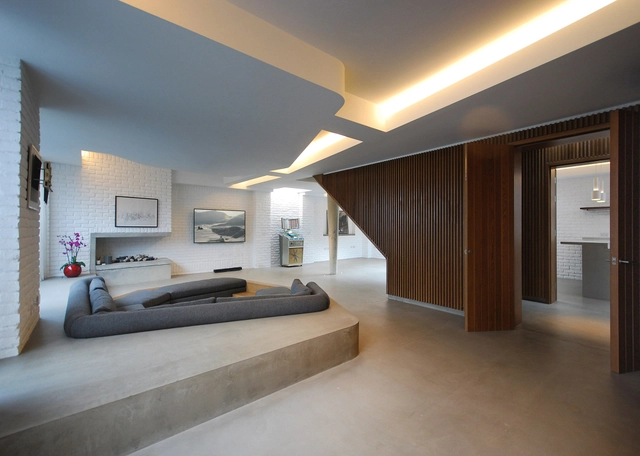
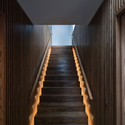
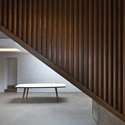
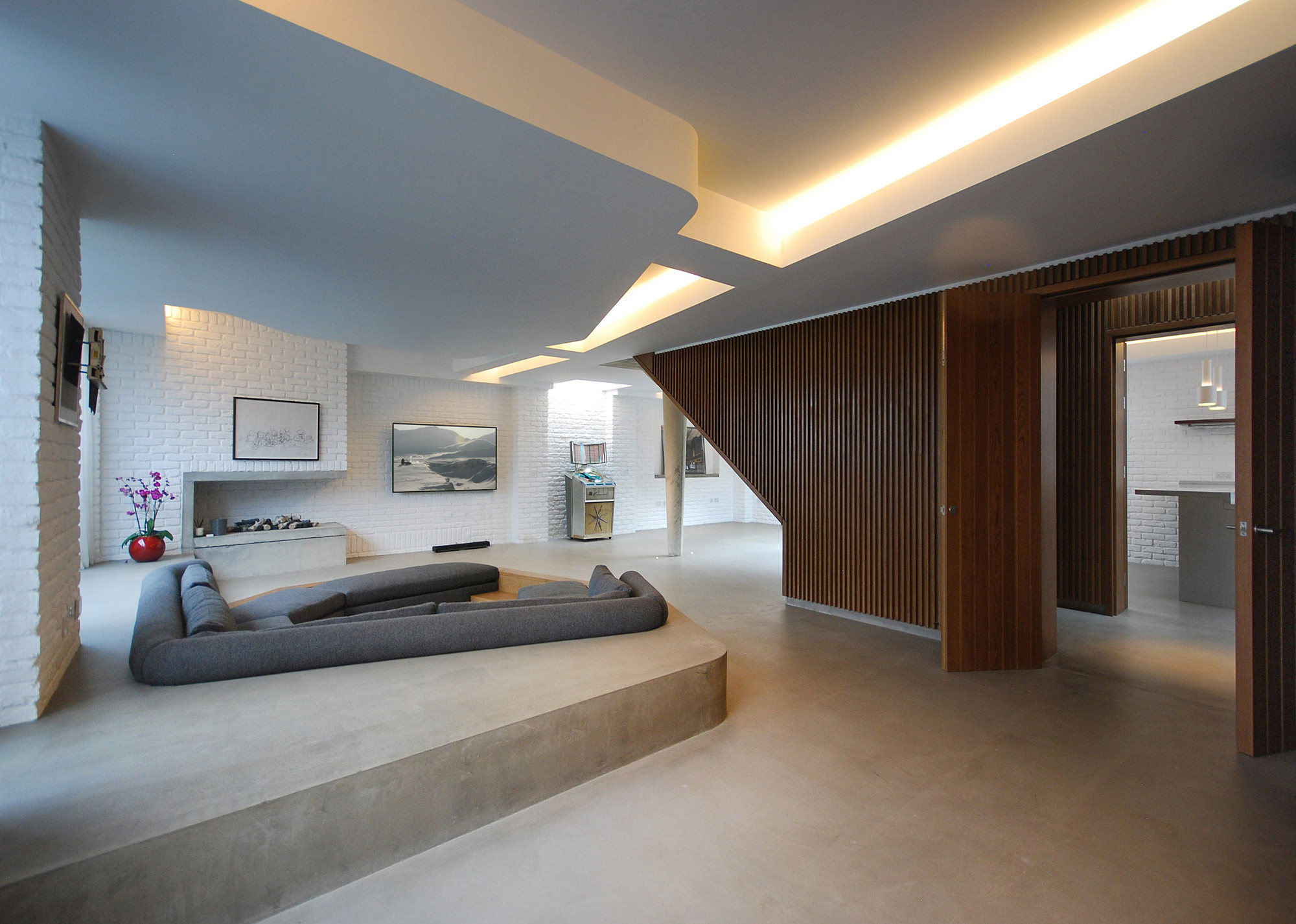
The Gables / Patalab Architecture

-
Architects: Patalab Architecture
- Year: 2014
https://www.archdaily.com/584752/the-gables-patalab-architectureDaniel Sánchez
2015 London Festival Of Architecture To Explore 'Work In Progress'
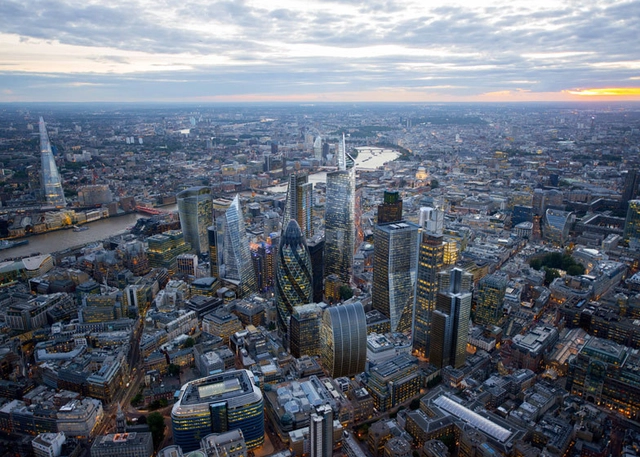
It has been revealed that the theme for the 2015 London Festival of Architecture (LFA) will centre around 'Work In Progress'. The festival, which is comprised of a series of events in and around the UK capital, seeks to "highlight the key role architecture plays in social, urban and cultural development." The annual celebration, which will run between the 1st and 30th June, will be jointly delivered by the Architecture Foundation, the British Council, New London Architecture, and the RIBA's London branch. Last year's 10th anniversary festival saw over 200 events ranging from walking tours and cycle rides, to exhibitions, talks, debates and films all addressing the theme of 'Capital'.
https://www.archdaily.com/584799/2015-london-festival-of-architecture-to-explore-work-in-progressJames Taylor-Foster
Architect Wanted to Revamp London's National Maritime Museum
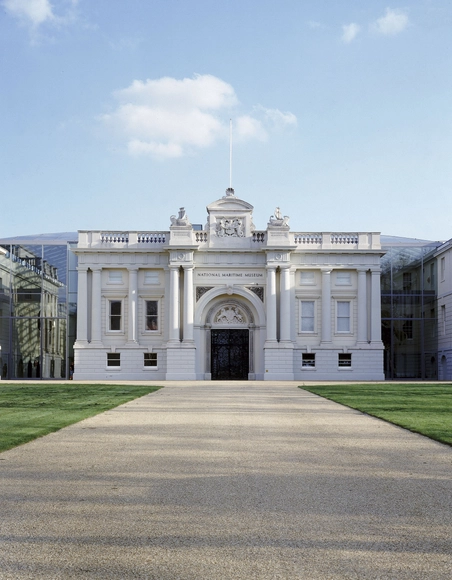
London’s National Maritime Museum is looking for an architect to revamp its West Central Wing building. As the Architects’ Journal first reported, the 1807 Daniel Asher Alexander-designed structure will be given £2 million to upgrade its facilities and establish new galleries, as well as connect the West Central Wing to the museum’s BDP and Rick Mather-designed Neptune Court podium via a bridge. All requests to participate are due January 20, 2015. Find more details, here.
https://www.archdaily.com/585384/architect-wanted-to-revamp-london-s-national-maritime-museumKarissa Rosenfield