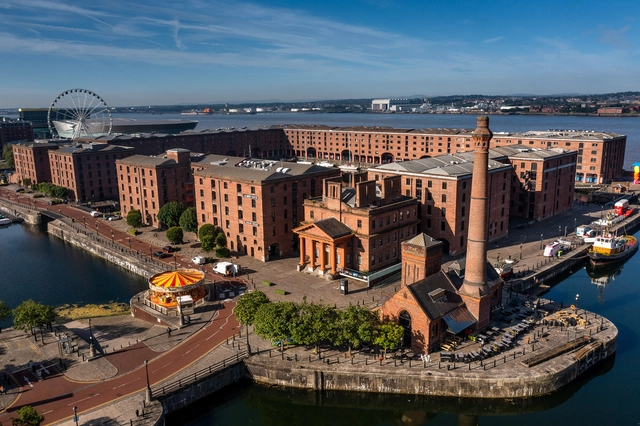
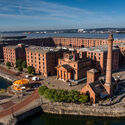
Liverpool Waterfront, location of the Maritime Museum & International Slavery Museum, Liverpool by Feilden Clegg Bradley Studios, drone image 2024. Image Courtesy of National Museums Liverpool
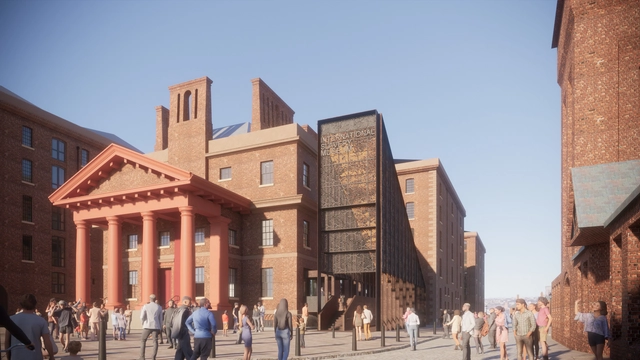
The redevelopment of the International Slavery Museum (ISM) and Maritime Museum in Liverpool, UK, achieved planning approval in Autumn 2024. On this occasion, ArchDaily's editor Mohieldin Gamal had the opportunity to engage in a conversation with Kossy Nnachetta, partner at Feilden Clegg Bradley Studios, the office in charge of the redevelopment. She discusses her architectural journey, key considerations of her practice, and the challenges and opportunities of designing the Maritime and International Slavery Museum, a joint project that had to address several sensitive and historically important issues. Kossy draws on her human-centered and community-driven design approach, describing how this development builds upon Feilden Clegg Bradley Studios' extensive portfolio of cultural projects, adaptive reuse, and historical restorations.
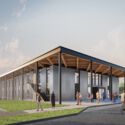
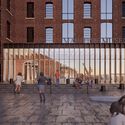
The redevelopment of the International Slavery Museum and Maritime Museum in Liverpool, UK, has been officially approved. Led by Feilden Clegg Bradley Studios, the project titled "Two Museums, One Vision" aims to transform the two venues on Liverpool's waterfront into engaging and welcoming spaces that properly address contemporary issues and reveal untold histories. aims to comprehensively narrate Britain's maritime history alongside its involvement in the transatlantic slave trade. Both venues are set to close early in 2025 for the redevelopment works to begin, according to the National Museums Liverpool. The completion date is scheduled for 2028.
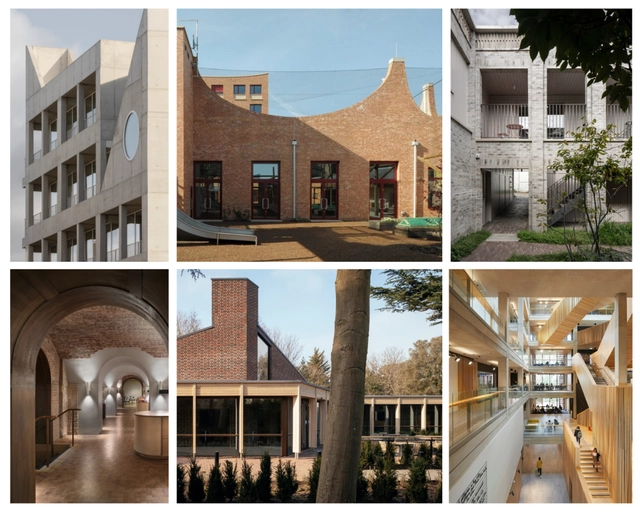
The Royal Institute of British Architects (RIBA) has announced the six projects selected for the shortlist of the 2023 RIBA Stirling Prize. The annual award is one of the United Kingdom's most prestigious recognitions in the field of architecture, judging projects on a range of criteria, including design vision, innovation, originality, and the capacity to engage and delight the occupants and visitors. Sustainability and accessibility are also crucial conditions for the selection. This edition’s shortlist includes projects by architects such as Apparata, Sergison Bates Architects, and Adam Khan Architects, featuring for the first time at the Stirling Awards Shortlist, as well as practices that have previously won, Witherford Watson Mann Architects and Feilden Clegg Bradley Studios.
The Royal Institute of British Architects (RIBA) has announced the 30 winners of the 2023 RIBA National Awards for Architecture, providing an insight into the country’s architecture, design, and social trends. Among the key themes observed this year, the need to rebuild communities and to find sustainable ways of practicing stand out as the main concerns of the participant architects. The response to these themes is varied, ranging from buildings that aim to offer opportunities for collaboration for students to creating stimulating social spaces for the elderly or providing creative programs at a neighborhood scale. All the projects selected have been in use for at least one year and have provided data regarding their environmental performance. Examples of sustainable design include both new buildings, following the Passivhaus certification, and renovation of existing structures.
Every year since 1996, the Royal Institute of British Architects (RIBA) has hosted the RIBA London Awards to celebrate outstanding works of architecture from across the United Kingdom. This year, the list of winners includes 52 buildings ranging from a senior day-care center in Blackheath to a cultural hub in Greenwich and a subtle intervention in Hackney’s de Beauvoir conservation area. All RIBA London Awards winners will be considered for the RIBA National Award, scheduled to be announced on June 22nd.
FCBStudios' redevelopment plans for St Mary le Port Bristol received planning approval, spearheading the transformation of the key site into a vibrant piece of the urban fabric. The scheme embraces the historical importance of St Mary le Port church tower and ruins, reinstates pre-WWII street patterns while reconnecting the area with the city centre. Featuring office and commercial spaces, the project is set to improve central Bristol's working and shopping experience.
England-based Feilden Clegg Bradley Studios have completed their redesign of the Hayward Gallery which transforms the iconic cultural venue into a modern space which allows Southbank Centre to continue to provide “more access, to more arts, for more people.”
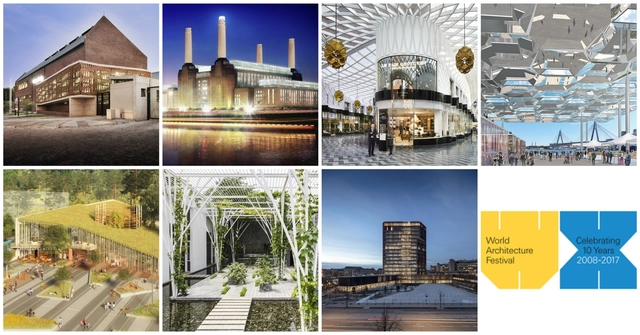
Day 2 of the 2017 World Architecture Festival is now complete, and with it, 14 more projects have been announced as category winners of the event’s 2017 awards.
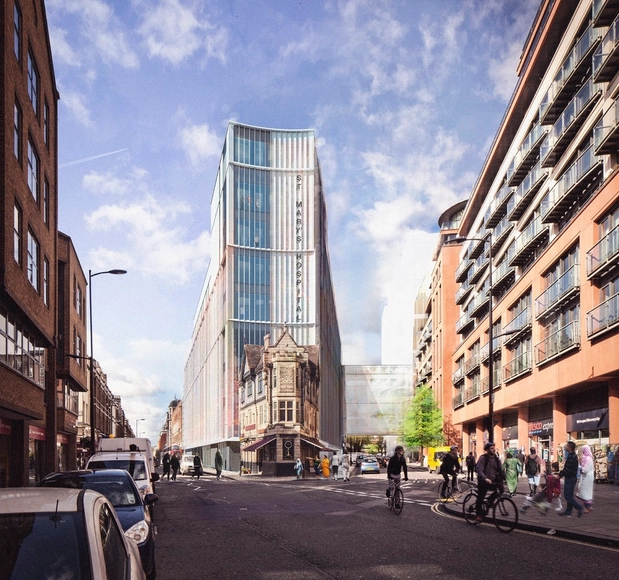
The Westminster City Council has granted planning permission for the New Outpatients Building at St Mary’s Hospital in Paddington, London. Designed by Feilden Clegg Bradley Studios, the 8-story building will consolidate outpatient services currently spread across 40 different locations into one comprehensive care center, increasing comfortability and ease-of-use for both patients and employees.
Proposals by Feilden Clegg Bradley Studios, Adam Khan Architects, and UAB Paleko Archstudija with UAB Baltic Engineers have been revealed as finalists of the M.K. Čiurlionis Concert Centre in Kaunas, Lithuania. The building will form part of the regenerative project for the European Capital of Culture 2022, foregrounding the River Nemunas—the site—and revitalizing an area close to the city's Old Town.
https://www.archdaily.com/880678/feilden-clegg-bradley-adam-khan-uab-paleko-baltic-engineers-proposals-shortlisted-for-the-ciurlionis-concert-center-in-kaunas-lithuaniaAD Editorial Team
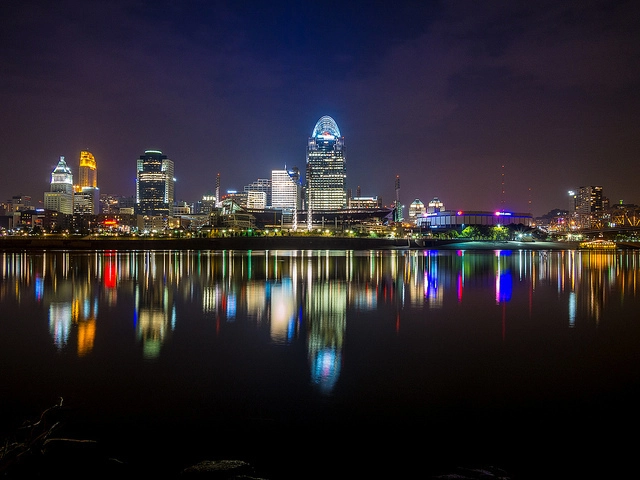
Henning Larsen Architects, Foster + Partners and Feilden Clegg Bradley Studios are all competing to design the University of Cincinnati's (UC) new Carl H. Lindner College of Business. According to the Cincinnati Business Courier, public presentations by the three finalists for the $135 million project took place last week. The University is expected to select an architect early next year. The (roughly) 275,000-square-foot building will be part of the campus' "Beautification Plan."
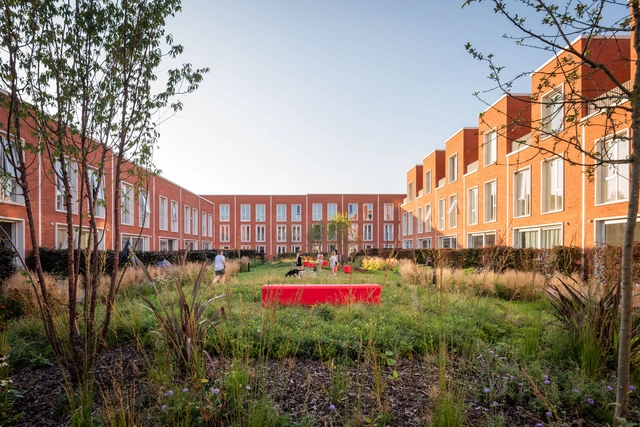
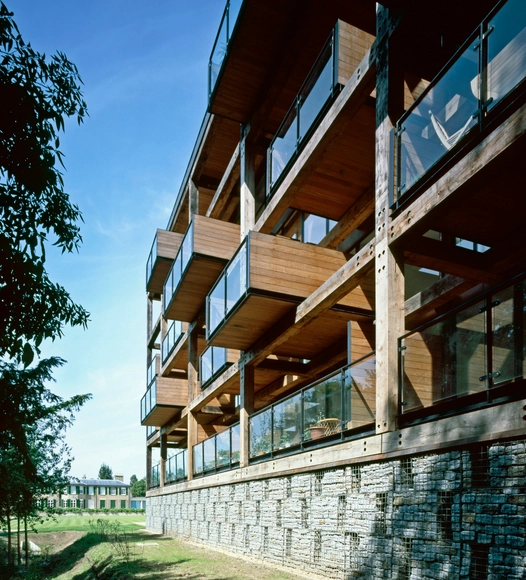
Founded in 1978, Feilden Clegg Bradley Studios has spent over thirty years refining its approach to sustainability, and is now regarded as one of the UK's leading practices in low-energy design. Yet their work still resonates on many other levels, bringing them multiple awards including the 2008 RIBA Stirling Prize for the Accordia Housing Project which they completed alongside Alison Brooks Architects and Maccreanor Lavington. In this interview from Indian Architect & Builder's May 2015 issue, Peter Clegg talks about the principles behind their work, explaining the concept of holistic sustainability which makes their designs so successful.
Indian Architect & Builder:The Yorkshire Sculpture Park, The Southbank Centre and many other projects desire to involve the social aspects for the larger good of the community. How would you describe the incorporation of these into the design process?
Peter Clegg: Architecture is an art form but also social science and we have a duty not only to work with our current client base and generate ideas collaboratively, but also think ahead and envisage the needs of future generations who are our ultimate clients. Our most creative work comes from working closely with creative clients who are more prevalent in the creative and cultural industries.
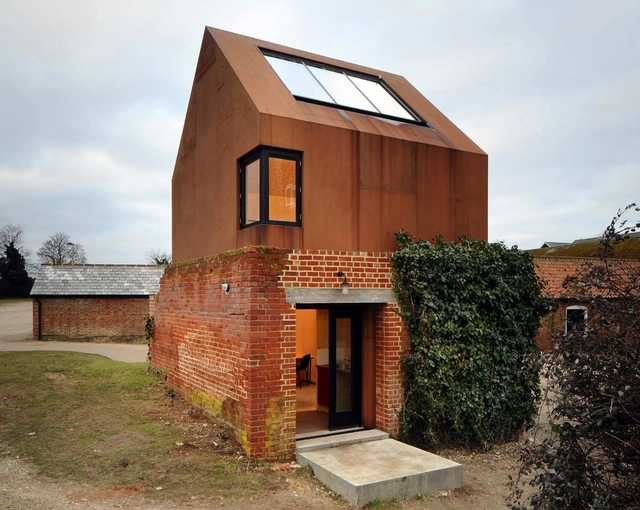
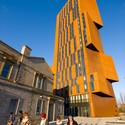
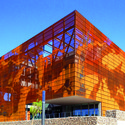
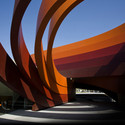
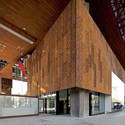
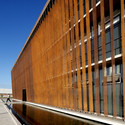
One of the most interesting trends in architectural materials of recent years is the increase in use of weathering steel - more commonly referred to by its trademark name, Cor-Ten. Thought the material has been around for decades, first being used for architectural purposes in the Eero Saarinen-designed John Deere Headquarters in 1964, the material has seen a surge in popularity in the last decade or so, being used in everything from individual houses and tiny kiosks, to SHoP's design for the Barclays Center in Brooklyn, which used a staggering 12,000 weathering steel panels.
A total of sixteen projects have been shortlisted for RIBA South West 2015 Awards, featuring buildings by Glenn Howells Architects, Feilden Clegg Bradley Studios, AHR, and Stonewood Design. All shortlisted buildings will now be assessed by a regional jury. Regional winners will then be considered for a RIBA National Award in recognition of their architectural excellence, the results of which will place some projects in the running for the 2015 RIBA Stirling Prize.
See the complete list of shortlisted projects after the break.











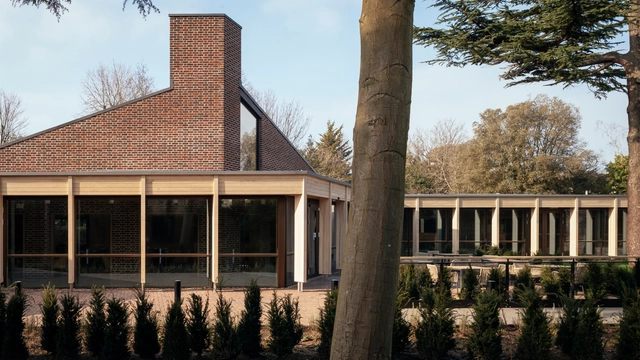



.jpg?1517512410&format=webp&width=640&height=580)
.jpg?1517512410 "© Morley Von Sternberg")
.jpg?1517512388 "© Morley Von Sternberg")
.jpg?1517512260 "© Morley Von Sternberg")
.jpg?1517512243 "© Morley Von Sternberg")
.jpg?1517512410)



.gif)
.jpg?1498063231 "Tate Modern's Blavatnik Building (Switch House) / Herzog & de Meuron © Iwan Baan")











_JoChambers-Cropped-764x500.jpg?1428504204&format=webp&width=640&height=580)
AlanWilliams.jpg?1426489201&format=webp&width=640&height=580)