Kenzo Tange's 1960 Tokyo Bay Plan reflected the zeitgeist of a society enamored by rapid technological advancement and post-war optimism. Buckminster Fuller's 1959 dome concept over Manhattan was developed on a belief in humanity's ability to shape its environment on an unprecedented scale. All throughout the mid-20th century, utopian urban planning ideas sprouted in various parts of the world, driven by a unique combination of societal factors and psychological motivations.
While these visions were often marked by hope and ambition, they also reflected the broader economic growth and technological innovation of the time—factors that contributed to the bold fantasies of architects and urban designers eager to transform the urban landscape. Many saw an opportunity to redesign cities from the ground up, often bypassing the complexities of existing urban fabrics in favor of futuristic ideals. However, while these visions provoked forward-thinking practices, they often surprised the public and seemed distant or unattainable. How might these concepts have evolved if shaped by today's participatory planning, which prioritizes public engagement and community input?
Videos
Courtesy of Architecture & Design Film Festival
A journey through the legacy of Eileen Gray and her most famous house in the French Riviera, "E.1027 – Eileen Gray and the House by the Sea," by directors Beatrice Minger and Christoph Schaub, invites viewers into the layered legacy of the pioneering Irish architect and her unique vision of modernism. Designed in the late 1920s, the villa not only embodies Gray's architectural genius but also bears the shadow of an uneasy narrative involving Le Corbusier and Jean Badovici. Through their docufiction, Minger and Schaub illuminate Gray's groundbreaking work and critique the prevailing narratives of male dominance in modernist history.
Much of the production of modern architecture on the American continent was based on the model of European architects who, with their works, projected the fundamental premises and ideas for modern living. These pillars of architecture were transferred and consequently adapted to the American territory, introducing, at the same time, their own characteristics according to the territorial, socio-cultural and economic context.
We understand that good architecture is that which serves as a model for solving problems inherent to the discipline of architecture in general. This is why certain references that we consider today as "classics" are examples of good architectural practices that have been appropriated by other architects, taking the pertinent and necessary elements to achieve a result in accordance with the particular context.
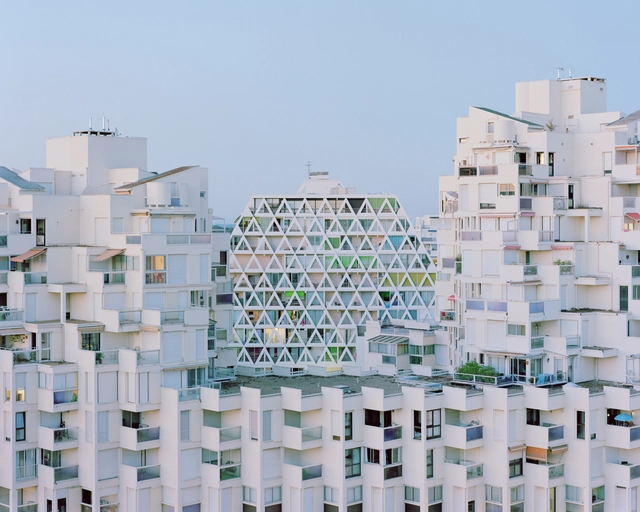
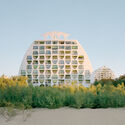
In the south of France, a 40-minute drive east of Montpellier, lies the otherworldly resort town of La Grande Motte. Named after a nearby sand dune, the city is characterized by futuristic, pyramid-shaped apartment blocks in various relief forms, adorned with diverse vegetation including pines, planes, olives, poplars, and cypresses. Artists Charly Broyez and Laurent Kronental describe this unique character as "a fairy-tale vision of a land emerging from the uncharted territories of our psyche, loaded with memories, images, sounds, colors, history." Through their meticulous images, they reveal the city's distinctive architecture.
For centuries, models have been central to architectural design, providing architects with a tangible way to explore ideas, test concepts, and communicate their vision. From the Renaissance to Modernism, models have been instrumental in the construction and reflection processes, offering insights into form, proportion, and spatial relationships. However, in today's digital age, where 3D modelsand Virtual Reality(VR) have become powerful and efficient tools, the question arises: Are physical models still relevant in contemporary architecture?
Barragán, Bofill, Graves, and Le Corbusier are architects renowned for their exceptional and sensitive use of color. In their approaches, color takes on an importance comparable almost to functionality, achieved through a nuanced and comprehensive perception of their context. But what is color? From a technical standpoint, it is a visual perception that arises from the interaction of light with our eyes and brain. However, when we explore its meaning on a more emotional and poetic level, it takes on a deeper significance. For Ricardo Bofill, color infuses life into architecture, while for Charles-Édouard Jeanneret, —better known as Le Corbusier—, it serves as a powerful tool to evoke emotions and create spatial illusions.
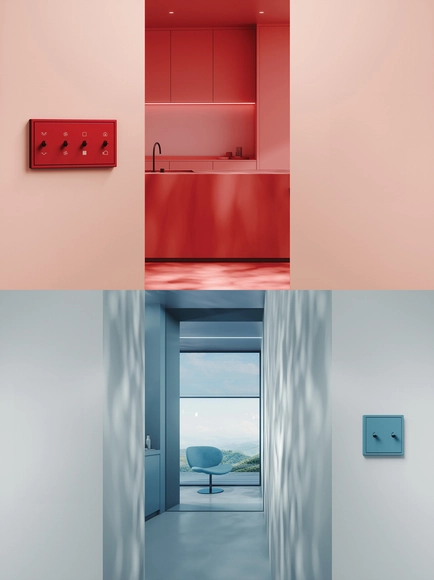
In 'Polychromie Architecturale' Le Corbusier argues that color is not only a decorative element but also a fundamental tool for creating environments and enhancing the functionality of architectural spaces. This idea, developed between 1931 and 1959, is articulated around a system composed of a range of colors, where each tone has its relevance and contributes to creating atmospheres that transcend mere architectural design. An example is JUNG's LS 1912 toggle switch range, which combines classic design with advanced control options and showcases the diverse hue variants of the 63 colors in Le Corbusier's color system.
https://www.archdaily.com/1021935/smart-and-retro-advanced-toggle-switches-harmonized-with-le-corbusiers-color-systemEnrique Tovar
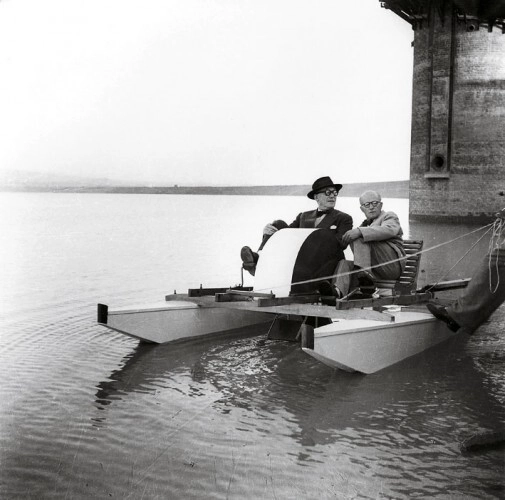
The relationship between architecture and naval design has been a fascinating interplay of form and function that has evolved significantly. Both disciplines have a shared history of innovation, aesthetics, and functionality that have informed and inspired each other. This "love affair" has seen architects drawing inspiration from boats, particularly in the modernist era when ships' streamlined, efficient designs influenced the aesthetic of buildings. Conversely, architectural principles have also been adapted to enhance the functionality and form of boats, demonstrating a reciprocal exchange that continues to shape both disciplines.
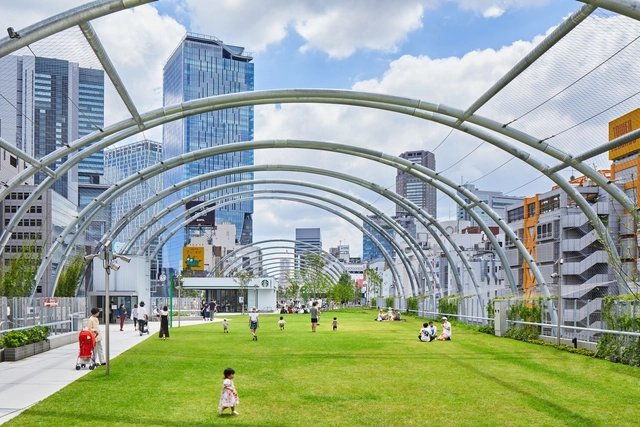
With escalating land values in urban centers, there has been a growing trend to float public spaces from ground level to elevated locations, such as rooftops or podiums between buildings. From a development perspective, maximizing floor area has become crucial as urban environments expand. Ground-level spaces are highly sought after for retail use due to their strategic location, which attracts foot traffic and potential customers and drives city development and economics.
This financial consideration, which often guides building activities and directions in urban centers, contradicts design principles advocated during the modernist era for the benefits of better outdoor space for the public, such as the concept of 'Freeing the Ground'. Architects like Le Corbusier championed this concept through projects like Villa Savoye and Unite d' Habitation. These modernist designs envisioned a future where buildings were elevated to restore open, accessible outdoor ground-level spaces for its users. However, for the reasons above, many contemporary projects instead seek to replicate the function of public grounds within the building's structure.
"O beautiful, for spacious skies, for amber waves of grain, has there ever been another place on earth where so many people of wealth and power have paid for and put up with so much architecture they detested as within thy blessed borders today?"
Tom Wolfe wrote this in his 1981 book From Bauhaus to Our House. The conflict between modern and traditionaldesign has barely abated since, as is evident in this recent article. In the U.S., modern buildings are often met with community aversion, for familiar reasons: their perceived coldness and lack of contextual sensitivity, the impact on local character, and the loss of historical continuity. But on another level, the critique against modern design finds even more purchase on the larger scale: the city. Modern U.S. cities reek of traffic congestion and pollution, social inequality and gentrification, a loss of community and cultural spaces, and a lack of usable open space.
https://www.archdaily.com/1020898/contemporary-architecture-and-the-modern-cityGerhard W. Mayer
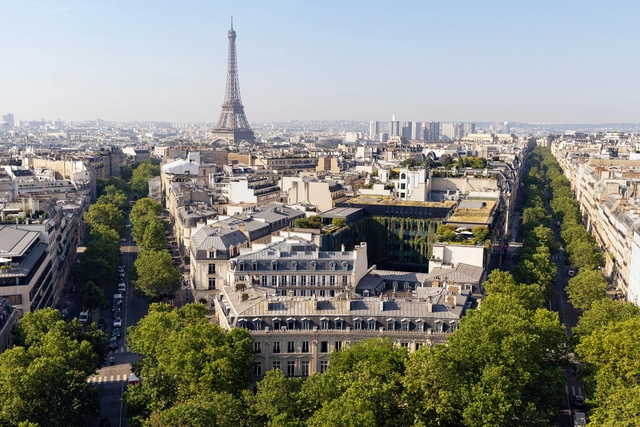
In 1900, Paris hosted its first Olympic games. It had been the second city to host them after the first Olympics in Athens. It was also the year of the Exposition Universelle, where the city would again showcase how it remade itself anew in less than 30 years. To this day, Paris remains a hub for all sorts of architectural innovation and development through bold designs that affect how people live and new materials and techniques. It fascinatingly juxtaposes grandeur and monumentalism with its predominately baroque, “second empire,” and art nouveau works; while also pushing for designs that strive for social living reforms such as in Le Corbusier’s experimental works or Lacaton & Vassal’s considerate interventions.
It’s this openness to the world that attracts not only millions of visitors a year but also innovators and architects who have set up shop in Paris and made it their second home. Once again, the city reworks itself as mass construction, renovation, and restoration sites culminate all over the city to host international athletes at the 2024 Olympics.
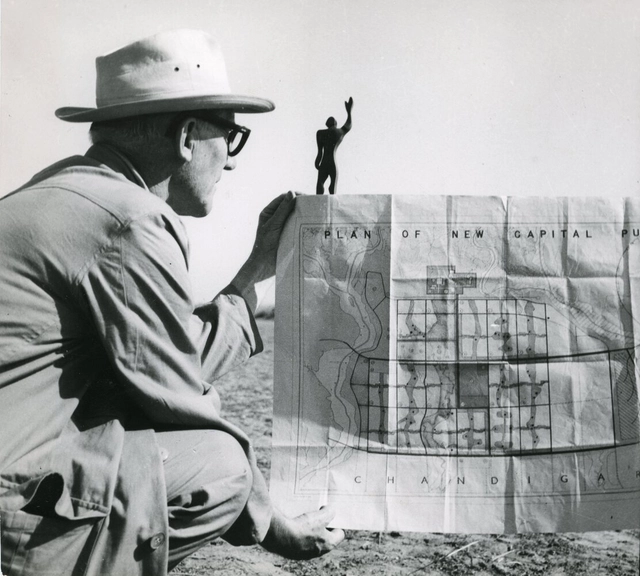
Courtesy of FDL, ADAGP 2014 | Le Corbusier in Chandigarh with the plan of the city and a model of the Modular Man, his universal system of proportion, 1951
The Victoria & Albert Museum is set to present an expansive exhibition focused on Tropical Modernism, an architectural movement that emerged in the late 1940s. British architects Jane Drew and Maxwell Fry were instrumental in developing this approach, combining modernism’s functional goals with local climate adaptations in warm and humid weather. This movement, which embodies Britain's unique contribution to international modernism, evolved against a backdrop of anti-colonial resistance, blending colonial architectural principles with local needs.
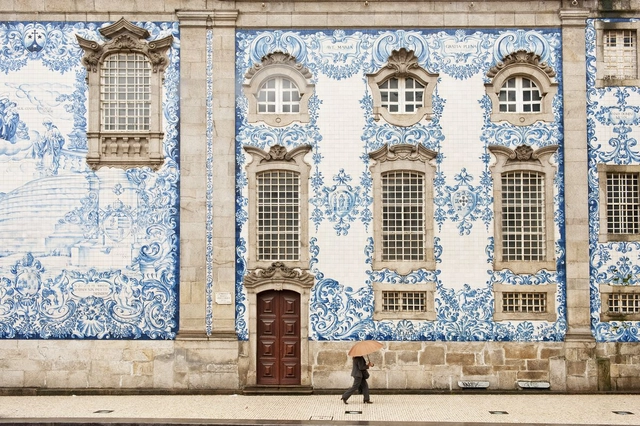
Historically, architecture has served as a canvas for artistic expression. Building elements have been adorned with relief-carved garlands, inscriptions, fresco murals, portrait busts, and classicizing figurative sculptures, all of which emphasize the unique and intentional nature of each component. However, the industrialization of the 19th century brought about a shift in ideals, that stripped architectural components of their decorative elements. Instead, it preferenced the search for beauty in standardization and the economic accessibility provided by mass-produced building elements.
But is there room for artistry within mass production? Can artists be involved in the industrial-making processes of building elements? And how can new technology facilitate artistic mass customization of building components? These questions prompt us to consider the potential for expression, communication, and reflection in the craft of building elements in both interior and exterior spaces.
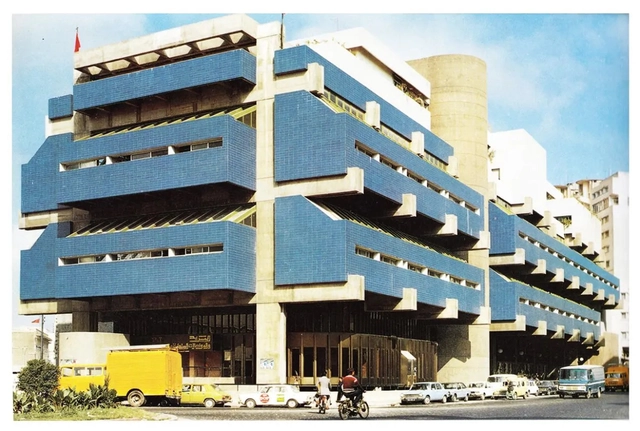
Several events have shaped Morocco since its independence. One of them is the Architects’ transition from serving the declining French empire to serving the newly independent Moroccan nation. Upon gaining independence in 1956, young Moroccan and foreign architects were tasked with constructing a self-sufficient Morocco. The demand for modern infrastructure, new administrative buildings, and improved education and health facilities led to a construction boom. This boom provided architects and planners the opportunity to express their vision.
Inspired by the popularity of modernism in Europe, architects experimented with buildings that embodied brutalism. This architectural style was not only a rebellion against the colonial vision of urban design in Morocco, but also a symbol of architectural unity in the urban landscape. Buildings were created in various typologies with the characteristic of exposed concrete, showcasing its inherent qualities of strength, durability, and functionality. These buildings, which can be seen in cities such as Agadir, Casablanca, Tangier, and parts of Marrakesh, represent a dialogue between brutalism and Moroccan culture, environment, and climate.
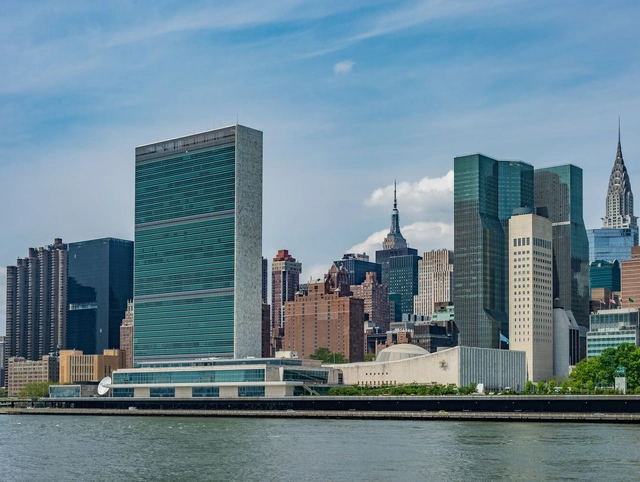
UN Headquarters in New York. Photo by the blowup, via Unsplash
In 1945, the declaration of the end of World War II brought a wave of euphoria to the streets, and optimism permeated the atmosphere with the promise of brighter days. Inspired by this newfound hope, the United Nations Organization (UN) was established in the same year. The vibrant city of New York was chosen as the headquarters location, and an international team of carefully selected and invited architects was tasked with conceiving the project.
For this ambitious and truly international project, eleven renowned architects were brought together from various corners of the world. These architects, often known for their inflated egos, a common trait in their profession, were accustomed to exercising full control over their architectural designs and even their respective countries. They had to coexist in the same space and collaborate on a single project. The successful collaboration on this project would be a compelling demonstration of the possibility of achieving world peace.
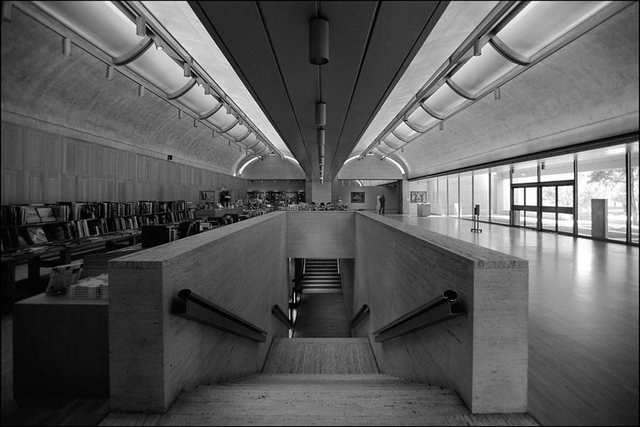
Kimbell Art Museum / Louis Kahn. Image Courtesy of Xavier de Jauréguiberry
AD Classics presents you with some of the greatest buildings of the past that have influenced and shaped architecture today. Throughout ArchDaily's 13 years, more than 200 classics were published, and for this edition, we have rounded up the top 20 most visited Architecture Classics to date.
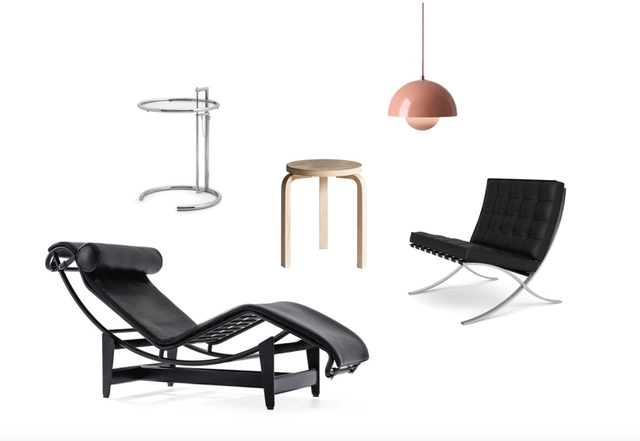
Big meeting: Le Corbusier's LC4 Chaise Longue meets Eileen Gray's Adjustable table, Alvar Aalto's Stool 60, Verner Panton's Flowerpot pendant and Mies van der Rohe's Barcelona chair
The 20th century is almost certainly the most important period when it comes to interior design icons. The list of protagonists who have contributed to making this era of design such a great one is certainly too long to truly do justice to all of them and their classic furniture designs. For this reason, here we present just a small selection of architects and designers such as Eileen Gray, Le Corbusier and Verner Panton, who have written design history over the past century, and which still continue to make an impression to this day – all of whom can be found on the Architonic Platform. Our journey includes extraordinary talents from all corners of the world: A look back at the furniture world of yesterday, which was then of tomorrow, and today still shines as brightly and timelessly as ever.
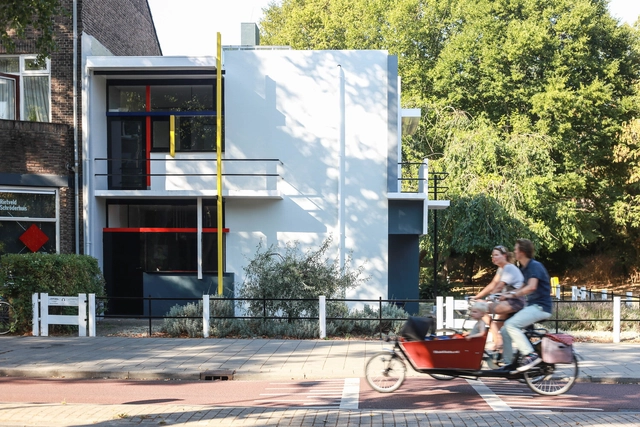
Given that the architects of modernity were in search of purity of form, it stands to reason that the image of this modern architecture is almost inevitably rendered in white in the collective imagination. Relieved of superfluous decorations, modern architecture became associated with the predominant use of white surfaces to highlight the volumetric composition. Combined with the concept of “material truth” first articulated by Victorian critic John Ruskin, white-colored architecture is often understood as straightforward, clear, and sincere.


























.jpg?1570002957 "La Muralla Roja / Ricardo Bofill. Image Courtesy of Ricardo Bofill")