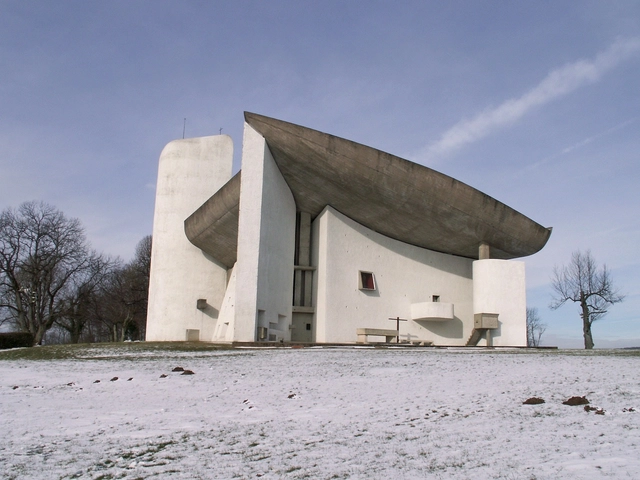
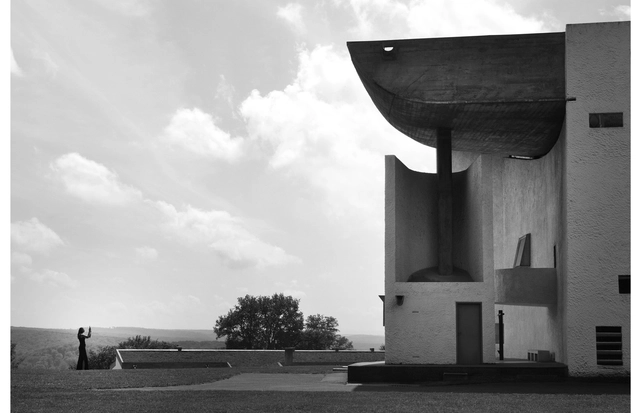
Chapel of Notre Dame du Haut in Ronchamp. Image via Maxpixel
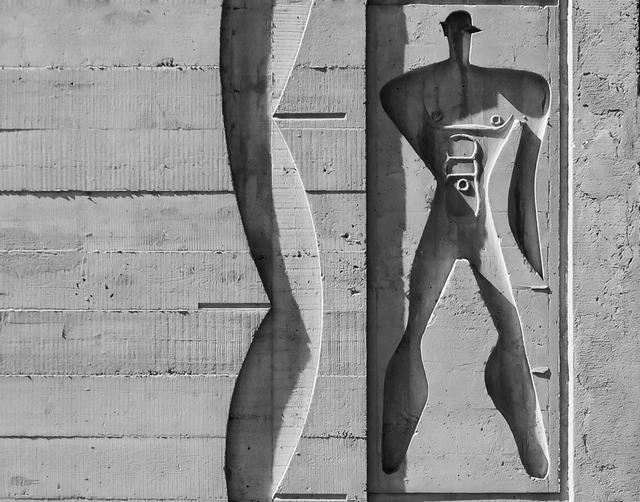
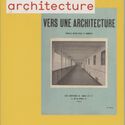
One hundred years ago, in 1923, Le Corbusier’s “Vers une Architecture” was published in the magazine “L’Esprit Nouveau.” The controversial collection of essays authored by the Modernist master served as a manifesto for the development of modern architecture, influencing generations of architects and sparking polemics on the proposed principles of architectural design. The book advocates for the beauty of streamlined industrial designs, like those of airplanes, automobiles or ocean liners; it proposes a completely different way of building cities, favoring tall and slender towers surrounded by abundant greenery, and introduces Le Corbusier’s 5 principles for modern design.
Now, a century later, these theories have become part of every architect’s education, but they are also highly contested. Some critics argue that the rigid approach, especially in relation to urban planning principles, fails to engage the cultural and contextual nuances of different communities, leading to alienating urban environments. Still, the legacy of Le Corbusier is significant, serving as a constant point of reference for architects when exploring the balance between functionality, aesthetics, symbolism and the social impact of their designs.
At the beginning of 2022, curator Lesley Lokko announced the title of the 18th International Architecture Exhibition – La Biennale di Venezia: “The Laboratory of the Future.” The theme’s intention is to highlight the African continent as the protagonist of the future, a place “where all these questions of equity, race, hope, and fear converge and coalesce,” in the words of the curator. As the fastest urbanizing continent, Africa is viewed as a land of potential, but also of challenges, where matters of racial equity and climate justice are played out with a significant impact on the world at large.
Yet in the late 1950s, another laboratory of the future was taking shape, one where the novel ideas of Modernism produced grand monumental designs and complete urban structures at an unprecedented scale: India. In the search for a modern and democratic image, the newly independent country welcomed Western architectural masters such as Le Corbusier and Louis I. Kahn and entrusted them with a wide range of commissions, from the urban layout of Chandigarh and its major governmental buildings to universities, museums, and smaller scale domestic projects. The result is a mixture of cultures, influencing one another to unexpected results.
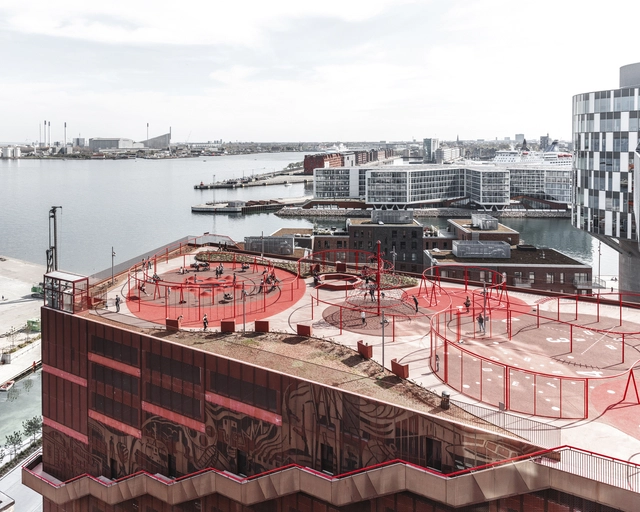
In increasingly denser urban environments, there is a new-found interest in underused spaces as opportunities for further development. Representing up to 25% of cities' land area, rooftops are among the most exciting spatial resources. From sustainable infrastructure and urban farming to social spaces and cultural venues, the article looks into the potential of creating a multi-layered city through the activation of urban rooftops.
The infamous Unite d' Habitation, the first in Le Corbusier's new line of housing projects that emphasized community living for all the residents, was completed in 1952. For its 70th anniversary, world-renowned photo artist Paul Clemence reveals a unique photo series of the building as it stands today. The photographs honor the construction that initiated the brutalist movement and showcase the infamous project's current condition.
This year marks the centennial of the first edition of Vers Une Architecture, Le Corbusier’s epoch-making book. Though a new English translation appeared in 2007 to much acclaim, most other practicing architects read the first English edition that appeared in 1928, entitled Towards a New Architecture. Comparing the three editions is instructive, particularly in one crucial respect: the insertion of the word “new” in the title. The book wasn’t really about new architecture, because very little of it showed buildings in the International Style. Instead, it was in many respects a clever diatribe intended to convince Europeans that they had no choice but to renounce every kind of architecture that had been built before the Great War and begin anew. It was remarkably successful in fulfilling that aim.
https://www.archdaily.com/1000499/away-from-old-architecture-what-le-corbusier-really-meantMark Alan Hewitt
Contemporary Indian design culture can aptly be described with one word - fusion. A close look at the trends in fashion, cinema, music, and art soon reveals the country’saspirations as a globalized nation. Reveling in a new era, India’s art and design appear as a combination of influences from traditional life and the Western world. A “neo-Indian” image informs multiple forms of cultural expression, including architecture and interior design. As Indians and Indian architecture carve the country's place in the world, a new design trend flourishes - one that is driven by modern lifestyles, international influences, a colonial past, and a desire to stay connected to its roots.
While the city of Berlin has a long history, dating back to the 13th century, its architecture and urban fabric has undergone the most significant changes during the last century, reflecting the impact of major historical events that took place in the German capital. During the early 20th century, Berlin transformed into a modern metropolis, marked through the construction of grand buildings and imposing structures to demonstrate the city’s growing economic and political power. The 1920s and 1930s saw the emergence of the Modernist movement, which, together with the Bauhaus school of architecture founded in 1919, influenced the image and urban fabric of Berlin.
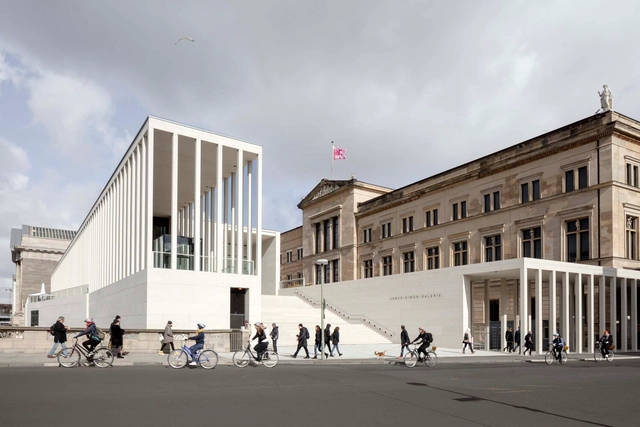
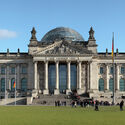
During the Second World War the city was heavily bombed, resulting in the destruction of many historical buildings. During the post-war period, reconstruction efforts focused on rebuilding infrastructure and housing, while the city remained divided until 1989, with the fall of the Berlin wall. After this period, Berlin witnessed a renewed interest in architecture and urban design. Interventions such as David Chipperfield’s Neues Museum aimed to rebuild historical monuments without erasing the markings of their difficult past. Other projects such as the renovation of the Reichstag had a different purpose. Norman Foster’s intervention intended to keep the image of this building but change its symbolism from a structure representative for the Nazi regime to one embracing the ideals of democracy and equality.
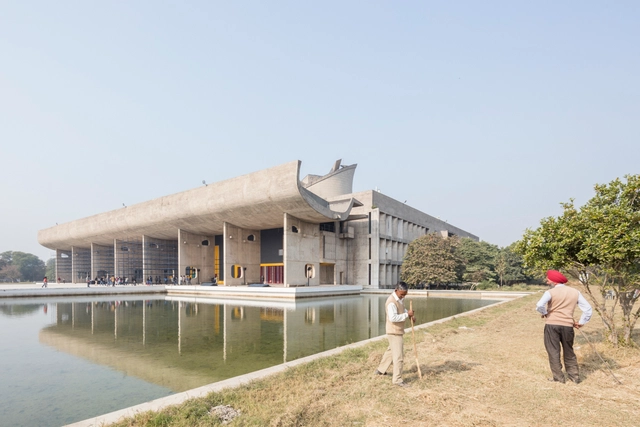
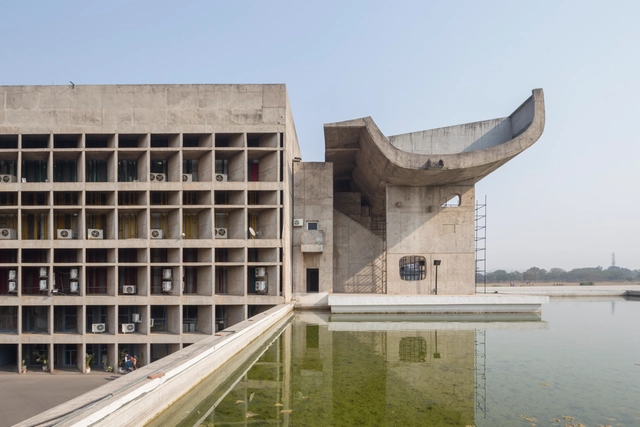
In 1950, the famous Le Corbusier was asked to design the new state capital of Chandigarh for Punjab following its separation and recent independence. The opportunity to create a new utopia was unparalleled- and is now seen as one of the greatest urban experiments in the history of planning and architecture. The city employed grid street patterns, European-style thoroughfares, and raw concrete buildings- the zenith of Corbusier’s ideals throughout his career. But what is lesser known about the ideation and realization of Chandigarh, was the woman who brought her experience of designing social housing across Africa to the project. For three years, working alongside Corbusier, and helping him design some of the best-known buildings in Chandigarh, was Jane Drew.
When people describe the modernist movement as a whole, they broadly reference the steel and glass skyscrapers which dot many of our cities’ skylines, or more specifically, the International Style that once emerged from Europe after World War I. The International Style represented technological and industrial progress and a renaissance of social constructs that would forever influence the way that we think about the use of space across all scales. Often designed as politically charged buildings seeking to make a statement towards totalitarian governments, many architects who influenced the style moved to the United States after World War II, paving the way for some of the most iconic buildings and skyscrapers to be built in the 20th century.
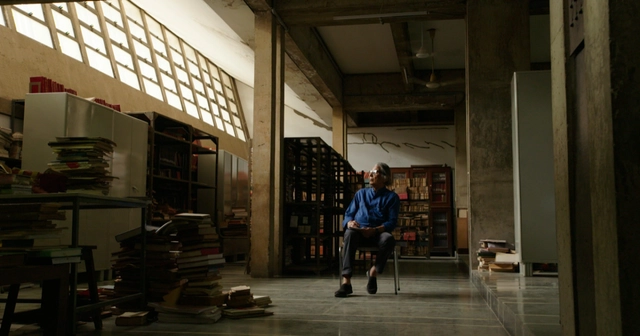
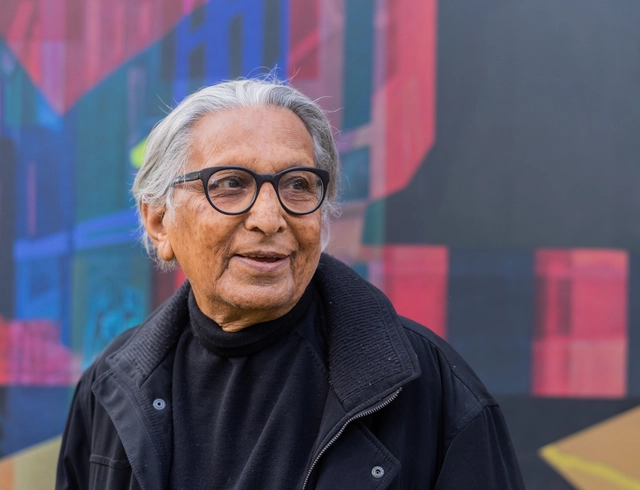
“I am not an architect,” he says with a sparkle in his eyes, “I am merely a person seeking out their destiny.” To the late pioneer of Indian modernism, Balkrishna Vithaldas Doshi, architecture was a practice of self-discovery. The veteran’s stellar works of poetic functionality resulted from a humanist philosophy bearing the influence of modernist principles, Mahatma Gandhi, and Indian spiritual texts. Doshi believed that architecture was synonymous with life - a vehicle for constant celebration; a medium for heightened experiences. His greatest contribution to the architecture community was his powerful words of wisdom that echo the timelessness of his structures.
Balkrishna Vithaldas Doshi, master architect, urban planner, educator, 2018 Pritzker Prize Winner, and 2022 Riba’s Gold Medal has passed away at 95, in Ahmedabad, India on Tuesday the 24th of January 2023, as reported by several Indian outlets and Architectural Digest India on their Instagram page. One of the most renowned Indian architects that shaped the architecture of India and its adjacent regions, Doshi, who was inspired greatly by the works of Le Corbusier and Louis Kahn, has “combined pioneering modernism with vernacular”. Known especially for his urban planning and social housing projects, as well as his academic work as a visiting professor at various universities worldwide, Balkrishna Doshi has designed, over his 70-year career, some of the most iconic buildings in India.
What is good architecture? More than two thousand years ago, Vitruvius would have answered that good architecture is that which contemplates three basic principles: firmitas (firmness), utilitas (utility), and venustas (beauty), as he described in his treatise De Architectura, and probably no one would have questioned it. Today, this broad question is capable of eliciting hundreds of answers, all personal and subjective, which have to do with the experience of each person.
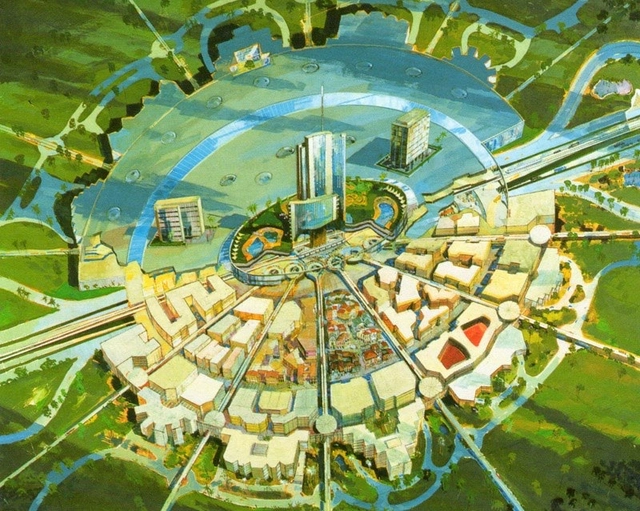
Beneath the Spaceship Earth geodesic sphere and the display of world cultures that symbolize Disney World’s EPCOT lies the buried vision for a utopian city. The original EPCOT - a community built around innovation - was one of Walt Disney’s last visionary projects. Bothered by haphazard urban sprawl, Disney had bold ideas for an urban fabric that would drive progress in the USA. The “Experimental Prototype Community of Tomorrow” was Walt Disney’s antidote to the decay of American cities.
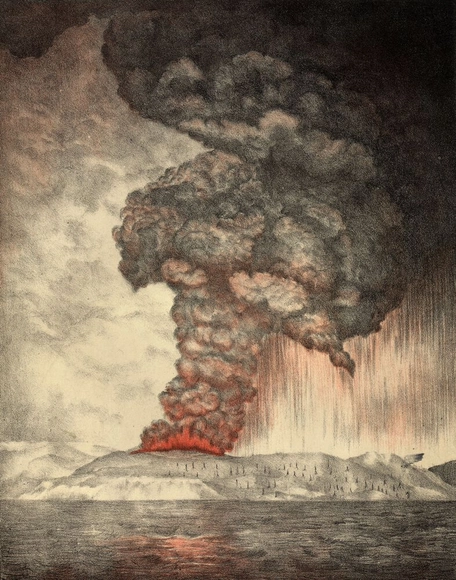
On August 27th, 1883, the volcano of Krakatoa in the Indonesian islands erupted. Ashes and rocks flew miles high. Barometers wobbled three and a half times as they recorded the atmospheric pressure wave circumnavigating the globe. The noise was heard across the Indian Ocean and Australia. And for years, small ash particles floated in the atmosphere, diffusing the sun’s light and scattering colors around the world.
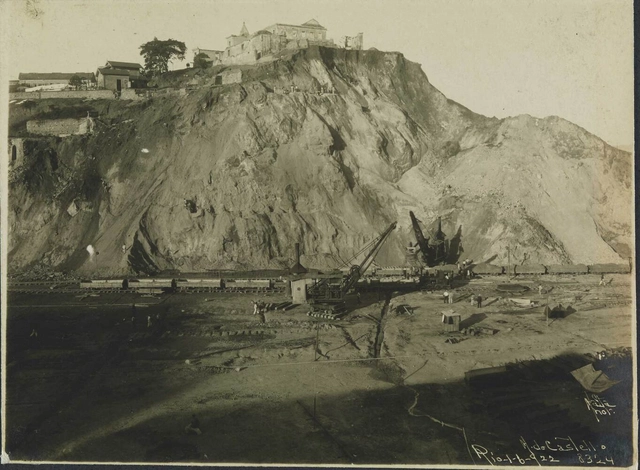
Augusto Malta, Demolition Morro do Castelo, Rio de Janeiro, RJ, June 1, 1922. . Image Courtesy of Biblioteca Nacional Digital Brasil, Fundação Biblioteca Nacional.
At the inauguration of the First Brazilian Congress of Eugenics in July of 1929, the physician and anthropologist Edgar Roquette-Pinto addressed an audience preoccupied with the question of how a country as vast as Brazil could best increase and improve its population. To accomplish this, Roquette-Pinto exalted “eugenia” as the new science that, together with medicine and hygiene, would guarantee the efficiency and perfection of the race. With the following words, the Brazilian scientist underscored a positivist agenda that brought architecture to the very core of the eugenics—the so-called science of race “improvement”—movement: “It is critical to emphasize that the influence [on our race] does not stem from the natural environment but rather from the artificial environment, created by man.” With these opening remarks to the Congress, Roquette-Pinto called attention to the crucial role that the man-made environment plays in the “amelioration” of what he called “the biological patrimony” of Brazil’s diverse population. In his invitation to social engineering, Roquette Pinto pointed to the environmental-genetic collusion that they hoped would bring with it the very possibility of progress.
“Sick Architecture” opened on May 5th at CIVA in Brussels. Co-curated by Beatriz Colomina, the exhibition investigates the intrinsic relation between architecture and sickness. The architectural discourse always weaves itself through theories of body and brain, constructing the architect as a kind of doctor and the client as the patient. Architecture has been portrayed as a form of prevention and cure for thousands of years. Yet architecture is also often the cause of illness, from the institution of hospitals to toxic building materials and sick building syndrome. The outbreak of the COVID-19 pandemic further highlighted this topic.
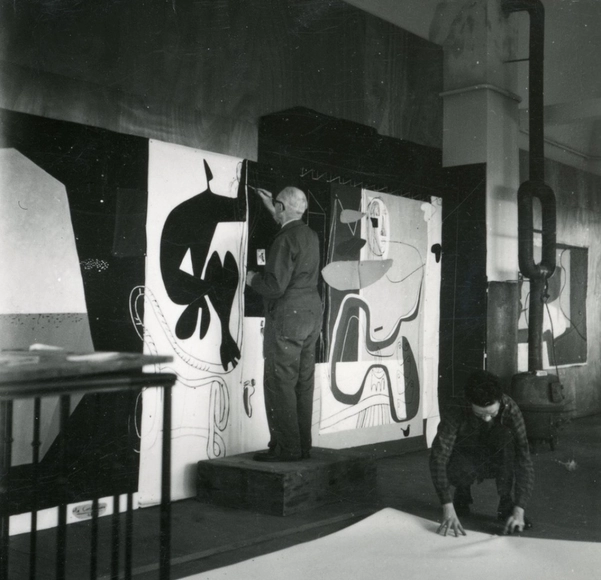
For sixty years, Le Corbusier used a wide variety of media to explore the themes and forms of his art, ranging from drawing to urbanism and including painting, architecture, and sculpture. He first discovered tapestry in 1936, in response to a request from Marie Cuttoli, who was then commissioning artworks woven in a factory in Aubusson from modern painters. However, it was twelve years later that he expressed his interest in producing woven artworks based on his drawings and found his way to this city in central France, where a true renaissance of tapestry had begun, at the initiative of Jean Lurçat and Jean Picart Le Doux.
Historic art movements and their visual characteristics have considerably paved the way for modern day architecture. For years, architects have been borrowing techniques and stylistic approaches to create their own architectural compositions, merging both disciplines together. Cubism, one of the most influential styles of the twentieth century, and heavily criticized for its experimentation with its non-representational art approach, is perhaps the most significant architecture inspiration. Just as the radical art movement rejected the then-rooted concept that art should mimic nature, architects found themselves following suit and designing structures that borrow Cubism’s avant-gardist features, creating buildings that, to this day, stand as iconic landmarks of the practice.