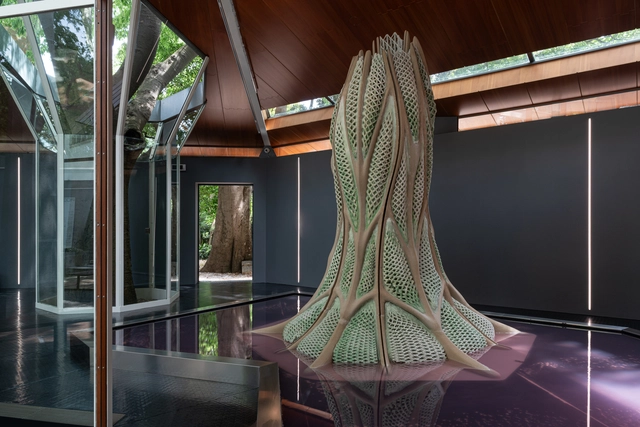
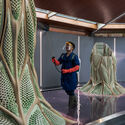
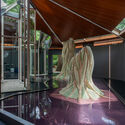
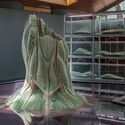
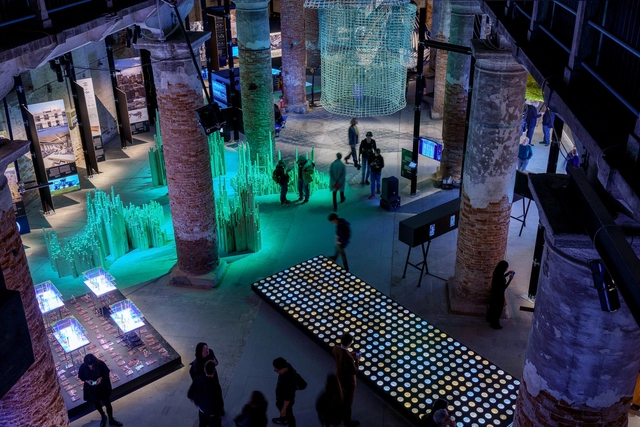
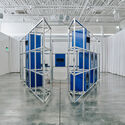
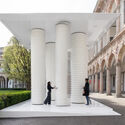
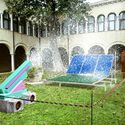
The Canada Council for the Arts presents Picoplanktonics at the Canada Pavilion as part of the 19th International Architecture Exhibition – La Biennale di Venezia, which will run until November 23, 2025. Developed by the Living Room Collective, the installation engages with ongoing global ecological challenges through a speculative, research-driven approach to design, featuring 3D-printed architectural structures embedded with living cyanobacteria capable of carbon sequestration. Developed through a four-year collaboration led by Andrea Shin Ling and a group of interdisciplinary contributors, the project investigates the potential of co-constructing built environments with living systems.
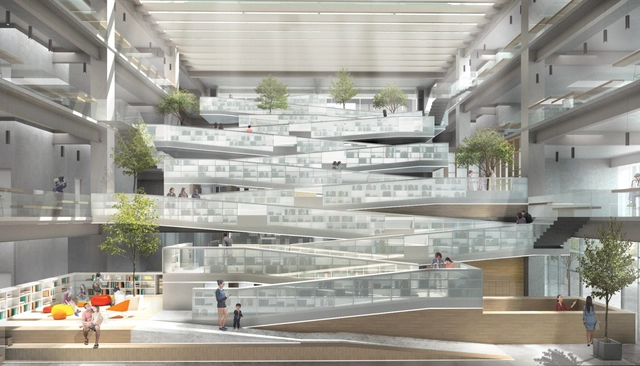
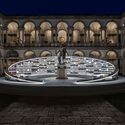
Path of Knowledge - Southern Branch of the National Central Library Exhibitor Name: Bio-architecture Formosana, CRA Carlo Ratti Associati. Image Courtesy of National Taiwan Museum of Fine Art.
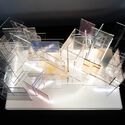
The Architectural League of New York has announced the winners of its 44th cycle of the Architectural League Prize for Young Architects + Designers. Each year, the competition centers around a theme developed by a committee of past winners. This year's theme, Plot, invited participants to explore the role of plot in architecture, whether understood as land, drawing, or scheme, and consider how these frameworks shape design narratives and processes. Established in 1981, the annual competition recognizes early-career architects and designers in North America.
This year's programming follows a hybrid model. A virtual lecture series will launch on June 11 and feature presentations by the winners alongside moderated discussions. Installations by the winners will be presented either onsite or in digital formats and showcased in an online exhibition.
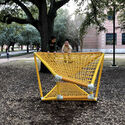
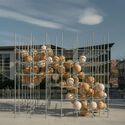
The winners of the reSITE's Young Designers Open Call have been announced. The open call has invited emerging designers to envision a playful yet functional summer installation for Manifesto Market, a popular outdoor venue in Prague known for its blend of food, culture, and community. Out of 275 registered teams worldwide, 57 submitted their proposals in line with the competition guidelines. On April 11, 2025, ten shortlisted designs were presented to an international jury during a hybrid event in Prague, with participants joining both on-site and remotely from countries including Ethiopia, Ecuador, the United States, Mexico, Turkey, France, Belarus, Georgia, and New Zealand.
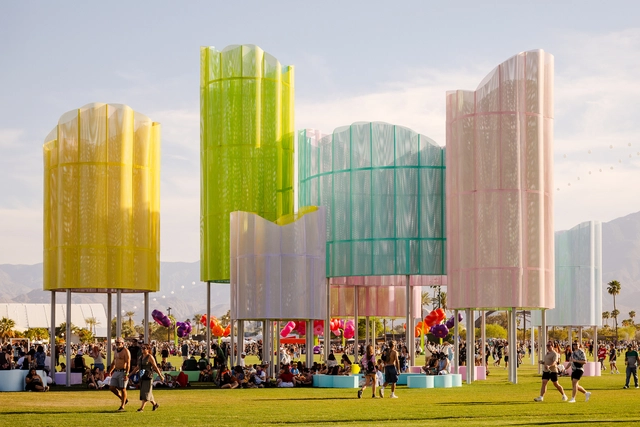
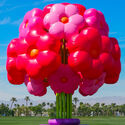
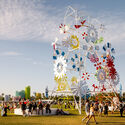
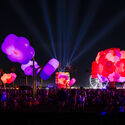
The 2025 edition of the Coachella Valley Music & Arts Festival continues its tradition of merging large-scale contemporary art with music, transforming the Empire Polo Field into a dynamic landscape of immersive installations. Curated by Raffi Lehrer of Public Art Company (PAC) in collaboration with Goldenvoice Art Director Paul Clemente, this year's program explores themes of movement, illusion, and impermanence through newly commissioned works and returning artists. Since 2016, Coachella's art program has evolved into a multidisciplinary platform, with most of its production managed in-house and on-site. The 2025 festival runs across two weekends, April 11-13 and April 18-20. This year's edition includes three newly commissioned art installations in addition to the permanent and returning exhibits.
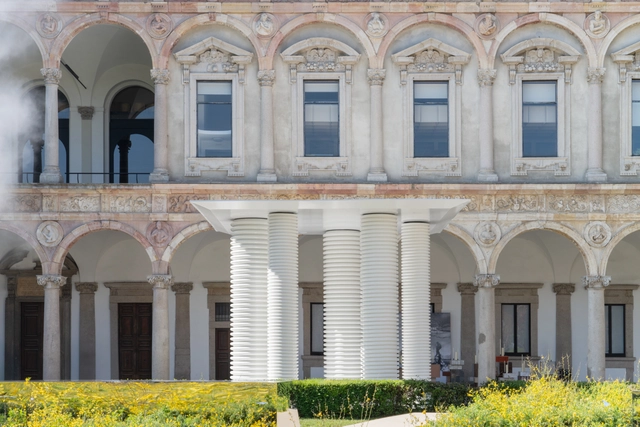
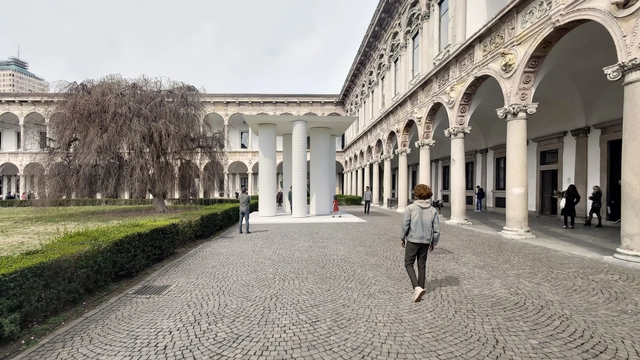
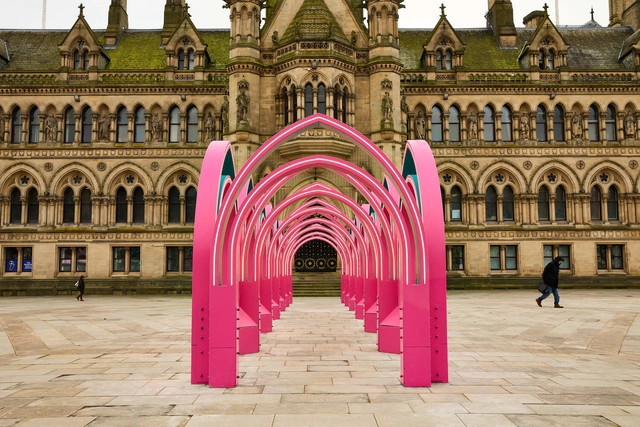
The 2025 edition of Milan Design Week and Salone del Mobile.Milano, spanning April 7th to 13th, brought together a diverse range of temporary installations at the intersection of architecture, design, and material innovation. Spread across historic sites, courtyards, and exhibition venues throughout the city, these site-specific works explored concepts such as sustainability, impermanence, sensory experience, and spatial interaction, in line with the theme of this edition of exploring the deep connections between humanity and design. Architectural studios, designers, and artists collaborated with brands and institutions to create environments that responded to context while proposing new approaches to how spaces are designed, experienced, and constructed. The following selection highlights ten installations presented during the week, reflecting a range of design approaches, materials, and spatial concepts.
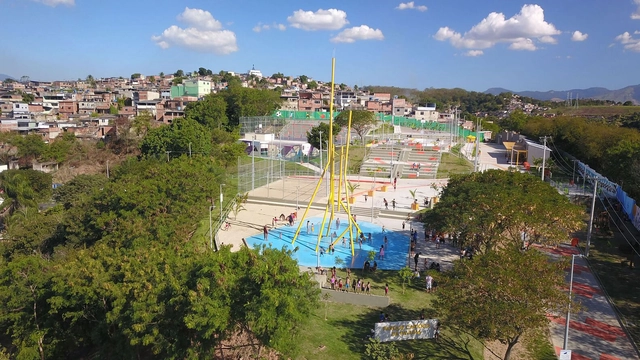
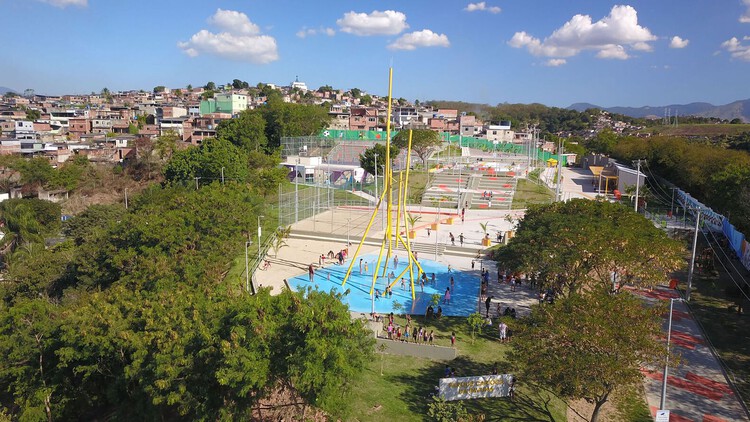
Public spaces are more than just physical voids in the urban fabric—they are stages for social interaction, cultural expression, and collective memory. In times of social fragmentation and environmental stress, these spaces can serve as catalysts for healing, offering safe environments where communities can reconnect. Through thoughtful design and participatory processes, public space interventions can rebuild trust, promote mental well-being, and foster a renewed sense of belonging among community members.
Milan Design Week 2025 is one of the most significant events in the design world, taking place from April 8 to April 13. Following in the previous years' tradition, the city of Milano will host a variety of exhibitions, installations, and discussions throughout its diverse districts, each offering a unique atmosphere and thematic focus. Alongside the renowned Salone del Mobile 2025 at the expansive Rho Fiera exhibition grounds, numerous activities and initiatives will be featured, all coordinated under the Fuorisalone agenda. This article will help navigate the many events by highlighting key venues and installations, ranging from the major fair to vibrant design districts and distinctive locations, such as historic courtyards and revitalized industrial spaces.
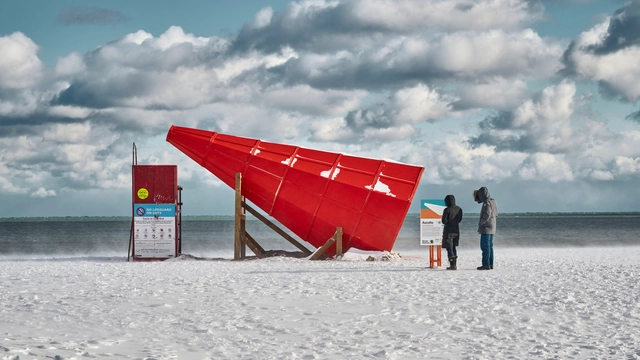
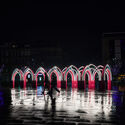
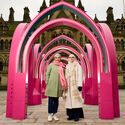
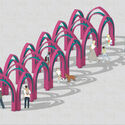
The Winter Stations annual design competition celebrates its 11th edition in 2025. The competition challenges international artists and designers to reimagine lifeguard stations as captivating, interactive art installations. Designed to harmonize with the environment at Woodbine Beach in Toronto, Canada, these installations encourage immersive engagement with art in a public space, offering a transformative experience. Following its 10th anniversary in 2024, Winter Stations introduced an additional challenge, inviting participants to consider the future of the stations and their evolving relationship with the public and the environment. The theme for the 2025 edition, Dawn, calls on designers to explore how the stations can adapt, grow, and transform in the coming years.
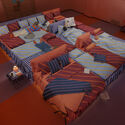
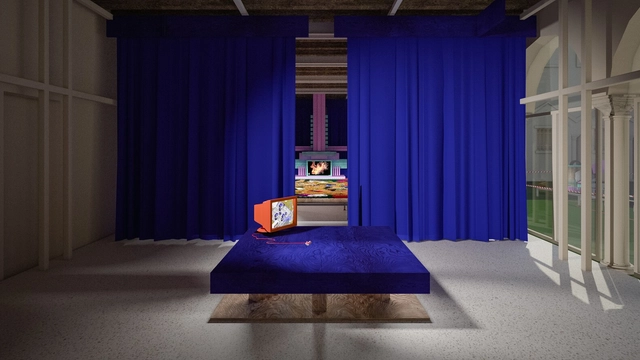
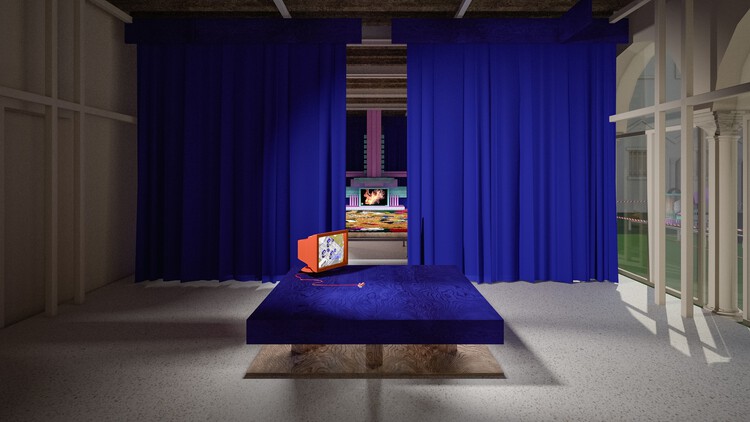
The Bulgarian contribution to the 2025 Venice Architecture Biennale is an experimental installation titled Pseudonature, situated at the intersection of nature and technology, reality and simulation. Curated by architect and designer Iassen Markov, the project explores the future of sustainability in a world where natural processes are increasingly mediated by artificial intelligence and human intervention. The exhibition features an outdoor installation that exposes technological and climate paradoxes and an interior space designed as a reimagined traditional Bulgarian room. Outside, physical interventions disrupt natural balances, highlighting the fragile interplay between technology and the environment. Inside, the space shifts to a setting for contemplation, where restoring equilibrium becomes a collective and introspective challenge.
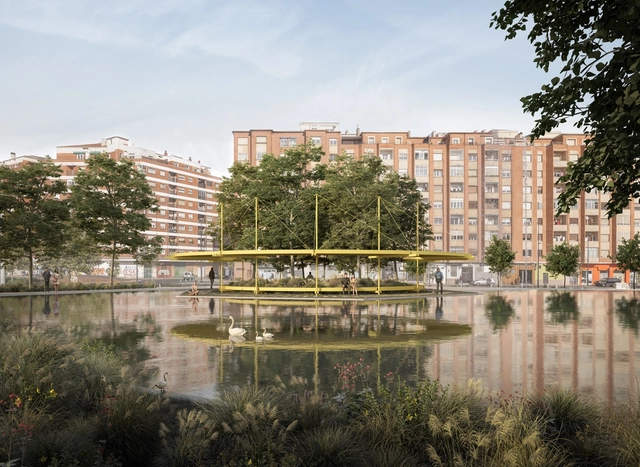
Al agua patos de K37.lab (Carlos Iraburu Elizalde, Álvaro Oriol, José Rodríguez-Losada, Carlos Iraburu Bonafé), España.. Image Cortesía de k37.lab
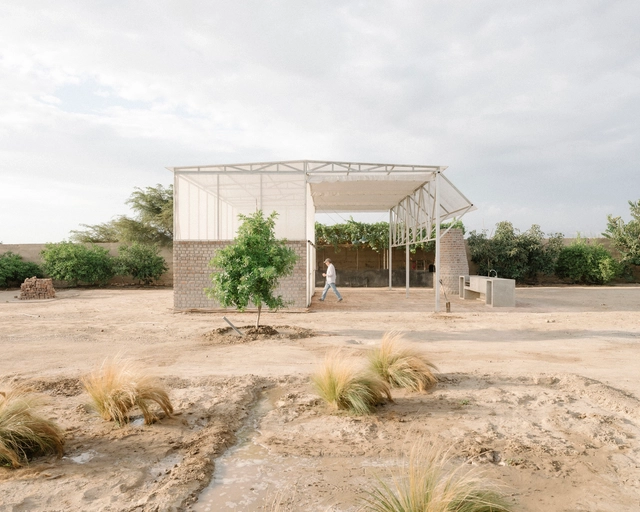
The renowned festival of ephemeral architecture and the city, Concéntrico, is gearing up for its eleventh edition, which, as every year, will take place in the city of Logroño. In 2025, the event will be held from June 19 to 24, featuring a program that includes various activities, conferences, and tours aimed at reflecting on public space, cities, and the ways we intervene in and interact with them.
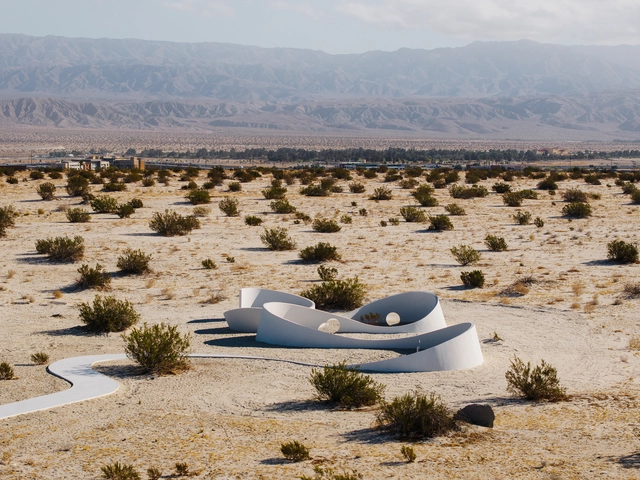
Desert X is a site-specific international art exhibition taking place this year across the Coachella Valley, California. Its fifth edition, curated by Artistic Director Neville Wakefield and co-curator Kaitlin Garcia Maestas, opened on March 10, 2025, featuring eleven installations by international artists integrated into the desert landscape. Artists were invited to propose alternative ways of perceiving a world "increasingly encircled by the transformational effects of nature and humanity," through physical installations in specific locations within the California desert. In this context, architecture is understood as the most visible evidence of human transformation, while immaterial elements, such as wind and light, highlight the transformative effects not only of human activity but also of nature itself. The exhibition is free and open to all, running through May 11, 2025. Below are images and descriptions of the eleven art installations featured in this year's Desert X exhibition.
The Arabian Peninsula represents one of the world's leading exporters and users of fossil fuels, an economic reality that influences the area's visions for the future and, implicitly, architecture and urban planning's role in these scenarios. A number of emerging offices are however countering these narratives, turning to contextual research to reframe the area's production of architecture. Among these, cultural practice Civil Architecture has become recognized for its provocative works that explore alternative narratives for the identity of the Middle East. While in Bahrain, ArchDaily's Christele Harrouk had the chance to sit down with Ali Karimi, who, together with Hamed Bukhamseen, co-founded Civil Architecture. In the video interview, they discuss the practice of architecture in the Gulf region and the narrative and research-focused approach of the office.
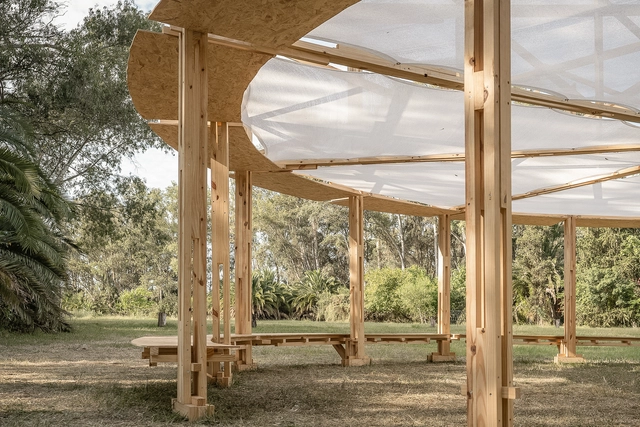
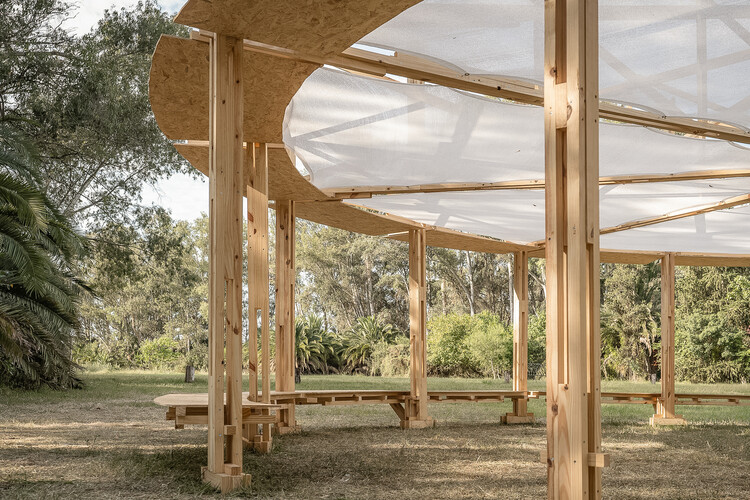
Carpa Itinerante / Fabrizio Pugliese + Gabriel Huarte. Image Cortesía de Fabrizio Pugliese + Gabriel Huarte
Spanning over 20 million square kilometers and featuring nearly all the climates of the world, the Latin American region is home to endemic biological wealth and geographical diversity that ranges from some of the most significant rivers in the world to the mountain range of the Andes, the Amazon rainforests, the plains of Patagonia, the coasts of the Caribbean Sea, and more. In light of a collective effort involving local communities and new generations, the construction of installations and structures in these natural environments is aimed not only at meeting functional needs but also at educational, research, and environmental conservation purposes.
Every August, the Black Rock Desert in Nevada transforms into a vibrant city for Burning Man, a week-long festival that culminates in the ceremonial burning of a large wooden effigy. Established in 1986, the festival is renowned for its unconventional art installations and striking desert setting. While varied in their expression, the installations follow a central theme of the year. For this edition, the title “Curiouser & Curiouser” takes inspiration from the Mad Hatter from Lewis Carroll’s Alice in Wonderland, prompting participants to engage with wonder and embrace the whimsical and mysterious. This year’s central temple installation is designed by Caroline Ghosn to represent togetherness and mutual respect. Following a Burning Man Tradition, the temple design is selected following an international competition.