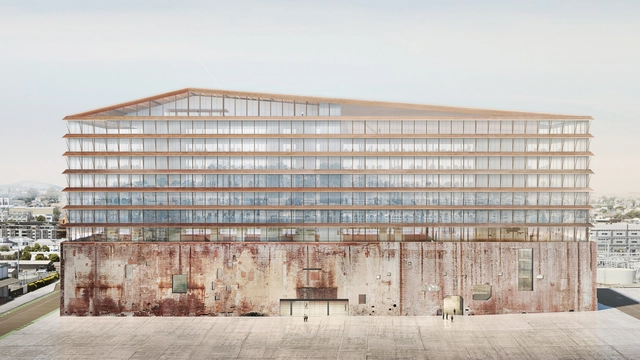
Construction work began for Herzog & de Meuron’s transformation of a former power plant building in San Fransico into a mixed-use project. Designed in collaboration with California-based practice Adamson Associates, the adaptive reuse of iconic Station A is part of the Portrero Power Station project, the redevelopment of a 29-acre industrial site into an extension of the Dogpatch neighbourhood. Herzog & de Meuron’s design retains and repurposes various features of the industrial building while adding a lightweight, steel-framed structure on top, thus giving new life to one of San Francisco’s landmarks.
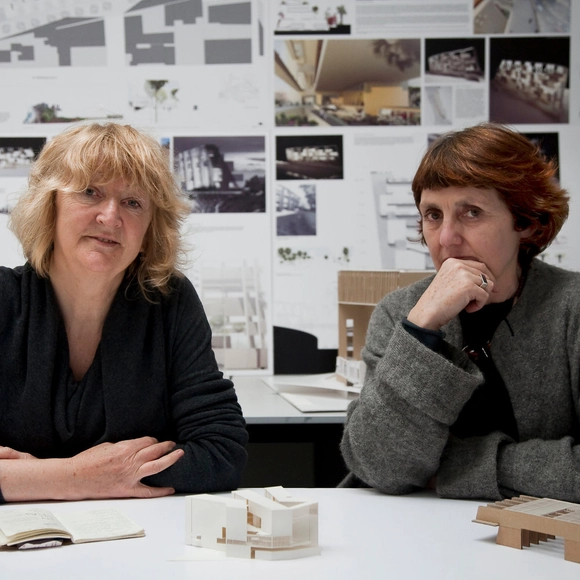
This year, architecture’s highest honor, the Pritzker Prize, has been granted to Grafton Architects, a Dublin-based architectural firm mainly ran by female partners Yvonne Farrell and Shelley McNamara. For the first time ever in its 42-year history, due to the constraints set by Covid-19 global pandemic, the organizers of the Pritzker Prize decided to use Livestream the award ceremony. Having reached the end of 2020, ArchDaily has summed up what current and previous Pritzker Prize winners have accomplished during this turbulent year.
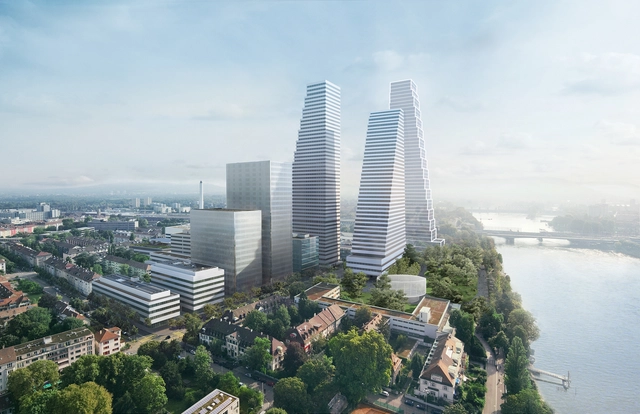
Herzog & de Meuron have created a new proposal for a third tower in the Roche development along the Rhine River in Basel, Switzerland. Designed for the biotech company, the updated plan combines green open space along the riverbank with a reception building and the third office tower. HdM developed a proposal for two buildings on the southern plot; a low-rise to sit within the park and the high-rise to reach a maximum height of 221 meters.
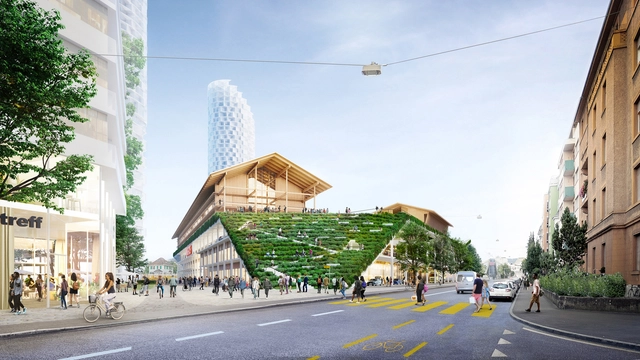
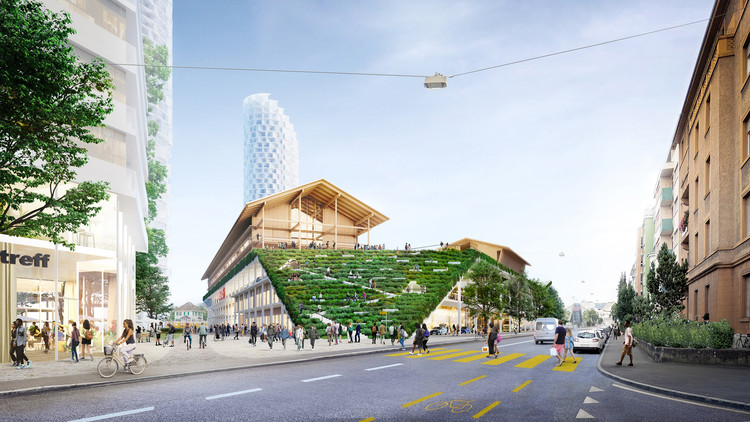
Herzog & de Meuron have designed Switzerland's first middle school placed on the roof of a shopping center in Basel-Stadt. The MParc Dreispitz shopping center will accommodate a Sekundarschule (middle school) for 600 students as part of the overall transformation of Dreispitz Nord. The design aims to set a precedent for future urban developments as the school becomes a central part of the site's overall master plan.
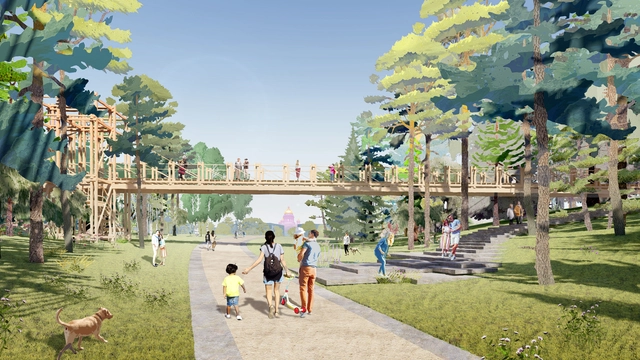
The results of the International Competition for the Architectural Landscape Design Concept for the Tuchkov Buyan Park were just revealed. The proposal by Studio 44 in consortium with WEST 8 won the first place, JV Vogt in consortium with Herzog & de Meuron won the second place while AB CHVOYA in consortium with KARAVAN landskapsarkitekter took the third position.
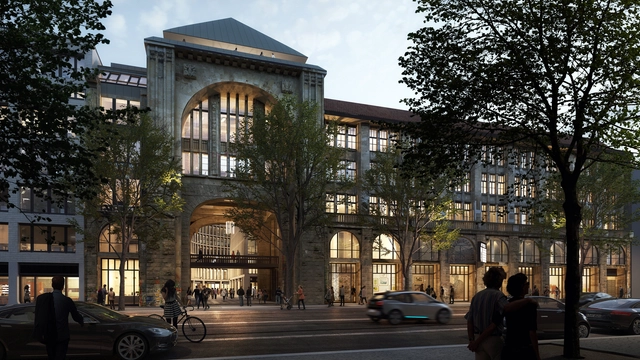
With museums in Stockholm, New York, and Tallinn, Fotografiska has announced plans to launch its fourth space in Berlin. Expected in 2022 in the Kunsthaus Tacheles to be renovated by Herzog & de Meuron, the contemporary Swedish photography museum will cover over 59,000 square feet.
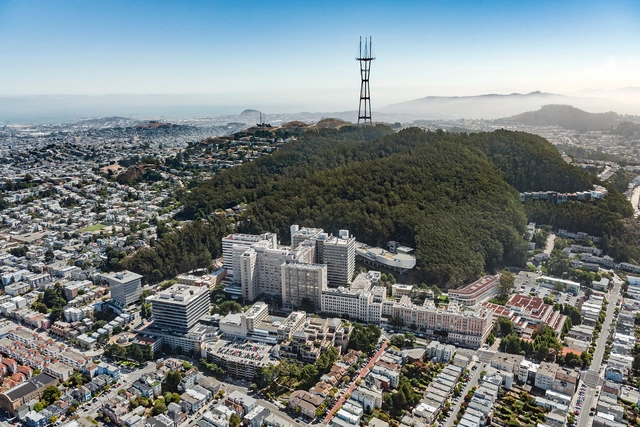
The University of California San Francisco (UCSF) has selected Herzog & de Meuron and HDR to design the new hospital of UCSF Helen Diller Medical Center at Parnassus Heights. Part of the university’s academic medical center, the hospital providing a home to both inpatient and outpatient services will include a research enterprise and graduate schools in the health sciences.
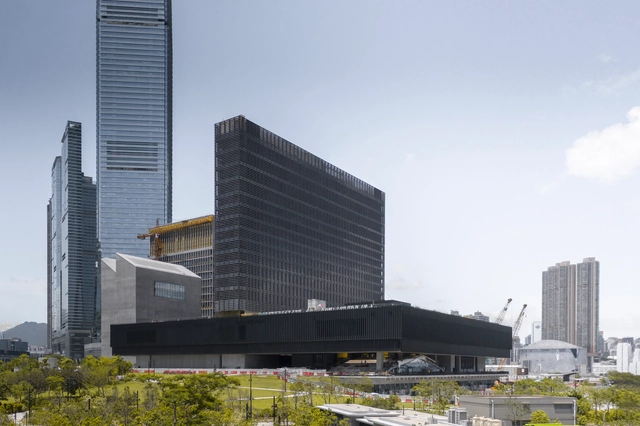
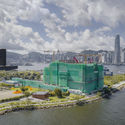
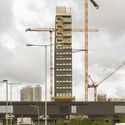
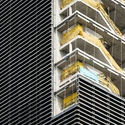
Photographer Kris Provoost has captured new images of Herzog & de Meuron's M+ Museum in Hong Kong. Focusing on 20th and 21st century art, design, architecture and moving image, M+ will be the centerpiece of the West Kowloon Cultural District, and a key venue in creating interdisciplinary exchange between the visual arts and the performing arts in Asia.
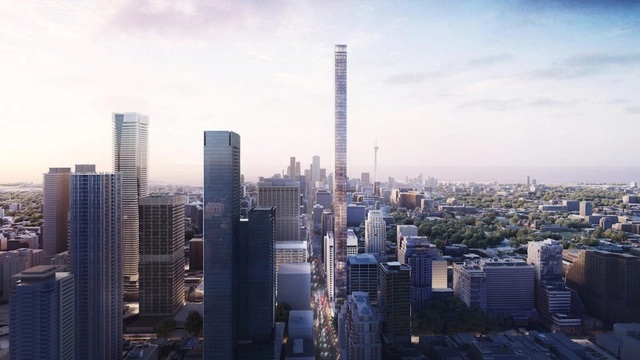
Herzog & de Meuron have created a new design for a supertall skyscraper in Toronto. If built as planned, the project would rise to 1,063 feet and become the tallest residential building in Canada. Working together with project architect Quadrangle, the team was commissioned by Dutch real estate development companies Kroonenberg Geoep and ProWinko to design the new landmark for Toronto.
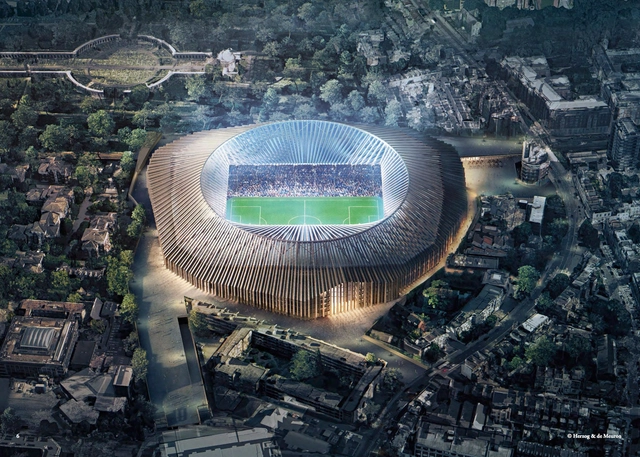
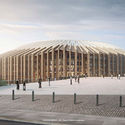
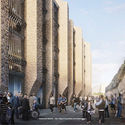
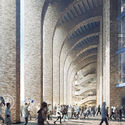
Originally, set to be completed by 2020, the Herzog & de Meuron £500million stadium for ChelseaFootball Club, will not move forward as planning permissions expired. The redevelopment plans, subject to numerous legal challenges throughout the years, are interrupted for now.
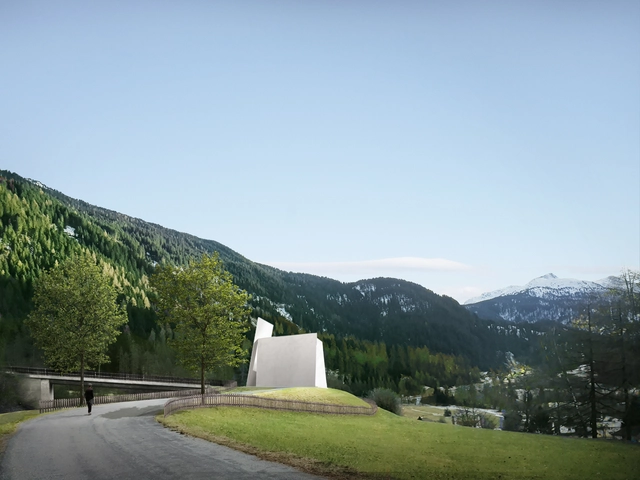
Herzog & de Meuron have designed a new motorway chapel for Andeer, Switzerland. The new project is sited on A13, the road that connects the village with Chur to the north, and to Ticino and Italy to the south. The idea for the chapel in Andeer was inspired by the site alone and its location, from the road itself.
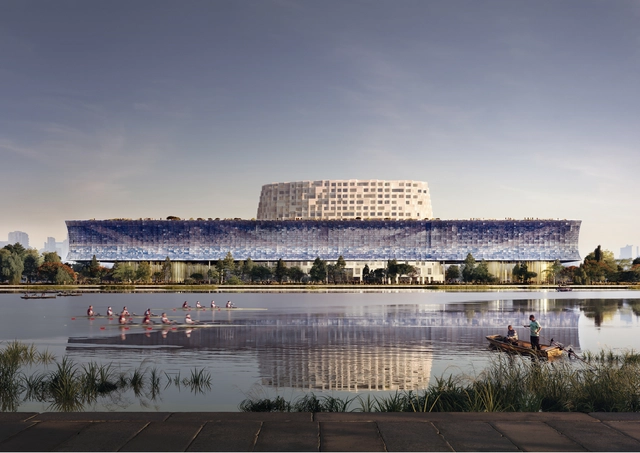
Waterfront View. Image Courtesy of Herzog & de Meuron
The Grand CanalMuseum Complex in Hangzhou, China designed by Herzog & de Meuron reflects on the importance of this area in Chinese cultural and natural landscapes. The project illustrates the story of the Grand Canal, through a continuous dialogue between the water and the museum.
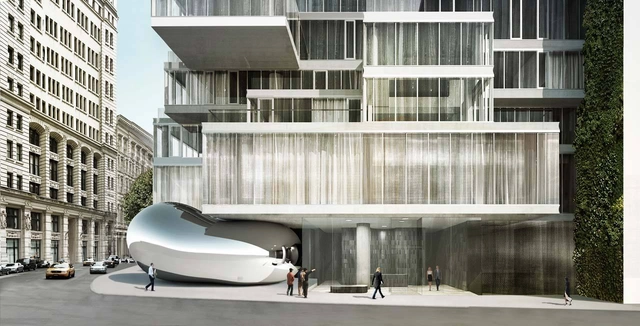
Artist Anish Kapoor will have his first permanent public work opening as part of 56 Leonard St. in New York. Located at the base of the residential tower by architects Herzog & de Meuron, the specially commissioned artwork is integrated into the architecture of the iconic New York tower. Marking the collaboration between artist and architect, the work aims to become a new cultural landmark in Tribeca.
Photographer Paul Clemence has captured a series of new photographs featuring Herzog & de Meuron's new Conrad Hotel. Sited in Washington D.C., the project worked with a range of height and volume restrictions to create a monolithic volume with subtle detailing. Showcasing the hotel's mirrored facade and interiors by Rottet Studio, the photographs from Paul and ARCHI-PHOTO capture both the project’s exterior and its signature interior atrium.
Videos
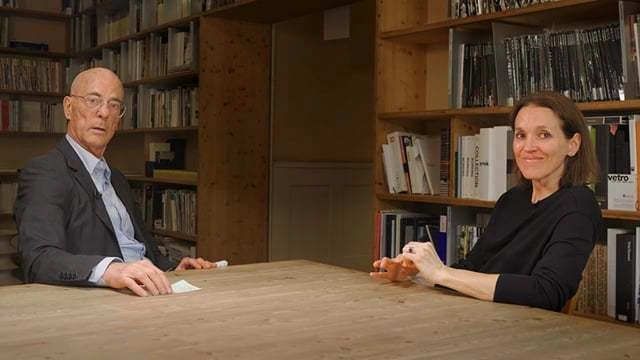
Jacques Herzog Meets Tatiana Bilbao: Everybody Deserves a Decent Home
Jacques Herzog met with Tatiana Bilbao at the Herzog & de Meuron’s studio in Basel, Switzerland on May 2019, and got to discuss the Mexican architect’s projects and architectural approach. The two long-time friends and prizewinning architects talked about the defining moments in their friendship and the advice of Herzog that improved Bilbao’s method.
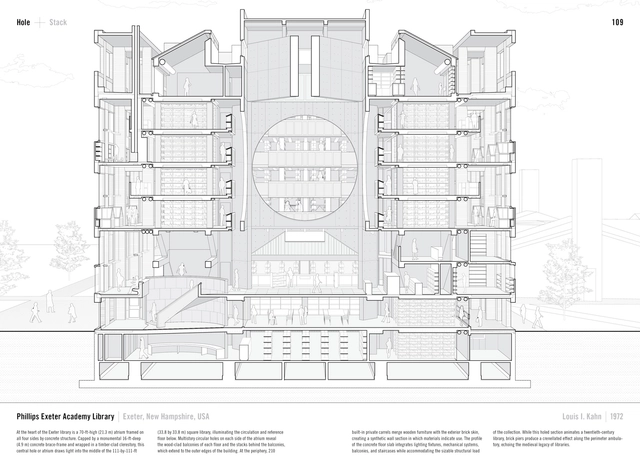
Phillips Exeter Academy Library by Louis I. Kahn (1972). Published in Manual of Section by Paul Lewis, Marc Tsurumaki, and David J. Lewis published by Princeton Architectural Press (2016). Image Courtesy of LTL Architects
For Paul Lewis, Marc Tsurumaki and David J. Lewis, the section “is often understood as a reductive drawing type, produced at the end of the design process to depict structural and material conditions in service of the construction contract.” A definition that will be familiar to most of those who have studied or worked in architecture at some point. We often think primarily of the plan, for it allows us to embrace the programmatic expectations of a project and provide a summary of the various functions required. In the modern age, digital modelling software programs offer ever more possibilities when it comes to creating complex three dimensional objects, making the section even more of an afterthought.
With theirManual of Section(2016), the three founding partners of LTL architects engage with section as an essential tool of architectural design, and let’s admit it, this reading might change your mind on the topic. For the co-authors, “thinking and designing through section requires the building of a discourse about section, recognizing it as a site of intervention.” Perhaps, indeed, we need to understand the capabilities of section drawings both to use them more efficiently and to enjoy doing so.
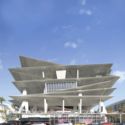
In the last decade, Miami has progressively transformed into a mecca of architecture and design. While the city’s tropical persona is most often associated with Art Deco, Miami offers a wide range of architectural styles from Mediterranean Revival to Miami Modern and everything in between. Over the years, the city has welcomed a some of the world’s leading talent including Pritzker Prize winners like “Queen of the Curves” Zaha Hadid, French visionary Jean Nouvel, Swiss duo Herzog & de Meuron, Frank Gehry and more – who have all left a lasting impression on Miami through their work. Whether visiting Miami Beach’s Art Deco district or the quaint, village-like Coconut Grove neighborhood, visitors can discover an array of awe-inspiring architecture no matter where their travels take them.











.jpg?1570127165&format=webp&width=640&height=580)
.jpg?1570127040 "© Paul Clemence from ARCHI-PHOTO")
.jpg?1570127009 "© Paul Clemence from ARCHI-PHOTO")
.jpg?1570127020 "© Paul Clemence from ARCHI-PHOTO")
.jpg?1570127061 "© Paul Clemence from ARCHI-PHOTO")
.jpg?1570127165)


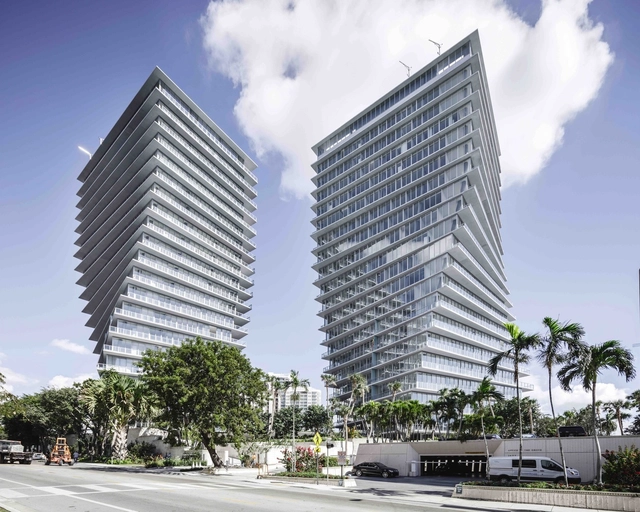
_HI_RES_(5)_copy.jpg?1565259186 "© Robin Hill. ImagePark Grove / OMA | Shohei Shigematsu")


.jpg?1565259275 "Courtesy of Herzog & de Meuron. Image1111 Lincoln Road / Herzog & de Meuron")
