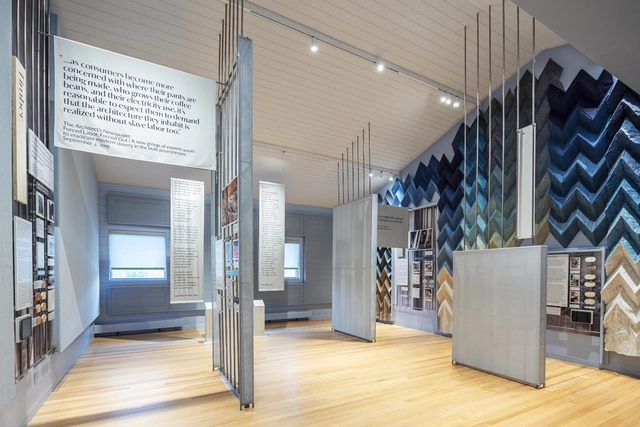
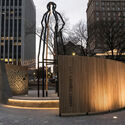
On May 4, 2024, cultural center Grace Farms opened a new long-term exhibition that aims to shed light on the inner workings of the building industry, offering insights into the methods of producing and distributing building materials, as well as the pervasive practices of forced labor happening in the materials supply chain worldwide. The exhibition also presents the work of “Design for Freedom,” a collaborative global movement launched in 2020 at Grace Farms. The initiative aims to change architecture by raising awareness of these issues and helping disrupt forced labor in the construction industry. Titled “With Every Fiber,” the exhibit is free to visit both at its physical location in New Canaan, Connecticut, and online as a virtual exhibition.
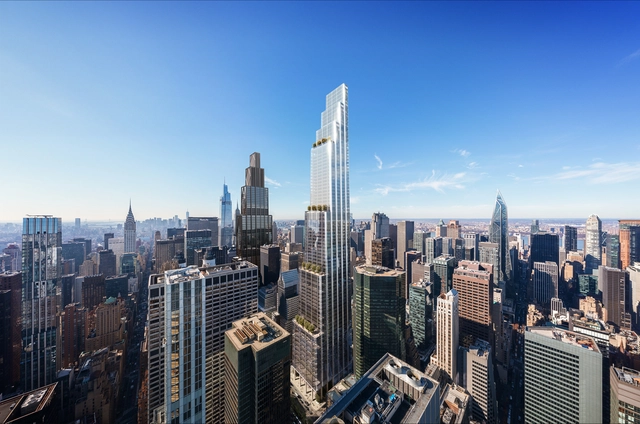
Foster + Partners, led by Norman Foster, has just released the designs for a new office tower in New York, United States. Spanning 139,354 square meters, “350 Park Avenue” will be the office space for Citadel Securities, committing to at least 78,967 square meters of the overall space. Seeking to rejuvenate the iconic street, the all-electric tower will integrate into the urban fabric of New York, standing alongside architectural landmarks in Midtown Manhattan.
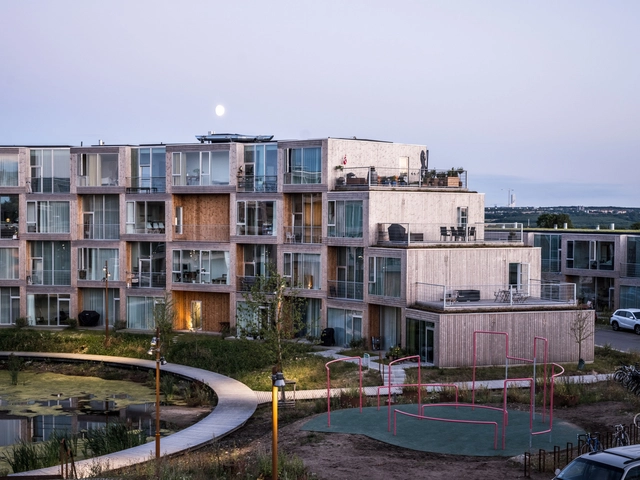
Modular construction is a process in which a building is constructed away from its actual site, within controlled factory settings, using identical materials, and adhering to a set of codes and regulations. The methodology was first introduced as a solution in the search for efficient, quality-controlled, and cost-effective building systems. The industrialized building method evolved to meet historical demands and has recently been met with renewed interest. These “modules” are then transported to the construction site and assembled into the final structure, adhering to the same building standards as conventionally built facilities. With potential benefits in terms of waste reduction, energy efficiency, emergency responses, and fast-tracked development, the methodology is gaining traction worldwide.
In recent years, modular construction has emerged as a game-changer in the construction industry, particularly in the Middle East and the Gulf Cooperation Council (GCC) region. With a growing embrace of innovative solutions to address the region’s evolving needs, modular construction has emerged as a compelling alternative. As awareness increases and technological advancements increase, modular construction may offer a viable alternative to traditional building practices in the GCC region.
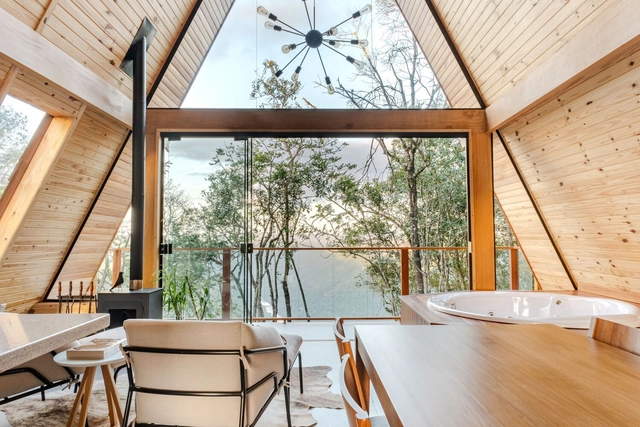
Acquiring diverse expressive possibilities within interior design, the use of wood in regions with a wide range of climates and temperatures such as Mexico, Brazil, Argentina, Uruguay, Chile, Colombia, or Ecuador enables the creation of attractive and captivating spaces that capture the attention of their users by contrasting, blending, or integrating with their surrounding environment. Being a natural element and presenting a negative carbon footprint at the end of its life cycle, wood offers multiple finishes, textures, and tones that can be associated with being outdoors and providing, on some occasions, spaciousness, warmth, and relaxation at the same time.
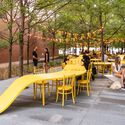
Humans are social beings.The interaction between individuals is an essential part of the human experience and helps improve society as a whole. While architecture plays an important role in promoting spaces for people to meet, exchange and socialize, furniture can be a strategic tool for achieving this goal.
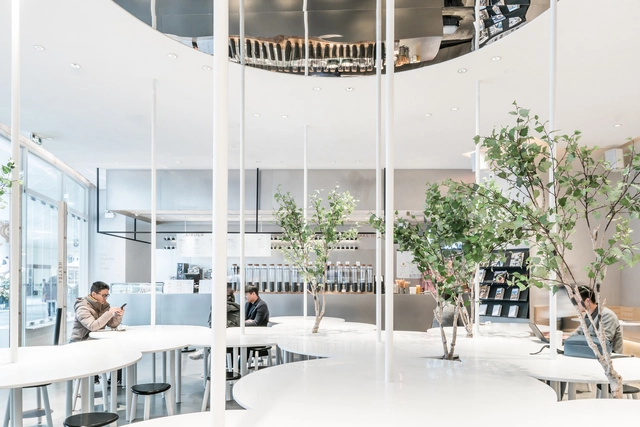
Browsing through our project library, one can find a number of examples of cafes and public spaces where communal tables become a central element in providing a place to meet. In many of these projects, the sinuous design of the tables, with protrusions and recesses, provides not only the possibility of various configurations of chairs for different group sizes but also different uses for the tables themselves, at times as planters, at others as slides or extensions of a workbench.
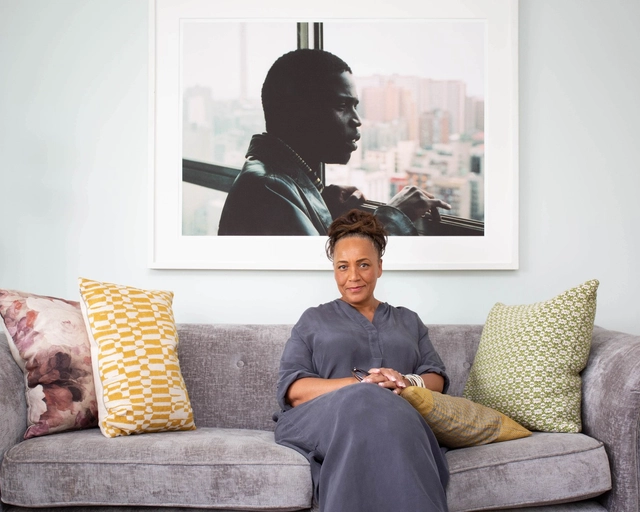
On behalf of His Majesty the King, Ghanian-Scottish architect Lesley Lokko has been officially awarded the 2024 Royal Gold Medal for Architecture. Held at RIBA London headquarters, the medal was presented by RIBA President Muyiwa Oki, acknowledging Lokko’s dedication to promoting diverse perspectives in architectural practice and education. As the curator of the 2023 Venice Architecture Biennale, she has been working to explore the overlaps between architecture and race, while shifting focus to Africa and its diaspora in the industry.
Architecture mirrors the culture it is built from, while simultaneously aspiring to lead that culture. This is almost oxymoronic, since reflecting and projecting our values is an essential part of every human life, and architecture is exquisitely human. Our buildings embody us, with all of our mixed messages.
This year's Milan Design Week brought together designers, architects, producers, and key figures from the design world. The events were divided between the Salone del Mobile at Rho Fiera, a trade fair with over 1950 exhibitors, and Fourisalone, featuring various events across Milan. With numerous installations throughout the city and a wide range of events, conferences, and debates, Milan Design Week stands as one of the most significant design-focused events worldwide. For architects, this represents an opportunity to not only exchange ideas but also to actively contribute through collaborations and explorations across disciplines.
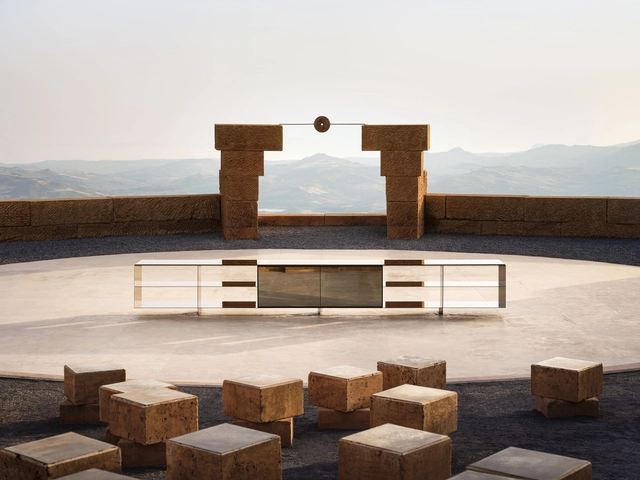
This year, many internationally recognized architects have entered collaborations with furniture and light design companies, exploring the intersection of design and architecture. Despite the change in scale, many of these products reflect the recognizable architectural language of their designers, offering an insight into the principles that guide their practice. In addition to aesthetic explorations, many of the products selected are tackling important themes of interest, from the need to develop more sustainable materials with a reduced carbon footprint, to the potential impact of new technologies such as artificial intelligence.
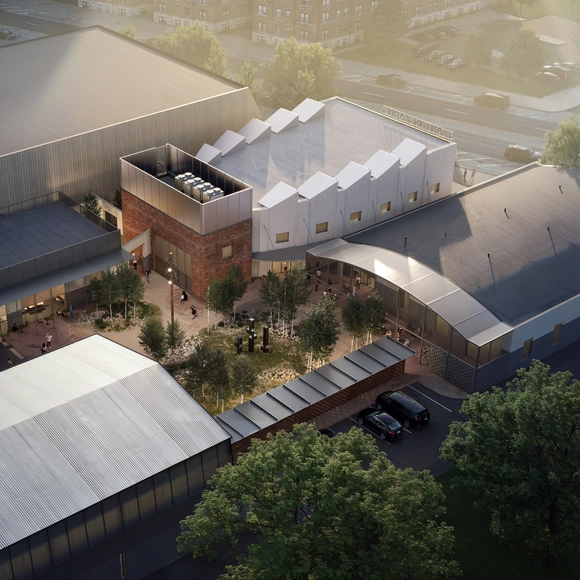
SO-IL, in partnership with Detroit’s Library Street Collective, has revealed the design for a new arts campus in the Stanton Yards marina on the Detroit River. The office is leading the adaptive reuse of four existing pre-war industrial buildings at Stanton Yards with the aim of creating a campus for arts organizations, creative retail, artist studios, and independent hospitality ventures along the waterfront. The master plan for the 13-acre site is led by design firm OSD (Office of Strategy + Design), a development that strives to transform the now-disused waterfront area into a 'dynamic cultural amenity' with over 80,000 square feet of commercial and creative space, 85 boat slips, and programmed waterfront parks. The project aims to expand upon the program of Detroit's Little Village, a diverse arts neighborhood recognized for its cultural and artistic scene.
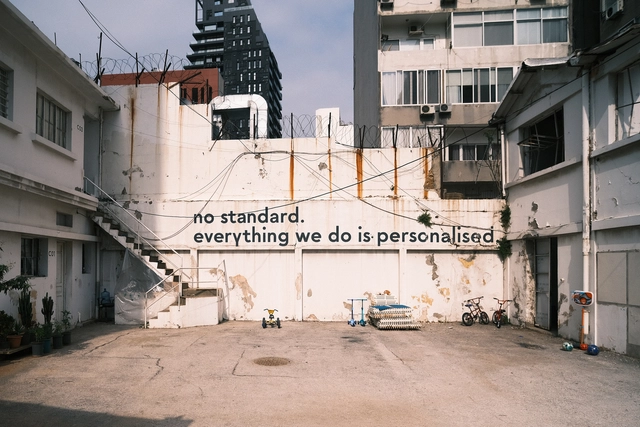
We Design Beirut, Lebanon’s four-day design experience will take place from May 23-26, 2024. This multidisciplinary event aims to showcase and celebrate design and creativity through a varied program, including showcases, installations, talks, and workshops. Founded by Mariana Wehbe in collaboration with industrial designer Samer Alameen, the event seeks to foster a global conversation on design and sustainability through programs in the fields of interior design, architecture, furniture, product design, functional art, ceramics, and home accessories.
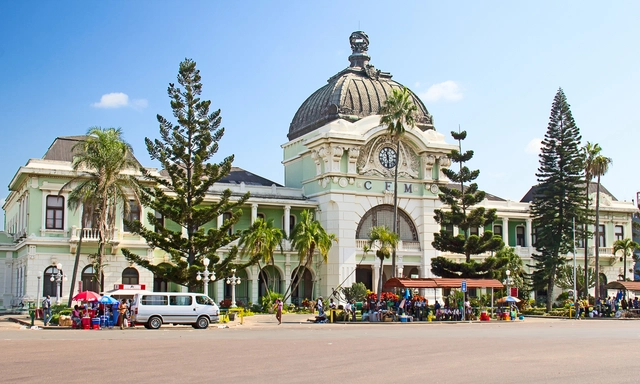
There’s a well-known catchphrase – “Cape to Cairo” – that has spawned numerous books and piqued the imagination of countless travellers of the African continent. The phrase’s origins are of imperial nature, birthed out of an 1874 proposal by English journalist Edwin Arnold that sought to discover the origins of the Congo River. This project was later taken up by imperialist Cecil Rhodes, who envisioned a continuous railway of British-ruled territories that stretched from the North to the South of the continent.
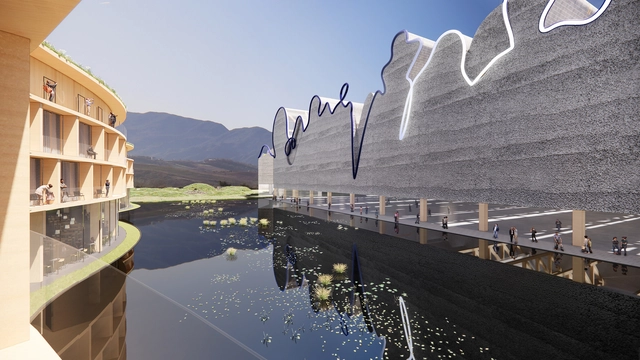
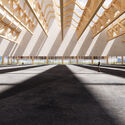
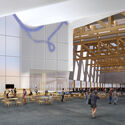
Following an international competition, Steven Holl Architects has been selected as the winner of the commission for the Expo Albania convention center and hotel in Tirana, Albania. The winning team, comprised of Steven Holl Architects, artist Agnieszka Kurant, Atelier 4, Atelier Markgraph, Stoss, and Arup, proposes an iterative process, collecting signatures from local Tirana communities and fusing them into a single wandering line, a continuation of artist Agnieszka Kurant’s project “End of Signature”.
Courtesy of Foster + Partners | 18 Blackfriars Road
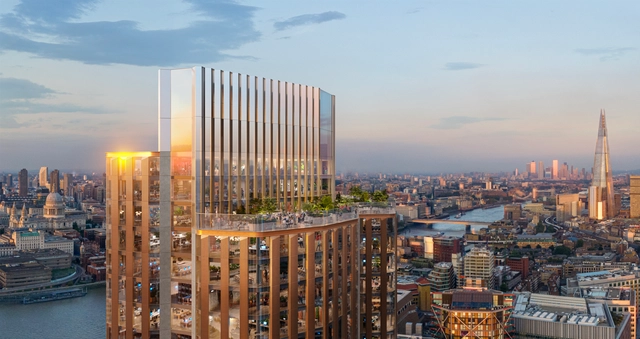
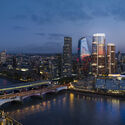
Foster + Partners’ development in Bankside, London, has just been granted planning approval. Designed in collaboration with Lipton Rogers and real estate developer Hines, the Southwark Council has just agreed to proceed with the development. Titled “18 Blackfriars Road”, the project aims to revitalize a neglected two-acre brownfield site that has sat vacant for two decades.
In the Brazilian architectural scene, Felipe Savassi stands out for being a unique mix of designer and communicator. He shares his passion for architecture and his entrepreneurial vision with his thousands of students and followers on social media, with content that seeks to promote an approach centered on the promotion of industrialized and modular construction. With a degree in Architecture and Urbanism from the Isabela Hendrix Institute in Belo Horizonte, his professional activity is supported by four essential pillars: design and execution of architectural projects, education, mentoring and consulting, and a strong commitment to communication and content dissemination.
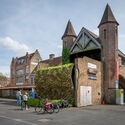
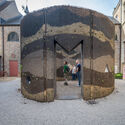
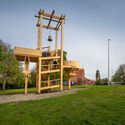
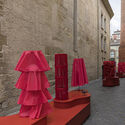
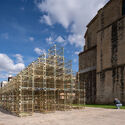
The fourth edition of the Bruges Triennial: Spaces of Possibility, curated by Shendy Gardin and Sevie Tsampalla, will be held from Saturday 13 April to Sunday 1 September 2024. This event promises to transform the streets and historic center of Bruges, Belgium, into a showcase of contemporary art and architectural interventions. With a focus on exploring the latent potential of this UNESCO World Heritage Site, the festival raises questions about how concepts like change and sustainability can interact with preservation.
The 12 selected artists and architects have been prompted to challenge the existing spaces within Bruges. Among the invited names are Boonserm Premthada’s Bangkok Project Studio, Mona Hatoum, Studio Ossidiana, and Sumayya Vally, founder of Counterspace and curator of the first Islamic Arts Biennale, among others. Until September 1st, they are presenting temporary interventions and large-scale installations that seek to reveal the hidden potential of the city, echoing the festival's theme. Against the backdrop of Bruges' rich history, this edition of the Bruges Triennial underscores the importance of adaptable urban spaces in today's ever-evolving world.
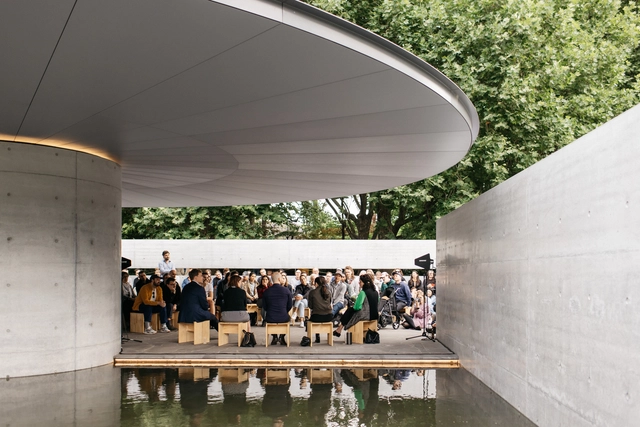
In Melbourne, Australia, the tenth edition of the MPavilion, designed by Pritzker Prize-winner Tadao Ando, has been extended until March 2025. Marking the architect’s sole-built project in Australia, the extension presents an opportunity for Melburnians and visitors to enjoy the space and its diverse offerings. The pavilion welcomes guests daily, serving as a serene oasis, a communal gathering space, and a landmark architectural destination throughout the year.
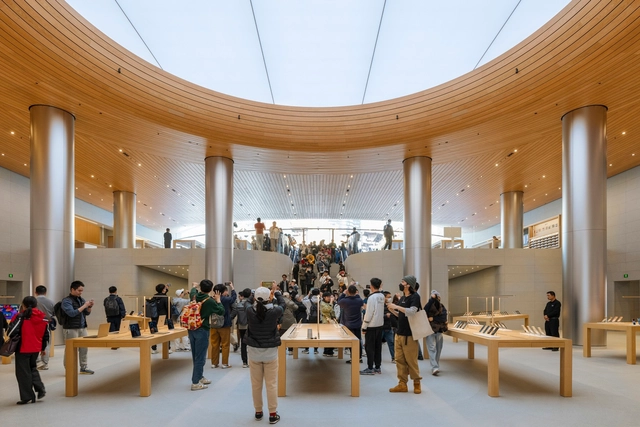
To differentiate themselves in competitive markets, the world's favorite retailers are tapping into retail design to cultivate communities of brand enthusiasts. Since traditional marketing methods no longer engage customers, physical spaces offer an avenue for more immersive and personalized experiences that match their values and lifestyles. Evolving customer preferences have led to the creation of authentic retail experiences that serve now as areas of recreation and entertainment. Designing outlets that encourage engagement, exploration, and a sense of belonging enables brands to foster loyal followings.
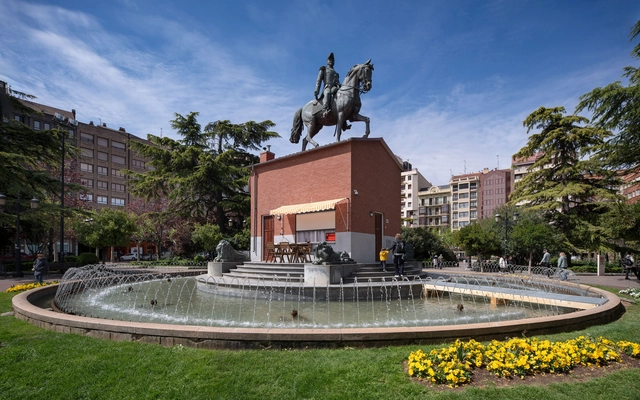
From April 25 to May 1, 2024, Logroño hosts the tenth edition of Concéntrico, a celebration of urban innovation and transformation. This year, the festival explores the future of cities, incorporating new formats, engaging diverse audiences, and tackling urban challenges through the lens of time as a catalyst for change in design. Featuring 20 interventions and activities involving over 100 professionals from 17 countries, the program encompasses processes such as renaturalizing public spaces, reimagining urban structures, and integrating recycled materials from previous editions.
Additionally, collaborations with educational centers ensure a lasting impact beyond the festival, fostering new collective practices in public spaces. Special projects such as "The street in 10 years" or initiatives involving students and pupils from local schools and educational centers further enrich the festival's engagement with communities across Spain.