

-
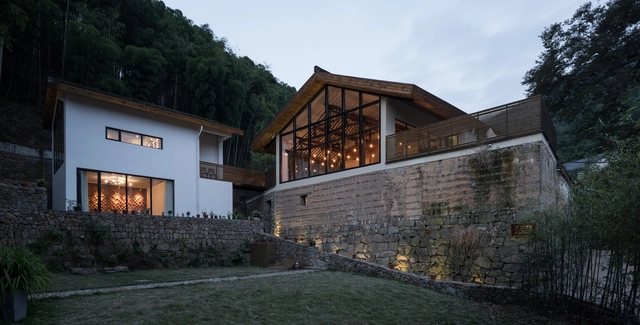
Architects: RSAA/Büro Ziyu Zhuang
- Area: 160 m²
- Year: 2017
-
Professionals: Anhui Jiangnan Cultural Tourism Group


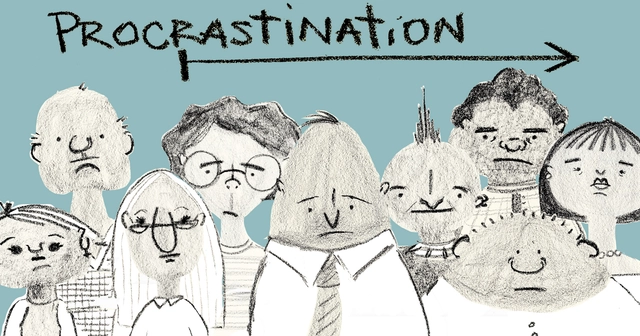
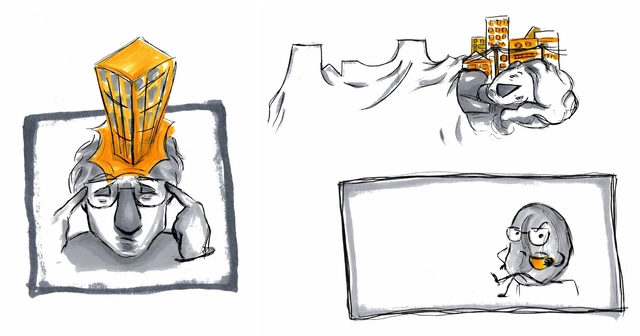
In a hilarious TED talk by world-famous blogger Tim Urban, the procrastinating brain is explained using three squiggly characters: Rational Decision Maker, Instant Gratification Monkey, and Panic Monster. For most of us who procrastinate without fail, the Monkey dominates while the Decision Maker suffers. Panic Monster enters the moment a deadline looms dangerously close—and that’s when all the actual work is done, amid much grumbling, self-loathing and lofty promises of never procrastinating again. But of course, we fail to keep our promises and the wheel keeps turning!
While the internet is full of lists and guides on how to stop procrastinating, for quite a lot of people, those somehow just don’t help at all. And while deadlines, as Urban points out, work for some in terms of getting the work done sooner or later, “long-term procrastination” affects those who must set their own deadlines—think business owners, PhD students, or freelancers. So, how do you get yourself to stop? You don’t! What you need to master is John Perry’s concept of “structured procrastination”—the same concept that Piers Steel earlier explained as “productive procrastination.” Read on for some advice gleaned from pro-procrastination literature.
Drones help us see architecture in new ways. Explore Moscow, Georgia, St. Petersberg, and Russian supertall skyscraper Lakhta Center through Timelab’s lense. With the help of drones, Timelab Production’s vimeo profile showcases a wide variety of professional video content. Travel to new places (and new heights) from the comfort of your own home by watching the videos below.
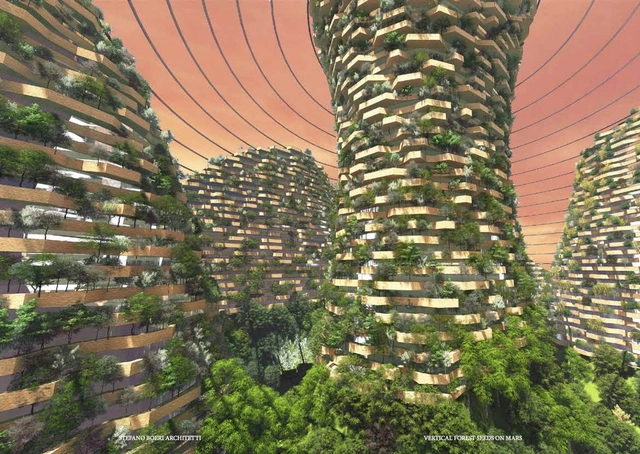
Can architecture and design reverse climate change? Architect and founding partner of Stefano Boeri Architetti (SBA), Stefano Boeri believes it can. Boeri’s Vertical Forest, a project which marries the natural and urban spheres through biodiversity and reforestation, has already come to fruition in Milan, is currently under construction in Beijing, and soon to be constructed in Shanghai. (Watch the video to learn more about Boeri’s Vertical Forest projects.)
Early on in my career I had to decide between honest arrogance and hypocritical humility. I chose honest arrogance and have seen no occasion to change.
Frank Lloyd Wright is the household name of architects in the United States, with stories of his ego as widespread as his prolific work. Watching Frank Lloyd Wright at 83 years old is not your typical history lesson. The interview aired on NBC Chicago in 1958 and captures Frank Lloyd Wright telling stories to Hugh Downs about his education, early career with Louis Sullivan, an inspiration for Taliesin and Taliesin West and his own innovations in architecture (let's just say this question didn't get a humble response).
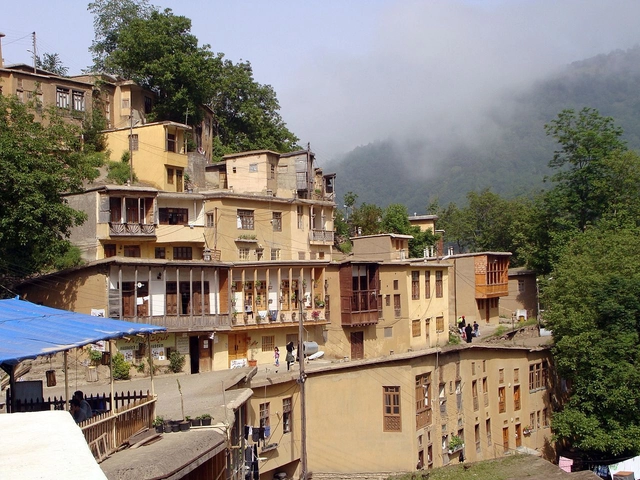
More than a thousand meters above sea level on the slopes of the Alborz mountain range in Gilan, northern Iran, a remarkable village dating back to 1006 AD bustles with life. The unique ochre-brown structures of Masuleh follow the slope of the mountain that the village nestles on—or rather, grows from—giving the village its most unusual quality: the roofs of many of the houses connect directly to, or even form a part of, the street serving the houses above.
Contrary to how Hollywood movies portray the quintessential architect—creative, sensitive, and virtually flawless—architects are a diverse bunch of fallible people. This stems from the fact that the study and practice of architecture are wrought with several “perils.” Architecture school is a beast, if not the profession at large, and it essentially reinvents the psyche of its students by simultaneously breaking them down and building them up—say hello to unresolved issues!
While this process produces bright intellectuals with a deep understanding of architecture’s place in society, it can also end up shaping architects into pretentious snobs. Young architects invariably graduate with a distinct outlook on life. Pair that with a largely thankless job and architects soon discover that they can only relate to other architects. Rare friends who bravely stand by an architect through thick and thin deserve a strong pat on the back because architects, despite their innumerable charms, exhibit several incredibly annoying traits. The following is a compilation of eight complaints that non-architect friends and partners have against their architect counterparts:







_(1).jpg?1506588062 "© <a href='http://www.panoramio.com/photo/106899133'>Panoramio user alireza javaheri</a> licensed under <a href='https://creativecommons.org/licenses/by/3.0/deed.en'>CC BY 3.0</a>")