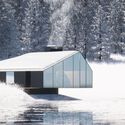
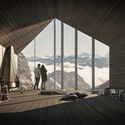
Italian architecture practice Spacelab designed an energy self-sufficient shelter for temporary use, a parametric project that can be built without foundations on any site, leaving no trace and no damage to the site at the end of its life cycle. Named Zero in reference to the lack of waste during construction or removal and its zero-emissions operation, the structure can be demounted and reassembled multiple times, tapping into issues of circular economy, impermanence and reuse.
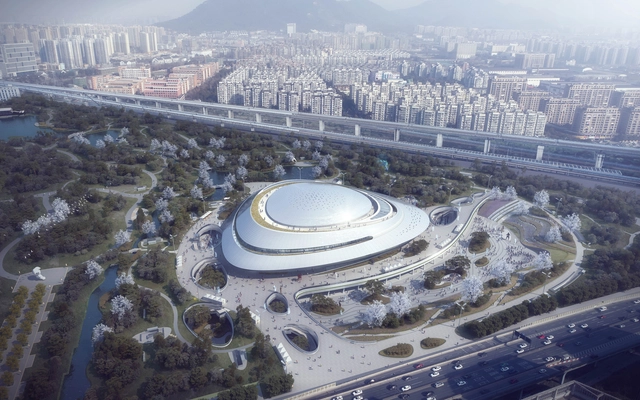
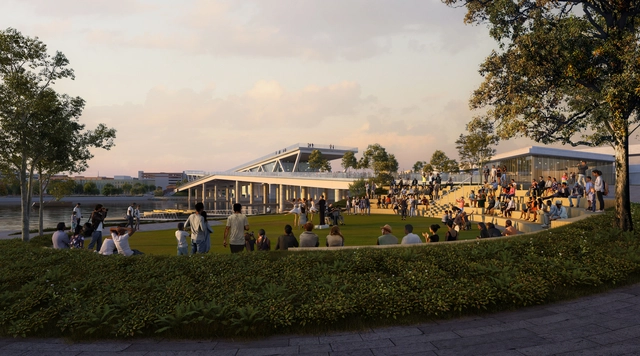
Hangzhou E-sports Ecological Park and E-sports Stadium. Image Courtesy of CSADI
This week’s curated selection of Best Unbuilt Architecture highlights competition-winning projects submitted by the ArchDaily Community. From art museums to memorials, this article explores cultural functions and commercial spaces, and presents projects submitted to us from all over the world.
Featuring commercial spaces that honor the historic architectures of Ukraine and Romania, and a public plaza inspired by the topography between the coastal line and the urban square of Usküdar, this roundup explores how architects have designed monumental structures that cater to the needs of the public while respecting the surrounding topography. This round up also includes a collection of competition-winning proposals in Spain, China, Thailand, India, Israel, Iran, Kosovo, and Hungary, each responding to different contexts, spatial needs, and geographies.
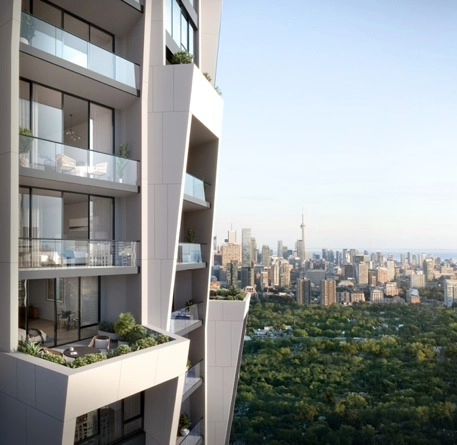
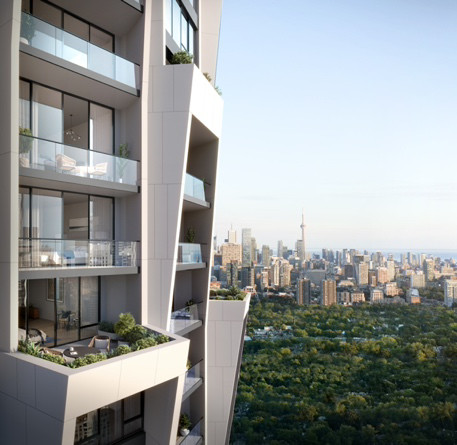
Studio Gang has designed a honeycomb-shaped residential building, titled One Delisle that offers residents an all-year-round outdoor patio overlooking Toronto, Canada. The project is designed as a windbreaker inspired by a German beach chair known as the Strandkorb. The tower will include up to 47 floors, with each distinct penthouse spanning one-third or one-half of the 16-sided building, and will offer residents hotel-style amenities.
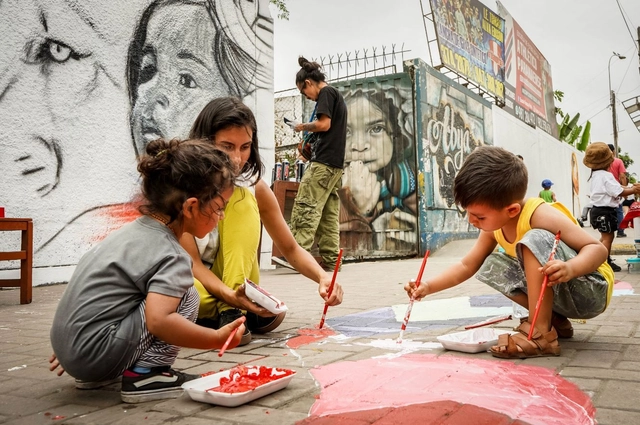
Lucía Nogales is the general coordinator of Ocupa tu Calle (Occupy your Street) —an UN-Habitat, Avina Foundation-supported initiative promoted by Lima Como Vamos— which focuses on 'citizen urbanism' for inclusive and resilient cities in Latin America.
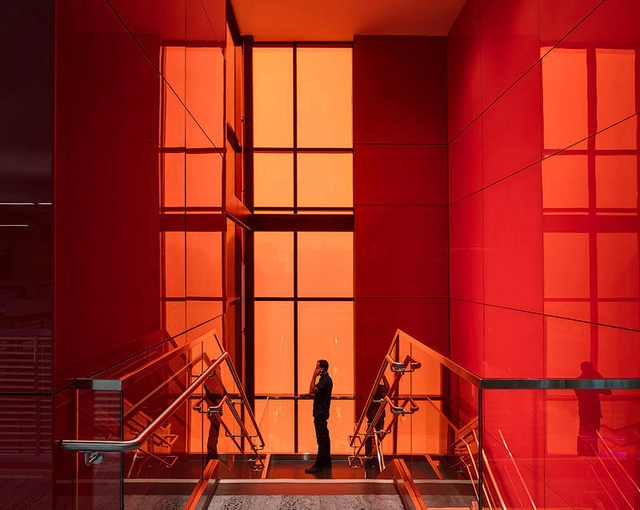
Polyvinyl Butyral (PVB) is a resin known for its strength, flexibility, and optical clarity. When inserted and bonded between two panes of glass, the combination —known as laminated glass— provides a tough, acoustic, glare-, UV- and solar-protective barrier with no loss of transparency. So much so, that its main use is in car windscreens.
By inserting and layering various sheets of colored PVB, glass can be transformed with a kaleidoscope of color and a range of opacity. The whole effect gives interiors specifiers a palette of light and color tools when adding personalities to interior environments. Here are six examples of projects that use PVB-laminated glass to great effect:
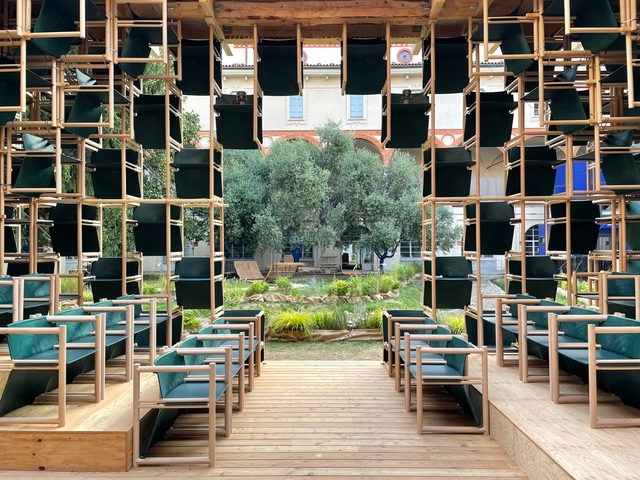
Lendager Group was founded with the explicit goal of becoming the leading sustainable architectural office in Denmark. Exploring the concept of Design for Disassembly (DfD for short), their recent project in Milan is grounded in the growing concern around resource consumption and low recycling rates within the construction industry. Expanding on themes of the circular economy, their work was designed utilizing chairs made of ocean plastic and the pavilion was designed for disassembly.
Snøhetta revealed its design for Duett Düsseldorf, a new opera house set to become the German city’s new cultural destination. Stemming from the horizontal volume containing the new music venue are two sloping towers containing a hotel, restaurants, office spaces and residential units, creating a multi-layered development serving the arts and culture scene of Düsseldorf. Neighbouring the historic Hofgarten park and the Rhein river, the project’s ground-level blurs the boundaries between indoor and outdoor, with a glass façade revealing a cultural wood wall within the foyer, welcoming users to the opera house.
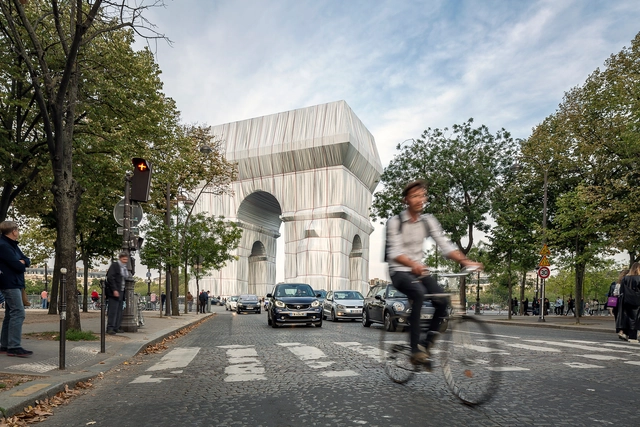
Andreas Ruby, Director of the Swiss Architecture Museum shares his thoughts on the wrapped Arc de Triomphe installation by Christo and Jeanne-Claude, in a 3 part essay, converting a monument glorifying war into a monument of decolonization. The temporary installation opened to the public on September 18, 2021, and will be dismantled starting October 3, 2021.
This year both organizations have defined themes related to improving the quality of life and reducing the effects of the climate crisis by taking action in the built environment. While the International Union of Architects' 2021 World Architecture Day theme is "Clean Environment for a Healthy World", UN-Habitat's World Habitat Day has announced "Accelerating Urban Action for a Carbon-Free World" as their topic.
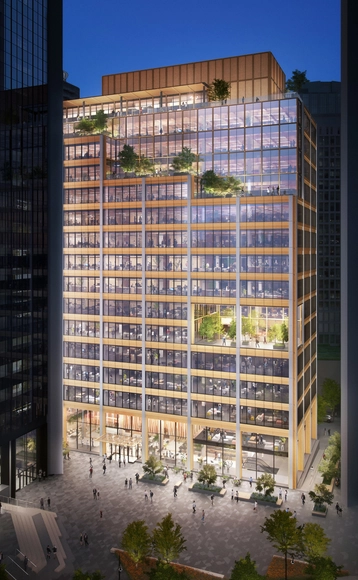
Kohn Pedersen Fox Associates has released images of its latest project, the Burrard Exchange, a hybrid mass timber office building at the Bentall Centre in Vancouver, Canada. The structure will be the first timber project designed by the architecture firm and is set to be one of the tallest of its type in North America.
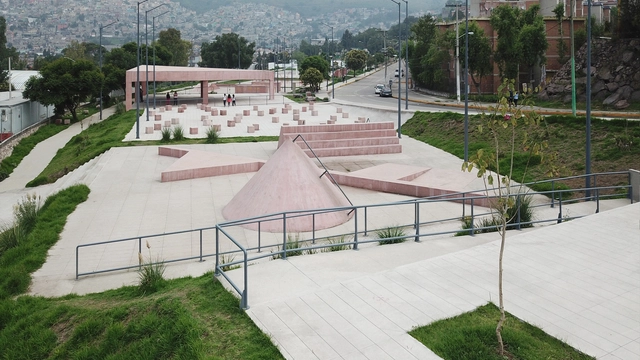
There are several reasons why the Estado de Mexico (a state, not the country) is important not only at the national level but also because of its intrinsic relationship with Mexico City since 59 of its municipalities are considered part of the Metropolitan Area of the Valley of Mexico. In this area, there are a large number of industrial plants. In addition, it houses some of the most visited archaeological sites such as Teotihuacán, Tetzuco, Azcapotzalco, Chalco, and Amaquemecan.
Under the motto of 'Intelligence for life', the Spanish Pavilion at the 2020 Expo in Dubai seeks to synthesize "our ingenuity, our creativity and our innovative capacity as essential tools to preserve life and biological diversity as well as to build a sustainable future". The architectural project entrusted to the studio Amann-Cánovas-Maruri is located in the "Sustainability" thematic area, close to what will undoubtedly be one of the largest meeting points: Al Wasl Square and the UAE Pavilion designed by Santiago Calatrava.
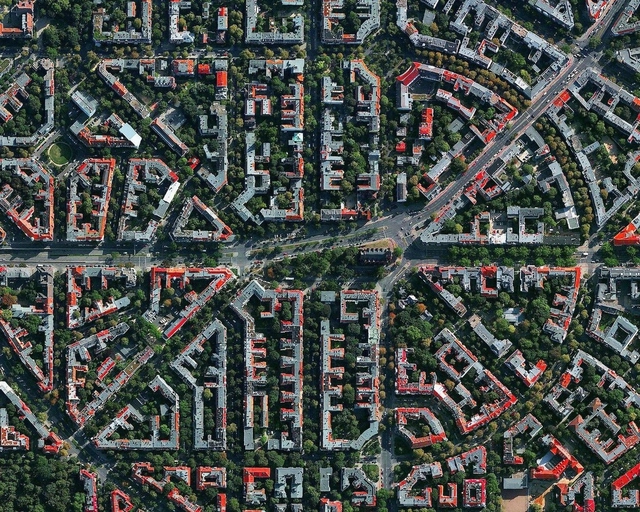
Planning cities and the way that we comfortably live in them is often a pull between many things. From creating affordable housing for all, enhancing community facilities and amenities, and designing walkable neighborhoods, all aspects of urban design have trade-offs, or do they? While there are many reasons why cities are becoming increasingly more expensive, dense, and less pedestrian-friendly, one of the key drivers behind the increase in unaffordability has to do with the way that outdated zoning codes drive the lack of available housing that they regulate.
Architectural events like biennales, urban festivals or the World Expo provide a framework for research and experimentation, allowing architects to showcase their visions on an international stage, with the aim of advancing the practice and driving innovation. World Expos, in particular, allow for these lines of inquiry to unfold at an architectural scale rather than that of an installation. Within these platforms for discourse and knowledge exchange, temporary architecture becomes a medium for communicating ideas about architecture and the city, its challenges and possible lines of development.
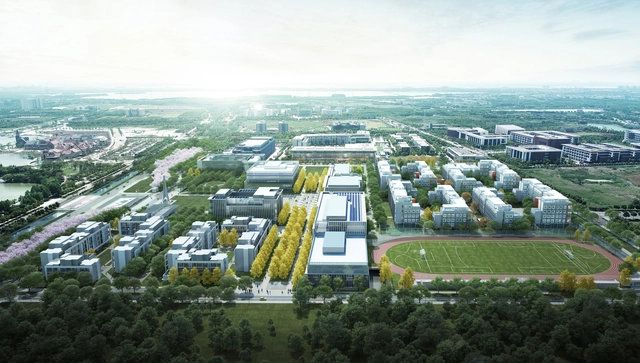
Perkins&Will has revealed the designs of the second phase of Duke KunshanUniversity which reflect the natural context and local culture of Kunshan, China. The architecture blends nature and architecture, and highlights the university's ethos and education values through spaces dedicated for living and learning. The 189,334 sqm master plan includes 22 buildings of administration, educational, and recreational facilities.
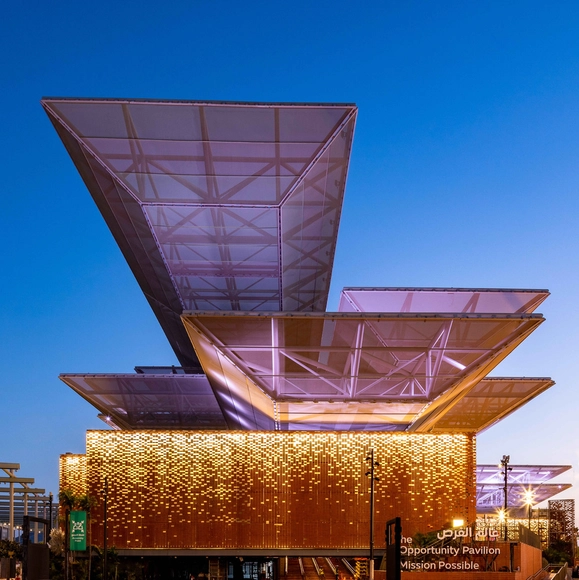
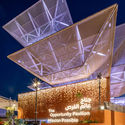
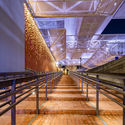
Designed by AGi Architects, Mission Possible, Expo 2020 Dubai's Opportunity Pavilion offers social and cross-cultural engagement through a universal and urban platform. Opportunity is one of the three main themes of this year's expo, alongside Sustainability and Mobility, which explore how we can "unlock the potential of individuals and communities, highlighting that each of us has a role to play in creating positive change". The structure resembles a large public plaza with a universal architectural identity since the feature has transcended generations, cultures, and eras.
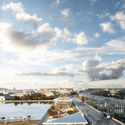
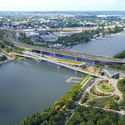
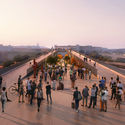
OMA/Jason Long’s 11th Street Bridge Park has reached new major milestones in its design and capital campaign after a series of design refinements. The design team has further improved the program areas across the bridge park, and has shifted the locations of the amphitheater and main gathering space, extending its capacity up to 250 people. Finishes and landscape designs have also been refined, whereas the pedestrian pathways, terraces, centers and public plazas have remained unchanged.
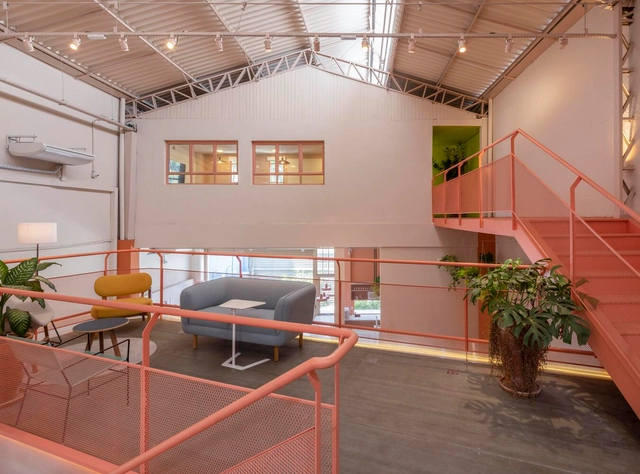
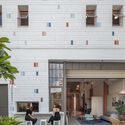
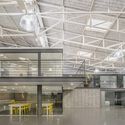
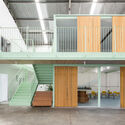
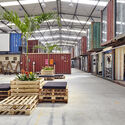
Architecture has been increasingly focusing on adaptive reuse, taking advantage of the opportunity to redesign existing spaces to provide new purposes while also reducing damage to the environment. In this context, recycling warehouses is quite usual and is becoming more popular every day because these spaces often have large open plans which allow many different layouts.
https://www.archdaily.com/969257/warehouse-renovation-12-projects-reusing-industrial-structures-in-brazilEquipe ArchDaily Brasil