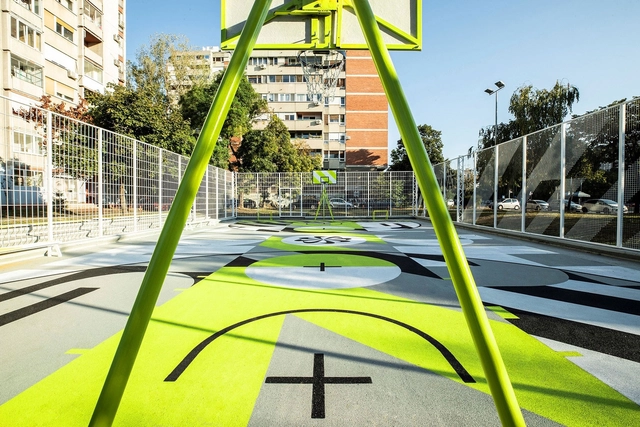
Creative agency Accept & Proceed has designed a new basketball court for Nike using 20,000 recycled sneakers in New Belgrade, Serbia. Inspired by the ‘Move to Zero’ ethos, the design features the court, children’s playground, bleacher benches, chain link fence, outdoor gym, collection bins, in-store campaign presence and restoration of existing elements. The renewal aims to re-energize the local neighborhood while providing a space for play and for sport among kids and adults alike.
After a year delay due to the worldwide pandemic, October 1st saw the inauguration of one of the most anticipated events of the year; the Expo 2020 in Dubai. The event, which is being held for the first time in the Middle East, focuses on architecture, culture, and innovation, with over 191 national participants. The pavilions on display are divided into three districts: Mobility, Sustainability, and Opportunity, each showcasing how their country has contributed and will contribute to its respective theme. In addition to the national pavilions, each district has its own thematic pavilion: the Sustainability Pavilion “Terra” by Grimshaw, the Mobility Pavilion “Alif” by Foster + Partners, and the Opportunity Pavilion “Mission Possible” by AGi Architects.
Read on to discover 6 must-see national pavilions of each district that explored their designated theme in a unique and captivating way.
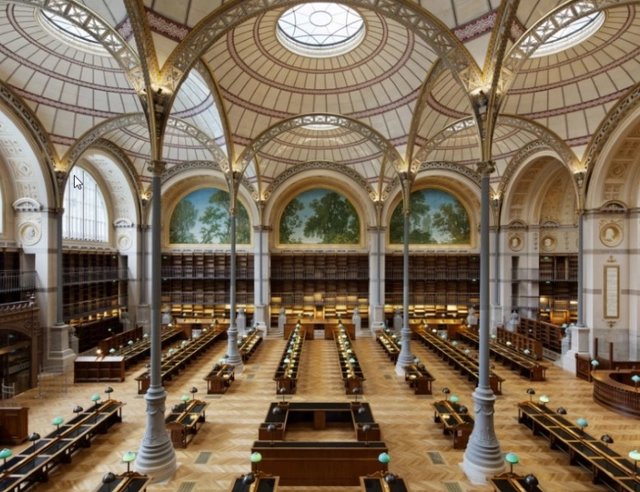
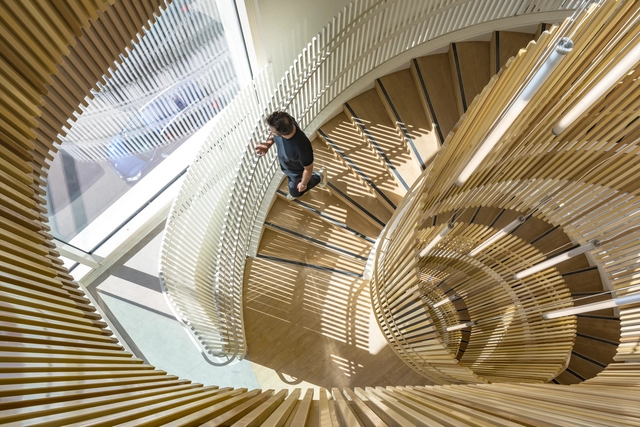
Formerly known as the Bibliotheque du Roi, the Richelieu site of the National Library of France near the Palais-Royal has finally completed construction after almost 10 years of renovations. The transformation of the 300-year-old site included facade restorations, installation of an interior garden, and facilities maintenances, promoting innovation, modernity, and openness to a wider public. The project, which is both a library and a museum, will continue to house a massive campus for the history of the arts and heritage, and provide visitors with a place for walking, discovery, and exchange. The site is expected to be open to the public in summer of 2022.
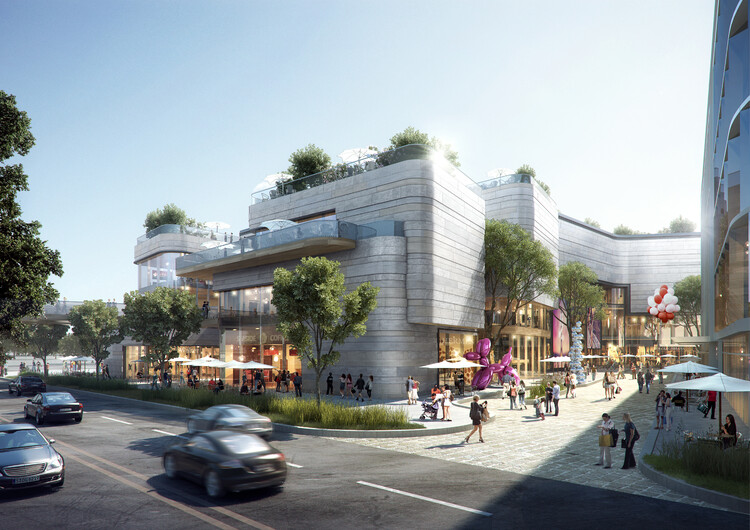
Aedas revealed its design for a mixed-use development in Shanghai, a mid-rise high-density scheme comprising several blocks of offices, retail spaces and a hotel linked by an extensive network of public spaces. A central circulation spine running across the site connects the various programs and, together with a series of green spaces, recreates the atmosphere of the organic urban fabric.
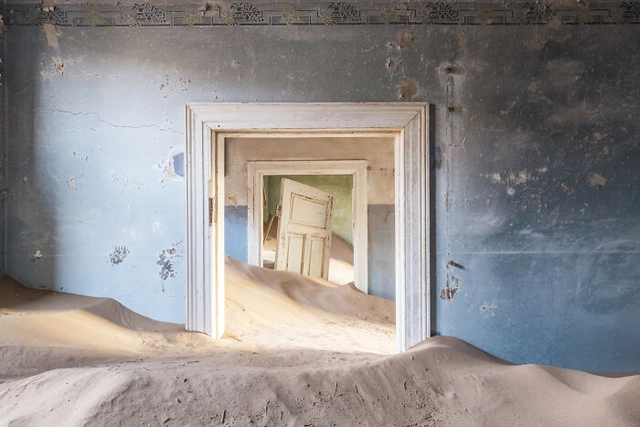
During his explorations of abandoned places across Europe, award-winning French photographer Romain Veillon has stumbled upon enchanting architectures that have been left to decay for decades. In his latest book Green Urbex: The World Without Us, Veillon explored what the world would look like if the human race disappeared and nature took its course without any human interference.
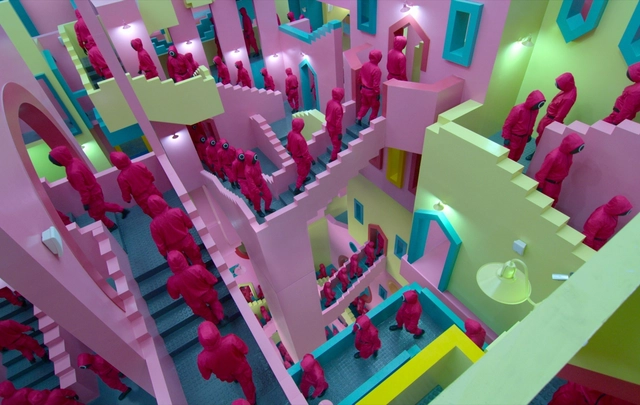
Maze-like hallway. Screenshot from the series. Courtesy of Netflix
People die in Squid Game. Lots of people. But while violence is one of the most appealing ingredients for the success (or failure) of a television show, that's not the only reason the series has become so popular worldwide. Pop culture, mesmerizing scenarios, and a plot full of social metaphors all contribute to this.
Available for streaming since September 2021, the Netflix series Squid Game “will definitely be our biggest non-English language show in the world, for sure,” and has “a very good chance it’s going to be our biggest show ever,” according to Ted Sarandos, the platform's co-CEO and Head of Content. The survivor thriller by director Hwang Dong-hyuk tells the story of a group of 456 people who are deeply in debt competing to win 45.6 billion won (around €33 million, $38 million) in prize money.
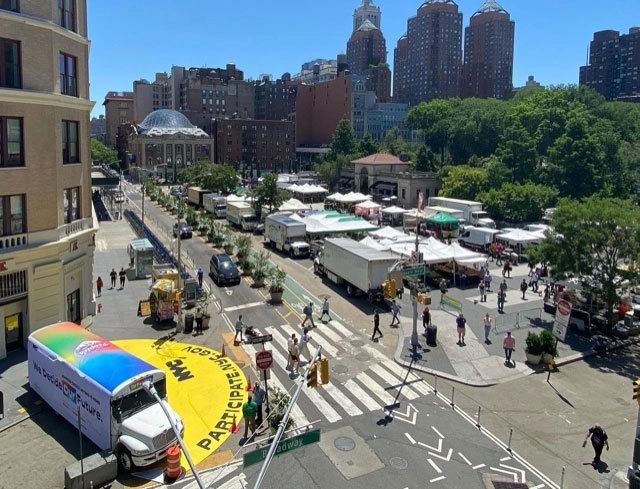
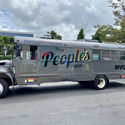
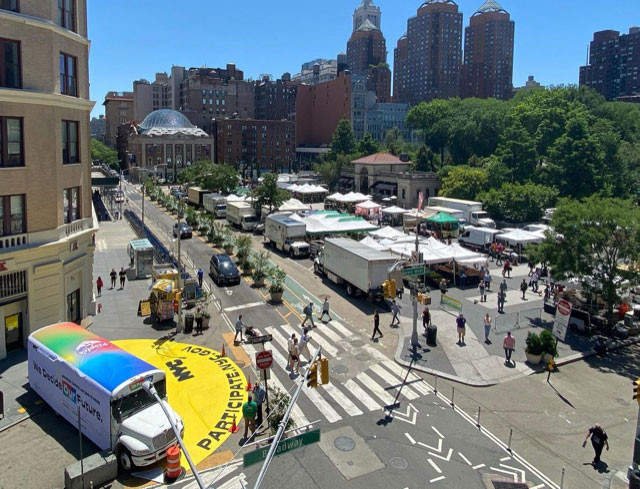
The NYC Civic Engagement Commission (CEC), Department of Cultural Affairs (DCLA), the Mayor’s Fund to Advance New York City and Public Artist in Residence (PAIR) Yazmany Arboleda officially kicked off The People’s Festival. This five borough series of outdoor events featured live performances, interactive workshops, and community information and resources. The festival was anchored by The People’s Bus, a retired city bus formerly used to transport people detained on Rikers Island.
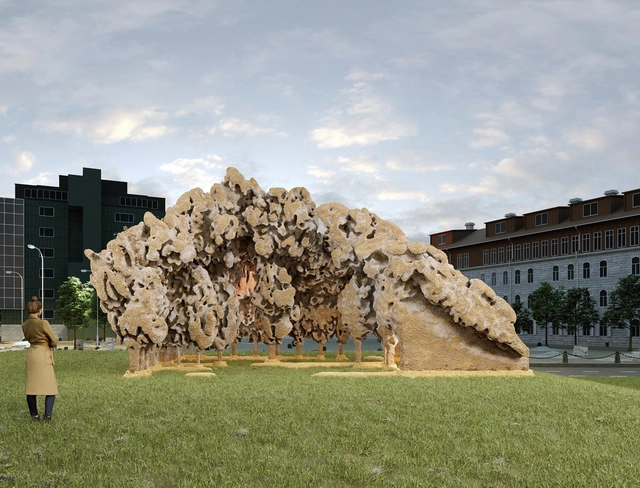
Australian duo Simulaa and Natalie Alima have won the competition for the 2022 Tallinn Architecture Biennale in Estonia with an installation made of mushrooms. Titled Burlasite, the structure's base will employ 3D printing technology that will be taken over by mycelia over time. The proposal highlights repurposing and reusing local materials, and how humans can create sustainable designs with invention and environmental adaptation. The Tallinn Architecture Biennale will open to the public on September 7th, 2022, and the installation will be on display until 2024 in front of the Museum of Estonian Architecture.
The first quadrant of OMA’s Berlin KaDeWe department store transformation opened its doors to the public, revealing a new approach to retail design in the age of online shopping and shifting consumer behaviour. The masterplan divides the historic building, the largest department store in continental Europe, into four smaller, easily accessible and navigable sectors. The completed quadrant features a six-storey void containing a series of escalators and simultaneously acting as circulation, retail and event space.
"Here in the tropics, shade is the prime air conditioner and, unlike the stove, it can be created everywhere," says Bruno Stagno about architecture for the tropics. In this sense, how has Costa Rica been "building" it's shade over the years?
The housing shortage has long been the catalyst for architectural speculation over adaptive resue scenarios or the valorisation of underused places in cities. At the same time, the health crisis and its work from home imperatives have brought into sharp focus the adaptive reuse potential of offices spaces into housing. The probability that some office buildings remain vacant post-pandemic opens up the possibility of bringing back housing to city centres, enabling the implementation of a 15-minute city vision. The following discusses the challenges and opportunities of transforming office spaces into housing, highlighting this limited phenomenon's long-term feasibility and impact.
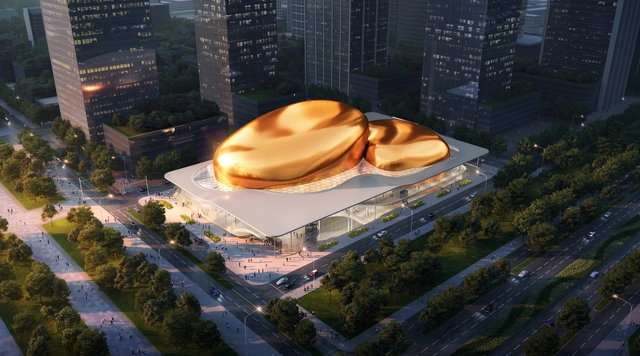
Ennead Architects have been chosen out of a three-part open international competition to design the new International Performance Center in Shenzhen, China. Dubbed 'The People’s Performing Arts Center', the project will be a part of a major cultural development that further marks the city as a metropolitan destination and reinforces the global arts community in the city.
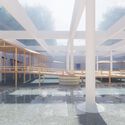
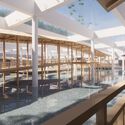
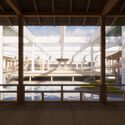
Hiroshi Sambuichi and The Cisterns in Copenhagen reveal plans for a fourth chamber to extend the exhibition space with another immersive artistic experience, further establishing the venue as a cultural destination. The design continues the succession of spaces within the former water reservoir with a new room featuring a transparent roof with light filtering through the water from a recreated water basin located above, on the Frederiksberg Castle grounds. The sharp contrast between the existing Cisterns and the proposal highlights a unique spatial experience, where the natural elements are quintessential.
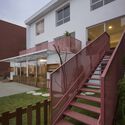
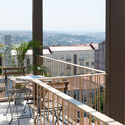
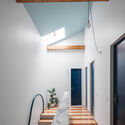
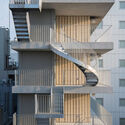
Railings play two roles in architectural projects, both as a support and safety component in a building, which involves a great deal of technical detailing and accessibility standards, and as an accent element in the design. In this article, we will explore the different ways in which these elements can be used in a project.
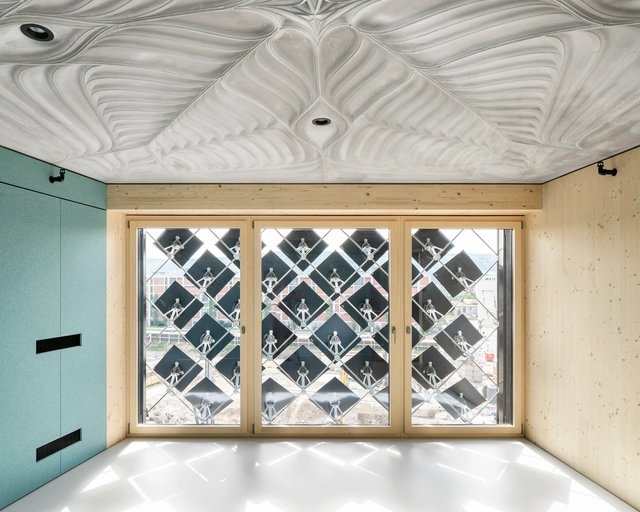
The latest addition to Empa and Eawag's NEST research building in Duebendorf, Switzerland has officially opened. The innovative HiLo unit illustrates nearly a decade of formative ETH Zurich research in architecture and sustainable technologies, and features an intricate, doubly curved concrete roof, lightweight funicular floors, and self-learning building technology.
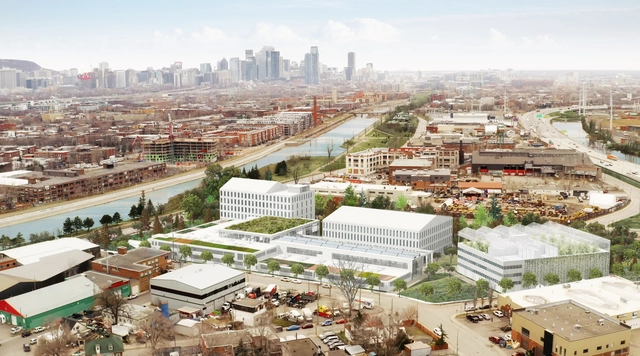
Sid Lee Architecture's Les Ateliers Cabot has won the 2nd edition of Montreal's C40 Reinventing Cities, a competition that "aims to encourage carbon neutral urban regeneration and to implement the most innovative ideas for transforming underutilized sites into hotspots of highly sustainable development and resilience, and to serve as a model for future developments". The winning proposal reimagines traditional development objectives, replacing economic profitability with the benefits derived from the relationship between man and the planet.
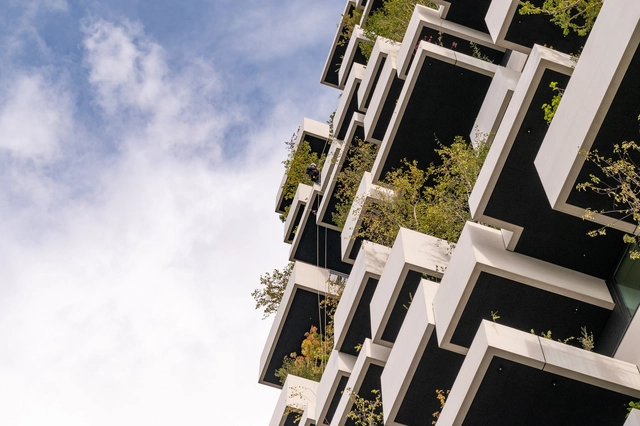
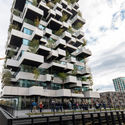
“Designing a house for trees”, as he puts it, Stefano Boeri is working across the planet, exporting his approach with trees from Mexico to Shenzhen. Building a whole ecosystem, rather than just a green facade, the architect understands the need to redefine our relationship with nature, especially in cities.
ArchDaily’s Christele Harrouk had the chance to interview the architect in Eindhoven, during the inauguration of the Trudo Tower, Stefano Boeri’s first social housing project, in collaboration with Francesca Cesa Bianchi, his partner at Stefano Boeri Architetti, Laura Gatti, botanist and plantation consultant, and Paolo Russo, Project leader. Discussing mainly his approach with nature, the environmental quality, and his exported perspective around the world, the conversation also tackled the 4 ongoing vertical forests in West Europe: A first that has just started in Utrecht, a second in Brussels, a ready to go building in Eindhoven and a last one in Antwerp.
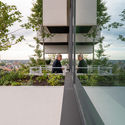
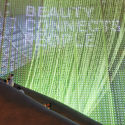
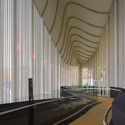
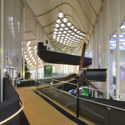
CRA-Carlo Ratti Associati and Italo Rota Building Office, along with Matteo Gatto and F&M Ingegneria designed the Italian Pavilion at the Expo 2020 Dubai with a focus on reconfigurable architecture and circularity. The architects used orange peel, coffee ground, algae, and sand as construction materials, along with recycled plastic for the façade's ropes and boat hulls for the roof. The architectural design of the pavilion and the materials used create a natural climate mitigation system that substitutes for air conditioning.






_%C2%A9_Takuji_Shimmura.jpg?1634116877 "© Takuji Shimmura / BnF")





















.jpg?1633431403 "Palazzo Verde . Image © Stefano Boeri Architetti")
.jpg?1633431510 "Palazzo Verde . Image © Stefano Boeri Architetti")