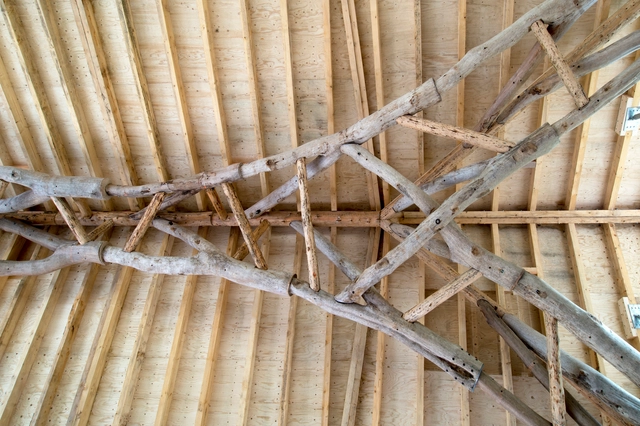
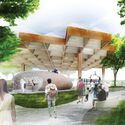
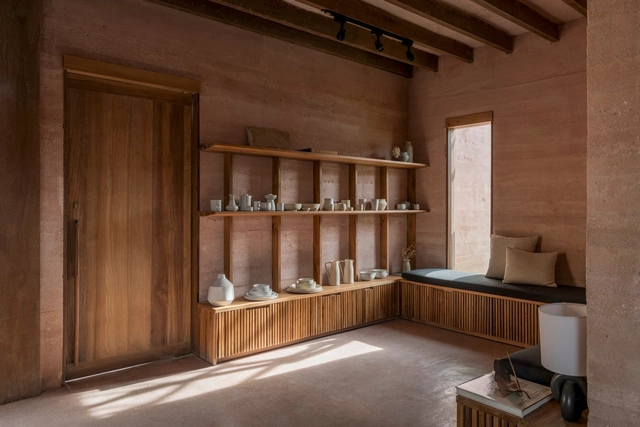
Timber has been a popular source of construction material for thousands of years. Through sawing, milling, and other engineered wood conversion processes, various wood forms have been created and applied in products, furniture, and architecture. However, these processes can sometimes alter the basic lines of wood structure. The stems can be split, grain patterns changed, and some woods, such as oak and cedar, are easily reduced while others can become intractable. This led to the exploration of whole timber forms in ancient structures, such as log cabins, which layered timber in different cross-sections to form home profiles. Through design, the use of trunks or branches of trees in their entirety can accentuate their innate mechanical properties for structural sustainability. Although these practices are fairly absent in contemporary building techniques, new technological innovations expand the prospects of timber construction in architecture.
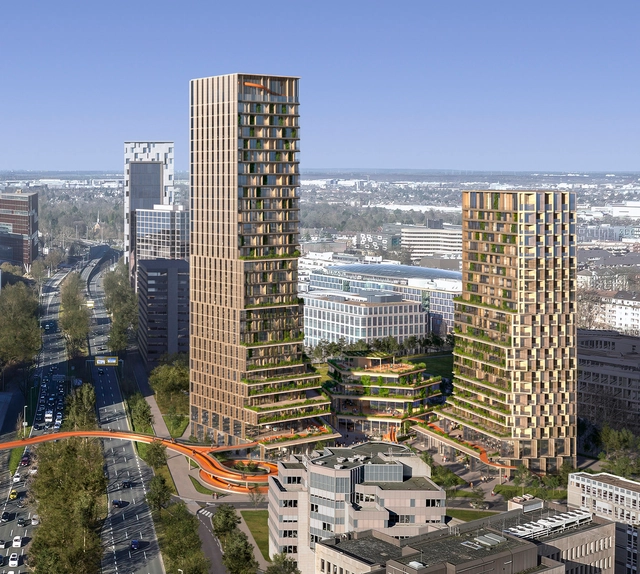
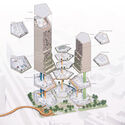
UNStudio has been selected as the winner of the international competition for the design of a mixed-use development in Düsseldorf, Germany, surpassing other internationally recognized participant offices, including 3XN, BIG, David Chipperfield Architect, and finalists Hadi Teherani Architects, HPP Architekten, and Ingenhoven. UNStudio’s proposal features two mixed-use towers measuring up to 120 meters, surrounded by a low-rise community pavilion. In addition to the office and residential spaces, the scheme also includes multifunctional uses and services such as sports, fitness, medical facilities, gastronomy spaces, a mobility hub, a daycare center, and opportunities for cultural events.
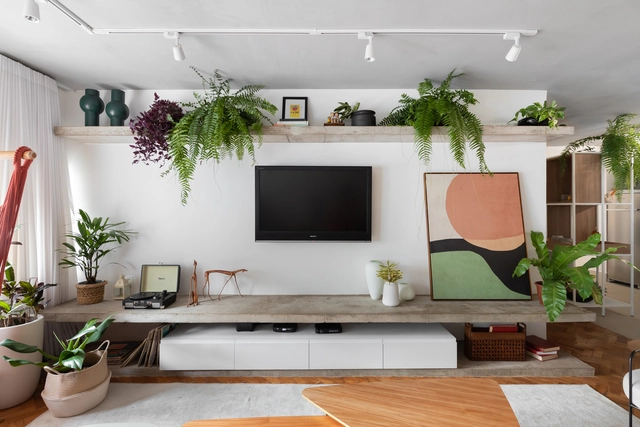
Shelves are incredibly versatile furniture items that are vital in organizing, decorating, and maximizing efficiency in various spaces, including homes, businesses, and industries. Crafted from a wide range of materials and available in numerous designs, shelves enhance compact environments by adding flexibility and easy access. With this in mind, we've compiled suggestions to elevate these ubiquitous solutions — temporary additions or integrated architectural features — into prominent elements within interior design.
Auction houses, secondhand furniture stores, and realtors make small fortunes from a nomenclature that, despite the fuzziness surrounding its indeterminate span and whether everything made during its indefinite duration ought to be stamped with the same label, continues to demand attention. Years from now, serious collectors of architectural magazines may search for that single issue of the 21st century magazine Dwell, absent a major spread of a house designed in the midcentury modern (MCM) manner or a restoration of a building from that era. MCM is the very blood that pulses through the publication’s arteries, promulgating a view of a squeaky-clean and well-lighted lives lived almost invariably by (often childless) ectomorphic couples, blissfully happy under a flat roof with floor-to-ceiling windows affording fine views of distant landscapes best enjoyed behind insulated glass in an ambient temperature of 72 degrees Fahrenheit. But what are we to make of this term, this period—some even call it a “movement”—so well-known globally it goes by initials?
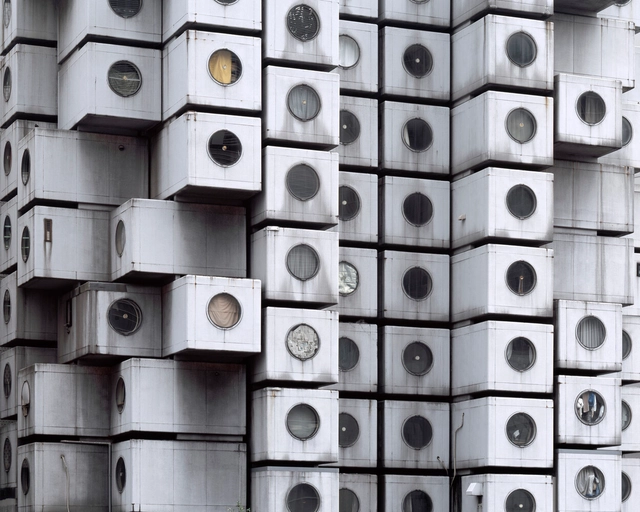
When Kisho Kurokawa designed his now iconic Nakagin Capsule Tower in 1972, the structure was meant to represent the core principles of Metabolism, experimenting with ideas of growth and change borrowed from biological processes. The emerging style in postwar Japan aimed to create buildings and megastructures that emulate living organisms that can evolve, expand, contract, and adapt to their changing conditions. Following this concept, the Nakagin tower was composed of 140 identical cell-like capsule units, each individually bolted to the two central shafts. The capsules were intended to be replaced and upgraded every 25 years, allowing for flexibility and mutation. The innovation proved to be impractical, however. Almost 50 years after its construction, the tower was demolished, but not in its entirety. A total of 23 capsules were saved and removed from the building to be given a new life. Now, the capsules are scattered around the world, continuing to represent Metabolist ideals in unexpected ways.
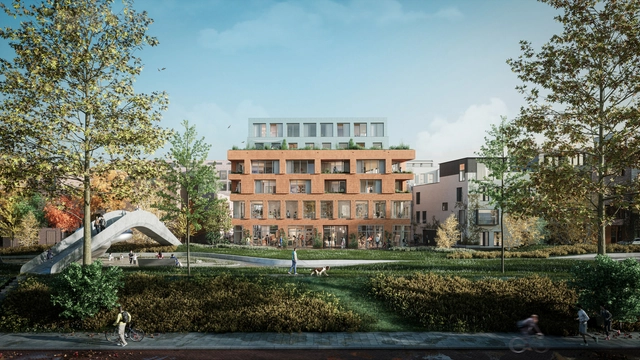
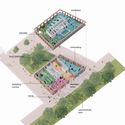
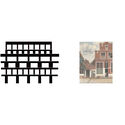
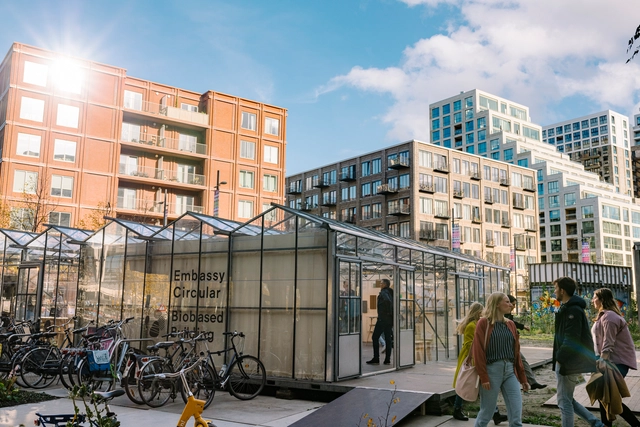
In Nieuw Delft, a newly developed city area next to the historic city center of Delft and in close proximity to the central train station, Common City is developing the winning LeeuwenPart plan in collaboration with Space&Matter. The project includes a residential building located on the edge of the future Van Leeuwenhoek Park. The project is developed as a co-commissioning, a process where the future residents are included in the design process, resulting in a well-adapted building and a close-knit community.
via Shutterstock | mariakray, Boca Raton Aerial View
The Center for Arts and Innovation has just selected Pritzker Prize-winning architect Renzo Piano to design its new creative campus. The campus is situated in the heart of downtown Boca Raton in Florida and aims to become a global hub for creative excellence. Ultimately, The Center is on a mission to transform Boca Raton into an internationally recognized destination for culture, arts, innovation, and technology.
Most biennales and architecture events, especially the recent ones, have influenced and shaped the dialogue of the ones that followed. In fact, during a conversation earlier this year with Lesley Lokko, the curator of the 2023 Venice Architecture Biennale, she explained and affirmed that “all exhibitions […] take sustenance from those that came before”, further noting that “if I look back at the dozen or so Architecture Exhibitions over the past twenty years, each one has contributed in some way to the discourse of the next.”
In the realm of architectural design and interior furnishings, achieving a balance between form and function is a daily challenge that designers encounter. This interplay between utility and aesthetics has not only evolved over time but also involves a constant exchange of styles and production methods. Frequently, this interchange leads to standardization and generic designs, potentially causing a depletion of authenticity in the design process.
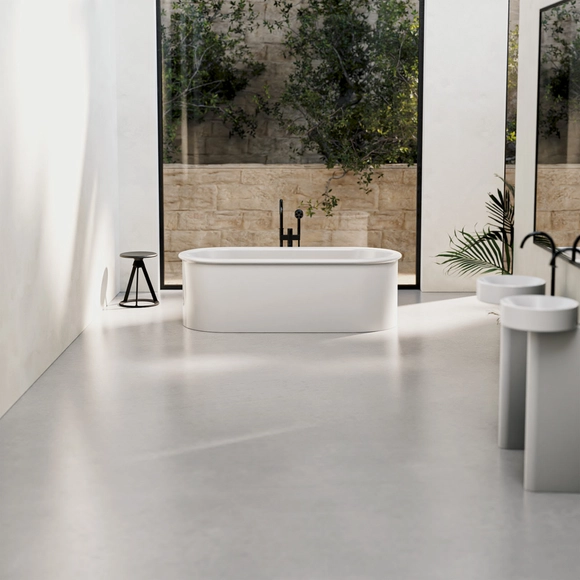
For this reason, in the contemporary era, designers are revisiting the fundamentals, rediscovering manual design processes that range from sketching to model making, all while embracing pure forms. Designers and manufacturers alike are embracing conscientious approaches to develop proposals that maintain simplicity in design while retaining a distinctive identity. In response to this, Bette, in collaboration with the British design studio Barber Osgerby, proposes the creation of minimalist-style bathrooms through the BetteSuno bathroom collection, stripping away complex shapes and seeking a light visual design.
https://www.archdaily.com/1005100/handcrafted-design-for-minimalist-washbasins-and-bathsEnrique Tovar
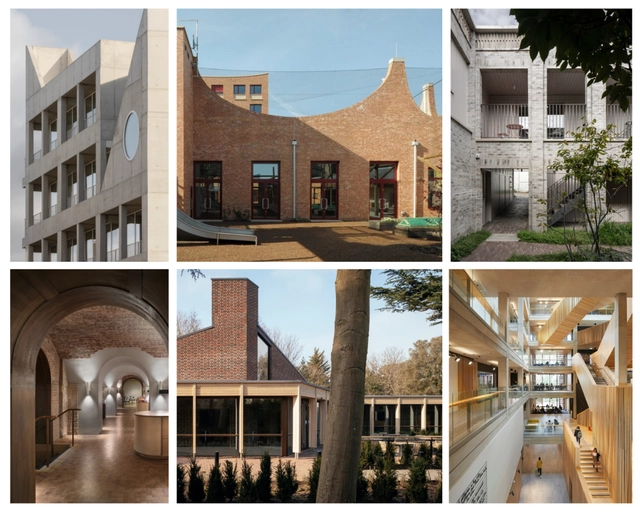
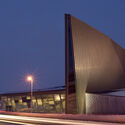
The Royal Institute of British Architects (RIBA) has announced the six projects selected for the shortlist of the 2023 RIBA Stirling Prize. The annual award is one of the United Kingdom's most prestigious recognitions in the field of architecture, judging projects on a range of criteria, including design vision, innovation, originality, and the capacity to engage and delight the occupants and visitors. Sustainability and accessibility are also crucial conditions for the selection. This edition’s shortlist includes projects by architects such as Apparata, Sergison Bates Architects, and Adam Khan Architects, featuring for the first time at the Stirling Awards Shortlist, as well as practices that have previously won, Witherford Watson Mann Architects and Feilden Clegg Bradley Studios.
Earthy tones, from those used in traditional vernacular constructions to contemporary interior design trends, are instrumental in crafting inviting, organic, and harmonious environments. These tones encompass a spectrum of shades reminiscent of natural elements such as earth, clay, sand, and stone, fostering a deep connection with nature. They are readily available in various construction materials, paints, and coatings, allowing for captivating texture combinations. In the following section, you'll find inspiring projects that exemplify the potential of these color palettes.
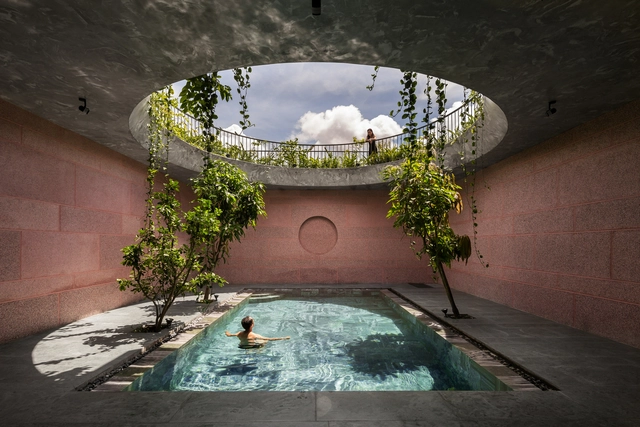
Designer pools bring status to luxury homes and five-star hospitality spaces. But adding the cooling, calming, energizing, and environmental benefits of a hyper-local water body to a residence can far outweigh the cost of installation. With a range of long- and short-term landscaping options possible, meanwhile, luxury is available, whatever the budget.
Most pools are built below ground to retain unobstructed visuals above. While all in-ground pools start off the same way – with excavation, then connecting the plumbing and filtration systems – the main difference is in the construction of the pool’s basin. The simplest and quickest method is to lower a pre-fabricated reinforced plastic pool or pre-cast concrete basin into the cavity, before connecting the pipework and backfilling the recess with sand. But this is only suitable for off-the-shelf pools with simple geometries. In order to make the most efficient use of all available space, bespoke pool shapes and sizes are best achieved by pouring or spraying concrete into a rebar or timber frame.
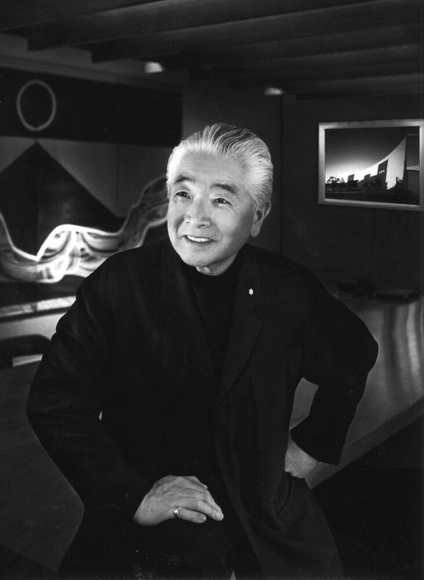
Visionary architect Raymond Moriyama, co-founder of Moriyama Teshima Architects and the designer behind some of Canada’s most influential buildings, has passed away at the age of 93. Renowned for designing major buildings across the world, including the Canadian War Museum, Ontario Science Center and the Canadian Embassy in Tokyo, Moriyama focused on creating humane buildings reflecting ideals of democracy, equality, and inclusivity. Moriyama passed away on September 1st, 2023, according to a statement from his firm, Moriyama & Teshima Architects.
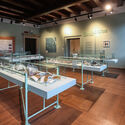
Zofia Chom�towska, Rubble clearance effort at the site of the Blank Palace on Theatre Square, 1945. Image Courtesy of Museum of Warsaw
The exhibition “Warsaw 1945-1949: Rising from Rubble” took place this year at the Museum of Warsaw, exploring the postwar reconstruction and rebuilding process that took place after the war. After the Second World War, Warsaw’s entire urban fabric, architecture, and social and economic status had to be rebuilt from the ground up. Curated by Adam Przywara, the exhibition “offered a new perspective on the myth of the postwar reconstruction of the Polish capital city and one of the most interesting pages in its history.”
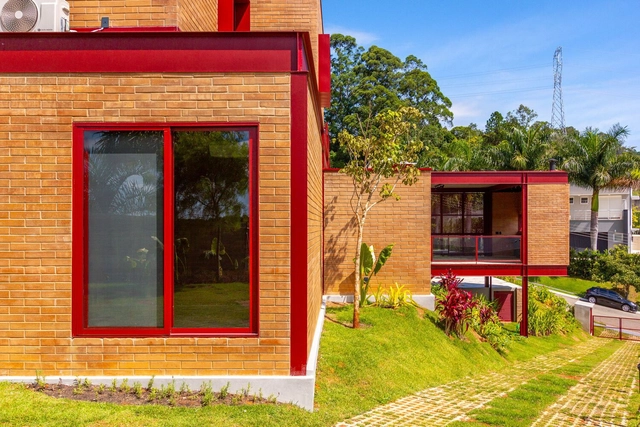
Although the use of color can be employed to hide or disguise a specific characteristic, it can also be used to highlight them. Within the Latin American territory, we can observe that shades of red, green, and blue have predominated in residential architecture, aiming to integrate a language appropriate to the context in which it is implemented.
The wellness market is booming, predicted to grow by almost 60% in the five years since the COVID pandemic, with consumers taking greater care of both their physical and mental health. It’s now understood, of course, that wellness – the virtue of feeling good in both body and mind – is more affected by our environment than we used to admit.
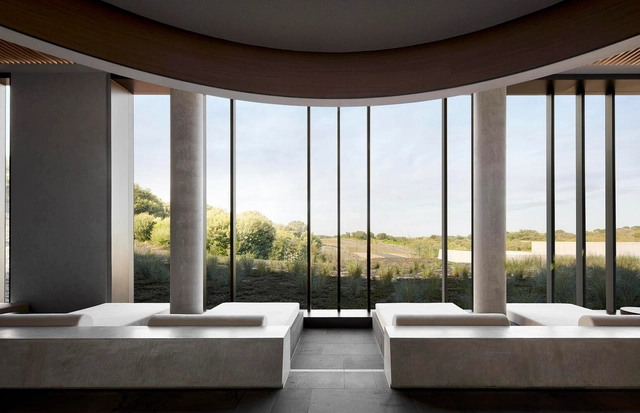
Since 2020 we’ve been quickly migrating away from cities, with attitudes on work and living also shifting to include more natural beauty and the hunt for the nirvana of greater wellbeing. These four wellness centers take care to complement the rejuvenating surroundings of the outdoors with healing activities and architecture, helping visitors to feel at peace with themselves and the world around them.