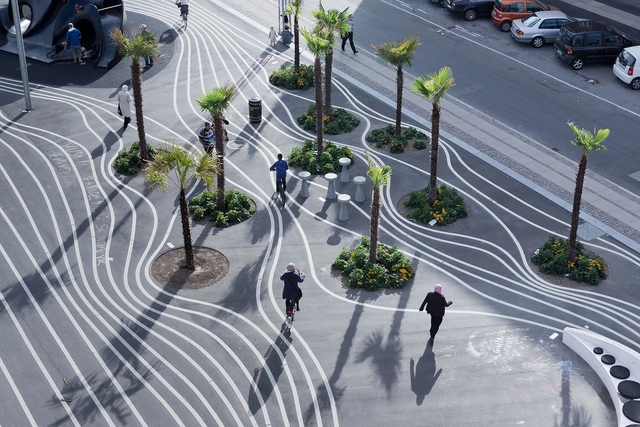
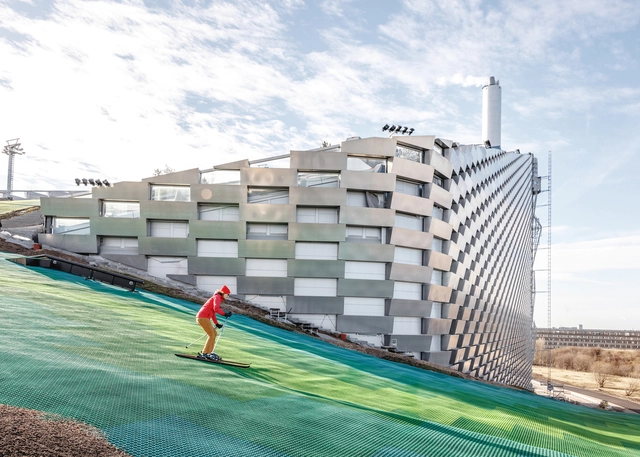
Copenhagen is a living testament to its architectural legacy, innovative urban development, and commitment to sustainability and liveability. The city inspires the whole world with its quality of urban life, made up of efficient and intelligent mobility systems, along with vibrant and interesting public and private spaces. It is in this context that the city has been awarded the title of World Capital of Architecture by UNESCO for 2023, and hosted the World Congress of the International Union of Architects. These milestones represent unique opportunities to highlight the crucial role of architecture and urban planning in building a sustainable future, establishing the city as a prominent international forum for discussing crucial issues related to the urban environment and the ongoing search for innovative solutions.
Visit Copenhagen has developed a series of four videos to explore the city's architectural wonders, guided by local architects. In the first one, which you can watch below, Danish architect Dan Stubbergaard –founder of Cobe– takes us on a captivating tour of Copenhagen, sharing his insights into what makes the city truly exceptional for its inhabitants.
Within the span of a week, two natural disasters hit North African nations. On Monday, 11 September, just days after a major earthquake hit Morocco's High Atlas Mountains, Storm Daniel made landfall in Northwest Libya, leading to the collapse of two dams, which released torrents of mud and water into the country’s coastline, killing thousands and destroying large parts of the port city of Derna, as well as other cities and villages such as Benghazi, Bayda, and al-Marj. The scale of the disaster is still being assessed, with more than 10,000 residents still missing and thousands more displaced. Entire neighborhoods of Derna, a city traversed by the flooded Wadi Derna River, have been swept away.
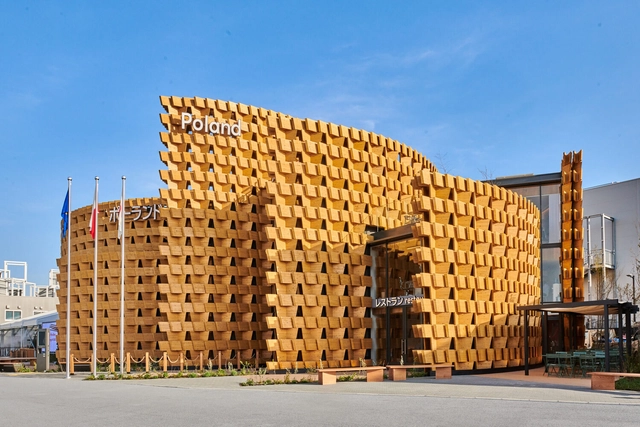
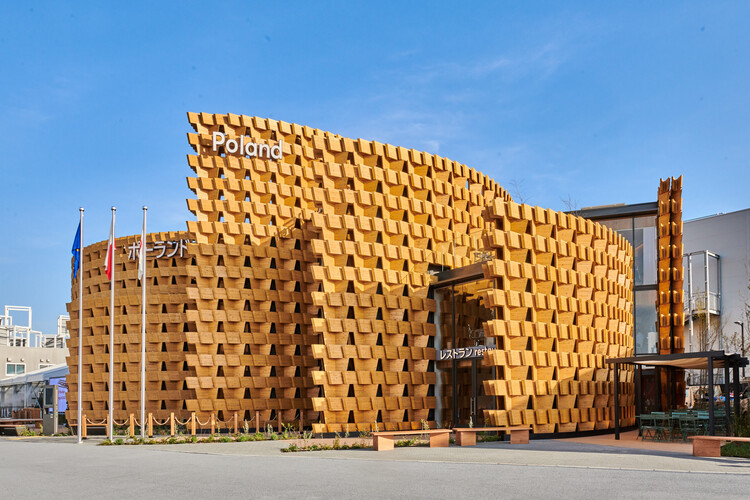
The Polish Pavilion at Expo Osaka 2025. Image Courtesy of Polish Pavilion Expo 2025
Commissioned by the Polish Investment and Trading Agency, Poland's Pavilion at the World Expo in Osaka is designed by Interplay The project is responding to the theme of the upcoming Expo, "Designing Future Society for Our Lives" and was born from the Interplay's fascination with spirals, specifically the shape's use in different scales, from "protein molecules to the structure of galaxies." Serving as a symbol of Polish ingenuity, the geometric-patterned pavilion aims to extend its influence beyond national boundaries.
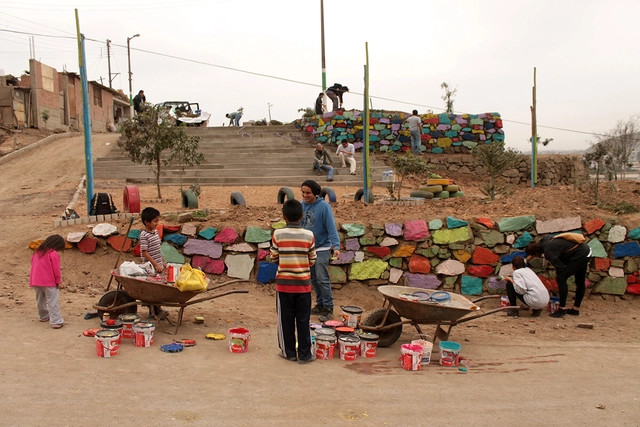
The research project that impressed the jury aims to explore the impact of highly successful informal settlement improvement initiatives implemented in various Latin American countries. Its primary objective is to uncover valuable design insights related to social and environmental sustainability. The research is founded on the recognition that Latin America is the most urbanized region globally, with approximately 80% of its population residing in cities. Nevertheless, nearly 15% of this urban population resides in informal settlements marked by inadequate infrastructure and a diminished quality of life. Various improvement programs have been implemented, and the active involvement of citizens has been a crucial factor in enhancing their effectiveness.
For the past three decades, YIMBYs and NIMBYs have been fighting pitched battles across the U.S. for the heart and soul of future development, but the housing crisis has only grown worse, especially since the crash of 2008, which changed so many things on the supply side.
This was followed a dozen years later by 2020, the strangest year of our lifetimes, which made those supply-side challenges even more pronounced. The roots of the problem, however, go back further than that, with mistakes made as long as 75 years ago now being repeated by completely new generations. Failure to understand those errors—and even why they are errors and not good practice—will perpetuate and exacerbate today’s crisis into future generations.
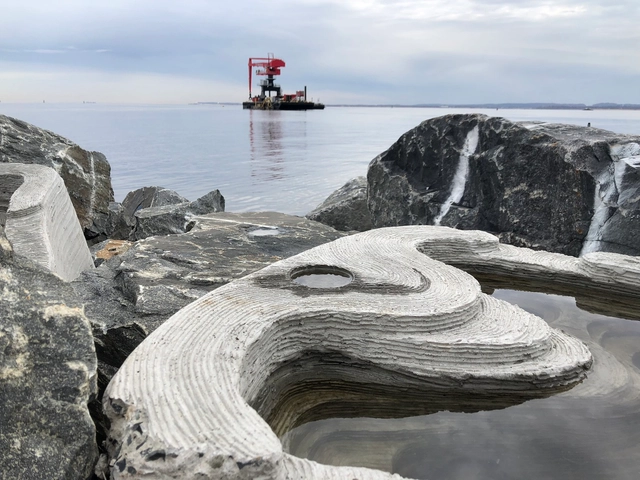
Focused in its fifth edition on Adaptation, the Obel Award has been granted to ‘Living Breakwaters’ in New York, a green infrastructure project off the shore of Staten Island. Awarded to SCAPE Landscape Architecture and its founder Kate Orff, masterminds behind ‘Living Breakwaters’, the yearly prize honors architectural contributions that positively impact both people and the planet.
The Obel Award is an international prize for architectural achievement presented annually by the Henrik Frode Obel Foundation, and each year, the jury sets a focus and awards a potential solution. Previously, it recognized Seratech, a carbon-neutral concrete solution, as the 2022 Obel Award winner, while in 2021, the concept of the 15-minute city received the prize for its value in creating sustainable and people-centric urban environments. The award ceremony will take place at the Sydney Opera House on 21 October 2023, and the winner will receive a prize sum of EUR 100,000 and a unique work of art by artist Tomás Saraceno as a trophy.
While it is undeniable that the surrounding environment is changing due to human activity, the effects can be difficult to perceive directly, as they are often illustrated with unrelatable pictures of far-away places or overused graphics and statistics. Danish office Tideland Studio aims to change this. Through their work, they aim to bring forth a new type of sensible understanding of the changes happening around us. They work across disciplines, melding research, art, and architecture while employing the newest survey and fabrication technologies to give presence to the abstract phenomena that shape our planet. Because of their practical approach to research and the new perspectives that they open toward extreme environments affected by climate change, ArchDaily has selected Tideland Studio as one of the 2023 New Practices. The annual survey highlights emerging offices that use innovation and forward-looking processes to rethink the ways in which we practice architecture.
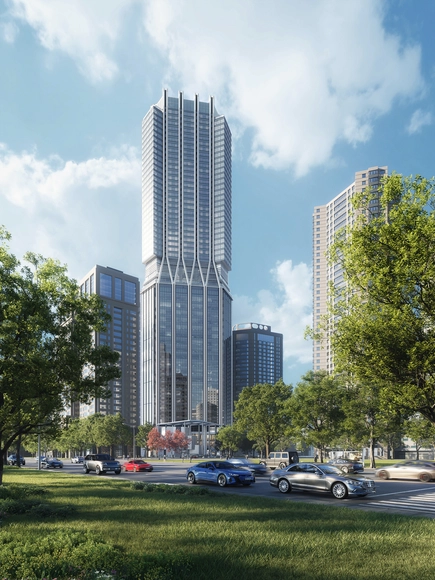
Foster + Partners has just revealed their first project in Qingdao, a major seaport and financial hub in the Shandong Province of China. 1 Nanjing Road is a mixed-use development in the city’s southern district. From office space to luxury apartments, the studio’s mixed-use design integrates into the existing urban fabric.
If you follow BIG, you have probably already seen Bjarke Ingels talk about hedonistic sustainability and how this concept permeates the most daring projects of the Danish office.
Almost a century after the iconic aesthetic emerged, Art Deco is finally having its comeback. As seen in new projects, interior spaces, and furniture around the globe, the glitz and glam that makes us long for the Roaring 20s of the early 20th century is now giving us a small taste of the Roaring 20s revival in the 21st century. As the distinct identity of Art Deco architecture and design has continued to inspire the world, what can we expect from new designs, and the preservation of existing ones?
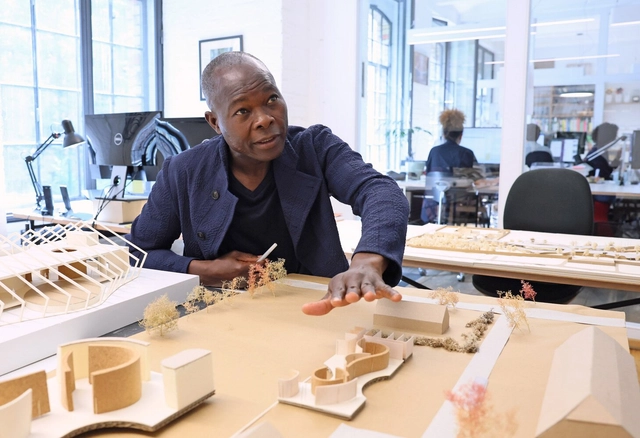
Pritzker Prize winner Diébédo Francis Kéré has been named the 2023 Praemium Imperiale laureate for architecture. The annual award, presented by the Japan Art Association, recognizes and awards 6 artists from different creative fields: architecture, music, painting, sculpture, and theatre or film. Francis Kéré, who leads the Berlin-based office Kéré Architecture, has received the prestigious award for his influence on African and global architecture, engaging local communities and site-specific materials to create innovative design and engineering solutions.
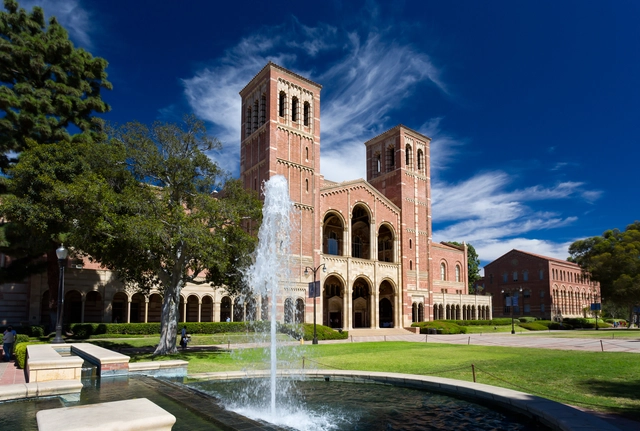
LOS ANGELES, CA/USA, Royce Hall on the campus of UCLA. Royce Hall is one of four original buildings on UCLA's Westwood campus.. Image via Shutterstock | Ken Wolter
The annual BAM ranking of International Master’s Programs in Architecture aims to assist architects and students in identifying the top international Master’s programs globally. Assessing programs from various leading architecture schools, it evaluates degrees through a comparative approach developed by a panel of 15 professors and international experts. For this edition, different Architecture and Built Environment programs have been selected to be part of the BAM Ranking 2023, and 18 Universities worldwide were featured in the 2023 edition of the BAM Ranking.
Similar to the past few years, Harvard University, Columbia University, and Universidad Politécnica de Madrid maintained their position at the top of the ranking. MIT has made the list with two programs, one focused on urbanism and the other on design. Moreover, Tsinghua University in Beijing, China, made the list with their English Program for Master in Architecture. The ranking also features TUDelft (Netherlands), TUM (Munich), and TUBerlin (Berlin) in Europe.
Throughout the annals of architectural history, timber has been a fundamental element in the evolution of building design and construction. From the ancient timber-framed structures of Japan to the medieval European cathedrals, timber's structural prowess and aesthetic appeal have left an indelible mark on human civilization. It wasn't until the Industrial Revolution's advent that a significant shift towards alternative building materials such as steel and concrete occurred, relegating the material to a secondary role in construction. As contemporary architects grapple with the consequences of climate change, however, timber has staged a remarkable comeback, offering an eco-friendly and structurally robust alternative. Internationally renowned firms are centering their designs around timber's potential, embracing its rich history while simultaneously harnessing advanced technologies to create awe-inspiring, sustainable structures that represent a harmonious blend of historical wisdom and modern innovation.
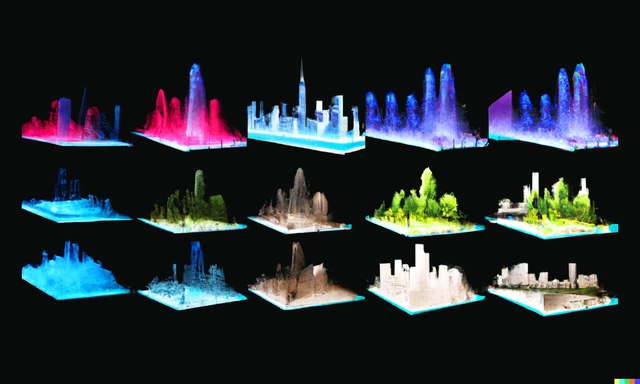
Image created using AI under the prompt: A futuristic architectural landscape exemplifying data-driven architecture. Image via DALL.E 2
Architecture is a multifaceted discipline influenced by diverse sources of data and information, which play a fundamental role in shaping architectural production. In the past, horological instruments like the sundial were used to obtain data, such as time, and gain knowledge of solar incidence at different times of the year and geographical locations. This made it possible to determine the optimal orientation of buildings, resulting in benefits such as better use of sunlight and greater thermal comfort.
Although cultural, social, and even religious factors can influence architectural design, quantitative factors are especially relevant when making decisions in the early stages of the creative process, during construction, and throughout the life cycle of a building. Therefore, it is important to collect and process relevant information, such as location, solar incidence, occupancy capacity, occupant interactions, energy performance, and carbon emissions, among other aspects.
https://www.archdaily.com/1003902/data-driven-architecture-delving-into-4-building-information-toolsEnrique Tovar
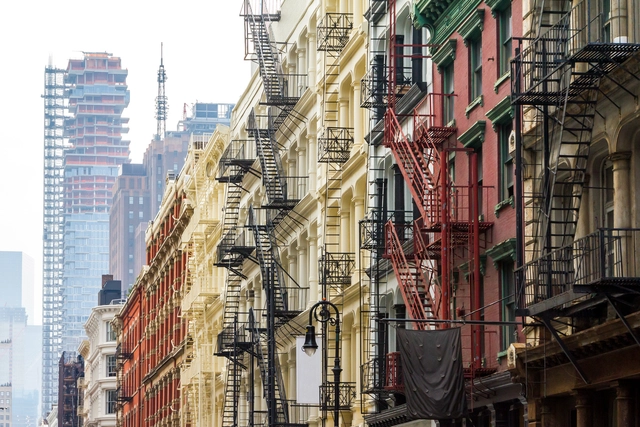
New York City’s Local Law 18, also known as the Short-Term Rental Registration Law, came into effect on September 5, changing the way in which short-term apartment rentals operate in the city. The new local legislation dictated that from now on, short-term rental hosts in the city must register with the Office of Special Enforcement (OSE) to obtain a license, and rentals are only allowed if the host lives in the place and is present for the duration of the guest’s stay. The number of guests is also limited to just two, and the duration is limited to 30 days. The legislation is not an explicit ban on platforms such as Airbnb, but the strict regulations make it almost impossible for the service to continue its activity.
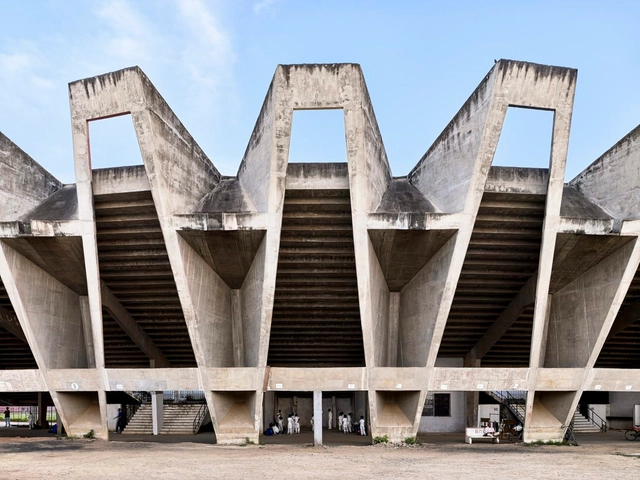
The structure was originally built to host international and domestic cricket matches. In the 1950s, the Cricket Club of Ahmedabad was granted 67,000 sqm of land to construct a Cricket Stadium. It was the country’s first “turf ground,” hosting the first cricket match in India. For the cricket community in the country, the SVP represents a venue that has nurtured and honed young cricketers from all over the state, and it has been graced by several of India's legendary players in both test and one-day cricket matches.
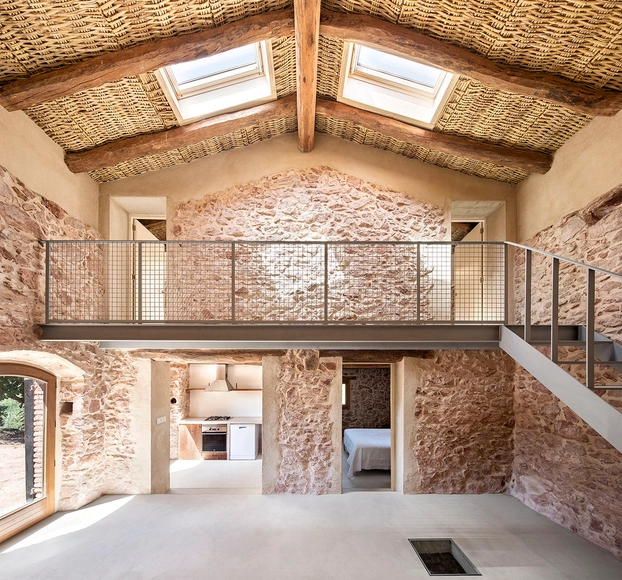
What does architectural restoration, transformation, or renovation entail? What factors are involved in their processes? When delving into the interiors of Spanish homes, we set out to discover the various methodologies, tools, and technical and construction strategies that are often employed, with stone as the main protagonist.
Whether it’s a guilt-driven effort to reduce one’s own carbon footprint, an economy-inspired reduction in energy bills or simply taking advantage of a government incentive scheme, sustainable construction, and design choices are not only being made by the most eco-aware amongst us, but now by anyone with an eye on both the current cost of energy and the future cost of its obsolescence.
Whatever the motivation, as we desperately attempt to reduce our self-destructive reliance on fossil fuels, our homes and buildings are gradually turning their backs on gas – one of the final hurdles standing between us and a carbon-neutral home. These alternative systems and appliances run on renewable electricity instead, breaking our reliance on emission-causing gas-dependant products and using innovative electrical technology to improve them too.