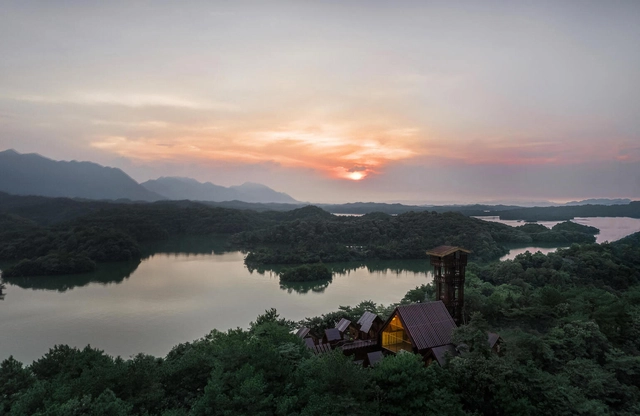
When designing and building an island getaway paradise there are certain creature comforts expected by even the most back-to-basics visitor, to find peace and comfort in an inaccessible environment – like food, shelter, clean water, and a way to contact the mainland – but doing so requires a careful balance between making these least-visited places on Earth both habitable and hospitable, without destroying them or their serenity in the process.
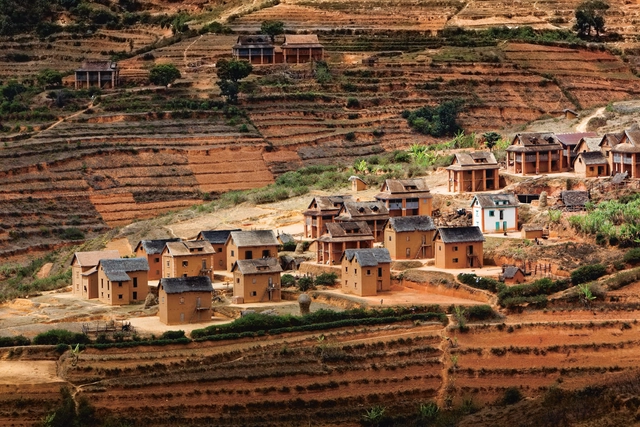
The architecture and construction industry has undergone a transformation with the integration of various digital tools, now indispensable to the design process. The welcoming of technologies has effectively streamlined operations, enhanced efficiency, and elevated design quality. This digital shift, however, has resulted in a digital divide that goes beyond accessibility to tools and software. It also encompasses the crucial aspect of integrating traditional and indigenous communities into the urban development landscape. Can advancing technology support the growth of vernacular architecture? Can indigenous building practices find a place in the vision for a digitalized future?
Nowadays, the term “utopia” is used to describe an idea that seems unattainable —at least in the contemporary context— intrinsically related to philosophical, scientific, urbanistic, and architectural concepts, among others. The close connection between utopias and architecture is evident, as this discipline is often associated with imagination. Some notable examples include “The Unreliable Utopia of Auroville's Architecture” and “The City in Space: A Utopia”by Ricardo Bofill. In this context, architects and designers alike use design as a means to develop innovative and disruptive ideas through various elements.
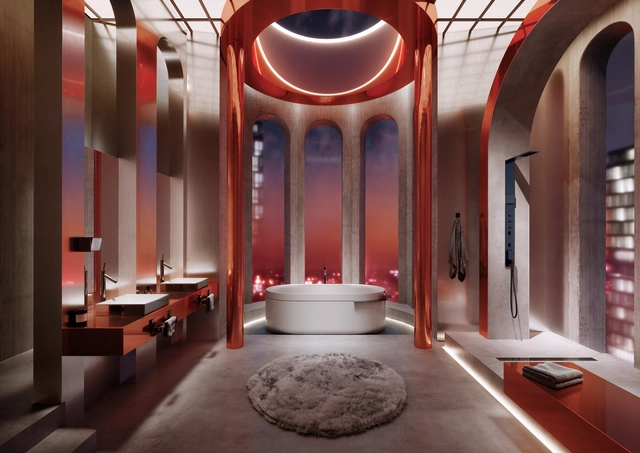
Although considered an idealized concept that does not exist, some designers have ventured into exploring the notion of utopia. AXOR, in conjunction with the Valencia-based design studio Masquespacio, has turned the page by conceiving and bringing to reality a new bathroom concept for a unique hotel suite that embodies their vision of personal luxury. Titled “Utopian Dream”, this design response blends vibrant colors with unexpected details, a combination that this duo defines as a mystic experience above the clouds.
https://www.archdaily.com/1007798/balancing-neoclassical-and-futuristic-design-the-utopian-dream-bathroom-conceptEnrique Tovar
The 2024 EUmies Awards aims to recognize the best-built works in Europe completed between April 2021 and May 2023. The selection of projects reflects the current changes within the European context, with increasing attention given to environmental, social, and economic awareness expressed through architecture, landscape architecture, urban planning, and design. This year’s jury is chaired by Frédéric Druot (Paris/Bordeaux), who will be accompanied by Martin Braathen (Oslo), Pippo Ciorra (Rome), Tinatin Gurgenidze (Tbilisi/Berlin), Adriana Krnáčová (Prague), Sala Makumbundu (Luxembourg), and Hrvoje Njiric (Zagreb).
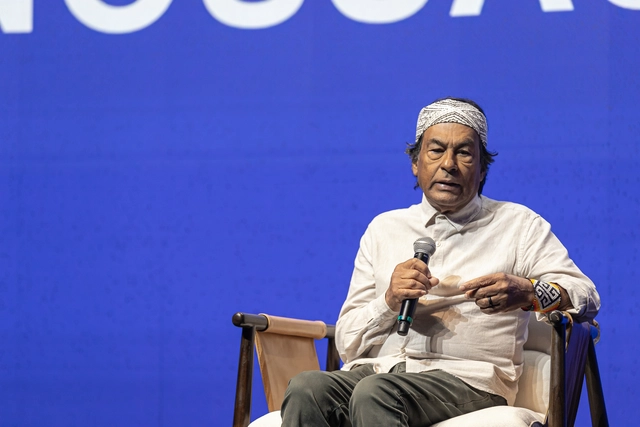
Krenak has a unique talent for transforming his life experiences into profound concepts, which he conveys through oral and poetic language. His worldview blurs the boundaries between landscapes, human beings, animals, rivers, and mountains. He strongly advocates for a reassessment of our lifestyle, emphasizing the importance of 'breaking up the ground to allow the channeled waters to resurface.' On September 5th, he participated in a discussion in São Paulo during the Archtrends Summit 2023, organized by Portobello. During this event, he shared his insights on topics such as cities, forests, and the future of our planet.
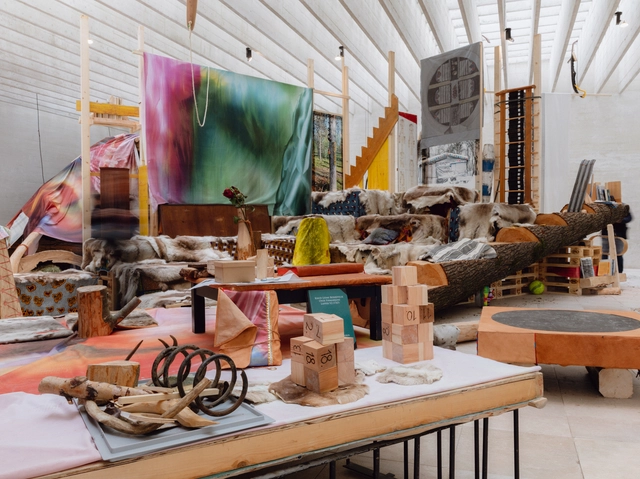
In light of the looming climate crisis and the pursuit of sustainability, the concepts of revival and reuse have emerged as crucial strategies in the quest for decarbonization in the architecture industry. These principles preach that creating new structures may be sustainable but encourage architects to minimize their ecological footprint by reactivating and recycling existing resources. This year specifically, innovative projects in line with these themes were displayed as part of the 18th International Architecture Exhibition – La Biennale di Venezia. This world-renowned event’s core purpose is to serve as a platform for architects, designers, and thinkers to collectively reimagine sustainability, decarbonization, resource conservation, and the industry's future.
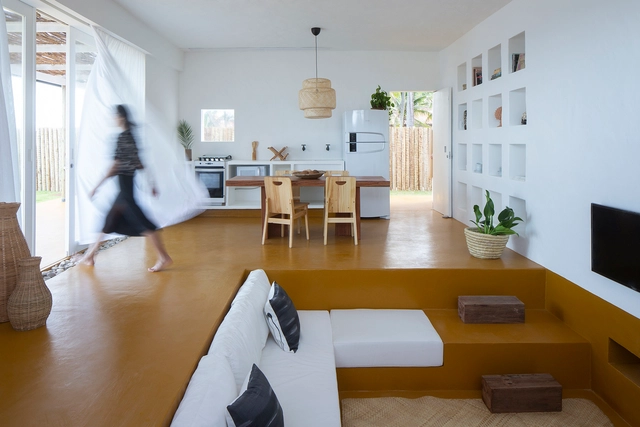
Implemented as a means to take full advantage of space, built-in furniture has grown in popularity as well as ingenuity as designers tackle the needs and tastes of a wide range of users. It's ability to adapt and integrate into architectural spaces allows it, through a variety of configurations and materials, to fulfill various functions; however, this poses an interesting question. Is it truly the furniture that adapts to our living spaces? Could it not itself become the protagonist and creator of the spaces that we project?
The Second Studio (formerly The Midnight Charette) is an explicit podcast about design, architecture, and the everyday. Hosted by Architects David Lee and Marina Bourderonnet, it features different creative professionals in unscripted conversations that allow for thoughtful takes and personal discussions.
A variety of subjects are covered with honesty and humor: some episodes are interviews, while others are tips for fellow designers, reviews of buildings and other projects, or casual explorations of everyday life and design. The Second Studio is also available on iTunes, Spotify, and YouTube.
This week David and Marina of FAME Architecture & Design discuss one of the ways they begin projects with new clients with their Project Starter Service. Embarking on a project can be daunting for those unfamiliar with the architecture, design, and construction industry. The initial onboarding phase—prior to the contract being awarded—also poses challenges for architects and professionals. In this episode, they discuss one way to have a smoother start for everyone that establishes a strong foundation for the project to build on.
https://www.archdaily.com/1007951/the-second-studio-podcast-overcoming-the-challenges-of-new-projectsThe Second Studio Podcast
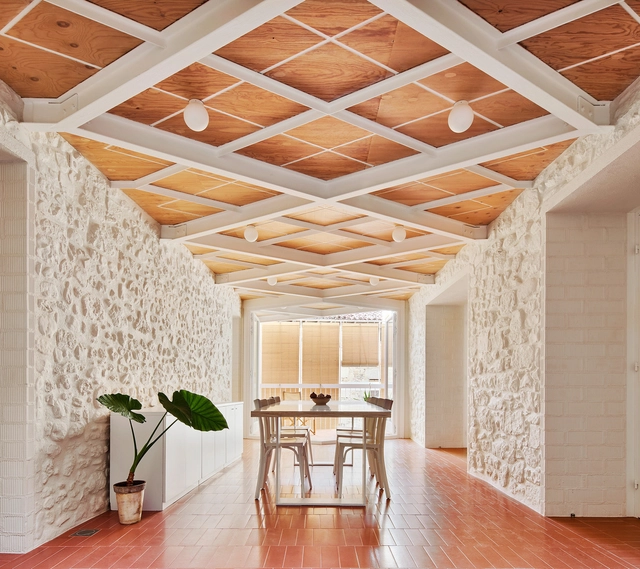
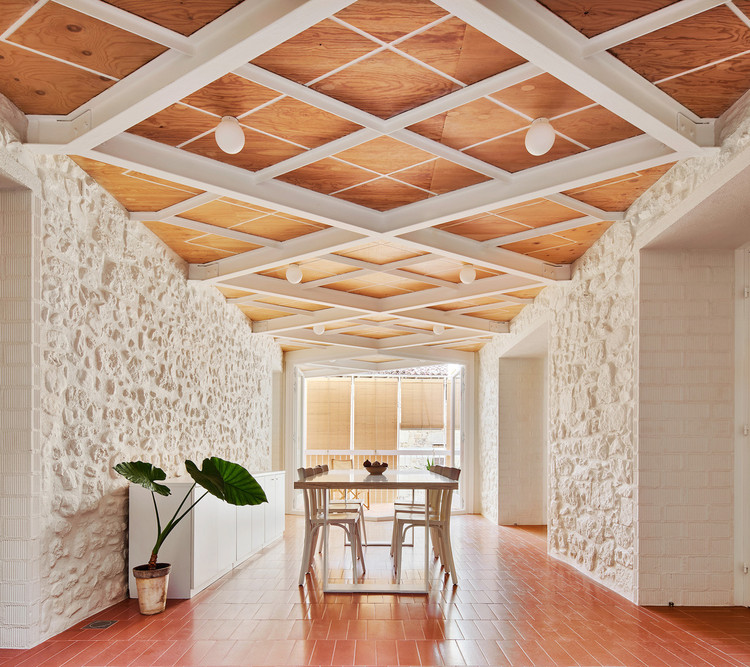
Renovation of a Village House / unparelld’arquitectes. Image
Perhaps one of the most common phrases you'll hear when talking about interior renovations is "whatever you initially planned on spending, double it, and double the time with it". Renovations, regardless of their scale, can be very time consuming and costly, especially when unexpected changes pop up last minute. However, we are often met with situations where the interior layout is no longer efficient or we feel that the interior design is a little outdated and its time for a change.
Giving your space an upgrade does not necessarily mean spending all your savings, and spending less does not necessarily mean low quality work. From doing the construction work yourself, to giving furniture pieces completely new functions, here are different ways you can renovate residential and commercial interior spaces without breaking the bank.
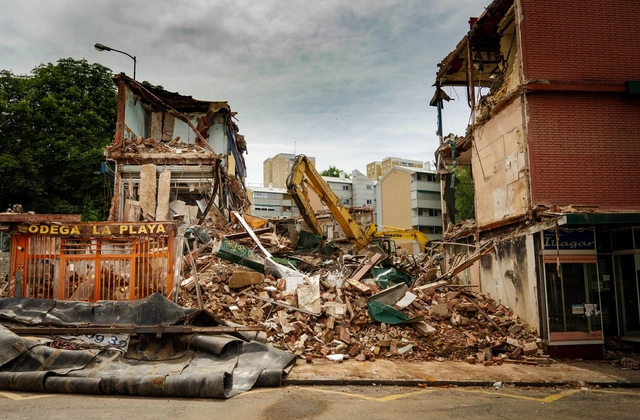
The built environment is responsible for approximately 42% of annual global CO2 emissions. During a building's lifespan, half of these emissions come from its construction and demolition. To decarbonize architecture and control global emissions, it is important to rethink and reduce the upfront or embodied carbon impacts of demolitions, as well as implement sustainable construction strategies for buildings. Demolitions typically involve dismantling, razing, destroying, or wrecking buildings and structural parts, leading to unsustainable levels of carbon emissions, material depletion, waste, and pollution. These hasty methods of ending the life cycle of a building have negative impacts on the environment, material components, and recycling strategies. Therefore, there is a clear need to re-think the way in which we approach the end of a building or infrastructure project's life towards a more sustainable system of deconstruction.
In this Louisiana Channel interview with Yasmeen Lari, the renowned Pakistani architect speaks about the role of architects and the needed perspective shifts of the industry in contemporary times. Awarded the RIBA Royal Gold Medal in 2023 for herhumanitarian efforts, Lari emphasizes the need to rethink the architecture industry to address social disparities and resource deficiencies. In the interview, the architect and designer reflects on her upbringing, architectural education, and her practice today.
Pabellón_Centro Raíz_Global Woods . Image Cortesía de Mextrópoli
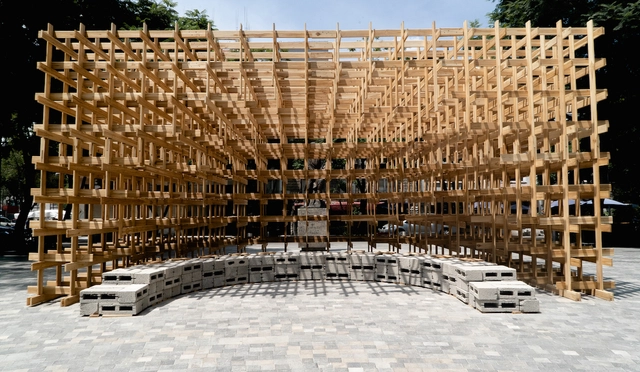
For the ninth time, the MEXTRÓPOLI Architecture and City Festival held the Arquine Competition No. 25 | MEXTRÓPOLI 2023 Pavilion, a platform where architecture, urbanism, and art converge to contemplate and celebrate Mexico City. The event also aims to engage the public by occupying public spaces with architectural pieces that can be activated by visitors. Celebrating public spaces or offering a different perspective on the places routinely traversed is the reason MEXTRÓPOLI showcases these ephemeral architectural pieces.
In 1999, Birgit Lohmann and Massimo Mini co-founded designboom, self-proclaimed as the "first online architecture and design magazine." Seven years later, Facebook transitioned from Ivy League universities to massive audiences, while the first tweet was posted on formerly-known Twitter. Sixteen years have passed since these milestones.
While 16 years may be a short period in architecture, digital media and social networks are far from being considered emergent in the history of the internet. In fact, they form the core of the current Web 2.0 model, characterized by a dual interaction between content producers and consumers: sharing, liking, remixing, and reposting.
Indeed, the speed and magnitude of the transformations that digital media have undergone, and in turn, driven, provide the opportunity to begin documenting the history of the digital era and its impact on architecture.
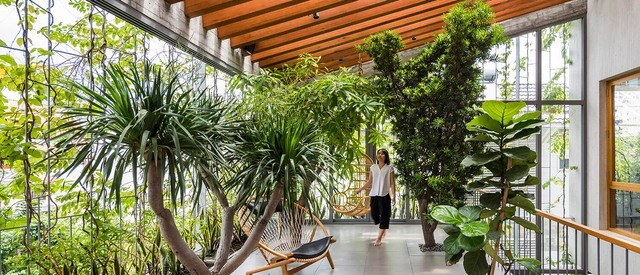
A simple walk in the park will relax even the most tightly wound individual. But what about the places where people spend far more of their time, such as schools, office buildings, and hospitals? What role can design play in incorporating nature into those environments? And at what additional cost? Bill Browning has published a book—The Economics of Biophilia: Why Designing With Nature in Mind Makes Financial Sense, 2nd Edition (written with Catie Ryan and Dakota Walker)—arguing that the cost of bringing nature into building projects isn't prohibitive but additive. An environmental strategist with a long history in green building, Browning is one of the founding partners (with architects Bob Fox and Rick Cook) of the sustainable design consultancy Terrapin Bright Green. Recently I talked with Browning about biophilic design—and, because he was a founding member of the U.S. Green Building Council's board of directors, about the strengths and shortcomings of the LEED rating system.
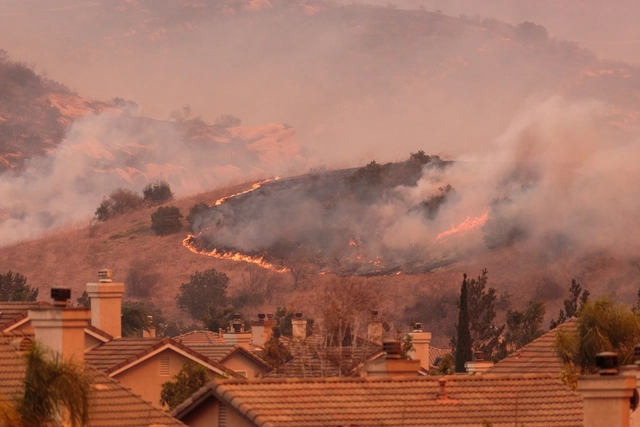
As the world grapples with the effects of climate change, natural disasters like flooding, and the spread of incontrollable wildfires are increasingly threatening cities and inhabitants. While architecture and urban planning cannot prevent these occurrences, they still possess strategies to minimize the damage associated with these events and help protect the citizens. Unfortunate events over the course of last year, like the earthquake that hit central Turkey and north-west Syria this February or the more recent earthquake in western Afghanistan, the flooding and dam failures in Libya, and the wildfires that devastated the city of Lahaina, Hawaii, demonstrate the urgency of implementing preventative and mitigation measures in addition to creating procedures for emergency intervention. This article explores the strategies and resources available to architects and urban planners to address these challenges in three types of natural disasters: flooding, wildfires, and earthquakes.
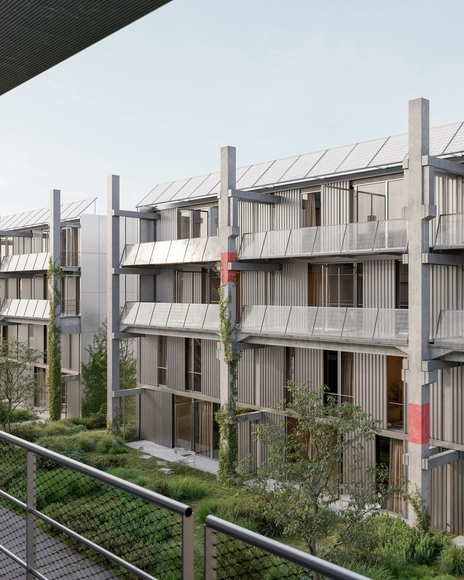
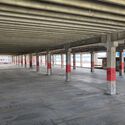
Architectural studio Parabase has been chosen for the development of several plots of Areal Walkeweg in Basel for the purpose of creating affordable apartments and an integrated migration center. The design solution, titled “Elementa,” reuses components from deconstructed cantonal properties, transforming the former columns and floor plates into walls and façade elements. The project was chosen following an open competition, where the international jury favored Parabase’s solution for its strong aesthetics combined with the creative reuse of prefabricated concrete elements.
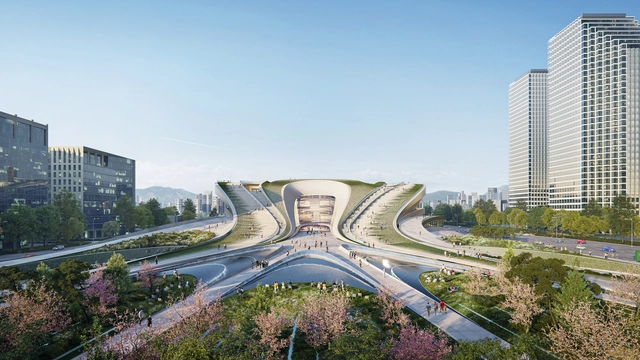
Courtesy of Tegmark | Sejong Cultural Center / ZHA
Zaha Hadid Architects has been shortlisted for their proposal for the 2ndSejongCultural Center. The proposal draws inspiration from the surrounding city’s lengthy history as well as future vision. Connecting Yeouido Park to the Han River, the 2ndSejong Cultural Center is embedded within the park's natural landscapes, aiming to become an integral part of the public function in the city within a natural setting, seamlessly connecting indoor and outdoor spaces.