




-
Architects: Chartier-Corbasson Architects
- Year: 2024
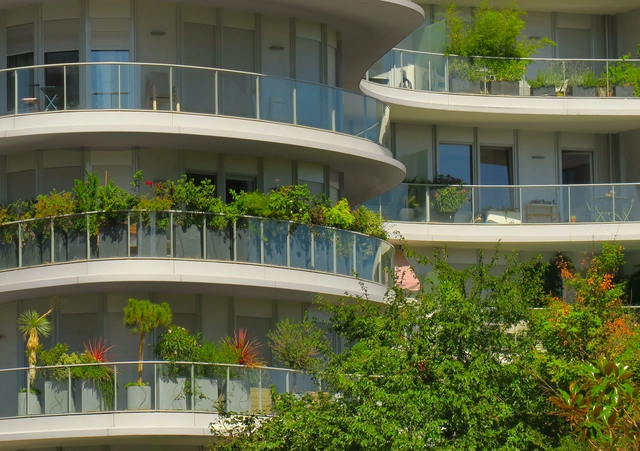
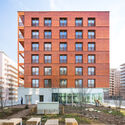
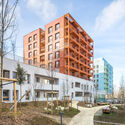
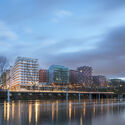
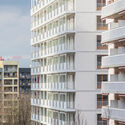
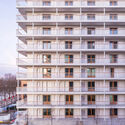
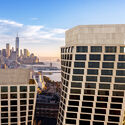
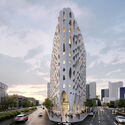
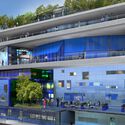
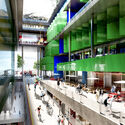
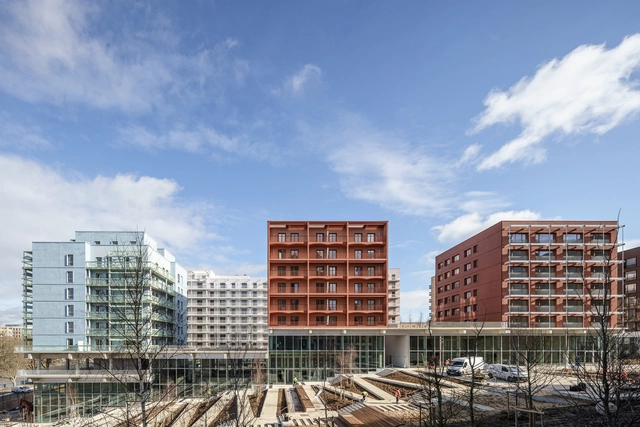
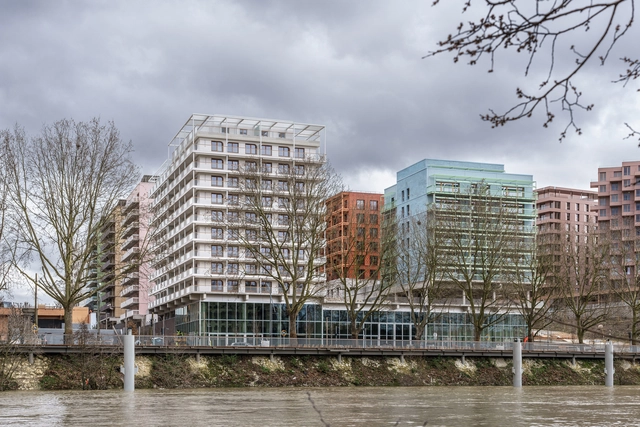
With the 2024 Olympic Games opening ceremony fast approaching, Paris has captured global attention. In addition to the venues being prepared for the Olympics, the city offers a wide range of architectural projects that showcase its efforts to improve the urban environment and promote a greener and more inclusive city. Among these, the new Clichy Batignolles Eco-District in the 17th arrondissement of Paris is a 54-hectare development that set out to transform the former SNCF rail yard into a new neighborhood. The initiative features contributions from internationally recognized architects including MAD Architects, Architect Périphériques, and RPBW, among others. Read on to discover the urban development through the lens of architecture photographer Paul Clemence.
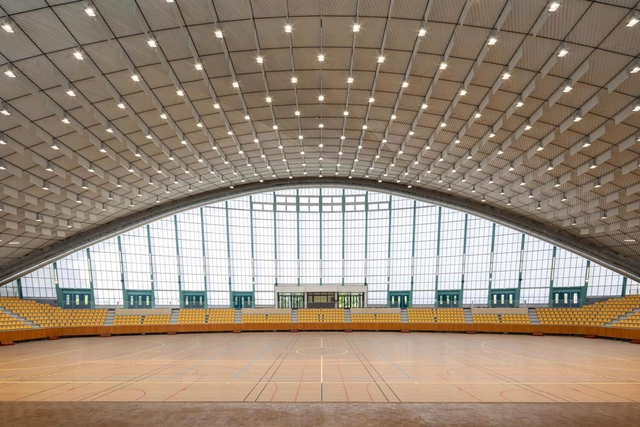
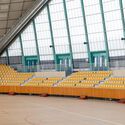
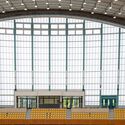
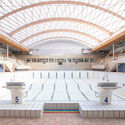
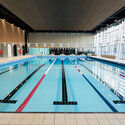
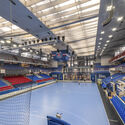
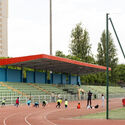
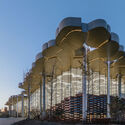
After a seven-year closure, Chatillon Architectes has renovated the Grande New de I’Île-des-Vannes in Paris, France. Transforming the building into an Olympic training site for the upcoming games, the renovation incorporates modern solutions and state-of-the-art facilities. Initially designed by Anatole Kopp, Lucien Metrich, and Pierre Chazanoff in 1971, the structure features a sweeping parabolic roof and striking translucent side paneling. The restoration involves adding contemporary energy solutions, structural repairs, universal accessibility upgrades, acoustic paneling, sports flooring, and enhancing lighting fixtures.
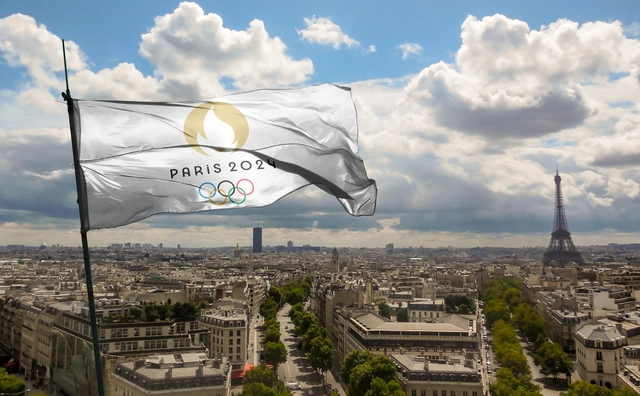
The 2024 Paris Olympics, officially known as the XXXIII Olympiad is scheduled to take place from 26 July to 11 August 2024. The second city to host the Summer Olympics three times, after London, with the first in 1900 and later on in 1924, Paris will showcase its cultural heritage by hosting the 2024 games at iconic landmarks like the Grand Palais, Eiffel Tower, Gardens of Versailles, and La Concorde. On the other hand, the capital of France is also undergoing major renovations to its waterways with a billion-dollar 'Swimming Plan' aimed at transforming the Seine River into a swimmable aquatic route for the Olympic Games, seeking to restore its historical significance as a vibrant urban river.
With the Paris 2024 Olympics fast approaching and right around the corner, ArchDaily has curated a series of articles and news pieces providing comprehensive insights into both the built and unbuilt environments that will serve as hosts for the games.
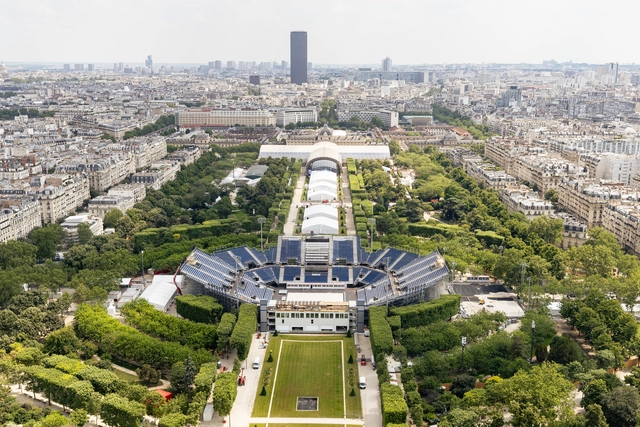
At the beginning of the 20th century, the Olympic games included some unusual medal competitions, including architectural design and town planning. While these are no longer awarded Olympic events, architecture and urban planning continues to continue to have a crucial effect on the development of the global sporting event. Cities that bid to host face an important challenge in adapting their infrastructure to accommodate not only the venues and facilities, but all the support structures needed for a safe and enjoyable edition. Paris is no different. While the city hosted 2 previous editions of the games over a century ago, the challenges of the modern-day Games have proven significant. However, the city’s expansive infrastructures have enabled officials to adjust the measures in an effort to have sustainable development for and after the Games. With less than a month to go until the opening ceremony, explore the measures taken by city officials and the long-lasting effects of hosting an Olympic event.
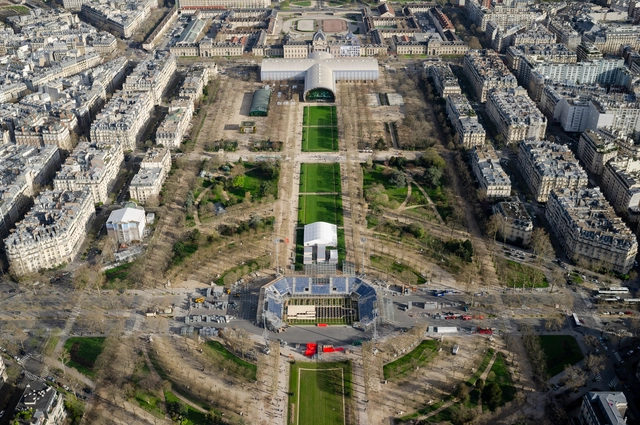
With just one month to go until the XXXIII Olympic Games in Paris, the city is in a final push to ensure that the landscape and infrastructure are ready for the world’s largest sporting event. Set to start on July 26 and continue until August 11, 2024, the Paris City Council has approved numerous initiatives to transform the city. Aiming for a greener, healthier, and more mobile Paris, the city has undergone massive changes to showcase its modern advancements and rethink the structure of the Olympic Games.
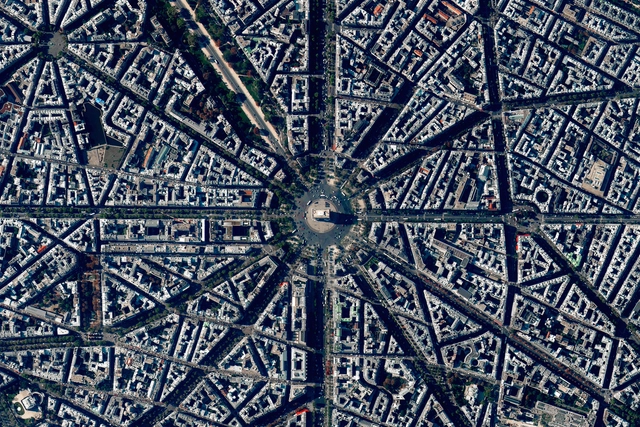
They say Rome wasn’t built in a day, and the same surely applies to one of the most prominent and glitzy cities in the world: magnificent Paris. It might even seem that both cities, of legendary repute, are somehow counterparts. They were both envisioned by an emperor who wanted to display a political message of innovation, grandeur, and opulence. In both cases, these major urban reforms and massive reconstructions blanketed any popular struggle or resistance with blinding beauty and a popular entertainment setup (from gladiators to cancan dancers and brasseries). And thus came to be the Paris that we now know, a city of divertissement that amasses over 30 million tourists a year.
But it’s also fascinating to learn how an entire growing city was dealt with as a single, almost experimental mass project. For over twenty years, from 1853 to 1870, Paris was a continuous construction site. With the implementation of new technologies and new design standards, the result was not just a different aesthetic but a completely new social order, urban sprawl, and way of life.
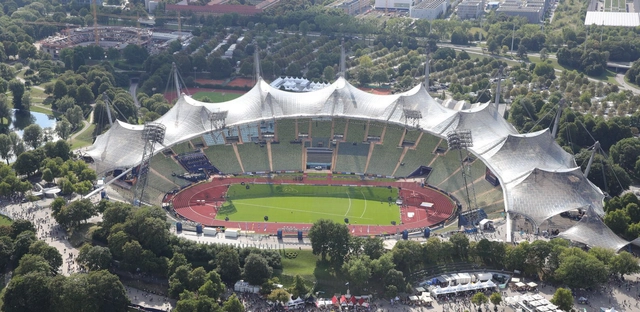
For cities, hosting an Olympic event represents both an honor, an important opportunity for growth, and a significant challenge. With over 200 nations taking part in the Games, the Olympics are the largest sporting competition in the world. Adapting the public and sporting infrastructure to accommodate this sudden influx of people and the scale of these events runs the risk of misunderstanding the cities’ needs after the closing ceremony, often producing “white elephants” that struggle to adapt to the rhythm and necessities of everyday urban life. Urban transformations are often cited as an advantage of hosting the Olympic Games, as cities are incentivized to invest in their traffic infrastructure, housing, and public spaces. One such example is the city of Paris, which introduced its first metro line on the occasion of hosting the second edition of the Olympic Games in 1900.
When it comes to the venues, however, the issue of adaptive reuse becomes a pressing one, as the architecture is challenged to find solutions to transform, accommodating thousands of people during the Olympics, then scaling down to become a financially sustainable part of a city’s sporting offering. Across the world, several Olympic venues have managed to extend their usability after the closing of the games, opening themselves to the local communities and welcoming a more diverse programming of sports and leisure events. While the high construction costs are often difficult to justify, these venues have become markers of local identity and attractive tourist attractions, extending their use decades after welcoming the Olympic crowds.
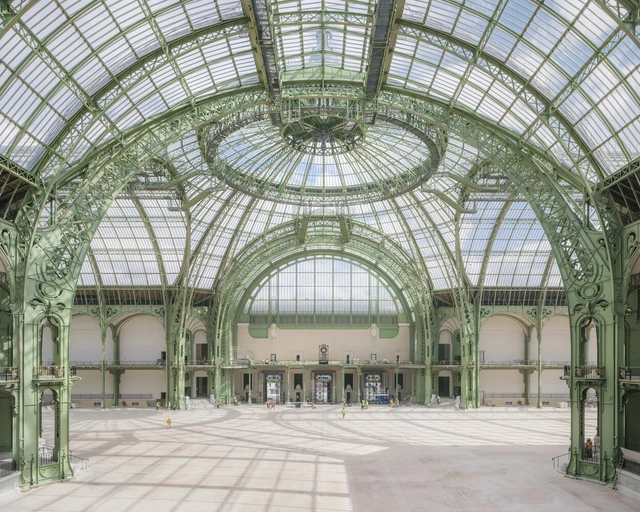
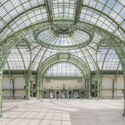
The Grand Palais, an iconic Parisian landmark, is set to play a significant role in the 2024 Paris Olympics following a major restoration by French studio Chatillon Architectes. The first images of the refurbished building, captured by Laurent Kronental, reveal the progress of the extensive project that began in 2021. While the full restoration is expected to be completed by 2025, the initial phase will be unveiled this summer, allowing the historic venue to host Olympic events, including the fencing and taekwondo competitions.
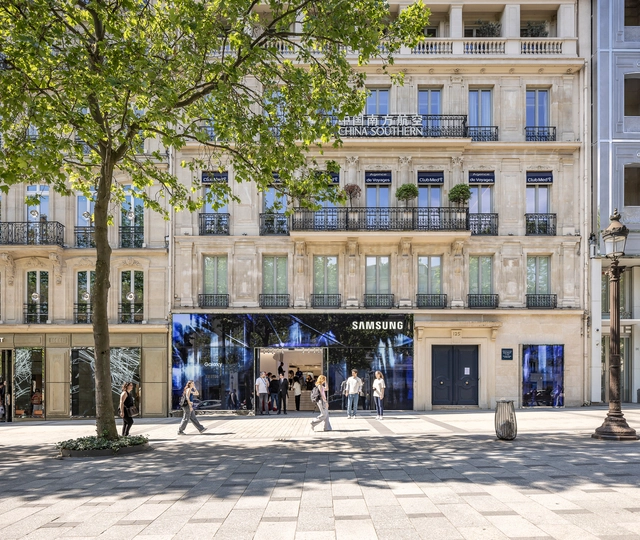
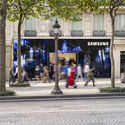
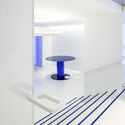
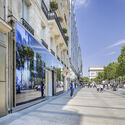
Renowned French architect Jean Nouvel has unveiled his design for Samsung’s pop-up store on the iconic Avenue des Champs-Élysées in Paris, France. The store aims to represent the company’s role as a Worldwide Olympic Partner, offering visitors a space where they can engage with the newest mobile technologies and Olympic-related activities. The first images by architectural photographer Jad Sylla highlight Jean Nouvel’s design of the immersive retail space.
As the anticipation builds for the XXXIII Olympic Games in Paris, the city is preparing to host a global sporting event and embark on a journey of urban renewal. In a departure from traditional stadium-centric hosting, Paris 2024 embraces a new approach to the Olympic experience. Sports architecture has the ability to transcend functionality and become a space of collective experience and shared joy. In that sense, it invites individuals from diverse backgrounds to forge connections while celebrating athleticism. This month’s curated collection focuses on diverse forms of sports architecture, stadiums, venues, and landscaping projects, dissecting what components come together to form different sports architecture experiences.
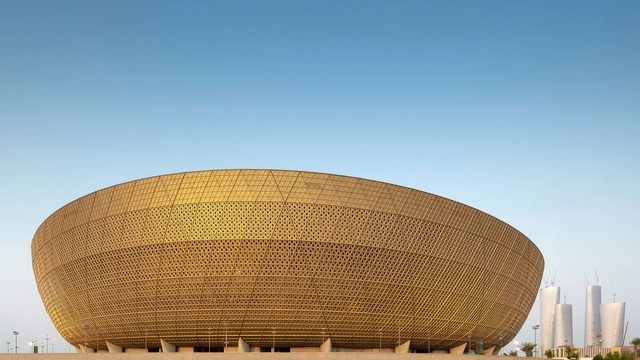
For the Qatar World Cup in 2022, Foster + Partners designed the iconic and more traditional Lusail FIFA stadium. In India, M:OFA Studios designed the National Institute of Water Sports, breaking away from the pragmatic norms of government institutions. In Hangzhou, China, the 2022 Asian Games featured a new Cricket Field by AZUT, emerging as an integration of sports infrastructure with the natural landscape. Meanwhile, in Order City, China, PLAT ASIA transformed an existing urban square into a Smart Sports Park, promoting community wellness and interaction. Finally, Opsis Architecture’s University of Idaho Arena serves as a main gateway to the University campus, celebrating the spirit of athleticism and community.
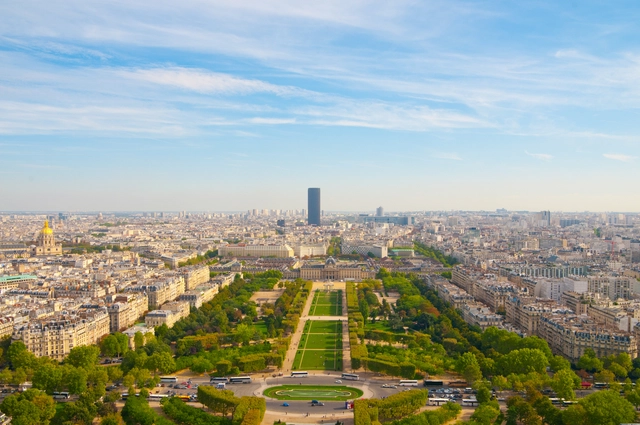
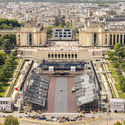
As France prepares for the XXXIII Olympic Games, Paris plans to showcase its rich cultural legacy. The 2024 Olympics, which will begin on July 25, 2024, are set to be a momentous occasion for the city as it anticipates competitors and spectators worldwide. Embracing a “pioneering approach,” Paris 2024 aims to reimagine the Olympic experience by departing from the traditional stadium venues and “integrating sports into the fabric of the city.” From the iconic Grand Palais to the Eiffel Tower, the Gardens of Versailles, and the famous La Concorde, world-famous landmarks are set to host the 2024 games.
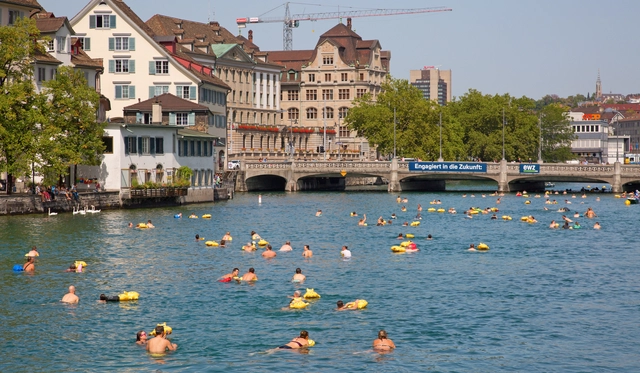
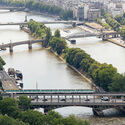
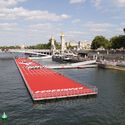
In 1988, Jacques Chirac made a never-fulfilled promise to make swimming accessible in the Seine River within 5 years. With swimming in the Seine officially banned by the French government in 1923, the river has been neglected for decades, flooded with high levels of bacteria and pollution resulting from industrialization and urbanization. With the XXXIII Olympic Games happening in Paris, Mayor Anne Hidalgo has drafted a “Swimming Plan,” aiming to finally transform the Seine River into a swimmable urban waterway. The billion-dollar effort outlines the river as a venue for this summer’s aquatic Olympic events.
Throughout history, rivers played a crucial role in the social structures of cities. Along riverbanks, communities often congregated for socializing, swimming, and fishing. Swimming in rivers was a popular summertime activity enjoyed by people of all ages. Whether it was the Thames in London or the Seine in Paris, rivers were bustling with swimmers; integrated into urban lifestyles.
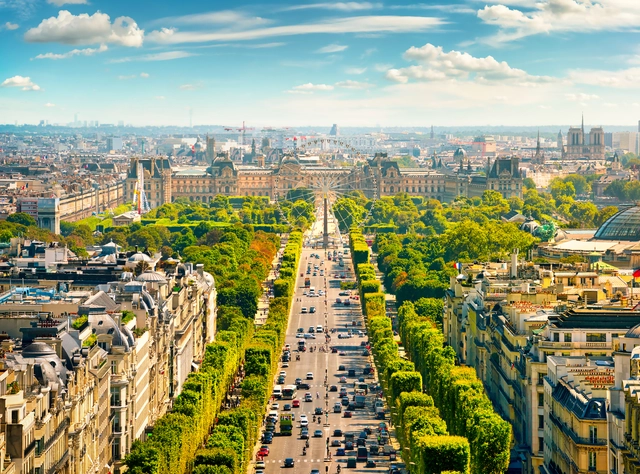
As the countdown to the XXXIII Olympic Games in Paris ticks away, the city is making preparations that will completely shift its urban landscape and infrastructure. Set to be the largest event ever organized in France, the games will start on 26 July and continue till 11 August 2024. With only 200 days left, the Paris City Council has approved around 43 new initiatives acting as a catalyst for the city's transformation – aiming for a greener, healthier, and mobile Paris. From cleaning the Seine River to building a cycling lane, activating a transit line, and banning non-essential city traffic, the heart of the French capital is on a mission against time to revitalize its historic urban core.


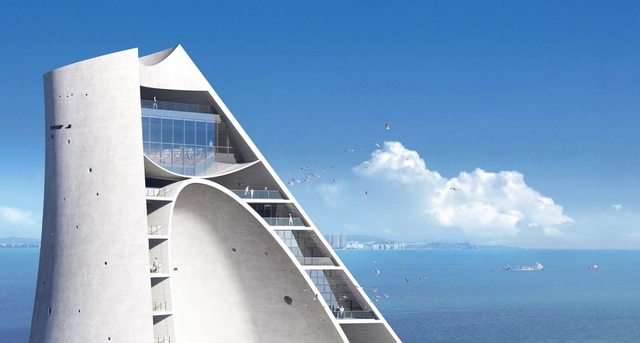
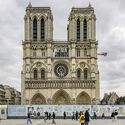
As the year 2023 comes to a close, we review the evolution of the field of architecture, but we also look forward to the most anticipated projects planned to open in 2024. As Paris is preparing to host the 2024 Summer Olympic Games, several projects and infrastructure updates have been planned to support the global event. Another milestone for Paris will be the reopening of the Notre Dame Cathedral, as reconstruction works near completion for the fire-damaged 12th-century monument.
The selection of projects spans various scales and programs, from restoration and expansion works such as OMA's plan for Museo Egizio in Turin, or David CHipperfield's Grand Residential Building in Belgium, to architecture developed with indigenous peoples, such as Snøhetta's Čoarvemátta in Northern Norway, cultural facilities in Asia and Europe and environmentally-conscious buildings such as Studio Gang's Hotel in the United States.
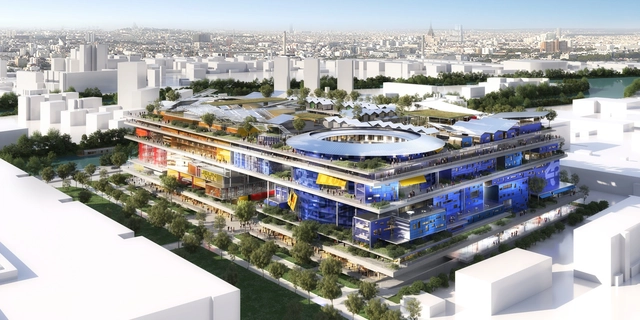
Ateliers Jean Nouvel's new mixed-use development in the Greater Paris area defines a complex vertical neighbourhood that caters to the latest changes in living, working and leisure. Located in the Gennevilliers Neighbourhood, on the banks of the river Seine, Jeuneville aims to create a sustainable and inspiring living environment, a place of synergy designed for a new generation of city dwellers and a new economy.