


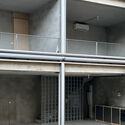
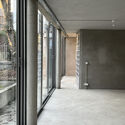
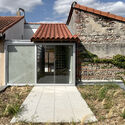
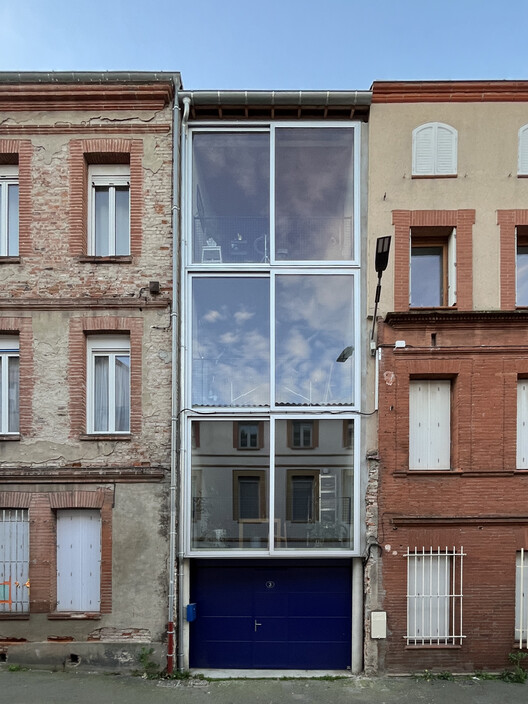
L33 Narrow House / BAST

https://www.archdaily.com/1041327/l33-narrow-house-bastPilar Caballero
Understanding Light Sources: Types, Metrics, and Their Role in Architectural Design

Walking into an electrical store can be intimidating. At first glance, all the lights are on, and the thousands of chandeliers and lamps are blinding. When you walk toward the shelves, you see dozens of options, shapes, colors, prices, and uses. On each package, informational tables display numbers that can seem confusing at first. Lumens, color temperature, wattage—there are many unfamiliar terms. Before defaulting to the cheapest option, only to find that it creates an uncomfortable or poorly balanced atmosphere, understanding a few key concepts can make a significant difference.
Lighting design plays a fundamental role in shaping how spaces are perceived and used, influencing comfort, atmosphere, and even productivity. Poorly designed lighting, on the other hand, can compromise these qualities. Rather than approaching lighting as a purely technical decision, it can be understood as an integral part of architectural design. To help clarify these choices, the following overview introduces the most common types of light sources and key concepts associated with them.
https://www.archdaily.com/928655/how-to-choose-light-bulbs-for-an-architectural-projectEduardo Souza
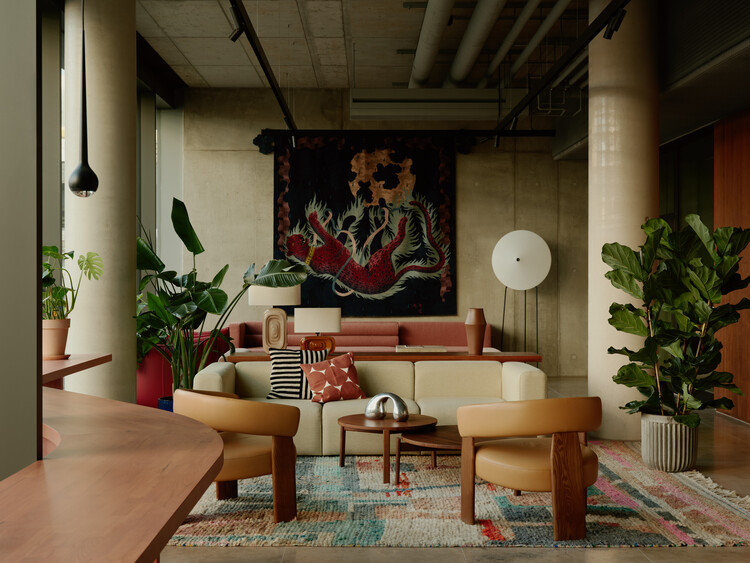
C1 Workplace / Bruzkus Greenberg




-
Architects: Bruzkus Greenberg
- Area: 1600 m²
- Year: 2025
https://www.archdaily.com/1041337/c1-workplace-bruzkus-greenbergPilar Caballero
Rethinking the Architecture Firm for the AI Era
| In Collaboration

Artificial intelligence has made its way into almost every corner of professional workflows, prompting the architectural industry to rethink how it works. To adapt to this shift, firms are now facing the limits of a model that has changed very little over the past few decades.
What has shifted, and noticeably so, is the pressure on productivity. Today's studios are expected to deliver more work faster and with greater accuracy, while managing tighter budgets, complex regulations, and rising client expectations. In practice, this translates into compressed timelines and a constant demand for precision that leaves little room for error. Often, much of this pressure falls on a small group of individuals who hold critical project knowledge.
https://www.archdaily.com/1039777/rethinking-the-architecture-firm-for-the-ai-eraAgustina Iñiguez
One Week Until WUF13 Begins in Baku: Exploring Safe and Resilient Cities Under the Theme “Housing the World”

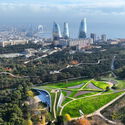
Co-organized by UN-Habitat and the Government of Azerbaijan, the thirteenth session of the World Urban Forum 13 will take place in Baku from May 17 to 22, 2026, under the theme "Housing the World: Safe and Resilient Cities and Communities." Convened every two years by UN-Habitat, the World Urban Forum is considered one of the leading international conferences dedicated to urbanization and the future of cities. Bringing together architects, planners, policymakers, researchers, local governments, and civil society organizations, the forum serves as a platform for discussing the challenges shaping contemporary urban environments and the strategies needed to address them.




https://www.archdaily.com/1041422/one-week-until-wuf13-begins-in-baku-exploring-safe-and-resilient-cities-under-the-theme-housing-the-worldReyyan Dogan
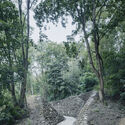
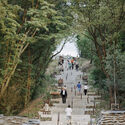
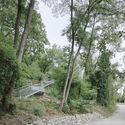
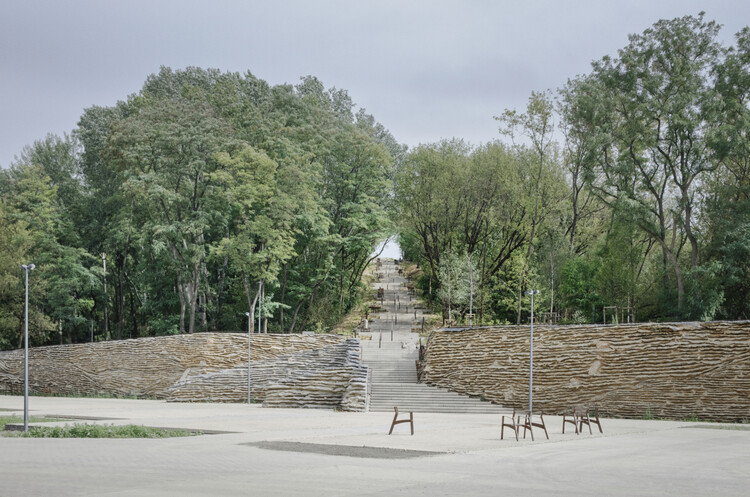
Warsaw Uprising Mound / Archigrest + topoScape


-
Architects: Archigrest, topoScape
- Area: 83000 m²
- Year: 2023
-
Professionals: Konbud Krzysztof Guraj, Sorted sp. z o.o., Kaja Kusztra
https://www.archdaily.com/1041329/warsaw-uprising-mound-archigrest-plus-toposcapePilar Caballero
Casanova+Hernandez Architects Advances Renovation of Albania’s National Historical Museum

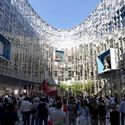
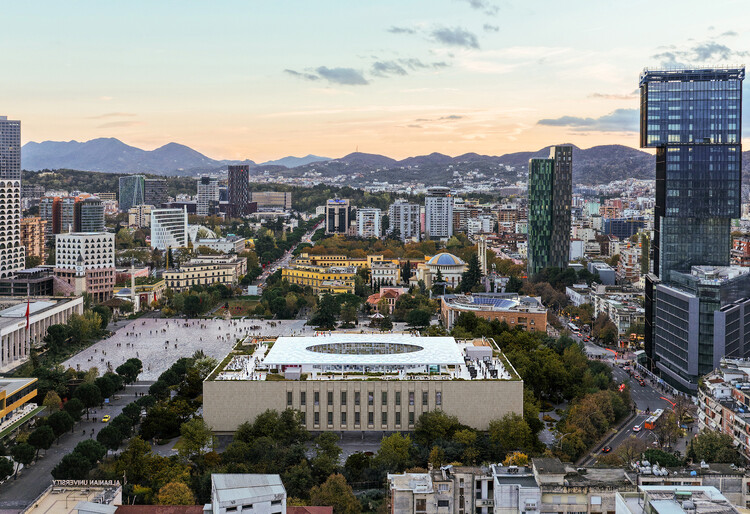
The initial phase of the complete renovation project for the National Historical Museum in Tirana is approaching completion. The project was commissioned by the Ministry of Economy, Culture, and Innovation of Albania and UNOPS, and financed by the European Commission through the EU for Culture (EU4C) program in Albania. The full restoration of the museum's 21,400 square meters is planned in two phases, led by Rotterdam-based Casanova + Hernandez Architects in collaboration with local partner iRI. The first phase consists of restoring the existing building in Skanderbeg Square and is expected to be completed this year, enabling the immediate start of the second phase, focused on implementing the new design for all interior spaces, the courtyard, and the roof.



https://www.archdaily.com/1041413/casanova-plus-hernandez-architects-advances-renovation-of-albanias-national-historical-museumAntonia Piñeiro
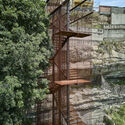
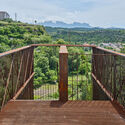
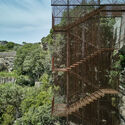
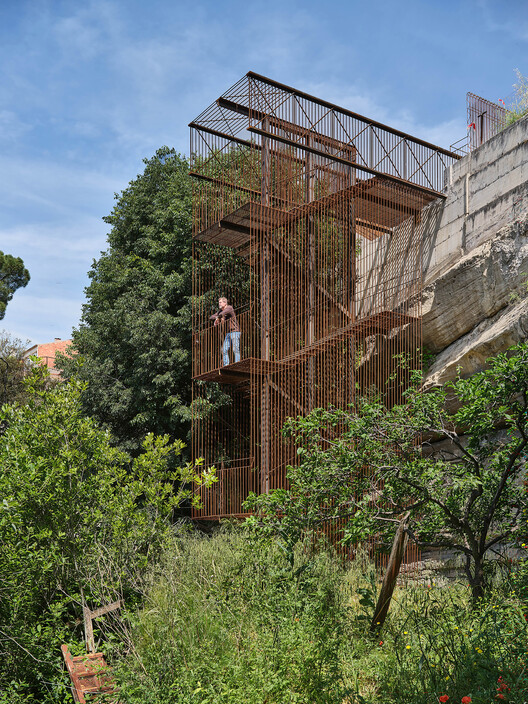
Landscape Staircase in the Vall del Pardís / Comas-Pont arquitectes

-
Architects: Comas-Pont arquitectes
- Area: 643 m²
- Year: 2025
https://www.archdaily.com/1040689/landscape-staircase-in-the-vall-del-pardis-comas-pont-arquitectesValentina Díaz
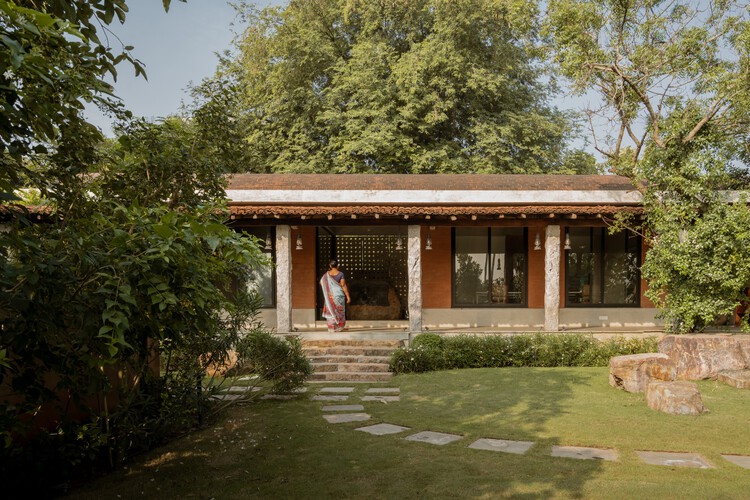
Innovation Lab / MTA ARCHITECTS





https://www.archdaily.com/1041343/innovation-lab-mta-architectsMiwa Negoro
Mastering Interdisciplinary Architecture and Sustainable Urbanism at UC Berkeley
| Sponsored Content

Today, interdisciplinary learning and exchange are more important than ever in addressing increasingly complex environmental, social, and urban challenges.
Each summer, the University of California, Berkeley's College of Environmental Design (CED) becomes an intensive laboratory for architectural, landscape, and urban exploration. Through two complementary programs—Design + Innovation for Sustainable Cities (DISC) and the Summer Institutes—Berkeley offers an immersive curriculum grounded in disciplinary rigor, intentional exchange, and a shared institutional culture. Together, these programs reflect CED's long-standing multidisciplinary structure, with architecture, landscape architecture, city planning, and urban design thriving and collaborating under one roof.
https://www.archdaily.com/1037525/one-roof-many-disciplines-uc-berkeleys-summer-programs-offer-interdisciplinary-learningRene Submissions
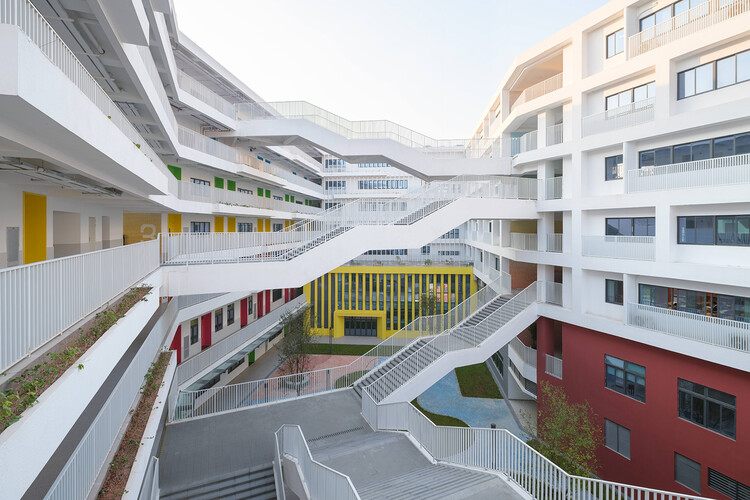
Shenzhen Longhua Foreign Languages School (Fucheng Campus) / Z&Z STUDIO




-
Architects: Z&Z STUDIO
- Area: 55737 m²
- Year: 2025
https://www.archdaily.com/1041124/shenzhen-longhua-foreign-languages-school-fucheng-campus-z-and-z-studio韩爽
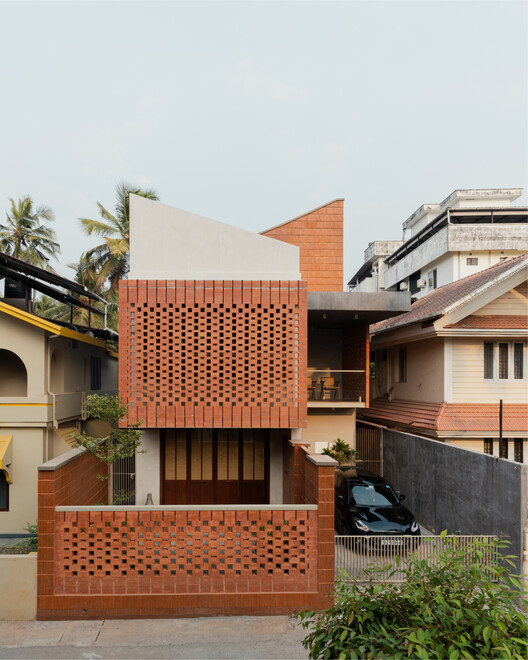
The Tiny House / 7th Hue Architecture Collective


-
Architects: 7th Hue Architecture Collective
- Area: 2023 ft²
- Year: 2024
-
Manufacturers: Tostem, VitrA
https://www.archdaily.com/1041344/the-tiny-house-7th-hue-architecture-collectiveMiwa Negoro
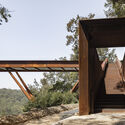
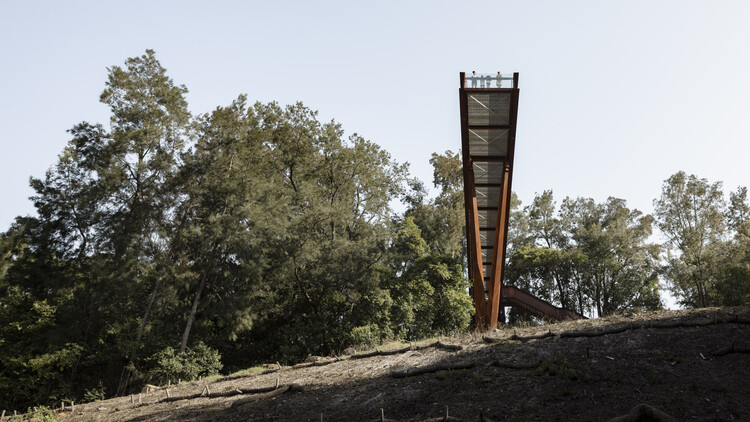
The Southern Lookout / AJC Architects


-
Architects: AJC Architects
- Area: 200 m²
- Year: 2026
https://www.archdaily.com/1041345/the-southern-lookout-ajc-architectsMiwa Negoro
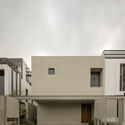
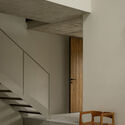
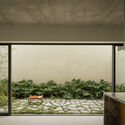
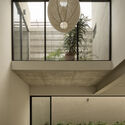
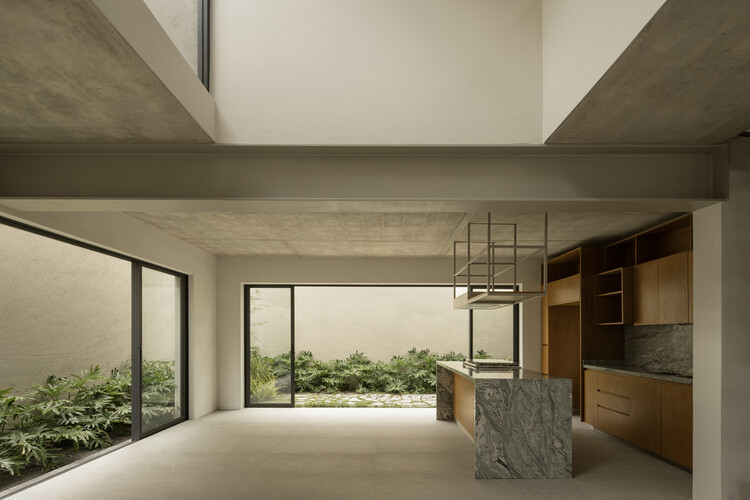
Vallarta Forest House / Díaz Webster Arquitectura

-
Architects: Díaz Webster Arquitectura
- Area: 237 m²
- Year: 2024
https://www.archdaily.com/1040448/vallarta-forest-house-diaz-webster-arquitecturaValentina Díaz
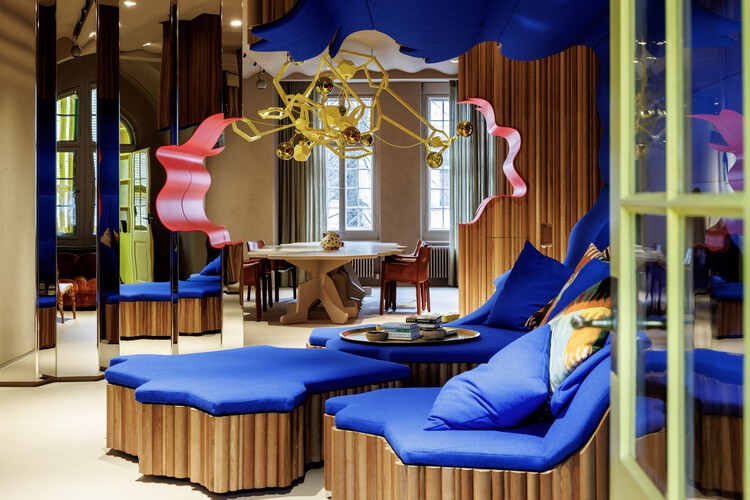
MOM Apartment / J. Mayer H. Architects





-
Architects: J. Mayer H. Architects
- Year: 2025
https://www.archdaily.com/1041322/mom-apartment-jmayer-hAndreas Luco
Bearing House / Dub Studios


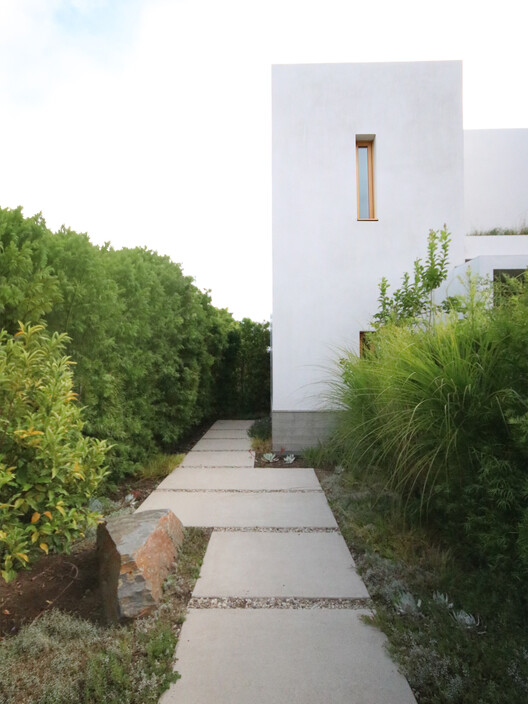
-
Architects: Dub Studios
- Area: 2500 ft²
- Year: 2023
https://www.archdaily.com/1036376/bearing-houseHadir Al Koshta
Above Water, Slope, and Forest: Elevated Architecture in Latin America

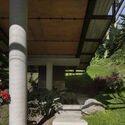
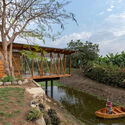
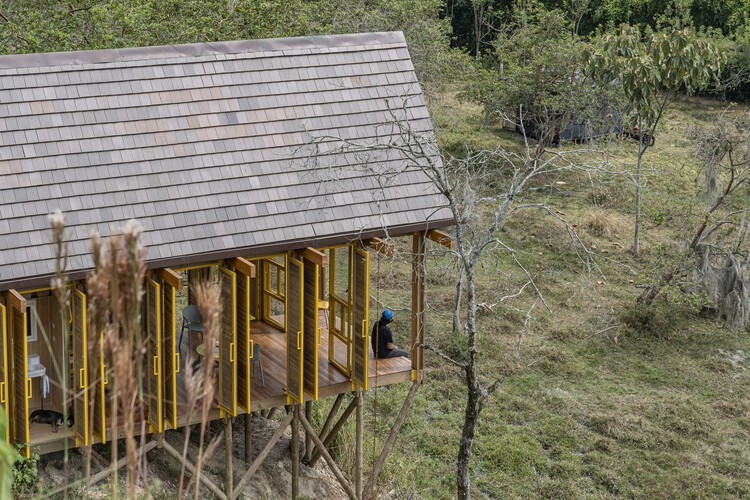
In Latin America, the ground is rarely just a surface to build on. It can be a river edge, a steep slope, a humid forest floor, a floodable landscape, or a territory under ecological pressure, and in many cases, it carries a history of communities that already knew how to respond to it, building on stilts, on platforms, over water, long before contemporary architecture asked the same questions.
These projects continue that conversation. They engage with conditions that move, absorb, erode, and grow, rather than treating the ground as something to level or control. Elevation allows architecture to adapt without fully taking over: water can pass below, vegetation can remain, and slopes can keep their original condition. In each case, the decision to rise is tied to something specific: water, humidity, topography, vegetation, or ecological recovery, and the knowledge of how to build within it and not against it.
https://www.archdaily.com/1041139/above-water-slope-and-forest-elevated-architecture-in-latin-americaDaniela Andino
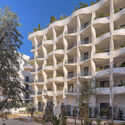
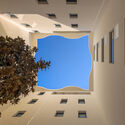
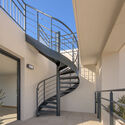
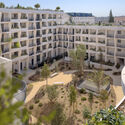
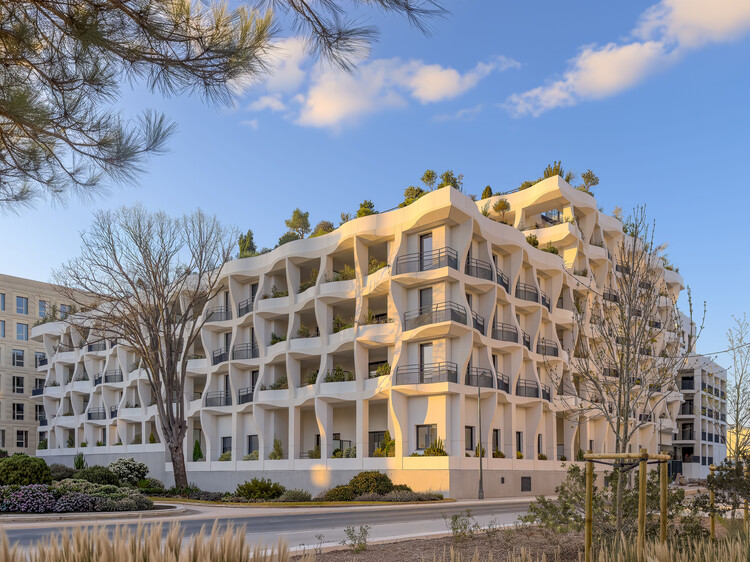
Jardins Secrets Bioclimatic Shells / Vincent Callebaut Architectures

-
Architects: Vincent Callebaut Architectures
- Area: 8209 m²
- Year: 2026
-
Professionals: André Verdier Ingénieur Conseil, DEXO, Land'Act Paysages & Territoires, Groupe Qualiconsult, West 8, +2
https://www.archdaily.com/1041323/jardins-secrets-vincent-callebaut-architecturesAndreas Luco