

-
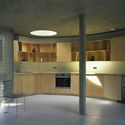
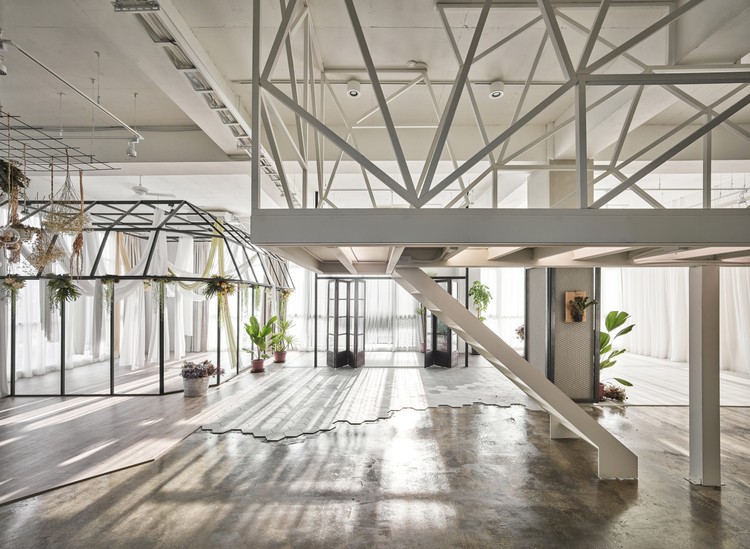
Architects: Esquadra Arquitetos, Yi Arquitetos
- Area: 700 m²
- Year: 2015
-
Manufacturers: Arquivo Contemporâneo, Arte em Cinema, Biancogres, By Silva, Light Design, +1



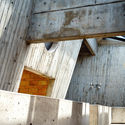
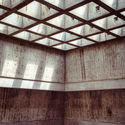
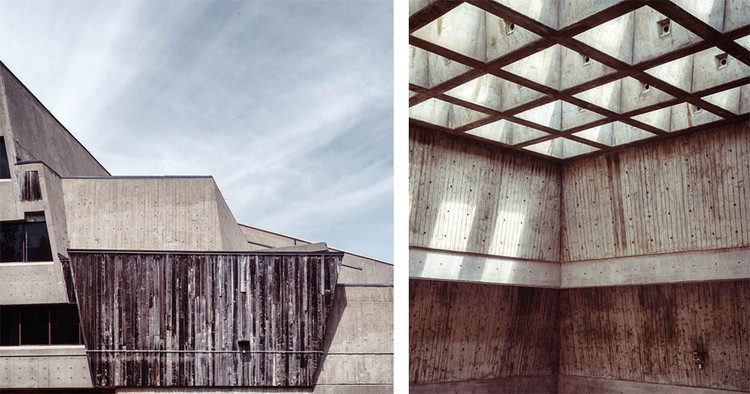
Toronto-based photographer Ruta Krau has captured stunning photographs of the Andrews Building, one of Canada’s most noted brutalist buildings, and a celebrated part of Toronto's concrete architecture. Designed by John Andrews, architect of Toronto’s iconic CN Tower, the Andrews Building embodies the Modernist ethos of connecting with the surrounding environment, balanced above a ravine and emerging as a stepped pyramid from a natural ridge.
Krau’s photographs capture the rough, natural aesthetic of the Modernist building, with béton brut concrete stamped with the patterns of the timber used to mold the poured-concrete structure. Visible on both the interior and exterior, this texture compliments terra-cotta-colored floor tiles and wood-paneled feature walls.
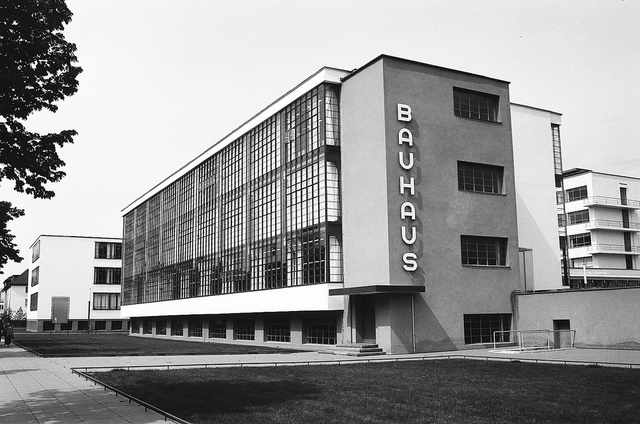
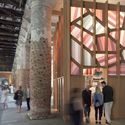
The idea of a total work of art - Gesamtkunstwerk - guided several schools and movements in the 19th century, including the Bauhaus, which brought the term into the modern era. With the school's unstructured architecture and avant-garde furniture design came new ways of designing clothing, graphics and painting, etc. In the Bauhaus different fields influenced each other, diluting the border between art and industry as they evolved together. When the school was closed 1933 many projects were left unfinished.
In order to revive some of the work begun at the Bauhaus, Adobe launched the Hidden Treasures project to revive five fonts inspired by the original designs of five of the school's masters: Joost Schmidt, Xanti Schawinsky, Reinhold Rossig, Carl Marx and Alfred Arndt.

_Jan_Bitter.jpg?1529500229&format=webp&width=640&height=580)
.jpg?1528793784&format=webp&width=640&height=580)
As part of our 2018 Venice Architecture Biennale coverage, coverage, we present the completed Lebanese Pavilion. To read the initial proposal, refer to our previously published post "Lebanon Pavilion at 2018 Venice Biennale To Reflect on The Built Environment Through a Reflection on The Unbuilt Land."
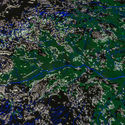
Titled “The Place that Remains” the Lebanese Pavilion, in the country's first participation in the Venice Biennale, showcased the characteristics and prospects of unbuilt Lebanese territories, and how these lands can improve the built environment and its living conditions. Curator Hala Younis chose to focus on Nahr Beirut (Beirut River) and its watershed, evaluating its bedrock and the challenges that come with it, such as the “fragile nature of territory, scarcity of resources, and commodification.”


.jpg?1529680690&format=webp&width=640&height=580)
We're hiring! Our team works with the most prestigious and influential architectural practices around the world in order to deliver specific and valuable content to a premium readership of architects. ArchDaily quickly established itself as one of the leading architectural websites in the world due to our editorial staff’s meticulous understanding of what our audience is really looking for: the best architecture around the world, as soon as possible. And now, we're looking for another bright, enthusiastic and motivated member to join us.


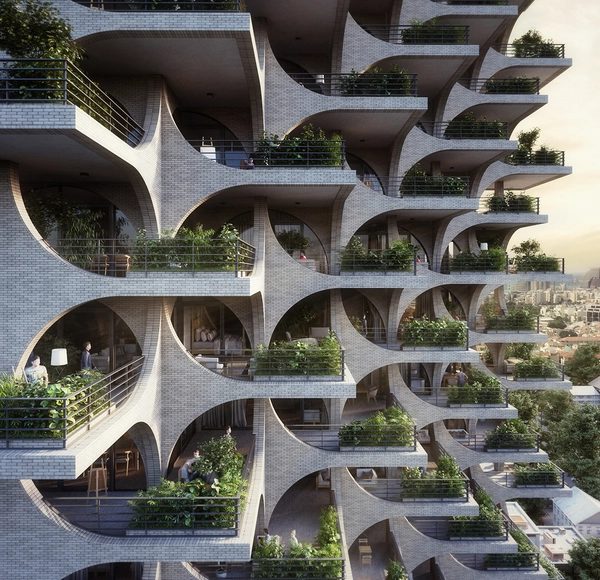
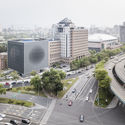
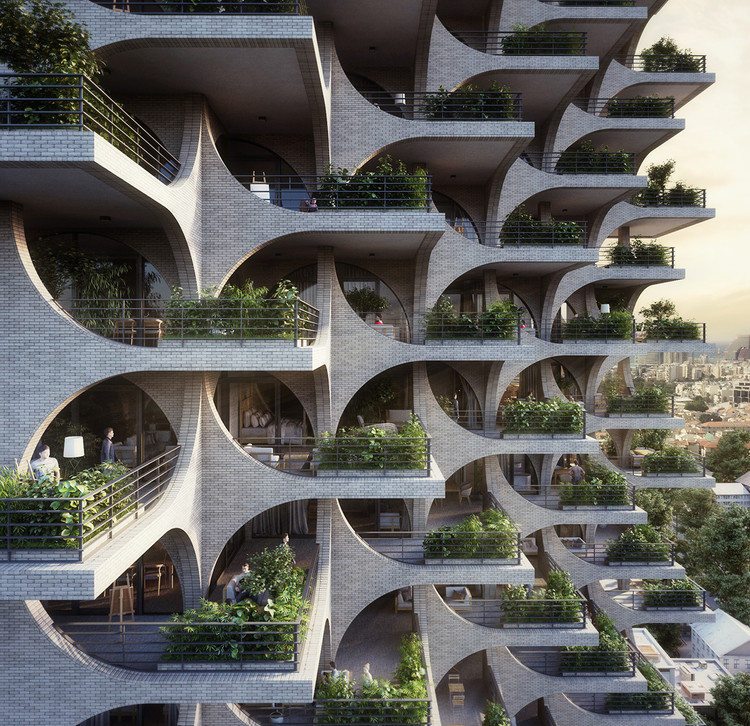
Penda has released images of its proposed high-rise residential tower in Tel Aviv, featuring brick arches and cascading terraces influenced by the city’s Bauhaus era and the materiality of its Old Town. The 380-foot-high (116-meter-high) scheme will house a range of one to four bedroom apartments, as well as double-height penthouses.
For the scheme’s design, Penda rejected the “generic glass tower” in favor of a form and materiality which responds to Tel Aviv’s sunny Mediterranean climate.
.jpg?1529586226)
Benoy has released images of their competition-winning design for a waterfront development in Wenzhou, China. INCITY MEGA will form part of the Central Green Axis masterplan, a dramatic landscaped district cutting through the urban fabric of Wenzhou.
The 2.6 million square foot (250,000 square meter) INCITY MEGA scheme will occupy two of the eight plots on the Central Green Axis, with a mixed-use program including retail, movie theaters, plazas, and gyms. The scheme is in response to a rapidly-growing consumer population in Wenzhou and will join the ranks of previous schemes in the region by Hammer Schmidt Lassen, UNStudio, and HENN.


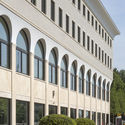
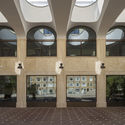

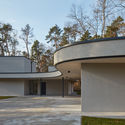


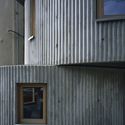

_Jan_Bitter.jpg?1529499856 "© Jan Bitter")
_Jan_Bitter.jpg?1529500587 "© Jan Bitter")
_Jan_Bitter.jpg?1529499982 "© Jan Bitter")
_Jan_Bitter.jpg?1529500229)
.jpg?1528793727 "© venicedocumentationproject")
.jpg?1528793763 "© venicedocumentationproject")

.jpg?1528793784)










.jpg?1529596344 "Courtesy of Penda Austria")
.jpg?1529596300 "Courtesy of Penda Austria")
.jpg?1529596248 "Courtesy of Penda Austria")
.jpg?1529596380 "Courtesy of Penda Austria")
.jpg?1529586216 "Courtesy of Benoy")
.jpg?1529586203 "Courtesy of Benoy")
.jpg?1529586175 "Courtesy of Benoy")
.jpg?1529586250 "Courtesy of Benoy")
.jpg?1529586226)


