

-
Architects: MEII ESTUDIO
- Area: 200 m²
- Year: 2025


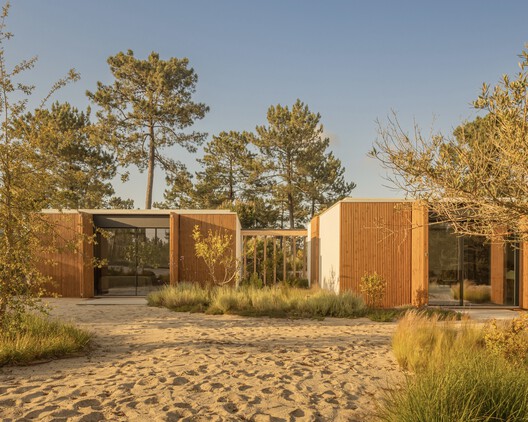

In contemporary times, architectural practice goes far beyond designing buildings or materializing ideas; it has become a multidimensional field, taking on broader and more complex roles. In contexts marked by inequality, environmental crises, and territorial disputes, architecture becomes a tool for negotiation, capable of mediating interests among diverse actors. In this scenario, architects also assume the roles of cultural translators, social facilitators, and, often, advocates for collective rights.
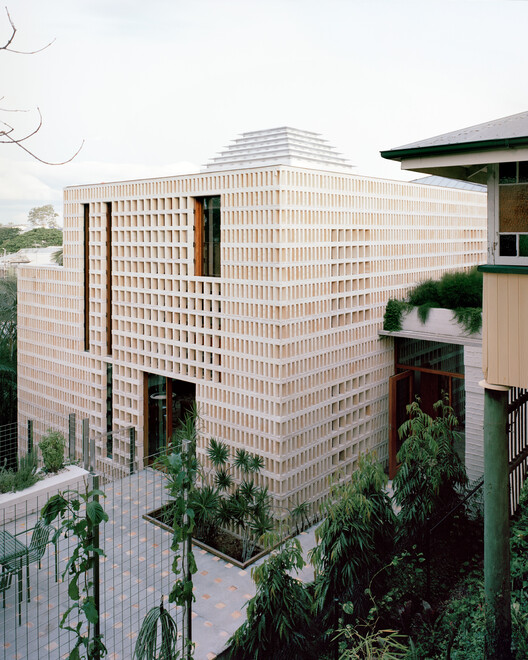
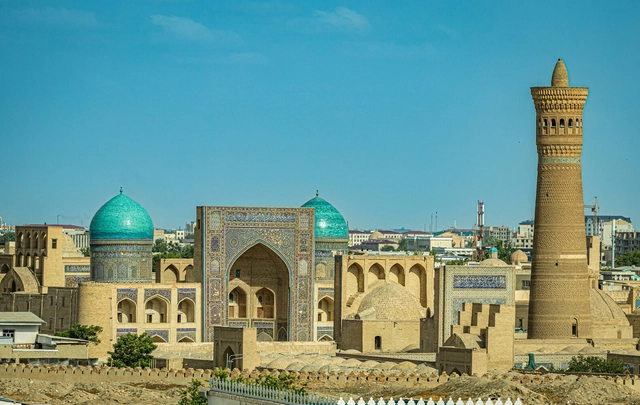
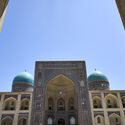
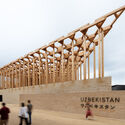
Uzbekistan's architectural and artistic heritage reflects a layered history shaped by centuries of cultural exchange along the Silk Road. From the monumental ensembles of Samarkand and Bukhara to the scientific and educational institutions of the Timurid era, architecture has long been a vessel of identity and knowledge across the region. In the twentieth century, Tashkent emerged as a new urban laboratory, where modernist ideals met local craft traditions and environmental pragmatism. The city's reconstruction following the 1966 earthquake became a defining moment, fusing Soviet urbanism with regional aesthetics to produce a distinctly Central Asian expression of modernity, one that translated cultural continuity into concrete, glass, and light.
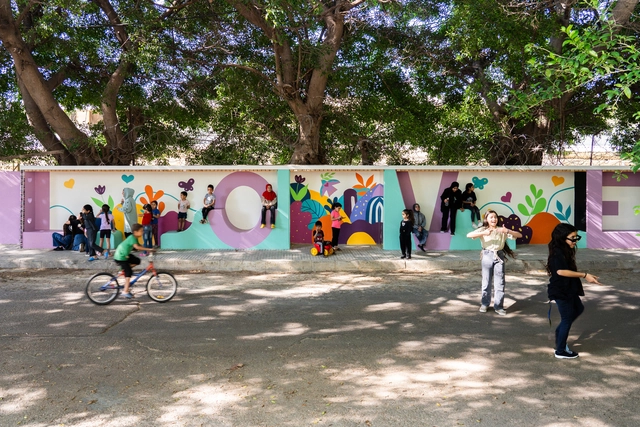
Make Space for Girls (MSFG) is a London-based charity that campaigns for public spaces and parks in the United Kingdom to be more inclusive of teenage girls. The organization conducts research on how public spaces are used and designed, raises awareness about perceived inequalities in their use, and collaborates with public and private institutions to promote the representation of teenage girls in the planning and design of outdoor environments. Their research indicates that their exclusion from the design of parks and public spaces often leaves them without places where they feel welcomed or valued, and that parks and public spaces for older children and teenagers are currently designed for the default male. From 8 to 15 October, the organization is running a fundraising campaign to support the implementation of its new three-year strategy aimed at promoting more inclusive public spaces.

![Quilombo da Gamboa Library Pavilion / Moradia Comum [Lanchonete <> Lanchonete]: Amanda Arcuri + Danilo Filgueiras + Gabriel Martucci - Library](https://images.adsttc.com/media/images/68d5/26c1/c767/8c00/0197/a49e/medium_jpg/A_2E7A1192.jpg?1758799667)


Every act of building begins with the transformation of raw materials, energy, and land, and this inevitably entails environmental impact. This encompasses all the changes a process triggers in the natural world: from resource extraction to pollutant emissions, from energy consumption to biodiversity loss. Measuring this is complex, as it spans multiple dimensions. Carbon has emerged as the common metric, translating these effects into greenhouse gas emissions (CO₂ equivalent) directly linked to global warming. This standardization has made it omnipresent and comparable across materials, systems, and sectors. Reducing carbon emissions, therefore, means addressing the root of global warming, which is a particularly urgent task in the construction industry, responsible for about 39% of global emissions. In response to this challenge, MVRDV NEXT, the innovation and digital tools division of the Dutch architectural firm, launched CarbonSpace, a free, open platform that brings carbon accounting to the architect's desk, right at the napkin sketch stage.
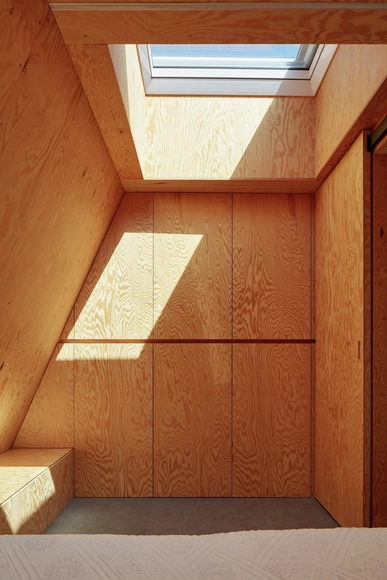
Architecture goes beyond its fundamental function of defining spaces and providing protection; it shapes the user experience, influencing sensations of comfort, spaciousness, and well-being. Among the many elements that make up a building, openings play a crucial role in connecting the interior and exterior, balancing privacy with transparency, and allowing the entry of natural light and ventilation. In particular, natural light transforms environments, defines atmospheres, and enhances architectural details, making spaces more dynamic and inviting.

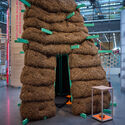
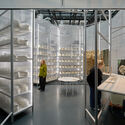
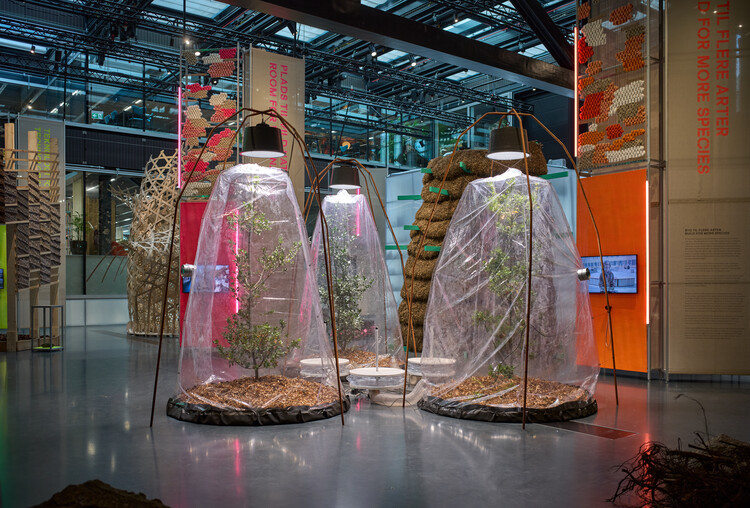
Opening on World Architecture Day, October 6, 2025, "Age of Nature" is a new exhibition at the Danish Architecture Center (DAC), on view until May 17, 2026. Presented in DAC's largest exhibition space, the show examines how architecture can evolve to support both human life and biodiversity, addressing one of the most pressing challenges of the time: redefining the relationship between the built environment and the natural world.
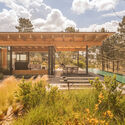

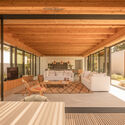
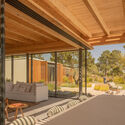


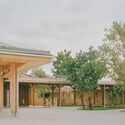
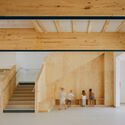
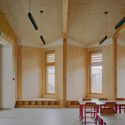

![Quilombo da Gamboa Library Pavilion / Moradia Comum [Lanchonete <> Lanchonete]: Amanda Arcuri + Danilo Filgueiras + Gabriel Martucci - Library](https://images.adsttc.com/media/images/68d5/26bf/c767/8c00/0197/a49a/thumb_jpg/A_2E7A1147.jpg?1758799622 "© Estudio Quadrante")
![Quilombo da Gamboa Library Pavilion / Moradia Comum [Lanchonete <> Lanchonete]: Amanda Arcuri + Danilo Filgueiras + Gabriel Martucci - Library](https://images.adsttc.com/media/images/68d5/26be/c767/8c00/0197/a499/thumb_jpg/A_2E7A1124.jpg?1758799621 "© Estudio Quadrante")
![Quilombo da Gamboa Library Pavilion / Moradia Comum [Lanchonete <> Lanchonete]: Amanda Arcuri + Danilo Filgueiras + Gabriel Martucci - Library](https://images.adsttc.com/media/images/68d5/26c0/c767/8c00/0197/a49c/thumb_jpg/A_2E7A1168.jpg?1758799684 "© Estudio Quadrante")
![Quilombo da Gamboa Library Pavilion / Moradia Comum [Lanchonete <> Lanchonete]: Amanda Arcuri + Danilo Filgueiras + Gabriel Martucci - Library](https://images.adsttc.com/media/images/68d5/26bf/c767/8c00/0197/a49b/thumb_jpg/A_2E7A1129.jpg?1758799624 "© Estudio Quadrante")
![Quilombo da Gamboa Library Pavilion / Moradia Comum [Lanchonete <> Lanchonete]: Amanda Arcuri + Danilo Filgueiras + Gabriel Martucci - More Images](https://images.adsttc.com/media/images/68d5/26c1/c767/8c00/0197/a49e/newsletter/A_2E7A1192.jpg?1758799667)