


-
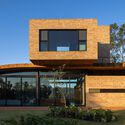
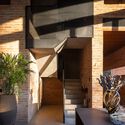
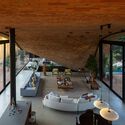
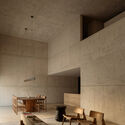
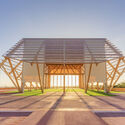
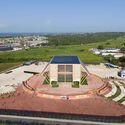
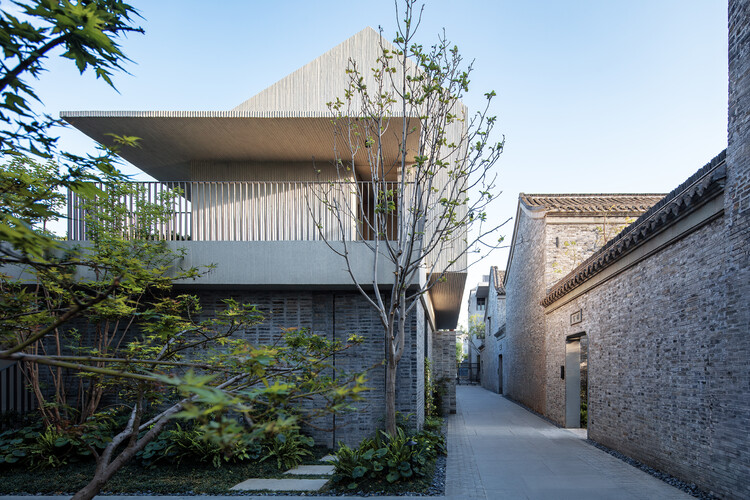
Architects: Brenas Doucerain Architectes
- Area: 2218 m²
- Year: 2020
-
Manufacturers: Hoppe, dormakaba, Atlas Schindler, Forbo Flooring Systems, Bostik, +11
-
Professionals: BETREC




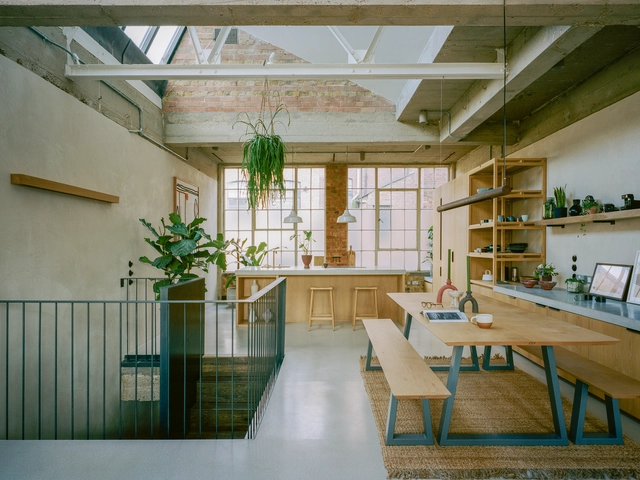
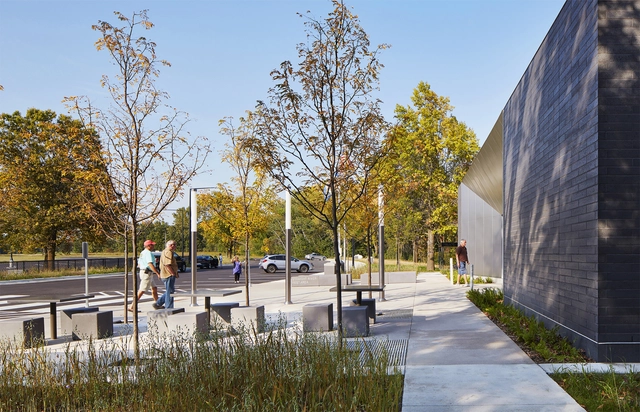
"The public square and civic infrastructure are the front lines against this kind of attack", proclaimed then-President of the American Institute of Architects, Thomas Vonier. The decades since 9/11 and mass violence have pressured cities, in the United States and globally, to reconsider what "safety" means. Is it about barriers, bollards, surveillance? Or is it about trust, visibility, evidence, resilience? Several projects confront these questions at various scales to demonstrate how architecture and forensic thinking can collectively protect communities and civic life.


In an era of digital precision, AI automation, and mass reproducibility, the value of the human craftmanship is being reimagined rather than lost. It's in this intersection between machine logic and material intuition that Dornbracht, the German manufacturer renowned for sculptural fittings, launches The Rock, the debut piece of its new Atelier Editions.
Inspired by the primal force of natural stone, The Rock is a faucet handle that is a tactile, expressive object that restores individuality and sensuality to the contemporary bathroom and kitchen landscape. Revisiting the iconic MEM series, the design introduces a bold, organically shaped handle, milled from solid metal with artisanal hand-finishing. Each piece becomes a singular creation, where industrial precision meets the intimacy of craft.
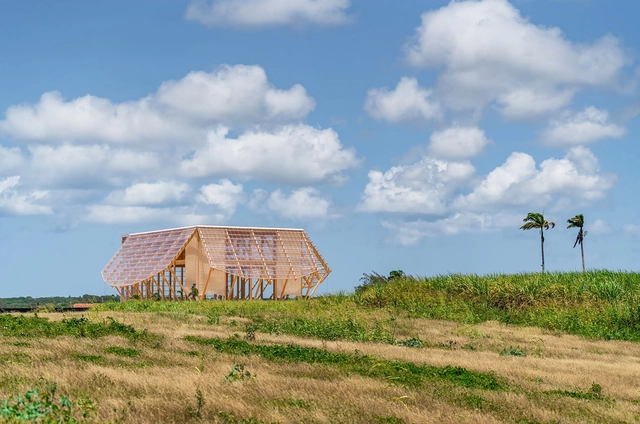
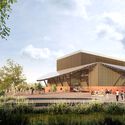
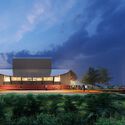
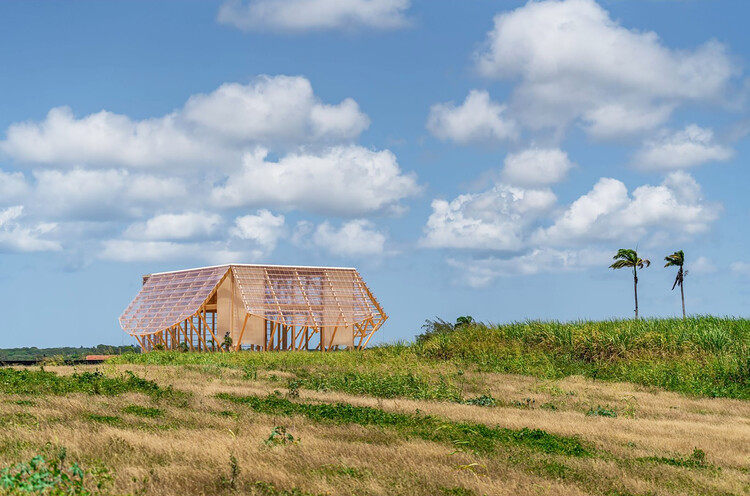
The first phase of the Barbados National Performing Arts Centre, designed by Adjaye Associates, has officially opened in Bridgetown, marking the commencement of a significant cultural initiative. Originally conceived as a temporary pavilion for Carifesta XV, the timber structure serves as both a functional venue for performances and the foundation for the forthcoming 85,000-square-foot permanent complex, slated for completion in 2026. Developed in collaboration with structural engineer StructureCraft, the project features mass timber construction, low-carbon design strategies, and adaptive reuse of components. This approach provides Barbadians with a "meanwhile use" venue while laying the groundwork for a future national hub within the Barbados Heritage District.

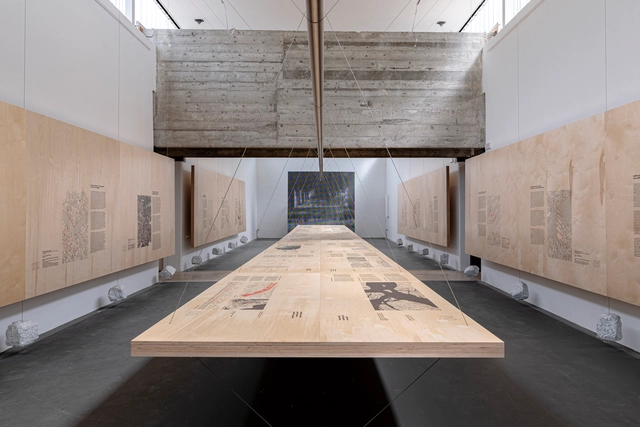
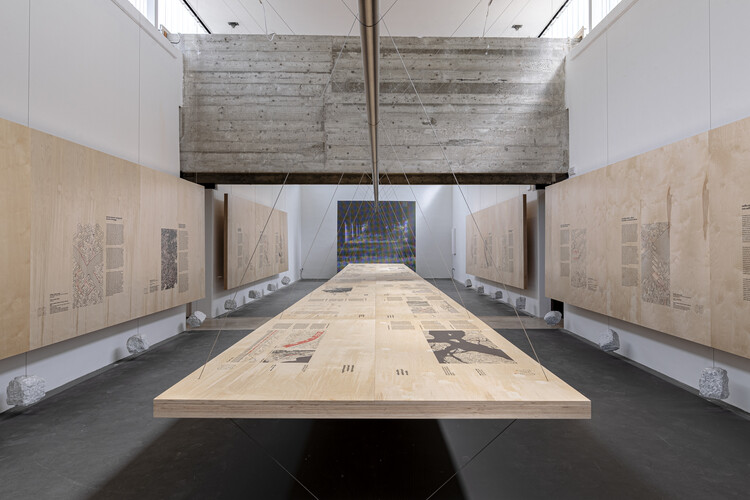
The Brazilian Pavilion at the 19th International Architecture Exhibition – La Biennale di Venezia, open since May 10, 2025, is curated by Plano Coletivo, a group formed by architects Luciana Saboia, Eder Alencar, and Matheus Seco. Titled "(RE)INVENTION," the exhibition represents Brazil through a multidisciplinary approach that connects architecture, nature, and social infrastructure. Presented at the Giardini pavilion, the project is organized by the Fundação Bienal de São Paulo in collaboration with Brazil's Ministry of Culture and Ministry of Foreign Affairs. The exhibition reflects on the recent archaeological discovery of ancestral infrastructure in the Amazon to examine the socio-environmental contradictions of contemporary cities. It invites visitors to learn from ancestral knowledge and explore the interdependence between humans, land, and nature as a foundation for more sustainable futures.


Sound, when emitted by a source — whether a person or a piece of equipment — propagates in all directions through space, being reflected, absorbed, transmitted, or diffracted as it encounters surfaces and objects. As a result, every environment has its own acoustic quality, often difficult to perceive without a trained ear or eyes. But sound shapes architecture in subtle yet profound ways, directly influencing how we concentrate in an office, how students engage in a classroom, how patients recover in a hospital, or how an audience connects in a performance hall. Despite its decisive role, acoustics often remain in the background of design discussions, overshadowed by visual and structural considerations.