-
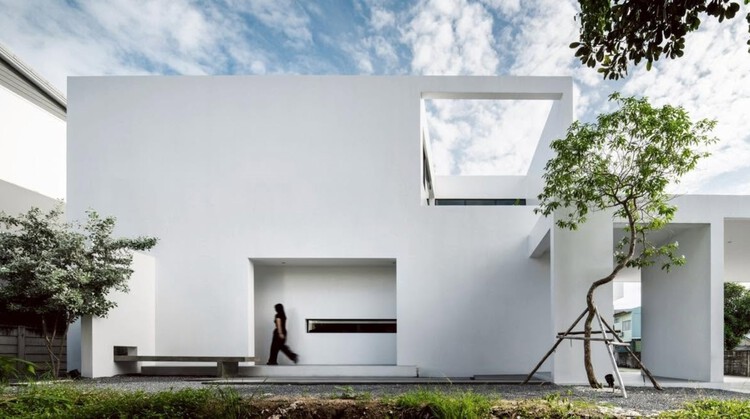
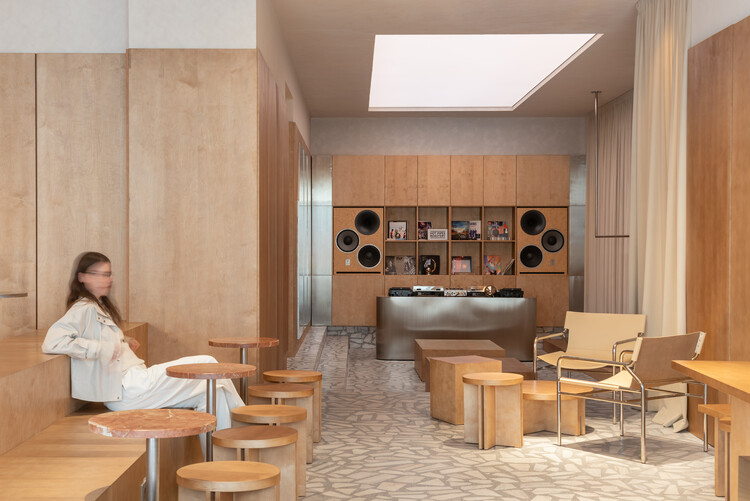
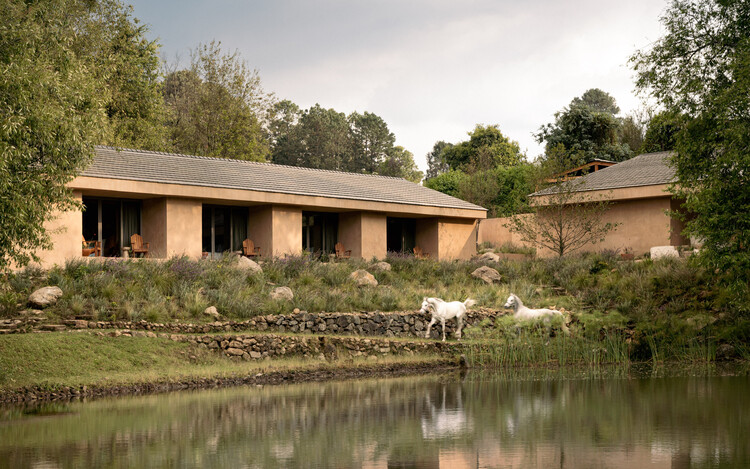
Architects: Weber Arquitectos



Architectural schools usually leave lasting marks on their students, shaping their style and critical inquiry long after formal education has ended. For example, SCI-Arc, founded in 1972 and based in downtown Los Angeles, is an institution recognized for its culture of experimentation, critical investigation, and creative independence, building a reputation based on the idea that architecture should be understood as a field open to dialogue with art, technology, design, and contemporary culture. The diversity of trajectories of its alumni demonstrates how this environment can generate distinct professional approaches, but united by the same willingness to explore new possibilities.

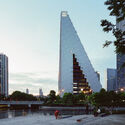
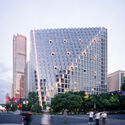
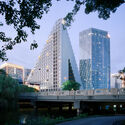
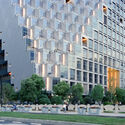
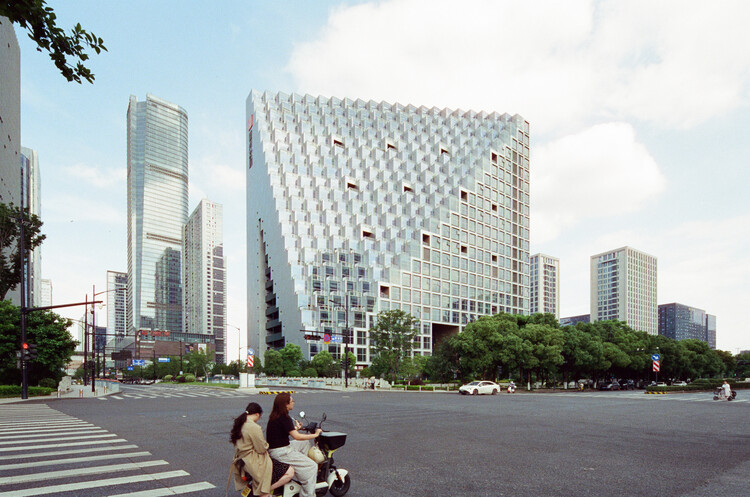
OMA has completed the Hangzhou Prism, a large-scale mixed-use development in Hangzhou's Future Tech City district, China, following a design and development process that began in 2016. Commissioned by Xinhu Real Estate Group and led by OMA Partner Chris van Duijn, with Michael Hadjistyllis serving as project architect, the project combines residential units, a hotel, offices, commercial spaces, and public amenities within a single building volume. Marking OMA's first completed project in Hangzhou, the development occupies a central site within one of the city's emerging innovation and business districts.

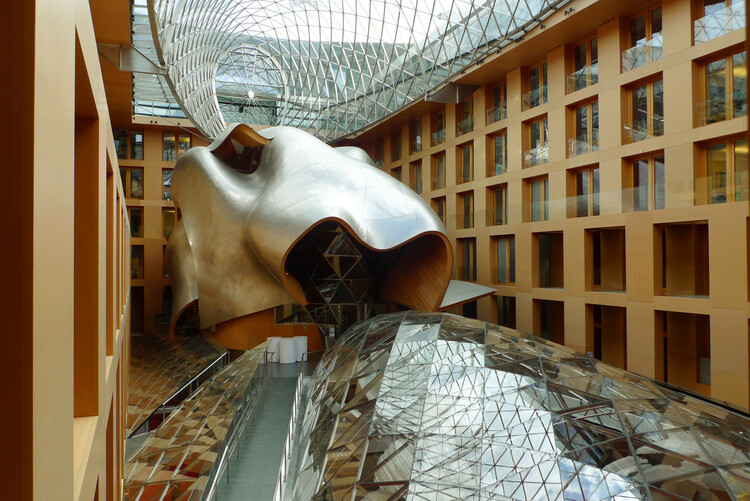
From June 12 to December 20, 2026, the Serralves Museum of Contemporary Art in Porto, Portugal, will be hosting a retrospective exhibition dedicated to the career of Frank Gehry (1929-2025). Titled The Century of Gehry, the exhibition presents to the public original large-scale models, sculptures, drawings, furniture, and other works documenting the architect's notable, and at times controversial, postmodern architecture. The exhibit covers from early experiments to iconic buildings such as the architect's house in Santa Mónica, the Guggenheim Museum in Bilbao, the Fondation Louis Vuitton in Paris, and the Walt Disney Concert Hall in Los Angeles. The Serralves Museum occupies a building designed by the Portuguese architect Álvaro Siza Vieira in 1991. The exhibition is housed in the new wing that bears his name.


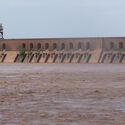
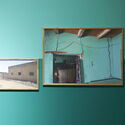
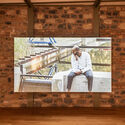
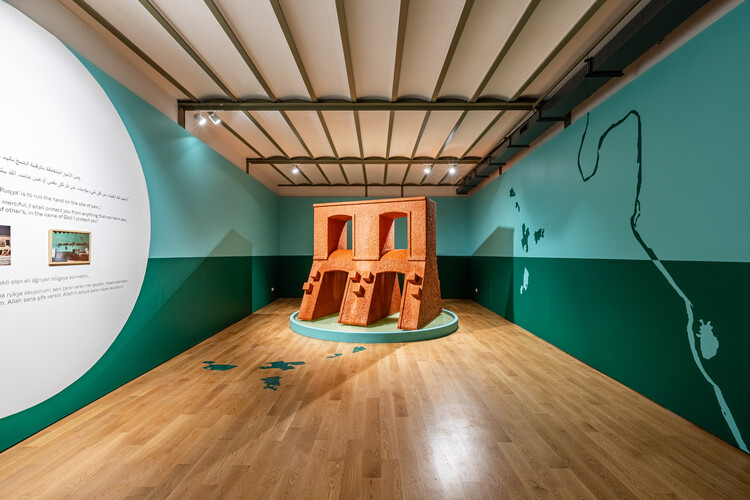
Ola Hassanain is a Sudanese architect and artist operating in the Netherlands, and will be exhibiting at the Pan-African Architecture Biennale in Nairobi, Kenya, later in 2026. All three locations tell stories of the built environment's relationship with water. These illustrate the continuous battles between the amorphous forces of nature that are the rivers and seas, and human attempts to shape and control them. In most cases, they are attempts at extraction. Catastrophes happen as a result of the overreach of these attempts or of their mismanagement, or both.


As the technical requirements of building envelopes have evolved, fire performance has become a key criterion in the design of ventilated facades. Given this situation, analyses no longer focus solely on the individual reaction of materials, but also on the joint response of the entire building envelope under possible scenarios of external fire propagation.

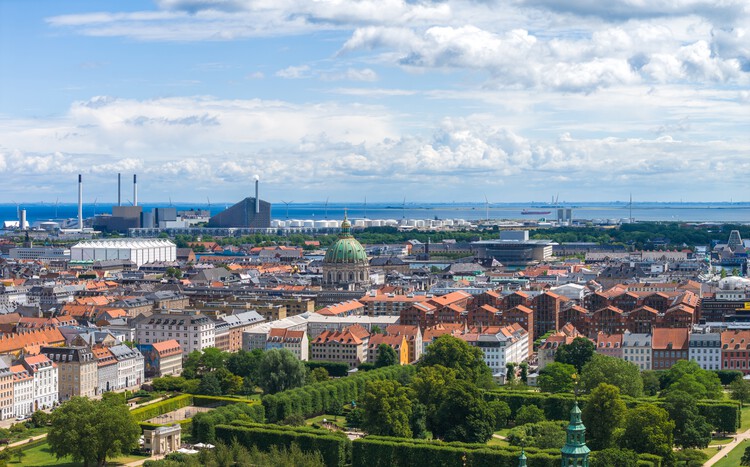
From June 10-12, 2026, 3daysofdesign returns to Copenhagen with a city-wide program of exhibitions, installations, talks, and showroom presentations organized around the theme "Make This Moment Matter." Taking place across eight Design Districts throughout the Danish capital, this year's festival brings together design brands, cultural institutions, studios, and practitioners to explore contemporary questions shaping design and the built environment. As part of the program, Cobe and ArchDaily will host the public launch of a guest-edited edition of Cobe Notes, under the theme Thresholds, at the Cobe Bookcafé, Nordhavn on June 10.


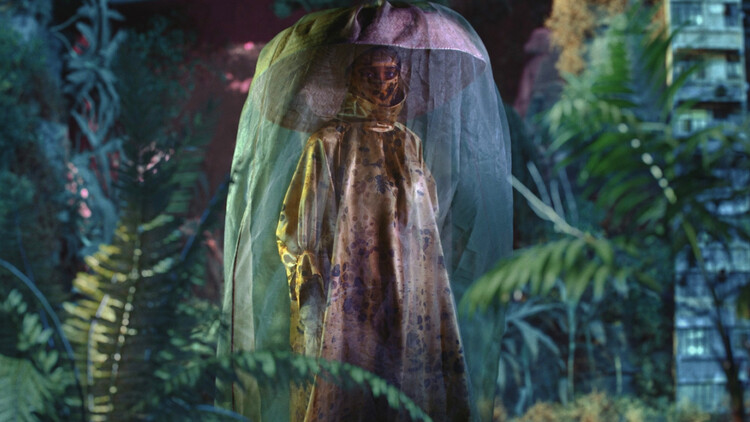
Australian artist, director, and BAFTA-nominated producer Liam Young creates imaginary worlds as a way of thinking through the futures we fear, desire, and are already making. As a creator and designer of atmospheres, he proposes speculative landscapes reflecting the possibilities of a world to come, whether ideal or truthfully unsettling. In his worldbuilding practice across the film, television, and video game industries, fiction becomes a tool for navigating the environmental urgencies of the present. He is considered a "futurist" working across design strategies, technological scenarios, and collective imaginations, grounded in his academic research yet reaching a wider audience in exhibitions such as "In Other Worlds" at the Barbican Centre in London and "Age of Nature" at the Danish Architecture Center in Copenhagen. In February 2026, he was interviewed by Marc-Christoph Wagner for Louisiana Channel, where he shares his visions of our future: from architecture consolidating as a boutique industry to the need for a new kind of planetary punk at the scale of the climate crisis.