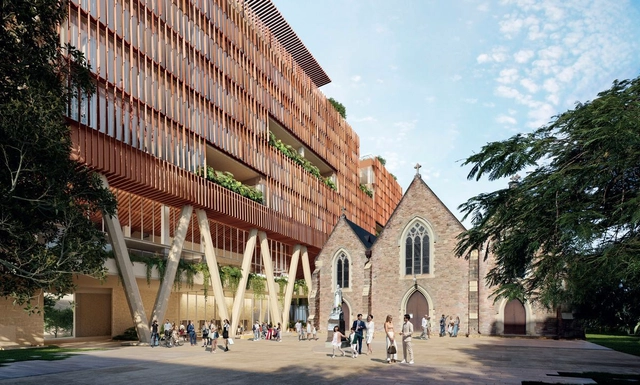
The Archdiocese of Brisbane has unveiled plans to build an eight-story office block adjacent to the city's historic St. Patrick’s Church in Australia. Designed by architecture practice BVN, the project was made to respond to both the existing church and the urban fabric of Fortitude Valley. The proposed development would preserve views to the church from James and McLachlan streets with over 11,000 square meters of office space.
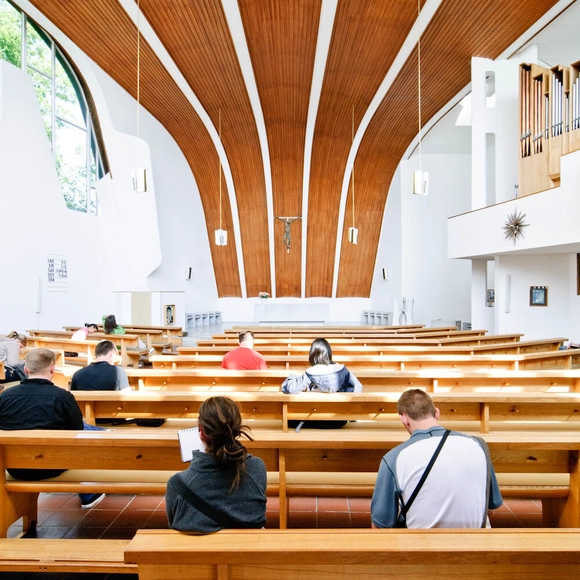
Many describe the work of Alvar Aalto as an embodiment of the concept of Gesamtkunstwerk (a total work of art), where architecture, design, and art merge into one. The Finnish architect is a pioneer in the so-called organic strand of modern architecture in the early 20th century and has strongly influenced what we know today as Scandinavian architecture. According to a description on the MoMA website: "his work reflected a deep desire to humanize architecture through an unorthodox handling of shapes and materials that was rational and intuitive." Its methods of bringing natural light into buildings are extolled and studied repeatedly until today. But throughout Aalto's career, wood has always been present and taken many different forms. From structures to ceilings to stools, Alvar Aalto brought this natural material to the fore.
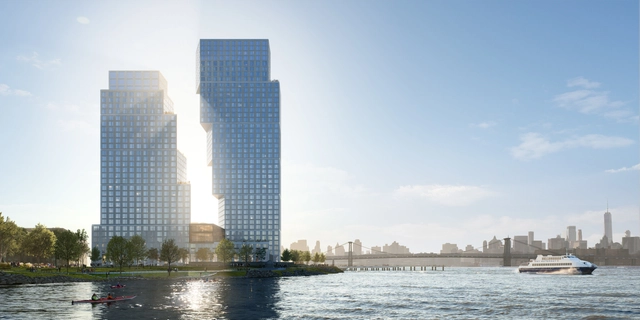
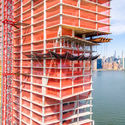
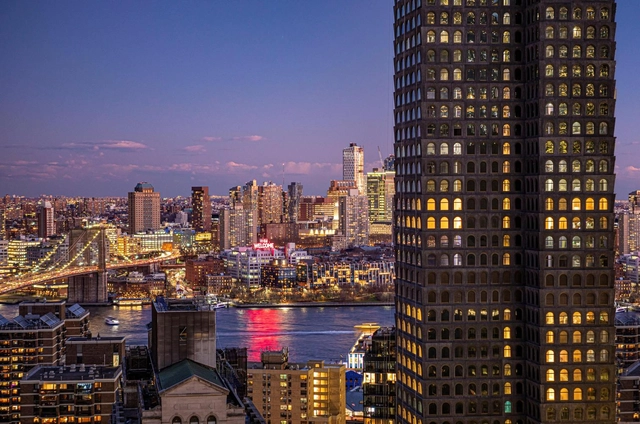
Situated at the northern part of Brooklyn where Newton Creek and the East River intersect, OMA New York / Jason Long's Greenpoint Landing residential towers have reached their latest phase of development; The North Tower is currently at 300 ft. and the South Tower is at 400 ft. The buildings are expected to provide 745 units of mixed-income housing, and will expand an acre beyond the existing esplanade, creating a new section of public waterfront that overlooks the Manhattan skyline.
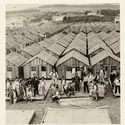
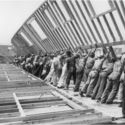
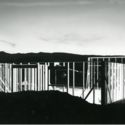
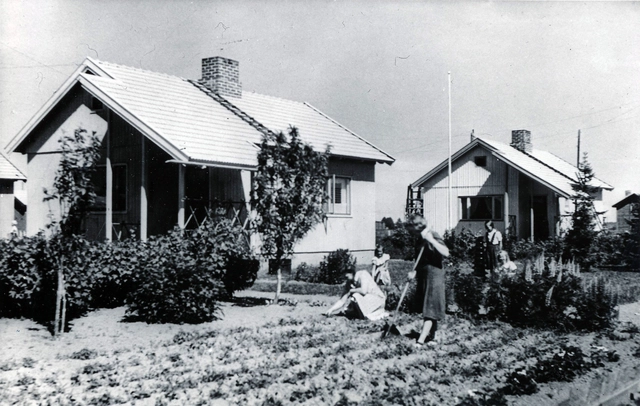
For the 17th International Architecture Exhibition of La Biennale di Venezia, Finland's Pavilion revisits a moment in local history when a refugee crisis led to new ways of building and a reconfiguration of domestic space, which ended up influencing different places around the world. Titled New Standards, the exhibition curated by Laura Berger, Philip Tidwell and Kristo Vesikansa presents the story of Puutalo Oy, an industrial enterprise specialized in prefabricated wooden buildings that set new standards for residential design in the 20th century and created Finland's most widespread architectural export.
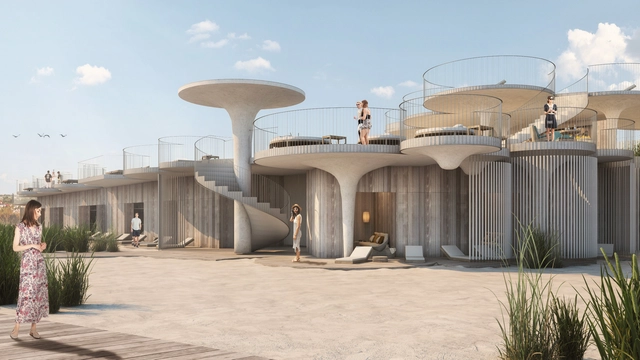
Rojkind Arquitectos, Esrawe Studio, and Slade Architecture have unveiled their proposal for a 2,685-square-meter beach club in New Jersey, United States. According to the firms, the project seeks to activate the beachside of the street and provide amenities and services to the beach in this town resort.
https://www.archdaily.com/960951/rojkind-arquitectos-esrawe-studio-and-slade-architecture-to-design-a-beach-club-in-new-jerseyArchDaily Team
As global urbanization accelerates at a rapid pace, living spaces in contemporary cities and the projected cities of the future grow ever smaller. To anticipate these changes, product design firm AXOR has partnered with The Future Laboratory, a leading international consulting firm for future trends, for the development of their project 'Compact Luxury.' Aimed at uncovering the major influences of urbanization and adapting luxury spaces for these anticipated global changes, the Compact Luxury project identifies trends in contemporary living and projects a future for compact design.
When it comes to built-in kitchen appliances, German firm Gaggenau has always set the highest of standards – and in the case of Sir David Adjaye’s 130 William tower in Manhattan, quite literally, too.
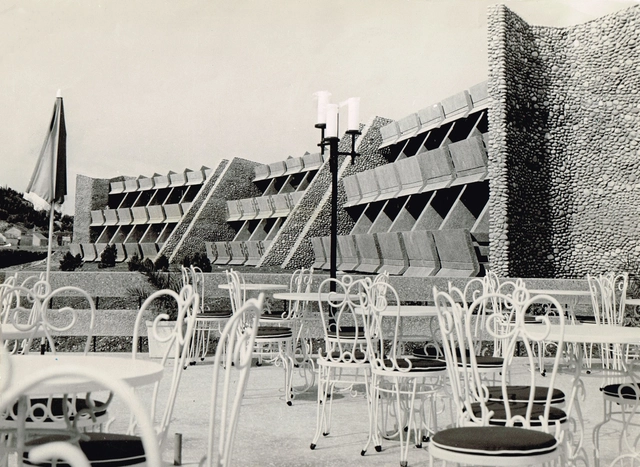
Hotel Podgorica, architect Svetlana Kana Radevic, unknown photographer, archive of Pobjeda. Image Courtesy of APSS Institute
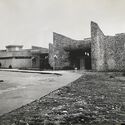
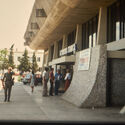
Part of the Collateral Events of the 17th International Architecture Exhibition, the extensive built work of Yugoslav architect Svetlana Kana Radević (1937-2000) is brought to light from May 22 until November 21 at the Palazzo Palumbo Fossati. Entitled “Skirting the Center: Svetlana Kana Radević on the Periphery of Postwar Architecture”, the exhibition curated by Dijana Vucinic and Anna Kats, aims to highlight the architect’s work and expand her representation.
More than half the world’s population lives in dense urban areas. Uncomfortably loud restaurants, stores, hotels, or offices are enough to keep patrons away. When planning a meeting or even a night out with friends, we are conscious of selecting a location where we can focus and hear one another. The noisier our world gets, the more difficulty we have focusing on the sounds we actually want to hear.
Since the beginning of time, our ears have warned us of approaching danger. While their function remains the same, the dangers of today are different than they were in the past. Unwanted sounds can have serious health effects such as: hearing loss, cardiovascular disease high blood pressure, headaches, hormonal changes, psychosomatic illnesses, sleep disorders, reduction in physical and mental performance, stress reactions, aggression, constant feelings of displeasure and reduction in general well-being. With this laundry list of side effects, it would be foolish to leave the acoustic comfort of our spaces up to consultants alone. When we take acoustic comfort into our own hands, the end result can be quite extraordinary.
Courtesy of Steelblue for the City of Sacramento / Perkins&Will
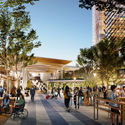
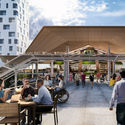
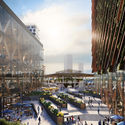
Global architecture firm Perkins&Will, in collaboration with ARUP, Grimshaw Architects, EPS , AIM Consulting, and the City of Sacramento, have transformed the city's historic train station into a self-reliant and regenerative transportation hub, making it one of the most sustainable public areas in California. The design team worked alongside the local community to create a people-centric 31-acre master plan that reflects what the community envisions for a public train station and gateway to the city of Sacramento.
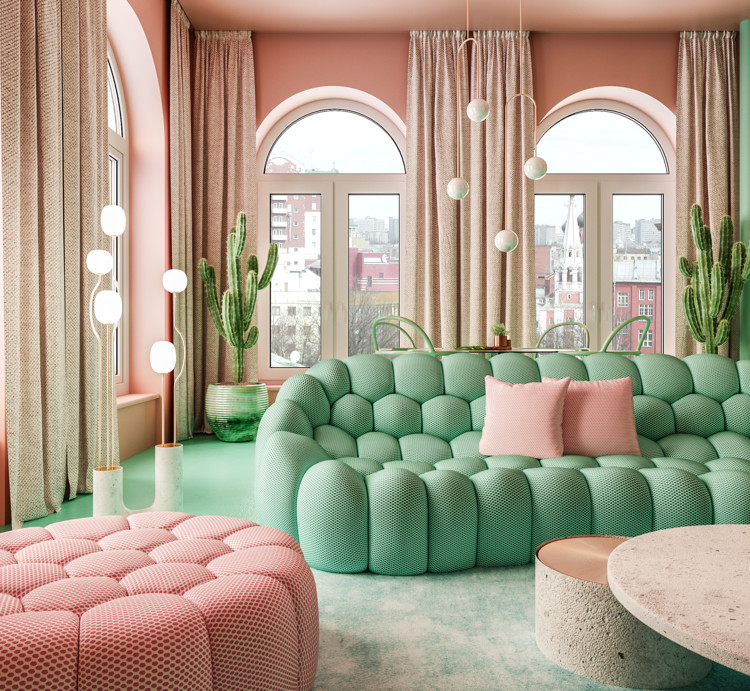
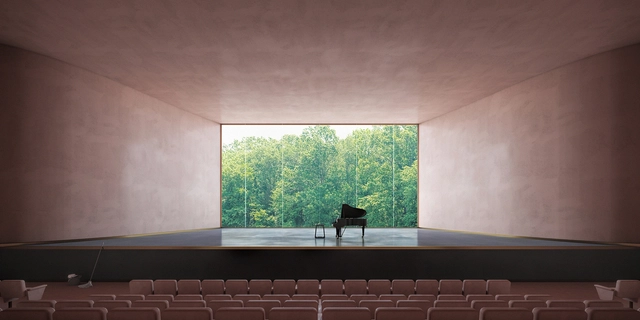
Text by Reutov Design. The owners of the apartment are a young couple that completely entrusted me with the design of the apartments. They liked my non-standard approach to design. Having taken this project, I decided to create a bold project that will give you the opportunity to forget about the hard everyday life and help you take a break from the noisy metropolis. Light, gentle, slightly heady interior. Terracotta-pink walls add originality to the entire design.
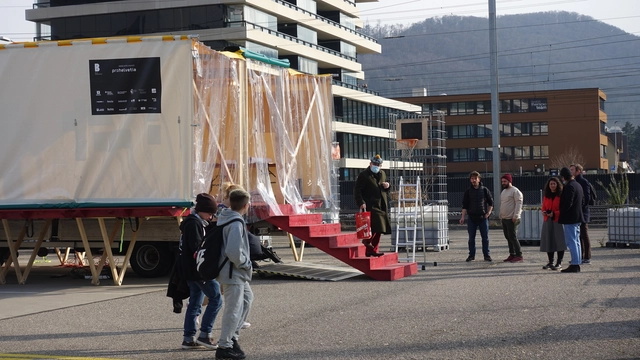
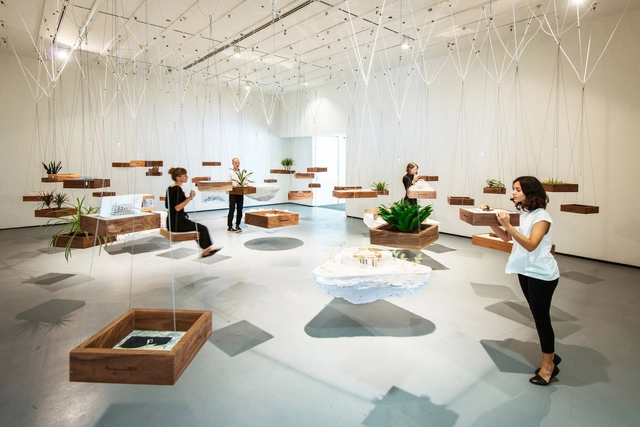
Titled Oræ -Experiences on the Border, (oræ, Latin for “borders”) the Swiss contribution to the 17th Venice Biennale explores the spatial and political dimension of the country’s border, investigating the social implications of this inhabited territory. Created by a Geneva-based team of architects and artists comprising Mounir Ayoub and Vanessa Lacaille from Laboratoire d’architecture, as well as filmmaker Fabrice Aragno and artist sculptor Pierre Szczepanski, the exhibition details a series of participative processes performed along the Swiss border that investigate the frontier and its inhabitants, revealing the poetic character of the space.
Render by Giovanna Bobbetti. Image Courtesy of CURA
The question may seem straightforward, but the answer can be very complex, leading to a whole series of issues related to the target audience of hyper-realistic architectural renderings, as well as to what their goals are.
Although architecture itself is universal, the day-to-day practice still varies across the world, influenced by a wide range of factors, from the professional requirements and responsibilities of an architect, the local environment, history and building customs, to local priorities and challenges. In a hyper-connected world, where architecture seems to become more uniform, how do local contexts and characteristics shape the built environment? This article taps into the commonalities and the variations within the architecture profession.
At the heart of it, architecture is an inter-disciplinary profession. Ranging from structural engineers to quantity surveyors, a design project thrives from the collaboration of individuals from various fields of work. An often-overlooked connection is the link between the fields of architecture and archaeology, which in more ways than one have a lot in common. In a time of increased awareness on issues of sustainability and heritage, the expertise present in the field of archaeology plays a vital part in the preservation of architectural landmarks of historical significance. This expertise can also play a significant part in creating sensitive architectural interventions suitable for their context, contemporary in their design while responding to historical precedents.
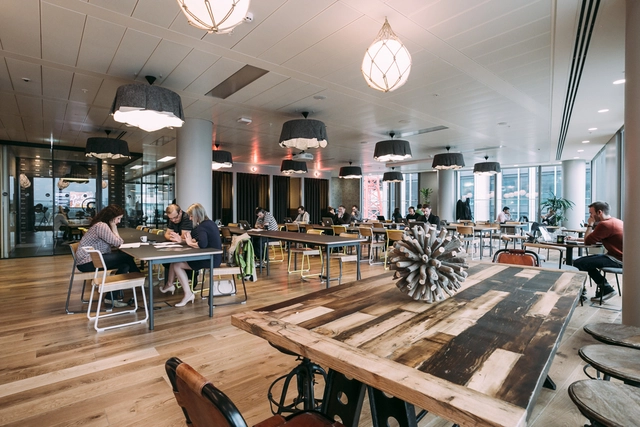
As we begin to emerge from the COVID-19 pandemic, there has been much speculation and debate about whether we will return to our old habits of working in the office 5 days a week, or if working from home creates equal or greater productivity. However, many believe that the future of the workforce will largely be focused on a balance between in-person and in-office working, and a form of remote working, that summates into a new, hybrid model. But if you’re not at home, and you’re not working, then you must be somewhere else- exploring the true in-between of a public and a private space. Enter the concept of the “third” place, which is used to describe everything from coffee shops to banks, and even co-working spaces. If you’ve ever studied for an exam at a bookstore, or even dropped into an airport restaurant to catch up on some work, then you too, have visited a “third” place.
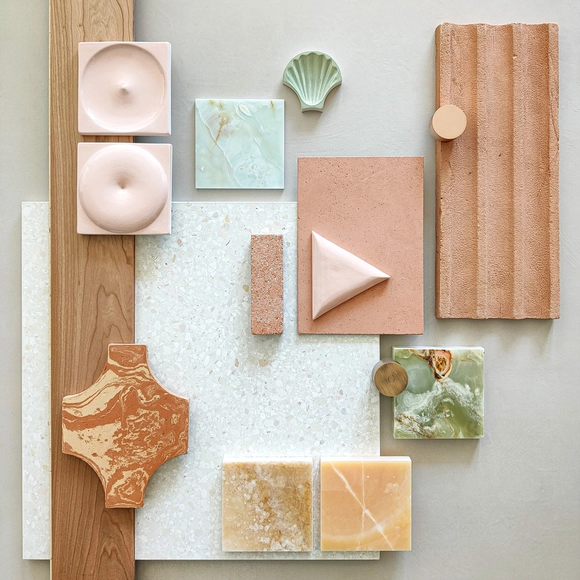
Design projects rely heavily on visual tools that illustrate the project's features and overall atmosphere, and whether you are an architect, interior designer, furniture designer, or engineer, the term 'mood board' has definitely come up at some point during the early stages of the design process. Generally speaking, images have immense powers of influencing and inspiring their viewers, so putting together a powerful mood board can be a game changer for the architect, the visual artist, and the clients, and can amplify the project's story telling process. So what is a mood board and how can you create one?
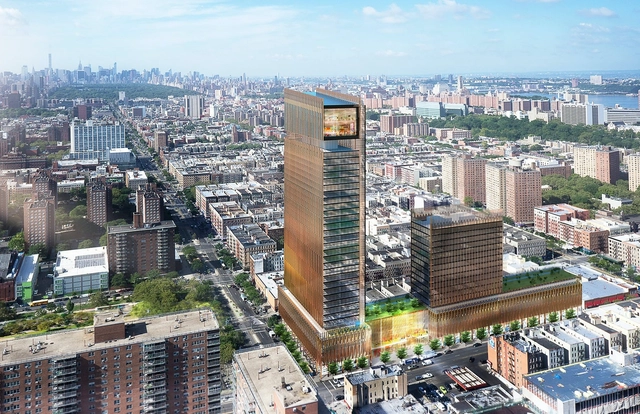
SHoP Architects has designed a new mixed-used development and tower that will also house the Museum of Civil Rights in West Harlem. Combined, the project could total nearly one million square feet of office, residential, and retail space with the cultural program. SHoP submitted a draft scope of work for the project, dubbed One45, that was made in collaboration with Judge Jonathan Lippman and Reverend Al Sharpton.
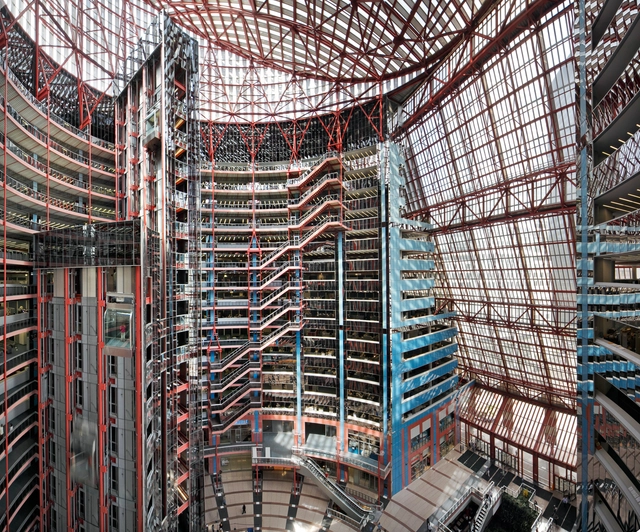
Perhaps no building is closer to a date with the wrecking ball in Chicago than the James R. Thompson Center. While those responsible for initiating this threat cite years worth of deferred maintenance and high costs of operation as the primary reasons for their decision, these are not the real reasons for the building’s demise. It suffers from a much more lethal ailment — treating it like a normal building. In this video, Stewart explains why the Thompson Center is definitely not a normal building and offers alternative ways to evaluate it. What if we considered it to be a piece of urban infrastructure or public plaza instead? Relating the building to Rem Koolhaas’ theory of ‘Bigness’, this video builds the case that the Thompson Center should be valued for how it brings people together in space rather than its colors, or material palette, or any other normal ways of appraising mere buildings.
New Investigations In Collective Form, 2018. Image Courtesy of The Open Workshop
The ChicagoArchitecture Biennial (CAB) has announced the list of contributors for its 2021 edition The AvailableCity, selected by Artistic Director David Brown. Bringing design perspectives from around the world, the list of 29 contributors includes the global perception of cities such as Cape Town, Caracas, Chicago, Copenhagen, Dublin, Paris, Basel, and Tokyo.
From the 14th to the 16th century, Iran had witnessed growth and affluence under the Timurid and Safavid dynasties. During this period, many mosques, palaces and pavilions were commissioned and contributed to sites of veneration and pilgrimage. However not many of these key architectural realms survived and few historical texts exist to relay the intricacies of the architecture of that time.
What remained were some dispersed manuscripts from the Shahnameh and other renowned illustrated stories or poems that represented the moral values and aesthetics of that period. Inadvertently these initial renders became the main representation of a unique and fantastic Islamic architecture.
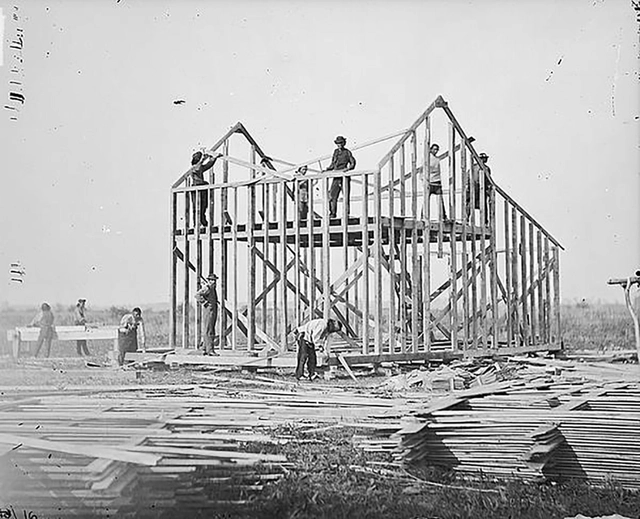
Titled "American Framing", the United States pavilion at the 17th International Architecture Exhibition – La Biennale di Venezia, will explore the omnipresence and creative power of wood-framed construction in American architecture, an overlooked structural element. Curated by Paul Andersen and Paul Preissner, the exhibition will be on display at the Giardini della Biennale from May 22 through November 21, 2021.
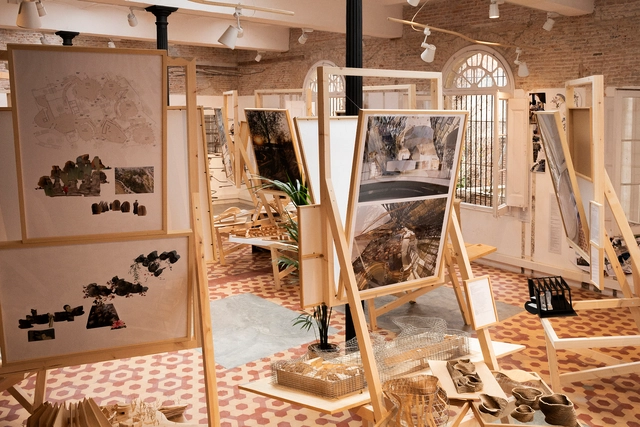
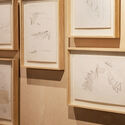
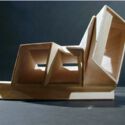
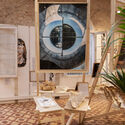
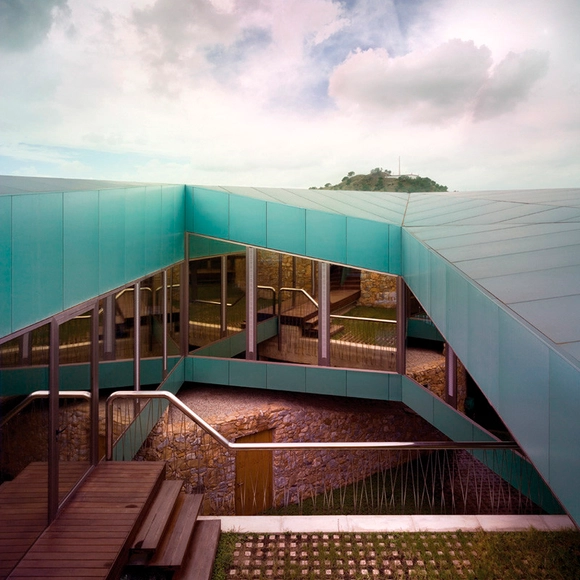
The Fundació Enric Miralles has launched MIRALLES, a series of exhibitions and events celebrating the work of the influential Catalan architect, whose passing marked twenty years in 2020. Curated by Benedetta Tagliabue and Joan Roig i Duran, the program will unfold over the course of this year in different emblematic venues in Barcelona. The first three exhibitions of the circuit inaugurated this month showcase the multiple facets of Enric Miralles through archival materials ranging from drawings and collages to photography and models, exploring his legacy in architecture and artistic creation.
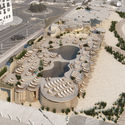
The distribution of natural light, improved ventilation, and the propensity to connect living spaces with the outdoors while maintaining the privacy of the inhabitants have made courtyards a go-to in architectural design around the world over the centuries.
Courtyards are characterized as outdoor or semi-outdoor spaces that are enclosed within the walls of a house or building.











.jpg?1594180028)
.jpg?1594179948 "Courtesy of Reutov Dmitry, Gerner Ekaterina")
.jpg?1594177257 "Courtesy of Reutov Dmitry, Gerner Ekaterina")
.jpg?1594177498 "Courtesy of Reutov Dmitry, Gerner Ekaterina")
.jpg?1594179985 "Courtesy of Reutov Dmitry, Gerner Ekaterina")