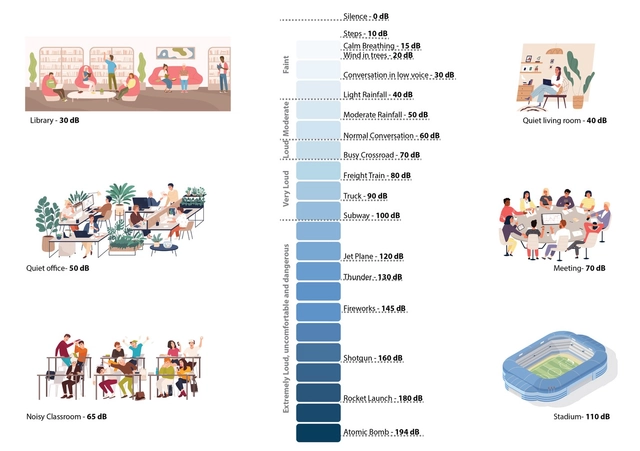
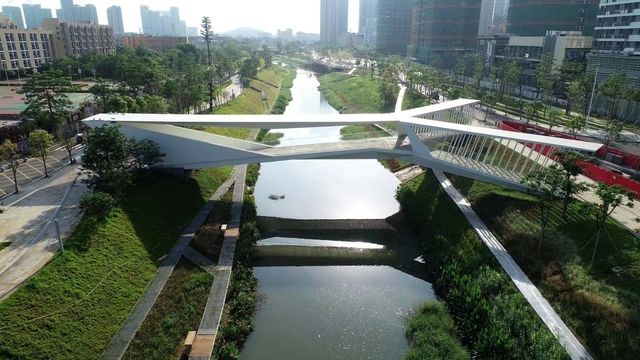
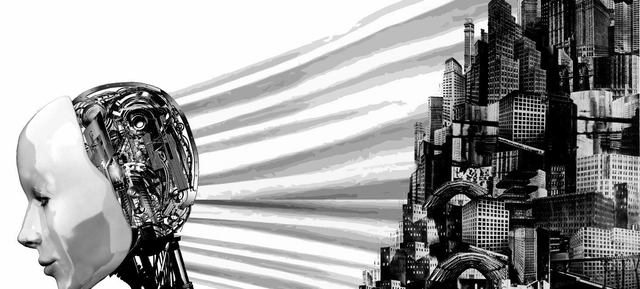
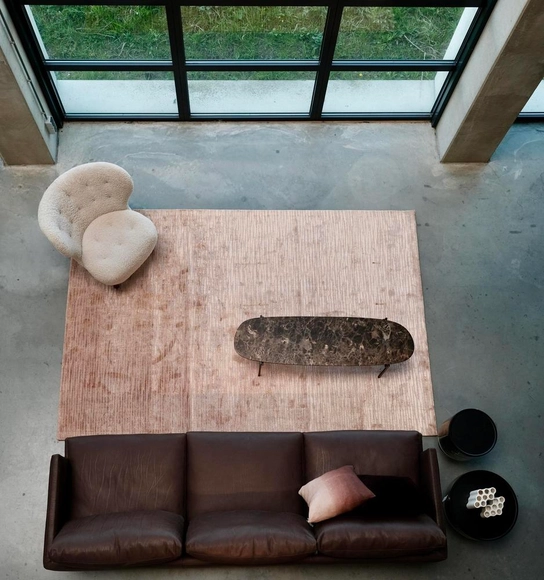
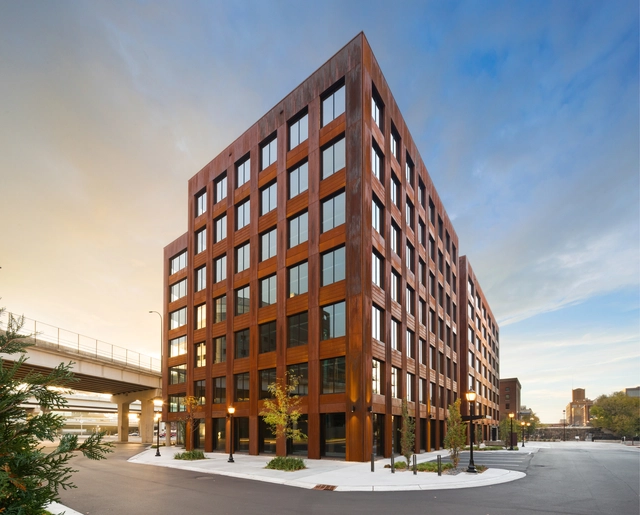
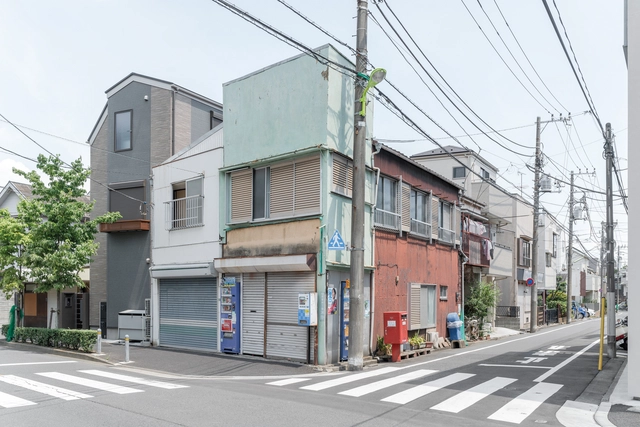
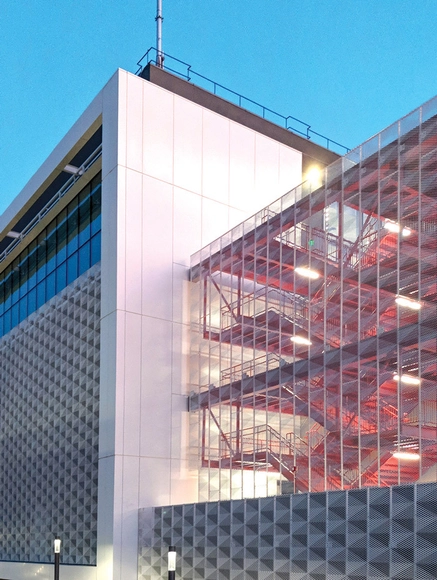
Noisy environments can significantly and negatively effect our bodies, and are a great villain to concentration, learning, and productivity in classrooms and offices. Headaches are one momentary symptom of noise. But staying exposed to very noisy places can bring greater problems such as hearing loss, lower concentration, high blood pressure, and even poor digestion. It can also trigger high levels of stress, sleep disturbances, mood changes, increased heart rate, and ringing in the ears. This is an invisible enemy and is often neglected in big cities with the noise of heavy traffic, demolition. and noisy equipment, such as generators and air conditioners. However, effective measures can be taken to avoid this unnecessary noise.
When we are discussing the definition of “structure”, the term varies within different disciplines. In the context of the built environment, "structure" refers to anything that is constructed or built from different interrelated parts with a fixed location on the ground.
Martin C. Pedersen discusses with Frank Stasiowski, the founder and president of PSMJ Resources, his take on AI and the future of the profession. The author explains that six years ago he "interviewed Frank Stasiowski, the founder and president of PSMJ Resources, a management consulting firm that specializes in architecture, engineering, and construction firms. In addition to advising firms on strategic and growth planning, leadership and succession plans, mergers and acquisitions, and a host of other issues, Stasiowski spends a lot of his time analyzing where the industry is likely to evolve in the future, especially as technology takes an increasingly important role". Finding him one of the keenest observers of the industry, Pedersen talked to Stasiowski to get his opinion on AI and the future of the architectural profession.
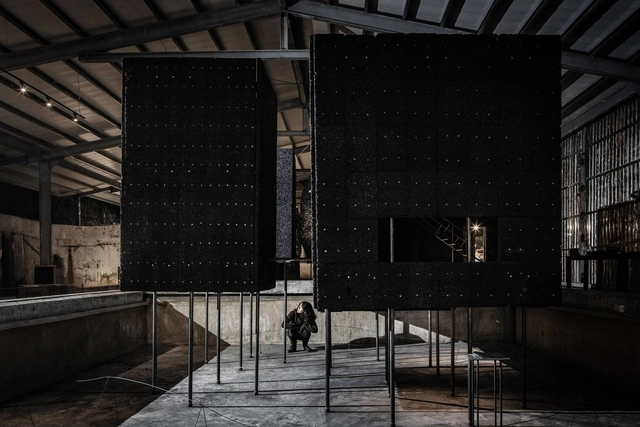
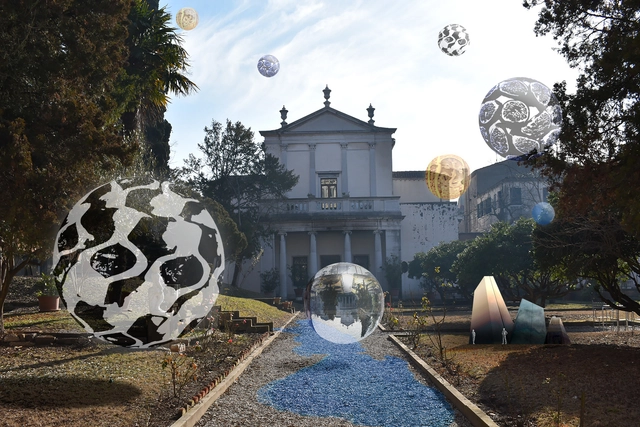
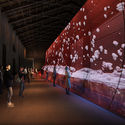
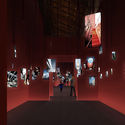
Entitled Primitive Migration from/to Taiwan, the National Taiwan Museum of Fine Arts (NTMoFA) and curatorial teams Divooe Zein Architects and Double-Grass International Co., organized an immersive exhibition for the Biennale Architettura 2021. Taiwan’s Collateral Event for the 17th International Architecture Exhibition of La Biennale di Venezia will run from 22 May to 21 November 2021 at Palazzo delle Prigioni.
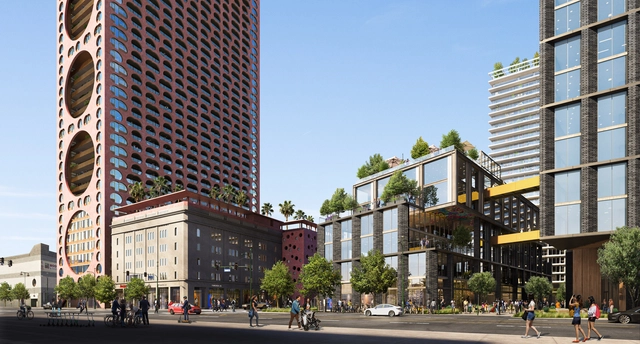
Courtesy of Studio One Eleven and Adjaye Associates
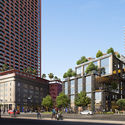
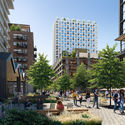
Adjaye Associates and Studio One Eleven, along with Continuum Partners will transform an industrial facility in downtown Los Angeles into a dynamic mixed-use master plan of residential, commercial, hospitality, and retail facilities. Titled Fourth & Central, the project proposes ten buildings, ranging in heights, design, and functions, transforming the area into a pedestrian-oriented community. The project, which is expected to break ground in 2024, will reflect the area's dynamic character with uniquely designed buildings that compliment the neighboring Arts District and Little Tokyo neighborhoods.
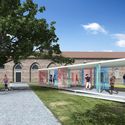
The Croatian Pavilion for the 17th Venice Architecture Biennale explores how repurposing architectural elements reshapes the individual’s relationship with space and constructs a new place of encounter. Titled Togetherness / Togetherless, the project curated by Idis Turato is a spatial composition of ready-made elements, which are given new meanings and functions, developing a new perspective on architectural space and enabling a temporary community.
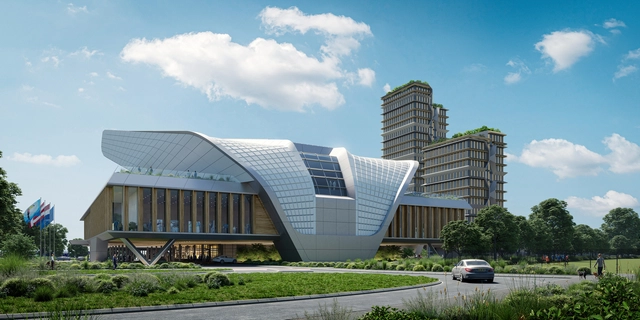
UNStudio is part of the consortium that recently won the competition for a new congress and conference centre in the Netherlands, a project intended to further establish the Brainport Eindhoven region as one of Europe’s leading technology hubs. The Elysion Congress Centre expands an exiting, similarly programmed venue, striving for low impact on the surroundings while incorporating numerous sustainable features.
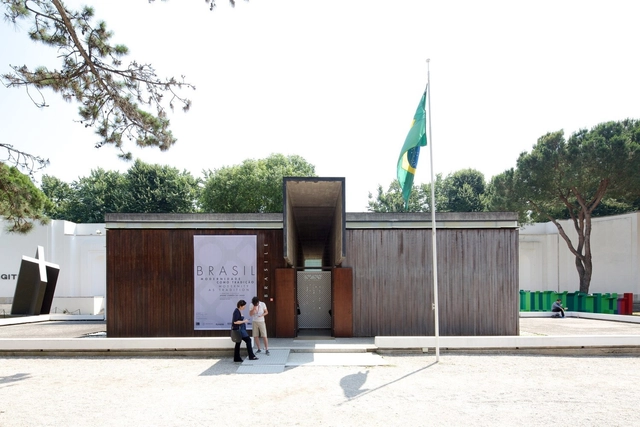
Entitled utopias of common life, Brazil's official participation in the 17th Bienalle Architettura 2021 is curated by the collaborative studio Arquitetos Associados and the visual designer Henrique Penha. The exhibition at the Brazilian Pavilion in the Giardini, in Venice, begins by mapping utopias that exist on Brazilian soil, from the Guarani world vision of a Land Without Evil to contemporary times, highlighting a few singular moments among them.
Conceived before the Covid-19 pandemic, which has temporarily suspended the possibility of physical proximity in a large part of the world, the proposal gains new meanings in the current context and dialogues with the overall theme, by curator Hashim Sarkis: How Will We Live Together?
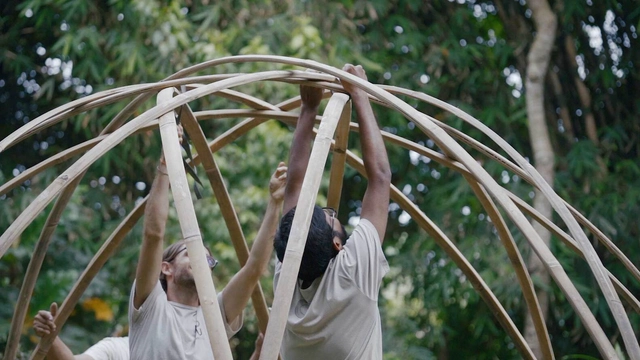
Bamboo has endless possibilities and when combined with creativity, it can lead to a wide range of interesting shapes. In its natural form, it is a straight, slightly tapering pole. But how do we bend it to create fluid, dynamic spaces? Bamboo is naturally flexible and can be flexed into a slight bend and simple framed structures can be built using bamboo’s natural straight form.
However, it requires specific techniques to achieve extensive curvilinear forms. In the structures we build here in Bali, there are 3 techniques to create curved structures using bamboo. These are:
The Berlinische Galerie's exhibition Anything Goes? recounts how a global, contradictory Postmodernism took root on both sides of the Berlin Wall in the 1980s. Florian Heilmeyer in his piece originally published on Metropolis discusses the ambitious exhibition that was able to look simultaneously at both sides of the German city at that time.
Casa SB. Image Courtesy of Esrawe Studio by Joel Flores & Emanuel Miramontes
This week’s curated selection of Best Unbuilt Architecture highlights private residential projects submitted by the ArchDaily Community. From cabins in woods to oceanfront villas, this article explores private residential retreats and presents projects submitted to us from all over the world.
Featuring a house nestled in the Swiss forests, a private LA hillside house, and a hidden family house in the Lebanese mountains, this roundup explores how architects have merged landscape and contemporary architecture, and tucked away private residences, giving them the privacy and serenity they need. This round up also includes a collection of houses in Armenia, Mexico, Kenya, and El Salvador, each responding to different contexts, spatial needs, and topographies.
Courtesy of Sou Fujimoto Architects & Donghua Chen Studio
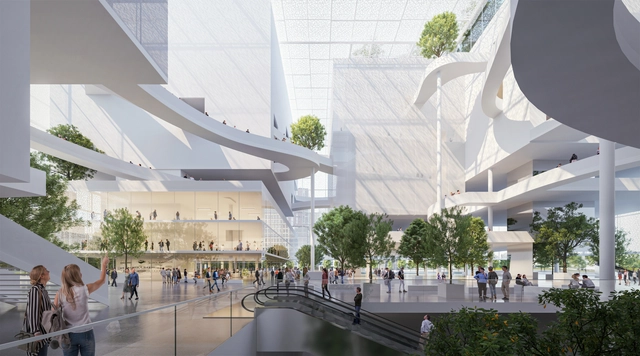
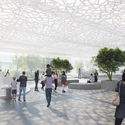
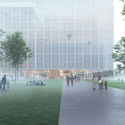
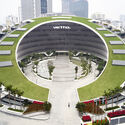
Japanese studio Sou Fujimoto Architects alongside Chinese office Donghua Chen Studio have designed a large scale exhibition complex in the heart of Futian District. The Shenzhen Reform and Opening-up Exhibition Hall adopts the city's characteristics as a contemporary entrepreneurial hub, welcoming innovative international businesses in a garden-inspired structure wrapped with white perforated facades. The design proposal was the winning entry of an international competition in Futian, and will be a part of the Shenzhen Ten Cultural Facilities of New Era promoted by the Municipal Government, once completed.
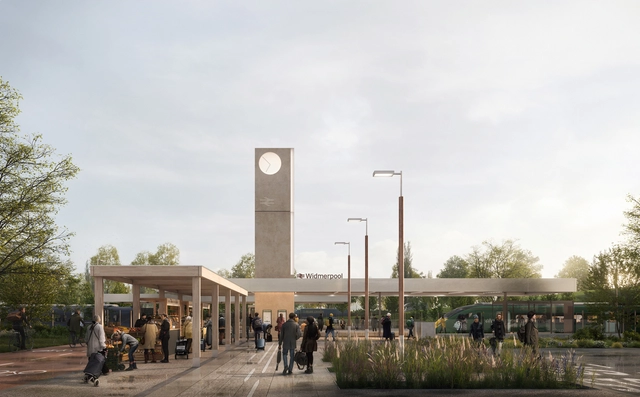
RIBA and Network Rail recently announced the winner of the Re-imagining Railways design competition, which invited architects, engineers and designers to rethink small and medium-sized train stations to improve the travel experience. The winning design, signed by Edinburgh-based architectural practice 7N Architects, features a reinterpreted clock tower serving as a local landmark and a modular station layout that can be adapted to a variety of sites.
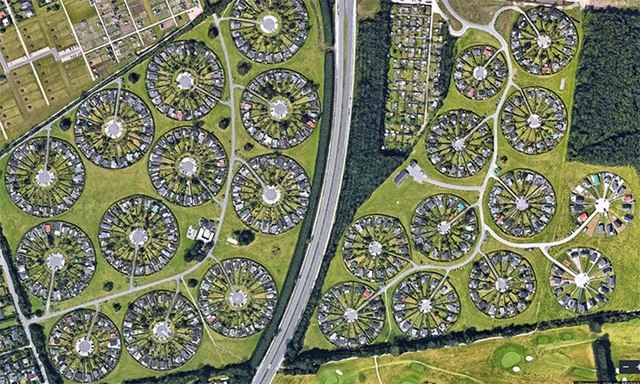
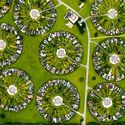
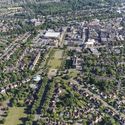
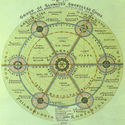
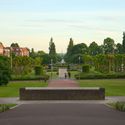
Following the Industrial Revolution, many European cities faced an unprecedented rise in the rate of population growth, intensified by the migration of people from rural areas to urban areas seeking better opportunities.
Although cities became more inviting, problems such as pollution and the growth of informal settlements also intensified. Meanwhile, the countryside provided proximity to nature and an abundance of natural resources, but it also suffered from isolation and a decrease in employment opportunities.
Structural timber is in the midst of a renaissance; an ironic trend given that timber is arguably the most ancient of building materials. But new innovations in structural timber design have inspired a range of boundary-pushing plans for the age-old material, including everything from bridges to skyscrapers. Even more crucially, these designs are on the path to realization, acceding to building codes that many (mistakenly) view as restrictive to the point of impossibility.
The timber structures of today aren't just breaking records - they're doing it without breaking the rules.
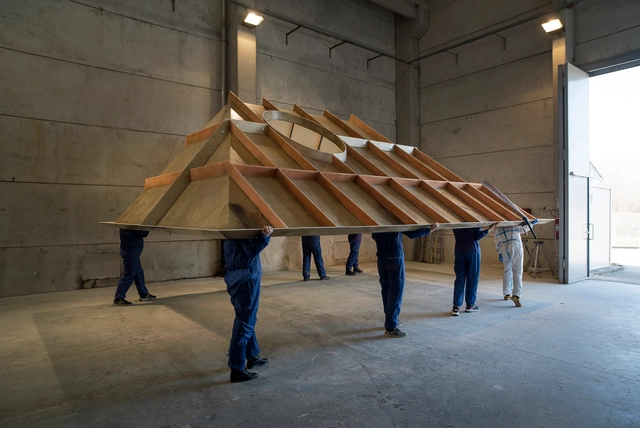
For this year's edition of the Venice Biennale, the Japan Pavilion invites visitors to reflect on the movement of goods fuelling mass consumption and rethink sustainability and reuse in architecture. Titled Co-ownership of Action: Trajectories of Elements, the project curated by Kadowaki Kozo involves dismantling an old wooden Japanese house and transporting it to Venice to be reconstructed in a new configuration with the addition of modern materials. The exhibition exemplifies how old materials could be given an entirely new existence by putting the current movement of goods in the service of reuse rather than consumption.
Videos
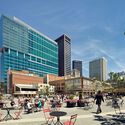
Moscone Center Expansion / Skidmore, Owings & Merrill + Mark Cavagnero Associates. Image Courtesy of BOK Modern
As every architect and professional working in the building industry knows, construction is a labor intensive and time consuming process. Expected difficulties with construction and installation can be compounded by unforeseen delays caused by mechanical errors, political or economic circumstances, or even weather. As such, some of the best construction products on the market work to minimize installation times and labor. BŌK Modern's Structurally Integrated Metal Panel System, for example, reduces installation time in the field and minimizes redundant supporting structural elements, which allows for savings in both materials and in the high cost of field labor. At the same time, their panel system provides superior customizability, making them ideal for a variety of different architectural and construction needs.
Art Gensler, the founder of one of the largest architecture businesses in the world, Gensler, has passed away at 85, as reported by the company’s Instagram Account. The architect and businessman founded Gensler back in 1965, in San Francisco, and in his 65 years of career, he managed to turn his practice into one of the leading worldwide firms with 50 locations across Asia, Europe, Australia, the Middle East, and the Americas.
Titled "Yuan-er, a Courtyard-ology: From the Mega to the Micro", the Chinese pavilion at the 17th International Architecture Exhibition – La Biennale di Venezia answers the question of how architecture can contribute to equality, connectivity and unity by resorting to familiar Chinese residential typologies. Curated by Zhang Li, the pavilion will be on display from May 22nd to November 21st, 2021.
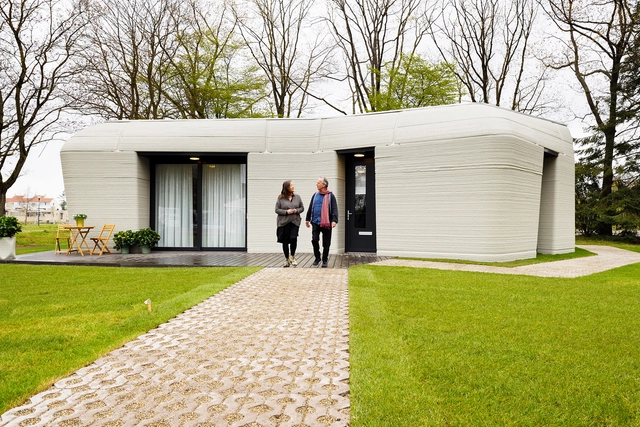
If only a few years ago 3D printing was viewed with a certain suspicion, recent news has shown that it is in fact a viable technology that is here to stay. On April 30, 2021, tenants of the first 3D printed concrete house in the Netherlands received their keys. The house in Eindhoven—the first of five within the 'Milestone Project'—fully complies with all the country's stringent construction requirements.
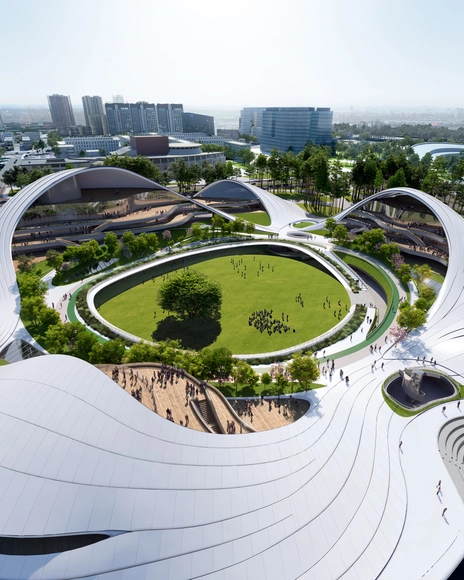
Led by Ma Yansong, MAD Architects have released their design for the Jiaxing Civic Center, a project that explores the relationship between city, nature, and people. The proposed center will be a new place of attraction for children, adults, and seniors, sitting on the city's central axis and surrounded by its South Lake, Haiyan River, and Central Park. The master plan will house three venues: the Science and Technology Museum, the Women and Children Activity Center, and the Youth Activity Center, all organized around a central green open space. The firm's latest public project in Jiaxing City, which is expected to be complete by the end of 2023, comes shortly after they unveiled their design for the Jiaxing Train Station earlier this year.