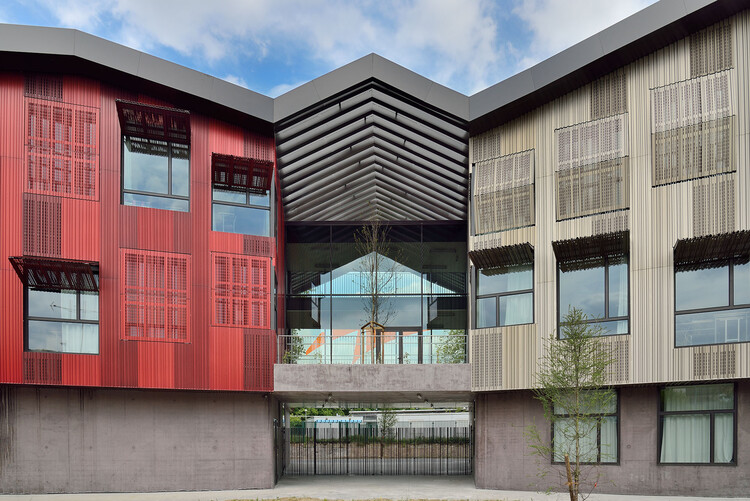
French-Moroccan architects and twin sisters Salwa and Selma Mikoü have developed a practice that brings together architecture, engineering, craftsmanship, and cultural memory. Founders of the Paris-based Mikoü Architecture, the sisters draw on their different approaches to design as well as their experience growing up between Morocco and France. In a recent interview with Louisiana Channel, they discuss the influence of Moroccan architecture on their work, their collaborative process, and their interest in bringing contemporary construction technologies into dialogue with craft traditions.
Interviews: The Latest Architecture and News
“Living with Contrasts Is Something Very Meaningful:” Salwa and Selma Mikoü on Architecture and Craft in Louisiana Channel Interview
https://www.archdaily.com/1184803/living-with-contrasts-is-something-very-meaningful-salwa-and-selma-mikou-on-architecture-and-craft-in-louisiana-channel-interviewReyyan Dogan
Thinking Through the Hand: Atelier CRAFT on Design and Making

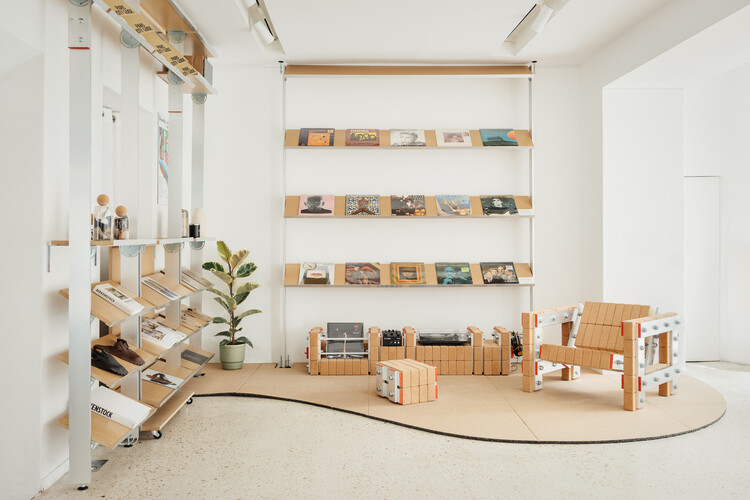
What narratives do materials carry, and how can the visible "traces" of artisans engage in a dialogue with manufacturing processes and industrialization? Between design and construction, the act of thinking through making can become a guiding principle for a design philosophy. Combining wood, industrial materials, and reused objects, Atelier CRAFT's approach is rooted in reversible architecture, guided by its manifesto: "Transform design through making." Based in Saint-Ouen, Paris, the practice explores the relationships between humans and materials, the act of making, and manufacturing processes.



https://www.archdaily.com/1184106/thinking-through-the-hand-atelier-craft-on-design-and-makingAgustina Iñiguez
“Art Is Not Fiction, but a Surplus Reality:” Pedro Reyes on Sculpture as Social Practice in Louisiana Channel Interview
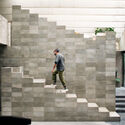
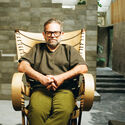
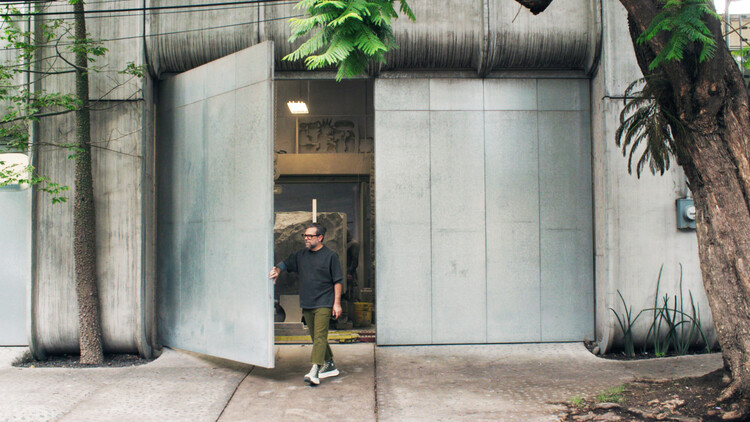
Mexican sculptor Pedro Reyes has developed a multidisciplinary practice that spans sculpture, architecture, social engagement, and activism. Trained as an architect, Reyes approaches sculpture as both a material and a collective process, combining traditional stone carving with participatory projects that address contemporary social issues. His work frequently explores transformation, whether through physical materials or community action, positioning sculpture as a tool for reimagining social realities. In a 2025 interview with Louisiana Channel, Reyes discusses the influence of architecture on his artistic practice, the concept of "social sculpture," and the importance of preserving craft traditions in an increasingly automated world.

https://www.archdaily.com/1042723/art-is-not-fiction-but-a-surplus-reality-pedro-reyes-on-sculpture-as-social-practice-in-louisiana-channel-interviewReyyan Dogan
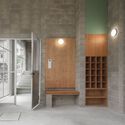
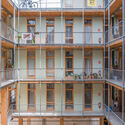
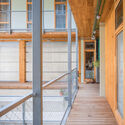
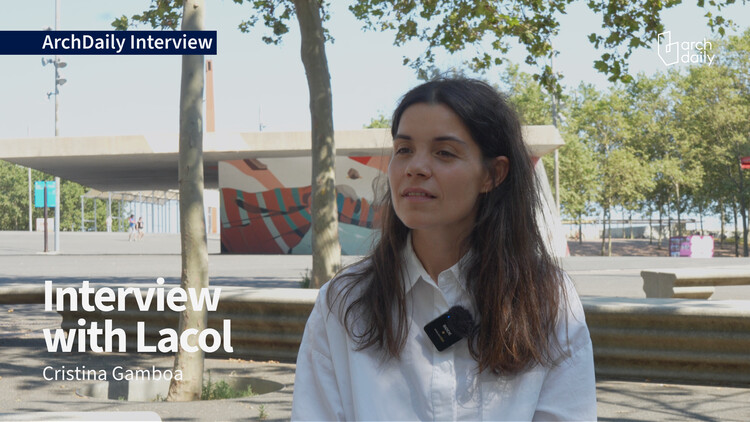
"Promoting Another Way of Living Together": In Conversation with Cristina Gamboa of Lacol
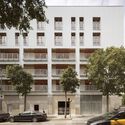
At the UIA World Congress of Architects 2026 in Barcelona, discussions surrounding the future of housing frequently extended beyond questions of design to include governance, ownership, and long-term stewardship. Among the speakers contributing to these conversations was Cristina Gamboa, co-founder of the Barcelona-based cooperative Lacol, whose practice combines architecture, housing advocacy, construction management, and environmental research through a cooperative model. During the Congress, ArchDaily spoke with Gamboa about how cooperative practice reshapes the architect's role, why participation extends beyond consultation, and how projects such as La Borda and La Morada continue to inform broader discussions on housing, care, and collective living.
https://www.archdaily.com/1181647/promoting-another-way-of-living-together-in-conversation-with-cristina-gamboa-of-lacolReyyan Dogan
An Architectural Language of Artificial Cooling: Shade, Mist, and Autonomy

Concéntrico returned to Logroño for its 12th edition in June and transformed the city into a working site for architecture. Since its founding in 2015, the festival has built an identity on resisting a distant, controlled exhibition of design by constructing full-scale installations in the city's streets, plazas, and vacant lots, engaging residents and visitors as part of daily life. This year's program brought together more than twenty interventions by architects, designers, and researchers working across a wide range of geographies and methods, each contributing to a citywide experiment in reimagining public space.
https://www.archdaily.com/1181537/an-architectural-language-of-artificial-cooling-shade-mist-and-autonomyOlivia Poston
Fundació Mies van der Rohe Presents “Transnational Narratives,” a Documentary on Six South Asian Women Architects
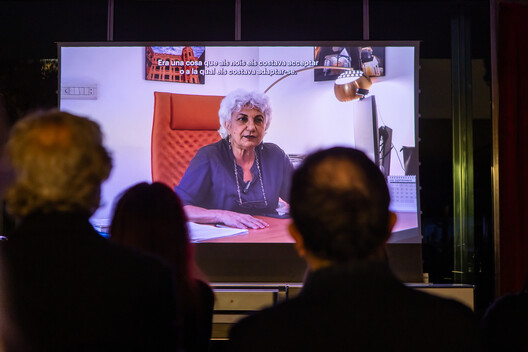
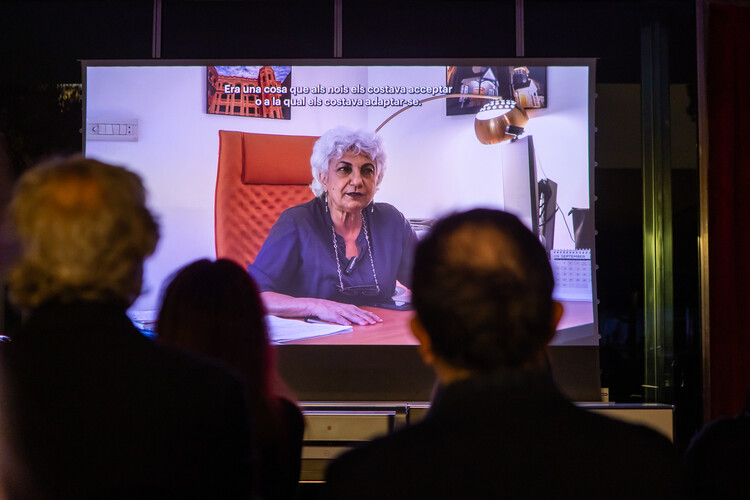
"Gender equity remains an ongoing problem in architecture. Women architects are roughly one-third of the profession or less worldwide." This is the opening statement of the documentary Transnational Narratives: A Documentary Celebrating South Asian Women in Architecture, a result of the 4th Lilly Reich Grant for Equality in Architecture. The grant, an initiative by the Fundació Mies van der Rohe, promotes equal access to opportunities in architectural practice and supports the study and dissemination of contributions to architecture that have been unfairly rendered invisible. Within this context, the documentary, created by Dr. Igea Troiani, Dr. Mamuna Iqbal, artist and researcher Paula Roush, and filmmaker Rime Tsujino, brings visibility to the experiences of six architects of South Asian origin: Sumita Singha, Chitra Vishwanath, Sara Khan, Fauzia Qureshi, Sajida Vandal, and Neelum Naz, whose professional careers span India, Pakistan, and the United Kingdom.
https://www.archdaily.com/1040163/fundacio-mies-van-der-rohe-presents-transnational-narratives-a-documentary-on-six-south-asian-women-architectsAntonia Piñeiro
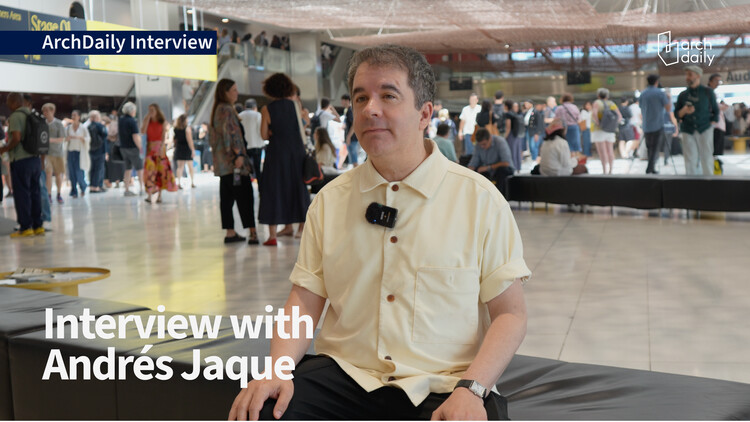
"Design Is Inseparable from Activism": In Conversation with Andrés Jaque at the UIA World Congress of Architects 2026
At the UIA World Congress of Architects 2026 in Barcelona, the theme Becoming. Architectures for a Planet in Transition framed architecture as a discipline operating within environmental, political, and social transformations rather than outside them. Among the speakers participating in this edition was architect Andrés Jaque, founder of the Office for Political Innovation and Dean of Columbia University's Graduate School of Architecture, Planning and Preservation (GSAPP). During the Congress, ArchDaily spoke with Jaque about architecture's capacity to generate alternatives, the role of experimentation in education, and why transition should be understood as a condition rather than a destination.
https://www.archdaily.com/1181438/design-is-inseparable-from-activism-in-conversation-with-andres-jaque-at-the-uia-world-congress-of-architects-2026Reyyan Dogan
"We Want to Learn Something New": In Conversation With the Curators of UIA World Congress of Architects Barcelona 2026
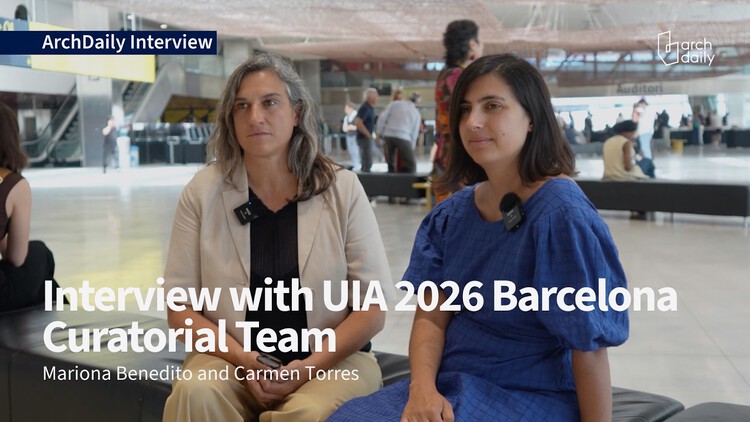
As Barcelona hosts the UIA World Congress of Architects for the second time in its history, thirty years after the 1996 edition, the city becomes a site for reflecting not only on architecture but also on the changing conditions under which it operates. Titled Becoming. Architectures for a Planet in Transition, and developed by the six-member curatorial team of Pau Bajet, Maria Giramé, Mariona Benedito, Tomeu Ramis, Pau Sarquella, and Carmen Torres, the 2026 Congress expands the discussion beyond the city toward planetary questions, addressing architecture through ecological, social, political, and material systems rather than as an isolated discipline. During the opening day of the Congress, ArchDaily spoke with Mariona Benedito and Carmen Torres, two members of the curatorial team, about how this edition revisits Barcelona's architectural legacy, why uncertainty has become central to architectural thinking, and what they hope participants will take away from the event.
https://www.archdaily.com/1148555/we-want-to-learn-something-new-in-conversation-with-the-curators-of-uia-world-congress-of-architects-barcelona-2026Reyyan Dogan
On Housing, Public Space, and Climate Resilience: In Conversation with the Winners of the 2026 UIA 2030 Award

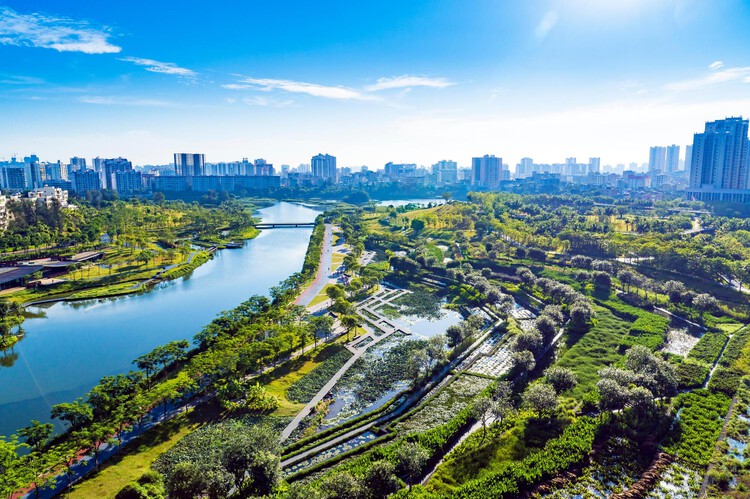
Established through a collaboration between the International Union of Architects (UIA) and UN-Habitat, the UIA 2030 Award recognizes projects that demonstrate how design can contribute to the achievement of the United Nations Sustainable Development Goals (SDGs). Announced during the 2026 World Urban Forum in Baku, Azerbaijan, the third cycle of the biennial award honored projects that address issues ranging from water management and affordable housing to participatory planning, access to public space, and climate resilience.
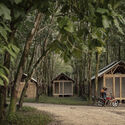
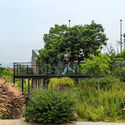
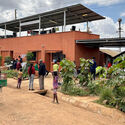
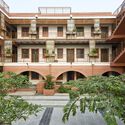
https://www.archdaily.com/1042505/on-housing-public-space-and-climate-resilience-in-conversation-with-the-winners-of-the-2026-uia-2030-awardReyyan Dogan
"My Solutions Are Not Polite:" Liam Young on Architecture in the Age of Polycrisis in Louisiana Channel Interview
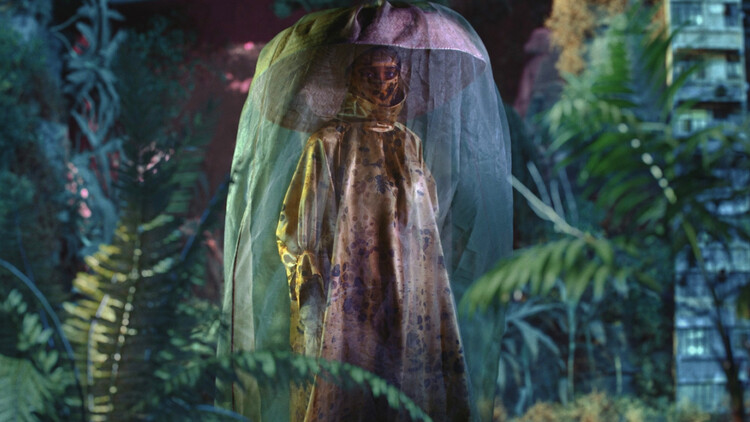
Australian artist, director, and BAFTA-nominated producer Liam Young creates imaginary worlds as a way of thinking through the futures we fear, desire, and are already making. As a creator and designer of atmospheres, he proposes speculative landscapes reflecting the possibilities of a world to come, whether ideal or truthfully unsettling. In his worldbuilding practice across the film, television, and video game industries, fiction becomes a tool for navigating the environmental urgencies of the present. He is considered a "futurist" working across design strategies, technological scenarios, and collective imaginations, grounded in his academic research yet reaching a wider audience in exhibitions such as "In Other Worlds" at the Barbican Centre in London and "Age of Nature" at the Danish Architecture Center in Copenhagen. In February 2026, he was interviewed by Marc-Christoph Wagner for Louisiana Channel, where he shares his visions of our future: from architecture consolidating as a boutique industry to the need for a new kind of planetary punk at the scale of the climate crisis.

https://www.archdaily.com/1042237/my-solutions-are-not-polite-liam-young-on-architecture-in-the-age-of-polycrisis-in-louisiana-channel-interviewAntonia Piñeiro
"A Place Remembers What Has Happened:" Tsuyoshi Tane on Memory as a Design Driver in Louisiana Channel Interview
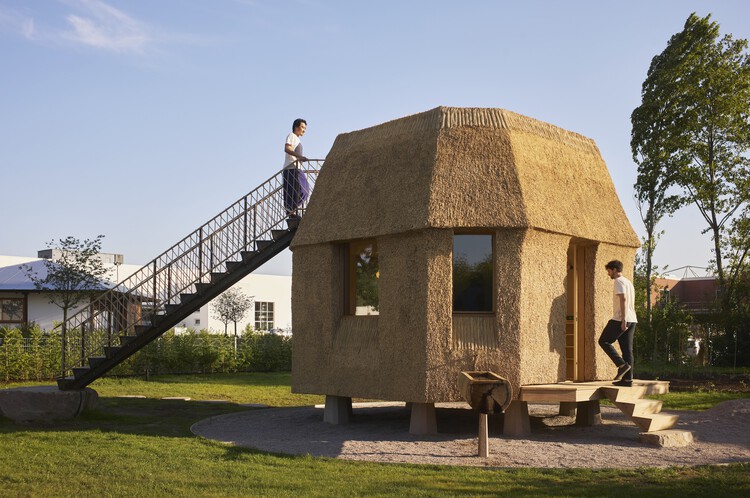
Tsuyoshi Tane is a Japanese architect born in 1979 in Tokyo and based in Paris, where he founded ATTA – Atelier Tsuyoshi Tane Architects in 2006. Working across cultural, institutional, and landscape-related projects, Tane has developed an architectural approach that positions memory as a fundamental design driver. In his interview with Louisiana Channel, filmed in his Paris studio, Tane reflects on architecture as a discipline of observation and thought, arguing that meaningful design emerges from carefully reading the traces embedded within a site. For him, architecture is not produced on a blank slate but begins with an inquiry into what already exists, physically, culturally, and emotionally, beneath the surface of a place.

https://www.archdaily.com/1038454/a-place-remembers-what-has-happened-tsuyoshi-tane-on-memory-as-a-design-driver-in-louisiana-channel-interviewReyyan Dogan
"An Environment Where People Show Knowledge": In Conversation With David Gianotten of OMA on Salone Contract
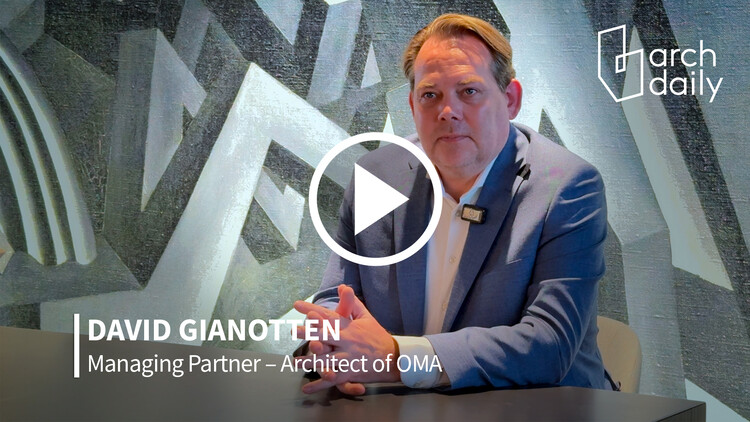
At Salone del Mobile 2026, the 64th edition of the fair unfolded at a moment of transition for the global design industry, where questions of production, collaboration, and long-term performance are reshaping established formats. Held at Rho Fiera Milano and extending across the city during Milan Design Week, this year's edition brought together over 1,900 exhibitors while introducing new curatorial and strategic layers. Among the most significant developments was the first public iteration of "Salone Contract," a long-term initiative developed through a master plan by Rem Koolhaas and David Gianotten of OMA. During the event, ArchDaily's Managing Editor Romullo Baratto and Editor-in-Chief Christele Harrouk met with David Gianotten. In the conversation, Gianotten reflected on how the project responds to broader shifts in design practice, moving from object-based production toward integrated systems and collaborative frameworks.


https://www.archdaily.com/1041179/an-environment-where-people-show-knowledge-in-conversation-with-david-gianotten-of-oma-on-salone-contractReyyan Dogan
"Beauty in Itself Is Dangerous:" Xu Tiantian on Moving Beyond Starchitecture in Louisiana Channel Interview
Xu Tiantian is the founding principal of DnA_Design and Architecture, an interdisciplinary practice that addresses both the physical and social dimensions of the contemporary living environment, across scales. Born in 1975 in Fujian, China, she received a Master of Architecture in Urban Design from the Harvard Graduate School of Design and a bachelor's degree in architecture from Tsinghua University in Beijing. Her recent work focuses on rural revitalization through a strategy she describes as "architectural acupuncture," understood as small-scale, site-specific interventions designed to activate local culture, agriculture, and tourism. These interventions, primarily concentrated in China's rural regions, have been recognized by UN-Habitat as a global model for urban–rural integration. In this interview with Louisiana Channel, she reflects on the role of the architect, questions architecture itself and the concept of beauty, explains her working methodology, and emphasizes the spatial dimension of nature.
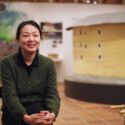

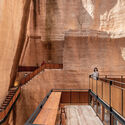
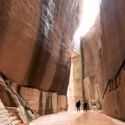
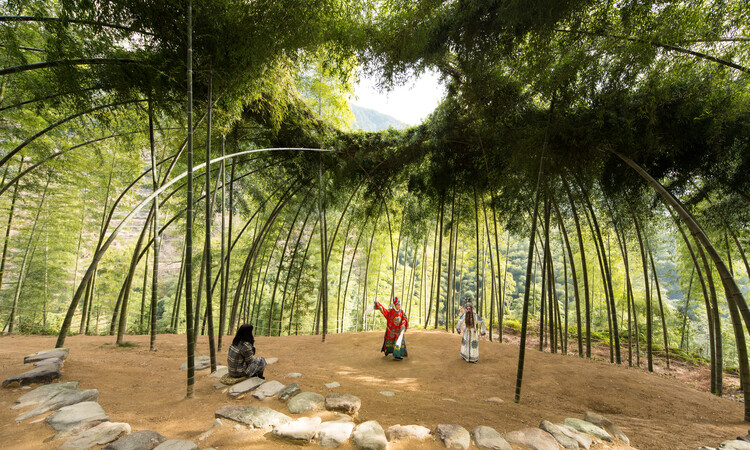
https://www.archdaily.com/1041129/beauty-in-itself-is-dangerous-xu-tiantian-on-moving-beyond-starchitecture-in-louisiana-channel-interviewAntonia Piñeiro
Serpentine Pavilion 2026 and Lina Ghotmeh’s House of Performing Arts: This Week’s Review

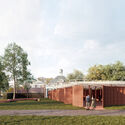
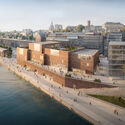
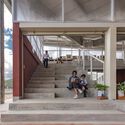
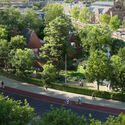
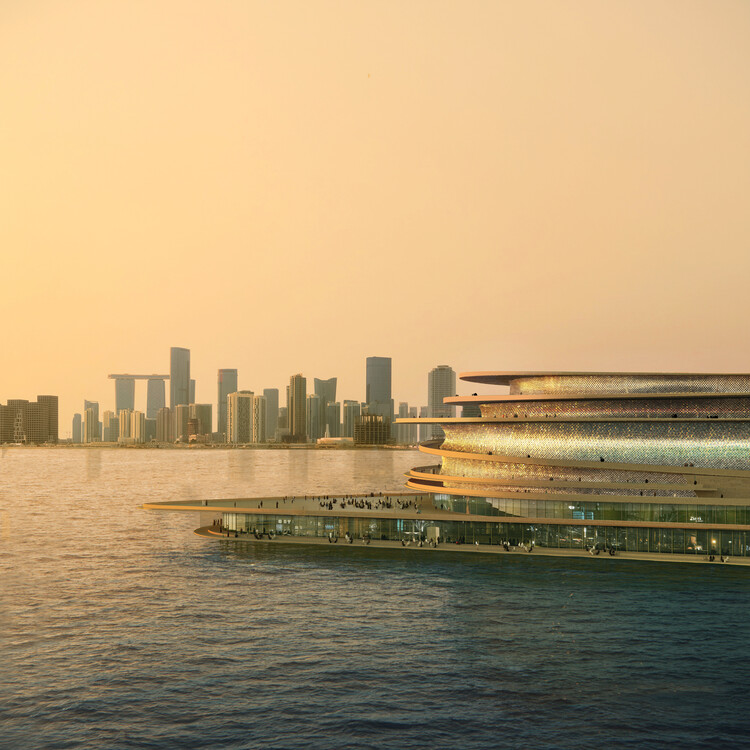
Architecture's public role emerges as a central theme across recent announcements, institutional projects, and professional programs. The selection of the 2026 Serpentine Pavilion designer foregrounds architecture as a space for public encounter and material inquiry, while major civic and cultural projects point to renewed investment in institutions that support education, exchange, and urban continuity. Alongside these developments, international award programs and policy-aligned initiatives continue to situate architecture within broader conversations on sustainability, social responsibility, and long-term impact, highlighting how design decisions at both intimate and monumental scales respond to shared environmental and civic challenges.
https://www.archdaily.com/1038078/serpentine-pavilion-2026-and-lina-ghotmehs-house-of-performing-arts-this-weeks-reviewReyyan Dogan
"Each Constraint Becomes More of an Opportunity": In Conversation With Holcim Award Winner THINK TANK architecture

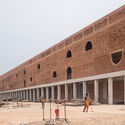
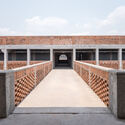
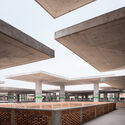
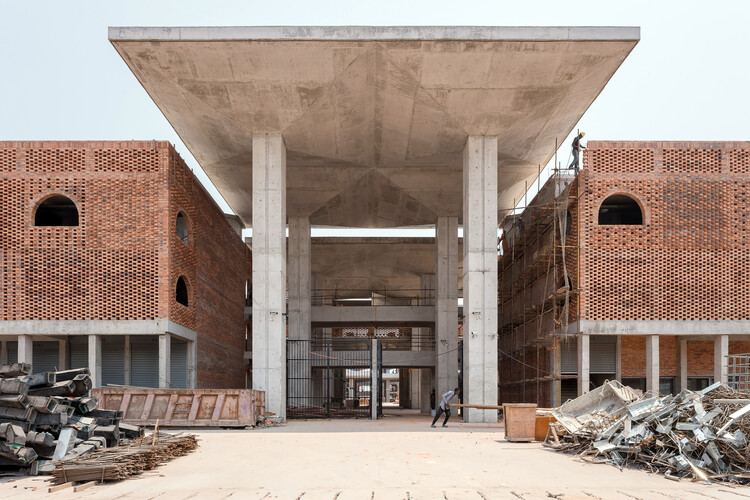
The Zando Central Market redevelopment in Kinshasa, Democratic Republic of the Congo, designed by THINK TANK architecture, has been selected among the 20 winning projects of the 2025 Holcim Foundation Awards in the Middle East and Africa region. Originally designed for 3,500 traders and now accommodating more than 20,000 vendors, the market has long operated under conditions of severe overcrowding and infrastructural strain. The project stands out for its large-scale public ambition, its reliance on locally available materials and skills, and its capacity to accommodate both formal and informal economies within a rapidly transforming urban context.
https://www.archdaily.com/1038040/each-constraint-becomes-more-of-an-opportunity-in-conversation-with-holcim-award-winner-think-tank-architectureReyyan Dogan
“Great Architecture Must Be Poetry:” Zhu Pei on Architecture as a Form of Art in Louisiana Channel Interview
Zhu Pei is a Chinese architect born in 1962 in Beijing. He studied at Tsinghua University and UC Berkeley, and founded Studio Zhu Pei in 2005. The studio's experimental work and research focus on contemporary architecture, art, and cultural projects. With an artistic and exploratory approach, it investigates the relationship between the roots that anchor architecture in specific natural and cultural contexts and the innovation that drives architecture as a form of artistic revolution. In his interview with Louisiana Channel, Zhu Pei describes architecture as an artistic discipline that, like poetry, relies on openness, imagination, and the creation of new experiences. He argues that great architecture goes beyond functional problem-solving by generating a sense of wonder through its ability to "invent" and "create some new thing, new experience," positioning architectural practice as cultural and sensory exploration rather than purely technical production.


https://www.archdaily.com/1036650/great-architecture-must-be-poetry-zhu-pei-on-architecture-as-a-form-of-art-in-louisiana-channel-interviewAntonia Piñeiro
EU Mies Awards Shortlist and MVRDV’s Fluid Facade in Beijing: This Week’s Review

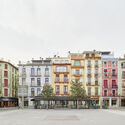
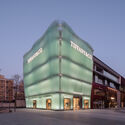
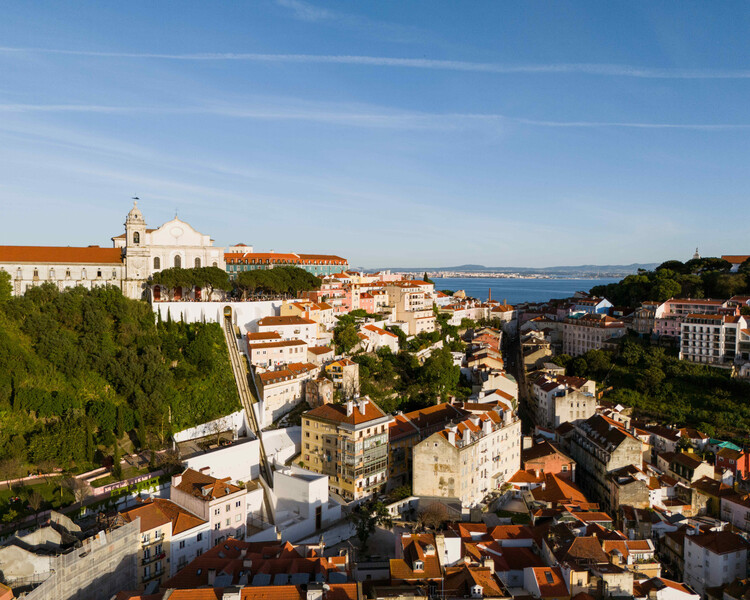
Spanning multiple geographies and scales, this week's architecture news reflects ongoing discussions around long-term planning, institutional frameworks, and the public role of architecture. National-scale urban initiatives and large civic developments point to how planning and infrastructure are being used to reorganize cities and territorial systems, while parallel attention to stadiums, cultural facilities, and mixed-use projects highlights the expanding civic ambitions of large-scale architecture. Alongside these, interviews and heritage-focused projects foreground participatory practices and the careful reuse of existing structures, highlighting architecture's capacity to operate within complex social and political conditions. Recognition platforms and professional programs further situate these practices within a broader architectural discourse, offering insight into how contemporary work is evaluated and shared across regions.
https://www.archdaily.com/1037858/eu-mies-awards-shortlist-and-mvrdvs-fluid-facade-in-beijing-this-week-in-architectureReyyan Dogan
Rethinking Museums: A Conversation with Béatrice Grenier on Architecture as Cultural Policy

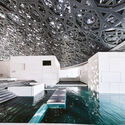
The opening of the new Fondation Cartier pour l'Art Contemporain in Paris last October sparked renewed questions around the role, form, and future of museums. As cultural institutions continue to proliferate worldwide in this digital era, the museum itself appears increasingly in need of redefinition. Rather than offering a single model or solution, Architecture for Culture: Rethinking Museums, written by architectural historian and curator Béatrice Grenier, argues for a more contextual and plural understanding of what a museum can be: an institution shaped by its environment, its public, and the specific cultural questions it seeks to address.
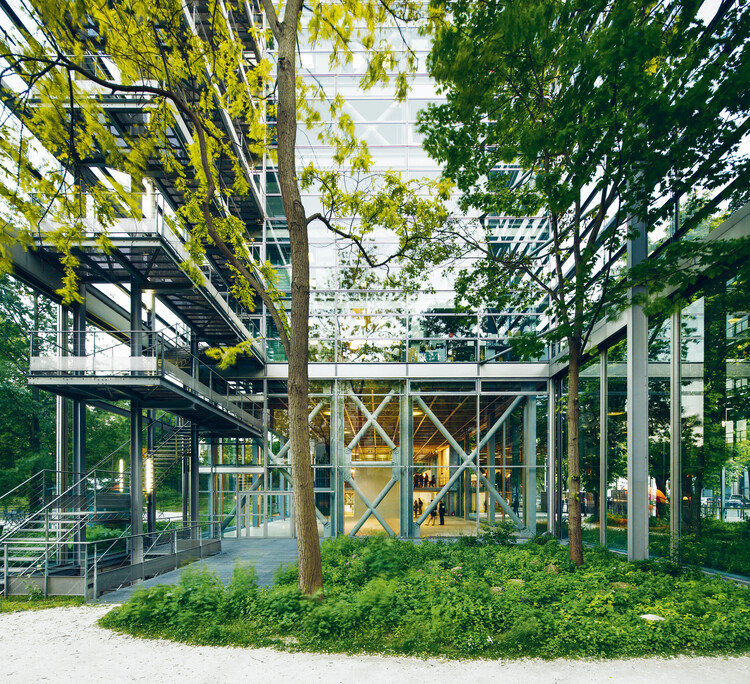
ArchDaily had the opportunity to discuss these ideas with the author against the backdrop of the Fondation Cartier's newly inaugurated home on Rue de Rivoli. Housed within a restored Haussmannian building that once accommodated the Grands Magasins du Louvre, the space has been radically reimagined by Jean Nouvel as a dynamic, transformable architecture.


https://www.archdaily.com/1037473/rethinking-museums-a-conversation-with-beatrice-grenier-on-architecture-as-cultural-policyChristele Harrouk