

Zhu Pei is a Chinese architect born in 1962 in Beijing. He studied at Tsinghua University and UC Berkeley, and founded Studio Zhu Pei in 2005. The studio's experimental work and research focus on contemporary architecture, art, and cultural projects. With an artistic and exploratory approach, it investigates the relationship between the roots that anchor architecture in specific natural and cultural contexts and the innovation that drives architecture as a form of artistic revolution. In his interview with Louisiana Channel, Zhu Pei describes architecture as an artistic discipline that, like poetry, relies on openness, imagination, and the creation of new experiences. He argues that great architecture goes beyond functional problem-solving by generating a sense of wonder through its ability to "invent" and "create some new thing, new experience," positioning architectural practice as cultural and sensory exploration rather than purely technical production.


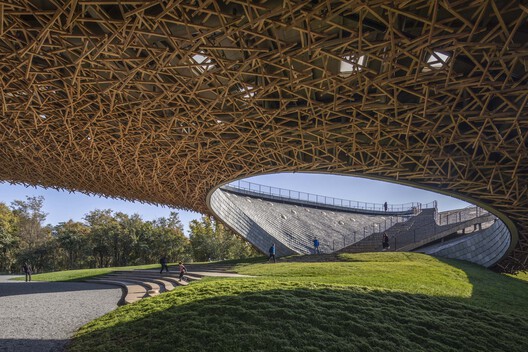
My philosophy really wants people to understand, so building architecture should not only be looking to the future, looking to the technology future, but actually in the tradition, knowing they have the contemporary things behind. We have to really understand, you know, for my point of view, not only understand the nature of past things, we need understand the present nature of the past things. I think once you make this connection, first of all, your building must be smart, and also you feel somehow connected with local people, local life. You don't feel this building weird.
Alongside Zhu Pei's experimental practice and teaching, the studio has developed its own architectural philosophy, the Architecture of Nature. This approach not only embraces the poetics of construction culture but also responds to the challenges of global climate change and the rupture of regional traditions. In the interview, the architect emphasizes reading landscapes, local building traditions, and everyday patterns of living as sources of knowledge that reveal "something behind the thing… more cultural," including climatic and geographical intelligence embedded in vernacular construction. This perspective leads him to value what he calls the "present nature of the past," insisting that contemporary architecture cannot be meaningful or sustainable without learning from historical continuity. In his view, historical examples, from ancient desert dwellings to traditional Chinese towns, demonstrate resourceful, climate-responsive strategies that remain relevant today.
Related Article
Towards a Sustainable Future: Local Materials and Methods in Contemporary Chinese Architecture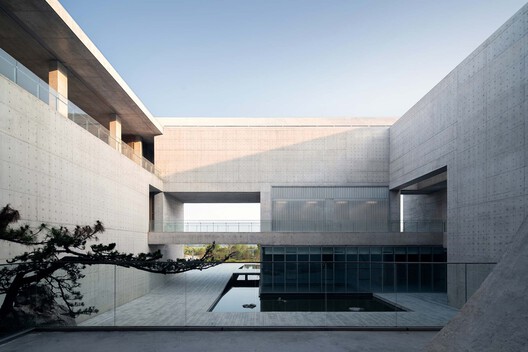
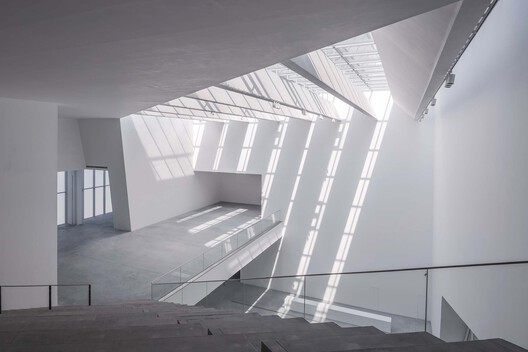
He also critiques aspects of current architectural production, arguing that contemporary trends often prioritize generic simplicity paired with unnecessary construction complexity, resulting in waste and a loss of cultural specificity. For him, true architectural richness emerges from simple means thoughtfully deployed. This principle is meant to be illustrated by his projects, which appear complex but rely on straightforward construction systems. He advocates for architecture that maintains a dialogue with nature rather than insulating itself from it, integrating technology only when it reinforces ecological and cultural continuity. Ultimately, the architect frames the future of the discipline as a synthesis of tradition, environmental understanding, and technological tools, creating forms that are locally grounded and artistically compelling.
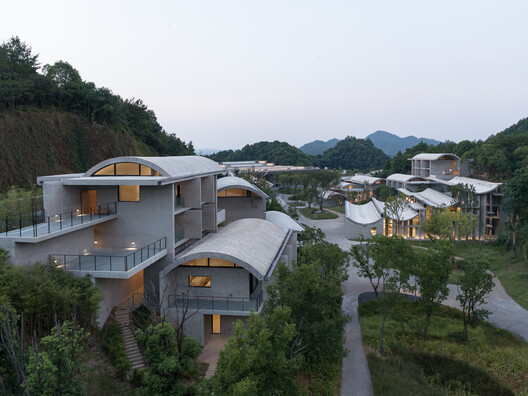
Actually, the specialty doesn't mean we cost more. No, a lot of great architecture, actually, less effort, but you feel so rich. Maybe the good example is my Kiln museum. You feel each curvature, each vault, difference, even the single vaults, they have a different curvature, but I really use just one simple adjustable scaffolding to carry out the whole thing. It feels so complicated in general… almost like a piece of art, but it's actually based on a very simple construction system. I think today the tension should be in creating rich things, but the need based on the simple way to achieve.
Some of Studio Zhu Pei's recent works include the Zijing International Conference Camp (2022), the Zibo OCT Art Center (2020), and the CUBE Art Museum at 798 (2020). Other recent Louisiana Channel interviews in the field of architecture include Japanese architect Riken Yamamoto on the social role of architecture, emphasizing the inseparable bond between housing and context, and the need to create spaces that foster visible, meaningful relationships; and North-American architect Jenny E. Sabin on how the connections between the digital, the physical, and the biological define a paradigm shift in the evolution of architecture, converging with other realms of experience to shape a more interconnected future. During the closing week of the Venice Architecture Biennale, Louisiana Channel also launched a new film titled Søren Pihlmann: Make Materials Matter, offering a glimpse into the work and thinking of the founding architect of Pihlmann Architects and presenting his vision of Danish architecture, the practice of building, and, in particular, his sensitivity to materials.

