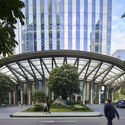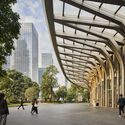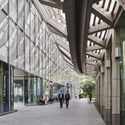





-
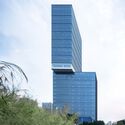
Architects: AECOM, Architectural Design & Research Institute of SCUT, Guangzhou Landscape Architectural Design & Research Institute
-
Professionals: Guangzhou Pubang Landscape Architecture Co., Ltd
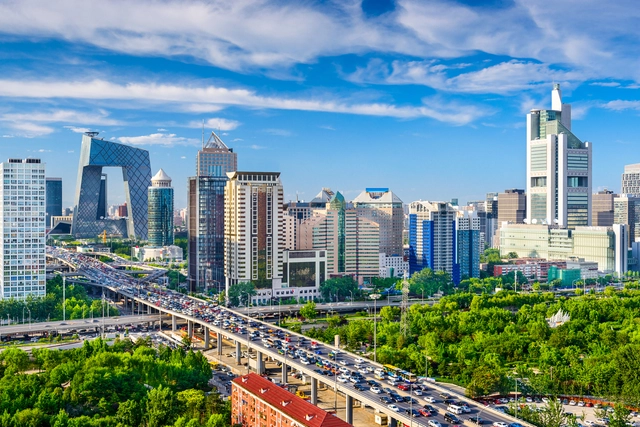
Every year, World Population Day is observed on July 11th, aiming to increase people's awareness of various population issues, such as the importance of urbanization, gender equality, poverty, health, and human rights. In 2025, under the theme "Empowering Youth to Build the Families They Want," the United Nations draws attention to the largest generation of young people in history, many of whom are coming of age in rapidly urbanizing contexts. Urban centers remain key to understanding these demographic patterns, as cities continue to attract populations seeking opportunity, stability, and access to essential services. Today, more than half of the global population resides in urban areas, a share projected to increase to 66% by 2050.
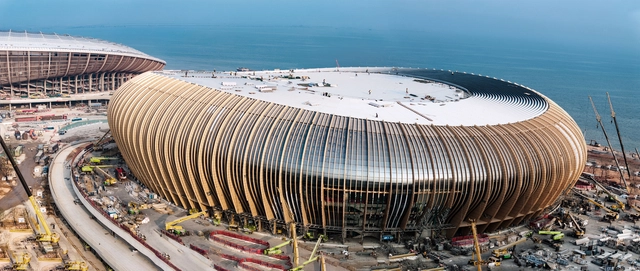
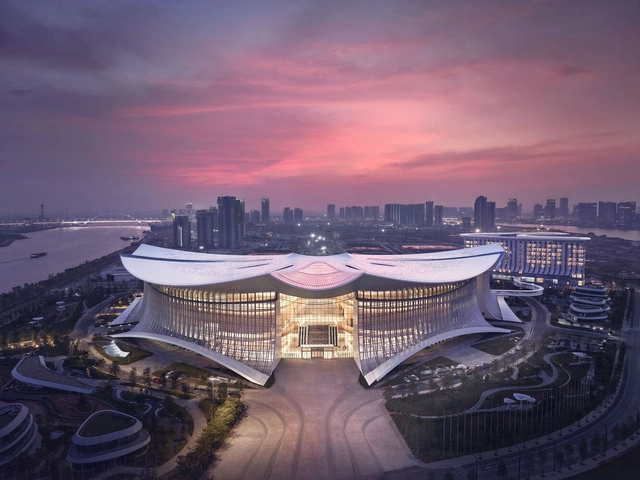
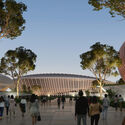
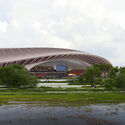
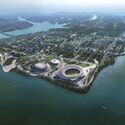
Designed by Zaha Hadid Architects in collaboration with the Guangdong Architectural Design & Research Institute, the Greater Bay Area Sports Centre in Nansha, China, is approaching completion. Construction began in August 2023, with the main structures of the stadium and arena topping out in February 2024. Roofing and curtain wall installations were finalized in February 2025, and the project has now entered its final phase of interior finishing and landscaping. The center is set for handover in June 2025, ahead of its role as a key venue for the China National Games in November.


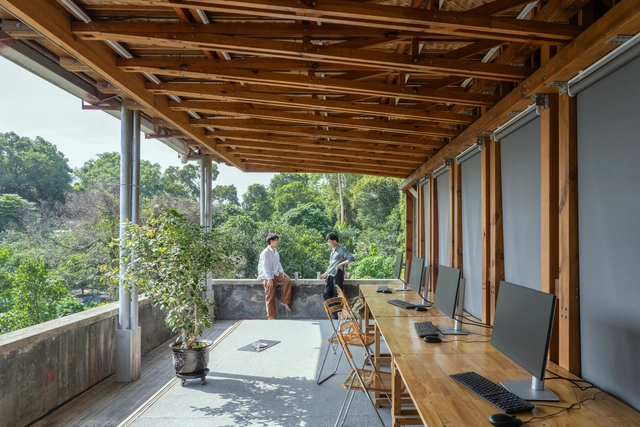
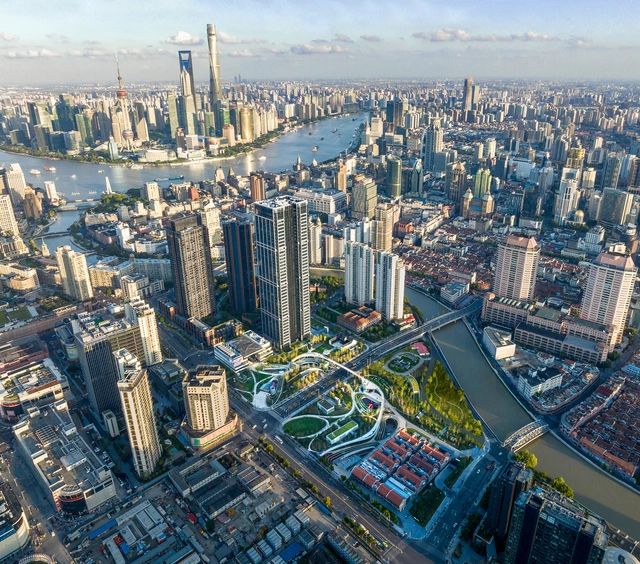
More than half of the world's population resides in urban areas, with over 4 billion people depending on cities as their main environment. According to the United Nations’ latest report on populations in cities, this number is expected to continue to increase over the next 50 years, prompting cities worldwide to strive to find better ways to accommodate their growing population while transitioning to more sustainable urban practices. To highlight this responsibility, the United Nations has declared July 11th the World Population Day.
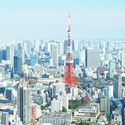
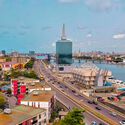
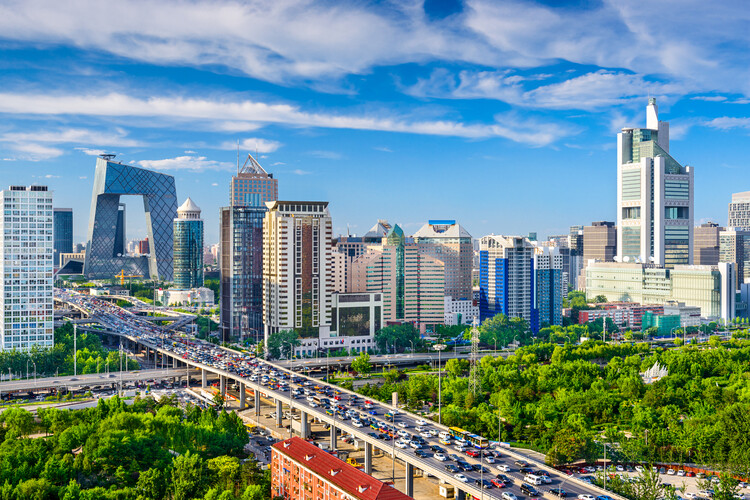
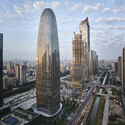
Under this year’s theme, “To Leave No One Behind, Count Everyone,” the UN aims to also draw attention to the importance of data collection for reflecting societal diversity. The growth of world cities is part of this equation as an important measure for understanding global population trends. The following list presents the top 20 cities worldwide in 2024, ranked by the population size of their metropolitan areas. Comparing the results to the previous editions, the only cities to reduce their size are the two cities from Japan, Tokyo and Osaka. The highest growth rates can be observed in African mega-cities, Kinshasa and Lagos, while China continues to be the most present country in the list, with 5 metropolises present in the top 20: Shanghai, Beijing, Chongqing, Tianjin, and Guangzhou.