In this episode, Arquicast pays tribute to Ruy Ohtake, an internationally renowned São Paulo architect with an impressive portfolio of built projects and the mind behind some of the most iconic buildings in the city of São Paulo. Ruy passed away in November 2021 at the age of 83. To help us trace the life and professional trajectory of this son of Japanese immigrants, we invited three prominent figures—leading authorities on Ohtake's work, his context within the history of Brazilian architecture, and the distinctive traits of his striking personality. Joining the conversation are architects Abílio Guerra, Renato Anelli, and Rodrigo Queiroz.
Climate change, rising fuel prices, the financial crisis, the importance of physical activity, and traffic congestion in large urban centers are among the reasons driving people to rethink their daily habits and monthly expenses—with transportation representing a significant portion of these costs.
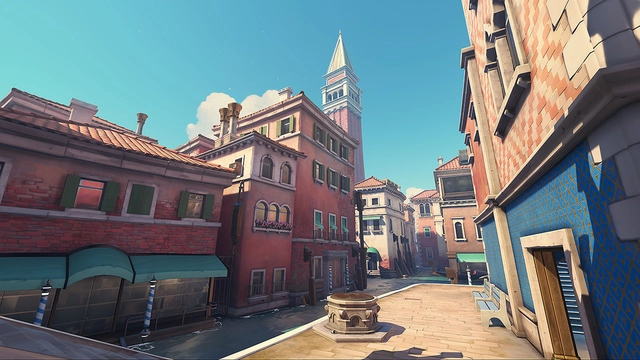
Video games and virtual worlds are jam-packed with imaginative environments to explore, time periods to peruse, and invented architectural styles to thumb through within every reality we choose to engross ourselves into. With recent advancements in technology, greater than ever are we witnessing the latest PC and console generations harboring the ability to produce life-like settings for players to roam around, get lost, and explore all the nuances the seemingly authentic reality holds.
On Route 104, km 4.5 in Manantiales, Uruguay, stands the new Atchugarry Museum of Contemporary Art (MACA), located on the grounds of the Pablo Atchugarry Foundation. Open to the general public, the building designed by architect Carlos Ott aims to promote the development of national artists while placing Uruguay on the map of major international exhibitions.
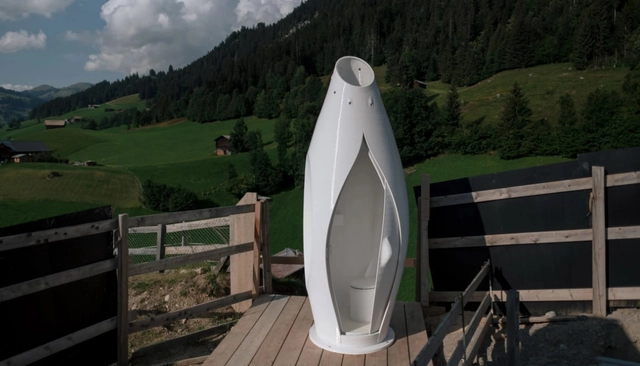
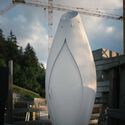
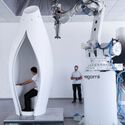
Spanish studio Nagami used discarded medical equipment to create a portable toilet. The plastic material was melted down for 3D printing. On a large scale, the project could provide an alternative for deploying public toilets wherever needed.
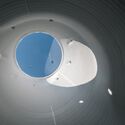
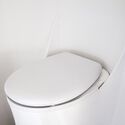
The toilet took only three days to complete. The structure consists of three main parts: the oval-shaped body, a sliding door, and the toilet bowl. Beyond the technology, the project's design is noteworthy. Unlike conventional chemical toilets, this one is “aesthetically pleasing.”
Videos
Catie Newell by Alibi Studio. Image Courtesy of Stewart Hicks
Buildings are like bodies with organs. When this is the case, with a little extra effort, buildings can be dismantled instead of demolishing them. Dismantling involves carefully removing salvageable components, storing them, and finding them new homes. While this solution is not always possible, it can be part of a sustainable effort that — in addition to keeping material out of landfills — preserves the history and memory embedded within unique materials and fragments. It also honors the human labor invested in our environment. This video explores the reuse of building materials and what it means to be surrounded by fragments with history. It also profiles institutions dedicated to the dismantling and dissemination of building materials, as well as artistic practices that reconfigure our existing built environment including Noah Purifoy and Catie Newell of Alibi Studio.
Another year draws to a close, and with it comes another list reviewing the most memorable moments of the last twelve months. This time, we analyze the photos that garnered the highest engagement (likes, comments, shares, and saves) on ArchDaily Brasil's Instagram.
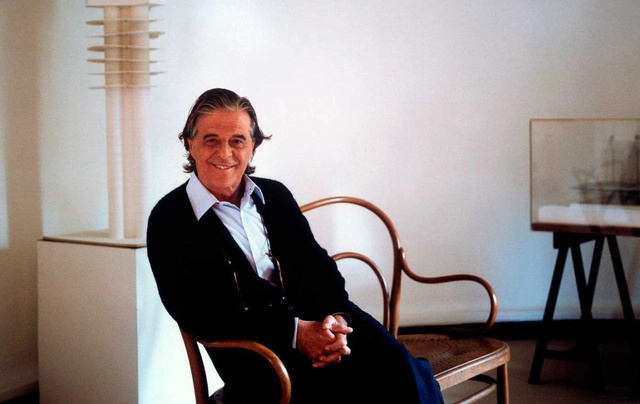
Ricardo Bofill, the Spanish architect founder of Taller de Arquitectura (RBTA), designer of the iconic Walden 7 and more than 1,000 projects in forty countries, has passed away at 82 in Barcelona on Friday, January 14, as officially announced by his own firm through a statement.
With its quantifiable objectives and measurable performance, sustainability often passes as a technological challenge. Its primary language is that of data, equipment, and engineered systems, most often translated into a hyper-technologized layer hidden within a design upholding pre-existing aesthetic norms. As architecture is the image of society at one moment in time, how does the focus on sustainability translate into architectural language, further legitimatizing the efforts to establish an equitable relationship with the environment? Architecture serves as an expression of attitudes, and since sustainability has become a fundamental value, it is worth looking at whether or not it has produced an aesthetic transformation.
Technology manufacturer 2N is diversifying its range of products by offering A&E, BIM technology, and other strategies for architects and designers.
2N is a Prague-based company engaged in the development and manufacturing of products in the field of IP intercoms and access control systems. According to an IHS report in 2016, 2N is the largest global manufacturer of IP intercoms, and a major innovator in the field of IP access systems, IP audio, and IP lift communicators. The company was established in 1991 in the Czech Republic, where its headquarters remain to this day.
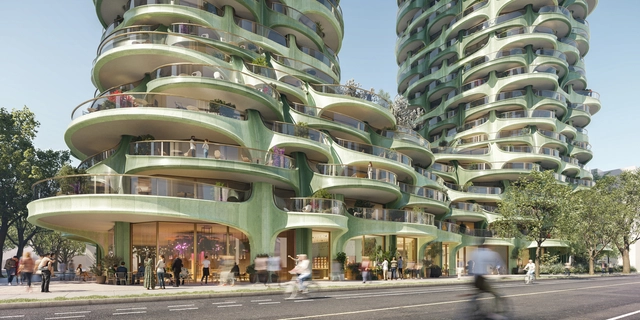
Heatherwick Studio has unveiled an entirely new update for its 1700 Alberni Towers residential project in Vancouver, British Columbia. The new design features extended outdoor living areas with soaring views of the surrounding built environment and landscape, inspired by the province's strong connection with the wilderness, as well as the use of long-lasting, local materials.
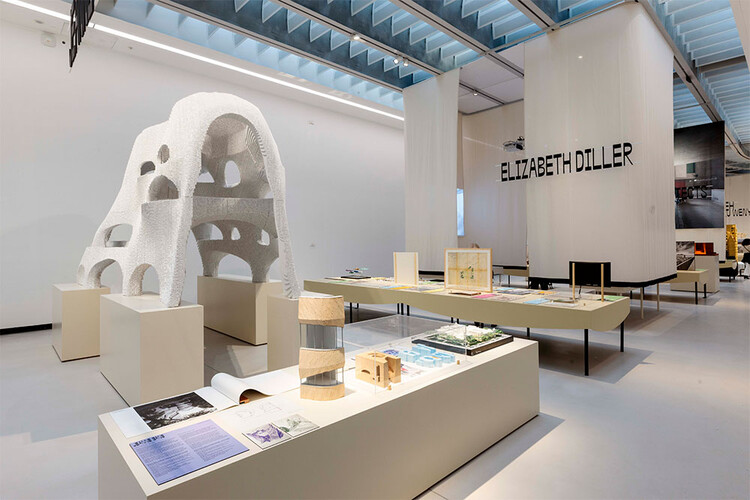
MAXXI Museum celebrates women in architecture in a new exhibition that documents the transformative role of female architects in the profession's evolution over the last century. Curated by Pippo Ciorra, Elena Motisi, Elena Tinacci, and with exhibition design by Matilde Cassani, Good News. Women in Architecture weaves together in four thematic sections the history of women in architecture, with the work of contemporary practitioners and the voices of young collectives, telling the stories of over eighty female architects.
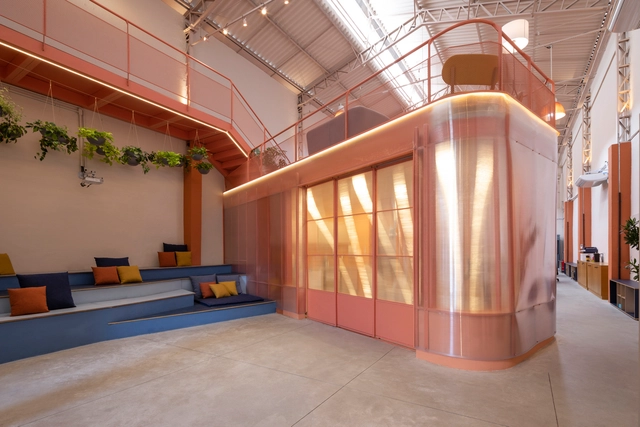
Unusual materials, vibrant colors and daring compositions are some adjectives that can be applied when talking about Superlimão's work. It all started in 2002 when Antonio Carlos Figueira de Mello, Lula Gouveia, Thiago Rodrigues and former partner Sergio Cabral founded the firm, naming it in honor of the Super Lemon candy – “sour at the beginning and sweet at the end”. Since then, this hint of humor - present even in the name itself - permeates all of the team's creations, hinting at new experiences and arousing curiosity as well as the taste of the candy.
The London Festival of Architecture (LFA), the world’s largest annual architecture festival is returning for its 13th edition this summer, transforming the city's neighborhoods into a public display of installations, exhibitions, talks, and special events. Following two years of digitalized editions, this year's LFA falls under the theme of ‘act’, and will see a return of physical events alongside digital realms across the capital.
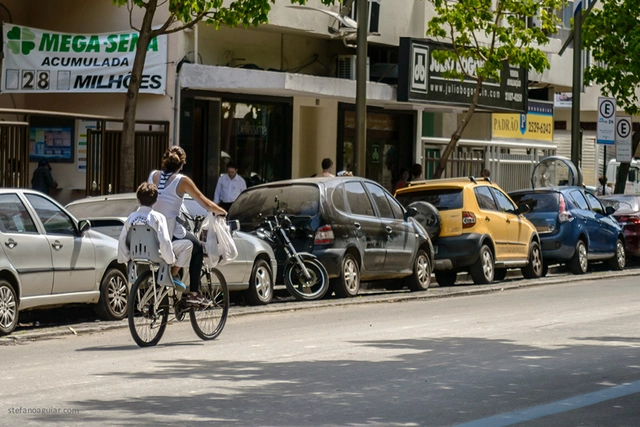
Parking lot in the city of Rio de Janeiro. Image: ITDP
Over the decades, the evolution of urban mobility has directly impacted not only the quality of travel but also the quality of life of everyone living in urban areas—especially those who are socioeconomically vulnerable. In the search for alternatives that can make travel more comfortable, safe, and efficient, managing automobile use combined with improving access to public transit, walking, and cycling is essential. But how does the supply of car parking spaces negatively affect mobility?
https://www.archdaily.com/1131990/how-parking-affects-urban-mobilityITDP Brasil
When we started ArchDaily 14 years ago, we wanted to represent it through the archetypal image of a building, in an isometric view, blue color. After a quick sketch, we had the first version of our logo, which iterated throughout the years, adapted to diverse applications from wooden trophies to stickers, becoming a staple brand among architects.
As we continue into a new era, that started in 2020 together with Architonic and that continues today with the announcement of our new group DAAily Platforms, we thought it was time for an upgrade and we started to explore what we want to represent as a symbol, connected with our mission and views about architecture.
New Orleans was designed by its early settlers in 1721 as a Cartesian grid. You know it as the famous French Quarter or Vieux Carré. Such grids are named for the Cartesian coordinate system we learned to use in algebra or geometry class, perpendicular X and Y axes, used to measure units of distance on a plane. The invention of René Descartes (1596–1650), these grids reflect his rationalism, the view that reason, not embodied or empirical experience, is the only source and certain test of knowledge. William Penn used a similar grid in 1682 in selling Philadelphia as an urban paradise where industry would thrive in the newly settled wilderness. And just as the massive buildings of Italian Rationalist (i.e., Fascist) architecture express authoritarian control, so, too, Cartesian grids implicitly say: Someone is in charge here. We’ve got this. Trust us.
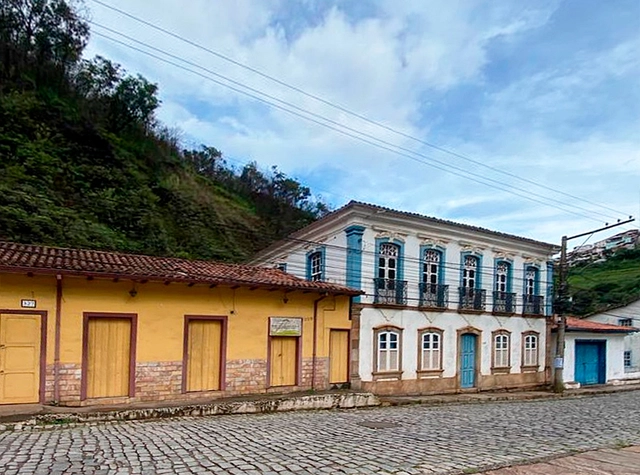
A landslide on the Morro da Forca hill struck two historic mansions in the historical center of Ouro Preto, Minas Gerais, this morning, completely destroying them. The buildings were listed by the National Institute of Historic and Artistic Heritage (Iphan). Minutes before the tragedy, the area had been evacuated, and there were no casualties.
When we decided to join Architonic, we saw a big opportunity to combine our expertise on curating projects and products, enriching the quality of the content we deliver to millions of professionals and enthusiasts around the world, with one vision: to help everybody who is part of architecture to do a better job, having a positive impact in our environment.
As complementary platforms we look at this big challenge from each one's lenses: project inspiration, materials knowledge, product research and specification.
With the increase of extreme weather events due to climate change, sustainable architecture is only becoming more important. After all, to mitigate the impact of climate change, the International Energy Agency has recommended that industries aim for a net-zero energy system. For the construction sector, that means working to mitigate 11.4 Gt of CO2 emissions.
To help, architects should ensure their specifications are sustainable. External membranes, for instance, are often a go-to waterproofing method, but they come with many risks, including the tendency to fail frequently, and they are not environmentally friendly. In short, a better alternative is necessary.
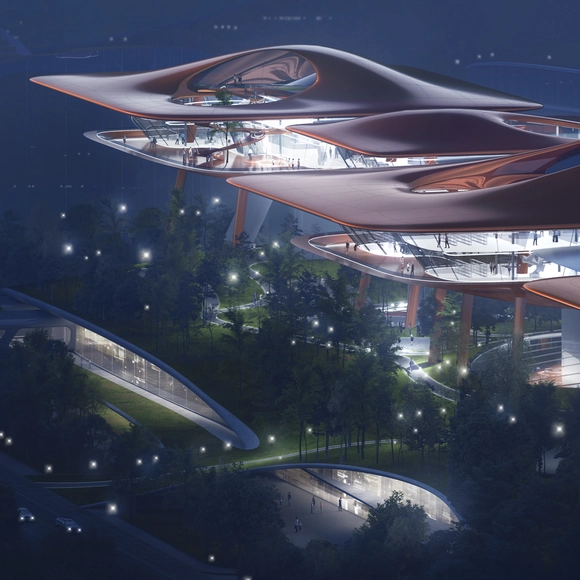
Led by Ma Yansong, MAD Architects and the China Academy of Building Research (CASR) have won an international competition to design the Cuntan International Cruise Center in Chongqing, China. Currently a cargo terminal, Gantry Crane will become a 65,000 sqm international cruise terminal and city complex, featuring a 15,000 sqm cruise port and over 50,000 sqm of commercial spaces.
The Barbican Centre is up for a substantial renovation, and the City of London Corporation revealed the five shortlisted teams for the refurbishment of the Brutalist icon, among which are practices like BIG, Diller Scofidio + Renfro, Adjaye Associates or Asif Khan Studio. The cultural venue at the heart of the eponymous post-war housing estate in central London was the subject of an international competition aiming to preserve its heritage while upgrading the ageing structure to contemporary requirements and artistic aspirations.
Emerged in a period marked by the development of the industry and the experimentation of new materials, the Art Nouveau artistic movement was opposed to historicism, favoring originality and a return to handicrafts. In this context, it is portrayed as an attempt at dialogue between art and industry, revaluing beauty and making it available to everyone through series production.
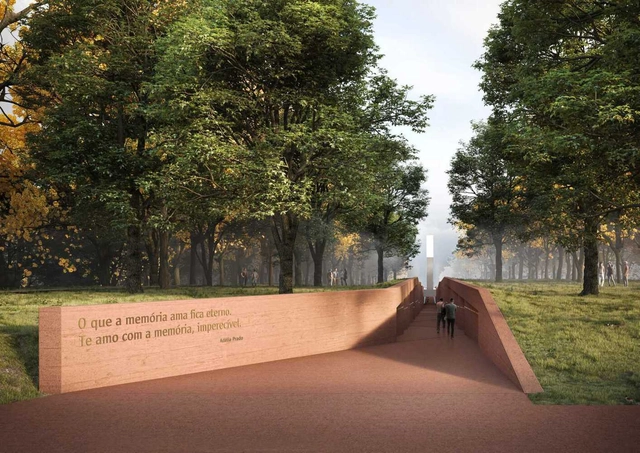
The Brumadinho Memorial, designed by the firm GPA&A and led by architect Gustavo Penna, is already under construction. Designed to honor the victims of the dam collapse on January 25, 2019, the project involved the entire local community to create a space of belonging, identity, and collective interest.
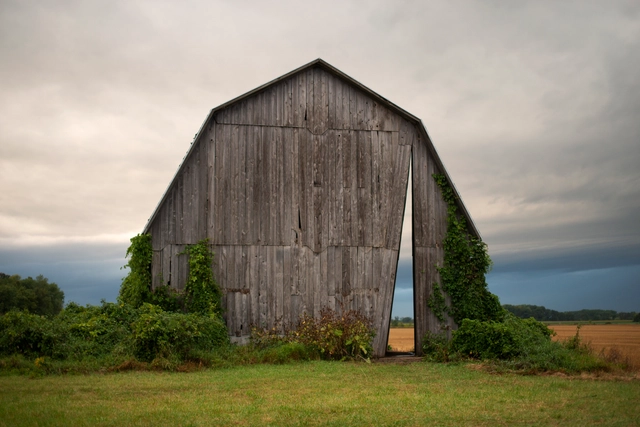
Construction is underway, and earthmoving works have already been completed. The memorial is scheduled to open in January 2023.






.jpg?1642168917 "La Muralla Roja / Ricardo Bofill. Image Courtesy of Ricardo Bofill")
.jpg?1642169030 "The Factory . Image Courtesy of Ricardo Bofill")















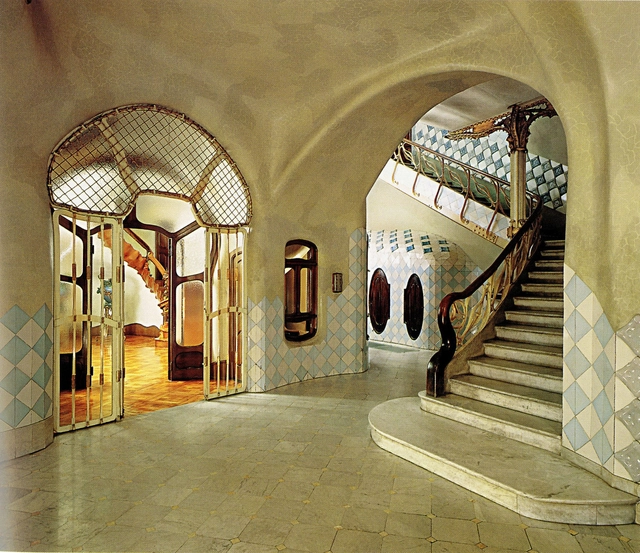
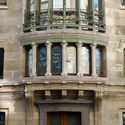

.jpg?1639596820 "Escadaria Victor Horta. Via Victor Horta The Architect of Art Nouveau by David Dernie and Alistair Carew-Cox")