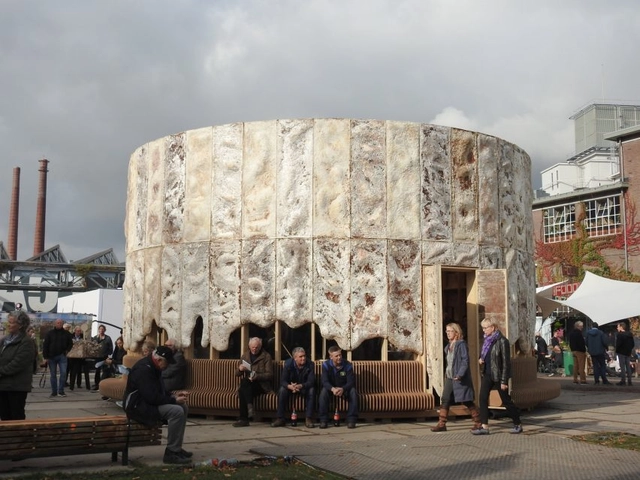
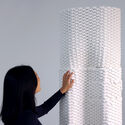
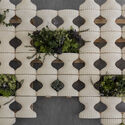
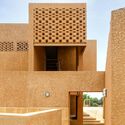
Innovative materials play a crucial role in shaping the future of architecture. They offer not only novel ways to craft buildings but also sustainable and efficient solutions to address pressing environmental challenges. Architects and designers are now more than ever exploring and integrating innovative materials into their projects. By harnessing the unique properties of these materials, they create structures with new visual languages while also being environmentally friendly.
As part of our year-in-review, we reflect on the innovative materials that were featured. These materials delved into the concepts of recycling agro-waste, adapting bio-based products, transforming local materials, and decarbonizing concrete. The objective was not only to offer alternatives to traditional construction practices but also to help reduce carbon emissions and promote a more sustainable built environment. In this dynamic field, these materials demonstrate the potential to revolutionize building design and construction in diverse contexts, paving the way for a more sustainable and resilient future.
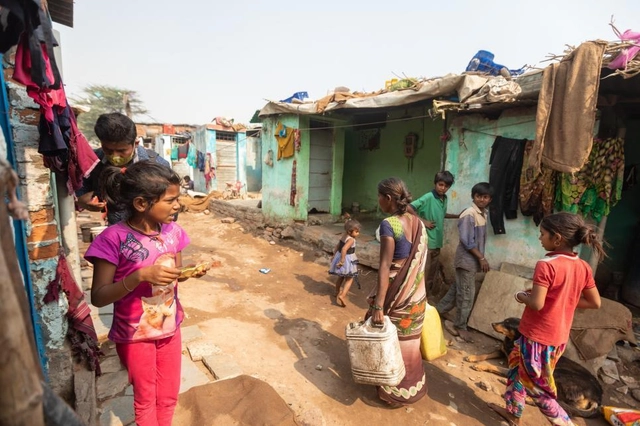
In 2013, Ahmedabad launched the first Heat Action Plan among South Asian cities, but it faces increasingly high temperatures and has little data to support local policies. Photo: WRI
2023 broke temperature records worldwide. People across different regions of the planet are already facing historic heatwaves, wildfires, and droughts with just 1.1°C of warming above pre-industrial levels. Under current policies, which put the world on track for a warming scenario of 2.5°C to 2.9°C by 2100, the stifling heat felt this year is just a small taste of the future ahead.
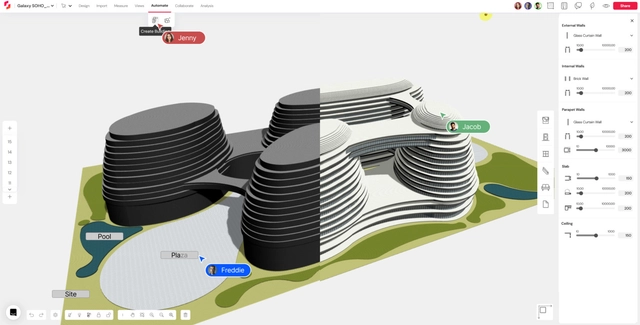
Transforming a conceptual massing model to BIM with Snaptrude’s automated workflows. Image Courtesy of Snaptrude
In the ever-changing world of design and construction, the tools at architects’ disposal have remained the same for decades. With its ability to deeply understand how architects design, Snaptrude has emerged as a collaborative 3D building design tool that incorporates smart, parametric modeling, live building information, easy real-time collaboration, and offers strong interoperability with other BIM tools like Revit.
By analyzing its wide variety of features, we showcase how Snaptrude empowers the design process to operate faster, smarter, and more collaboratively.
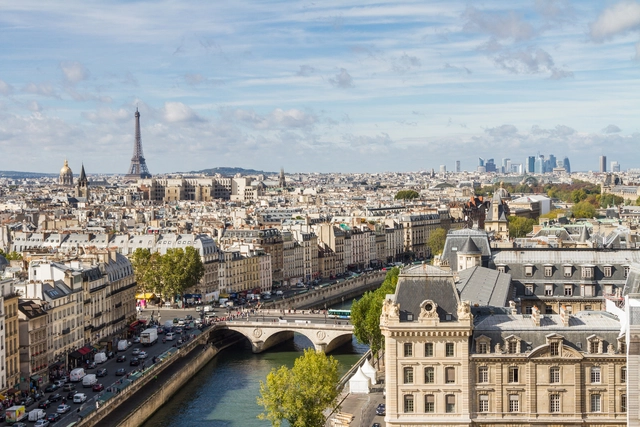
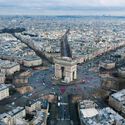
Paris MayorAnne Hidalgo has been awarded the 2023 ULI Prize for Visionaries in Urban Development, one of the most respected honors in global land use and community development. The honor comes in recognition of Mayor Hidalgo’s vision for a more inclusive and sustainable Paris and the global impact of her policies. Hidalgo, the first female Mayor of Paris, is credited with advancing ambitious policies that have reduced Paris’ carbon emissions by 40% in ten years and have increased the percentage of affordable housing. Hidalgo has also been named among Time magazine’s 100 Most Influential People in 2020.
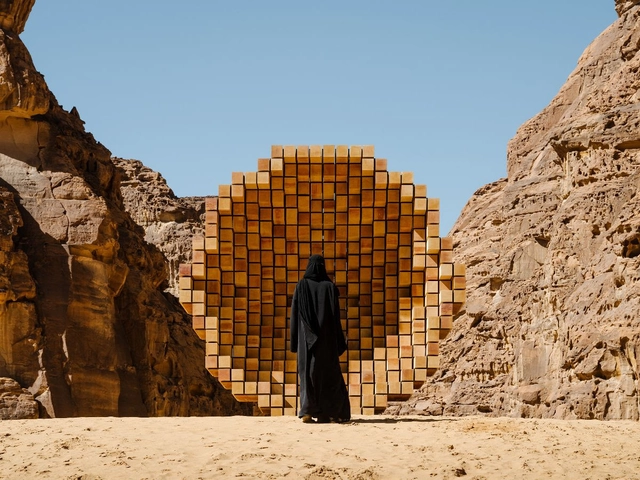
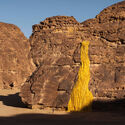
Dana Awartani, Where The Dwellers Lay, Desert X AlUla 2022, photo by Lance Gerber,. Image Courtesy of Royal Commission of AlUla
Desert XAlUla has just announced its return in 2024 in the Saudi Arabian Peninsula. Marking the significant highlight of the AlUla Arts Festival, Desert X AlUla is a transient, site-responsive, and inclusive open-air art exhibit that takes place bi-yearly in the desert region of the country. Launching on February 9th and continuing until March 23rd, 2024, this edition is curated by Maya El Khalil, renowned for her art advisory and MENA-focused curation, and Marcello Dantas, an award-winning curator known for his interdisciplinary practices.
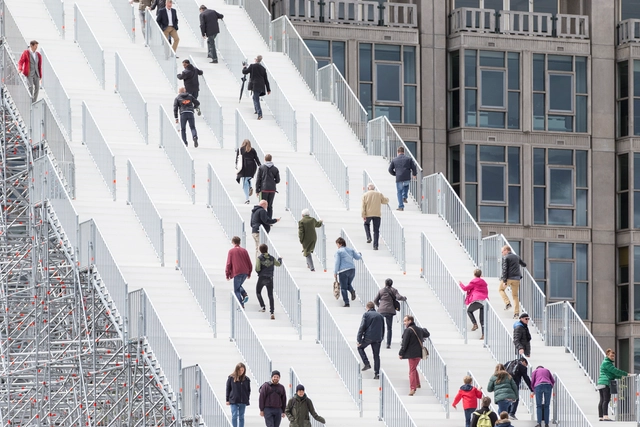
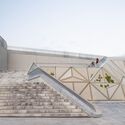
Staircases facilitate transit and movement within cities, influencing how communities interact and navigate their urban surroundings. Despite often going unnoticed within the cityscape, these staircases are significant witnesses to history. Beyond their architectural function, they are essential connectors, providing spaces where the pulse of urban life unfolds. Amidst buildings, hills, slopes, and bustling streets, staircases emerge as dynamic stages for movements, encounters, and disconnections, intertwining with the narratives embedded in each step.
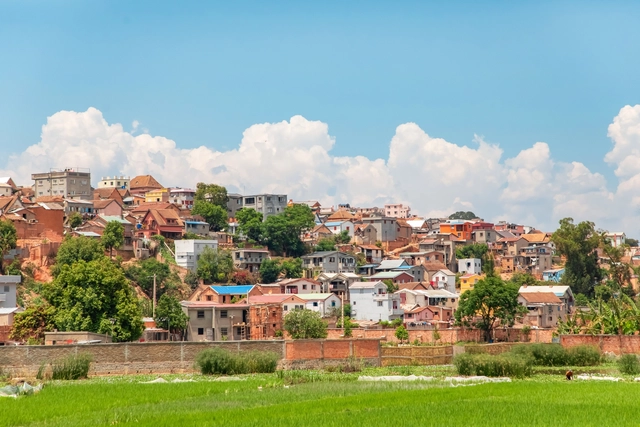
Madagascar is an island nation off the southeast coast of Africa that, despite its lush vegetation and unique flora and fauna, grapples with formidable environmental challenges, from rising sea levels to the excessive exploitation of natural resources. Joan Razafimaharo is an architect deeply involved in sustainability, climate change, and adaptation efforts in Madagascar and the broader Indian Ocean region. Razafimaharo is also one of only about sixty architects in the country, serving a population of 28 million.
Recently I spoke to her about environmental activism in the face of climate change, curbing the exploitation of natural resources, the role of architects in resource-scarce societies, and empowering women in isolated areas. The interview, originally conducted in French, has been translated and edited for length and clarity.
https://www.archdaily.com/1011140/how-madagascar-is-confronting-climate-changeMathias Agbo, Jr.
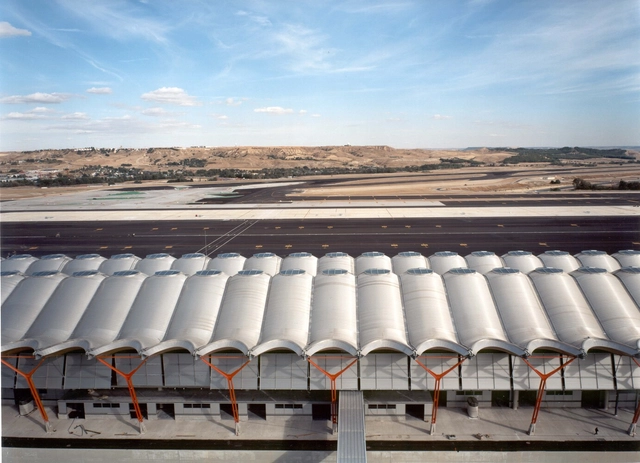
Estudio Lamela and Rogers Stirk Harbour + Partners (RSHP), alongside AYESA Ingeniería, will design the expansion project for terminals T4 and T4S at Adolfo Suárez Madrid-Barajas Airport. In addition to the terminal expansions, the project includes commercial areas, related equipment and furniture, as well as aircraft parking aprons.
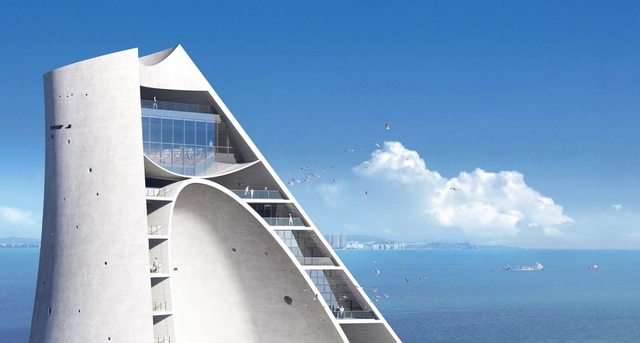
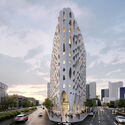
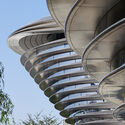
Sun Tower / OPEN Architecture. Image Courtesy of OPEN Architecture
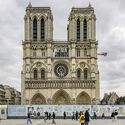
As the year 2023 comes to a close, we review the evolution of the field of architecture, but we also look forward to the most anticipated projects planned to open in 2024. As Paris is preparing to host the 2024 Summer Olympic Games, several projects and infrastructure updates have been planned to support the global event. Another milestone for Paris will be the reopening of the Notre Dame Cathedral, as reconstruction works near completion for the fire-damaged 12th-century monument.
The selection of projects spans various scales and programs, from restoration and expansion works such as OMA's plan for Museo Egizio in Turin, or David CHipperfield's Grand Residential Building in Belgium, to architecture developed with indigenous peoples, such as Snøhetta's Čoarvemátta in Northern Norway, cultural facilities in Asia and Europe and environmentally-conscious buildings such as Studio Gang's Hotel in the United States.
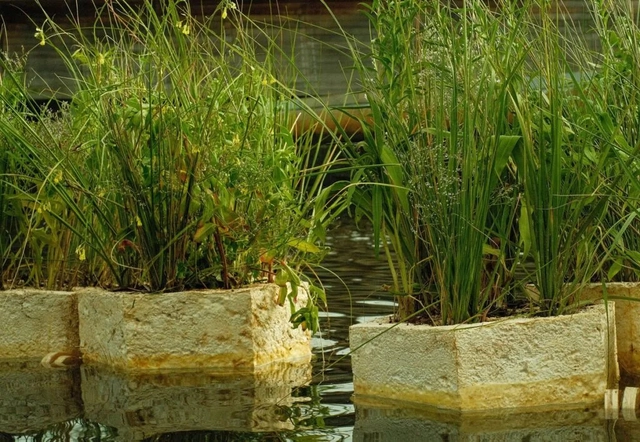
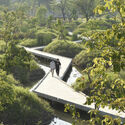
Using plants to filter impurities from lakes and rivers is already a common practice in sustainability. It is an alternative that avoids artificial chemicals in favor of maintaining a balanced ecosystem. Now, students at the Rhode Island School of Design (RISD) have gone a step further, creating floating planters made of mycelium to clean pollutants from waterways while restoring wetland habitats.
COP28, or the 2023 United Nations Conference of the Parties, was held in Dubai between November 30 and December 13. The annual meeting gathers representatives from 198 countries, as well as industry leaders to discuss and establish strategies to limit the extent of climate change and its adverse effects. The ultimate goal of these meetings is to find ways to limit the global temperature rise below 1.5 degrees Celsius compared to pre-industrial times. At the moment, the global temperature rise is already at 1.2 degrees Celsius. As the construction industry at large accounts for 39% of global emissions, architects and planners have a shared interest in the results of thee international summit, Read on to discover some of the key takeaways of COP28.
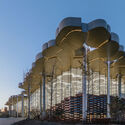
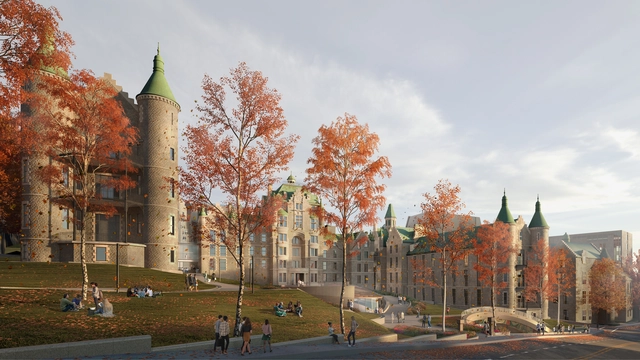
Diamond Schmitt and Lemay Michaud have just revealed the plans for a significant revitalization and expansion project for McGill University. Based at Montreal’s Royal Victoria Hospital Site for the University, the project aims to create a sustainability research and innovation center. The New Vic project is slated to open its doors in 2027, breathing “new life” into several historically significant buildings.
If the past few years were a perfect occasion for reflecting and debating on well-being, digitalization, and democratization in architectural design, this 2023 has been a tremendous opportunity to delve deeper and comment on other urgent topics: The climate crisis and the natural environment have unquestionably entered the global agenda of architecture and construction, alongside circularity, energy efficiency, and decarbonization. It's time to engage in dialogue about these matters to conscientiously build for the future.
Reviewing the future of wood, water, and lighting, in each of the related topics that ArchDaily developed month by month, we posed an open question for you - our dear readers - to actively contribute with your experiences and knowledge. After reading and compiling an immense amount of received messages, from construction professionals to students and architecture enthusiasts, it's time to present you with a summary of the main perspectives. Many thanks for your opinions, and we look forward to your comments for 2024!
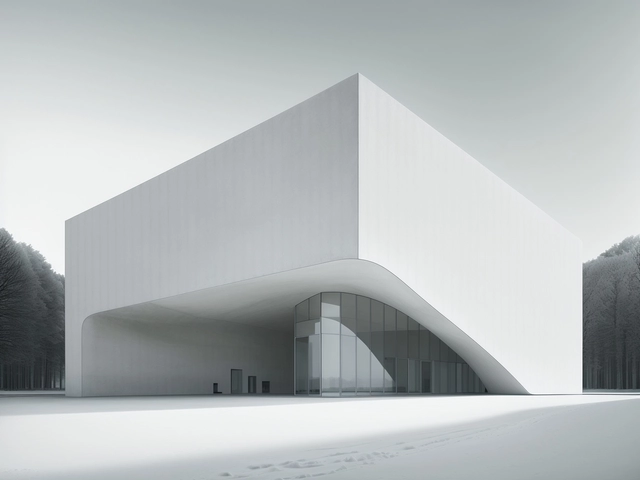
Image created under the prompt: A minimalist, white building with high, curved solid walls, curtain walls, and robust concrete columns in a Nordic environment. Image via LookX AI
Nowadays, architectural work is closely linked to technology and the advances that emerge in this field. In that sense, various aspects of artificial intelligence have been widely discussed. The reality is that, rather than plunging into a competition of capabilities between Architects vs AI, —with nuances that could evoke some aspects of the ideology of 19th-century English Luddites— advances in this field can be seen as tools to optimize processes and open new perspectives within the profession.
In this context, architecture often spans various stages, from early phases where data decisively shapes built environments to later ones where generative design tools for spaces play a fundamental role in spatial configuration. In this process, visualization plays the crucial role of graphically understanding the expression of what is being designed. Thus, iterating on the visualization and evaluating each of the results is vital not only to express ideas but also to use those visualizations to interpret aesthetic elements.
https://www.archdaily.com/1010426/prompting-creativity-the-role-of-ai-in-visualization-and-design-tools-for-architectsEnrique Tovar
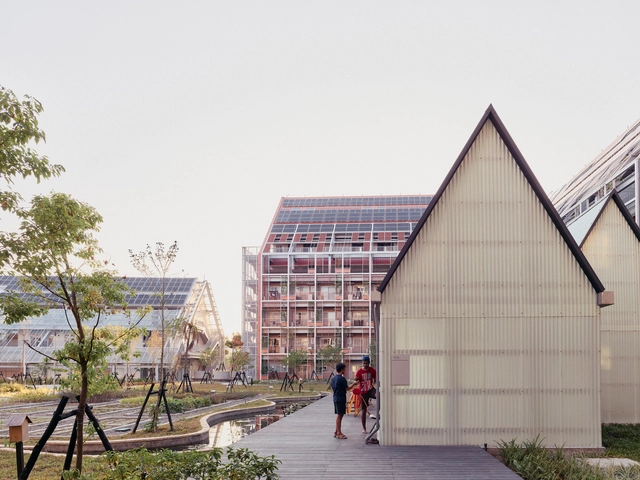
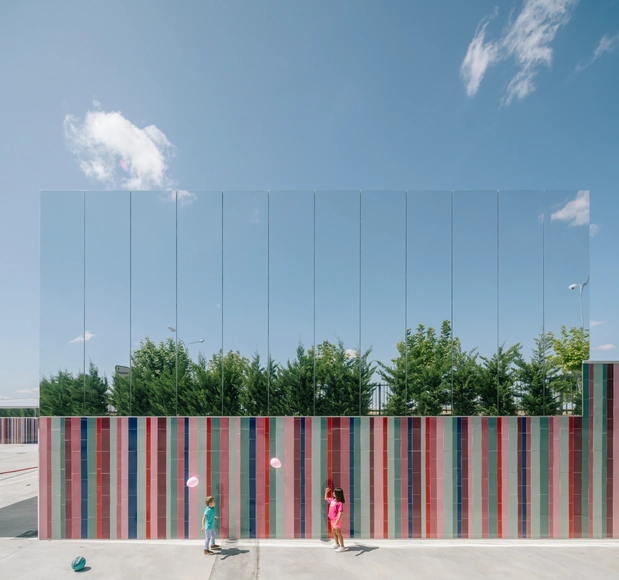
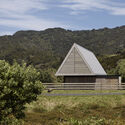
The Almost Invisible School / ABLM arquitectos. Image Cortesia de ABLM arquitectos
The referential of movement, which describes the variation in an object's position and velocity according to the observer's perspective, is one of the fundamental concepts of physics. This idea not only influences the understanding of movement in physical systems but can also be analogously applied in other areas, such as architecture, where the different perspectives of users can shape their experiences and interactions with built space. Each person brings cultural, emotional, and physical baggage, resulting in unique architectural interactions, similar to an observer's interpretation of a motion reference.
Photomontage based on the project "Mitigation Strategies for Urban Heat: A Study on Porto Alegre" by Carolina Cristófoli Falcão
The academic world has much to contribute to the field of architecture and urbanism. Its research and proposals foster inspiring visions, new materials, and concepts, sparking essential debates on how we perceive, occupy, and design the built environment. Across their entire spectrum, final graduation projects offer students an opportunity to put forward a final proposal before earning their degree, addressing diverse themes and touching upon urgent issues. Consequently, we host an annual call for submissions open to all Portuguese-speaking countries to present a panorama of outstanding projects that help us reflect on the past year and look to the future.
2023 witnessed major conflicts and political crises, catastrophic natural disasters, and global turmoil. It has also seen the decline in the severity of the COVID-19 pandemic, the continuous rise of generative AI models, as well as the emergence of India as the world's most populous country, surpassing China. 2023 has also sparked worldwide discussions in the architectural realm. The 18th International Architecture Exhibition – La Biennale di Venezia challenged its audience to think in a different, more empathetic way, taking a broader perspective on architecture and shifting its focus towards the discipline rather than just the profession. This shift also created space for voices and discussions often overlooked in global exhibitions. The 2023 Sharjah Architecture Triennial celebrated everything that exists, especially in the global south where places thrive amidst scarcity. The main themes of the year centered on decarbonizing the built environment, resources and production, traditional materials and know-how, consumer culture and waste, as well as decolonization, local narratives, and identities, among others.
ArchDaily has closely followed all these stories, consistently examining them through an urban and architectural lens to address global issues. Aligned with our commitment to "empowering everyone involved in shaping architecture to enhance the quality of life," the 2023 ArchDaily's Best Articles selection showcases a broad spectrum of current topics.
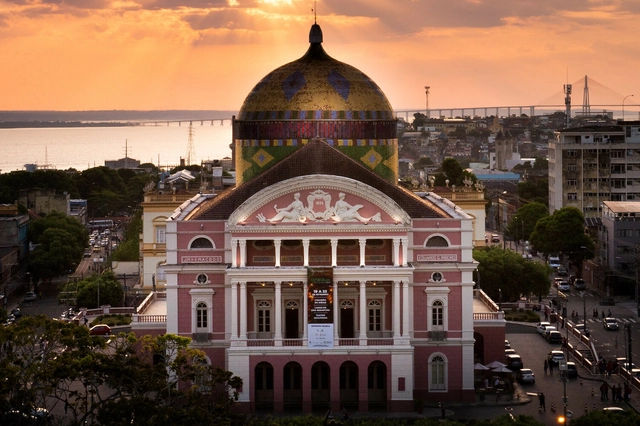
Amazonas Theatre. Photo by Rafael Zart, via Wikipedia. Licensed under CC BY 2.0
Teatro Amazonas in Manaus and Theatro da Paz in Belém could soon achieve recognition as UNESCO World Heritage Sites. The first step toward this distinction for the Amazon theaters will be taken between December 13 and 15, during the first mobilization workshop in Manaus. This event will gather representatives from the governments of Amazonas and Pará, the city halls of Manaus and Belém, civil society, researchers, and the National Institute of Historic and Artistic Heritage (IPHAN).
https://www.archdaily.com/1135873/theatro-da-paz-and-teatro-amazonas-could-become-world-heritage-sites-in-the-coming-yearsArchDaily Team
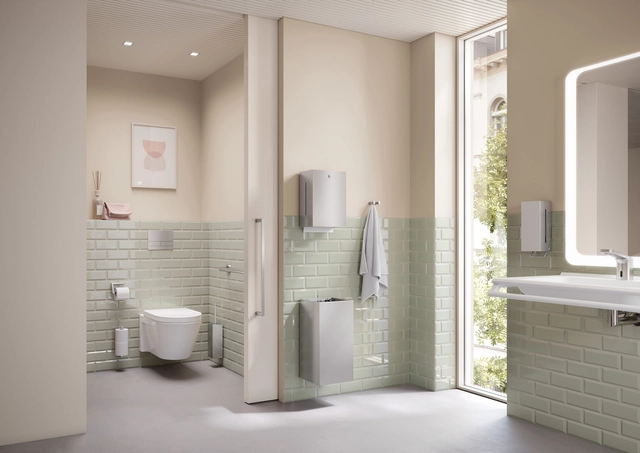
The world's population is undergoing a significant demographic transformation, with an increasingly larger portion of people reaching older ages. This has prompted governments to implement public policies aimed at promoting the well-being of the growing number of elderly individuals worldwide. Alongside this trend, there is a need to address special needs that extend beyond just the elderly population and encompass various age groups. Advancements in medical science have enabled many people with disabilities or special needs to lead fuller and more independent lives, contributing to a more inclusive society. This progress also places a crucial responsibility on architects and designers, who must create built environments that are genuinely inclusive, and capable of accommodating a wide diversity of individuals with specific medical needs and varying levels of mobility. This underscores the fundamental importance of universal design and accessibility principles.
In the study of architectural history, one noticeable pattern is the apparent oscillation between different styles and languages. When a more restrained trend dominates, the subsequent one often reverts to more ornate motifs, and vice versa. It's crucial to acknowledge that this perceived 'flow' is only an impression; historical reality is invariably more intricate than records suggest, and the dominance of one style over another is an interpretation made by historians looking back from a future perspective. The Baroque style is a notable example of this phenomenon.
What about architecture in North America – its history, policies, but also building codes – makes it particularly vulnerable to the global housing crisis? And how can those inherent flaws be counteracted with purposeful residential design and a more inclusive approach to the architecture discipline?
Essential Induction Cooktop. Image Courtesy of Gaggenau
Following evolving lifestyle trends and technological innovations, contemporary architecture often enhances the design of kitchens to fulfill multifaceted and dynamic roles. By incorporating smart and automated systems and creating flexible, adaptable spaces with minimalist and clean lines, kitchens embody the essence of contemporary life.
Based on technological advances, a clear design language and functionality, Gaggenau’s innovative home appliances evolve in harmony with changing lifestyles. Among their solutions, the Essential Induction cooktop seamlessly integrates into the kitchen’s worktop, providing flexibility and cutting-edge design for culinary enthusiasts.
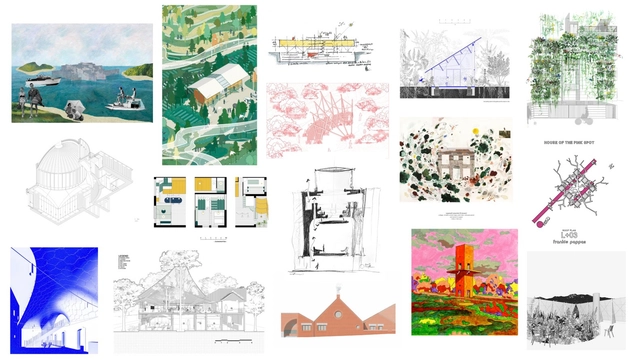
As another year draws to a close, ArchDaily's team of curators is pleased to present a selection of the best architectural drawings published throughout 2023, without which the projects' appreciation would certainly not be the same.
Architectural representation plays a fundamental role both in the design process - from the very first sketches to the finest construction details - and in its presentation to a wider audience. Thus, during the selection process, we were able to see a rich and varied set of designs that were part of the more than 4,000 project publications this year. We had the difficult task of coming up with the most representative and inspiring ones amongst them.
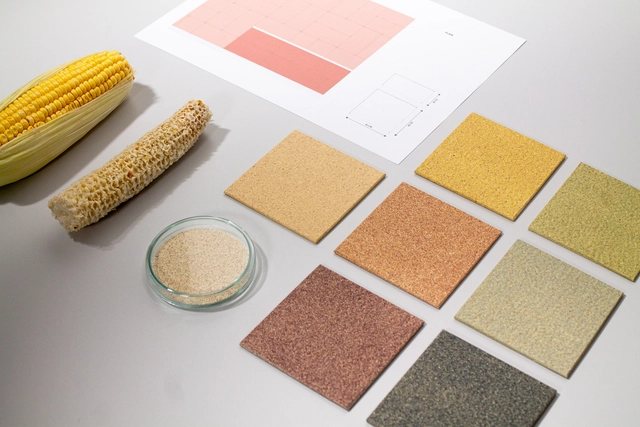
The practice of upcycling –present in a variety of industries from fashion to construction– not only revitalizes discarded items, adding new values and functions, but also contributes to turning them into valuable resources. Adopting the spirit of the circular economy by harnessing agricultural waste such as corn cobs, rice straw, and sugar cane bagasse for building materials marks a fundamental shift towards sustainable practices, promoting a closed-loop system that minimizes waste and optimizes resource efficiency.
CornWall®, developed by StoneCycling, is a pioneering innovation in this regard. Inspired by the need to shift to a bio-based economy, it incorporates a transformative solution that addresses the pressing concerns of the construction industry's environmental impact. It is a wall-finishing material made from plant biomass, obtained mainly from the cores of regionally sourced corn cobs. This organic waste is widely available and is usually destined for fermentation, burning as biomass, or becoming simple organic waste. We spoke to Ward Massa from StoneCycling to better understand this material.