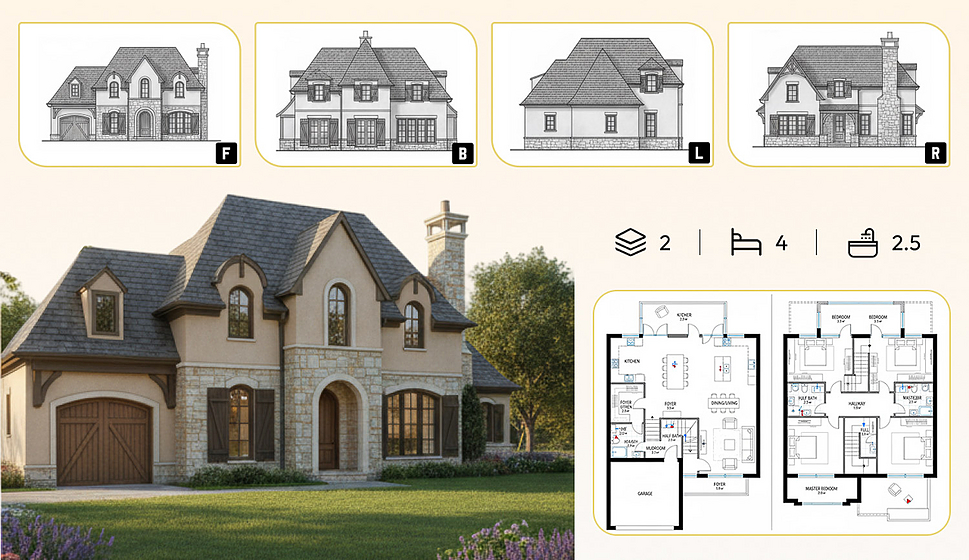
This guide covers a workflow that moves from project parameters to generated floor plans, 3D perspective views, exterior design exploration, and site context visualization, using AI tools in place of preliminary CAD and rendering work.
This guide covers a workflow that moves from project parameters to generated floor plans, 3D perspective views, exterior design exploration, and site context visualization, using AI tools in place of preliminary CAD and rendering work.
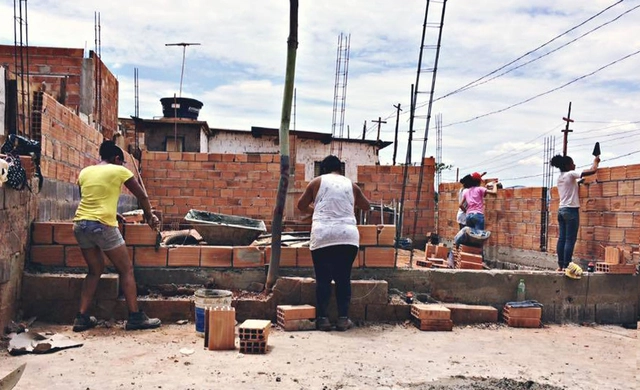
Continuing the series of articles by Nikos A. Salingaros, David Brain, Andrés M. Duany, Michael W. Mehaffy, and Ernesto Philibert-Petit on the study of social housing in Latin America, this installment discusses labor processes and the operating system of construction. Review past publications and the new article below.

When designing outside of urban areas, where property lines are not constrained by party walls and adjacent buildings do not dictate the layout, some of the most honest architectural responses emerge regarding how to intervene and what stance to take toward the surrounding landscape.
The following four architectural projects located in the Province of Córdoba, shaped by the topographical conditions and the specific characteristics of their surroundings, establish a profound sense of belonging with the landscape. By blurring the line between the natural and the artificial, they offer valuable tools and insights for designing on suburban plots.
.jpg?1563548779&format=webp&width=640&height=580)
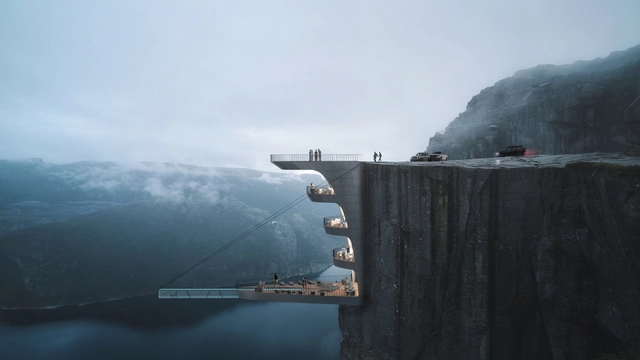
Hayri Atak’s Cliff Concept Hotel is designed to be built into Norway’s famous cliff Preikestolen. With its entrance on its rooftop, as well as a stretched terrace and hanging glass pool on its bottom floor, the design and user experience of the hotel are unconventional and unique.
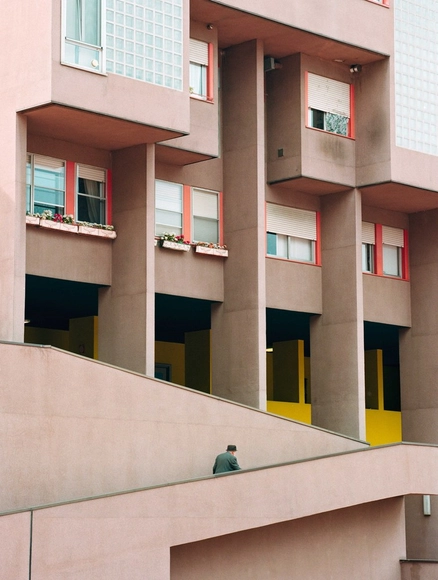
Modern architecture emerged during the late 19th - early 20th century to break away from historical styles and create structures based on functionality and novelty. Regardless of the style's prominence, post-modernist architecture emerged a few decades later as a reaction to modernism's uniformity and formality, adding complexity, asymmetry, and color into architecture.
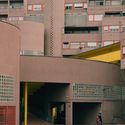
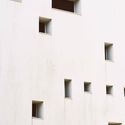
During a recent trip to Europe, Los Angeles-based photographer Skyler Dahan put together a photo-series of the two architecture styles, shooting Aldo Rossi and Carlo Aymonino’s Gallaratese Housing II, along with other modernist and post-modernist buildings across Milan, Brittany, and Oslo.

In the fall of 2017, a 7.1-magnitude earthquake struck at least nine Mexican states, leaving several areas severely damaged across Mexico City, Puebla, Morelos, Oaxaca, Veracruz, Tlaxcala, Guerrero, and the State of Mexico. Jojutla, a municipality in Morelos, was among the hardest hit, left in ruins after the September 19 disaster. Much of the local infrastructure was devastated, prompting a master plan initiated by Infonavit to reconstruct the municipality's primary public buildings.
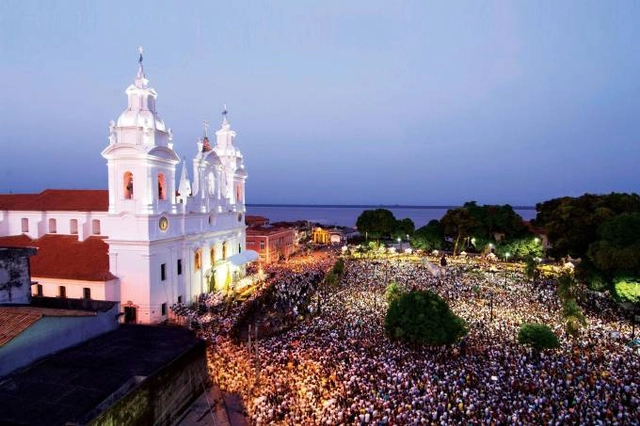
Immaterial Heritage is a concept adopted in many countries and international forums as complementary to the concept of tangible heritage in the formulation and implementation of policies to protect and safeguard cultural heritage, from an anthropological and relativistic perspective of culture. Intangible heritage is also used as a synonymous term to designate the symbolic references of the sociocultural processes of invention, transmission, and continuous practice of traditions that are fundamental to the identities of groups, social segments, communities, peoples, and nations.
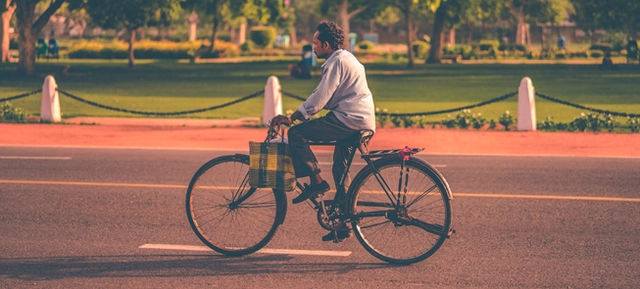
When driving alongside a bike lane, it is hard to escape comments like “it’s always empty,” “it takes away space from cars,” or “businesses lose customers.” But is there any truth to these claims? Here are some of the most common myths about bike lanes – and the reality behind them.
This article was originally published on Common Edge.
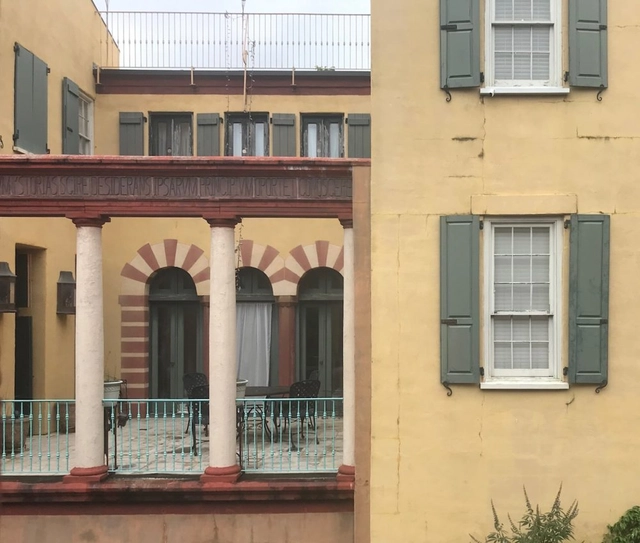
In late May, my friend Witold Rybczynski published Charleston Fancy: Little Houses & Big Dreams in the Holy City (Yale University Press), about a group of architects and developers building small infill housing in Charleston, South Carolina. Having recently witnessed too much large scale development in my hometown, Boston, the topic piqued my interest so I called up Witold to talk about his new book.

For its 9th edition, the Moscow Urban Forum continues to consolidate as one of the world’s most relevant urban conferences, bringing together a diverse group of architects, urbanists, city mayors, government officials, economists, developers, academics, citizens, and professionals from diverse fields and nationalities.
While Pierre de Meuron’s main keynote puts focus on ongoing developments in the city of Moscow, by showcasing the ambitious scheme to redevelop the Badaevskiy Brewery, the lectures and presentations acknowledged the diverse areas that shape the city, including topics such as mental health, lifestyle of the millennial generation, evolution of work, or delivery platforms. The evolution of the role of the architect was present, with a growing number of professionals now working on startups in the tech, infrastructure, real estate, construction, and mobility sectors, the new city makers.
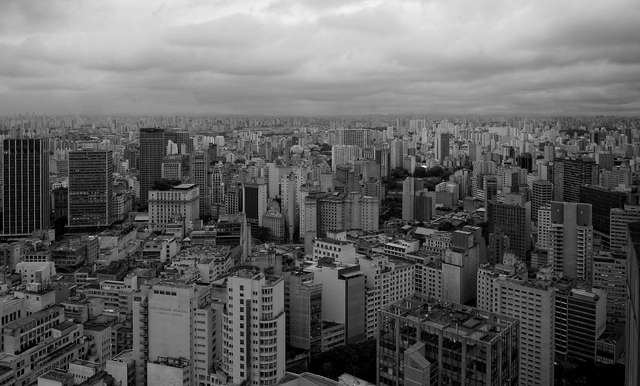
Proposed Constitutional Amendment No. 80/2019, a collective proposal led by Senator Flávio Bolsonaro, suffers from blatant unconstitutionalities, in addition to posing structural risks to economic and social development. These issues are analyzed in detail below, based on the following aspects:
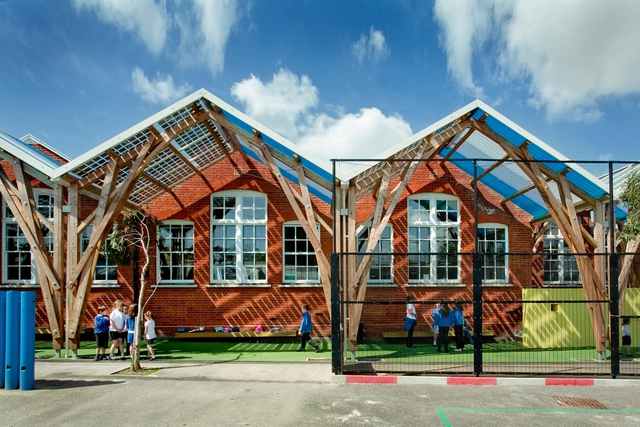
Since the 1970s, humanity’s resource consumption began to exceed what the planet could renew in a year. That is, we are withdrawing and polluting nature more than it can naturally recover. According to the World Bank, if the world's population reaches even the projected number of 9.6 billion people by 2050, it will take almost three Earth planets to provide the natural resources needed to maintain humanity's current lifestyle.
Every day an enormous amount of carbon dioxide is released into the atmosphere through industry, transportation, burning fossil fuels and even respiration of plants and living things. As the consequences of climate change become clearer, both governments and private sector companies are setting targets for carbon emission reductions, since these are regarded as the main greenhouse gases, and their high concentration in the atmosphere lead to air pollution and acid rain, among other consequences.
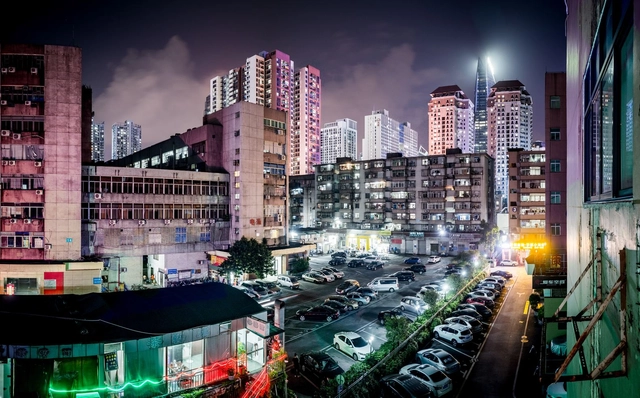
What happens when the sensor-imbued city acquires the ability to see – almost as if it had eyes? Ahead of the 2019 Shenzhen Biennale of Urbanism\Architecture (UABB), titled "Urban Interactions," ArchDaily is working with the curators of the "Eyes of the City" section at the Biennial to stimulate a discussion on how new technologies – and Artificial Intelligence in particular – might impact architecture and urban life. Here you can read the “Eyes of the City” curatorial statement by Carlo Ratti, the Politecnico di Torino and SCUT.
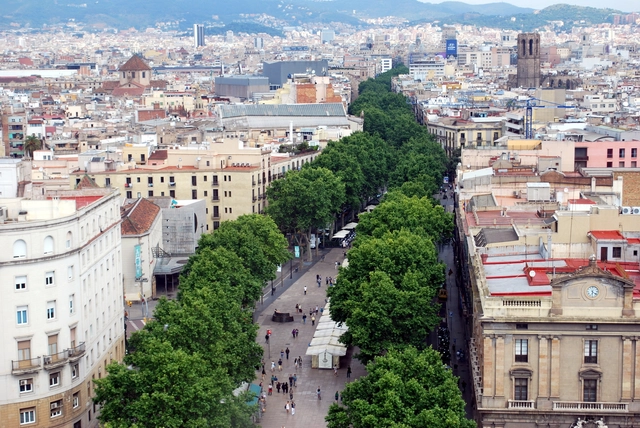
ArchDaily is working with CityMakers to publish a series of articles, conversations, and interviews with the various actors in urban co-production behind the Barcelona CityMakers Lab 2019, an event taking place from October 14 to 20, 2019.
CityMakers promotes the transformation of cities and territories by connecting professionals from around the world with benchmark cities to learn about their practices in global positioning, mobility, the built environment, economy, and governance, inspiring change in their own communities.
For this first installment, we have compiled excerpts from a conversation with architect and urban planner Camilo Osorio, Executive Director of CityMakers, who discusses a paradigm shift in urban planning and the birth of CityMakers as a community that seeks to inspire change through the on-site study of exemplary cities around the world.

Every day, more architects are turning to virtual reality, driven by the rapid emergence of headsets and platforms. Architecture firms are seeking efficient ways to present their new developments, and VR technology is making a powerful impact in the visualization of unbuilt projects.
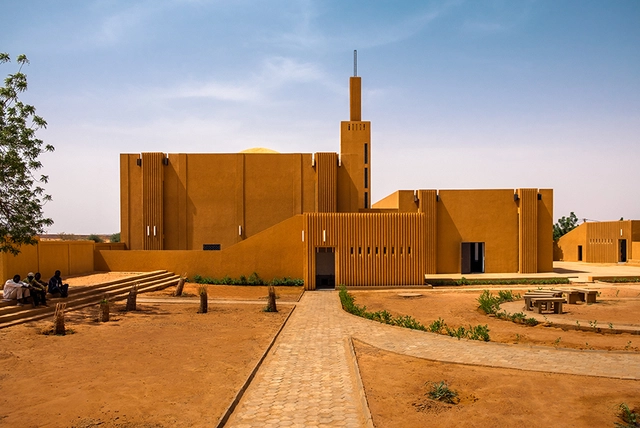
Though born in Tehran and remaining deeply inspired by her native Iran, architect Yasaman Esmaili has worked on projects all around the world. These primarily include humanitarian and crisis intervention works that deeply engage the local communities in which they are situated. A recent article by Metropolis Magazine discusses these projects in depth, as well as Esmaili’s story and inspirations.

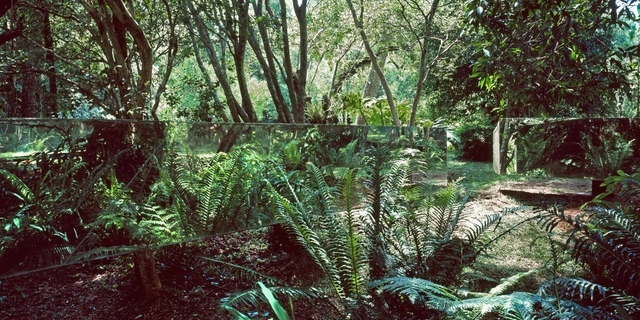
“Whatever is repeated endures, and is eternal, therefore, is sacred. That is why Sunday soccer is sacred; that is why sex is sacred; that is why having dinner with my mother on Saturdays is sacred. This builds within me a bond with the permanence of everything—all human beings, all dreams, all lives that, at this moment, cross my existence.”
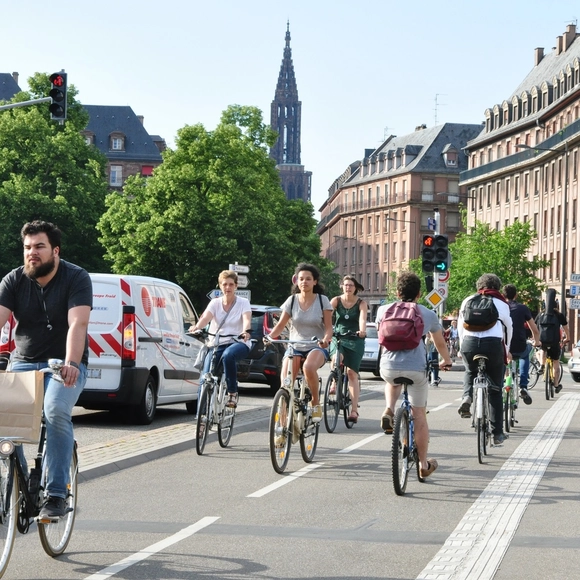
It should come as no surprise that one of the most respected surveys about bicycle use comes from a Danish organization. This ranking by Copenhagenize Design Company uses a point system to compile a list of the cities looking to re-establish the bicycle as an accepted and practical mode of transportation.

"Since childhood, I had lived by the warmth of the stove that heats and at the same time gathers the family. Seeking that warmth was a necessity in southern Chile. Here in the tropics, it is the cooling shade that gathers us, and unlike the stove, it is everywhere."
Based in Costa Rica, Bruno Stagno does not simply initiate reflections on how environmental responses can form the basis of architectural inspiration and identity; he proposes to go further, advocating for an architecture tailored to a specific latitude.
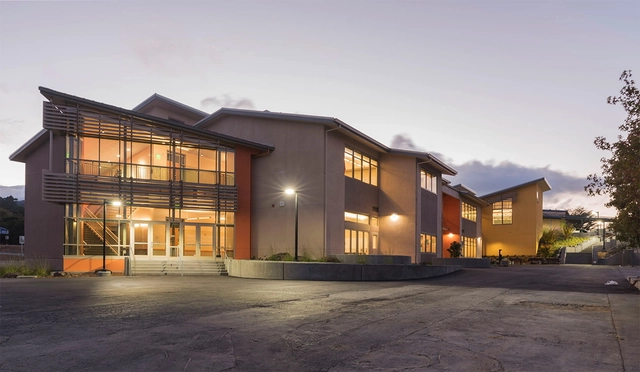
“When we started out, our goal was to change the world, to do something that would really make a difference to the lives of people,” said Chad Hamilton, AIA LEED AP BD+C, Principal Architect of Hamilton + Aitken Architects (H+AA). “And education is one of the things that really determines how people live the rest of their lives. “So, for us it’s just a wonderful feeling, to improve kids’ educational spaces.”
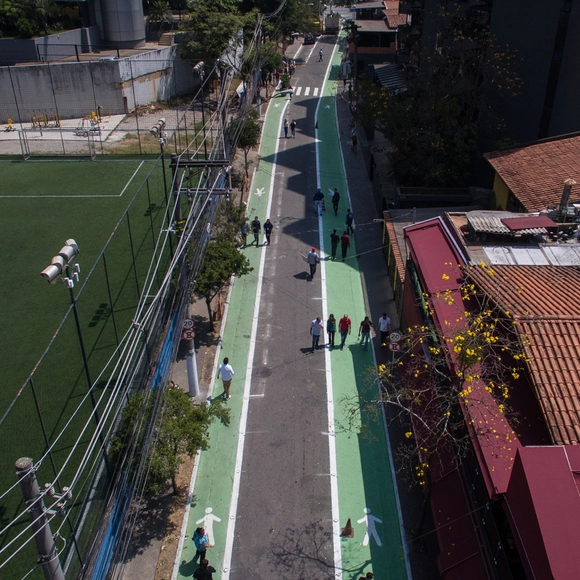
Urban planning goes far beyond the built environment itself. Every day, our choices, how we move around, how much we spend doing so, the opportunities we can access, the choices we make and those we forgo—all of this is shaped by urban planning. Professionals in the field, therefore, have a direct influence on life in cities. But what does the academic training of future urban planners look like today? What is essential for working in this field?
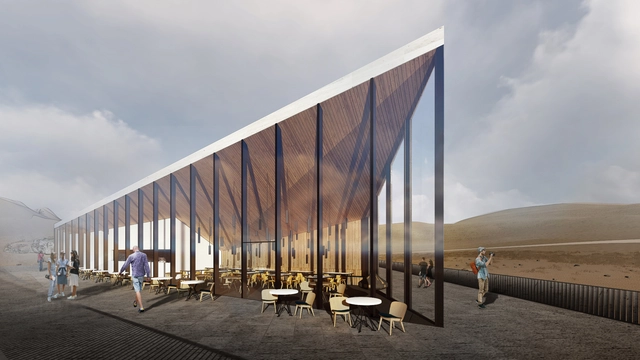
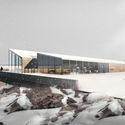
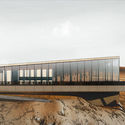
The Botan Valley in eastern Turkey has been attracting thousands of tourists annually due to its unique rock formations and canyon-like topography.
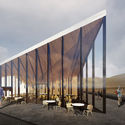
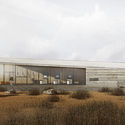
To further promote the area's scenic landscape, Turkish architecture firm Fabric.a Architects have proposed the ‘Botan Visitor Center’, an observation pavilion and restaurant overlooking the rocky landscapes of the Botan Valley.
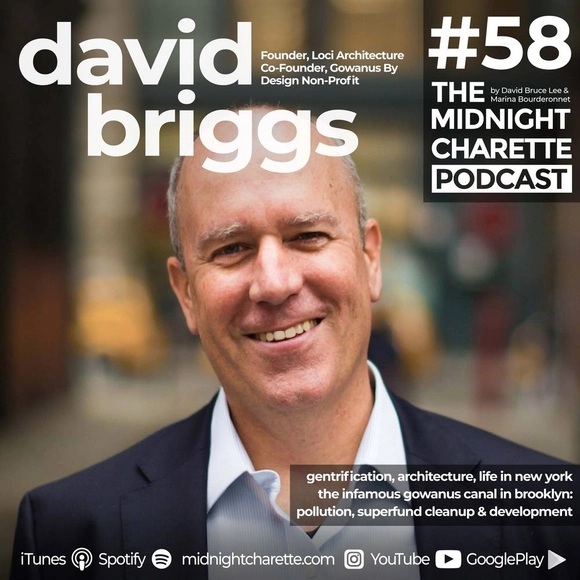
The Midnight Charette is an explicit podcast about design, architecture, and the everyday. Hosted by architectural designers David Lee and Marina Bourderonnet, it features a variety of creative professionals in unscripted and long-format conversations that allow for thoughtful takes and more personal discussions. Honesty and humor are used to cover a wide array of subjects: some episodes provide useful tips for designers, while others are project reviews, interviews, or simply explorations of everyday life and design. The Midnight Charette is available for free on iTunes, YouTube, Spotify, and all other podcast directories.

On this episode of The Midnight Charette, hosts David Lee and Marina Bourderonnet are joined by Architect David Briggs—Co-Founder of Gowanus by Design and Founding Principal of Loci Architecture—to discuss living in New York City during the 1980s, gentrification, urban preservation, the planning challenges of Gowanus, Brooklyn and its severely polluted canal, designing better cities, wastewater treatment and more.
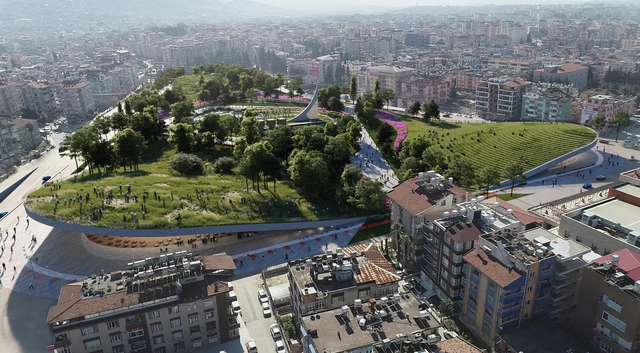
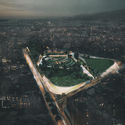
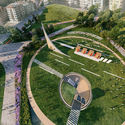
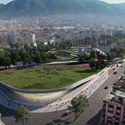
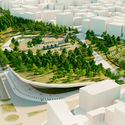
Antakya Atatürk Stadium of Hatay, Turkey, was originally built in 1950 but closed recently due to its inability to meet growing demand. In a new public project titled Green Wings, ONZ Architects aim to transform this former urban center into a new park with a cultural hub.