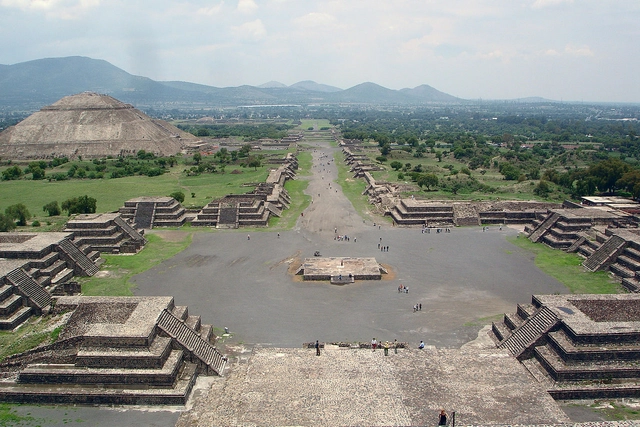
According to a statement published on the UNESCO page, the UNESCO World Heritage List is a legacy of monuments and sites of great natural and cultural wealth that belongs to all of humanity. The Sites inscribed on the World Heritage List fulfill a function of milestones on the planet, of symbols of the awareness of States and peoples about the meaning of those places and emblems of their attachment to collective property, as well as of the transmission of that heritage to future generations.
The island of Manhattan is one of the most recognizable urban centers in the world. For the past four hundred years, the island that so many New Yorkers call home has changed and evolved depending on the needs of its inhabitants – today totaling over 8 million.
https://www.archdaily.com/918446/watch-manhattan-grow-over-400-yearsNiall Patrick Walsh
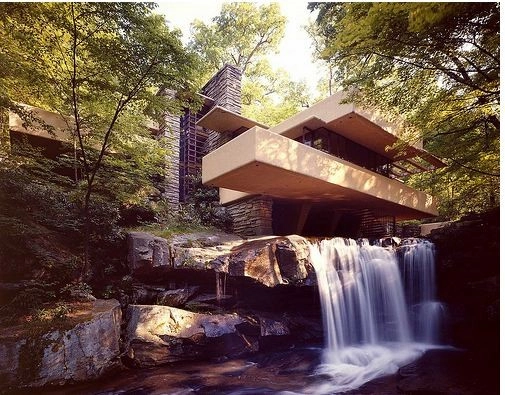
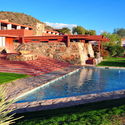
In 1991, the American Institute of Architects called him, quite simply, “the greatest American architect of all time.” Over his lifetime, Frank Lloyd Wright (June 8, 1867 – April 9, 1959) completed more than 500 architectural works; many of them are considered masterpieces. Thanks to the wide dissemination of his designs and his many years spent teaching at the school he founded, few architects in history can claim to have inspired more young people into joining the architecture profession.
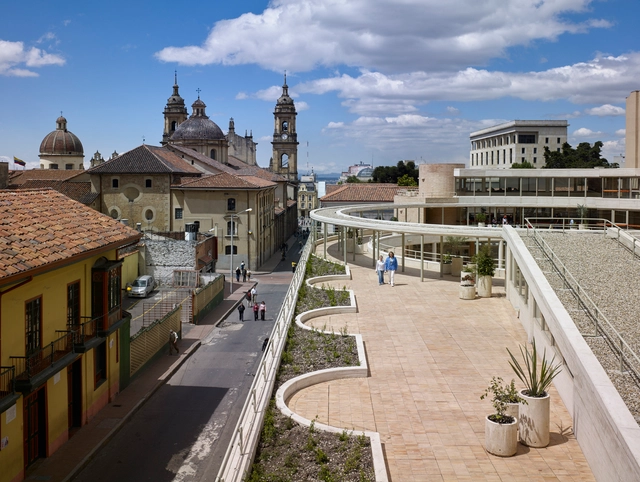
Bogotá's Historic Center is a crucial sector for the capital's development. But what makes a city an attractive hub for urban development? The answer depends on the scale of the evaluation; for its residents, it is measured in quality of life, job opportunities, and green spaces, among other factors. While economic factors drive the realization of these parameters, public policies that organize the territory and facilitate urban development ultimately take precedence.
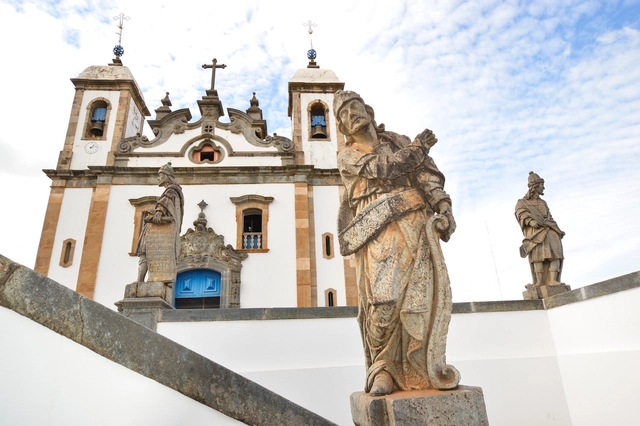
The artistic production of the Minas Gerais Baroque was considered the first genuinely Brazilian art. Sanctuary of Bom Jesus de Matosinhos in Congonhas do Campo - MG. Photo by Paulo Hulyk, via Flickr. License CC BY-NC 2.0
The term identity lends itself to various definitions depending on the disciplinary field. Discussions of the term in social theory have frequently been appropriated by the cultural heritage field. Therefore, it is useful to trace the dynamics of this expression's transformation within the social sciences. In this context, identity relates to the individual's self-conception, their sense of belonging, and their group affiliations.
In recent months, two events have done more harm to the “brand” of architecture in the public’s perception than anything I’ve experienced in the 40 years that I have been in the profession.
First, there was the grand opening of New York City’s Hudson Yards, a massive $20 billion development on Manhattan’s far west side. This first phase opened after seven years of construction and included an obligatory gathering of “world class” architects—Kohn Pedersen Fox, Diller Scofidio + Renfro, SOM, The Rockwell Group—as well a folly by designer Thomas Heatherwick.
Past, Present, Future is an interview project by Itinerant Office, asking acclaimed architects to share their perspectives on the constantly evolving world of architecture. Each interview is split into three video segments: Past, Present, and Future, in which interviewees discuss their thoughts and experiences of architecture through each of those lenses. The first episode of the project featured 11 architects from Italy and the Netherlands and Episode II is comprised of interviews with 13 architects from Spain, Portugal, France, and Belgium.
The goal of the series is to research these successful firms and attempt to understand their methods and approaches. By hopefully gaining a clearer picture of what it means to be an architect in the 21st century, the videos can also serve as inspiration for the next generation of up-and-coming architects and students as they enter the field.
Andrés Jaque is an architect, academic director, and author, who founded the international architecture firm Office for Political Innovation in 2003. Award-winning OFFPOLINN is based in New York and Madrid, and works on projects of different scales and media, intersecting design, research, and critical environmental practices. In parallel to his career as an architect, Jaque is the director of the Advanced Architectural Design Program at Columbia University Graduate School of Architecture, Planning and Preservation, and a visiting professor at Princeton University and The Cooper Union. The architect is acknowledged for his transectional approach to architectural design, "practicing architecture as the intervention on complex composites of relationships, where its agency is negotiated with the agency unfold by other entities".
What happens when the sensor-imbued city acquires the ability to see – almost as if it had eyes? Ahead of the 2019 Shenzhen Biennale of Urbanism\Architecture (UABB), titled "Urban Interactions," ArchDaily is working with the curators of the "Eyes of the City" section at the Biennial to stimulate a discussion on how new technologies – and Artificial Intelligence in particular – might impact architecture and urban life. Hereyou can read the “Eyes of the City” curatorial statement by Carlo Ratti, the Politecnico di Torino and SCUT. If you are interested in taking part in the exhibition at UABB 2019, submit your proposal to the “Eyes of the City” Open Call by May 31st, 2019: www.eyesofthecity.net
We live in a world full of electric products, and we have been influenced by them deeply, especially by those with digital screens, like cell phones, computers and TVs. We use computers for work and social media like Twitter and WeChat to connect with others, we use Mobike for short-distance commutes, Dianping to navigate us to a good lunch and then Alipay to pay the bill. At the end of a long day, we usually spend the rest of our time watching TV or playing online games in order to finally relax. These electric products bring convenience to our life, but at the same time, they are kidnapping it. The overuse of them immerses us in a virtual world and pushes people farther apart. We are losing face-to-face communication and ignoring the enjoyment of real life. Currently, people are spending more time on their mobile phones than ever before. According to a report published by Aier in 2018, the average screen time in China is 6 hours per day, and the average person uses their cellphone 108 times. This mobile-dependency is leaving our lives increasingly fragmented.
https://www.archdaily.com/918601/a-happily-tracked-day-ying-long-for-the-shenzhen-biennale-uabb-2019Ying Long
Munich-based photographer Tom Hegen has published a set of aerial images capturing the beauty of sea salt production seen from above. Theimages, shot from a small airplane in Western Australia, demonstrate the impact of human intervention on natural environments, and depict how even seemingly rural landscapes are alive with the hyper-globalized demands of humankind.
The 2019 CANactions International Architecture Festival focused on an exploration of a notion of "Hromada" — Ukrainian name for the 'community', which is embedded into the country's historic and cultural codes and reflected in contemporary social movements and architectural forms.
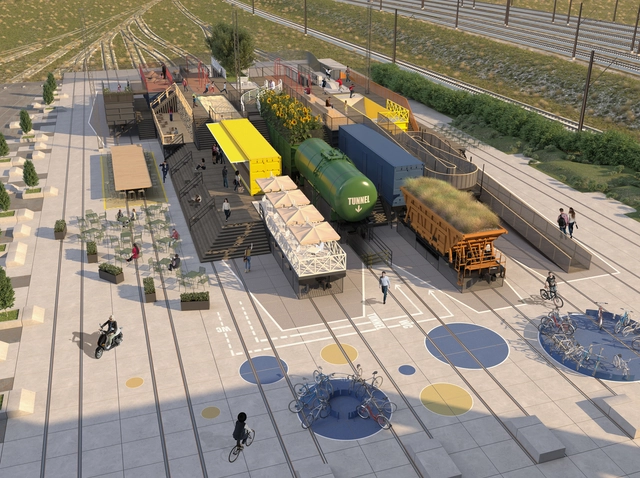
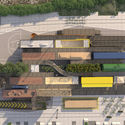
Architect Illya Rastvorov is one of the winners of this year’s CANactions Youth Competition presented in Kyiv, Ukraine. For his proposal, the architect transformed the railroad depot of the Copenhagen Railway Station in Denmark into the “Copenhagen Playground”, a recreational area that caters to people of all ages and enhances the social conditions of the city.
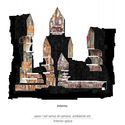
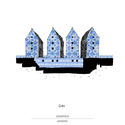
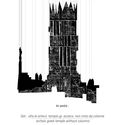
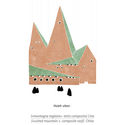
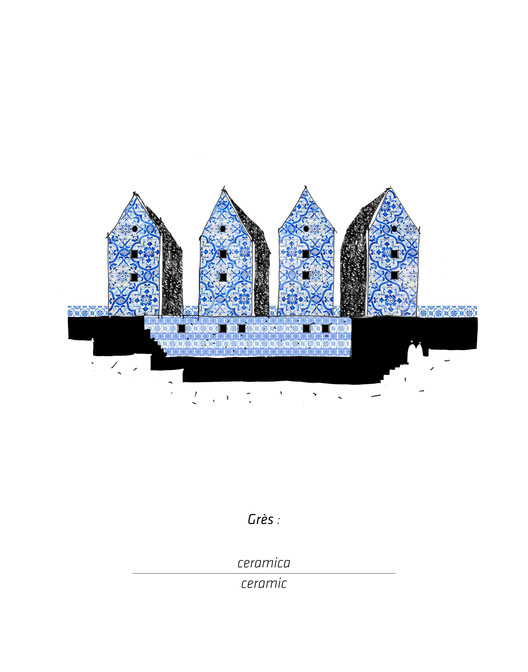
Drawing as an architectural tool serves not only as a means of communication, but through drawing we can also gain a deeper understanding of the subject. To this purpose, Alessandro Luporino has created the Illustrated Dictionary of Architecture. The series of beautiful and evocative illustrations serve as companions for the book “Dictionary of Architecture,” by Nikolaus Pevsner, John Fleming, and Hugh Honor.
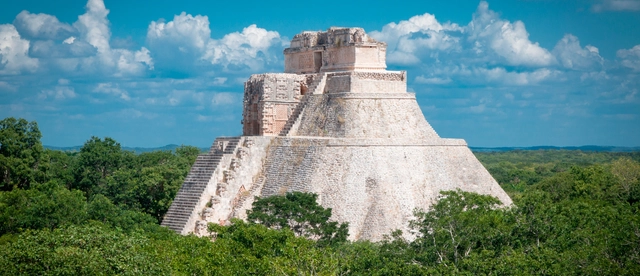
The General Conference of the United Nations Educational, Scientific and Cultural Organization, at its 17th meeting held in Paris from October 17 to November 21, 1972, arose from the need to identify part of the priceless and irreplaceable of the nations, noting that cultural heritage and natural heritage are increasingly threatened with destruction, not only because of the traditional causes of deterioration but also because of the evolution of social and economic life that aggravates them with phenomena of alteration or destruction even more fearsome.
According to a statement published on the UNESCO page, the UNESCO World Heritage List is a legacy of monuments and sites of great natural and cultural wealth that belongs to all of humanity. The Sites inscribed on the World Heritage List fulfill a function of milestones on the planet, of symbols of the awareness of States and peoples about the meaning of those places and emblems of their attachment to collective property, as well as the transmission of that heritage to future generations.
The urbanization of Brazilian cities has been concentrated mainly in recent decades, but the process actually began at the end of the 19th century. Photo: Daniel Hunter/WRI Brasil
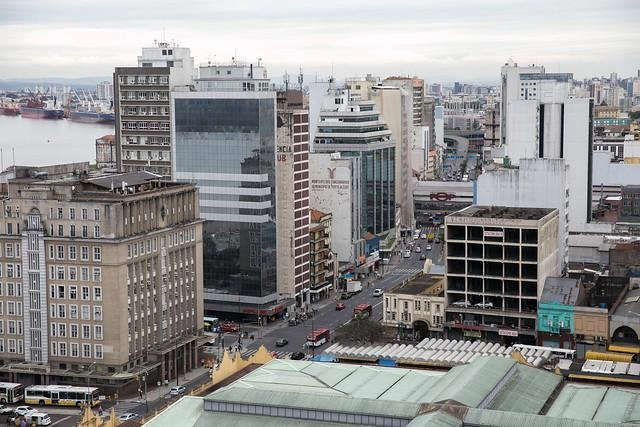
What images come to mind when we think of major Brazilian cities? Perhaps traffic jams, pollution, insecurity, and noise. Perhaps crowds of people coming and going. Pedestres. Bicycles. Buses. After all, eight out of ten Brazilians live in urban areas—regions that have undergone rapid urbanization. Over the last six decades, the country's population grew from 70.2 million to 209.3 million, and the proportion of urban dwellers surged from 44% to the current 85%.
https://www.archdaily.com/1122223/the-history-of-brazilian-urbanizationPriscila Pacheco e Laura Azeredo
A recent report by the United Nations’ Intergovernmental Science-Policy Platform on Biodiversity and Ecosystem Services (IPBES) report reveals that the health of our ecosystems on which we and all other species depend is deteriorating more rapidly than ever. We are eroding the very foundations of our economies, livelihoods, food security, health, and quality of life worldwide. At this point, scientists believe that ecosystems untouched by human interventions no longer exist. Human civilization and technology have permanently altered our planet and some of the most tangible impacts include imploding population numbers, deforestation, pollution (air, water, soil, and industrial), ocean acidification, climate change, and invasive alien species.
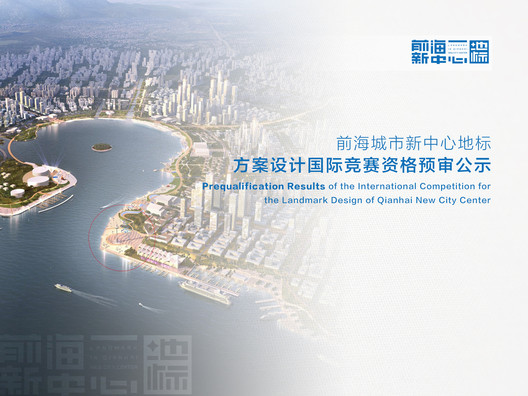
The Prequalification Meeting of the International Competition for the Landmark Design of Qianhai New City Center was held in Banquet Hall, 3F, Tower C, MingWah International Convention Centre on May 20, 2019. The jury was made up of 7 experts and 2 client representatives. The jury studied the registration documents and conceptual proposals of the 124 applicants. After deep discussion, through 5 rounds of open votes the jury selected 10 shortlisted competitors into the competition and 2 alternatives in order who will enter Stage 2 - Proposal Preparation and Review by order if any of the 10 competitors quit.
https://www.archdaily.com/918358/prequalification-results-of-the-international-competition-for-the-landmark-design-of-qianhai-new-city-centerMilly Mo
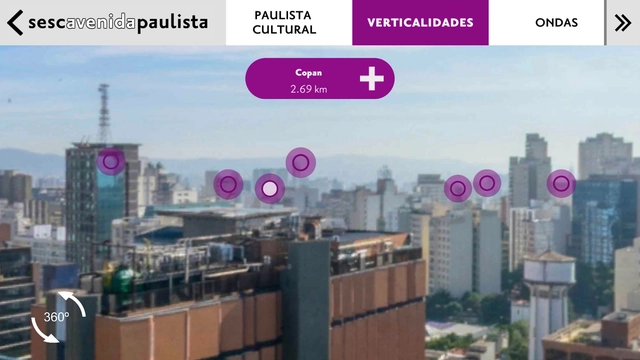
Recently, Sesc Avenida Paulista launched an app allowing users worldwide to immerse themselves in the panoramic views from the venue's Lookout, explore georeferenced tours covering topics as diverse as local cultural centers and native tree species, listen to audio tours about the avenue or the Brazilian artworks exhibited on-site, play a composition game inspired by the building's facade, and access the full events calendar, among other features and functionalities. The app is available for free download here and in the official Apple and Google stores.
https://www.archdaily.com/1122738/check-out-sescs-augmented-reality-and-360o-immersion-appPedro Vada
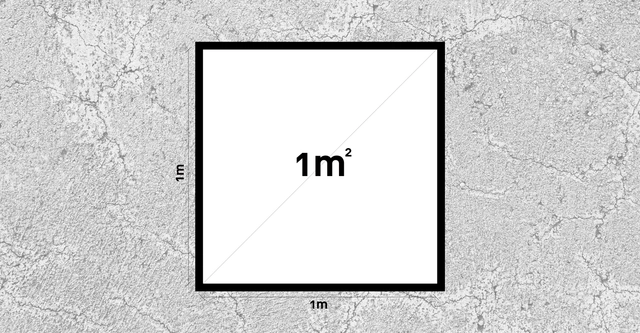
Even if you already know the answer, it is always worth reviewing key considerations regarding a building's square meters. Not only are they fundamental to determining construction costs and materials, but they also lay the groundwork for tax assessments and regulatory compliance.
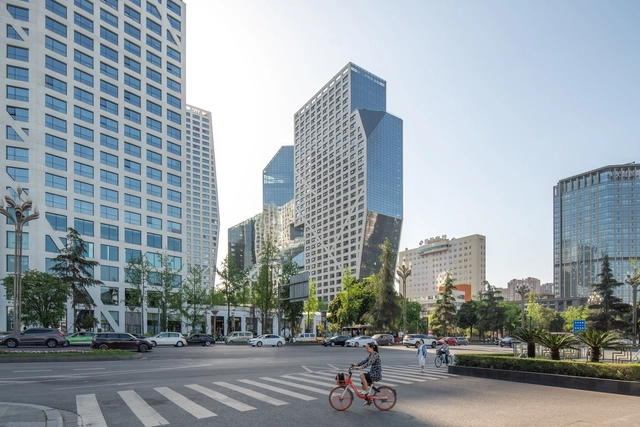
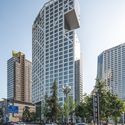
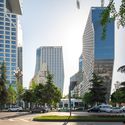
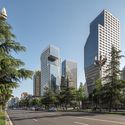
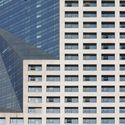
Architectural photographer Kris Provoost has published his latest series, on the subject of Steven Holl’s Sliced Porosity Block in Chengdu, China. Designed in 2007, and completed five years later, the scheme sought to break the standard typology of Chinese cities, bringing public interaction to new heights. Six years on from the building’s completion, Provoost captured the building immersed in the daily life of Chengdu citizens.



.jpg?1559720126&format=webp&width=640&height=580)











.jpg?1559718486)
.jpg?1559718881 "Campus for Infosys. Image © Morphogenesis")
.jpg?1559718521 "Pearl Academy. Image by Morphogenesis © Edmund Sumner")
.jpg?1559718319 "Pearl Academy. Image © Andre Fanthome, by Morphogenesis")
.jpg?1559718143 "Pearl Academy. Image © Andre Fanthome, by Morphogenesis")
.jpg?1559718143)