Habitações irregulares no Largo da Igreja do Rosário Acervo Pessoal Arquiteto André Pina. Image Cortesia de Escola da Cidade
Between 1985 and 1989, the city of Olinda (Pernambuco) served as the pilot site for a federal program that was to be implemented in 48 other Brazilian cities. Among other goals, this program sought to provide social housing in built environments and preserve local memory and ways of life by ensuring the permanence of traditional residents. Though still little known in the history of cultural heritage and social housing policies in Brazil, this plan points the way toward managing territories based on the social and cultural practices of their inhabitants.
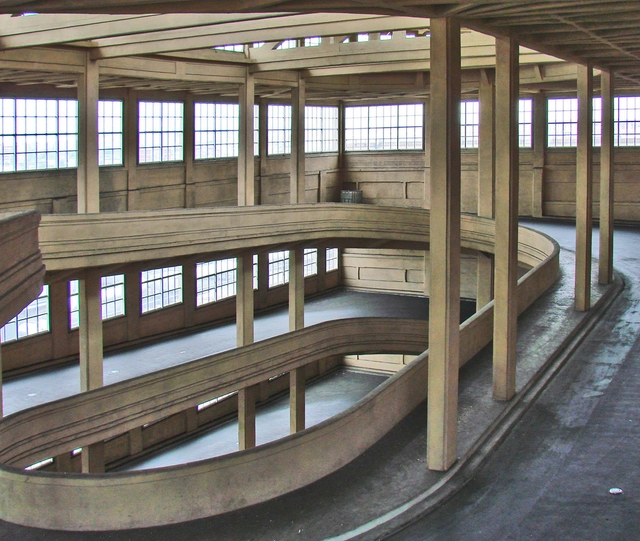
Ramps leading to the roof. Photo: Jean-Pierre Dalbéra, via Flickr; Creative Commons license
The design for the Fiat factory in the Lingotto district of Turin, Italy, was developed by engineer Giacomo Mattè-Trucco in 1915. Construction began the following year and was carried out in stages until its completion in 1923. Inspired by Fordism, a manufacturing model that emerged in the United States in the 1910s, the factory was designed with an upward-moving assembly line. Upon reaching the roof, the completed cars were ready to be tested on a track approximately 1 km long.
The so-called “right of protocol” is a legal anomaly today, as it allows private real estate developers to choose which legislation applies to their projects. This mechanism was established in the 1970s, prior to key democratic advancements, particularly those concerning the social function of property and rights to an ecologically balanced environment, housing, and cultural heritage. Today, maintaining this “right” of protocol delays the implementation of changes envisioned by new urban planning laws designed to correct the everyday dysfunctions of the city, such as flooding.
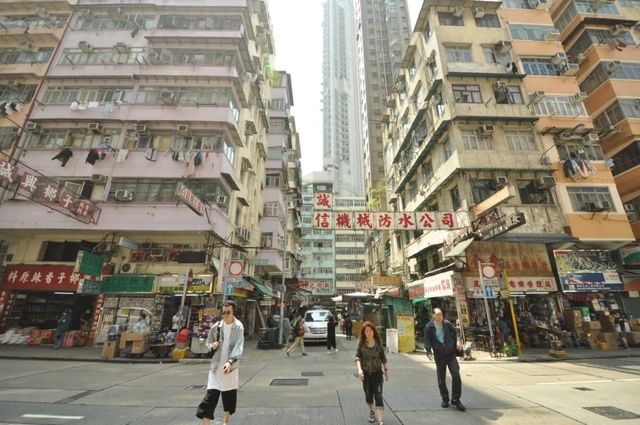
Many authors address the importance of the street to vitality in urban space. Streets are public open spaces, typically bordered by the buildings that shape them. We rarely realize it, but it is through this open space that we appropriate the city, and where the experience of walking takes place.
https://www.archdaily.com/1122890/the-street-in-the-constitution-of-urban-spaceAnthony Ling, Rogerio Goldfeld Cardeman e David Cardeman
BONDUKI, N. G. Os Pioneiros da Habitação Social - Inventário da Produção Pública no Brasil entre 1930 e 1964. São Paulo: Editora UNESP, 2014.. Image Cortesia de PC3 - Pensamento Crítico e Cidade Contemporânea
The complex is located on Santa Cruz Street in Vila Mariana, near Gregori Warchavchik's Modernist House, and consists of 23 three-story blocks sited on a triangular plot of 61,900 m². Most of the blocks were oriented with their facades facing east-west, spaced to ensure adequate sunlight for the apartments.
https://www.archdaily.com/1122821/collective-housing-with-a-hybrid-language-santa-cruz-residential-complexPC3 - Pensamento Crítico e Cidade Contemporânea
Inverse City uses the urban morphology of central São Paulo and its adjacent districts as its primary structure and raw material, providing a foundation for the creation of a new space-time. This space-time allows us to explore and deconstruct the city we know.
Videos
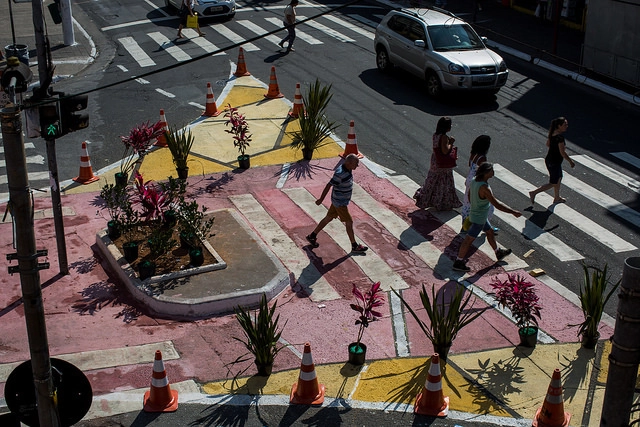
Temporary interventions can transform the landscape and the use of public space (Photo: Victor Moriyama/WRI Brasil)
No one knows a street or a neighborhood as well as the people who live there. Each place has its own peculiarities, potential, and challenges. Consequently, local-scale solutions can be created by citizens themselves, increasing both the efficiency and community buy-in of the project. Cities around the world have been adapting their legal frameworks to establish public policies that facilitate and foster citizen participation in transformative initiatives.
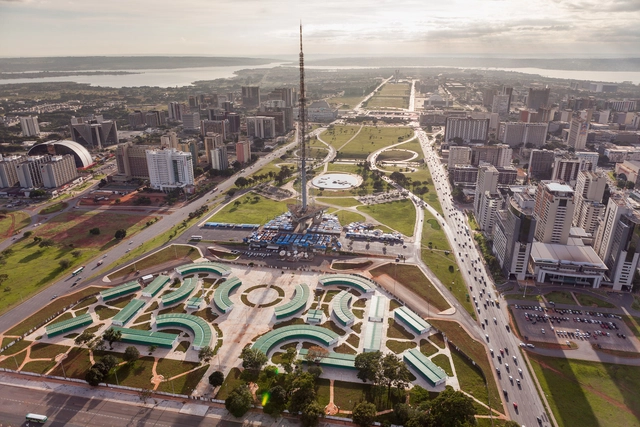
In recent years, documenting architecture and cities through photography has undergone a swift and surprising transformation. Professional and amateur photographers have been seeking new perspectives, going beyond what the human eye can see at street level. In this pursuit, aerial photography—which captures a bird's-eye view—is layered with aesthetic intentions that reveal an intimate and breathtaking look at cities and landscapes.
jeffsmallwood on Visual hunt / CC BY-NC-SA. Image via Visual Hunt
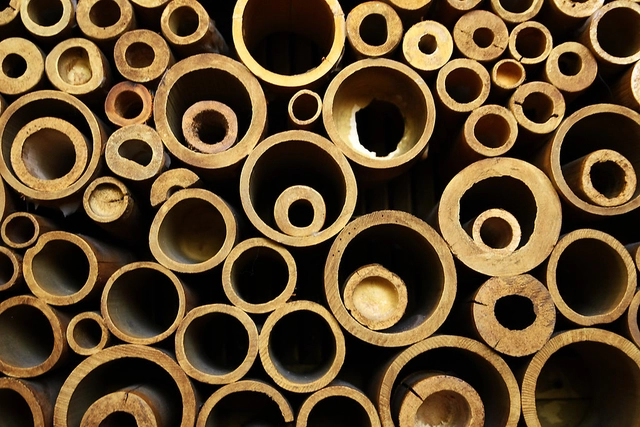
The Bamboo Experimentation Laboratory at UNESP - Bauru has shared with us the work developed by architect Roberval Bráz Padovan, who researched bamboo construction joints. In addition to analyzing various connection possibilities, Padovan concludes by proposing a joint component for space trusses. The thesis was presented in 2010 at the School of Architecture, Arts, and Communication of UNESP - Bauru, advised by Prof. Dr. Marco Antônio dos Reis Pereira and co-advised by Prof. Dr. Paula da Cruz Landim. Read the author's abstract below.
https://www.archdaily.com/1122961/bamboo-in-architecture-structural-connection-designPedro Vada
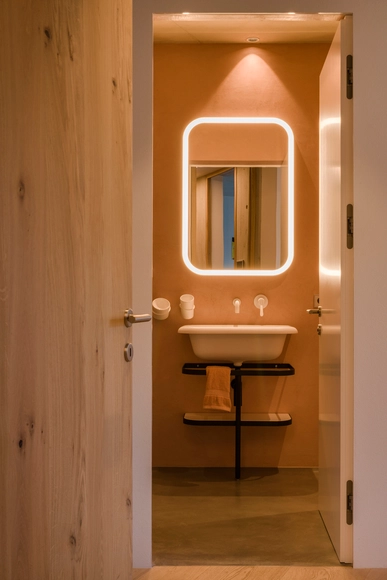
A successful interior design must be paired with a proper lighting design. It is responsible for ensuring that the quantity and wattage of the bulbs are suited to the space based on its dimensions and use.
Diego3336 on Visual Hunt / CC BY. Image via Visual Hunt
Currently, until August 16, the second public consultation on the new Urban Intervention Project (PIU) for the city's central sector is open on the municipal government's website. The project involves the necessary revision of the Centro Urban Operation, a law enacted in 1997 whose alignment with the regulatory framework established by the 2001 City Statute had been expected since the passage of the last Master Plan (Law 16,050/2014).
https://www.archdaily.com/1122970/one-of-sao-paulos-largest-exception-perimeters-intervention-project-for-downtownGuido Otero e Simone Gatti
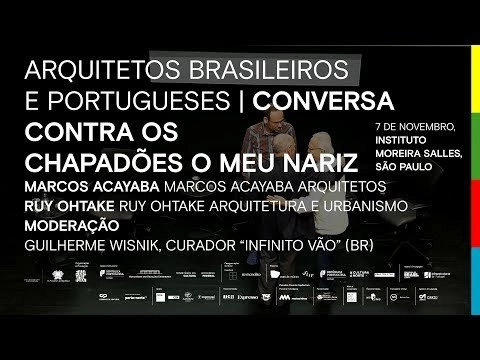
As part of the programming for the exhibition Infinito Vão, Casa da Arquitectura invited a group of architects from different generations featured in the exhibition on 90 years of Brazilian architecture for a series of talks hosted at the Instituto Moreira Salles in São Paulo. Architects Ruy Ohtake and Marcos Acayaba participated in this event, moderated by one of the exhibition's curators, Guilherme Wisnik.
https://www.archdaily.com/1122706/ruy-ohtake-marcos-acayaba-and-guilherme-wisnik-conversation-against-the-plateaus-my-noseCasa da Arquitectura
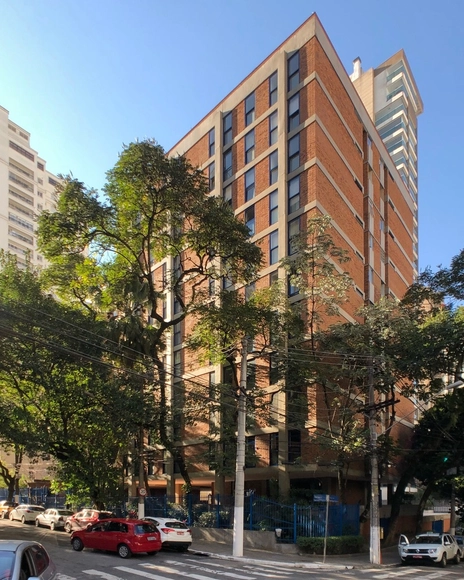
The real estate market and construction industry in São Paulo, which had been booming since the mid-1960s thanks to the creation of the National Housing Bank, allowed for broad architectural experimentation, such as a novel program: vertical multifamily housing. Nevertheless, as early as the 1950s, Revista Pilotis was already calling for architects to take a stance on the issues generated by this new program:
Jardim Lapenna, São Miguel Paulista. Photo: Eduardo Silva/32xSP
Residents of Jardim Lapenna, in São Miguel Paulista, in São Paulo's East Zone, have created a participatory neighborhood plan in the state capital. Out of 32 urban actions planned in areas such as lighting, security, and paving, seven were selected as priorities and are currently being incorporated into the annual budget bill (PLOA) for 2019.
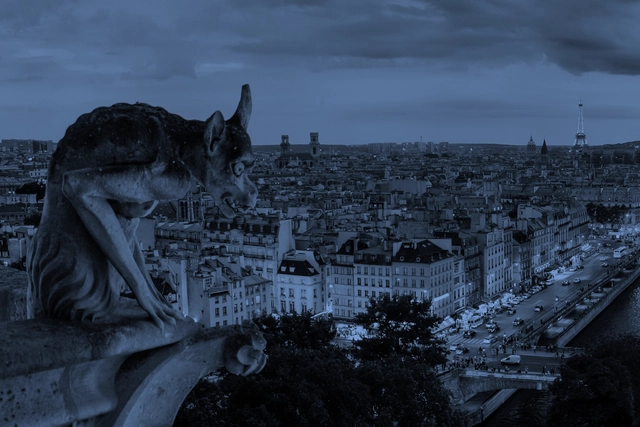
In another episode of the Architecture and Cinema series, Arquicast brings the film Paris, I Love You to the discussion. In addition to the usual podcasters, the episode features advertising professional and journalist Janaina Pereira, who holds a postgraduate degree in Cinema and contributes to various entertainment outlets. Janaina previously participated in episode #58 on the film Her. Another returning guest on Arquicast is cinematographer and cinephile Kiko Barbosa, who always brings engaging insights to our conversations.
Ruas mais inteligentes e sinalização viária em Bogotá, Colômbia, buscam aumentar a segurança para pedestres e ciclistas. Foto: Dylan Passmore / Flickr. Image Cortesia de WRI Brasil
Although more than 1.35 million people lose their lives in traffic crashes every year, these fatalities do not receive the same attention from politicians and the media as airplane, train, or ship disasters. Some believe that deaths from vehicle crashes are simply a part of daily life or inevitable—but they do not have to be.
https://www.archdaily.com/1122487/8-planning-design-and-mobility-strategies-to-create-safer-streetsNikita Luke e Anna Bray Sharpin
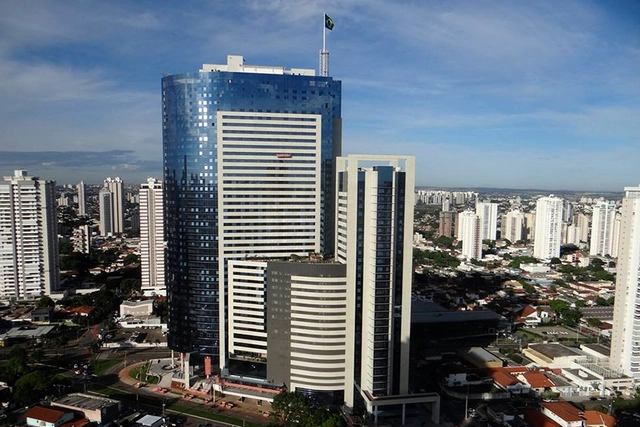
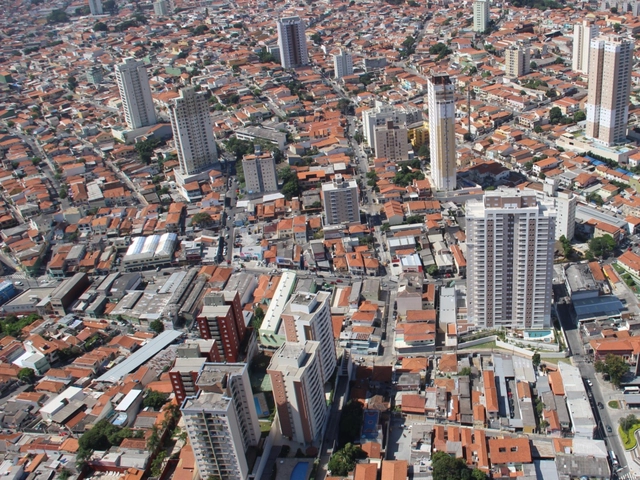
On flat terrain, where the horizon is visible in every direction, buildings with over forty stories rise across different areas of the city. Recently, a fifty-story building was completed; at 191 meters (626 feet) high, it is the tallest in the country. While some criticize this development model for its impact on the landscape, in a capital with rapid population growth, one would expect the cost of housing to rise steadily, along with the housing deficit. This, however, is not the case in Goiânia.
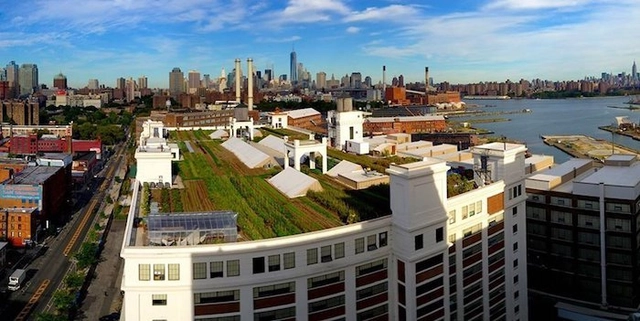
More than 36 tons of organic vegetables are grown on New York City rooftops every year. Beyond providing food, these green roofs also prevent pollutants from reaching the city's rivers.


2.jpg?1565106025&format=webp&width=640&height=580)