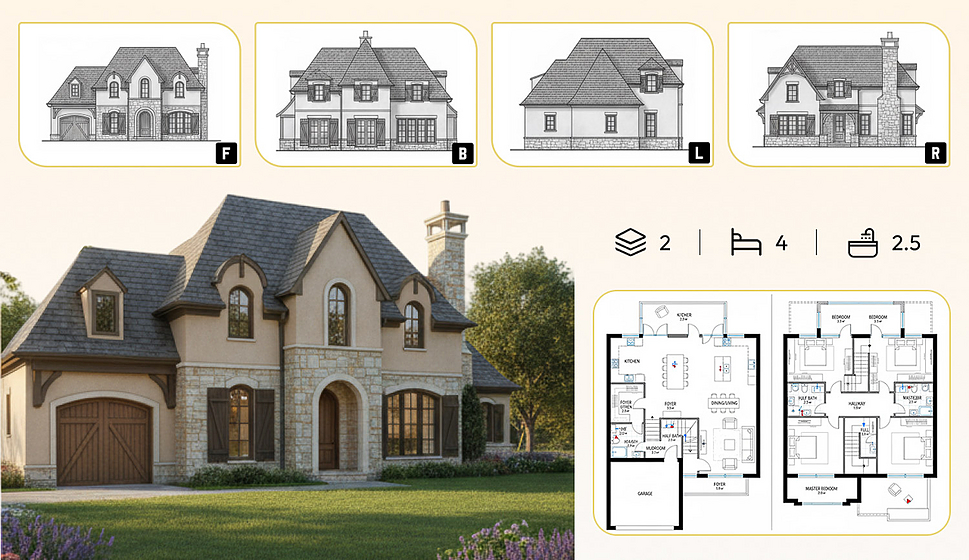
This guide covers a workflow that moves from project parameters to generated floor plans, 3D perspective views, exterior design exploration, and site context visualization, using AI tools in place of preliminary CAD and rendering work.
This guide covers a workflow that moves from project parameters to generated floor plans, 3D perspective views, exterior design exploration, and site context visualization, using AI tools in place of preliminary CAD and rendering work.
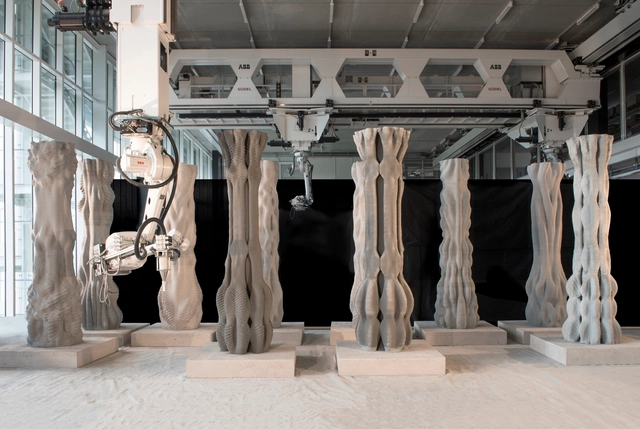
2022 could be remembered as the year when surprising AI-fueled tools became accessible to a larger audience: from text-to-image generation Stable Diffusion, Midjourney, and DALL-E 2 to unsettling design experiments such as This House Does Not Exist, to surprisingly smart OpenGPT, a language-processing designed artificial intelligence to generate human-like text.
Cautiously described by OpenAI CEO Sam Altman as "a preview of progress", any user can talk with OpenGPT about almost anything: the results are astonishing and it easily can embody an umpteenth so-called threat for creative-related jobs. However, OpenGPT does not have access to browse the internet. Instead, it interacts based on the gigantic database that it has been trained on. As expressed by Gannett's Eric Ulken, "even the best generative AI tools are only as good as their training", so what an "inappropriate request" is has previously been tuned (by humans) as well.
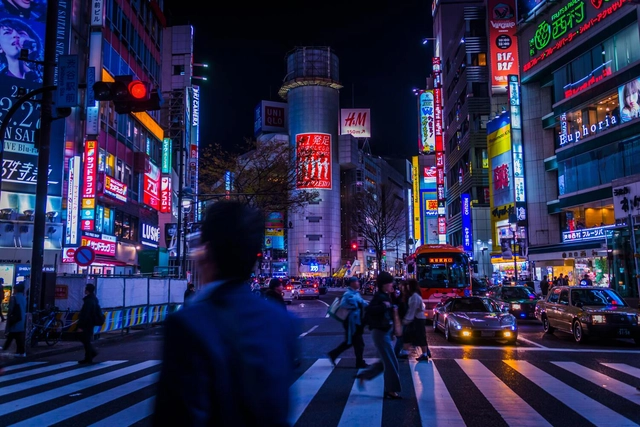
Cities evolve over countless years, each moment of change building up to larger societal and architectural shifts. Metropolises across the world are constantly subject to social, political, economic, or environmental forces that alter their fundamental identity - a character that is meant to be dynamic. As cities develop in size and impact, advancements in the understanding of cities and urbanism grow more complex.
Cities are formed from a sequence of narratives, characteristics, relations, and socio-spatial values that reflect the identity of the place. The livelihood of the city also depends on its people and a mutual relationship with them. Along with their communities and their circumstances, cities morph to reflect their residents' needs and values.
25 practices, sole practitioners, and startups from 5 continents and 18 countries have been chosen as part of the 2023 New Practices, the latest edition of the global annual survey by ArchDaily. Ongoing since 2020, the review detects and showcases those who are taking architecture in its new direction under unstable times and demanding challenges.
ArchDaily's New Practices has invited not only designers to apply but those practicing within the broadest definition of architecture and its exercise to share their innovative, fresh, and forward-thinking mission with us. As a result, the 2023 edition features designers, landscape architects, researchers, curators, activists, writers, and three ground-breaking startups—the modular construction U-Build, Urban Beta with their Beta Port building system, and the "Google Doc of Space Design" Rayon—thus joining previously highlighted firms: AEC-industry-oriented management software Monograph, energy transition startup Baupal, online design platform and marketplace CANOA, and 3D-printed housing company ICON.
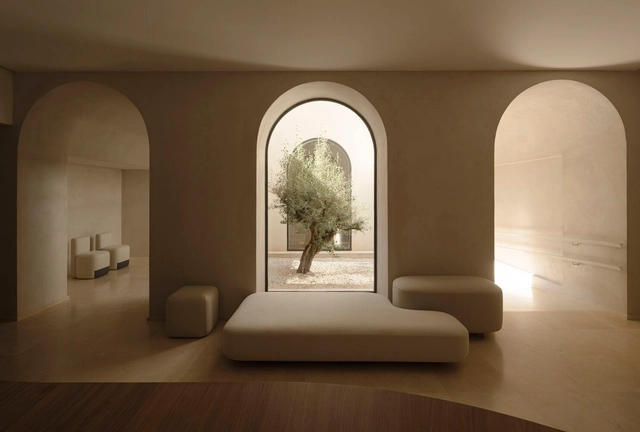
As we wrap up 2022, we take a look back at how this year introduced new adaptations to the way we live, work, and interact with our built environment, especially after emerging from years of unprecedented changes. One way to describe this year's design identity is that there isn't one. Going through this transitional period, inspiration came from foreign travels, immersive virtual worlds, being one with the planet and the serenity that came with it, platforms that promote expressionism and individuality, and a trend-setting generation known for its bold perspectives.
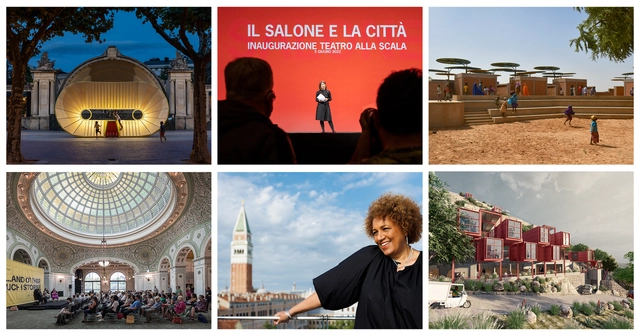
As expressed by 2023 Venice Architecture Biennale curator and architect Leslie Lokko, "after two of the most difficult and divisive years in living memory, architects have a unique opportunity to show the world what we do best: put forward ambitious and creative ideas that help us imagine a more equitable and optimistic future in common."
From Venice's approach to Africa as the lab for the future to Seoul's road to its next 100 years as a megapolis; from Chicago's art-meets-architecture-meets-civic-participation to Sharjah's "beauty of impermanence" in the Global South motto, 2023 will witness a series of architectural events trying to embody those forward ambitious and creative ideas, as explained by Lokko.
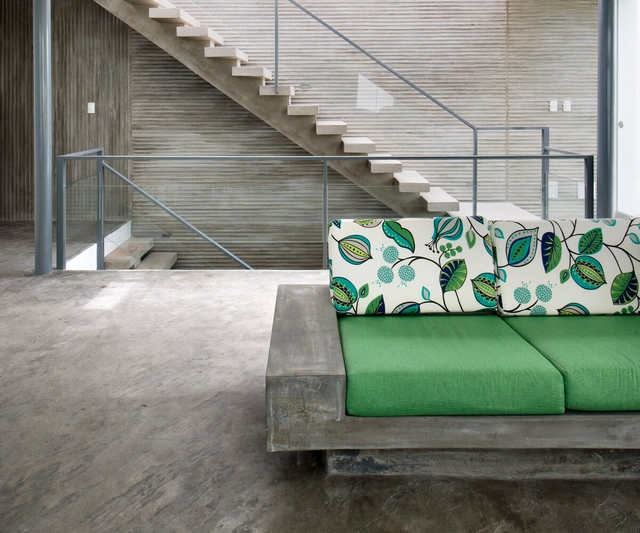
To meet daily needs and ensure domestic routines function smoothly, the interior and exterior spaces of a home require certain fixtures and furniture—no matter how minimal or essential they may be. In many cases, selecting and designing the furniture that will complement the architectural project is relegated to a post-construction phase and, typically, left to the clients themselves.
However, for some architects, furniture design is considered an integral part of the project. Capitalizing on the plasticity and malleability of certain materials, they choose to integrate interior furniture directly with the architecture. In their designs, benches, shelves, and countertops merge with the spatial language, unfolding sculpturally to extend the surfaces of floors, walls, and partitions.
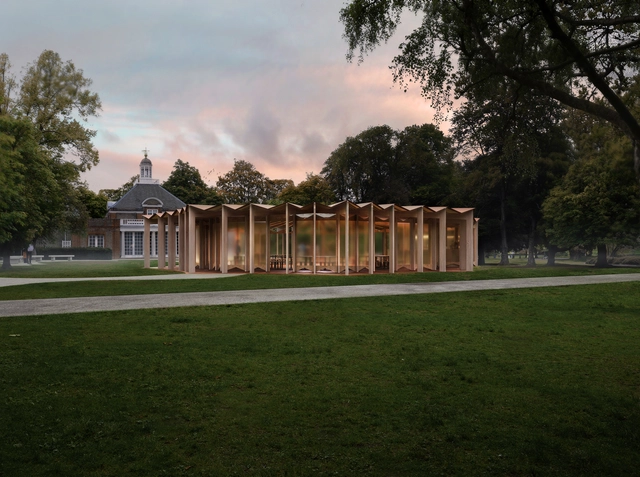
Beirut-born, Paris-based architect Lina Ghotmeh has been announced as the designer of the 22nd annual Serpentine Gallery Pavilion. Titled “À Table,” the French expression for sitting together to eat, her proposal introduces a slender wooden structure with nine pleated petals supported by radial ribs. Inside the pavilion, a ring of tables and benches invites visitors to enter, sit down and relax, eat or work together. According to the architect, the modest space and low-slung canopy is meant to make people feel close to the earth. The Serpentine Pavilion will be open from June to October 2023.



As the growing complexity of our world presents us with ever-growing challenges at an unprecedented speed, our built environment has become one of our society’s most critical questions. From energy scarcity to inequality, density, diversity, waste, food production, circular economy, and identity—it all converges into the built environment. To face this, architecture needs to evolve and scale.
During the last century, our profession has followed a linear evolution since the breakthrough of modernism, but the growing pressures have laid out the perfect scenario to push architecture to take its next leap. We see an increasing number of architects questioning the way we organize and practice, seeking to have a wider, stronger, faster, and more scalable impact. And they are choosing to do things in a new way, creating new practices, companies, collectives, or startups that are leading the revolution with their new approaches, proposals, and solutions, and inspiring others to join.
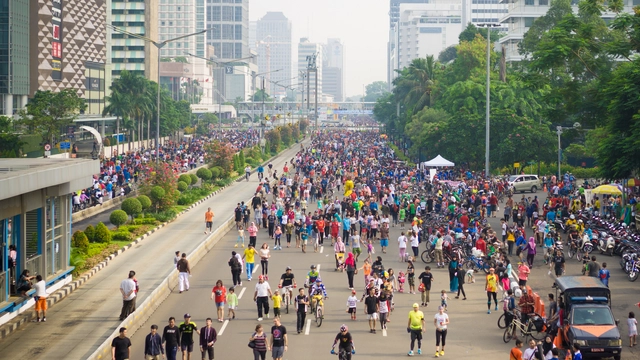
According to the World Population Clock, the human population reached 8 billion on November 15th. According to the UN, this milestone represents a celebration of human longevity due to improvements in public health and medicine, but it also comes with warnings about inequality, limited access to food and resources, and environmental damage. Despite the impressive number, the annual World Population Prospect report shows that the global population is growing at the slowest rate since 1950, and it predicts a continued deceleration in the second half of this century.
As more than half of the world population lives in cities, an estimated 55.7%, according to UN-Habitat’s latest reports, the urban challenges are growing exponentially. The UN expects this number to increase to 68% by 2050, with close to 90% of this increase taking place in Asia and Africa. Accelerated urbanization can pose significant risks, such as increasing inequality, poverty, sectorized development, social exclusion, and pollution. In this context, a well-balanced urban agenda becomes crucially important in achieving inclusive, safe, and sustainable cities.
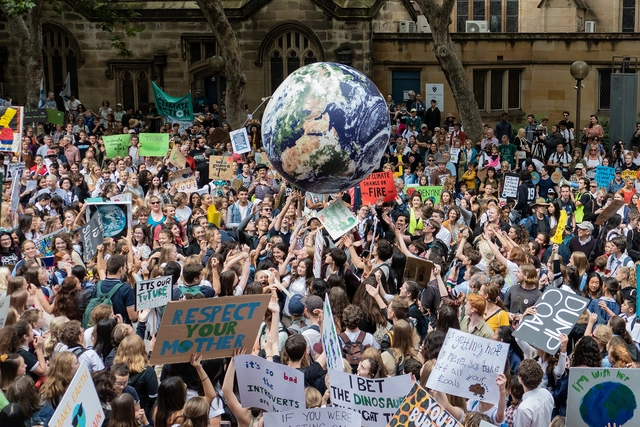
Starting on November 6, world leaders are gathering in Sharm el Sheikh, Egypt, for COP27. The name stands for the 27th conference of parties, an almost annual event started under the 1992 UN framework convention on climate change (UNFCCC). The purpose of these conferences is to ensure that counties around the world are committed to taking action to avoid dangerous climate change and find ways to reduce greenhouse gas emissions globally in an equitable way. The effectiveness of these meetings varied throughout the years, with some successful initiatives, like the 2015 Paris Agreement, a legally binding international treaty adopted by 196 Parties with the goal of limiting global warming below 2, preferably 1.5 degrees Celsius, compared to pre-industrial levels.
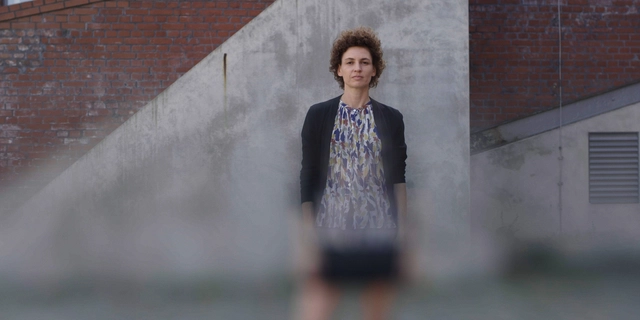
From ending up by accident in architectural studies, to eventually falling in love with the complexity of the field and the multitude of its layers, Johanna Meyer-Grohbrügge was amazed by the dual nature of architecture; its intellectual aspect, and physical outcome. Founder of Meyer-Grohbrügge in Berlin, the architect, and her studio seek to spatialize content, create relationships, and find solutions for living together.
With Toshiko Mori and Gabriela Carrillo, Johanna Meyer-Grohbrügge is part of a new documentary titled "Women in Architecture", premiering on November 3rd. The film by Sky-Frame, in collaboration with ArchDaily, and directed by Boris Noir is a catalyst for debate on one of the most pressing topics in architecture.
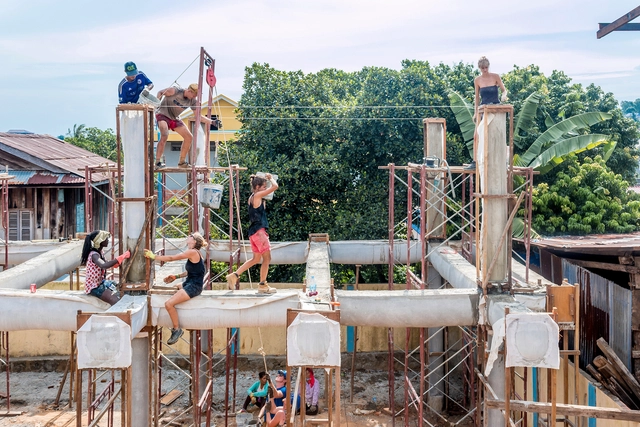
Site work has always been and remains a pivotal stage in forming our built environment. Most architects, designers or engineers have at one point or another been on the grounds and understand the importance of presence within the project development phases. Working on construction sites can be a valuable learning experience and allows different inputs from diverse experts to be considered in forming a better urban, living, and working environment for all. Starting from this idea, and as we delve into Women in Architecture as part of our ArchDaily topics, we published an invitation, encouraging our readers to share their opinion on gender-based discrimination on the construction site.
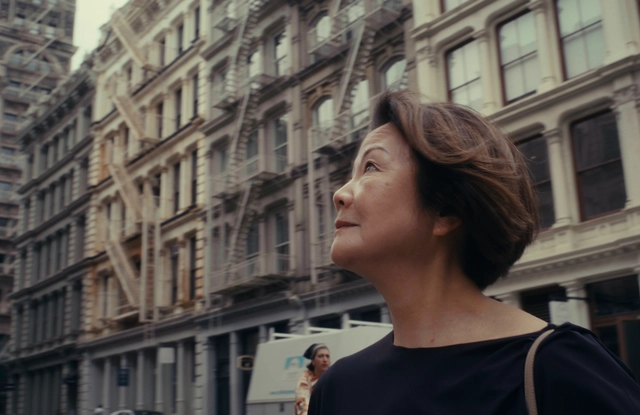
In architecture, context is what concerns human existence in a given place. Climate, culture, geography, and pre-existences, to name just a few. For Toshiko Mori, a Japanese architect based in the United States, context is everything that arouses curiosity about the people we design for. In almost four decades as the head of her office in New York, Mori has had the opportunity to exercise her interest in design practice and academia, managing to build her buildings in contexts as diverse as China, U.S., and Senegal.
With Johanna Meyer-Grohbrügge and Gabriela Carrillo, Toshiko Mori is part of the new documentary Women in Architecture, premiering November 3. The film — made by Sky-Frame in exclusive collaboration with ArchDaily, and directed by Boris Noir — is a catalyst for debate on one of the most pressing topics in architecture.
To make our world a better place, everyone should have an idea of how architecture works and what it can have an impact on.
Thinking on how to share empowering stories about women who are making an impact on the built environment through architecture, we partnered with filmmaker Boris Noir who developed the concept for the documentary “Women in Architecture”. The project has been initiated by Sky-Frame to shed more light on the role of women in architecture, by increasing their visibility and empowering them to realize their full potential.
We reached out to Toshiko Mori, Gabriela Carrillo, and Johanna Meyer-Grohbrügge, three architects in three different countries, in different stages of their careers, but with a lot in common: recognized practitioners, with a passion for education, working with communities, and a sensibility towards the needs of society and the built environment.
The protagonists shared with us a variety of fundamental topics, such as their perspectives on being a woman in an industry led by men, how to balance work and private life, and the general challenges women experience in the profession. Their enthusiasm provides a space for reflection and inspiration.
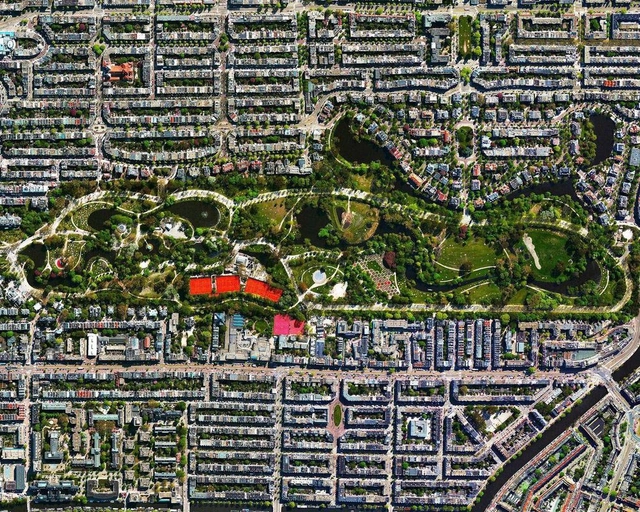
The first Monday of October of every year marks World Architecture Day and World Habitat Day. Celebrated simultaneously, they both seek to shed light on the built environment and its challenges, taking on a different theme with each new edition. This year, through its World Architecture Day, the UIA is focusing on “Architecture for well-being”, in line with the designation of 2022 as the UIA Year of Design for Health in buildings and cities. In parallel, the UN’s World Habitat Day, is centered on “Mind the Gap. Leave No One and Place Behind”, looking at the problem of growing inequality and challenges in cities and human settlements, due to the triple ‘C’ crises – COVID-19, climate and conflict.
Introducing Urban October, 31 days to promote a better urban future, World Architecture Day and World Habitat Day push forward the debates on urban sustainability. Joining the conversation every year, ArchDaily takes part in this occasion by promoting content that tackles the main objectives of this day, raising awareness, presenting solutions, engaging the international community, and “empowering everyone who makes architecture happen to create a better quality of life”.
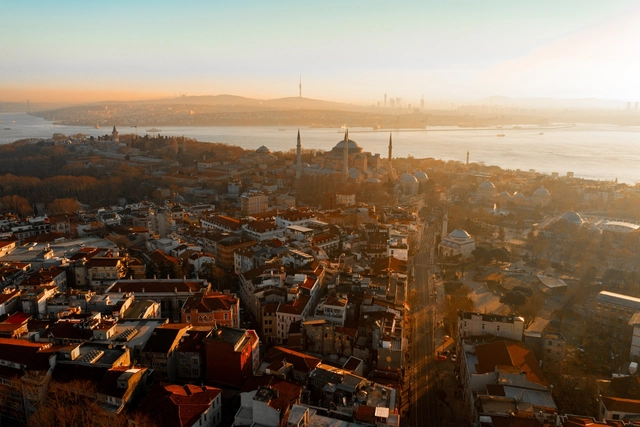
Byzantium, Constantinople and now Istanbul, the many names this city has had over the centuries are proof of the central role it has played throughout history. Founded by Greek settlers in the 7th century, the city served as an imperial capital for a cumulated period of over 1600 years. During the Roman/Byzantine, it played a crucial role in the advancement of Christianity before its transformation into an Islamic center and becoming the sear of the Ottoman Caliphate. Today, Istanbul is a vibrant city with a rich cultural scene and multiple historical layers to be discovered.
Straddling the Bosphorus strait, the city lies in both Europe and Asia, integrating architectural masterpieces that reflect the meeting of European and Asian cultures over the centuries. As the largest city in Turkey with a population of over 15 million residents, Istanbul also serves as the country’s economic, cultural, and historic center. Istanbul is the 15th largest city and the eighth most visited city in the world. The city is also home to several UNESCO World Heritage Sites.
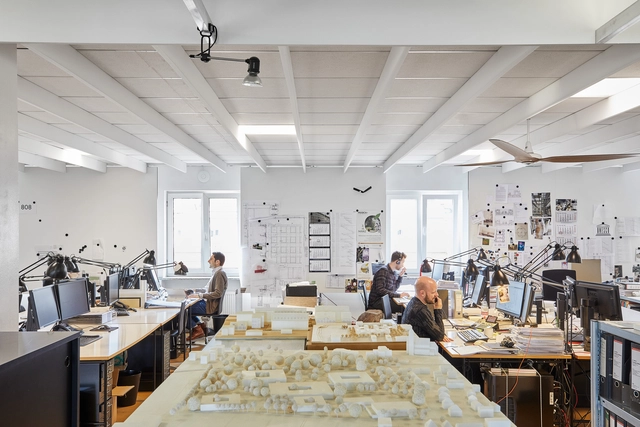
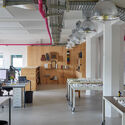
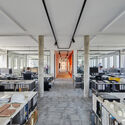
After photographing architectural studios in Berlin, Marc Goodwin has captured the spaces of 26 offices between the German cities of Frankfurt, Stuttgart, and Munich, including Schneider+Schumacher, Blocher Partners, Asp Architekten, Behnisch Architekten, Laboratory for Visionary Architecture, Henn, and Auer Weber Assoziierte to name a very few.
Continuing his work on the Atlas of Architectural Atmospheres, Archmospheres, Goodwin has collected so far, images of studios from cities around the world, more specifically from Madrid, Panama City, Dubai, London, Paris, Beijing, Shanghai, Seoul, Barcelona, Los Angeles, Istanbul, and so many others.
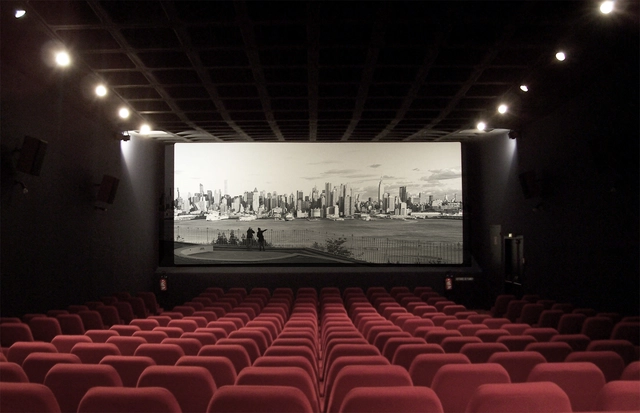
Jean-Luc Godard, through his films, talks about architecture almost as easily as he talks about cinema itself. In honor of the nouvelle vague icon, who passed away today at the age of 91, we revisit How Architecture Speaks Through Cinema.
There are several ways of making films. Like Jean Renoir and Robert Bresson, who make music. Like Sergei Eisenstein, who paints. Like Stroheim, who wrote sound novels in silent days. Like Alain Resnais, who sculpts. And like Socrates, Rossellini I mean, who creates philosophy. The cinema, in other words, can be everything at once, both judge and litigant. — Jean-Luc Godard [1]