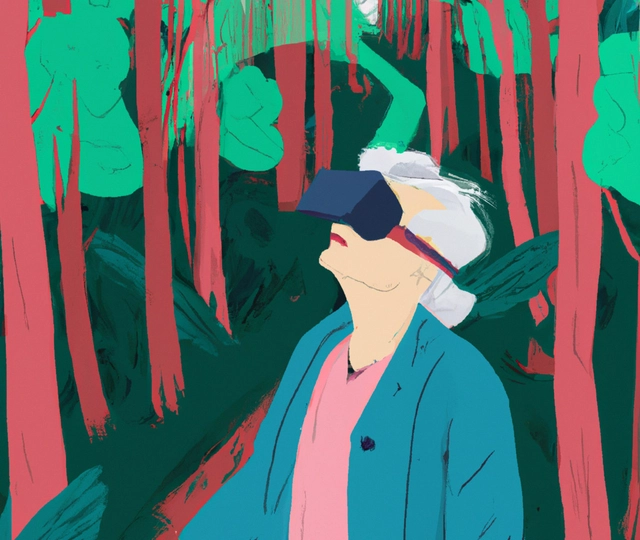
Virtual reality, alongside the metaverse, is playing an increasingly important role in helping both people living with dementia and their caregivers and families cope with the symptoms of this neurodegenerative condition.
There are currently 50 million people living with dementia worldwide. This number is expected to double in the next 10 years and more than triple by 2050. Consequently, the global cost of dementia is projected to reach $2 trillion by 2030.
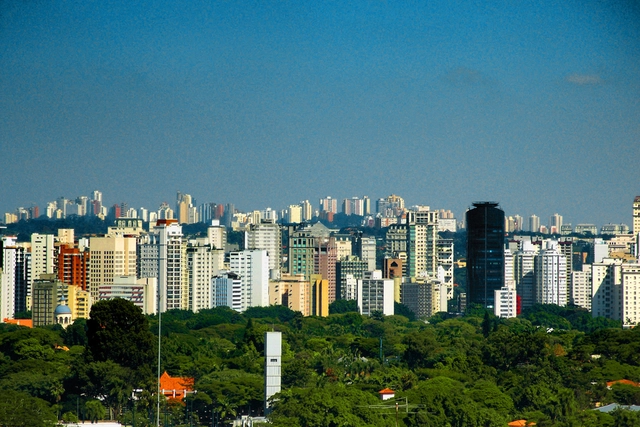
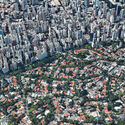
Jardim Paulistano neighborhood. Photo by Alexandre Giesbrechtm, via Flickr. License CC BY-SA 2.0
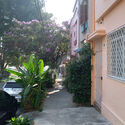
More People, Fewer Trees? In the face of the climate crisis, tree-lined streets—once merely desirable—have become an essential attribute for quality of life in São Paulo. Meanwhile, population density in the infrastructure-rich expanded center seems to be the most efficient path for the capital's growth. But are these two goals truly at odds? Does higher density inevitably mean more concrete and fewer trees? In a recent column for Jovem Pan, architect and urban planner Helena Degreas highlighted the ongoing loss of urban canopy in the city. In her view, this is a reflection of the "unbridled densification resulting from the guidelines of São Paulo's Strategic Master Plan, combined with regulations regarding tree removal along urban transformation development axes." In just four years, the Pinheiros Subprefecture alone reportedly lost over three thousand trees. Indeed, defending the city's "green lungs" is one of the central arguments supporting the historical resistance of residents in neighborhoods like Jardim América, Jardim Europa, Alto de Pinheiros, and Pacaembu to any changes in zoning laws that would encourage population density in these areas. On the other hand, according to research conducted by the Coalition for Urban Transitions, an initiative of the New Climate Economy, and the Urban Land Institute, evidence shows that increases in urban density are linked to declines in both local and per capita carbon emissions and energy consumption. This reduction in emissions is driven by factors such as decreased private vehicle use, greater energy efficiency in buildings, less built infrastructure, and fewer land-use changes on urban fringes. Consequently, dense cities are greener cities. These factors underpinned the argument made by architect and urban planner Anthony Ling in defense of proposed changes to the 2015 Zoning Law in his article "The Struggle of São Paulo's Elite to Exclude the City," published in Caos Planejado. To mark World Environment Week (June 5 to 9) and contribute to this controversial debate, I cross-referenced the number of street trees per square kilometer (vertical axis) with inhabitants per square kilometer (horizontal axis) across São Paulo's 96 districts, sharing the analysis in a LinkedIn post. If it were true that population density and green density in São Paulo necessarily move in opposite directions, we would see a clear negative correlation between the two variables. However, as the chart below shows, that is not the case. As the chart demonstrates, several districts have both green and population densities above the city average—such as Jardim Paulista, Vila Mariana, Consolação, and Perdizes. In Jardim Paulista, however, part of this high green density is due to the leafy neighborhood of Jardim América, where heritage preservation and zoning laws restrict construction and high-rises—consequently keeping population density low. The same occurs in the Perdizes district, which includes part of the Pacaembu neighborhood. In fact, focusing on the top of the chart, where districts with above-average green density are located, we do observe a slight negative correlation between green density and population density. Alto de Pinheiros has low population density but boasts the highest number of street trees per square kilometer in the city. As we move to the right on the chart toward districts with higher population densities, we see a drop in green density, as in Santa Cecília, República, and Bela Vista—though it is worth noting that even these districts remain above the city average. It is also true that higher population density, even in green areas, can mean fewer trees per capita. Bela Vista and República, for instance, despite their above-average green density, are among the districts with the lowest number of trees per inhabitant (highlighting the relevance of developments like Cidade Matarazzo in Bela Vista). Conversely, Butantã, despite having a green density close to the average, is one of the districts with the highest number of trees per inhabitant. However, it is when we factor price into the analysis (represented by circle size) that São Paulo reveals its segregated nature once again, as previously identified by Properati, the consultancy that compiled the green density and price data—while population density data was sourced from the City Hall website. Broadly speaking, the districts with the highest green density are also among the capital's most expensive. Furthermore, wealthy areas concentrate most of the city's parks, such as Ibirapuera Park (Vila Mariana), Parque do Povo (Itaim Bibi), Trianon Park (Jardim Paulista), and Augusta Park (Consolação). In other words, the benefits of green spaces in São Paulo also appear to be a privilege reserved for the few. The contrast between the two "Itaims" is particularly striking: on one hand, Itaim Bibi is green, wealthy, with below-average population density and nearly 150 street trees per thousand inhabitants; on the other, Itaim Paulista is low-income, densely populated, and has few street trees (just 25 per thousand inhabitants). To be clear, I am not suggesting that the construction of new buildings along the urban transformation axes is not leading to tree removal—I myself deeply regretted the removal of a massive, century-old tree on a plot on Avenida Pompeia, near my home, to make way for a new building. The issue, however, may not be high-rise development and population density in themselves, but rather a lack of oversight and strategic planning to preserve existing trees—or to promote urban reforestation. As Helena Degreas herself points out, "in the city of São Paulo, tree planting is carried out by subprefectures on a compensatory basis—meaning that for every tree removed within a subprefecture's territory, another must be planted anywhere else in the city. It is at this point that issues related to local microclimate, soil permeability, and biodiversity are bypassed solely by the logic of real estate density." Her proposal to plant trees in the exact location where they were removed makes perfect sense. "Removing a tree from my street and planting it elsewhere makes no sense when it comes to local microclimate and resident well-being," she rightly argues. Furthermore, urban greening or even creating small garden beds on sidewalks almost always falls on property owners, without proper planning or public sector incentives. Structured, coordinated initiatives could significantly improve the microclimate and quality of life for those who use these public spaces. When properly planned, population density tends to create more resilient, efficient, diverse, and prosperous areas, both socioeconomically and environmentally, as evidence suggests. Thus, what the resistance to density in certain areas seems to reveal, rather than a legitimate defense of the city's green spaces, is the old, disappointing defense of established privileges. Extremely well-located, close to high-paying jobs and major cultural and leisure facilities, areas with high green density and low population density are among the most expensive in the city. "What they want to maintain is the quality of life in their own neighborhood—the silence, the greenery [...] but to call that public interest? No," stated Flávio Villaça, one of Brazil's most prominent urban planners, quoted by Ling in his article. Via Caos Planejado.
Year after year, organizations, government authorities, and other global entities face the challenge of implementing regulations and measures to address rising water scarcity: as of 2017, according to the World Health Organization, roughly 3 out of 10 people lacked access to safe drinking water at home, while 6 out of 10 lacked access to safely managed sanitation.
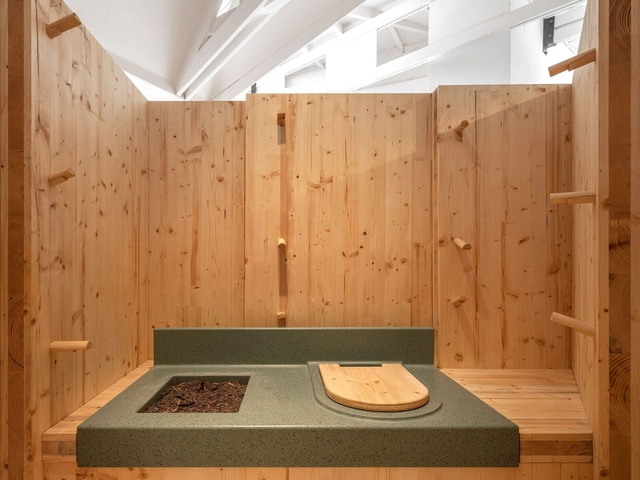
The Huussi toilet in the Finland pavilion at the 2023 Venice Architecture Biennale disposes of waste without water. Photograph by Ugo Carmeni
Although there are records of latrines dating back to 3100 BCE, the first flush toilet was invented in 1596 by Englishman John Harington. He produced two units: one for himself and another for Queen Elizabeth I.
The idea did not catch on at the time, and it was only in 1775 that Scotsman Alexander Cumming patented the modern toilet, designed to connect to a sewage system. In 1885, another Englishman, Thomas Twyford, created the first porcelain toilet, replacing the wooden models that preceded it.
According to recent research, the global fashion industry generates around $2.4 trillion annually. This staggering figure, unfortunately, is matched by its waste statistics. It is estimated that every second, the equivalent of a garbage truck full of textile scraps is burned or sent to landfills. Considering that fabrics like polyester, which is widely used in garment manufacturing, take an average of 200 years to decompose, the catastrophic future of this model is easily foreseeable. Alarming news consistently highlights this issue, such as the images of the immense secondhand clothing graveyard in the Atacama Desert released a few years ago, or reports that famous British luxury brand Burberry incinerated £28.6 million worth of unsold clothing, accessories, and perfume last year to protect its brand, claiming the carbon emissions were offset, making the action "environmentally sustainable."
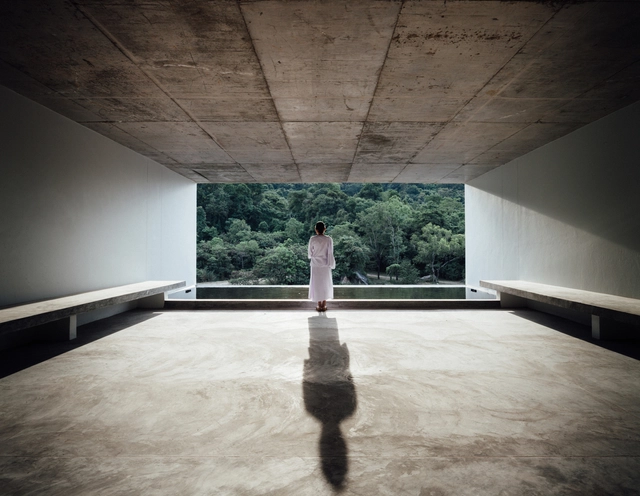
Present-moment awareness, also known as mindfulness, is the practice of focusing entirely on the present. In this meditative practice, worries about the past and future give way to a heightened awareness of the *here and now*, which includes awakening a space-mediated self-awareness through the perception of feelings, sensations, and the surrounding environment.
In this context of awakening to self-awareness, the power of the built environment to serve as a refuge cannot be overlooked. While social interaction is vital for maintaining human health, privacy and spaces of retreat are equally essential.
As critical as I am of the impact of shopping malls on urban life in São Paulo, I still cannot avoid them completely. Whether it is because I am short on time but need to stop by the supermarket and buy a birthday present; or because the movie I want to see is only playing at that specific time in that particular mall; or because my children love the play area on the rooftop of Shopping Pátio Higienópolis and, since I really need to buy new sneakers, we end up going there.
https://www.archdaily.com/1136240/so-many-people-so-much-joy-the-role-of-shopping-centers-in-urban-lifeVitor Meira França
Although the architecture and construction industry has been making strides in new fields like artificial intelligence (AI), parametric modeling, virtual reality (VR), and other cutting-edge tools for years, their implementation and integration into daily design workflows remain slow. In an increasingly connected and constantly evolving world, digital tools and emerging technologies are revolutionizing how architects design and build—changing the rules of the game and expanding creative horizons. Consequently, there is an ongoing need to discuss how these technologies are being incorporated and how their use within the discipline can be further enhanced.
ArchDaily featured the topic of Design Process in July, and we didn't want to miss the opportunity to open the discussion with an invitation. We believe in the power of dialogue and the exchange of ideas. We want to hear about your experiences, learn from your successes, challenges, and mistakes—and explore together how these new tools are transforming the way you practice architecture.
A close look at the building facades in many Brazilian cities, such as São Paulo, Belo Horizonte, and Rio de Janeiro, reveals that the use of aluminum frames is highly common and popular in Brazil. Adopted across a wide range of building typologies, including residential and commercial projects, and in various formats such as doors, windows, and railings, these versatile structures are widely used in construction, representing about 80% of the total volume of aluminum consumed by the sector in the country. But why, after all, have aluminum frames become so widely used in Brazilian cities?
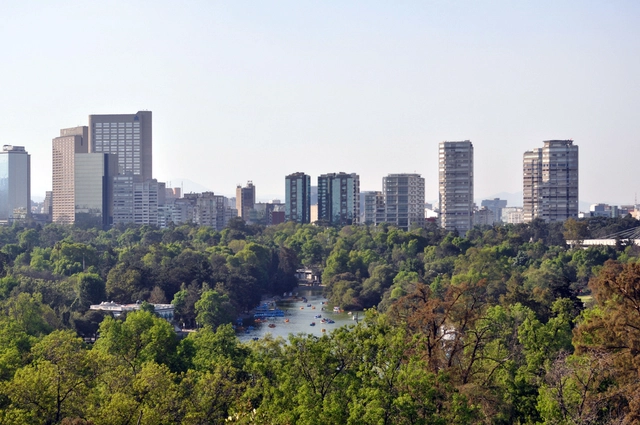
In Mexico City, the federal government has launched its final major cultural project of this administration, after allocating most of the sector's investment funds to improvements in Chapultepec Forest. On June 15, the National Institute of Fine Arts and Literature (INBAL) issued the first call for bids for the "La Mariscala" project, which aims to develop seven vacant lots totaling 5,043 square meters in the Historic Center, located between the Palacio de Bellas Artes and Garibaldi.
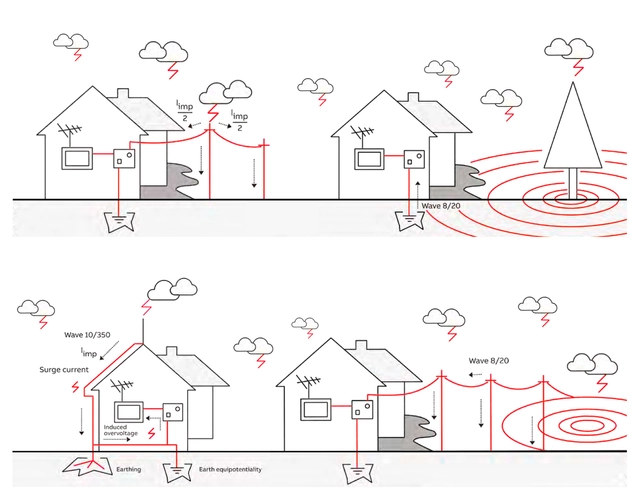
In its infancy, architecture relied exclusively on orientation, sunlight, and the natural elements influencing it. At the time, manipulating physical phenomena like electricity was not even considered. Over time, scientific advancements—such as the discovery of electrical energy and its future applications in buildings—became integrated into our way of life and the way we inhabit and experience space. Today, it is impossible to conceive of architecture without systems for ventilation, heating, or simply power. However, with the rapid growth of cities in recent years, rising demand for electricity, and the increasing sophistication of electrical systems, power surges (sudden increases in voltage) have emerged as a modern challenge we must address.
Many of these surges are transient, representing one of the primary threats to the integrity of electrical/electronic devices and overall electrical continuity in buildings. As electronic equipment becomes increasingly sensitive, the residential, commercial, and industrial sectors rely more heavily on control and communication systems, making them more susceptible to transient surges. In response to these events, ABB has developed a wide range of surge protective devices (SPDs).
https://www.archdaily.com/1136425/how-to-protect-buildings-against-power-surgesEnrique Tovar
The Royal Academy has honored Shane de Blacam at the 2023 Royal Academy Architecture Awards, alongside announcing the finalists for the Royal Academy Dorfman Award—an accolade that celebrates global architecture, looking toward the future of the discipline and architectural practice. The finalists are COMUNAL (Mexico), Taller Gabriela Carrillo (Mexico), H Arquitectes (Spain), and Tropical Space (Vietnam).
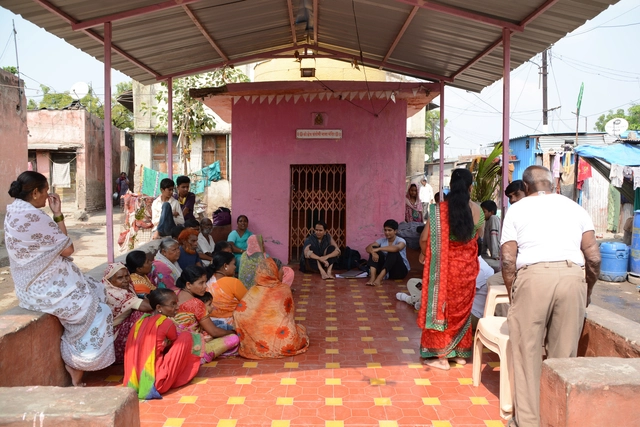
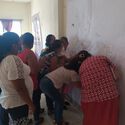
Sanjaynagar Slum Redevelopment Project - Technical team meeting with members of the Slum Committee. Image Courtesy of Community Design Agency
The era when Le Corbusier's Modulor—the perfect man—was the only one “allowed” to occupy our cities and architecture is long gone. Decades ago, it became clear that environments were being designed as ideological representations that failed to reflect actual demand and its rich diversity of social class, gender, race, age group, and sexual orientation, among other factors. Planning and design were often disguised as “neutral” concepts, while in reality they reproduced the perspective of a middle-class white man. Ultimately, the time has come for the city to move past this flawed assumption of universal appropriation and instead materialize in its spaces the specific needs of every citizen.
A popular saying goes, "Mexico is many Mexicos," a reality that manifests in various ways. The country's multiculturalism is highly pronounced; since pre-Columbian times, it has been clear that while there were commonalities linked to general human traits, material availability, and regional influence, architectural discourse and needs varied distinctly according to the geographical conditions of where it was built.
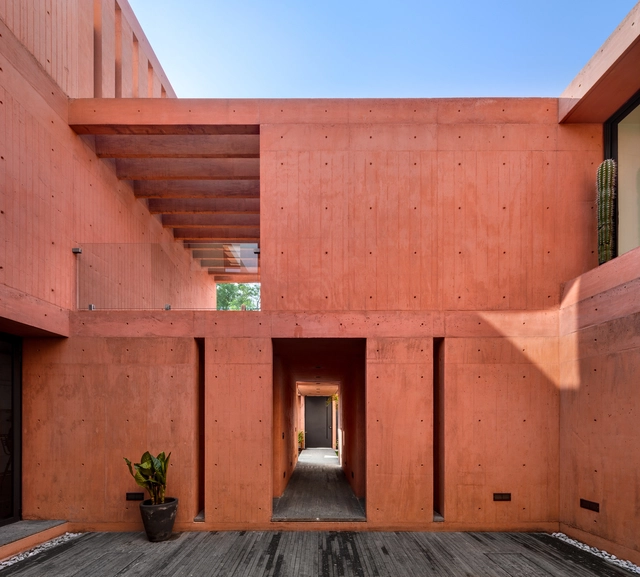
Pigmented concrete is created by adding pigments that provide a specific color to traditional concrete. From subtle touches to more intense hues, this approach allows architecture to play with surfaces and structures across a wide range of shades and finishes. Unlike surface coatings, pigmented concrete is integrated directly into the mix composition, preventing it from fading or wearing over time. Through its diverse aesthetic possibilities, pigmented concrete is a versatile and attractive alternative for adding color to architecture and design.
How can this material be applied in architecture? To achieve optimal and long-lasting results with pigmented concrete from Melón Hormigones, it is essential to correctly follow its application process, whether on walls, interior floors, exterior pavements, sculptures, or urban furniture. Below, we share a series of key recommendations for the proper use of pigmented concrete, from product selection to post-application care.
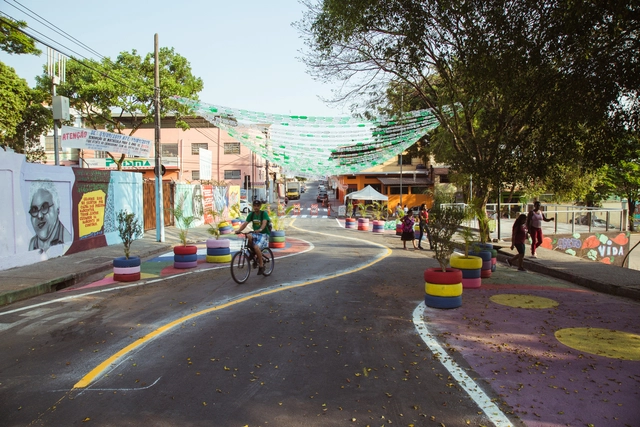
Urban intervention around the Anne Frank school in Belo Horizonte. Photo: Rafael Tavares / Octopus Filmes
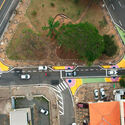
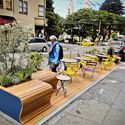
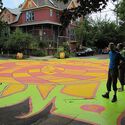
Tactical urbanism is a type of urban intervention that has gained prominence and sparked widespread discussion in recent years. It is based on the premise that low-cost, small-scale civic actions can have a significant impact on the urban environment, improving its dynamics and people's daily lives. Yet, starting as localized, temporary, or small-scale interventions, once accepted and recognized, many of these initiatives have transcended their initial ambitions. They have become catalysts for broader urban processes, triggering new actions that involve other stakeholders, spheres, and even the public administration itself.
Seeking more accessible school routes and initiatives that integrate children into urban mobility, the Cidade Ativa collective, in partnership with IDOM, has developed an action plan based on the assessment of two case studies in the city of São Paulo. Available online for free, this material serves as inspiration for other cities aiming to make their urban spaces safer and more accessible.
https://www.archdaily.com/1136151/safe-and-accessible-school-routes-for-children-an-action-planArchDaily Team
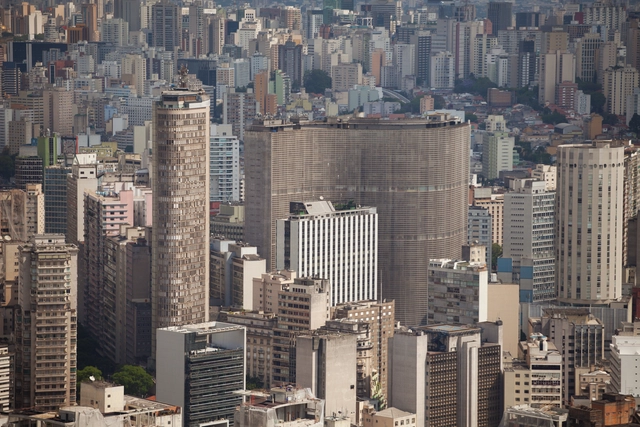
Aerial view of buildings in São Paulo, Brazil, including Oscar Niemeyer's Copan Building. Image via 3 Dias Fotografia / Shutterstock
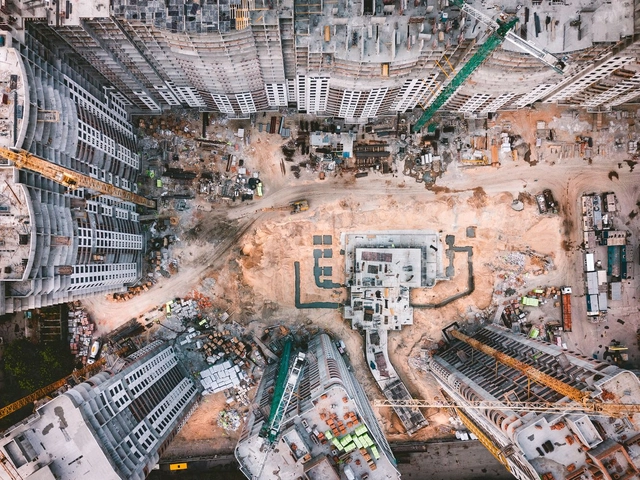
July 11th marks World Population Day, an annual event established by the United Nations Development Programme in 1990 to raise awareness of global demographic issues. This is a highly pressing issue today; not only is the global population projected to reach nearly 10 billion by 2050, but the latest UN-Habitat reports estimate that two-thirds of us will live in cities by then. Furthermore, this year is particularly notable because India has become the world's most populous country, reaching 1.4286 billion people—a milestone that naturally raises the question of what it means to build for billions.
World Population Review annually tracks urban growth and metropolitan populations to understand global development trends. Although the list of the 20 most populous cities in the world features familiar Asian hubs such as Tokyo in Japan, Delhi in India, and Shanghai in China, it also includes several Latin American giants. Among them are São Paulo, Mexico City and Buenos Aires, which recorded year-over-year growth rates of 0.85%, 0.89%, and 0.78%, respectively.
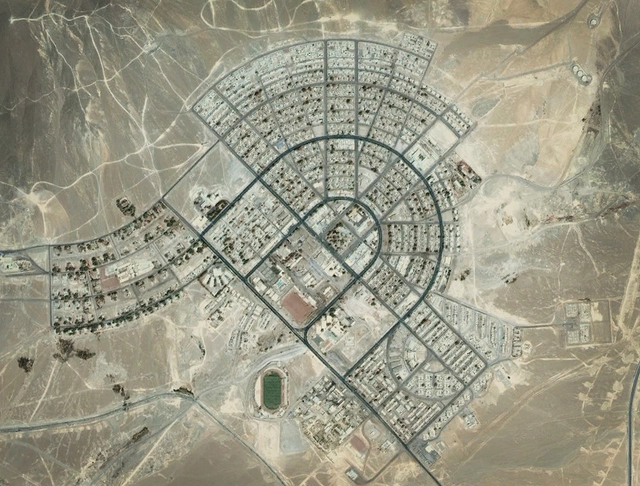
El Salvador was founded by the Andes Mining Copper Company in1959, [1] in the southern area of the Despoblado de Atacama. It originated as a new copper company town[2] designed to fulfill residential and labor functions related to copper mining, based on a project by American architect Raymond Olson of Anaconda-Jurden Associates, Inc. It operates the underground Inca mine, as well as the Campamento Antiguo and Damiana Norte open-pit mines. It complements the smelter located in the company town of Potrerillos, 72 km away. El Salvador was first "Chileanized," later "nationalized," [3] and finally integrated into the Chilean state company CODELCO during the 1980s.
https://www.archdaily.com/1136332/the-origin-of-cities-el-salvador-chileEugenio Garcés Feliú, Juan Barría, Rodrigo Ledezma, Lorena Estai
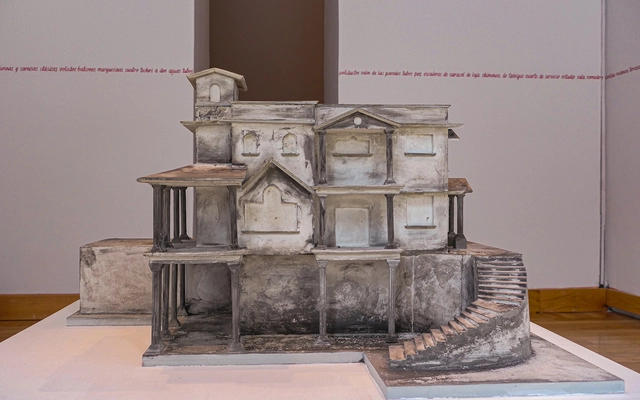
As part of the cultural program of the Centro Cultural España en México, the exhibition "Copias del abandono" is presented as a collaboration between Mexican artist Sandra Calvo and migrant communities from Tlaxcala. It is an investigation that began in 2016 comprising a film, archives, architectural plans, and testimonials. This research—which was presented at the 17th International Architecture Exhibition of the Venice Biennale in 2021—reflects on an architecture born from migratory processes between Mexico and the United States, focusing on the architectural parallels between the houses where migrants work in the US and the homes they build with remittances in their hometowns.
Despite apparent progress and setbacks, migration in North America continues to unfold under conditions of inequality and violence. To this day, the Mexican population continues to make up the largest percentage of migrants residing in the United States, and the cultural bridges between communities are increasingly evident.
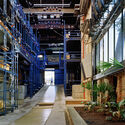
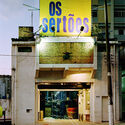
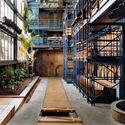
The year was 1969. Lina Bo Bardi wandered through the São Paulo neighborhood of Bixiga, which at the time resembled a war zone. The clearings and piles of rubble were the result of a violent urbanization cutting through the region in the shape of São Paulo's East-West expressway complex.
Against this backdrop, Lina collected personal objects found in the debris, picking up "the most sordid items," as Zé Celso, director and creator of Teatro Oficina, stated in an interview. There was a clear reason for this undertaking: to compose the set for the play In the Jungle of Cities (Na selva das cidades), designed by the architect herself. In it, a stage shaped like a boxing ring was fashioned from the rubble of the demolitions taking place around the theater. The play was divided into 11 rounds, in each of which an institution is destroyed until the ring itself is demolished. At the end, the actors remove even the theater floor to reach the bare earth.
Environmental issues have been the defining theme in architecture for several years now. The imminent scarcity of natural resources and growing awareness of the environmental damage caused by the construction industry have forced the profession to take a stand and develop solutions that mitigate its impact on the planet. While developing new technologies that enable more sustainable materials is essential, this impetus can—and must—originate at the very beginning of architectural practice: the design phase.
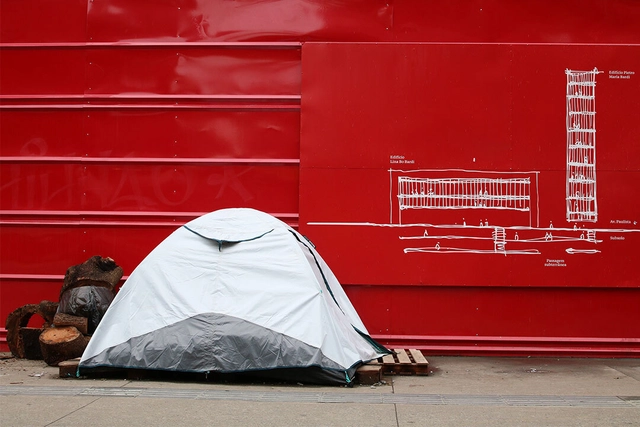
Have you ever considered the possibility of a world with no more people experiencing homelessness? The United States did, and countries like Canada, Spain, Portugal, France, and Denmark followed suit, incorporating the Housing First methodology into their national strategies to address the issue.
The formula consists of providing exactly what they lack: housing and connection. The results are consistent and, moreover, beneficial to public coffers. In Brazil, Projeto RUAS is testing the model and seeking resources to expand it. The NGO's goal is to understand how it adapts to our reality and, in the future, propose it to public authorities.
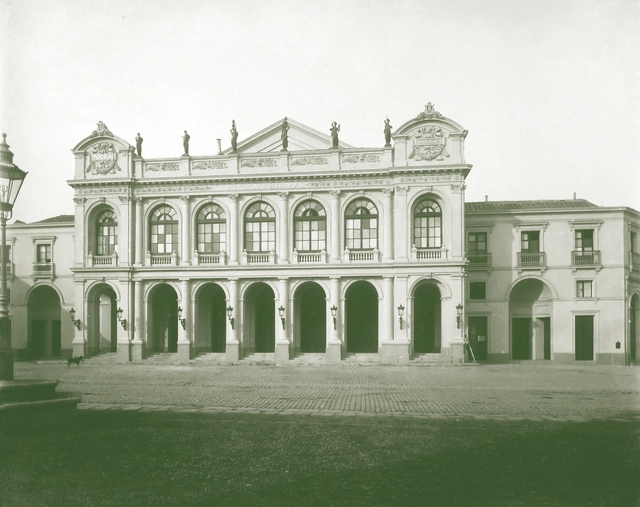
Municipal Theater rebuilt after the 1870 fire. Photograph by unknown author. Source: Photographic Archive of the National Historical Museum. Image via Ediciones ARQ
This article by Germán Hidalgo Hermosilla was originally published in issue 113 of ARQ magazine. Discussing the renovations to the Santiago Municipal Theater building, from its inauguration in 1857 until nearly a century later, Germán Hidalgo recounts the forces driving change: natural disasters, stylistic debates, and urban modernization, among others. The foyer occupies a central role in this narrative as a space of presentation and representation: where the technical demands of the theater meet the aspirations of an institution, a city, and the building's successive architects.