Produce personalized presentation boards that distill complex concepts into simple visual representations with a few helpful tools and effects.


Produce personalized presentation boards that distill complex concepts into simple visual representations with a few helpful tools and effects.
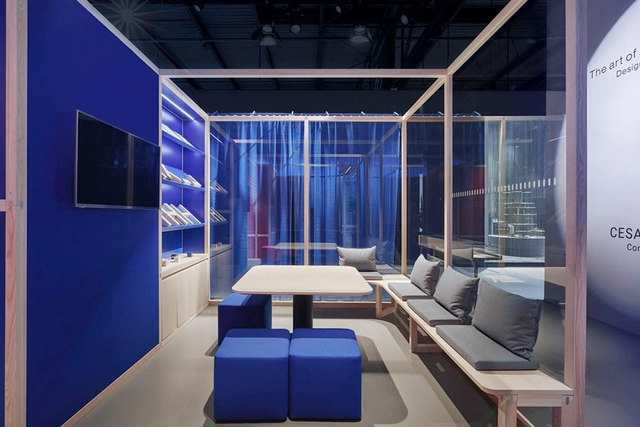
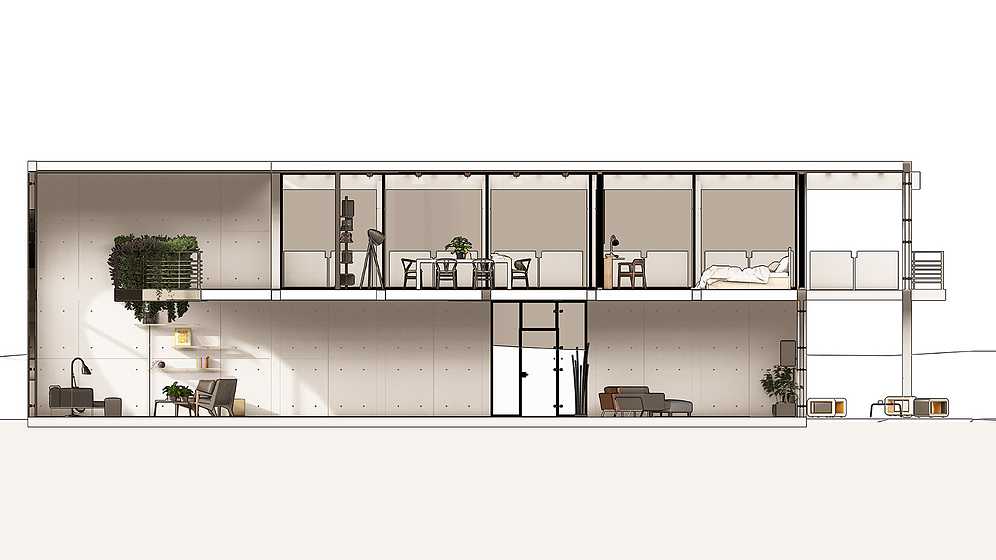
CODE - COmpetitions for DEsigners has launched the “Roversi Design Award”, a competition of ideas aiming to design spaces for people’s life, work and amusement in the industry 4.0 era of fluidity and dematerialization. A cash prize of €10,000 will be awarded to the winners, selected by an international jury panel including Frans van Vuure (UNStudio), Peter Pichler, Nicholas Bewick (AMDL Circle), Livia Tani (Ateliers Jean Nouvel), Marco Costanzi, and Massimo Iosa Ghini, among others.
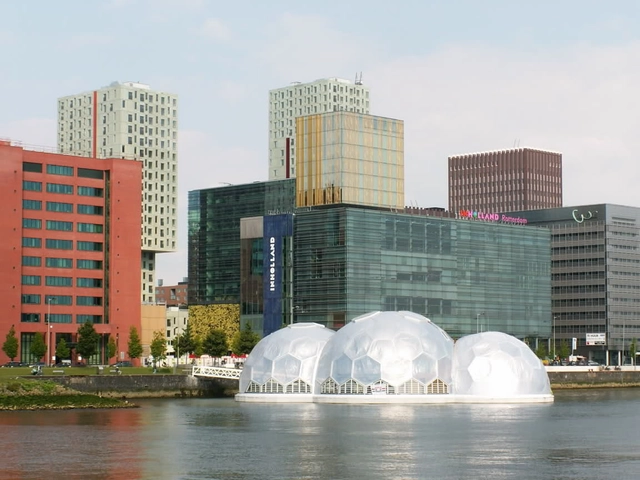
For decades, scientists have been warning us about global warming, and the consequences of human actions on the planet in the form of environmental disasters. The construction sector is today one of the major contributors to global warming and the climate crisis. According to data of the United Nations (UN), currently, 36% of the global energy is dedicated to buildings and 8% of all pollutant emissions are caused by the production of concrete alone.
.jpg?1579877914&format=webp&width=640&height=580)
The energy already embodied in the built environment is a precious unnatural resource. It’s time to start treating it like one.

At its Googleplex headquarters in Mountain View, California, Google has what is arguably one of the most sustainable corporate campuses in America. It has a new million-square-foot complex on a 42-acre landscape, featuring monumental futuristic buildings from Danish architect Bjarke Ingels and British designer Thomas Heatherwick. But these places are not the same place. Although the new campus has no doubt been developed with a sense of environmental duty, the radically sustainable campus is the one next door, which Google has been using since 2003. Foreseeably—and fortunately—they’ll go on using it. Built in 1994, it was once the corporate home of an earlier Palo Alto technology firm, Silicon Graphics.
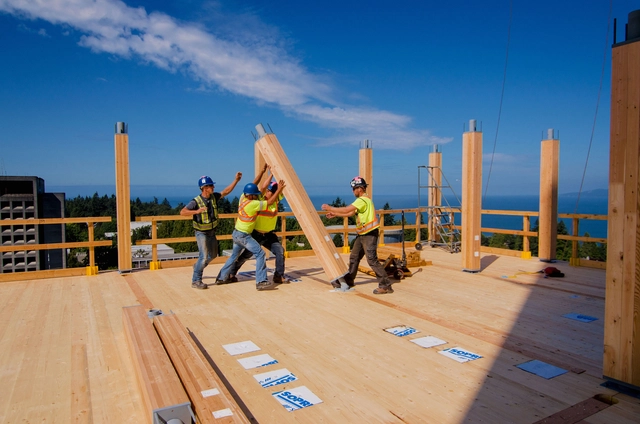
The history of timber construction stretches back as far as the Neolithic period, or potentially even earlier, when humans first began using wood to build shelters from the elements. The appearance of the first polished stone tools, such as knives and axes, then made wood handling more efficient and precise, increasing the thickness of wood sections and their resistance. Over the decades, the rustic appearance of these early constructions became increasingly orthogonal and clean, as a result of standardization, mass production, and the emergence of new styles and aesthetics.
Today we are experiencing another seminal moment within the evolution of timber. Nourished and strengthened by technological advances, new prefabrication systems, and a series of processes that increase its sustainability, safety, and efficiency, timber structures are popping up in the skylines of cities and in turn, is reconnecting our interior spaces with nature through the warmth, texture, and beauty of wood. Where will this path lead us? Below, we review 7 trends that suggest this progress is only set to continue, increasing both the capabilities and height of timber buildings in the years to come.
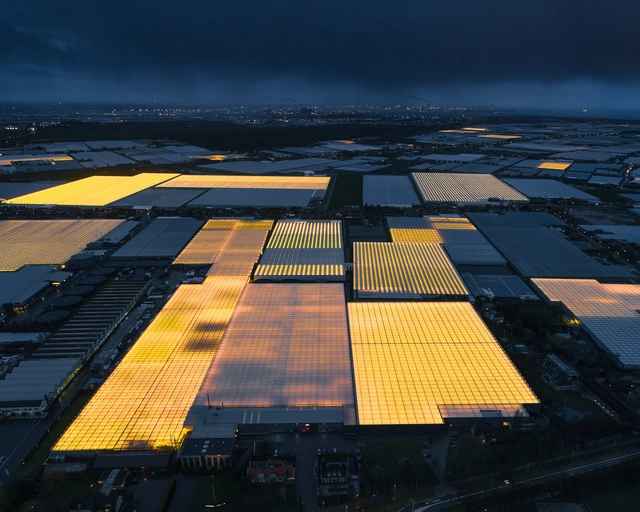
The Netherlands is the world’s second-biggest exporter of agricultural products. This is remarkable when one considers that the only country which tops the Netherlands, the United States, is 237 times bigger in land area. Nevertheless, the Netherlands exported almost $100 billion in agricultural goods in 2017 alone, as well as $10 billion in agriculture-related products. The secret to the Netherlands’ success lies in the use of architectural innovation to reimagine what an agricultural landscape can look like.
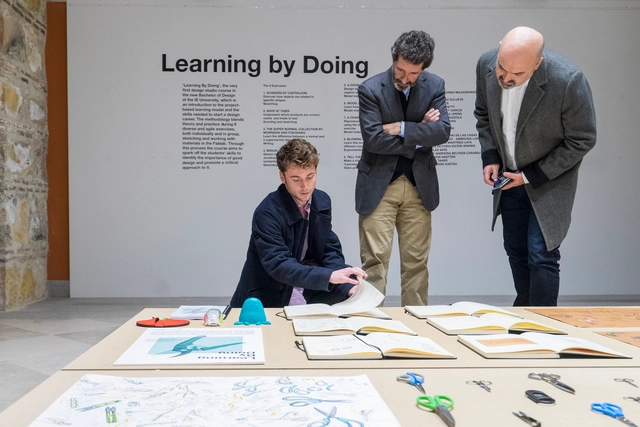
The School of Architecture and Design at IE University expands the boundaries of architecture and design to provide sustainable responses for a changing world. Located in Madrid and Segovia, Spain, this innovative school is one to watch.
.jpg?1548249670&format=webp&width=640&height=580)
The career of Gottfried Böhm (born January 23, 1920) spans from simple to complex and from sacred to secular, but has always maintained a commitment to understanding its surroundings. In 1986, Böhm was awarded the eighth Pritzker Prize for what the jury described as his "uncanny and exhilarating marriage" of architectural elements from past and present. Böhm's unique use of materials, as well as his rejection of historical emulation, have made him an influential force in Germany and abroad.
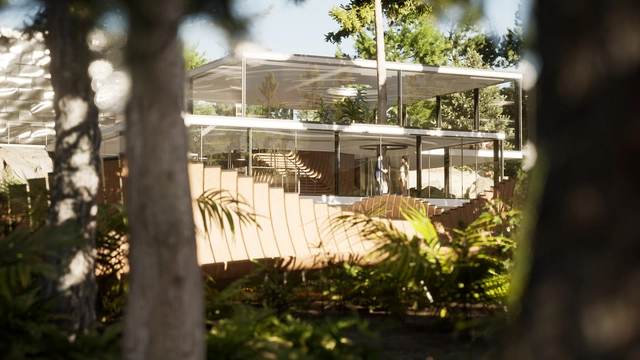
Real-time architectural visualization provides a compelling immediacy that helps stakeholders in architectural projects better understand unbuilt buildings. With the interactive architectural visualization tool Twinmotion, it’s now possible to transform BIM and CAD models into these convincing real-time experiences quickly and easily. Architectural designers benefit enormously from tools that are easy to learn and use, but they also want to create visualizations that provide a genuine sense of presence. Realism is the key to achieving this, a focus of the upcoming release of Twinmotion 2020.
In this article, we’ll provide a sneak peek at some of the new Twinmotion features.


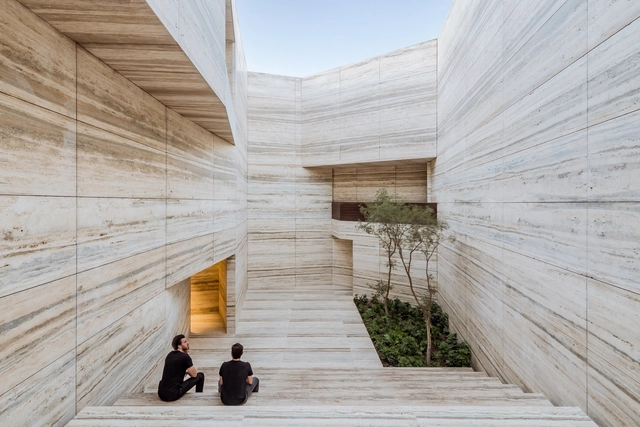
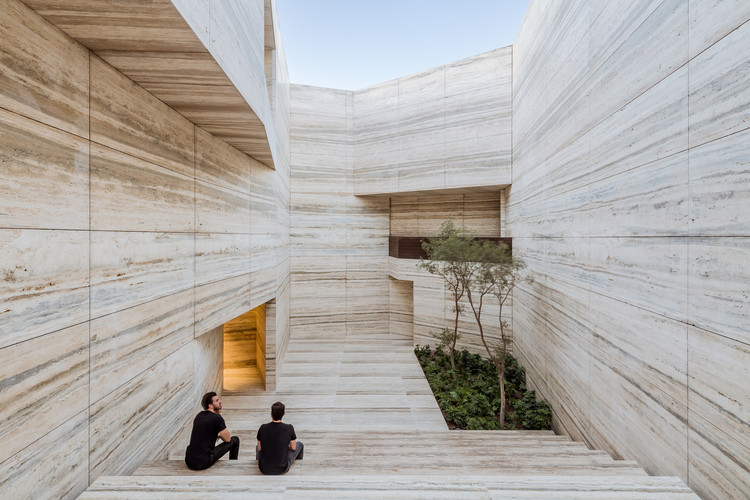
Michelangelo's sculptures. The ancient Greek temples. Castle interiors and palaces. The iconic Barcelona Pavilion of Mies van der Rohe. When we approach the history of architecture and sculpture, it is inevitable that we speak of marble. Originating from a chemical reaction in limestone when exposed to high pressures and temperatures for thousands of years, this notable material is a metamorphic rock generally found in regions where volcanic activity has occurred. Its extraction, by itself, is already a spectacle.
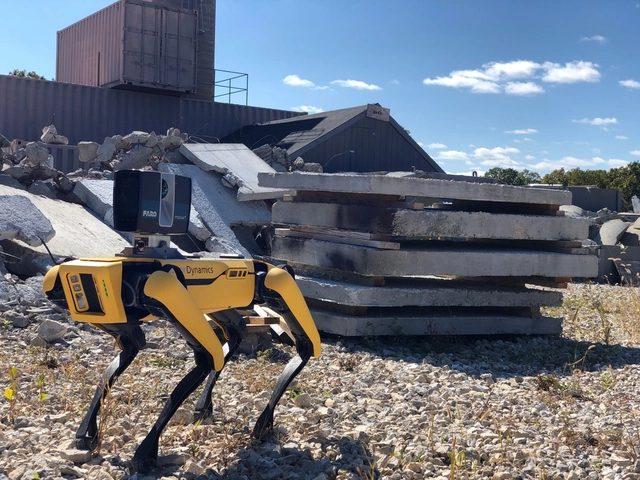
Design:ED Podcast is an inside look into the field of architecture told from the perspective of individuals that are leading the industry. This motivational series grants unique insight into the making of a successful design career, from humble beginnings to worldwide recognition. Every week, featured guests share their personal highs and lows on their journey to success, that is sure to inspire audiences at all levels of the industry. Listening to their stories will provide a rare blueprint for anyone seeking to advance their career, and elevate their work to the next level.
Michael Perry of the Robotics Company Boston Dynamics joins the podcast to discuss the release of Spot 1.1, and how their company is using robotics to revolutionize the construction industry.
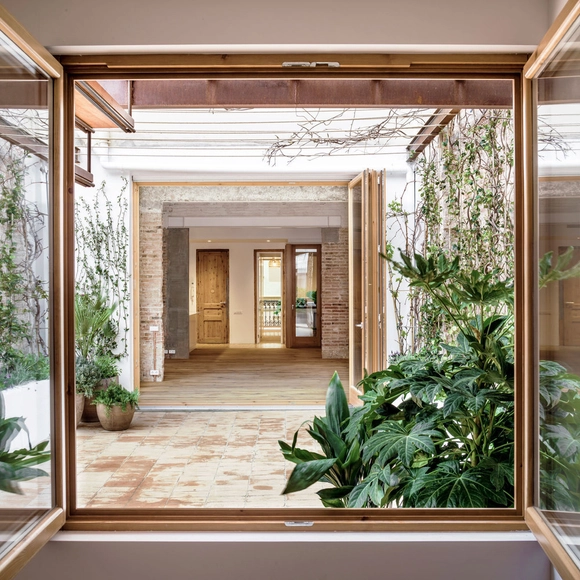
Indoor gardens can contribute important benefits to home living, ranging from aesthetic beauty to improved health and productivity. Research has shown that indoor plants help eliminate indoor air pollutants called Volatile Organic Compounds (VOCs) that emanate from adhesives, furnishings, clothing, and solvents, and are known to cause illnesses. They also increase subjective perceptions of concentration and satisfaction, as well as objective measures of productivity. Indoor gardens may even reduce energy use and costs because of the reduced need for air circulation. These benefits complement the obvious aesthetic advantages of a well-designed garden, making the indoor garden an attractive residential feature on several fronts.
Bjarke Ingels is one of the most well-known architects of our time. During a conversation in Copenhagen between Ingels and Sky-Frame, he discussed his point of view, creating reality, immense courage and the secret behind his unwavering pragmatism.
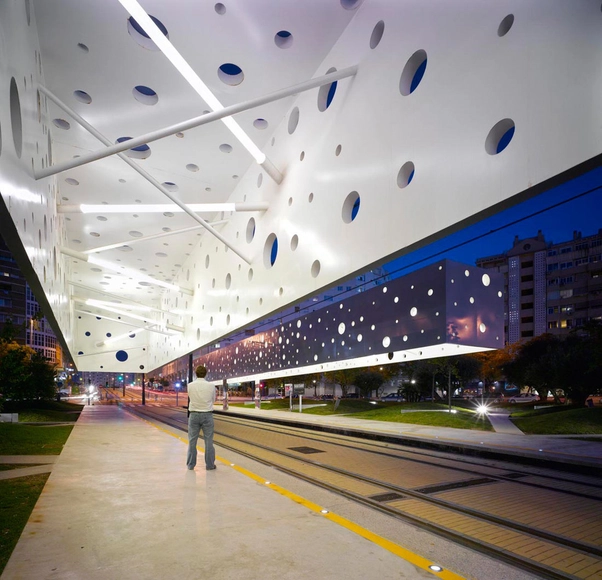
Around the world, cities are the “ground zero” of inequality and unsustainability. The two largest cities in the United States, New York City and Los Angeles, are also the two most unequal cities, and one-third of the United Kingdom’s poorest 10% of families live in London. Meanwhile, two-thirds of the world’s energy and 70% of global carbon emissions are attributed to cities. This leads to the question of how the evolution of public policy, and urban design, can strategically combat these two growing issues. Around the world, cities are looking to mobility as part of the solution, and in particular, asking a simple question: what if public transport was free?
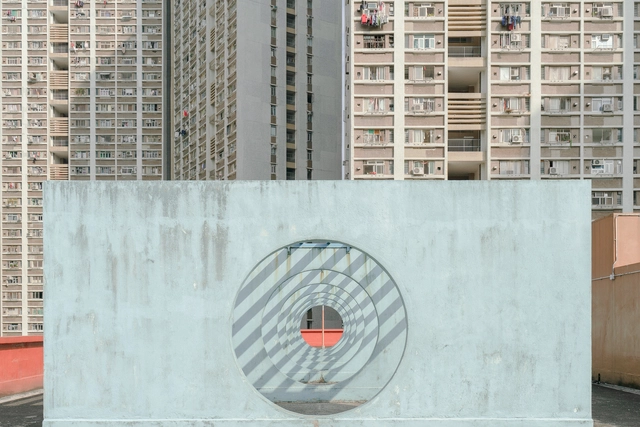
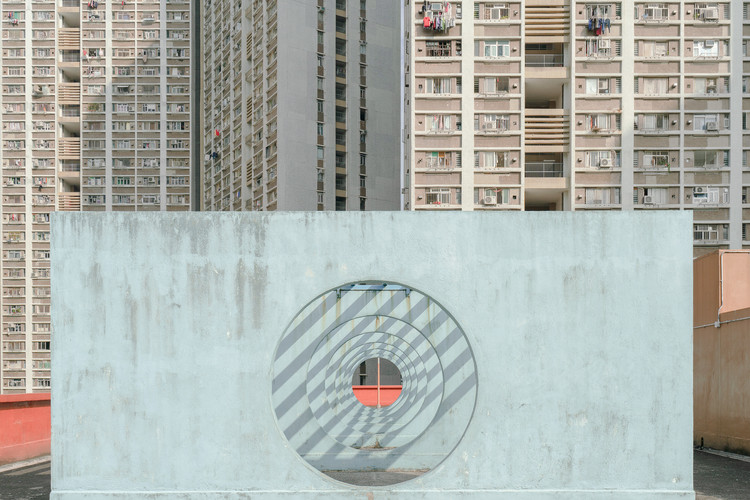
Alexey Kozhenkov is a freelance photographer currently based in Russia, with a strong interest in urbanism, architecture and man-made structures. Kozhenkov was born in 1993 in Riga, Latvia and became a self-taught photographer after graduating from university.

What happens when the sensor-imbued city acquires the ability to see – almost as if it had eyes? Ahead of the 2019 Shenzhen Biennale of Urbanism\Architecture (UABB), titled "Urban Interactions," ArchDaily is working with the curators of the "Eyes of the City" section at the Biennial to stimulate a discussion on how new technologies – and Artificial Intelligence in particular – might impact architecture and urban life. Here you can read the “Eyes of the City” curatorial statement by Carlo Ratti, the Politecnico di Torino and SCUT.
Technologies of the virtual realm present an opportunity to rethink the experience of space, society, and culture. They give us the possibility to engage with the city of the future, shaping the built environment of the 21st century.
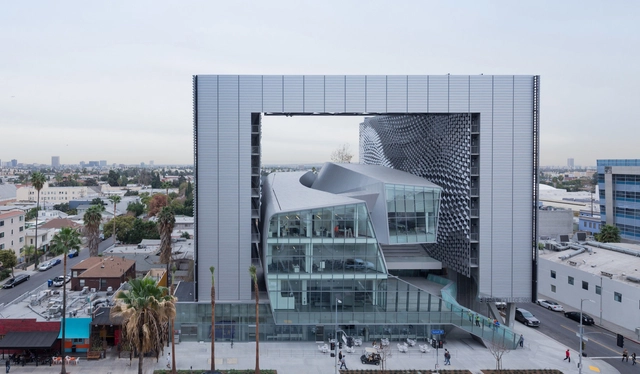
The principal architect of LA firm Morphosis, Thom Mayne (born January 19, 1944) was the recipient of the 2005 Pritzker Prize and the 2013 AIA Gold Medal, and is known for his experimental architectural forms, often applying them to significant institutional buildings such as the New York's Cooper Union building, the Emerson College in Los Angeles and the Caltrans District 7 Headquarters.
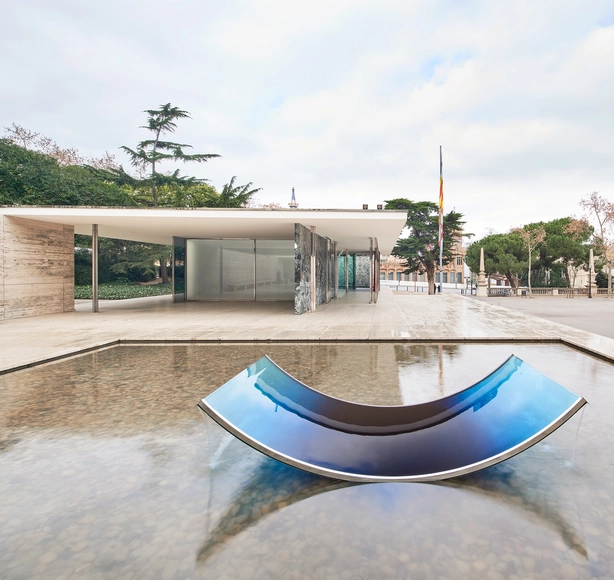
Mies van der Rohe Foundation together with Side Gallery presented "No Fear of Glass", an artistic intervention in the Mies van der Rohe Pavilion in Barcelona, Spain, developed by designer Sabine Marcelis.
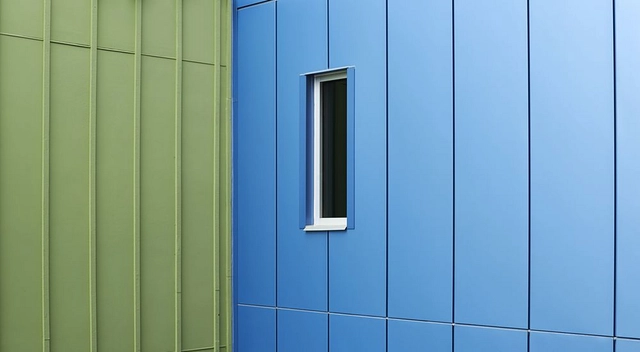
Architects and designers are constantly looking to the latest design and façade trends to create attractive buildings for their clients. The challenge they face is delivering a creative look that meets building code compliance and testing standards. With high-rise buildings in particular, it is critical that the materials used for the building's construction perform effectively to prevent a disaster if a fire occurs.

The Midnight Charette is an explicit podcast about design, architecture, and the everyday. Hosted by architectural designers David Lee and Marina Bourderonnet, it features a variety of creative professionals in unscripted conversations that allow for thoughtful takes and personal discussions. A wide array of subjects are covered with honesty and humor: some episodes provide useful tips for designers, while others are project reviews, interviews, or explorations of everyday life and design. The Midnight Charette is also available on iTunes, Spotify, and YouTube.

This week David and Marina answer a call in from a listener asking if they should enroll in IPAL (NCARB’s Integrated Path To Architectural Licensure) in undergraduate school to become a licensed architect in the United States and if IPAL should be a factor when choosing their school. The two also discuss the pros and cons of becoming a licensed architect during school.
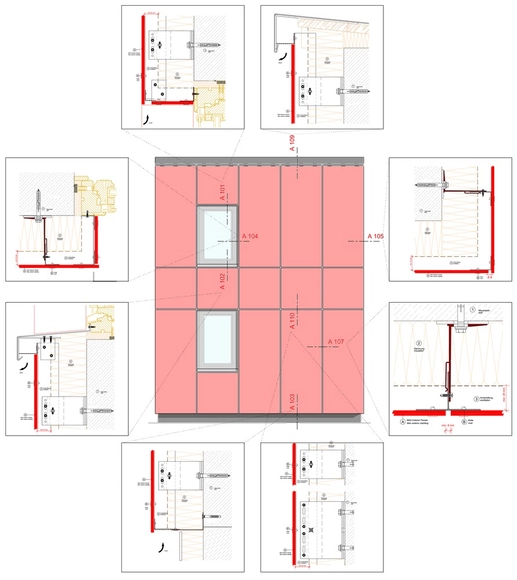
A facade must meet steep requirements as both the first skin that protects a building, its interiors, and its materials, and as the first thing a person sees. In addition to weather resistance and durability, its appearance is extremely vital for any architectural project. Prefabricated facade panels provide a clean, precise, and sophisticated finish to buildings and sport high versatility through different patterns and shapes.

Photoshop is one of the most universal, enduring, and valuable programs in the designer’s taskbar. The go-to tool for students and architects for image-based editing, collages, and rendering, the popularity of Photoshop has given rise to countless online tutorials, tips, and resources. As we demonstrated over a year ago with our extensive library of 100 Photoshop textures, there is great value for designers in having a single, collated, one-stop service for quickly accessing the multitude of free resources available online.
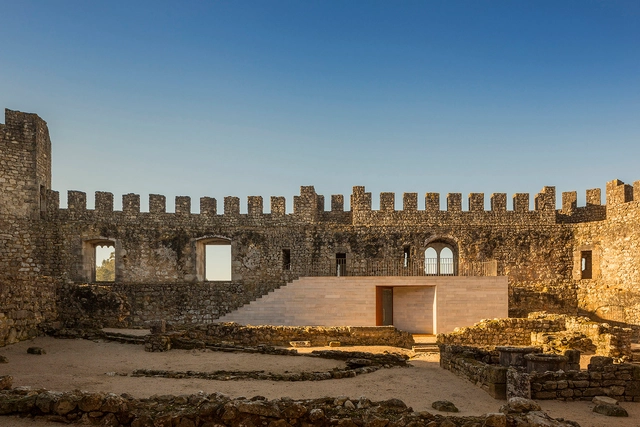
The passage of time will alter, erode, and in most cases, degrade any architectural structure. Whether this be the result of climate, adaptation, misuse, or even war, all buildings are subject to the same life cycles of steady, or extreme, decline. In recent decades, “adaptive reuse” has gained significant traction as a means of breathing new life into an old structure, offering an often complex challenge for designers, architects, and indeed everyday users, who walk a fine line between a respectful restoration of history, and significant adaption for modern needs.
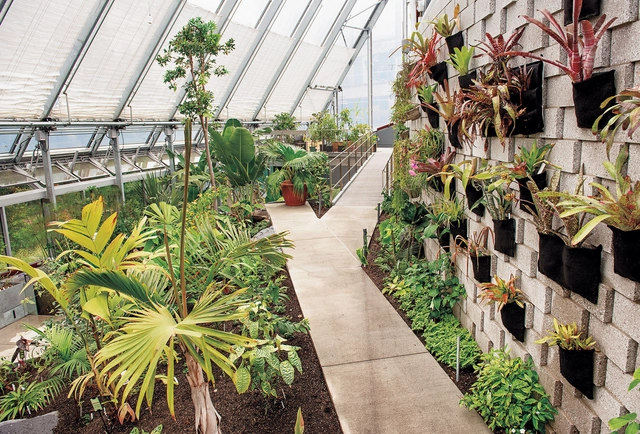
Entries to the 6th International LafargeHolcim Awards for sustainable construction will close on February 25, 2020. The competition seeks projects by professionals as well as bold ideas from the Next Generation that combine sustainable construction solutions with architectural excellence. The Awards accept projects and concepts from architecture, engineering, urban planning, materials science, construction technology, and other related fields.
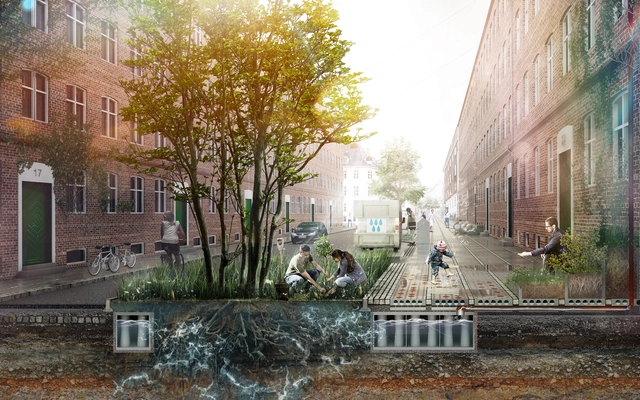
Forty percent of the human population lives within 100 kilometers of a coastline, with one in ten living under ten meters above sea level. As climate change induces more volatile flooding events and long-term sea level rises, it is estimated that coastal flooding could cause as much as $1 trillion of damage per year by 2050. We cannot escape the reality that cities, and their populations, are more vulnerable to flooding than ever.


.jpg?1484858103 "Neviges Mariendom. Image © Laurian Ghinitoiu")
.jpg?1484858092 "Neviges Mariendom. Image © Laurian Ghinitoiu")

.jpg?1548249663 "Neviges Mariendom. Image © Laurian Ghinitoiu")
.jpg?1548249670)