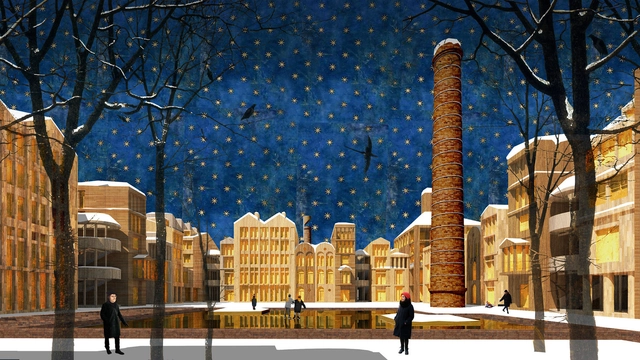
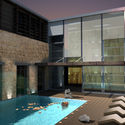
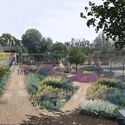
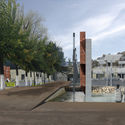
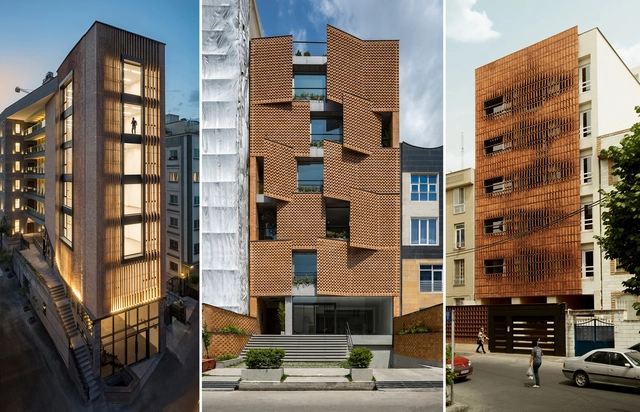
Iran’s architecture has long been rooted in Persian culture. From tea houses and pavilions to domestic huts and elaborate mosques, the country’s built environment is tied to these influences, as well as the landscape and its broader context. At the heart of Iran’s more recent projects is a desire to reinterpret history through new spaces and forms.
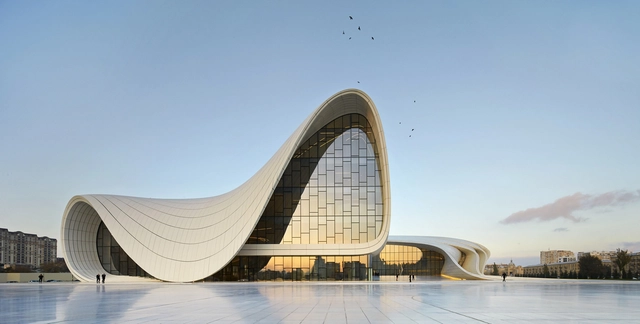
In her lifetime, Pritzker prize-winning architect, fashion designer and artist Zaha Hadid (31 October 1950 – 31 March 2016) became one of the most recognizable faces of our field. Revered and denounced in equal measure for the sensuous curved forms for which she was known, Hadid rose to prominence not solely through parametricism but by designing spaces to occupy geometries in new ways. Despite her tragically early death in March of 2016, the projects now being completed by her office without their original lead designer continue to push boundaries both creative and technological, while the fearless media presence she cultivated in recent decades has cemented her place in society as a woman who needs just one name: Zaha.
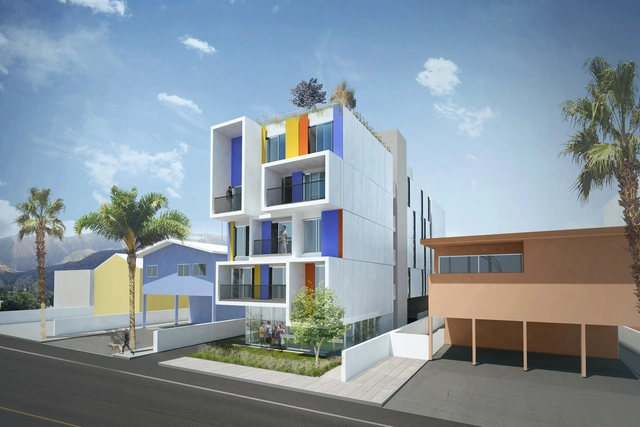
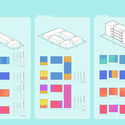
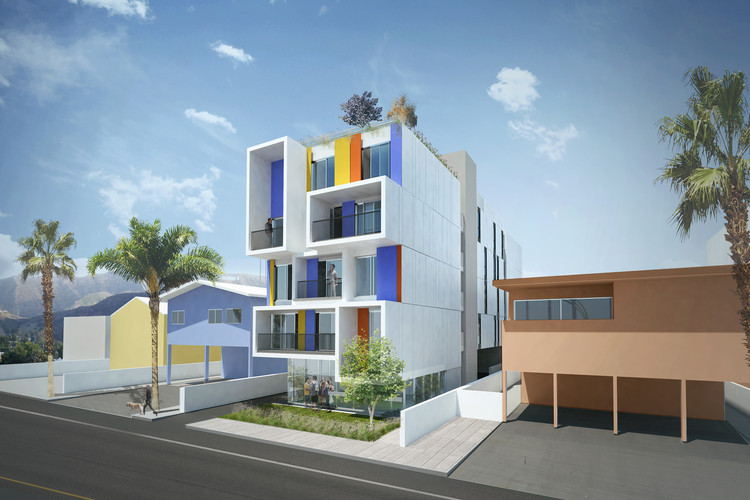
Brooks + Scarpa and Plant Prefab have developed a new toolkit to address housing shortages. Scalable as an infill solution, the Nest toolkit can be configured in multiple ways using site types and typical lot sizes, or a combination of them. The toolkit was made to address LA’s shortage of supportive housing for the homeless and provide flexibility to meet the needs of a particular site, neighborhood, and bed count.
Designed by BIG, in collaboration with Allied and Westbank, KING Toronto portrays architecture’s ability to create a community and meet the challenges faced by society nowadays. Located in Canada’s King Street West neighborhood, the project is a direct response to the context.
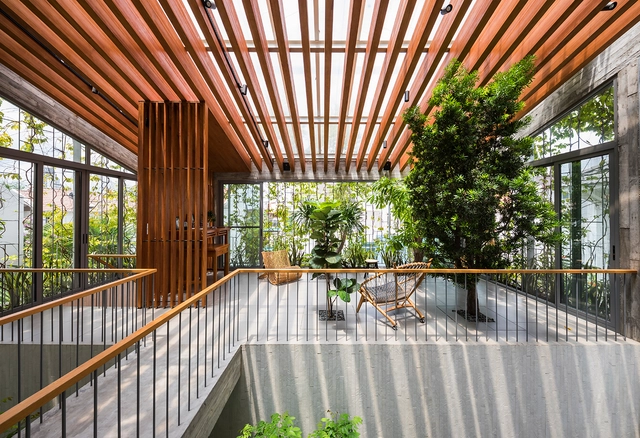
Vietnam has a rich history of traditional architecture. From Rong houses and Trinh Tuong residences to the stilt longhouses of the Ede people, the country has a depth of vernacular construction methods and styles. Today, architects are reinterpreting past building techniques to create neo-traditional homes grounded in contemporary life.
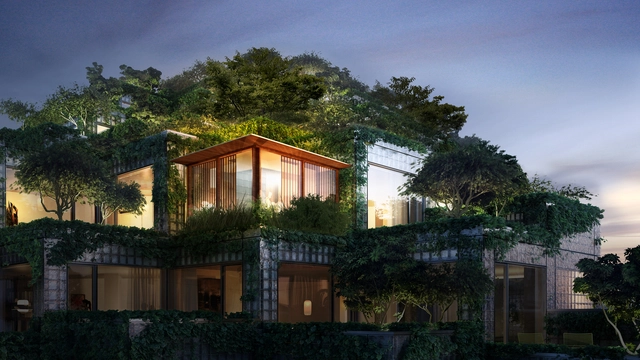
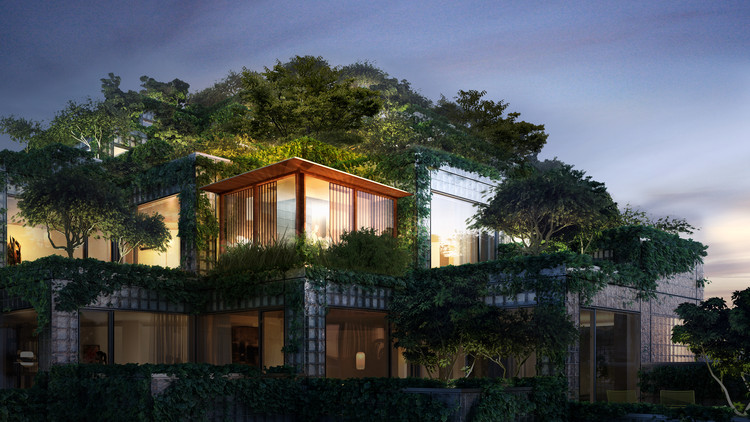
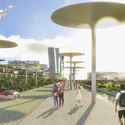
Commisionned by Grupo Karim's, and designed by Stefano Boeri Architetti, the first Smart Forest City in Mexico will focus on innovation and environmental quality. The city balances green and built spaces, and is completely food and energy self-sufficient.
The annual DesignIntelligence architecture school ranking for 2020 classified the establishments according to the “most admired” rather than the “best”, for the second year in a row. The subjective classification is based on the responses of hiring professionals.
On October 26th, 2019 the jury of the Second Russian Architecture Biennale for Young Architects announced the winners of this year’s competition. The jury members chose the best four of 30 projects by the finalists for the Gold and Silver Prizes. Special prizes were presented by the Russian Ministry of Construction and Housing and Communal Services and the Government of the Republic of Tatarstan; there were also two special mentions awarded by the jury.
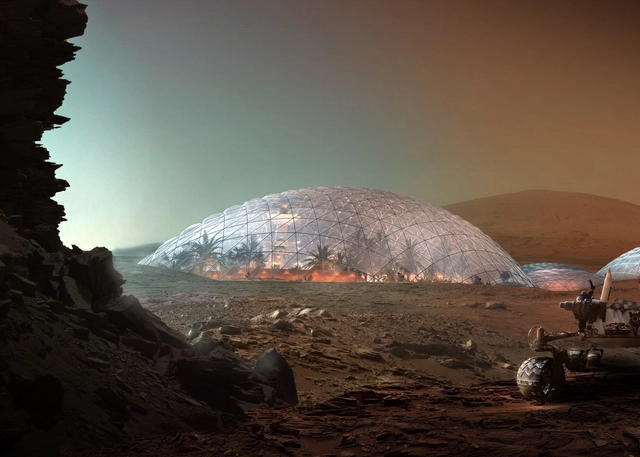
Bjarke Ingels Group has been working on the Mars Science City project after the United Arab Emirates announced the initiative in 2017. The $140 Million USD (AED 500 million) research city aims to serve as a “viable and realistic model” for the simulation of human occupation of the martian landscape. The project is designed with a team of Emirati scientists, engineers and designers from the Mohammed bin Rashid Space Center.
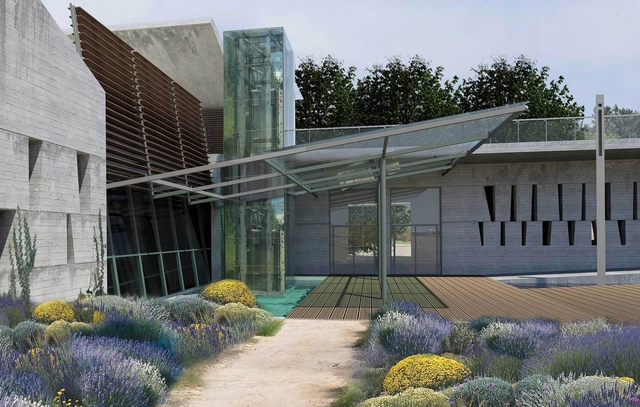
Design practice ONOFFICE environmental architecture was awarded first prize in the competition to restore Germanina Estate in Western Cyprus. The competition aimed to rehabilitate the estate and incorporate a listed 19th century agricultural complex into the contemporary urban life of Gerospikou.
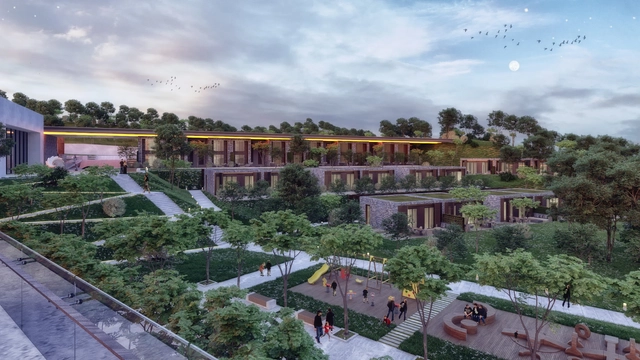
Tokat Sulusaray Thermal Facilities designed by the Istanbul-based office Studio Vertebra commemorates the region’s historical background and enhances the touristic aspect. In harmony with the natural and archeological landscape, the project aims to regenerate the city.
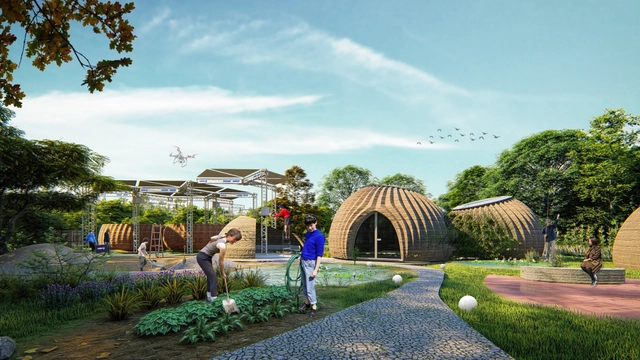
TECLA3DHouse daytime summer. Image Courtesy of Mario Cucinella Architects
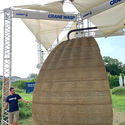
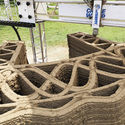
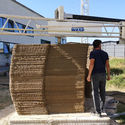
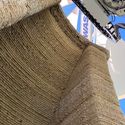
Designed by MCA - Mario Cucinella Architects, engineered and built by WASP, TECLA is a prototype of an on-site 3D printed habitat, launched near Bologna, Italy. The innovative model creates future housing solutions and re-questions the idea of living in the city. It provides a shelter for everyone, through a sustainable, low-cost and efficient method.
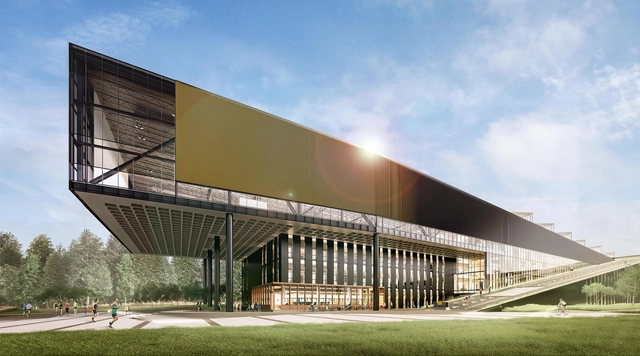
Nike has announced that the latest building in its World Headquarters (WHQ) campus expansion will be named after LeBron James. The new building is designed by Olson Kundig and will be home to Nike’s Beaverton-based Advanced Innovation team. The project will include a state-of-the-art Sport Research Lab and explore the future of sports science.
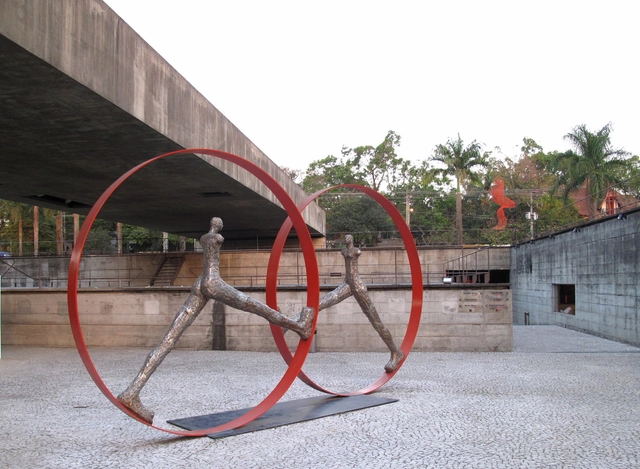
All space must be attached to a value, to a public dimension. There is no private space. The only private space that you can imagine is the human mind. – Paulo Mendes da Rocha, May 26, 2004
Paulo Mendes da Rocha is one of Brazil's greatest architects and urbanists. Born in Vitória, Espírito Santo in 1928, Mendes da Rocha won the 2006 Pritzker Prize, and is one of the most representative architects of the Brazilian Paulista School, also known as "Paulista Brutalism" that utilizes more geometric lines, rougher finishes and bulkier massing than other Brazilian Modernists such as Oscar Niemeyer.
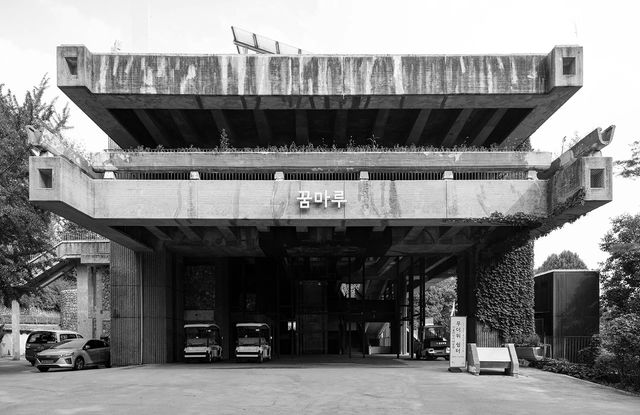
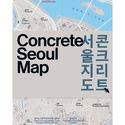
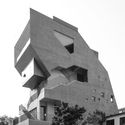
Blue Crow Media has released its latest map exploring brutalist concrete architecture in Seoul, South Korea. The map is edited by Korea University-based architectural historian Professor Hyon-sob Kim, with original photography by Yongjoon Choi. The guide offers a unique look at Seoul’s unsurpassed history of concrete architecture from the 1960s to today.
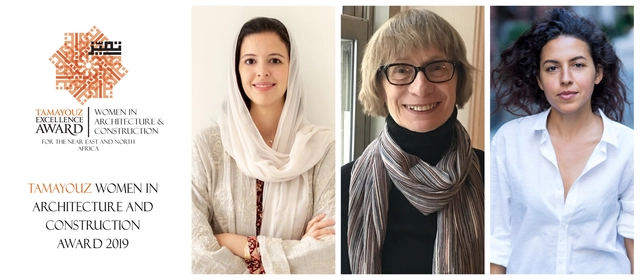
Courtesy of 2019 Tamayouz Women in Architecture and Construction Award
The Tamayouz Excellence Award revealed the winners of its Women in Architecture and Construction Award 2019, a prize that honors the achievements of female architects in the Near East and North Africa, under 2 categories: Rising Star and Woman of Outstanding Achievement.
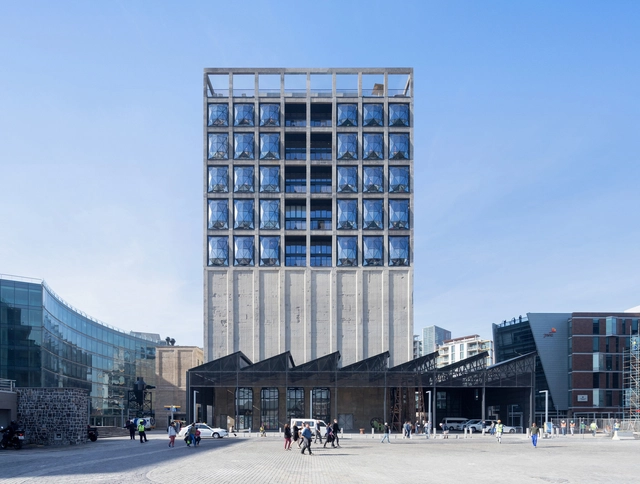
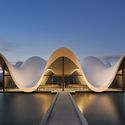
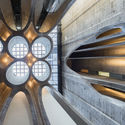
South Africa’s architecture is defined by a multicultural history. Located at the southernmost tip of the continent, the county has built upon past traditions and building techniques in a range of modern architecture and cultural projects. These structures showcase new design approaches in South Africa and experiment with diverse formal and spatial strategies.
The Midnight Charette is an explicit podcast about design, architecture, and the everyday. Hosted by architectural designers David Lee and Marina Bourderonnet, it features a variety of creative professionals in unscripted conversations that allow for thoughtful takes and personal discussions. A wide array of subjects are covered with honesty and humor: some episodes provide useful tips for designers, while others are project reviews, interviews, or explorations of everyday life and design. The Midnight Charette is also available on iTunes, Spotify, and YouTube.
This week David and Marina discuss software in design and architecture. It's not as boring as it sounds! The two cover the more pragmatic and specific issues and the more conceptual ones: everything from what programs you need to know to design and to get hired different offices; how to learn programs; balancing technical skillsets with conceptual thinking; why working in the computer is both advantageous and dangerous; 2D drafting versus 3D modeling; things to consider when choosing a software; the failures of successes of BIM programs for employers and employees; key issues to consider before transitioning to BIM; what BIM programs are best (Revit or ArchiCAD) for small and large offices and which project types (the more office-focused and BIM-focused conversation starts at 37:30) and workflows between different programs. If you have any questions or advice about portfolios or any other design-related topics, leave a voicemail at The Midnight Charette hotline: 213-222-6950.
https://www.archdaily.com/927091/architectural-softwares-tips-on-how-to-choose-and-discover-the-right-programsThe Second Studio Podcast
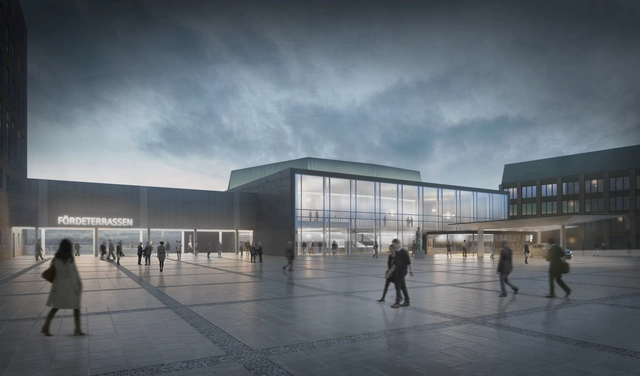
Architects von Gerkan, Marg and Partners (gmp), together with bbp, obtained the commission to refurbish the concert hall at Kiel Castle, dating back to the early 1960s, according to the established conservation principles.
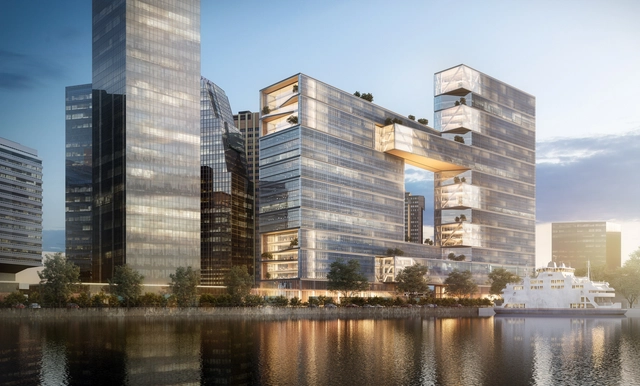
SOM (Skidmore, Owings & Merrill LLP), in partnership with Consultatio Real Estate, presented their project for Buenos Aires titled “Catalinas Rio”, an office building on the banks of the La Plata River that is designed to double as a center of activity and expansion for the Catalinas Norte business district. With a plethora of public green spaces and two trapezoidal buildings linked by walkways and green terraces, the project aims to create a new and vibrant identity for the district and the city as a whole. Construction is due to be completed in 2022.
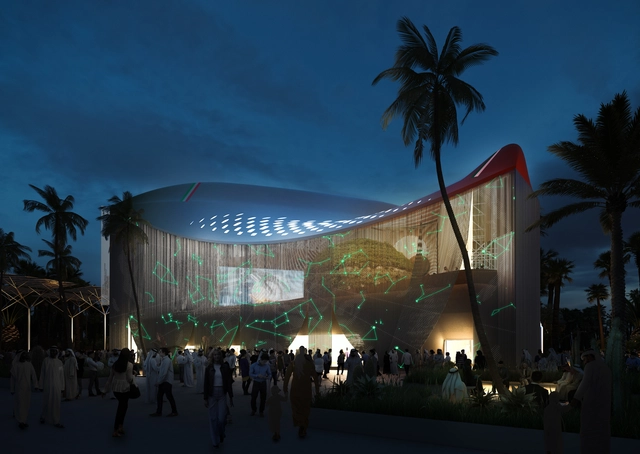
Courtesy of CRA-Carlo Ratti Associati and Italo Rota Building Office, with matteogatto&associati and F&M Ingegneria
Italy has just unveiled its national pavilion, conceived by CRA-Carlo Ratti Associati, Italo Rota Building Office, matteogatto&associati and F&M Ingegneria. In collaboration with the Italian Ministry of Foreign Affairs and the U.A.E, the project is a metaphor for the journey from Italy to Dubai.
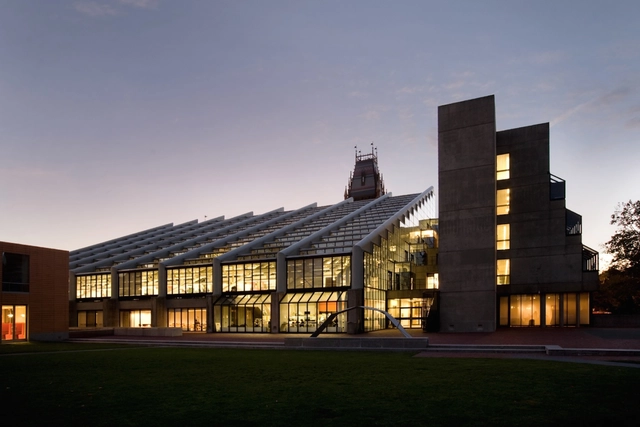
The Loeb Fellowship at the Harvard Graduate School of Design is now accepting applications for the Loeb Fellowship Class of 2021. The Fellowship program offers a year of study in residence at Harvard GSD and a worldwide network of over 450 colleagues. The Loeb Fellowship encourages applications from a wide range of exceptional practitioners whose work is advancing positive social outcomes through the shaping of the built and natural environment in the US and around the world.













.jpg?1572274326&format=webp&width=640&height=580)
.jpg?1572274134 "Courtesy of The Big Picture")
.jpg?1572271629 "Courtesy of Stefano Boeri Architetti")
.jpg?1572274101 "Courtesy of The Big Picture")
.jpg?1572274326)