As we all #slowdown to reduce the impact of the COVID-19 pandemic, I want to share with you how we as a global company have faced this situation, and what we are doing (together with you!) to keep us, the architecture community, informed and connected. It is our responsibility.
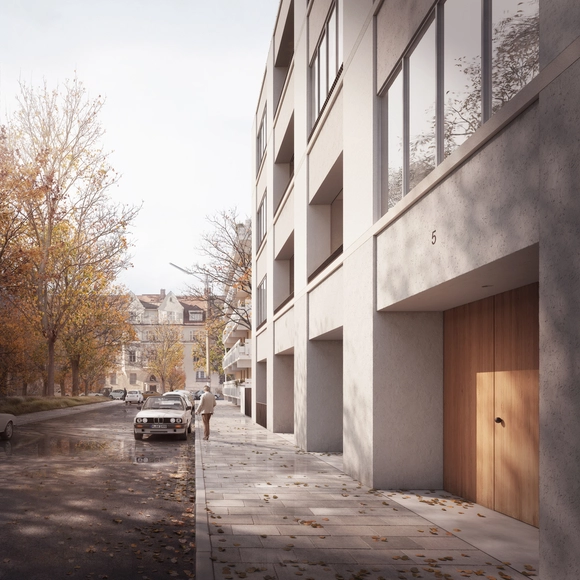
Commissioned by real estate developer Euroboden, Kolberger 5 is a contemporary take on the historical typology of Munich’s Stadtpalais. Designed by David Chipperfield Architects and Studio Mark Randel, the project featuring different size apartments is located at the entrance of historic Herzog Park.
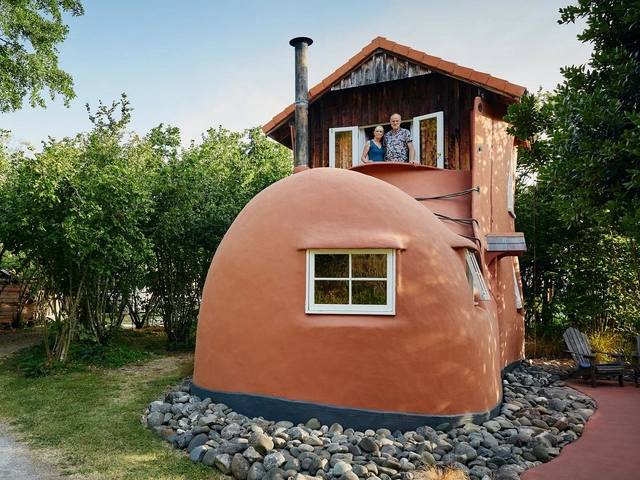
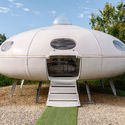
Airbnb has launched a $1 million design fund to finance 10 “unconventional and unusual” homes. Looking for the “wildest home ideas”, the competition-based program is called the Unique Airbnb Fund and will be judged by actor Billy Porter, MVRDV partner Fokke Moerel, and Airbnb Superhost Kristie Wolfe. Each of the finalists will receive a grant to make their eccentric Airbnb design concepts a reality.
Users now can virtually visit museums all over the world thanks to Google Arts & Culture. The project offers 360 ° views of places that can often be inaccessible due to financial costs or distance.
Courtesy of Kengo Kuma Associates and K2LD Architects
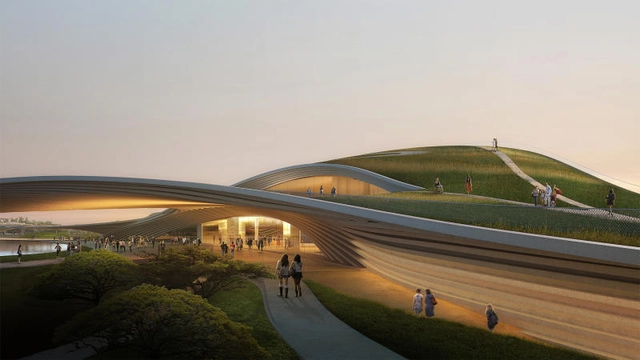
Kengo Kuma Associates and K2LD Architects have won the competition to design the new Singapore Founders Memorial. Selected from 193 submissions, the project is made to honor Singapore’s first Prime Minister, Lee Kuan Yew, as well as those leaders that played significant roles in the city-state’s path to independence. The jury unanimously selected the winning design for its response to the brief and site, emphasizing Singapore as a “City in a Garden” while allowing for future growth.
SANAA’s recently completed social housing complex in Paris was captured by the Architecture and Photography studio of Vincent Hecht. Part of Paris habitat, France’s largest public utility social housing company, the project comprises four buildings accommodating more than 100 social housing units in total.
The growing global coronavirus pandemic will leave profound marks on society. Perhaps not so much due to fatalities, but certainly in the way people relate to each other and to public spaces. In an attempt to reduce the rate of transmission of the disease, governments and authorities around the world have instructed people to stay at home, in the safety and hygiene of their domestic environment, and to avoid any unnecessary contact with other spaces, objects, and people.
https://www.archdaily.com/935850/how-is-coronavirus-affecting-your-daily-routine-in-the-architectural-fieldEquipe ArchDaily Brasil
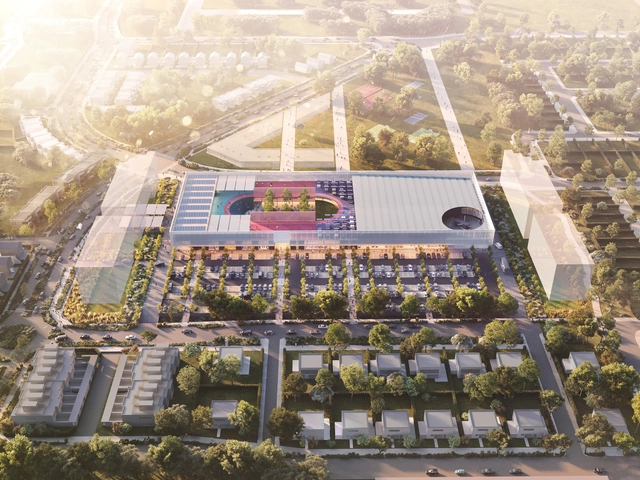
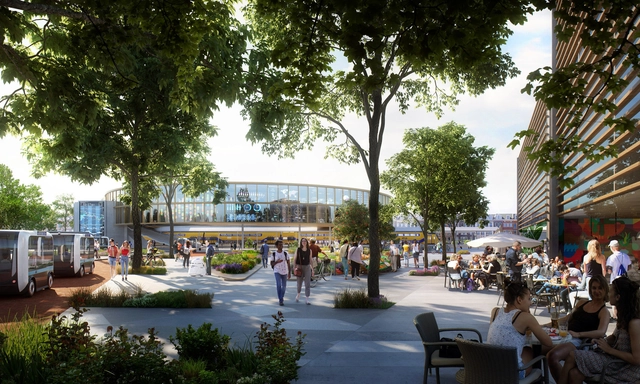
OMA is designing a 10,000-square-metre shopping center integrated with community spaces in Melbourne, Australia. Entitled the Wollert Neighborhood Centre, the project is located in Wollert, Whittlesea, one of Victoria’s fastest-growing regions, in the suburbs of Melbourne.
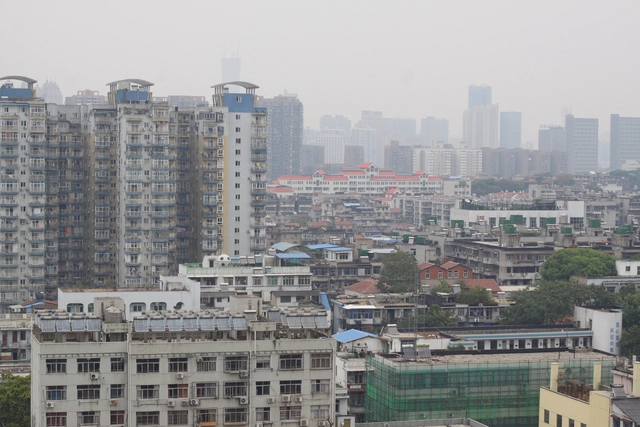
While the risk of COVID-19 is increasing everywhere in the world, the stable situation in Wuhan allowed officials to stop operations in the newly settled temporary hospitals to fight the Coronavirus outbreak.
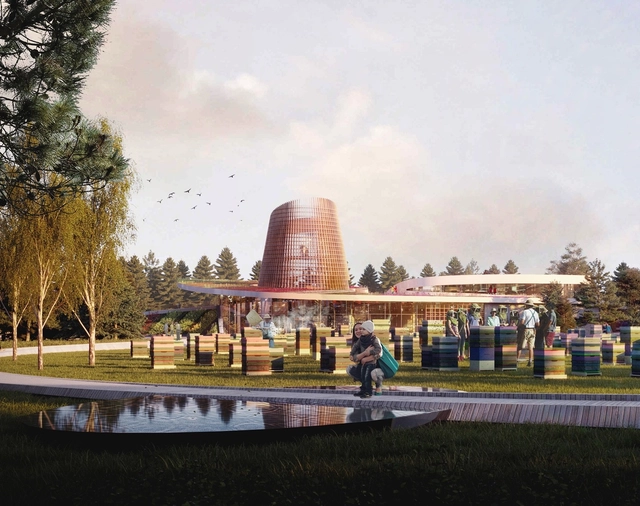
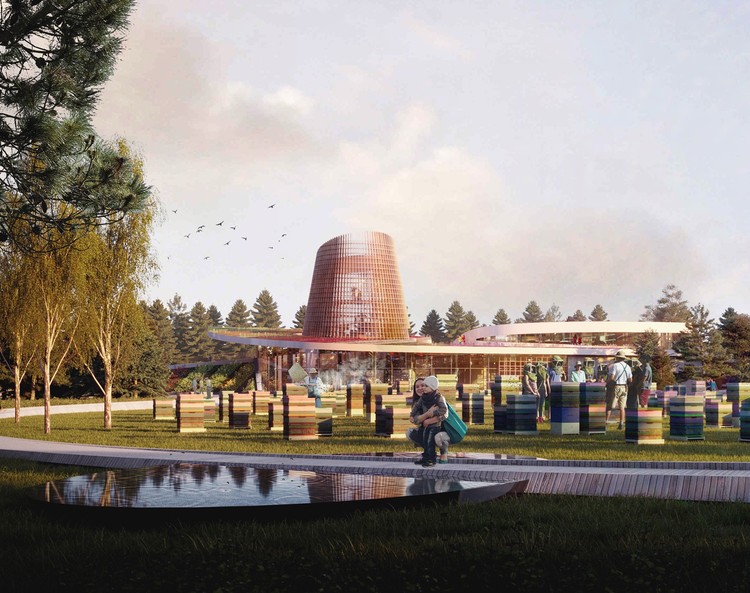
Moriyama & Teshima Architects are designing a new Honey Bee Research Center at the University of Guelph in Canada. Announced last fall, the team won the competition to create a new facility for the school’s Ontario Agricultural College. Aiming to be a landmark project, the center will feature mass timber construction and will be dedicated to sustainability, honey bee health and well-being.
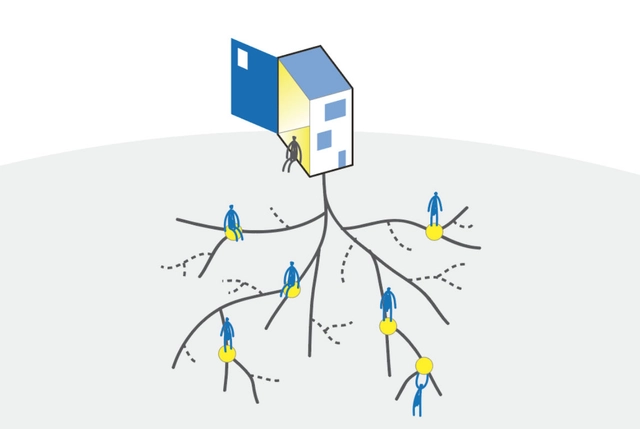
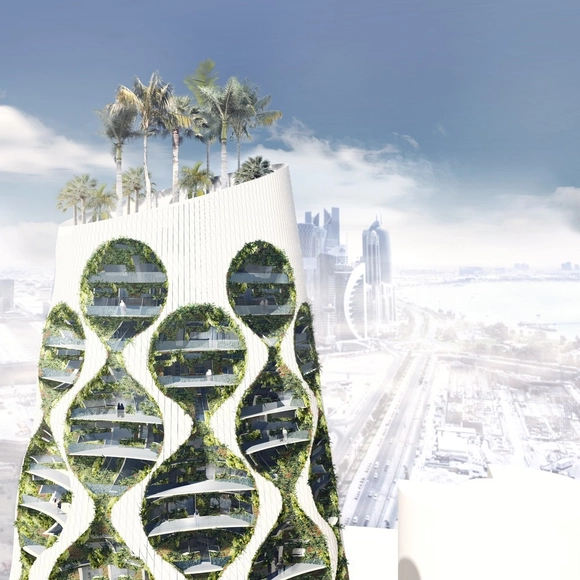
Warsaw-based FAAB studio envisioned a mixed-use development that enhances its own environment, while involving its inhabitants in the process. In fact, the prototype architectural intervention aims to give tools for people to control and manage the changing climate.
Highlighting and promoting architecture and design that impacts the educational field, the Design that Educates Awards revealed its list of winners for 2020. A collaboration between Laka Foundation and Solarlux GmbH, this year’s competition theme was inspired by the “Educating Buildings” research paper of Dr. Peter Kuczia.
The architecture of the Balkans is rooted in its history and geography. While Bulgaria seemingly goes unnoticed in the region’s design circles, the country’s architecture reflects a larger move towards more modern projects. This is especially true in Bulgaria’s residential architecture, where a range of new single family homes have been built in the last decade.
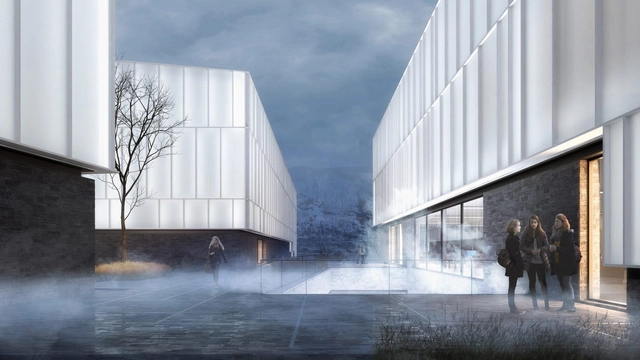
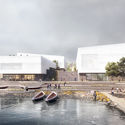
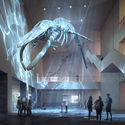
Henning Larsen has designed a new Arctic Museum of Norway in Tromsø. Working in collaboration with COWI, Borealis and SLA, the team’s proposal was made for one of the northernmost cultural institutions in the world. Formed as a “cluster of glowing beacons”, the coastal project aims to draw visitors to the sea that surrounds the island city.
Italian architect Vittorio Gregotti in 1975. Image via Wikipedia Commons
Vittorio Gregotti, Italian architect, co-responsible for the design of 1992 Barcelona Summer Olympics stadium and the 1990 Football World Cup Marassi stadium has died of pneumonia on Sunday 15 March 2020, after catching the coronavirus. Gregotti was being hospitalized with his wife Mariana Mazza in Milan.
Design and the City is a podcast by reSITE, raising questions and proposing solutions for the city of the future. In the sixth episode, Marianthi Tatari, Associate Director and Senior Architect at UNStudio, talks about creating inclusive spaces to connect people and generating 24/7 activity within their projects.
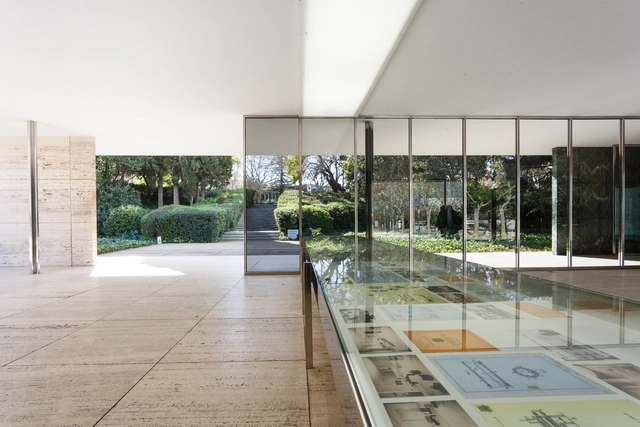
In time for Women’s Day, the artistic outcome of the first call of the Lilly Reich Grant for Equality in Architecture opened at the Mies van der RohePavilion in Barcelona. Running till the 22nd March 2020, the exhibition entitled Re-enactment, carried out by Laura Martínez de Guereñu, aims to put the spotlight on Reich’s overlooked work.
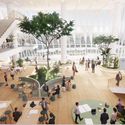
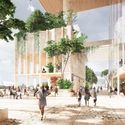
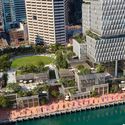
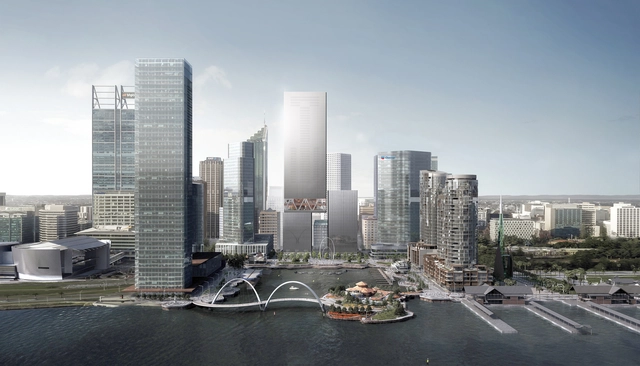
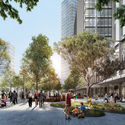
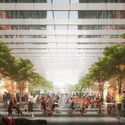
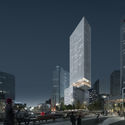
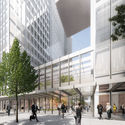
Architecture and design practice REX has submitted a revised design for a mixed-use tower development in Perth, Australia. Located along the city's Elizabeth Quay, the new project is created with executive architect Hassell, and will combine hotel, retail, offices and residences in two towers. The latest design has been submitted to the city's Metropolitan Redevelopment Authority, and if approved, would become Perth’s tallest skyscraper.
Videos
CPH Shelter. Image Courtesy of CPH Containers
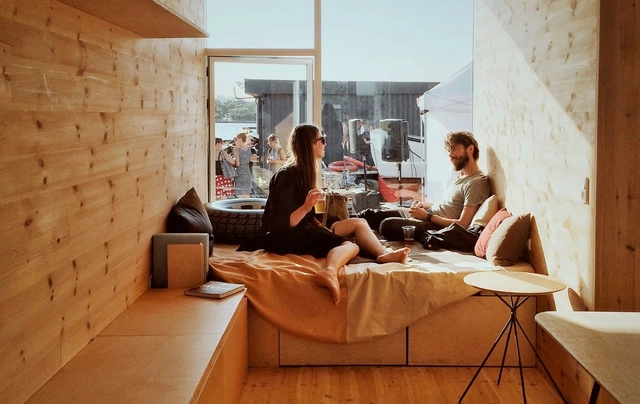
In this short video, Jens Thomas Arnfred and Søren Nielsen from the Danish office Vandkunsten Architects talk about wood and the many reasons why it makes for such excellent building material. The two architects discuss the sustainability advantages of using timber and reflect on its influence on our senses and mind, on our feeling of wellbeing.
In every casino, there’s much more than meets the eye. Although guests are typically only aware of what’s happening on a surface level, a casino’s ability to create a false sense of reality extends beyond the programming of slot machines and betting against the odds at the tables. It reaches far into every corner of the room and is designed in such a way, that their intentionality behind every flashing light, “cha-ching!” jackpot noise, smokey bar, and endless maze of slot machines all come together to place a bet against human psychology. They say there’s a reason why the house always wins, but what is it about the design of these spaces and the allure of the gambling table that makes visitors always come back for more?
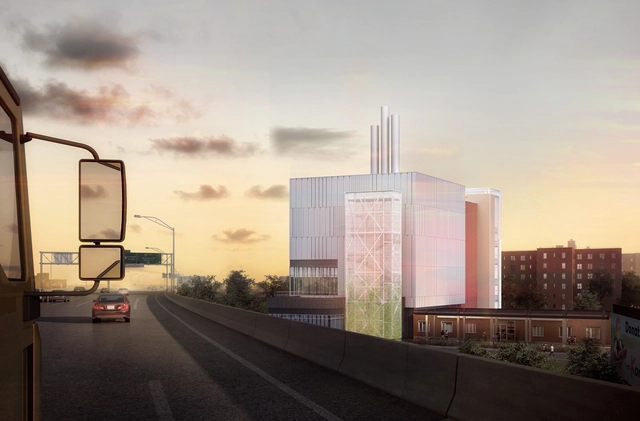
KPF with NYCHA created a resiliency and renewal program for the Red Hook Houses in Brooklyn, severely damaged by Hurricane Sandy. The redevelopment plans aim to reduce the vulnerability of the area and its community.
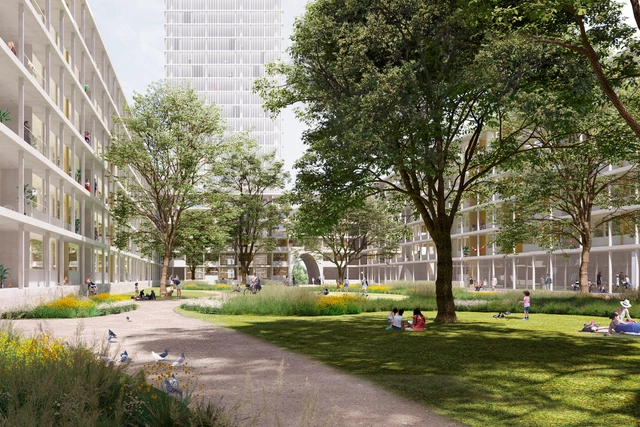
David Chipperfield Architects with Wirtz International Landscape Architects have won an urban competition in Berlin to convert the abandoned industrial and production site Georg-Knorr-Park into a lively residential and commercial neighborhood.
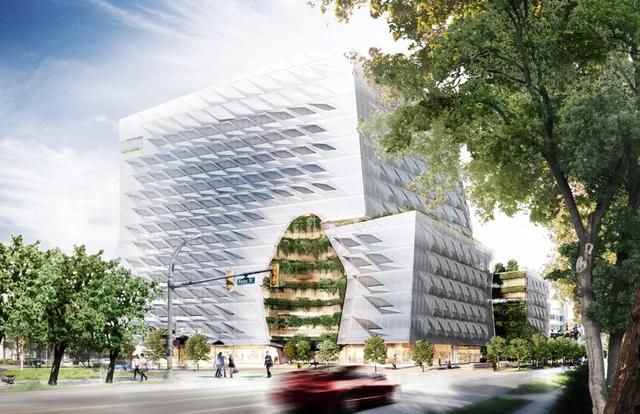
Morphosis will design a new high-tech global headquarters for lululemon in Vancouver, Canada. Working with Francl Architecture and Clive Wilkinson Architects, the team will create the main office to serve as an extension of the core values of the brand itself. The design for the 13-story headquarters is made to create strong connections between the building and its site, landscape, and community, with exterior and interior spaces that encourage collaboration and innovation.







.jpg?1584528528&format=webp&width=640&height=580)
.jpg?1584528322 "© Vincent Hecht")
.jpg?1584528452 "© Vincent Hecht")
.jpg?1584528126 "© Vincent Hecht")
.jpg?1584528246 "© Vincent Hecht")
.jpg?1584528528)
MIR_(1)-1600px.jpg?1584527161&format=webp&width=640&height=580)
MIR_(1)-1600px.jpg?1584527161)





.jpg?1584441338&format=webp&width=640&height=580)





JakubCervenkai_1_(131_of_589).jpg?1584354067 "© Jakub Cervenkai")


TomasPrinc-265.jpg?1584353916 "© Tomas Princ")




__Fabulous_Las_Vegas_--_2012_--_6263.jpg?1584031699&format=webp&width=640&height=580)