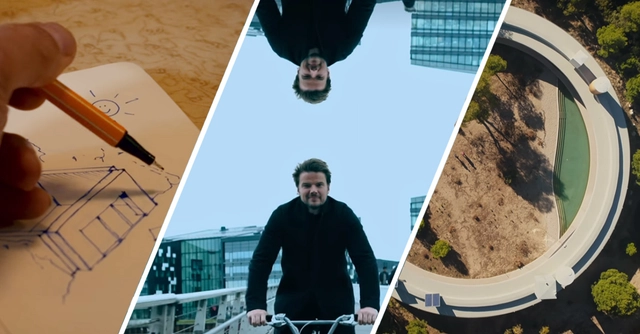
Netflix released ten of its documentary films, shorts and docuseries free on YouTube for anyone to watch. Included in the set is Abstract: The Art of Design, exploring "the most creative designers" from various fields. The first season of this series goes into the the art, science and philosophy of design. Back in 2017, Netflix launched the documentary series with the aim of demonstrating how design influences all aspects of our lives.
Architects, not Architecture decided to open their archive to help us cope with the current situation of not being able to go out as usual and create a source of inspiration and entertainment through sharing one of the unique talks from their previous 35 events, which have never been published before – including, Tatiana Bilbao, Peter Cook, Richard Rogers, Massimiliano Fuksas, Kim Herforth Nielsen, Ben van Berkel, Benedetta Tagliabue, Anupama Kundoo, Sadie Morgan, Dan Stubbergaard, Manuelle Gautrand and Kjetil Thorsen.
Every week, Archdaily will be sharing one of the Architects, not Architecture. talks which they are currently publishing online in the form of daily full-length video uploads as part of their “new event”: Home Edition 2020 (www.architectsnotarchitecture.com).
As we recognize the 50th Earth Day, it is difficult to think of a time where our relationship with the Earth has been so different from normal. As we grapple with the worst health crisis in one hundred years, attention turns to the future of how we will live with each other, how global systems will operate, and in some cases, how profoundly positive it can be for the natural world when our exponential demands for oil, transport, and energy are curtailed.
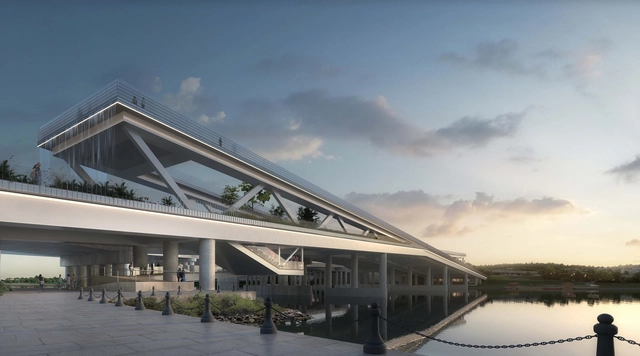
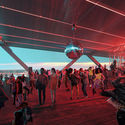
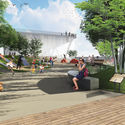
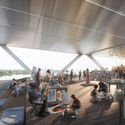
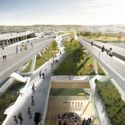
OMA / Jason Long’s 11th Street BridgePark was granted approval by the National Capital Planning Commission (NCPC) at the beginning of April. Designed by OMA, with landscape architects OLIN, and structural engineers WRA, the project is the winning entry of the design competition held back in 2014.
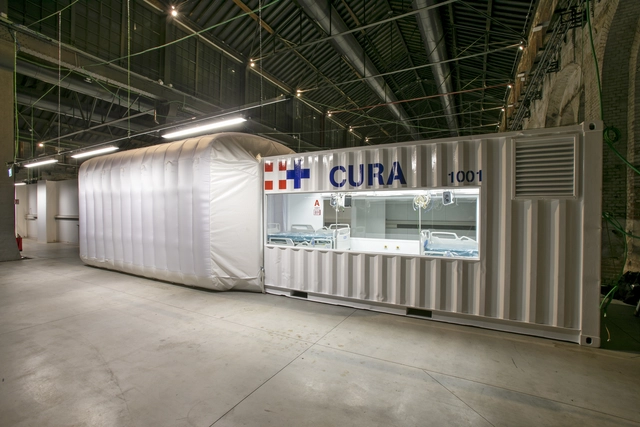
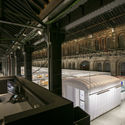
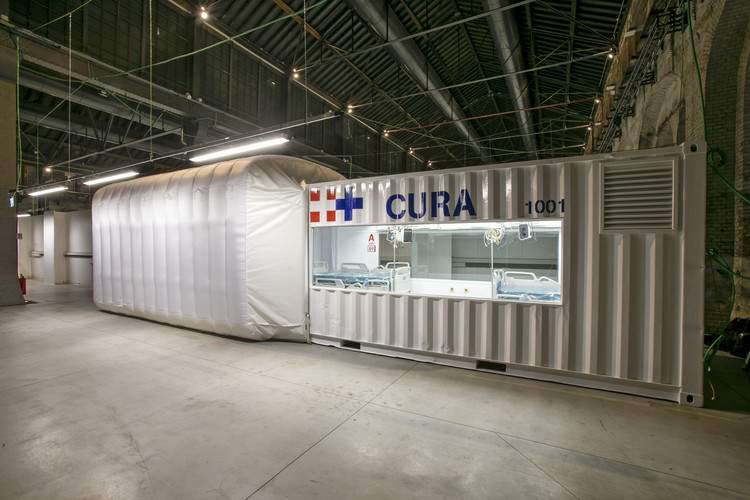
The first unit from Carlo Ratti’s CURA project was built at a temporary hospital in Turin, north of Italy, one of the world’s hardest-hit regions by the pandemic. Launched four weeks ago, the initiative to convert shipping containers into plug-in Intensive-Care Pods for COVID-19 patients was assembled at record speed.
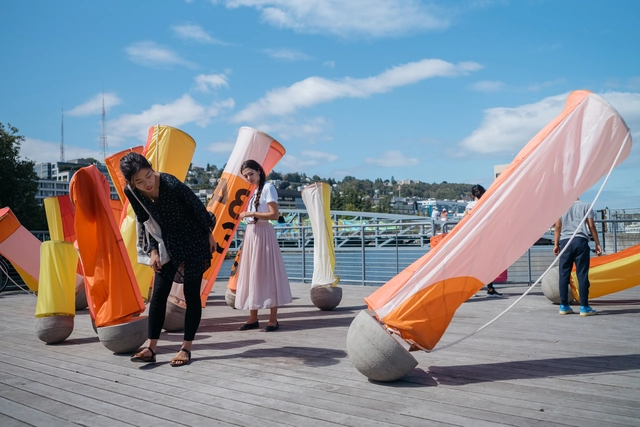
The Seattle Design Festival is currently set to open this August. Presented by Design in Public and AIA Seattle, The festival celebrates its tenth anniversary at a pivotal moment in the life of American cities. This year’s festival theme, “It’s About Time,” invites audiences to ponder our past, present, and future as we all reflect on what our opportunities are at this unique moment in history.
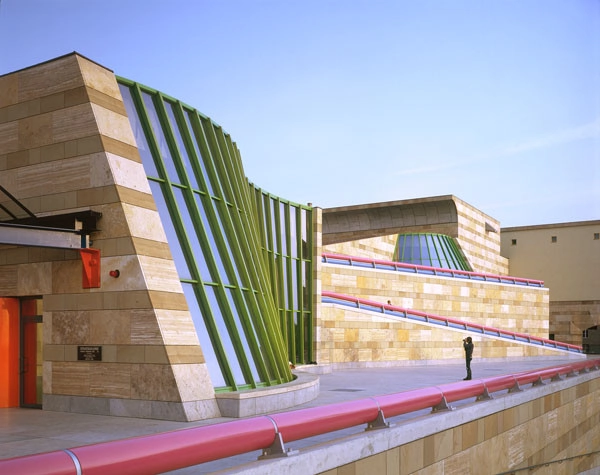
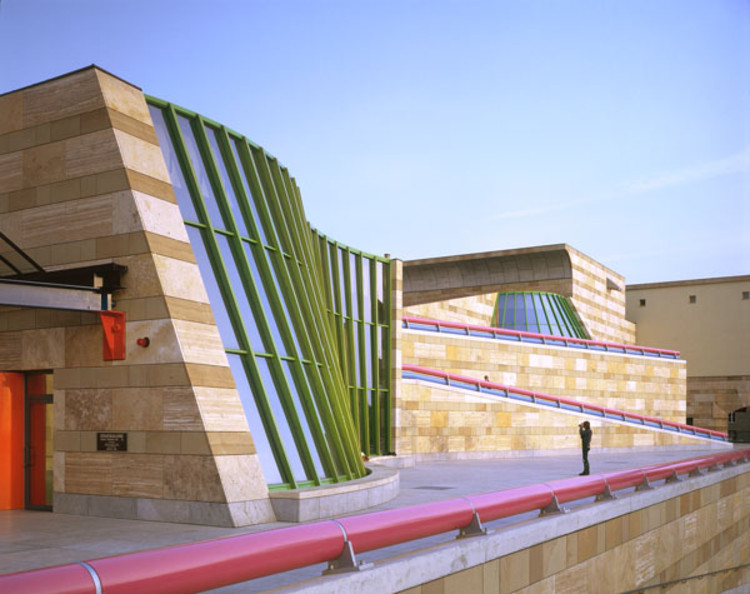
Staatsgalerie, Stuttgart, Germany (1977–1984), 1984. Alastair Hunter, photographer. Image Courtesy of Canadian Centre for Architecture
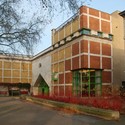
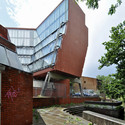
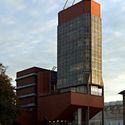
British architect and Pritzker LaureateSir James Stirling(22 April 1926 – 25 June 1992) grew up in Liverpool, one of the two industrial powerhouses of the British North West, and began his career subverting the compositional and theoretical ideas behind the Modern Movement. Citing a wide-range of influences—from Colin Rowe, a forefather of Contextualism, to Le Corbusier, and from architects of the Italian Renaissance to the Russian Constructivist movement—Stirling forged a unique set of architectural beliefs that manifest themselves in his works. Indeed his architecture, commonly described as "nonconformist," consistently caused annoyance in conventional circles.
“Home” is a new documentary series created by Apple TV+ that takes viewers on a tour of some of the world’s most intriguing dwellings. The first season, spanning nine episodes, showcases how domestic architecture is being re-evaluated across different contexts and geographical areas, taking radical, innovative, and highly creative forms.
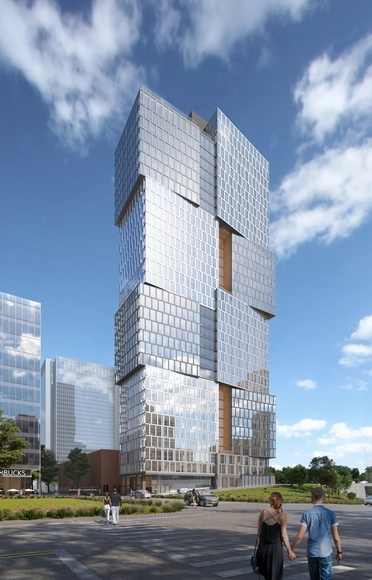
Goettsch Partners (GP), the global architecture firm based in Chicago, has designed Alcove, the first residential building adjacent to Nashville Yards. Located in Tennessee, the 34-story building “is composed as a series of stacked, shifted cubes organized in pairs on four levels”.
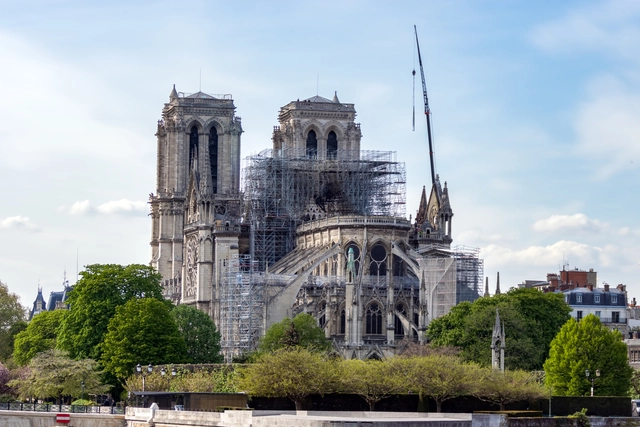
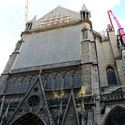
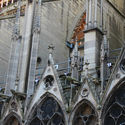
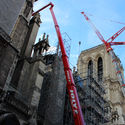
Due to the global pandemic, restoration works of the Notre Dame in Paris have been paused. For security reasons, all operations have been halted by French officials. While the consolidation of the cathedral was completed, the reconstruction of the spire and the roof as well as the removal of the melted scaffolding, have been interrupted.
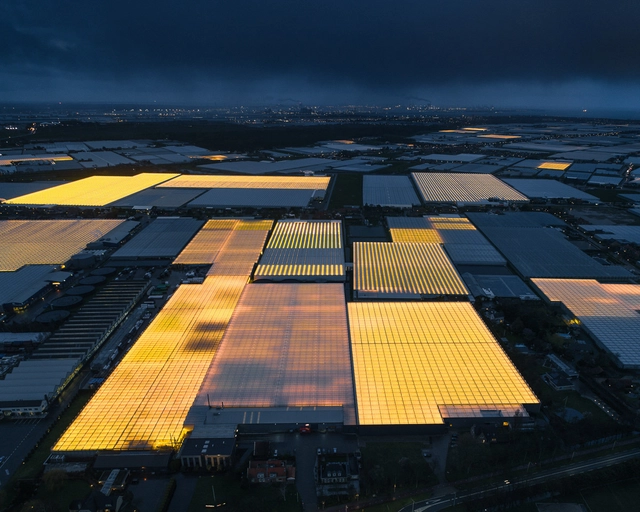
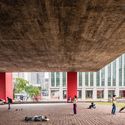
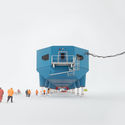
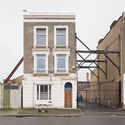
The new Zoomed In virtual photography and architecture festival has launched this week. Running from 21st - 24th of April, the festival brings together a diverse international selection of architectural photographers and cross-disciplinary creatives in a series of online talks and discussions, short film screenings, image galleries, and a charity print sale to raise funds for those most in need during the current pandemic crisis.
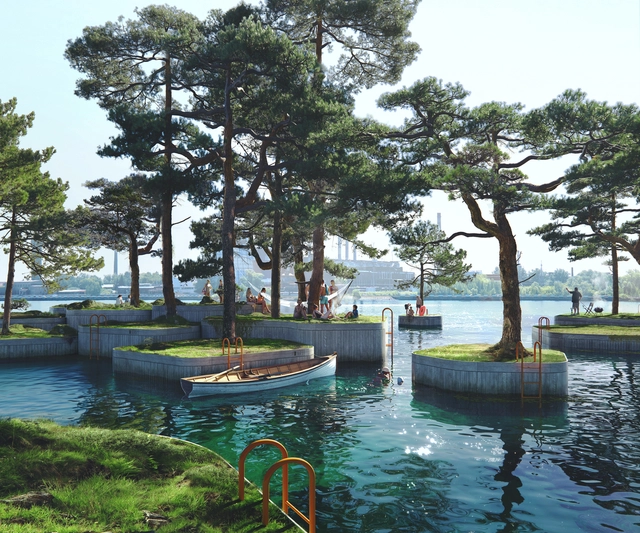
Marshall Blecher & Studio Fokstrot have introduced “wilderness and whimsy”, to the Danish capital by creating a series of floating islands in the city’s harbor. Adding a new archetype to the urban space, the project can be used by boaters, fishermen, kayakers, stargazers, and swimmers.
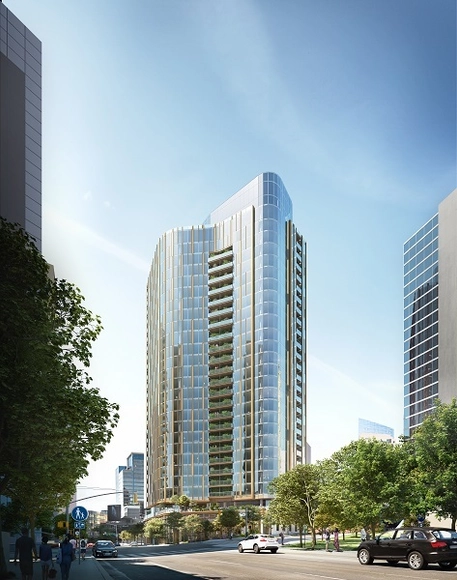
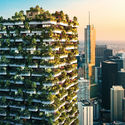
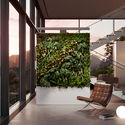
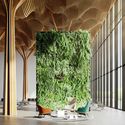
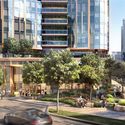
The Rastegar Property Company has announced plans to develop the tallest living wall in North America as part of a 26-story tower in Dallas. The building aims to improve local air quality with over 40,000 plants estimated to capture over 1,600 pounds of carbon dioxide and produce 1,200 pounds of oxygen annually. The development will be located across the street from the Union mixed-use complex.
Radical neofuturist architect Jan Kaplický (18 April 1937 – 14 January 2009) was the son of a sculptor and a botanical illustrator, and appropriately spent his career creating highly sculptural and organic forms. Working with partner Amanda Levete at his suitably-named practice Future Systems, Kaplický was catapulted to fame after his sensationally avant-garde 1999 Lord's Cricket Ground Media Centre and became a truly innovative icon of avant-garde architecture.
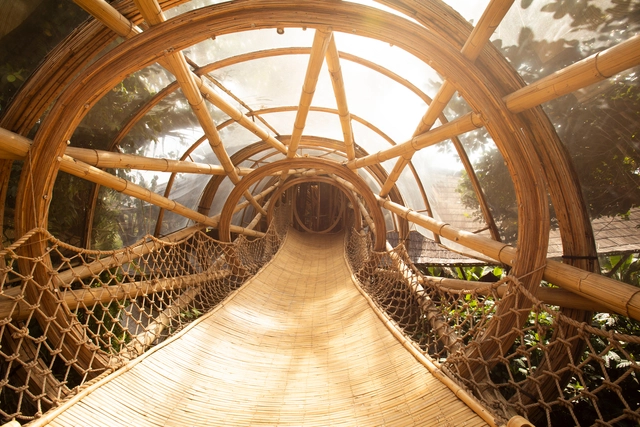
While public parks and gardens have closed down their doors around the world, in fear of the COVID-19 spread, Studio Precht has proposed a green space designed around the rules of physical distancing. Entitled “Parc de la Distance”, the project introduces an outdoor space that encourages social distancing and short-term solitude.
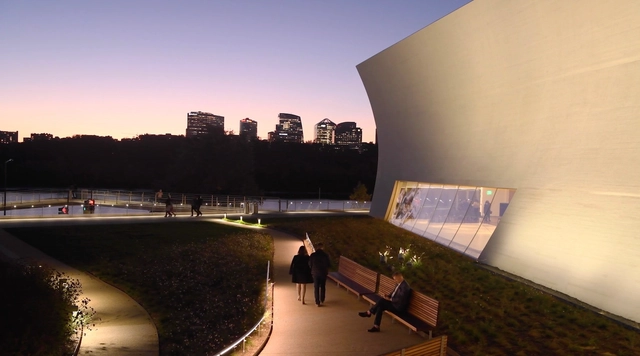
A new film by Steven Holl Architects and Spirit of Space showcases the REACH at the Kennedy Center for the Performing Arts. Designed as three pavilions interconnected below an open green roof, the elegant expansion merges architecture and landscape to increase the center's interior space with 72,000 sf of open studios, rehearsal and performance spaces, and dedicated arts learning spaces.
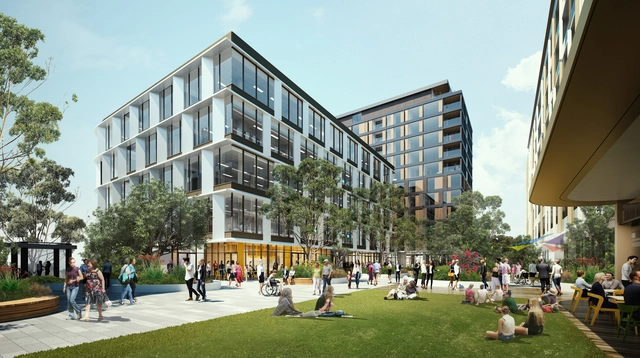
Hassell has approached health and wellness differently in the newest healthcare facility in Western Australia. With innovation at the core of the architectural concept, the Murdoch Knowledge Health Precinct puts people first, creating a state-of-the-art intervention, a hub for activities and interconnected public spaces.
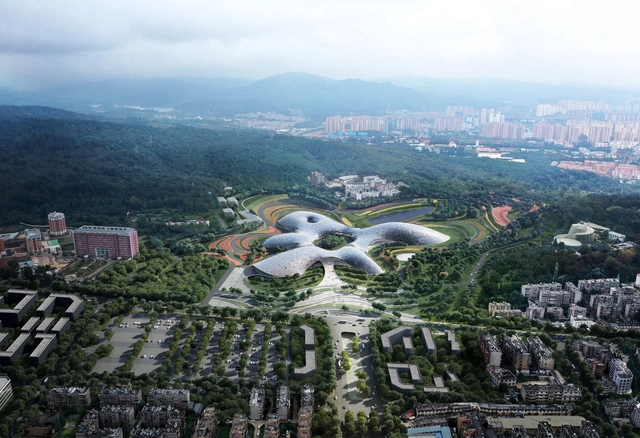
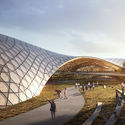
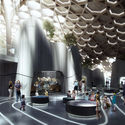
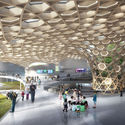
Located in Kunming, the city of “Three Mountains, One Lake”, the National Botanical Museum designed by THAD and Sutherland Hussey Harris, embodies the fusion and integration with nature on many different levels.
The Australian Institute of Architects has announced it will no longer participate in the 2020 Venice Biennale. Last month, organizers postponed the event's opening until August in light of the recent COVID-19 pandemic. Australia’s exhibition, titled In Between, was to be curated by creative directors Tristan Wong and Jefa Greenaway, and it aimed to explore connections between indigenous cultures across Australia and the South Pacific.
Following an exciting week of nominations, ArchDaily’s readers have evaluated over 800 projects and selected 10 finalists of the Building of the Year Award. Over 20,000 architects and enthusiasts participated in the nomination process, choosing projects that exemplify what it means to push architecture forward. These finalists are the buildings that have inspired ArchDaily readers the most.
American architect, educator, critic, historian, curator and co-founder of The Architect’s Newspaper has passed away after a long battle with cancer in Manhattan at 72 years old.
The American Institute of Architects (AIA) have released the Architect’s Guide to Business Continuity, an effort to assist architecture firms with navigating adverse business conditions. The guide provides firm leaders with insights into managing staff, premises, technology, information, supply chains, stakeholders, and reputation. It aims to help firms continue providing services, generating revenue, and reducing the consequences of business interruption.
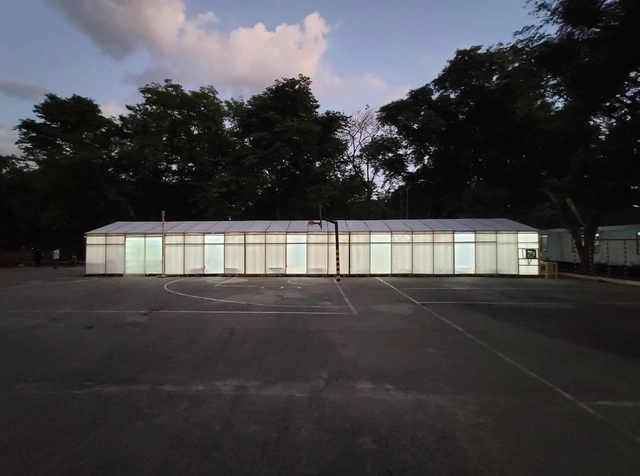
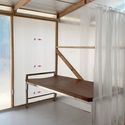
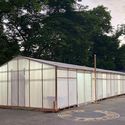
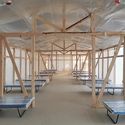
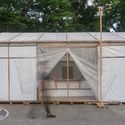
As hospitals around the world are reaching their capacity, the architecture and design community is developing new alternatives to fight COVID-19. In order to build 60 Emergency Quarantine Facilities (EQF), WTA was inspired by their pavilion developed last year, part of the Anthology Festival. A viable quarantine structure, the Boysen Pavilion “embodied speed, scalability and simplicity in its structure”.
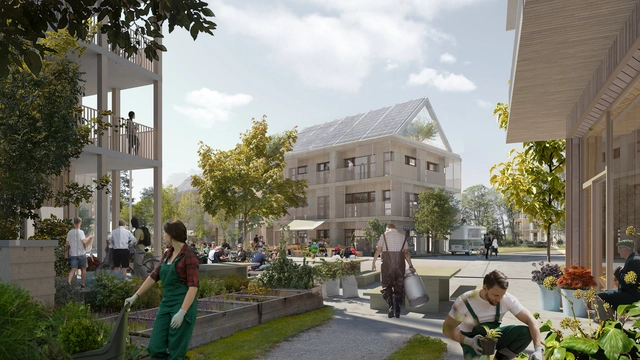
White Arkitekter, in collaboration with Silicon Valley-based ReGen Villages, have joined forces to create fully circular, self-sufficient and resilient communities in Sweden. Inspired by computer games, the project puts in place organic food production, locally produced and stored energy, comprehensive recycling, and climate positive buildings.


.jpg?1587553900 "© Shutterstock")







-Alastair-Philip-Wiper.jpg?1587401464&format=webp&width=640&height=580)
-Alastair-Philip-Wiper.jpg?1587401452 "Courtesy of Zoomed In Festival")
-Alastair-Philip-Wiper.jpg?1587401464)

.jpg?1587069293&format=webp&width=640&height=580)
.jpg?1587069383 "Courtesy of Studio Precht")
.jpg?1587071981 "Courtesy of Studio Precht")
.jpg?1587073654 "Courtesy of Studio Precht")
.jpg?1587072870 "Courtesy of Studio Precht")
.jpg?1587069293)