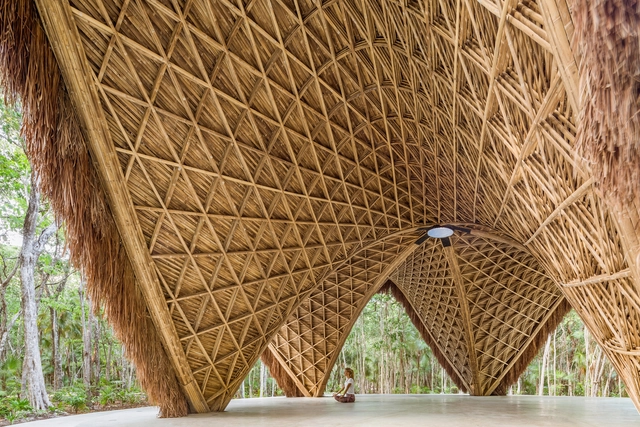
Within this scope, much is said about the different vernacular techniques employed in architecture, whether it is the production of adobe bricks, thatched roofs, woven bamboo walls, among many others. However, while vernacular technique focuses on specific actions or skills, its meaning differs from vernacular technologies.
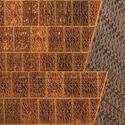
Historically, architecture has served as a canvas for artistic expression. Building elements have been adorned with relief-carved garlands, inscriptions, fresco murals, portrait busts, and classicizing figurative sculptures, all of which emphasize the unique and intentional nature of each component. However, the industrialization of the 19th century brought about a shift in ideals, that stripped architectural components of their decorative elements. Instead, it preferenced the search for beauty in standardization and the economic accessibility provided by mass-produced building elements.
But is there room for artistry within mass production? Can artists be involved in the industrial-making processes of building elements? And how can new technology facilitate artistic mass customization of building components? These questions prompt us to consider the potential for expression, communication, and reflection in the craft of building elements in both interior and exterior spaces.
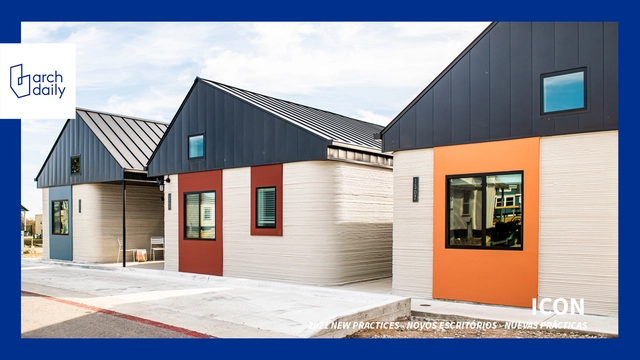
Pioneering advanced construction and large-scale 3D Printing, ICON was selected as ArchDaily’s Best New Practices of 2021 due to its boundary-breaking technology that is advancing capability in the built environment. The Texas-based startup has just unveiled various toolkits and products to modernize construction processes further. Dubbed “Domus Ex Machina,” the event showcased a range of innovations, such as an AI Architect created for home design and construction, a digital library containing over 60 pre-designed home plans, a new eco-friendly building material, and a robotic printed facilitating multi-story construction. Together, these developments aim to offer a quicker, more environmentally friendly way to build high-quality, affordable housing globally.
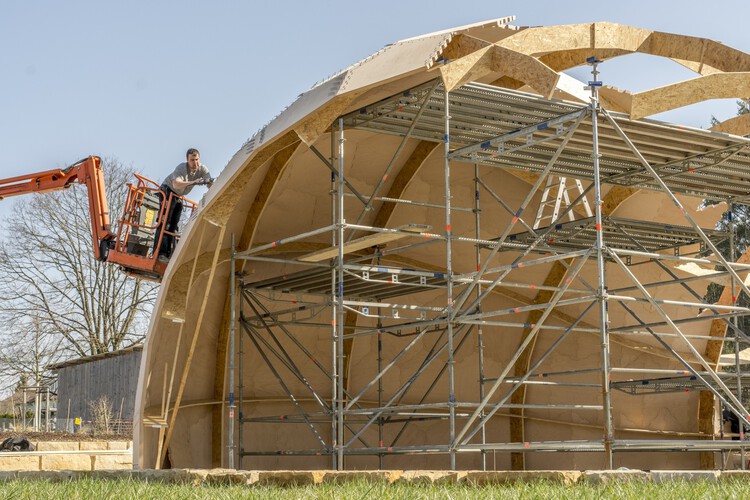
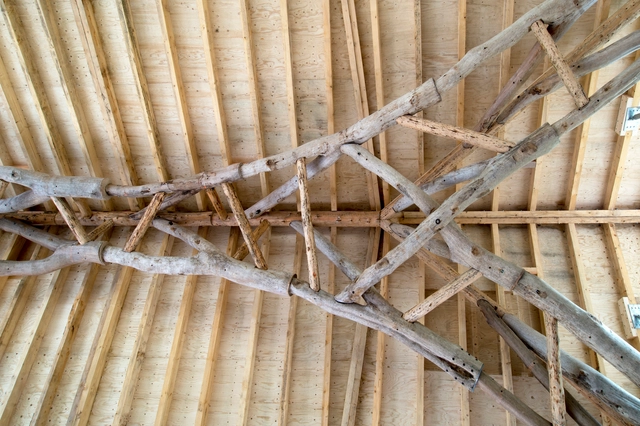
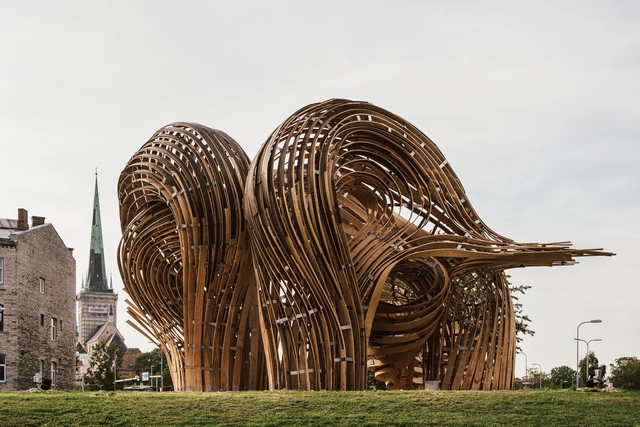
Timber has been a popular source of construction material for thousands of years. Through sawing, milling, and other engineered wood conversion processes, various wood forms have been created and applied in products, furniture, and architecture. However, these processes can sometimes alter the basic lines of wood structure. The stems can be split, grain patterns changed, and some woods, such as oak and cedar, are easily reduced while others can become intractable. This led to the exploration of whole timber forms in ancient structures, such as log cabins, which layered timber in different cross-sections to form home profiles. Through design, the use of trunks or branches of trees in their entirety can accentuate their innate mechanical properties for structural sustainability. Although these practices are fairly absent in contemporary building techniques, new technological innovations expand the prospects of timber construction in architecture.
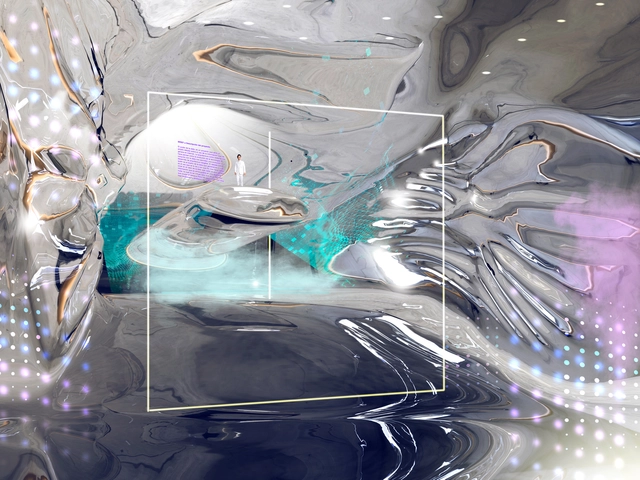
Architecture as a profession is both deeply rooted in the past and driven by innovation. During the past few years, we have seen technology advancing at an unprecedented pace, developing tools and systems that change the way we understand the world. Digital spaces are becoming an accessible reality, as the metaverse is promising to enhance human interaction. Other digital tools such as robotic construction technologies, AI-generated images, and immersive virtual-reality equipment are likely to have a direct impact on the construction industry.
These topics are addressed by forward-looking architects, designers, and building industry professionals. Among others, contemporary artist Krista Kim talks about the economy of the metaverse, architect Alper Derinboğaz draws attention to the challenges facing the new generations of architects, and ICON founder Jason Ballard reveals the implications of technological innovations.
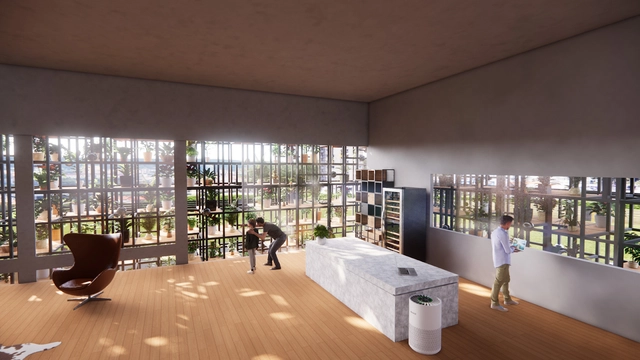
In our current context of ecological crisis, global warming, biodiversity loss, human population growth, and urban sprawl, we need to rethink the way we build and live in our city. We have observed the consequence of uncontrolled urban planning and construction driven only by a capitalist and productivist vision of the city, packing as many humans as possible in the cheapest constructions available, without consideration for the impact on our planet, our fellow animals & plants inhabitants, and our own wellbeing. The concrete jungles we have been building for the past century have proven to be disrupting our climate (Global Warming, Local heat island effect), our ecosystems (loss of biodiversity, and recess of animals & plants population), and our economy (the food and product industry have been displaced far away, replaced by the only service industry, and the generation of the huge amount of waste in the city).
As Antoine Picon describes in Architecture and the Virtual Towards a new Materiality? : "An architectural project is indeed a virtual object. It is all the more virtual that it anticipates not a single built realization but an entire range of them. …Whereas the architect used to manipulate static forms, he can now play with geometric flows. Surface and volumes topological deformations acquire a kind of evidence that traditional means of representation did not allow.”
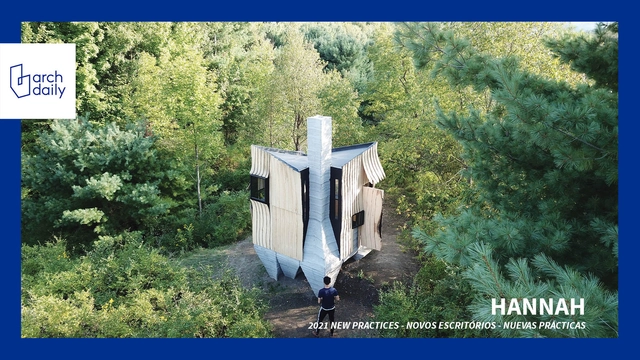
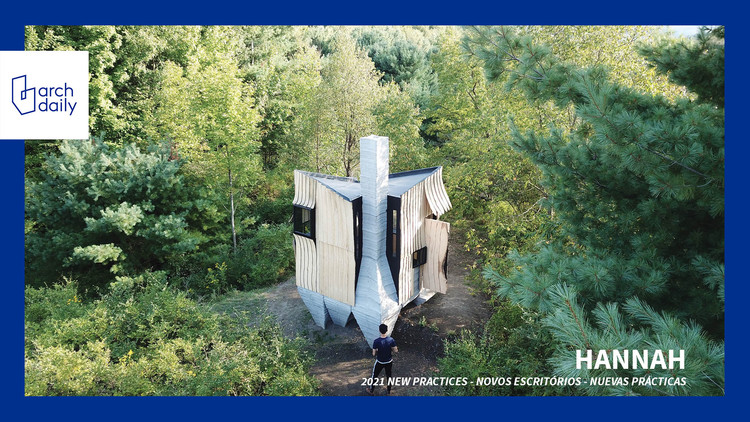
HANNAH Office is a US-based experimental research and design studio whose work focuses on advancing architecture and contemporary construction practices by examining the possibilities of new digital routines and fabrication technologies. Selected as one of Archdaily's Best New Practices of 2021, HANNAH Office was founded in 2012 by Leslie Lok and Sasa Zivkovic and constitutes a platform for exploring technology and material methods across a variety of scales, from furniture to urbanism in search of new design outcomes.
Founded in late 2017, named one of the "Most Innovative Companies in the World" in 2020, and selected as ArchDaily's Best New Practices of 2021, ICON is a construction company that pushed the boundaries of technology, developing tools to advance humanity including robotics, software, and building materials. Relatively young, the Texas-based start-up has been delivering 3D-printed homes across the US and Mexico, trying to address global housing challenges while also developing construction systems to support future exploration of the Moon, with partners BIG and NASA.
Featured on Times' Next 100, as one of the 100 emerging leaders who are shaping the future, Jason Ballard, CEO and Co-Founder of ICON spoke to ArchDaily about the inception of the company, worldwide housing challenges, his ever-evolving 3D printing technology, and process, his partnership with BIG, and the future of the construction field on earth and in space.
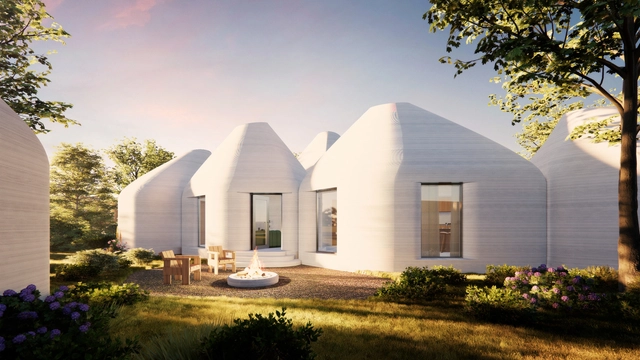
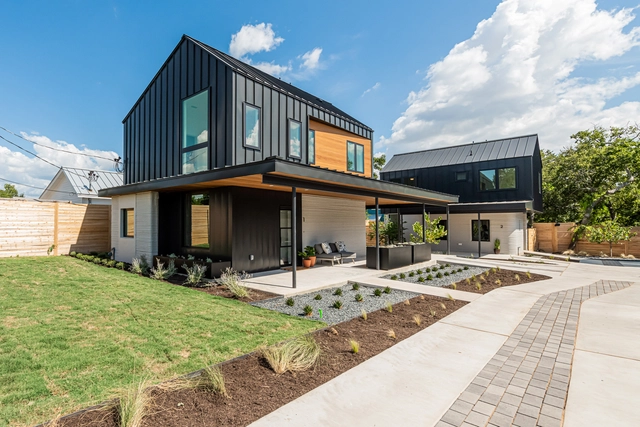
Developer 3Strands and construction company ICON have completed new 3D-printed houses for sale in the United States, showcasing the possibilities of additive manufacturing for mass-market housing. Located in Austin, Texas, within a fast-growing neighbourhood, the East 17th St Residences development is designed by Logan Architecture and comprises four units with 3D-printed ground floors whose tectonics reflect the construction technology.
By now, it is clear that technology has taken over almost every aspect of our lives. It has changed the way we communicate, how we connect, how we work and study, and has even modified our buying and eating habits. Architecture and construction were not the exceptions, and technology is also now present in the way it is being thought, designed, and built.
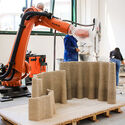
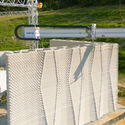
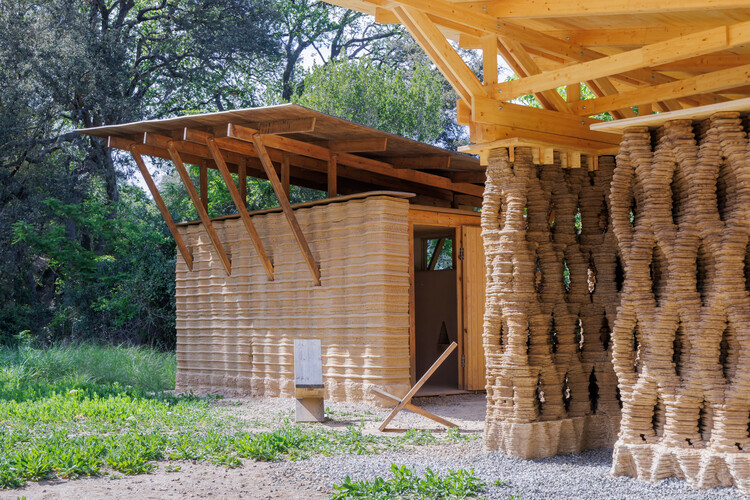
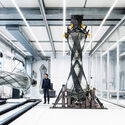
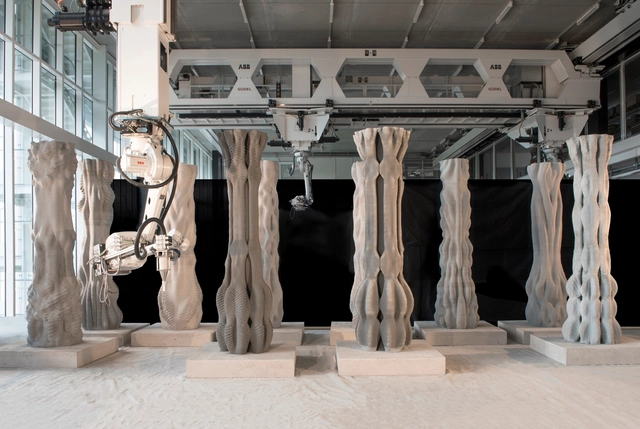
A couple of years ago, digital fabrication was making headlines regularly, promising to drastically change the architecture practice. The revolution in architecture might not have arrived yet, but research projects, experiments and the dedication of several architects and universities already opened a new realm of possibilities for architectural expression. Therefore, it seems appropriate to give an overview of the impact the technology had so far within the architecture practice. This article covers the different types of processes within the field and the projects that experiment with them, with the scope of reframing the architectural potential of digital fabrication.
Japan’s Advanced Industrial Science and Technology Institute have created HRP-5P, a humanoid robot that can perform common construction tasks, including installing drywall. As TechCrunch reports, HRP-5P uses environmental measurement, object detection and motion planning to perform various tasks. The robot may help in Japan's rapidly aging society where declining birth rates meets a lack of skilled construction workers.
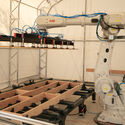
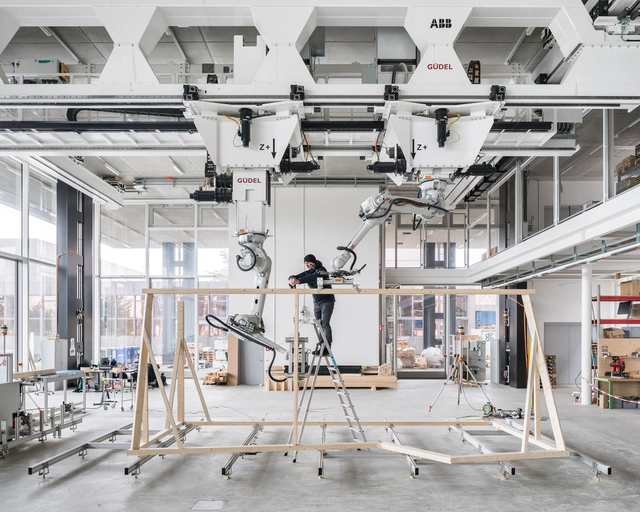
Digital technology has broken into the timber construction scene at ETH Zurich, where a research team is using programmed robots to construct load-bearing timber modules. These modules are being used to stabilize the top two levels of their DFAB HOUSE project, a three-story residential unit located in Dübendorf, which aims to bring a variety of digital construction methods together under one roof.