The opening scenes of the award-winning Brazilian film "City of God" (2002) portray a newly constructed housing complex situated on the outskirts of Rio de Janeiro. Subsequently, this complex evolves into a hub of poverty and violence. Despite the film being set in the 1960s, the housing development depicted was a recent construction.
This choice made no difference because, despite the 40-year difference between the depicted era in the film and the time of filming, the architectural solutions employed by housing programs in the country remained stagnant. They continued to replicate outdated models, showcasing a lack of progress in the sector.
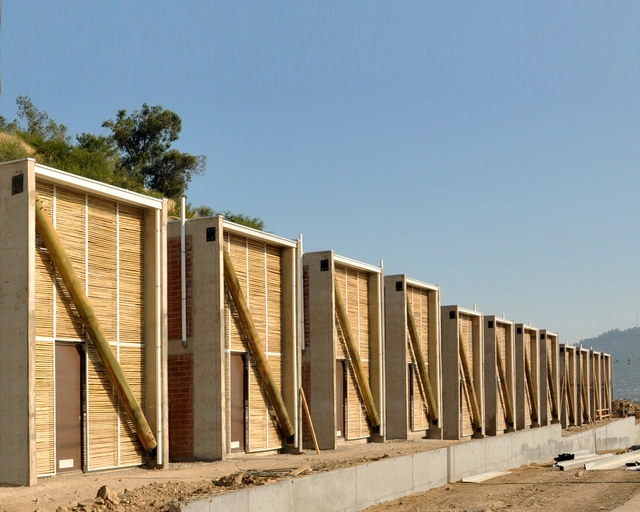
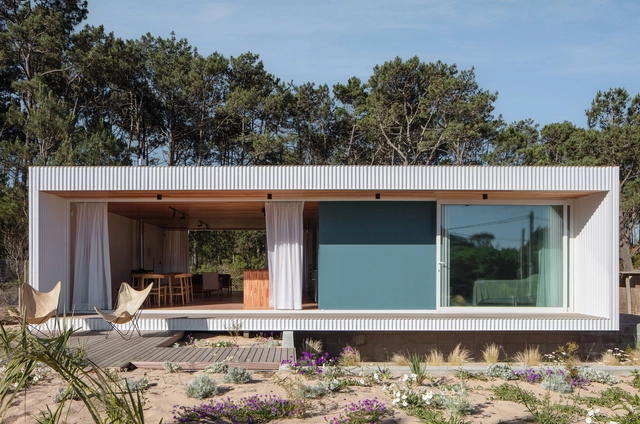
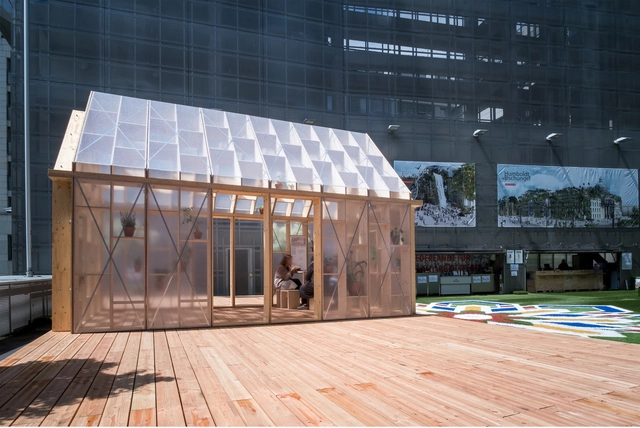
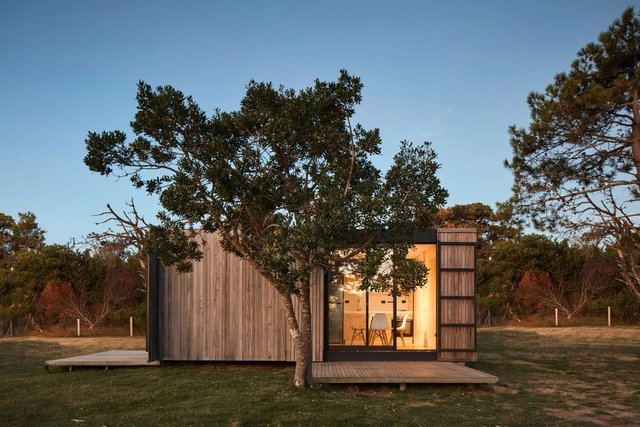
How can industrialization and environmental responsibility go hand in hand? What siting, technological, or constructive strategies can be developed without harming the surrounding landscape? The application of modular design in architecture has been in practice for years, with a history involving the pursuit of standardization and modular coordination among materials, products, and more. Over time, it has been complemented by various environmental, sustainable, ecological, and economic factors to achieve the adaptability and functionality desired by its inhabitants.
Ever since the Industrial Revolution and the introduction of mass production, the ownership and use of simple products and services like flush toilets with running water, electricity, heating, and cooling are seen as human rights in many areas of the world. With the majority of homes and residential projects being individually designed and built to order – therefore without the speed and cost advantages of mass production – an underperforming housing construction sector means many people – even in the world’s richest countries – are being denied one of the most basic human rights, having somewhere to call home.
The UNHCR (UN Refugee Agency) states that there were over 100 million forcibly displaced people worldwide in 2023 – a figure that has tripled over the last 10 years. For host countries, finding safe, sustainable housing solutions for those in need, both in the short- and the long-term, is an ongoing and dramatically worsening challenge.
In a constant search to find new ways to reduce costs and construction times, modular architecture emerges as an opportunity to implement various methods, technologies, and techniques to design livable spaces using separate repetitive elements such as modules. As Tom Hardiman, executive director of the Modular Building Institute (MBI), maintains, "Modular" is not about a construction product but rather a construction process.
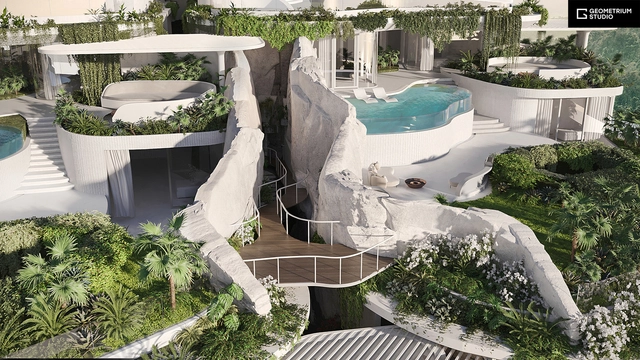
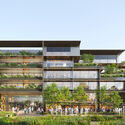
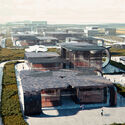
Courtesy of Geometrium Studio | Olympus Villa Complex
Long celebrated as havens of relaxation and luxury, resorts offer guests an escape from the mundanity of daily life. These sanctuaries seek to offer lavish accommodations, scenic locations, and comprehensive experiences. From sun-drenched beaches to mountain retreats, or secluded spots in the wilderness, resorts can take a variety of forms, each offering a unique experience. The history of architects designing resorts is intertwined with the development of the hospitality industry and the concept of leisure travel. In the realm of architecture, resorts allow designers to meld functionality with luxury living, creating spaces that offer experiences beyond just residences.
The Multifunctional complex “Next Collection” in Georgia by SPECTRUM Architecture illustrates this by adopting organic forms that blend into the seaside, while “Ethereal Mountains” by the Maden Group in Albania seeks to foster youth engagement in a breathtaking landscape. In Indonesia, the Villa complex “Olympus” by Geometrium Studio presents a unique structural concept where each villa’s roof acts as the terrace for the one above, echoing the rice fields of Bali. In this week’s curated selection of unbuilt resorts, submitted by the ArchDaily community, these themes are explored in different settings and design conditions.
No longer relegated to the domain of temporary structures or utilitarian living, modular housing is increasingly gaining traction. Prefabricated homes are disrupting the architecture industry with their efficient construction, predictable costs, and reduced environmental impact. Modular housing is rooted in the idea of quick replication and standardization. In a world that prioritizes customization, how might modular housing meet the needs of diverse individuals?
As construction materials costs increase, builders and developers are seeking alternatives to traditional home construction methods to address housing shortages. In response, an expanding construction technology field is the 3D printing sector. This technology promises quicker, cheaper construction and the potential to extrude local and recycled materials. However, due to the slow-changing nature of the construction industry, a radical shift involving large-scale 3D-printing machines on-site and a complete overhaul of the construction process seems unlikely shortly.
Prefabricated 3D printing modular housing offers a compelling solution, providing the benefits of 3D printing advancements while leveraging standard construction machinery and labor. In off-site 3D-printed construction, there is no need to transport massive 3D-printing machines on-site. Instead, components are printed in a controlled environment and then assembled on-site. These types of 3D-printed residential modular kits of parts are already being manufactured and are attracting significant investment.
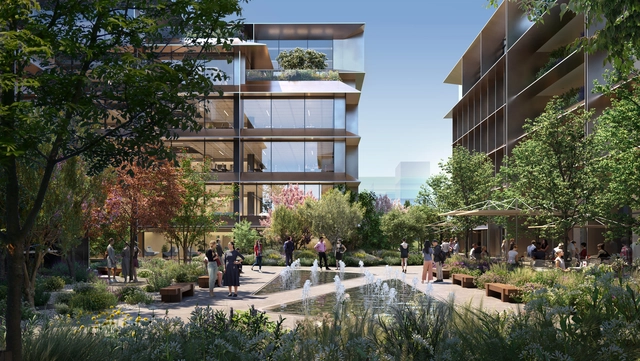
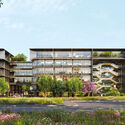
Construction is currently in progress on “The Grid,” a new office complex by Foster + Partners. Located in Marousi, an established business hub that boasts connectivity to central Athens, the project spans an entire city block. The project features modern, adaptable workspaces, along with landscaped green areas that integrate with a public park. The scheme hopes to revitalize Marousi and attract new business to the existing area.
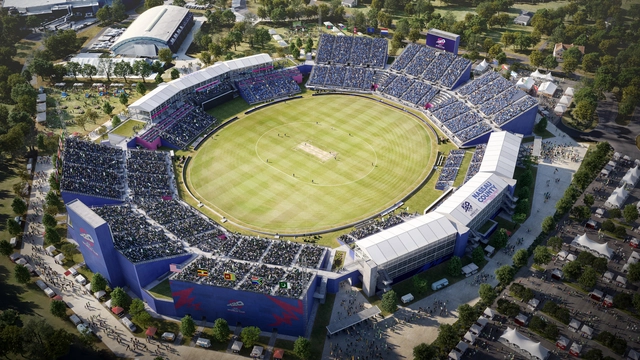
Nassau County International Cricket Stadium / Populous. Image Courtesy of Populous
Designed by the sports and entertainment-focused architecture office Populous, the Nassau County International Cricket Stadium will be located in Eisenhower Park, 30 miles east of Manhattan, and is planned to host eight matches during the ICC Men’s T20 World Cup 2024. The stadium, having a capacity of 34,000 seats with additional VIP and hospitality units, is scheduled to be completed within 3 months. The accelerated process is made possible by the modular system, typically employed in other sports such as Formula 1, Golf, and the Olympic Games.
Advancements in 3D printing technology are progressing at an unprecedented pace, accompanied by a parallel surge in computational power for manipulating and creating intricate geometries. This synergy has the potential to offer architects an unprecedented level of artistic freedom in regards to the complex textures they can generate, thanks to the technology's remarkable high resolution and rapid manufacturing capabilities. If the question of production was out of the way, and architects could now sculpt virtually anything into a facade effectively and efficiently, what would they sculpt?
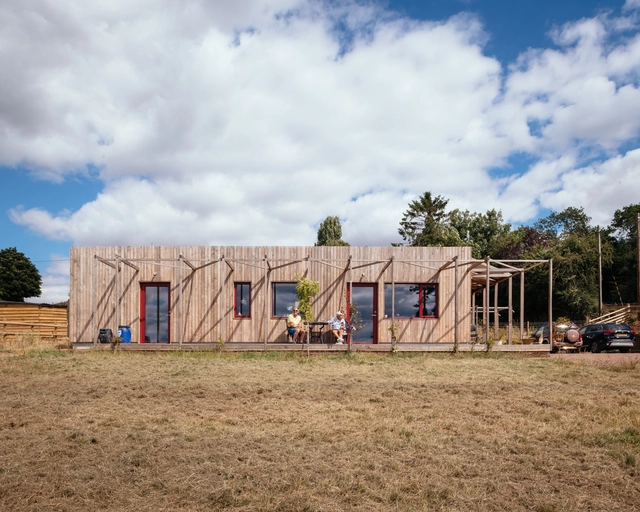
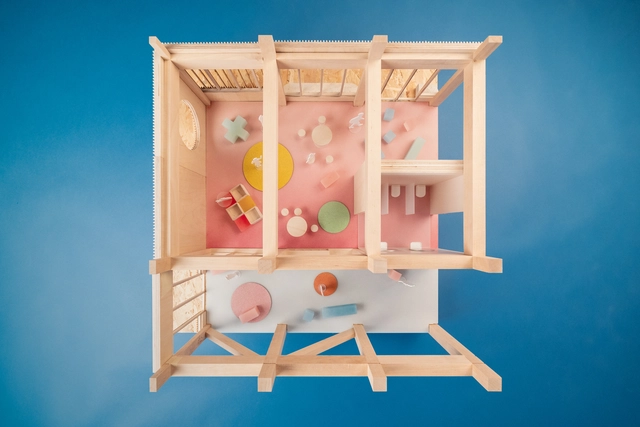
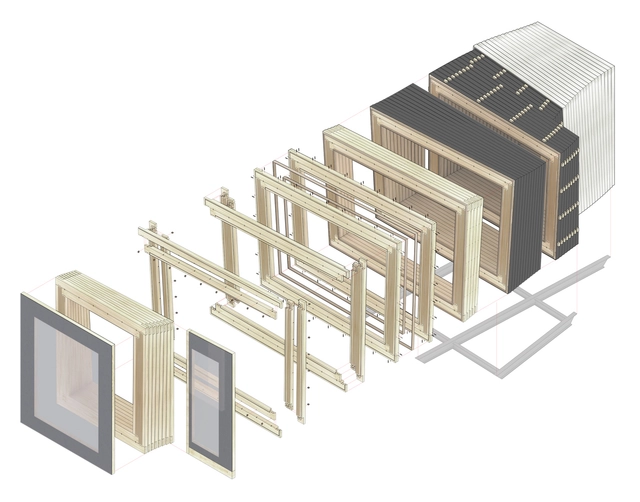
A few years ago, the architects at Studio Bark, in collaboration with Structure Workshop and Cut and Construct, began to develop the idea of a circular kit of parts designed so that anyone with reasonable DIY skills could build their own structure. This is U-Build, a modular system made of wood panels crafted with the precision of a computer-controlled cutting machine (CNC). The panels are delivered to the construction site in a compact box, ready to be assembled, stacked, and screwed to shape the walls, floors, and ceilings. Only a few tools are needed, such as a rubber mallet, a drill, a tape measure, and a level.
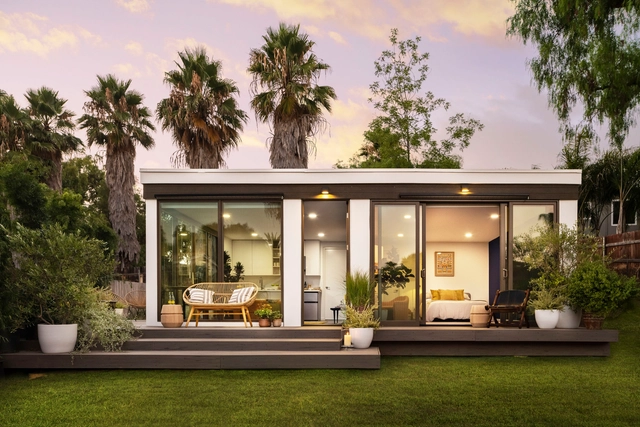
While this system allows the construction of various types of buildings, its high level of customization finds particular utility and effectiveness in housing projects of all scales. From a tiny house for a couple opting for simplicity to an off-grid cabin in the woods, a Georgian cottage extension, and a 3-bedroom efficiency home, U-Build has brought extraordinary prefabricated wooden homes to life.
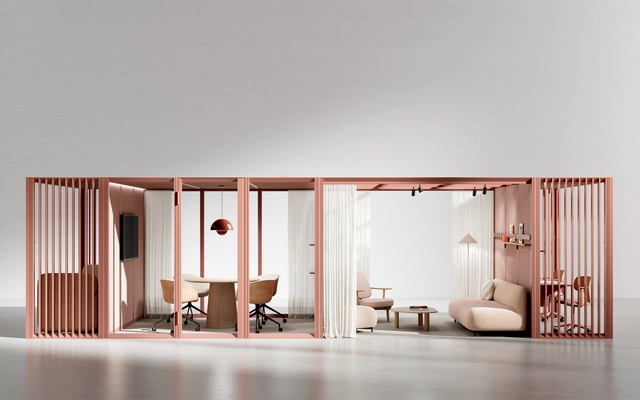
OmniRoom is a new room-in-room system developed by Mute. The product uses patented technological innovations and the benefits of modular architecture to offer a quick and easy solution for building comfortable and reshapable workspaces suitable for new, hybrid work environments. The product has already been recognized with the Mixology'23 Product of the Year award nomination.
Climatic conditions are changing around the world, and with more extreme temperatures and limited resources, architectural and urban solutions must also change. How could our homes look and function effectively in a post-climate change scenario? Analyzing in detail the forecasts of these climatic variations, the architects of W-LAB have developed a Low-Tech habitat proposal for humid, hot, and arid climates, incorporating bio-materials, transportable solutions, and configurations that promote life in small and resilient communities.
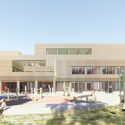
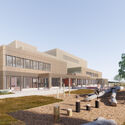
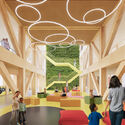
As part of the Circlewood consortium, OMA’s David Gianotten and Michel den Otter have developed a modular system to build schools that can adapt and transform throughout their lifecycle. The system was selected by the City of Amsterdam to be employed to build multiple schools in the coming ten years, as part of the Innovation Partnership School Buildings program. The citywide initiative aims to build nine to thirty “high-quality, flexible, and sustainable” schools as a way to contribute to the city’s goal of becoming fully circular by 2050.
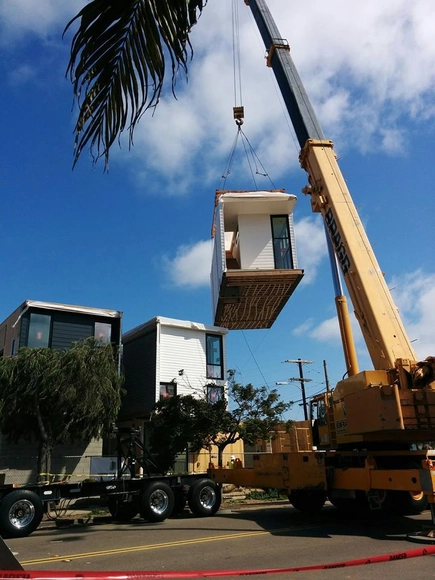
As every professional in the building industry knows, construction can be a costly and endlessly time-consuming endeavor. Delays are almost more frequent than on-time construction, and can be induced by extensive bureaucratic requirements, weather and other unexpected circumstances, inadequate planning, too few personnel, or a whole host of other causes. Lengthy construction projects can also negatively impact public perception of a project even before it has been built, especially if the projects experience delays or inconvenience those who live or work close to the building site. Moreover, some projects simply need to be built along a faster timeline than is typically feasible for a traditional construction project. Thankfully, there exists a solution for those seeking to drastically reduce construction times: modular construction.
https://www.archdaily.com/949219/why-choose-modular-constructionLilly Cao
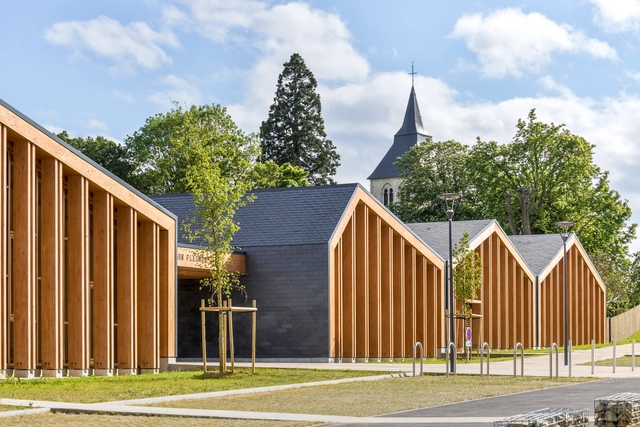
IBA Timber Prototype House / ICD University of Stuttgart. Image Courtesy of ICD University of Stuttgart
While the traditional image of the cabin is one of a rustic wooden home located far away from any trace of society, architects have been experimenting with these conventions alongside newer material and technological considerations to push the boundaries of the ‘cabin’ today. Whether it is by reimagining the aesthetics of the cabin, utilizing advanced fabrication techniques to modernize the rustic, or even reconfiguring the log cabin for the city setting, architects and designers have utterly transformed traditional cabin architecture for a more contemporary existence. Below, we consider 10 innovative cabins that achieve this transformation through experiments with different materials and construction technologies. While each explore different strategies and functions, many share similarities in their use of prefabrication systems, their dedication to sustainability, and their close attention to and optimization of specific material properties.
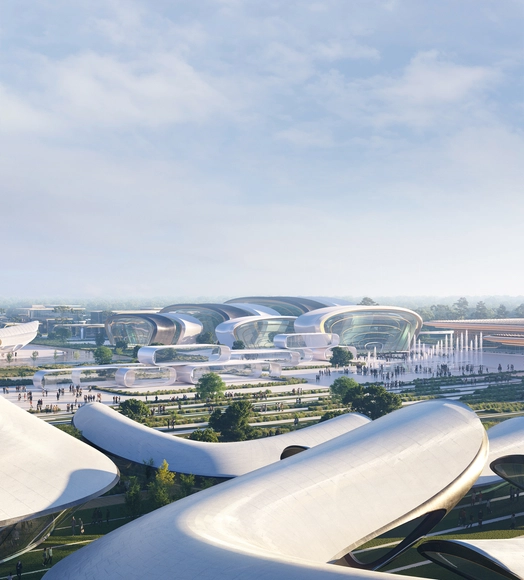
Zaha Hadid Architects has joined Ukrainian authorities to present the OdesaExpo 2030 bid proposal, an event planned to become the first Expo to be hosted in Eastern Europe. The masterplan is designed with legacy and sustainability in mind. The central pavilions are configured to be transformed into Ukraine’s first fair exhibition hub after the closing of the Expo, while the national pavilions are designed to be dismantled and redeployed as new civic buildings throughout Ukraine.
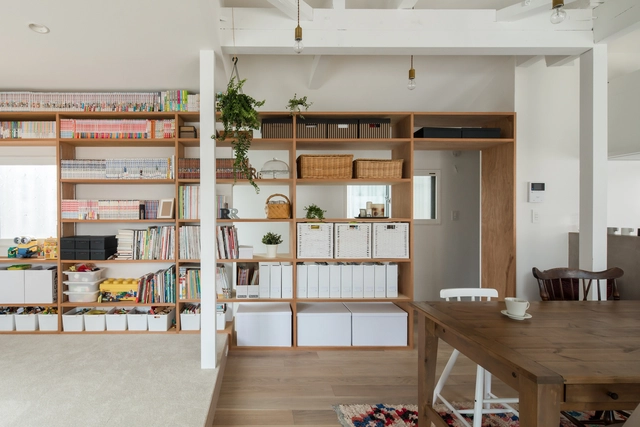
Shelves have a clear function: to organize, store and display. This simple, yet vital role has made them a must in every household, keeping the place neat and tidy by holding books, clothes, toys or any other items that would otherwise be scattered on the floor. Although usually found in closets, bedrooms, bathrooms and kitchens, shelves are useful wherever the extra storage is necessary. They are especially ideal for making the most out of small rooms, which will always benefit from having cleaner, clutter-free floor space. Responding to this crucial storage need and following a strict 'form follows function' approach, traditional shelves are often comprised of minimal, flat horizontal planes attached to a wall –a simple layout that is not particularly meant to draw attention. Hence, people don’t tend to think about shelving ideas beyond storage, and in that sense, the countless design possibilities they offer are often overlooked.