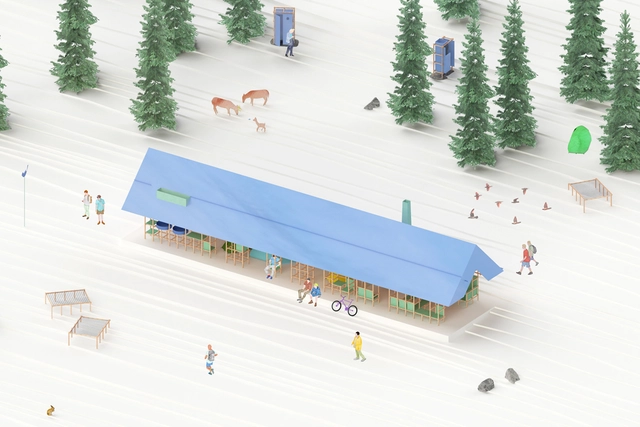
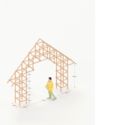
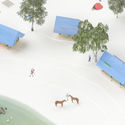
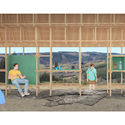
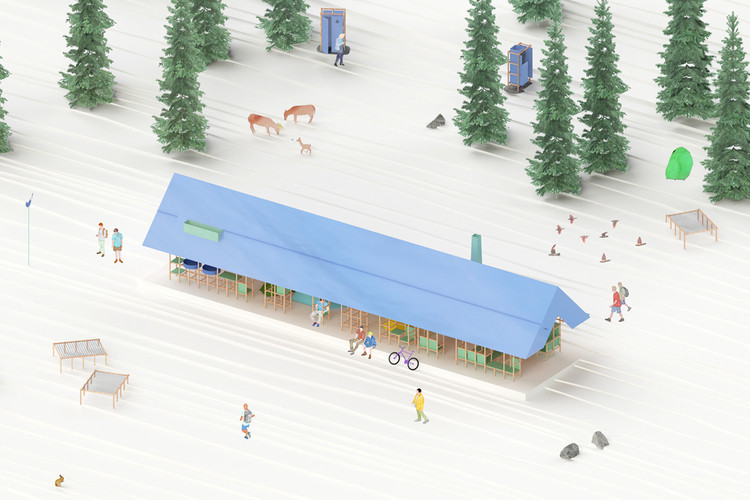
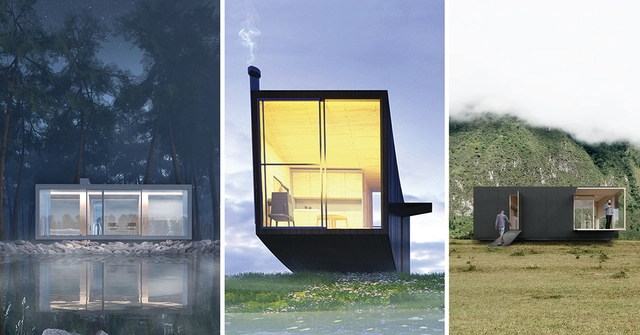
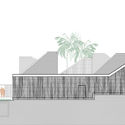
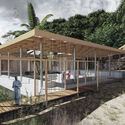
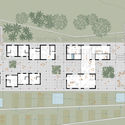
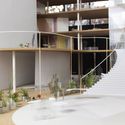
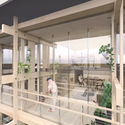
French architects USUS Architectes reinvent the typical campground by designing a modular multipurpose structure as an ecologicalbivouac along the trekking routes in Massif Central, France. Together, the Association of Natural Parks of the Massif Central (IPAMAC), PNR Livradois-Forez, PNR Millevaches in Limousin, and the International Center for Art and Landscape (CIAP) wanted to tackle the lack of suitable accommodation along the trails. After deliberating from over 64 proposals, the agencies ultimately selected Peaks + Simon BOUDVIN and USUS + Zebra3 as project co-laureates of the competition.
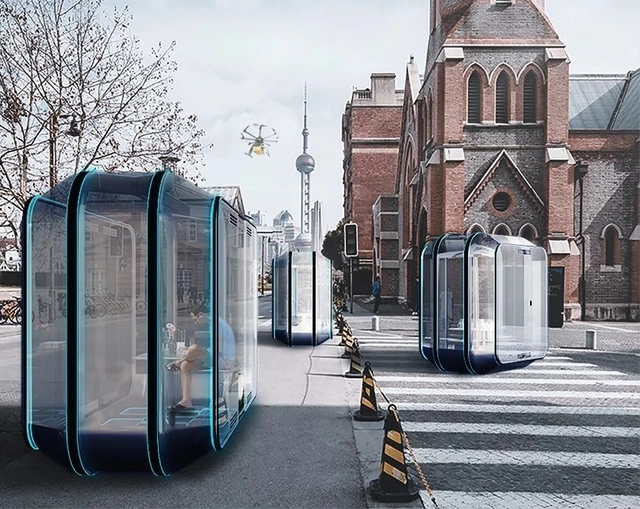
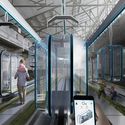
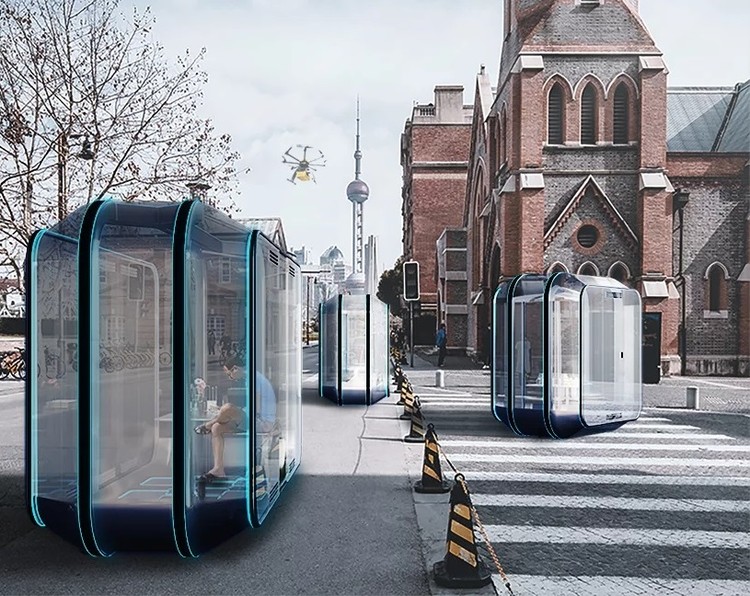
Florian Marquet, an architect based in Shanghai, recently released a proposal to rethink urban life through autonomous mobile living spaces. Dubbed 'the org’, his project aims to reconsider the housing market's status quo and provide a more balanced model for urban living across ages. The modular system would respond to user needs with a range of programs, from green farming and kitchen units to flexible work areas and sleeping quarters. Made for easy fabrication, the units could be ordered instantly via an app.
Videos
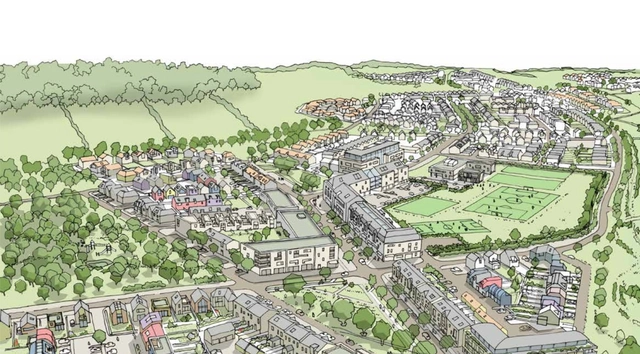
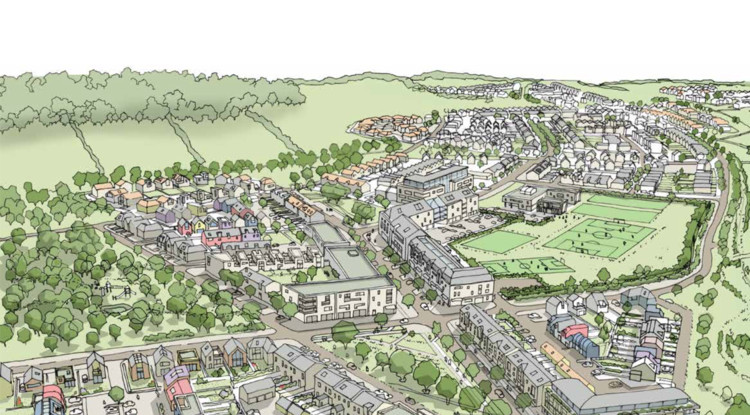
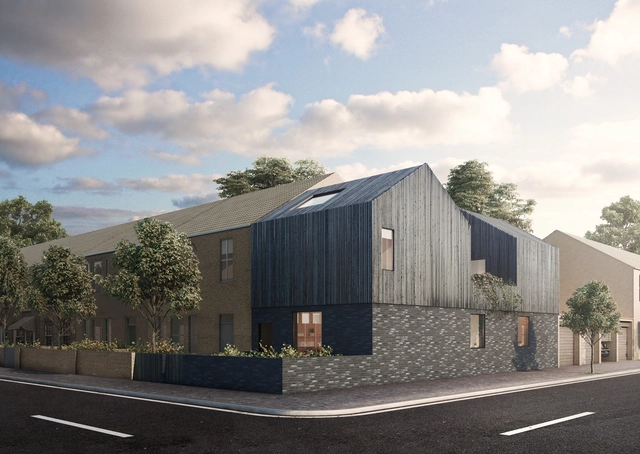
via Graven Hill Village Development Company
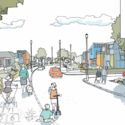
“Self-build”: no mention of an architect, or anyone else for that matter. Maybe it’s a prehistoric urge that makes this idea so enticing; our earliest ancestors constructed their primitive huts to suit their unique needs and reflect their status or style. “Self-build” promises to physically re-connect people to the homes they live in.
However, the romantic notion of "self-build" housing is rarely compatible with the modern reality we live in. Building has become increasingly clouded by the difficulty of procuring land, excessive governmental red-tape, and an increase in building complexity. While self-build remains the purest form of this dream, there are now a series of nuanced processes that can help us achieve similar results. As a new generation of communities that encourage this dream emerges, we must look at the role the architect plays within them.
Appreciated within the industry but often maligned by the general public, brutalism came to define post-war architecture in the UK, as well as many countries around the world. In his 1955 article The New Brutalism, Reyner Banham states it must have “1, Formal legibility of plan; 2, clear exhibition of structure, and 3, valuation of materials for their inherent qualities as found.”
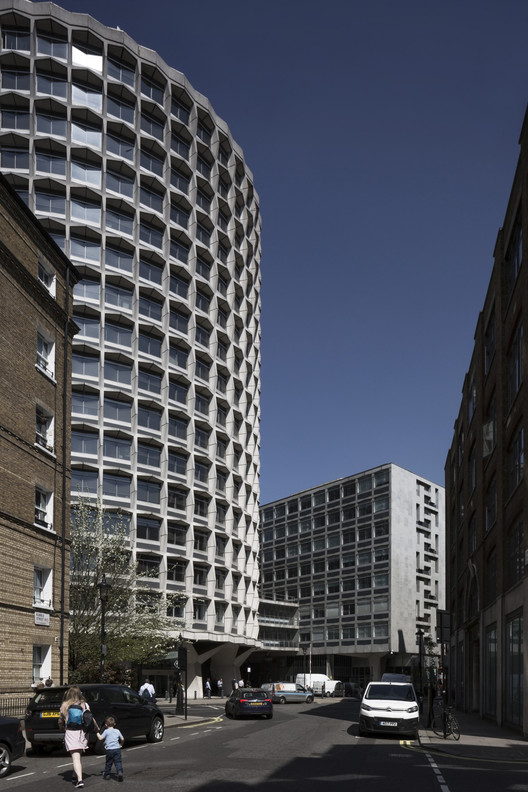
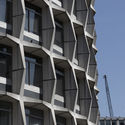
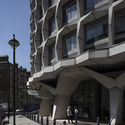
One Kemble Street, a 16-story cylindrical office block originally named "Space House" and designed by George Marsh and Richard Seifert, clearly exhibits all of these characteristics, creating a landmark in the heart of London that remains as striking today as it was upon its completion in 1968. Photographing the Grade-II listed building throughout the day, photographer Ste Murray manages to beautifully capture the building’s essence, celebrating its 50 year anniversary while also highlighting the intrigue of its form in a way that suggests parallels to contrasting ideologies.
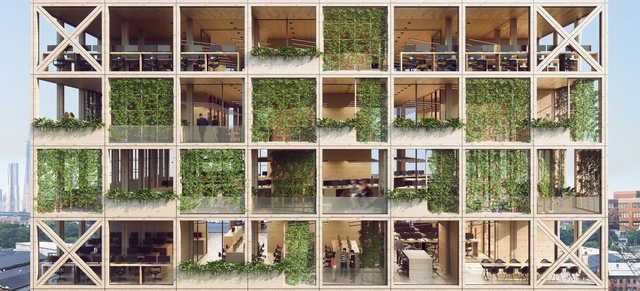
Recently shortlisted for the 2018 Design Challenge "Design the Next-Generation Facade" by Metals in Construction Magazine, this "Pixel Facade" system is an adaptive, scalable and repeatable building system that can be applied to various building typologies. The system draws inspiration from our innate desire for nature, also known as "biophilia." The "Pixel Facade" system merges a contemporary office environment with biophilic environments to create the next generation of office design.
A new property startup named Cube Haus is looking to alter the existing housing market, offering high-value homes at reasonable prices "that can be configured to fit small and awkward urban sites." To do this, Cube Haus is commissioning a team of Britain's top architects and designers: Adjaye Associates, Faye Toogood, Carl Turner Architects and Skene Catling de la Peña. The team will create a series of customizable modular homes with a focus on outstanding design.
Videos
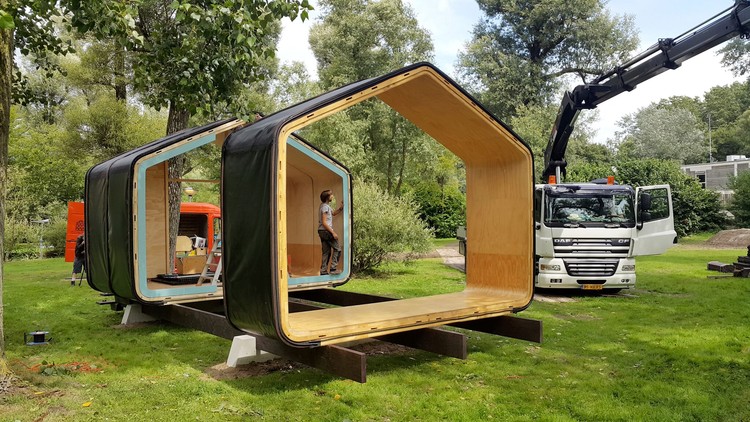
Under Construction. Photo Courtesy of Yvonne Witte
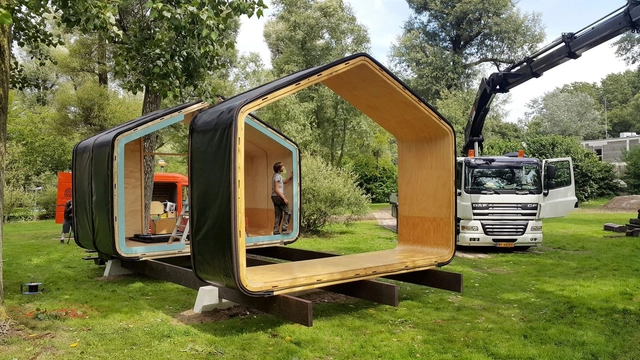
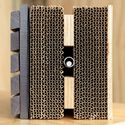
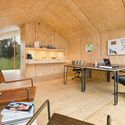
Designed and developed by Fiction Factory, a company of creative makers from Amsterdam, Wikkelhouse loosely translates to ‘wrapped house.' This sustainable modular house is uniquely created with cardboard as its main building material and is customizable in its size and function.
Winning Proposals from the Architectural Challenge 2018: Tiny House. Image Courtesy of Ryterna modul
European modular container and building producer Ryterna modul has announced the winners of their fourth International competition: Architectural Challenge 2018 Tiny House. The competition asked for the design of a home for two people no larger than 25 square meters that integrated a kitchen, bathroom, living room, and sleeping area into a cohesive environment. With 150 projects from 88 countries, the three winning solutions and one honorable mention turn micro dwelling into a luxury.
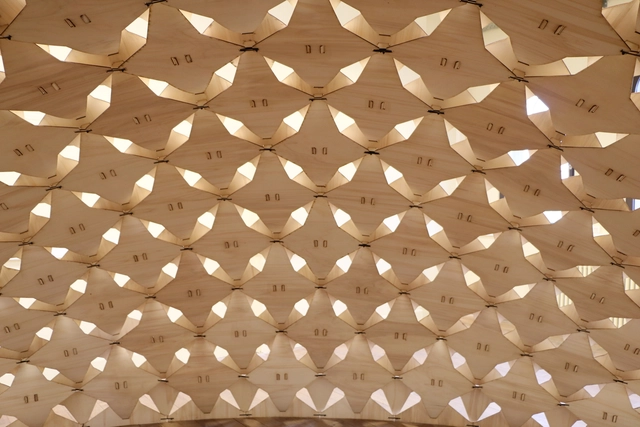
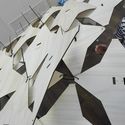
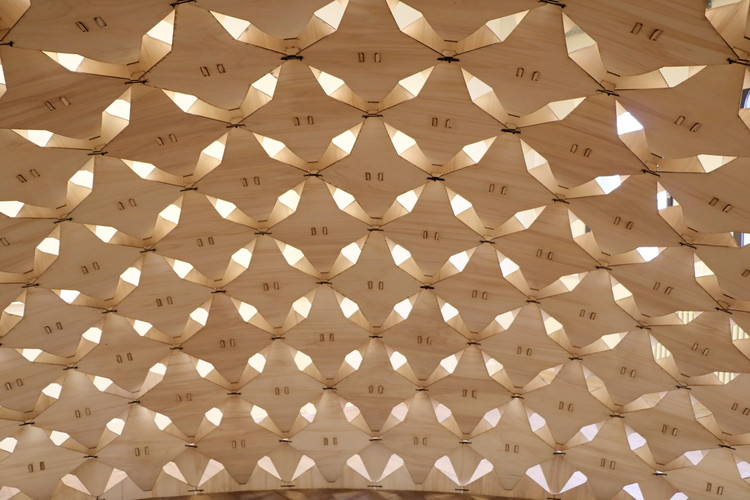
"Exoskeleton" is a pavilion that shows how Computer Aided Manufacturing can create rapid prototypes. This manufacturing process allows for real-scale construction and experimentation with limited resources.
In this project, a system of modules, designed with different dimensions, is put together with simple joints without nails or screws. This allows for different surfaces to be formed and for the pieces to be rotated and assembled at various angles and heights.
London Mayor Sadiq Khan proposed the challenge -- how does London become a designated National Park City-- and WATG, London-based landscape team, headed by Demet Karaoglu, accepted the challenge. In addressing the Mayor’s challenge, the team worked with Daniel Raven-Ellison, Guerrilla Geographer and Creative Explorer leading London’s campaign to become the world’s first National Park City.
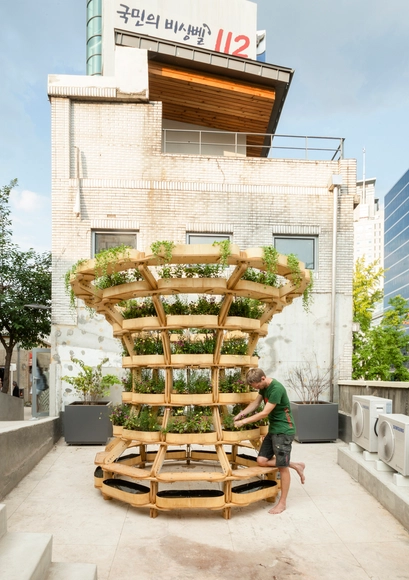
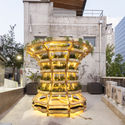
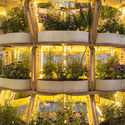
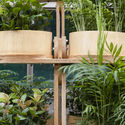
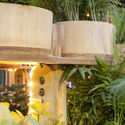
As a response to the fast-paced city life, GrowMore is an urban gardening modular design with endless configurations to suit even the most unexpected of spaces. Designed by Sine Lindholm and Mads-Ulrik Husum, the modular building kit provides an opportunity for social interaction and locally grown vegetation, reminding people to pause and connect with nature.
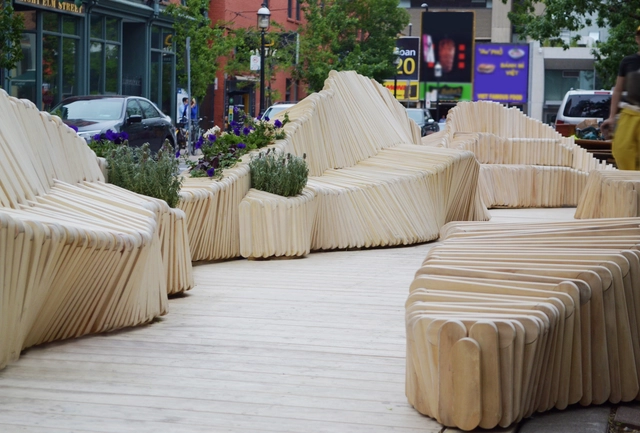
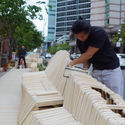
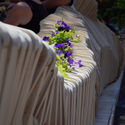
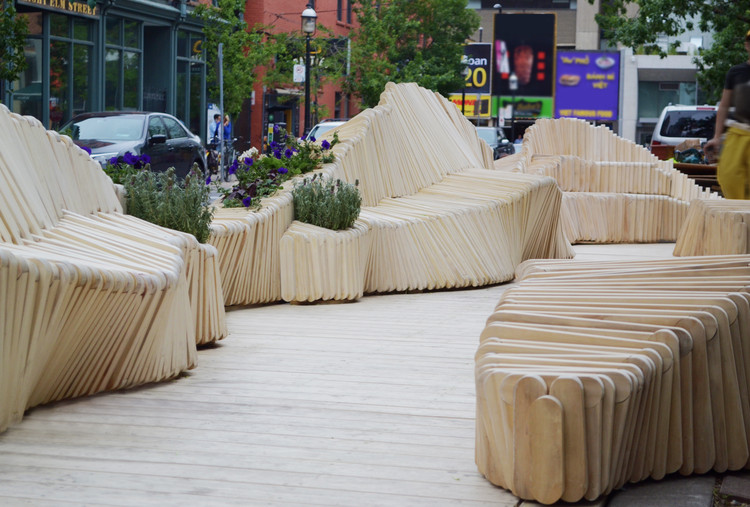
This modular design developed by the students of the Department of Architecture Sciences at Ryerson University proposes a public space to sit and relax that works as an extension of the walkway, appropriating and giving a new meaning to the parking spaces in the streets of Toronto.
The project, with a natural wave form, is built by a series of Accoya wood modules, which allow easy storage, reuse, and reconfiguration.
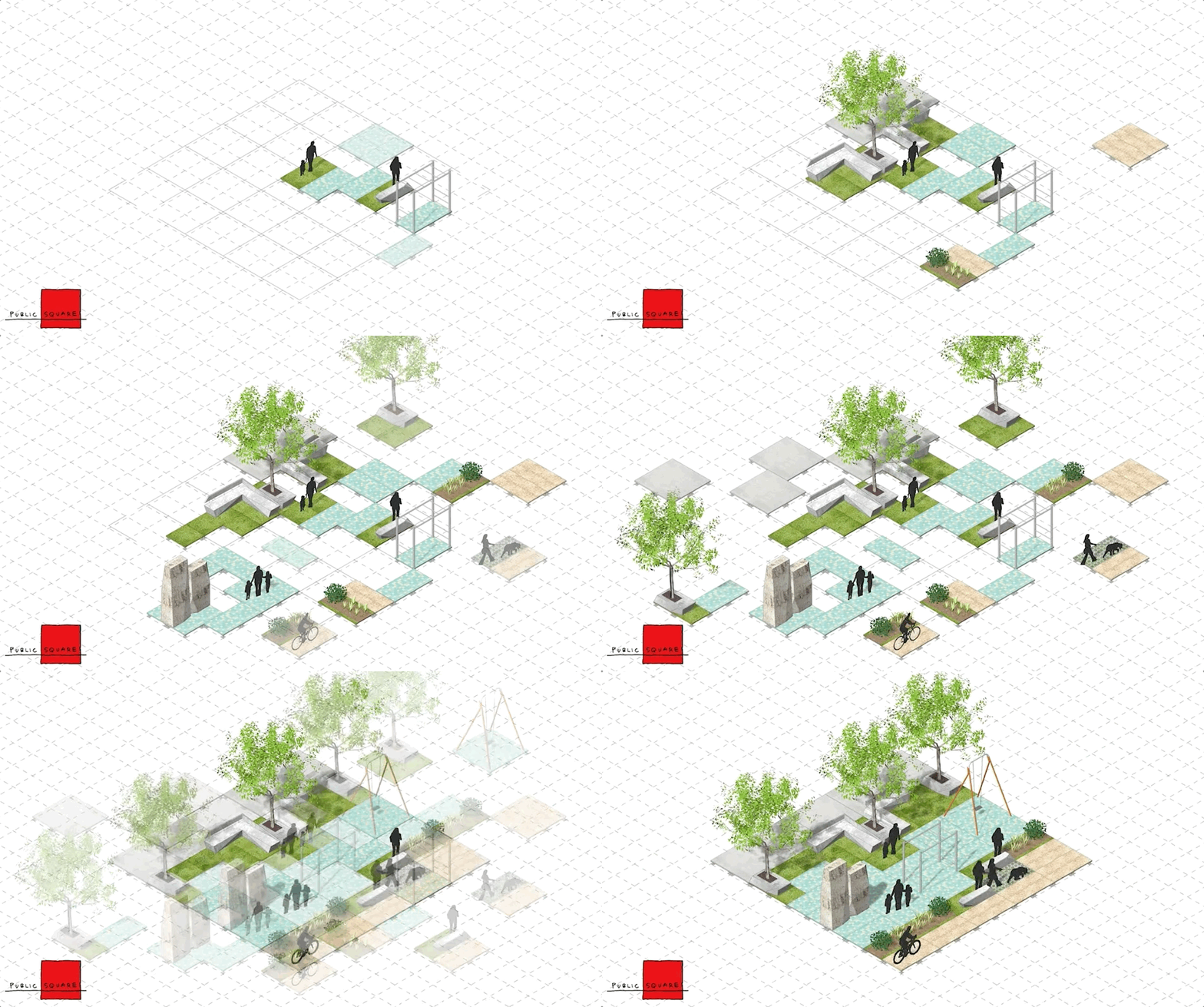
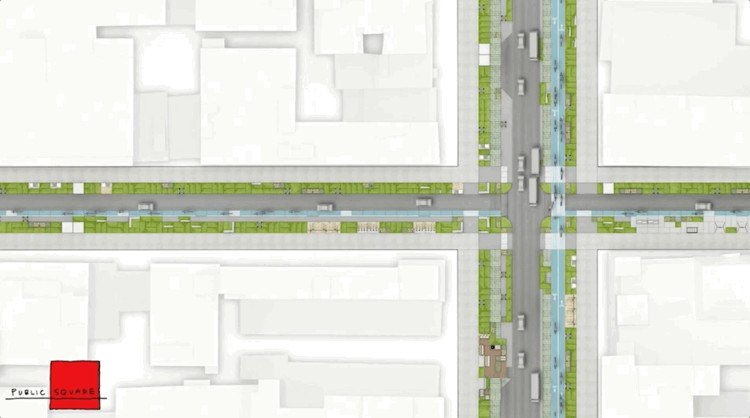
Of the four finalists selected for Blank Space’s “Driverless Future Challenge”, which was announced last month, “Public Square” has emerged as the winning entry, with a plug-and-play scheme to transform New York’s public realm for its streets and pedestrians. Designed by FXFOWLE and Sam Schwartz Engineering, the proposal was selected by a panel of New York City commissioners, for its response to the competition brief with a flexible system that accommodates a variety of public space typologies, while creating a harmonious coexistence between pedestrians, cyclists, and vehicles.
https://www.archdaily.com/875787/the-driverless-future-challenges-winning-entry-uses-plug-and-play-system-to-reclaim-public-space-for-pedestriansOsman Bari
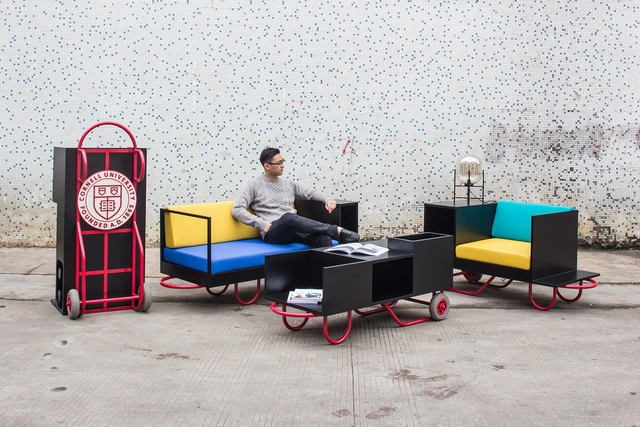
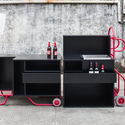
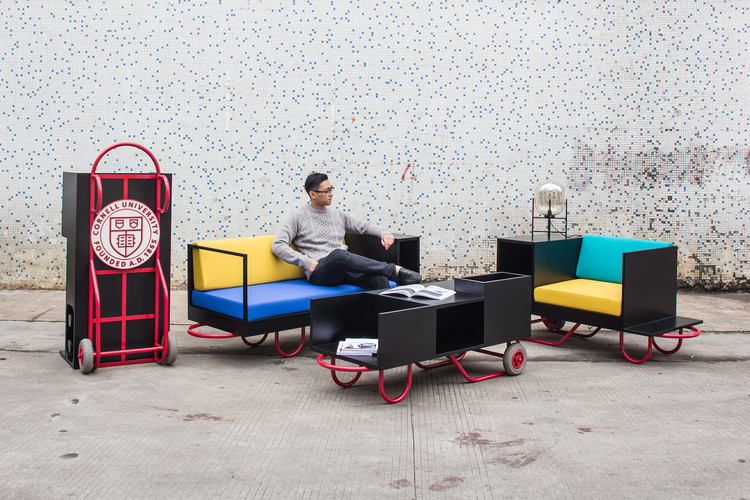
Cornell University's College of Architecture, Art and Planning has unveiled a 12-piece versatile furniture series designed for the school's New York City space in Manhattan's financial district. Created by Hong Kong-based architecture office CL3 and interdisciplinary design studio Lim + Lu (founding partners of which are Cornell alumni), each piece has been inspired both by their New York context and intuitive operation by a global user.
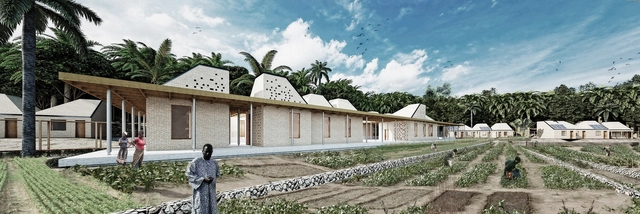
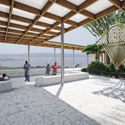
With a modular composition inspired by traditional sub-Saharan African building typologies, MASA Studio’s safe lodging proposal for Tanzanian cancer victims has been selected as the winner of the Hostels for Hope competition, which called for solutions to issues of health and safety in regards to the rehabilitation of cancer victims away from home in rural Africa. Organized by Pink Ribbon Red Ribbon, an international foundation combatting women’s cancers, the competition responds to the unfortunate decision that thousands of Tanzanian women have to make every year – to travel great lengths for unaffordable treatment and lodging, or to remain at home unable to fight the disease.
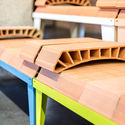
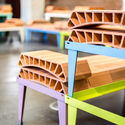
In 1855 the German machinery manufacturer Carl Schlickeysen issued the patent he had recently created, the "Universal Patent Brickmaking machine", the first machine created to manufacture bricks by extrusión as an industrial process.
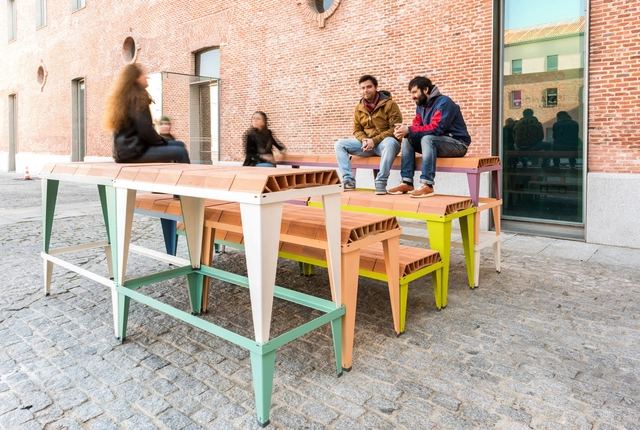
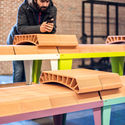
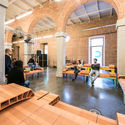
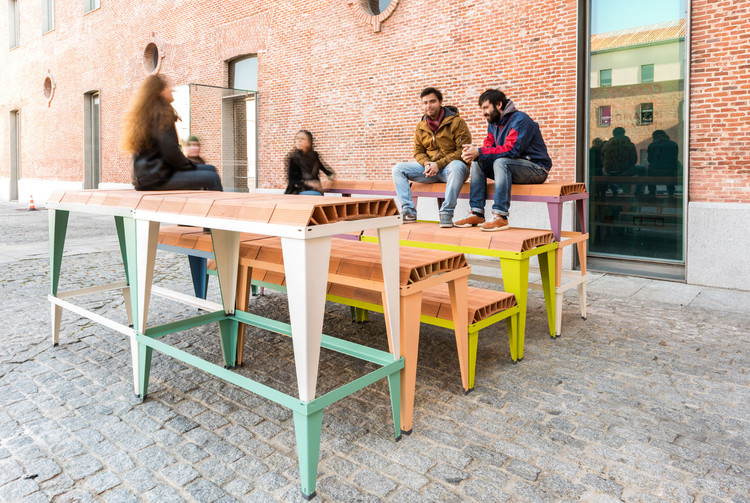
SCHLICKEYSEN is a modular furniture system based on two types of modular metal supports and standard-sized ceramic curved vaults. All kinds of settings can be configured from the combination of these three elements; picnic tables, continuous benches, grandstands, topographies, and many more typologies can be achieved by just stacking the metal supports and using the ceramic vaults as a horizontal supporting surface.
First Prize: The Table Top / Lap Chi Kwong, Alison Von Glinow . Image Courtesy of Bee Breeders
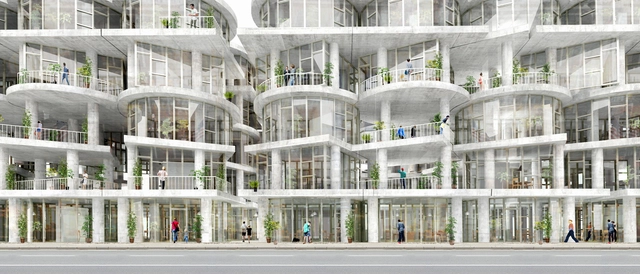
Bee Breeders have selected the winners of the New York Affordable Housing Challenge, inspired by barriers faced by the global population in our contemporary culture of housing scarcity and economic deprivation. The submissions provide various multifaceted architectural responses to scattered sites of various scales around New York City, “redefining the culture, economy, and experience of urban domesticity by means of space, material, morphology, or structure.”
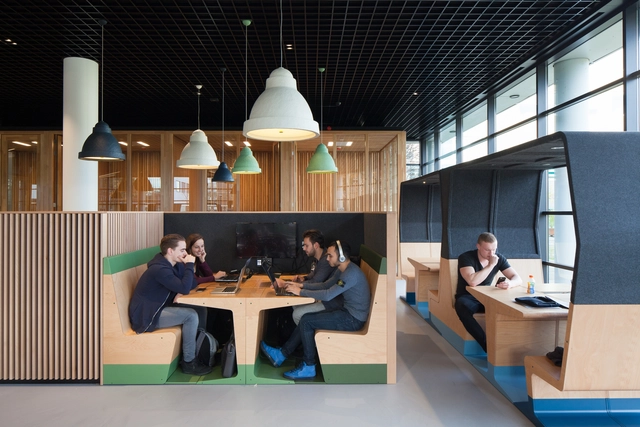
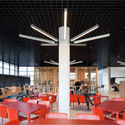
Dutch firm Mecanoo has partnered with furniture manufacturer Gispen to create a new collection of modular and customizable furniture geared specifically towards creating variable working and learning environments. HUBB has been designed to adapt to a range of working requirements and scenarios, seamlessly accommodating different collaborative activities and individual work preferences.