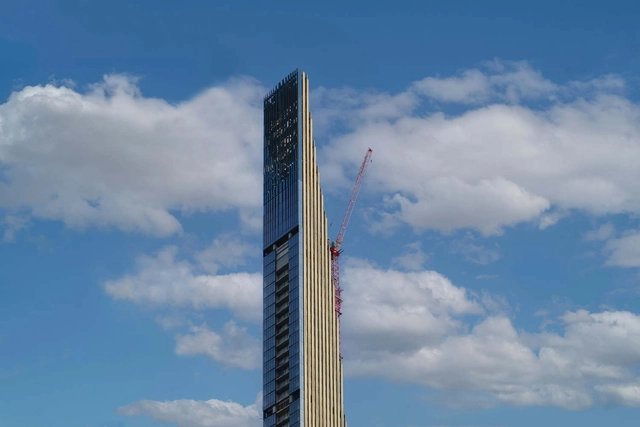
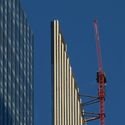
Paul Clemence has released a new series of images, showcasing the on-going construction works on 111 West 57th, designed by SHoP. Located in New York, the residential tower is set to become the second-tallest building in the city by roof height, and the most slender tall building in the world, once completed.
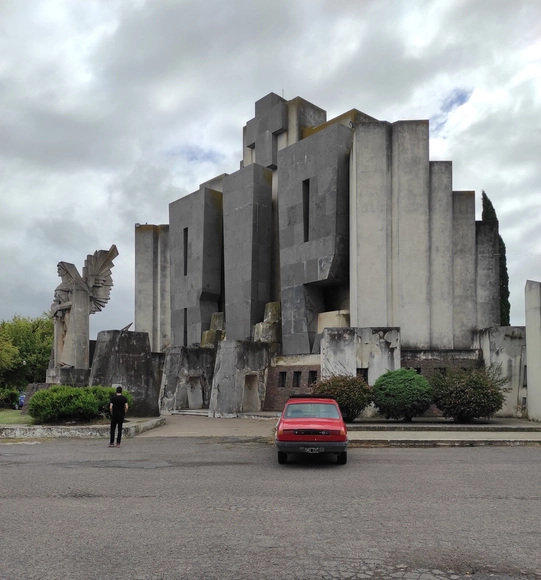
In only a few years, Italian-Argentine architect and engineer Francisco Salamone developed more than 60 buildings throughout the small towns of Buenos Aires Province as a part of the conservative government's push to develop the province's municipal buildings.
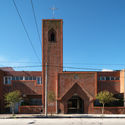
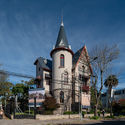
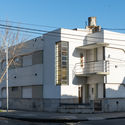
Mar del Plata is Argentina's second-largest tourist hub, just behind the capital, Buenos Aires, and sees its population swell by nearly 300% in the summer months. To accommodate this influx of visitors, a large portion of the city's real estate is dedicated to hotels and short-term rentals and this had led to a colorful and varied architectural landscape.
To illustrate, as well as celebrate, this diverse and ever-changing architectural tradition, audiovisual media producer Obralinda initiated the Arqmardelplata project, a visual compilation of Mar del Plata's architecture that allows viewers to discover the wide range of styles found throughout the city—from the historic, to the sacred, to the residential, to the everyday, and to the anonymous.
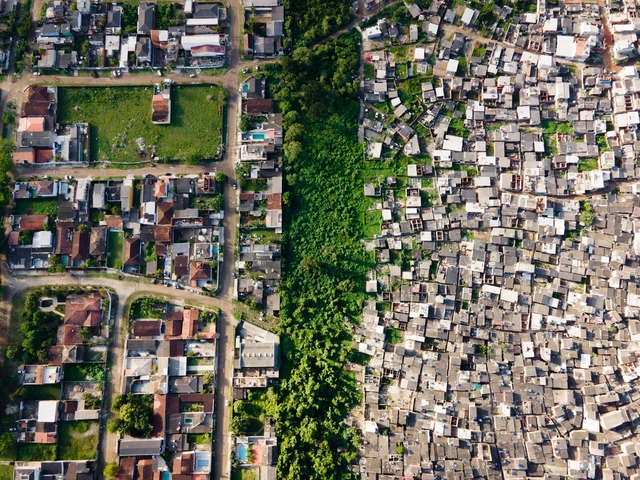
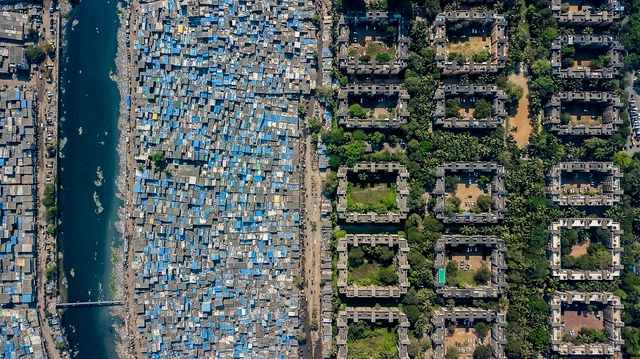
Most people are familiar with the concept of social and economic inequality, but although it affects a large part of the world's population, it is still somewhat abstract for many people. Photographer Johnny Miller intends to make it visible through his project Unequal Scenes, capturing images of spatial inequality from a very revealing perspective: aerial imagery.
The project started in South Africa, a country that is socially and spatially marked by apartheid, and now has been taken to Brazil to document scenarios in which extreme poverty and wealth coexist within a few meters, showing how distance is not only a measurement of physical length but can also imply more complex aspects, deeply rooted in our society.
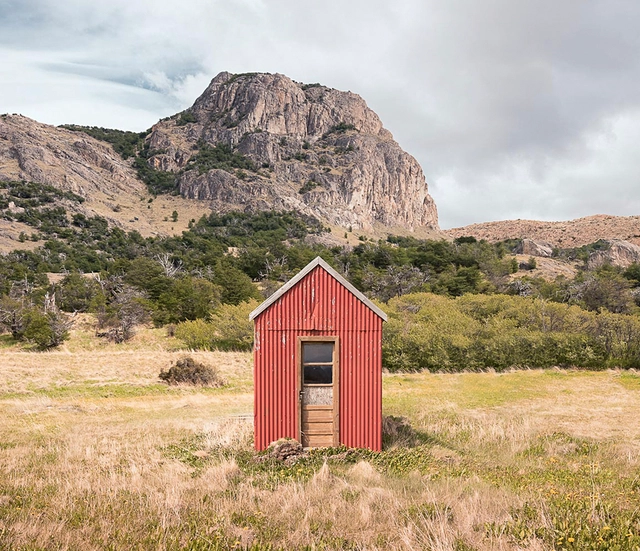
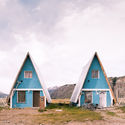
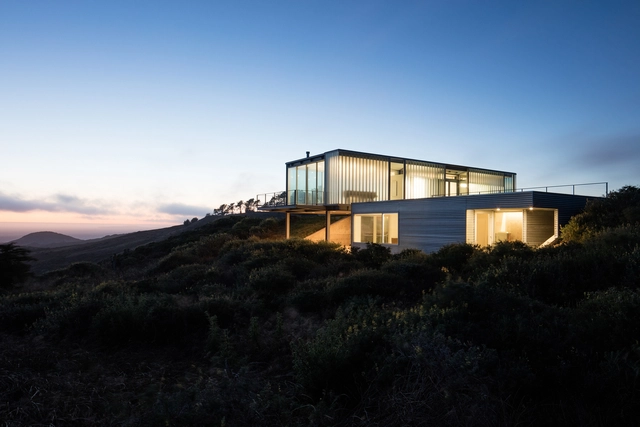
Argentina's Patagonia region is a vast swath of land that spans the provinces of Chubut, Neuquén, Río Negro, Santa Cruz, Tierra del Fuego, and even parts of La Pampa, Mendoza, and Buenos Aires. Although it is the largest region within the country, it is also the least populated and, therefore, markedly rural and isolated. This isolation forms the basis for Thibaud Poirier 's“Houses of Patagonia”, where he offers a visual registry of the houses found throughout the region in an attempt to capture the similarities that define the region's architectural style.
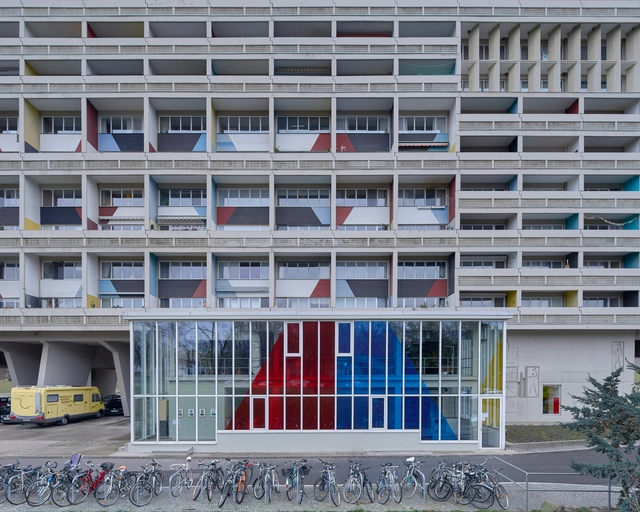
In response to the housing crisis in Europe after World War II, Le Corbusier began designing large-scale residential structures for the victims of the war. One of his most notable communal housing projects was the BerlinUnite d’ Habitation, also known as the Corbusierhaus. Completed in 1959, the project was designed to give Germany a more modern appeal, as it was trying to redefine itself after both the Second World War and Cold War.
To highlight the building’s particular exterior composition, architectural photographer Bahaa Ghoussainy explored Le Corbusier’s housing unit, putting its characteristics on full display.
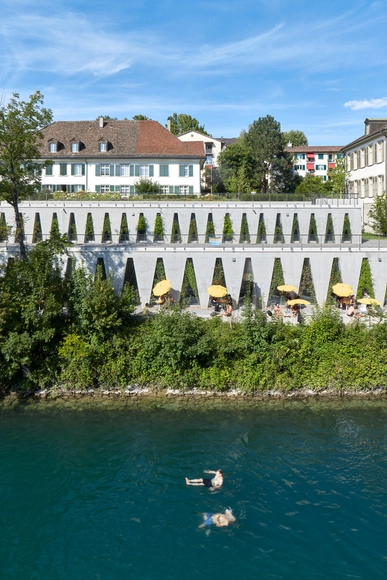
Federico Covre’s latest series of photographs showcases two of Barozzi Veiga's projects in Switzerland, the Tanzhaus Zürich Cultural Center, and the Cantonal Museum of Fine Arts. The Italian architectural photographer based in Italy and Sweden, who “seeks to achieve a balance between conceptual rigor and functionality” through his images, has captured both projects after a year of their completion.
The human scale can best be described as the relationship between a body and its surroundings and a body is nothing if not the undeniable connection between our sensorial experience within the material world and how we perceive it within our own minds.
Lesley MacGregor_HM architecture_Dark in Light. Image Courtesy of International Photography Awards 2020
The International Photography Awards has announced the winners of its 2020 photography competition. Showcasing some of the most outstanding photographic work from around the globe, this year’s contest gathered a total of 13,000 entries from 120 countries. Discover the selection of winners and honorable mentions from the architecture sub-categories: fine art, cityscapes, bridges, buildings, interior, historic, industrial, abstract, and other.
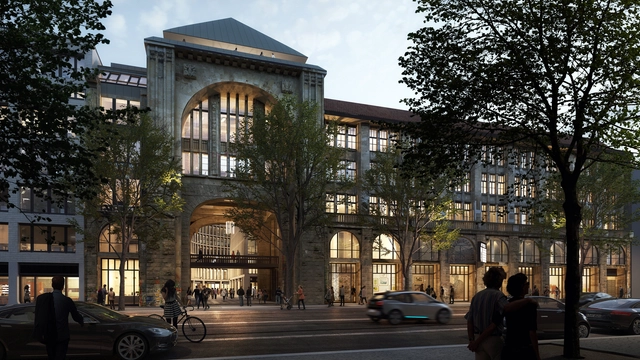
With museums in Stockholm, New York, and Tallinn, Fotografiska has announced plans to launch its fourth space in Berlin. Expected in 2022 in the Kunsthaus Tacheles to be renovated by Herzog & de Meuron, the contemporary Swedish photography museum will cover over 59,000 square feet.
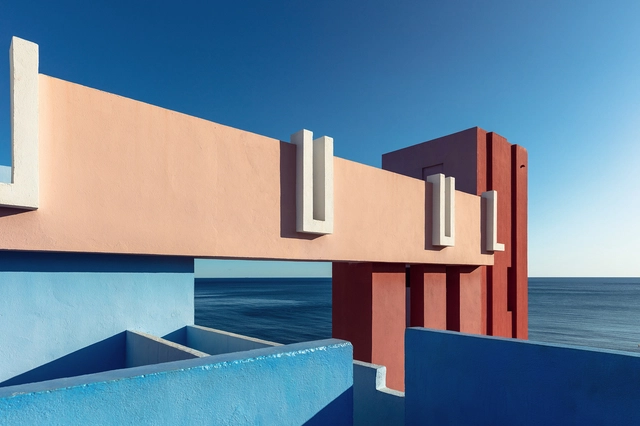
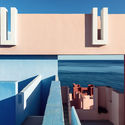
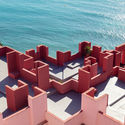
Marking the 80th birthday of architect Ricardo Bofill last December, photographer Sebastian Weiss recently captured the designer's iconic La Muralla Roja in Calp, Spain. The housing project references popular architecture of the Mediterranean and was inspired by the tradition of the casbah. The striking colors that cover the outer and inner facades are selected to both contrast nature and complement its purity.
When we talk about natural or man-made spaces, the void immediately comes into play. This is understood as that matter that is untouched and that allows living the experience of inhabiting.
The photography of the artist Simone Bossi narrates the qualities of the space creating atmospheres that allow a new reading on the emptiness.
https://www.archdaily.com/946757/compose-the-void-simone-bossiMartita Vial Della Maggiora
You have only to look at Miguel De Guzmán and Rocío Romero's portfolio to know that the duo have succeeded in capturing a wide array of panoramas and sharing the ideas attached to them. Through their Madrid and New York based photography and film studio, Imagen Subliminal, document the latest happenings in the world of architecture in an effort to give their audience a taste of the energy and creativity that drives it.
We sat down with the duo in honor World Photography Day, where they shared how their work has changed through the years and photography's contemporary and future role in architecture.
To celebrate World Photography Day, we've gathered a list of 10 BIPOC architectural photographers from around the world who are worth knowing - and following on Instagram.
The following names have also been recognized in two open lists that are constantly being updated in order to promote diversity in the photography industry: Diversify Photo and BIPOC STUDIOS. The idea behind these platforms is to allow Architects, Designers, Creative Directors, and art consumers in general, to discover photographers that identify themselves as Black, Indigenous, People of Color, available for assignments and commissions.
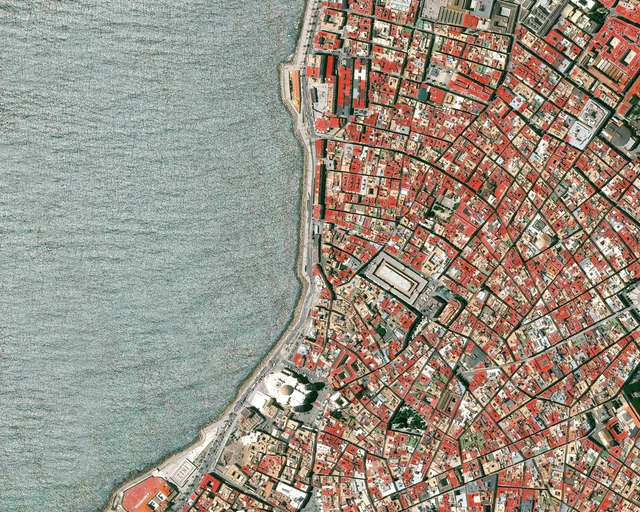
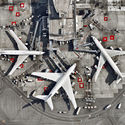
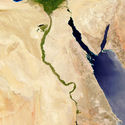
Seeing from above – the aerial vantage point – is the illusion of knowledge. This was the idea of Frenchman Michel de Certeau, a historian who was interested in the everyday practices that occur on the ground, on the streetscape. In contrast to Certeau's view, satellite images can be a powerful tool to understand, predict, and strive for a better future for humankind. This is the mission of Benjamin Grant, founder of Overview, a platform that explores human activity on Earth through aerial imagery.
Interested in fostering "an experience of awe" through elevated vantage points of our world, Overview offers snapshots featuring traces of human activity on the surface of the planet. Photos of cities and other cultural artifacts join pictures of mesmerizing topography and natural beauty in an impressive archive of drone and satellite images. Awe abounds as we face not only some of the most impressive human endeavors seen from the sky, but also as we are confronted with the rather gruesome side-effects of our very existence on Earth.
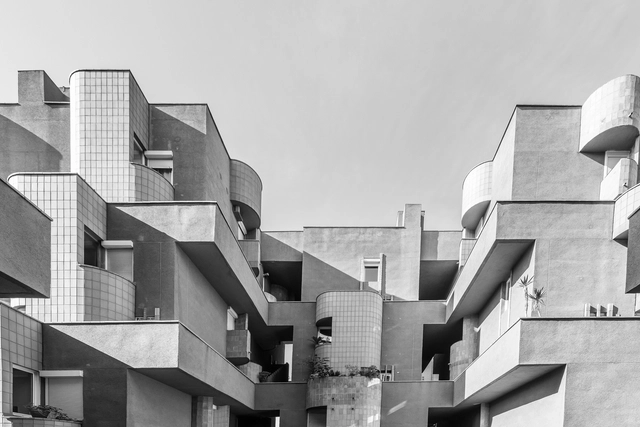
Rodolfo Lagos shared a series of photographs capturing the Brutalist architecture of Barcelona, illustrating how the movement has evolved in this iconic city.
Across the world, urban clusters have —to a greater or lesser extent— social and economic differences. Reflected in space, these imbalances of income and access to education, health, sanitation, and infrastructure generate ruptures more or less visible —although drastically felt.
Although a daily reality for some, socio-spatial inequalities can often go unnoticed. Photographer Johnny Miller states, "Discrepancies in how people live are sometimes hard to see from the ground... Oftentimes, communities of extreme wealth and privilege will exist just meters from squalid conditions and shack dwellings." Miller's photo series 'Unequal Scenes' seeks "to portray the most 'Unequal Scenes' in [the world] as objectively as possible."
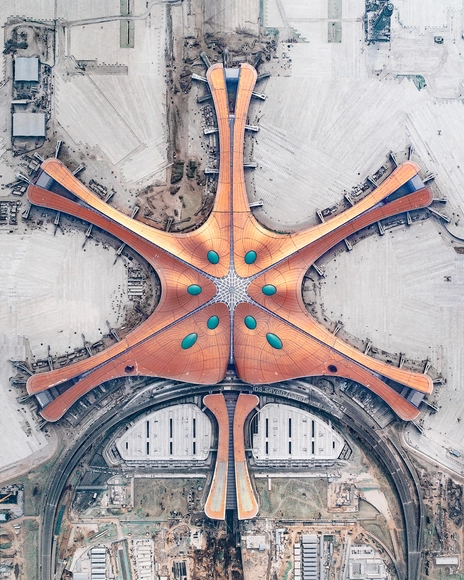
Beijing Daxing International Airport / Zaha Hadid Architects. Image by @seven7panda
In architecture and urbanism, both proximity and distance from a certain object of study, whether on a building scale or urban scale, are frequent strategies that help us better visualize details and also have a broader overall perception, both essential for understanding the object in question. Changing the point of view allows different perceptions of the same place. By moving from the ground level, or from the eye-level, which we are accustomed to in everyday life, to the aerial point of view, we can establish connections similar to those achieved through site plans, location plans, and urban plans.



.jpg?1593490133&format=webp&width=640&height=580)

.jpg?1593490133)