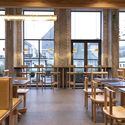
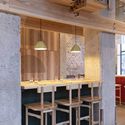
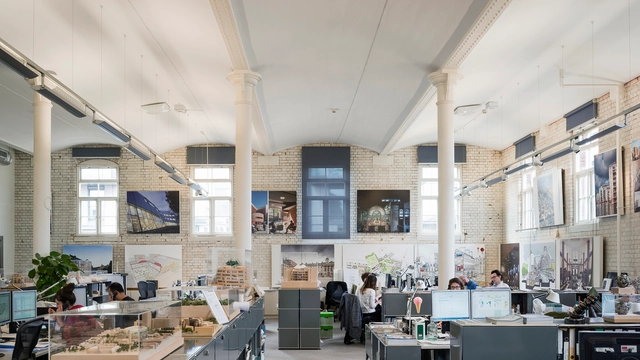
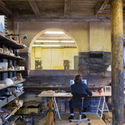
Moving forward with his "ultra-marathon of photoshoots", architectural photographer Marc Goodwin is putting together an Atlas of Architectural Atmospheres by Arcmospheres, a project that seeks to document diverse architecture and design studios from around the world. Since 2016, the architectural photographer has been traveling "far and wide to capture the atmospheres of architecture studios in order to produce an online and print resource for the architecture community", and after a two-year hiatus due to the pandemic, Goodwin resumed his project with an exploration of Berlin's architecture offices, capturing the work environment of renowned firms such as Hesse, LAVA, JWA, and FAR frohn&rojas, to name a few.
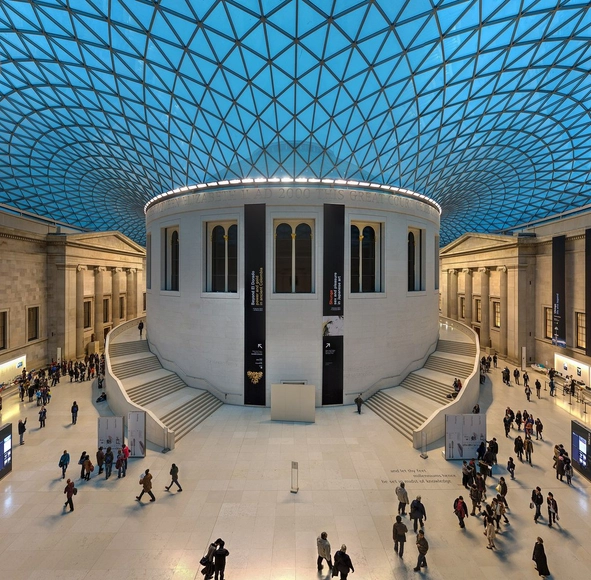
Across the globe, museums function as cultural landmarks – spaces of significance that quite often become defining symbols of a city’s architectural landscape. Historical examples such as the Museum de Fundatie in the Netherlands and The Louvre Museum in France continue to attract millions of visitors, with contemporary architectural interventions to them redefining their spatial contribution to their local context.
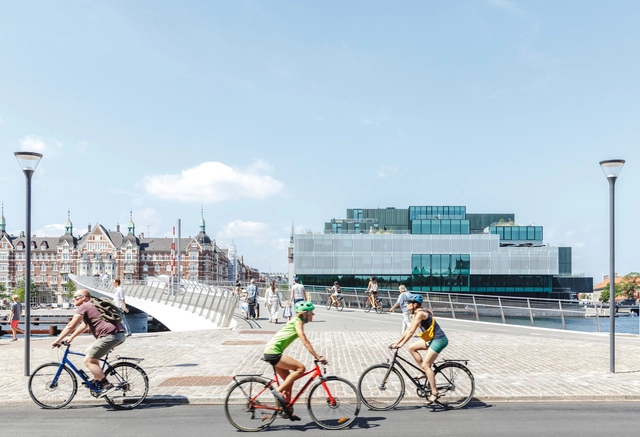
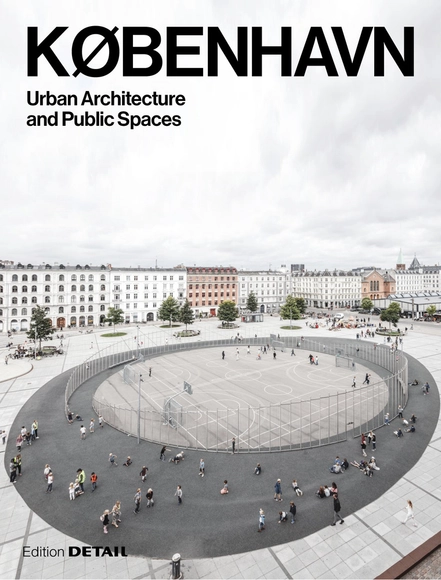
København (Copenhagen), the capital of Denmark, is at the forefront of many landscape architects and planners’ minds for both its groundbreaking moves towards sustainability and cutting-edge public spaces, bicycle culture, architecture, and food scenes. Having spent a significant amount of time in the city over the last decade, I’ve had the opportunity to begin to get to know the city and its people. One of the striking things about the city, perceptible in even my time there, is its continued trajectory of improvement. A chorus of people working diligently for decades to optimize the city for the everyday lives of its inhabitants have been laying the groundwork for what is possible today.
https://www.archdaily.com/973247/learning-from-copenhagen-a-focus-on-everyday-lifeJohn Bela
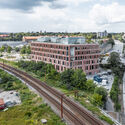
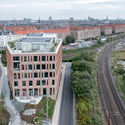
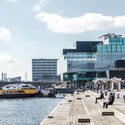
Henning Larsen and Ramboll have revealed the design of Marmormolen, a large timber building in Copenhagen. The building, which is expected to be one of the largest contemporary wood structures in Denmark, features office, retail, and commercial facilities on the Nordhavn waterfront with a green plaza, rooftop gardens, promenades, and a waterfront park.
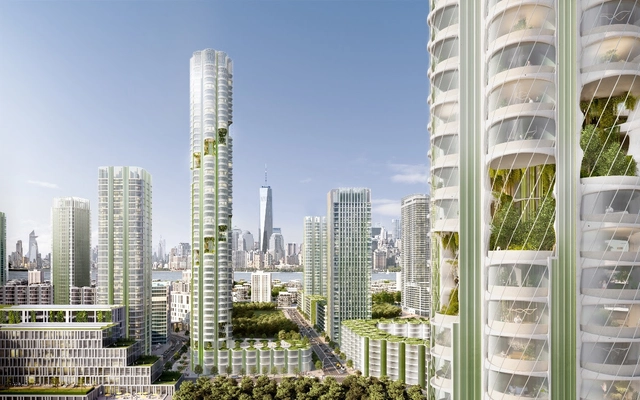
"What if the built environment could be a solution to the climate crisis, rather than part of the problem? What if buildings could act like trees – capturing carbon, purifying the air, and regenerating the environment?" Responding to these questions, Skidmore, Owings & Merrill (SOM) has proposed Urban Sequoia, an architectural concept inspired by the ecosystem at the 2021 UN Climate Change Conference in Glasgow - COP26. The design features “forests of buildings" that isolate carbon and produce biomaterials that create a new ecological and resilient urban environment.
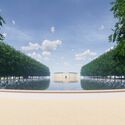
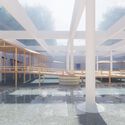
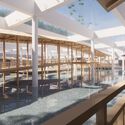
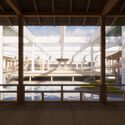
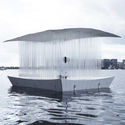
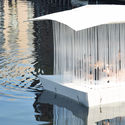
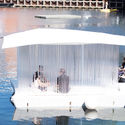
Hiroshi Sambuichi and The Cisterns in Copenhagen reveal plans for a fourth chamber to extend the exhibition space with another immersive artistic experience, further establishing the venue as a cultural destination. The design continues the succession of spaces within the former water reservoir with a new room featuring a transparent roof with light filtering through the water from a recreated water basin located above, on the Frederiksberg Castle grounds. The sharp contrast between the existing Cisterns and the proposal highlights a unique spatial experience, where the natural elements are quintessential.
Following Rio de Janeiro’s inaugural hold of the title, Copenhagen has been named World Capital of Architecture for 2023 by UNESCO and will host the International Union of Architect’s World Congress 2 years from now. At its second edition, the initiative supported by UNESCO in partnership with UIA is meant to highlight the role of architecture and urban planning in shaping a sustainable future and tackling global challenges. Designated triennially, the city World Capital of Architecture will become an international forum for debate around issues related to the urban environment.
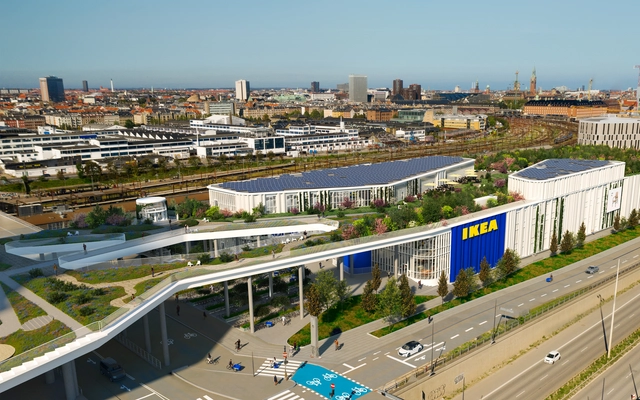
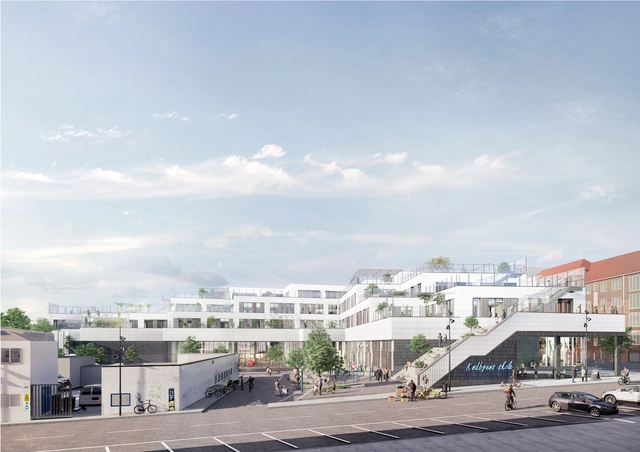
Catering to the Danish capital's aspirations regarding infrastructure and green space, the new IKEA store in Copenhagen designed by architecture studio Dorte Mandrup features a richly plated rooftop park that doubles as a new pedestrian route stretching one kilometre within Vesterbro neighbourhood. Located in one of the city's busiest area, neighbouring the central station, the historic Meatpacking District, and the inner-city harbour, the project's elevated public space offers a respite from the bustling streets, providing the area with a much needed green space.
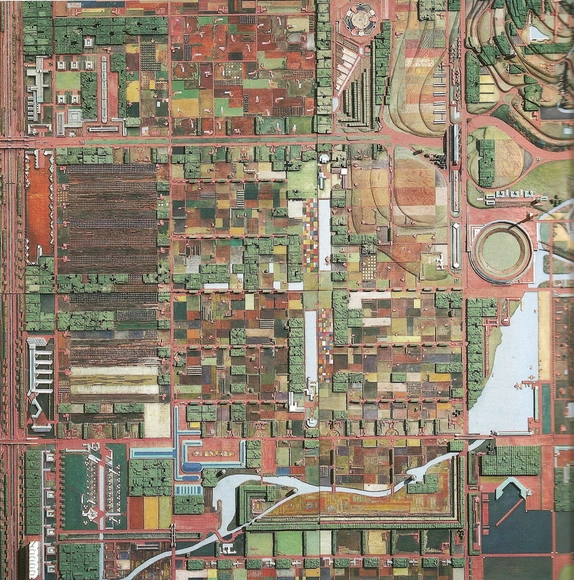
Broadacre City by Frank Lloyd Wright. Image Courtesy of Juan Miró
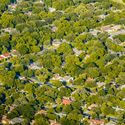
Juan Miró, co-founder of Miró Rivera Architects reflects in an opinion piece on the value of American cities. Stating that "when we idealize cities like Copenhagen, we risk losing focus of the fundamental historical differences between the urban trajectories of European and American cities", the architect and educator draws a timeline of events and urban transformations, in order to explain why it would be more relevant to look on the inside when planning U.S cities, rather than taking examples from the outside.
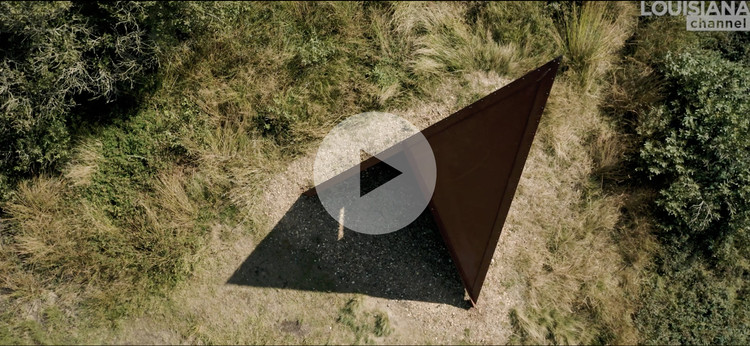
Talking to the Louisiana Channel, Danish professor, sculptor, and artist Bjørn Nørgaard outlines the philosophy that underpins his work and reflects upon his architectural projects. Nørgaard describes in the film, a co-production with Munkeruphus, the strong influence of his mentor in the 1960s - German artist Joseph Beuys - whose theories formed a key part of Nørgaard's evolution and ethos as an artist. The concept of "die soziale Plastik", or social sculpture, would go on to shape Nørgaard's approach to architecture and other forms of art - its main philosophy being that every part of life can be approached creatively.
In a recent interview with Louisiana Channel, Copenhagen-based architects Søren Johansen and Sebastian Skovsted share insights into their design process - stating the importance of creating architecture that seamlessly blends into the landscape yet stands out on its own right. Discussing the minimalist nature of their projects, the architects are careful not to put themselves in a box, saying, "When you ask about minimalism in our work, or any other ism, we are not interested in simplicity for simplicity’s sake.”
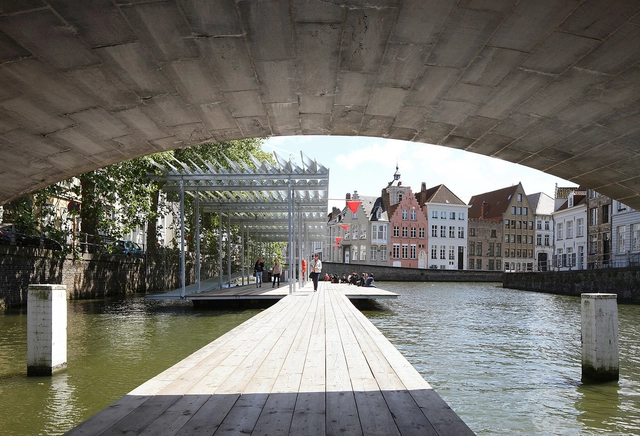
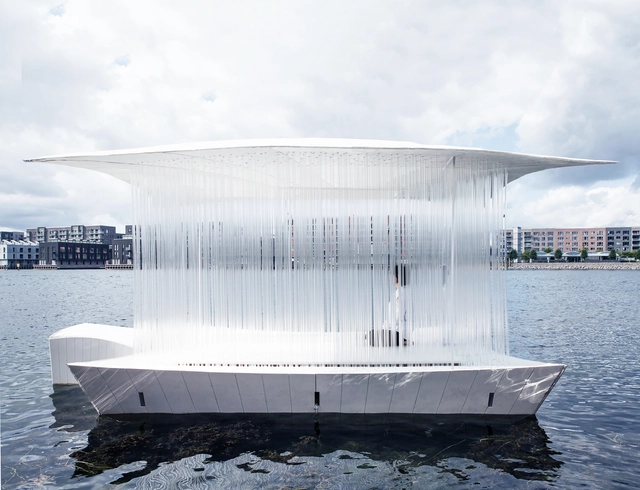
Architecture remains in constant tension with natural forces. Designed around gravity, climate, and time, buildings are always part of larger systems. Throughout the world, designers have tried to mitigate natural forces by constructing hybrid spaces and structures, artificial areas where nature meets the manmade. Embodying this relationship, canals reflect a desire to direct nature and its flows. Today, these fluid spaces are opening up to new programs, projects that explore modern life and urban vitality.
Courtesy of NORD Architects, BBP Arkitekter and BOGL
NORD Architects and BBP Arkitekter recently won the competition to design and build a new public school in one of Copenhagen's most dense urban districts. The challenge of the design was to create a structure that properly fits in the already complex context, complementing the district's "high urban density, postindustrial heritage, and vital infrastructure".












Sora.jpg?1637834361&format=webp&width=640&height=580)
Sora.jpg?1637834374 "© Sora")
Sora.jpg?1637834334 "© Sora")
Sora.jpg?1637834417 "© Sora")
Sora.jpg?1637834405 "© Sora")
Sora.jpg?1637834361)
.jpg?1636652992 "Courtesy of SOM | Miysis")
.jpg?1636652975 "Courtesy of SOM")
.jpg?1636652975 "Courtesy of SOM")
.jpg?1636653008 "Courtesy of SOM")