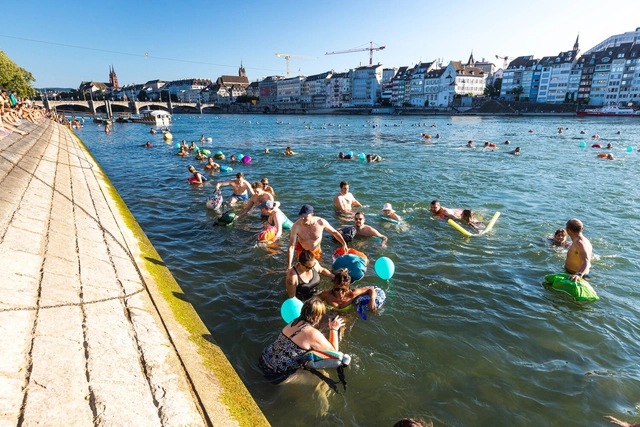
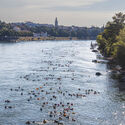
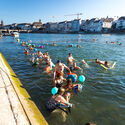
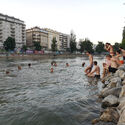
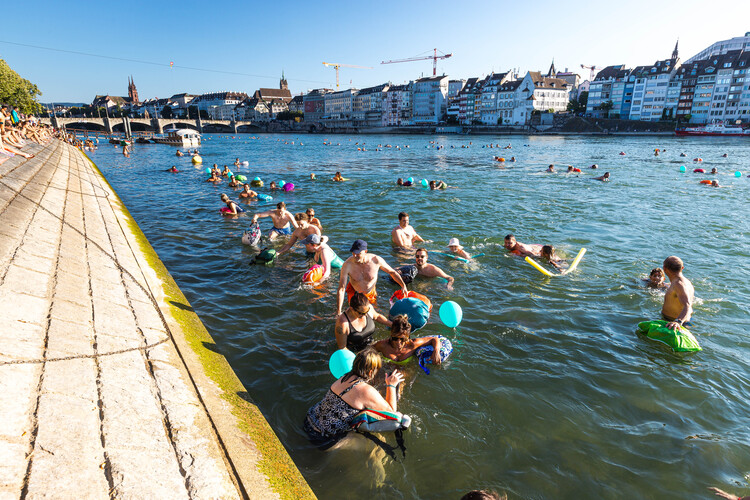
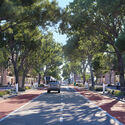
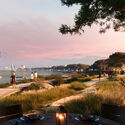
Swimmable Cities is an alliance of 153 signatory organizations across 59 cities in 22 countries, supporting the global movement for swimmable urban waterways. In the context of increasing urbanization, climate change, and biodiversity loss, the initiative aims to reclaim rivers and harbors as public spaces for communities to enjoy and benefit from bathing. It advocates for urban waterways to be made safe, healthy, and accessible for both swimmers and wildlife, calling for cross-border collaboration to develop improvement strategies and collect data to evaluate "swimmability." This call becomes especially relevant amid rising global temperatures and growing inequalities in access to public infrastructure in major cities. The movement's 10-point charter begins with the affirmation of "the right to swim," celebrating urban swimming culture and recognizing the historical significance of water.
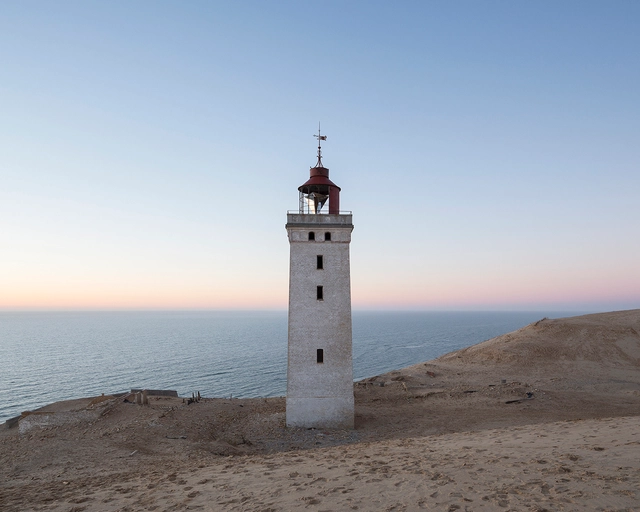
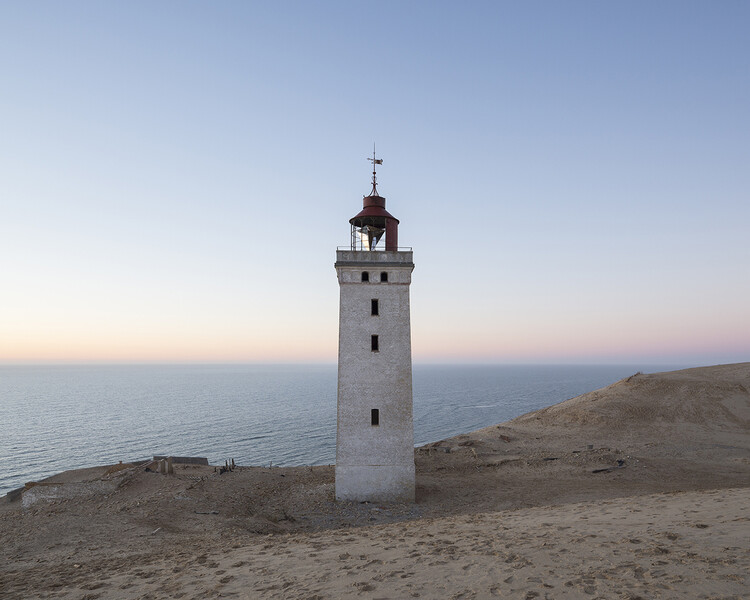
Lighthouses have stood along the margins of continents and islands for centuries as points of light in vast maritime territories. Rising in solitude from rocky cliffs, reefs, and headlands, these towers were tools for navigation and instruments of spatial clarity, shaping coastlines and marking the boundary between land and sea. Built to guide, warn, and locate, they constituted a global network of visibility long before the advent of digital mapping. Yet as maritime technologies evolved, many of these structures lost their original purpose. The typology, once essential, now stands at the edge of obsolescence. What remains is not merely an architectural relic, but a powerful spatial form — resilient, symbolic, and increasingly open to reinterpretation.
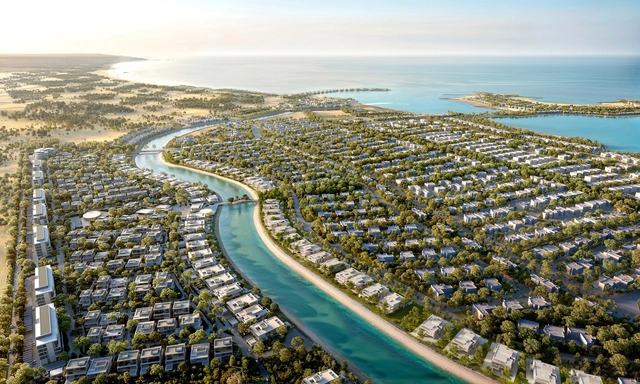
A series of recently announced projects across Europe, Asia, the Middle East, and North America reflects an ongoing shift in architectural thinking toward approaches that integrate buildings with their landscapes, programs with public life, and design with long-term environmental goals. In Nantes, France, a healthcare campus redefines medical education through climate-conscious planning, while in San Antonio, Texas, a new arboretum transforms a former golf course into a research-driven public landscape. Residential towers are rising beside Bangkok's Lumphini Park, a new coastal community is underway in the UAE, and an expansion to the Nelson-Atkins Museum in Kansas City reconsiders how cultural institutions connect with their surroundings. Together, these announcements point to a growing interest in projects that embed architecture within broader ecological and civic systems, proposing new models of spatial integration, accessibility, and resilience.
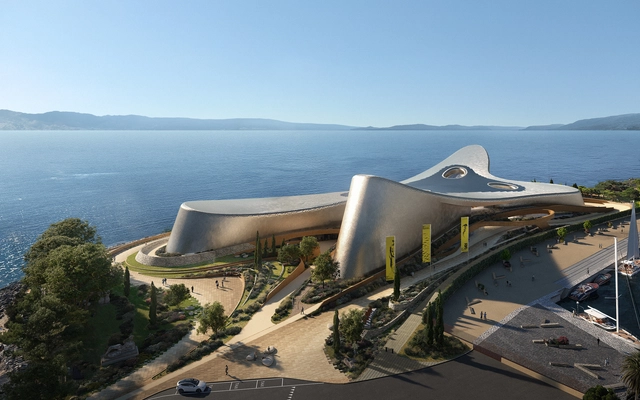
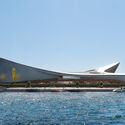
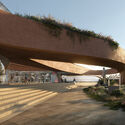
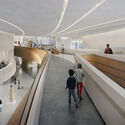
Zaha Hadid Architects have announced the breaking ground for the Centre of Mediterranean Culture in Reggio Calabria, Italy. The 24,000 square-meter structure houses diverse spaces, including a network of exhibition galleries, both permanent and temporary, capable of showcasing a wide range of displays. An integrated aquarium is a key feature, offering visitors a glimpse into the marine life of the Strait. The building also provides conference facilities, including a large auditorium suitable for performances, presentations, and industry events. Dedicated educational spaces are incorporated to support the region's schools, and visitor amenities include a bookshop and a restaurant and bar overlooking the port.
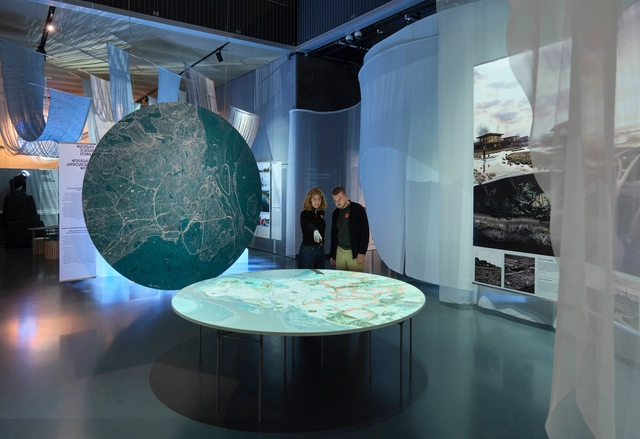
The Danish Architecture Center (DAC) will open its new exhibition, "Water is Coming" in October 2024, remaining open until March 12, 2025. The exhibition addresses the escalating global water crisis, prompted by melting polar ice, rising groundwater levels, and increasingly frequent and intense flooding. It acknowledges the reality of rising sea levels and extreme weather events, shifting the focus from mitigation to adaptation. The exhibition aims to foster a deeper understanding of our complex relationship with water, exploring its vital role as both a life-giving resource and a potential threat to human settlements.
486 Moby. Image Courtesy of Finland’s New Museum of Architecture and Design
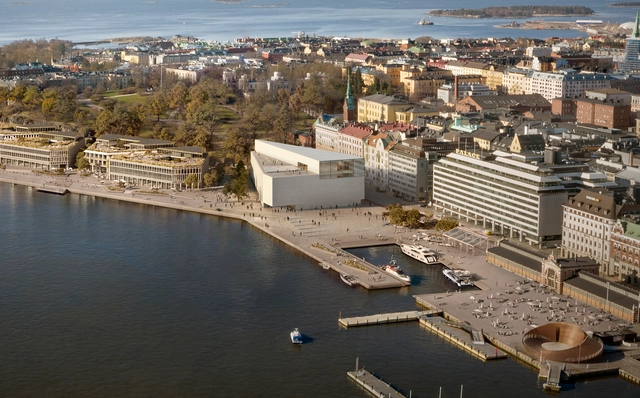
The Finnish Museum of Architecture and Design Foundation, in partnership with the Real Estate Company ADM, has unveiled the five designs shortlisted for the international competition aimed at offering Helsinki a new venue highlighting architecture history and design. This new museum, to be located in the historic South Harbour, has received global interest, with 624 anonymized submissions reviewed since September 2024. This announcement marks the completion of the competition's first phase, as all successful entries will advance to a second stage, receiving a financial award to refine their concepts.
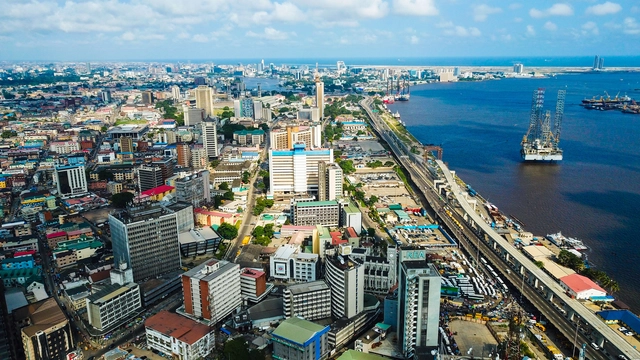
Traveling on land through vast regional areas of African countries has been an inefficient ordeal, particularly in West Africa. Google Maps optimistically estimates it would take 53 hours to drive nonstop from Lagos, Nigeria's largest city, to Dakar, Senegal's capital. However, this estimate doesn't account for the poor road infrastructure, complex border crossings, and socio-economic challenges that realistically extend the journey to about a week.
This is why the ongoing Trans-West African Coastal Highway project offers a great opportunity to connect and unlock the region's potential. This project, also known as TAH 7, is a transnational highway initiative linking 12 West African coastal nations, from Mauritania in the northwest to Nigeria in the east. Its gradual construction opens new avenues for freight movement, rail infrastructure, and, more importantly, innovative forms of architecture around borders, addressing their unique socio-cultural functions.
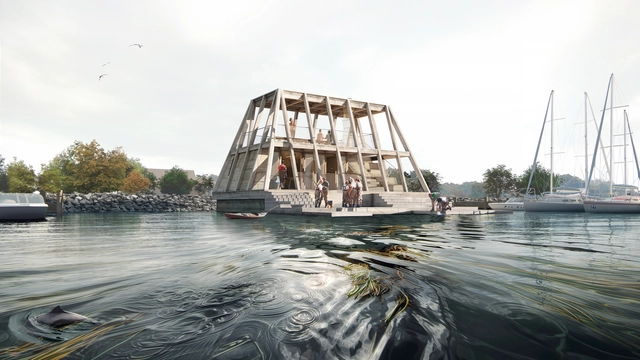
EFFEKT and MAST have just revealed SØMÆRKET, a new access point to NaturePark Lillebælt in Denmark. Serving as the gateway to one of Denmark’s most protected coastal landscapes, the Little Belt strait, the design aims to strengthen the connections between the cities of Middlefart, Holding, and Fredericia. Renowned for having the world’s highest concentration of harbor porpoises and a rich diversity of flora and fauna, the Little Belt Strait is a popular destination for divers across Europe.
Courtesy of Geometrium Studio | Olympus Villa Complex
Long celebrated as havens of relaxation and luxury, resorts offer guests an escape from the mundanity of daily life. These sanctuaries seek to offer lavish accommodations, scenic locations, and comprehensive experiences. From sun-drenched beaches to mountain retreats, or secluded spots in the wilderness, resorts can take a variety of forms, each offering a unique experience. The history of architects designing resorts is intertwined with the development of the hospitality industry and the concept of leisure travel. In the realm of architecture, resorts allow designers to meld functionality with luxury living, creating spaces that offer experiences beyond just residences.
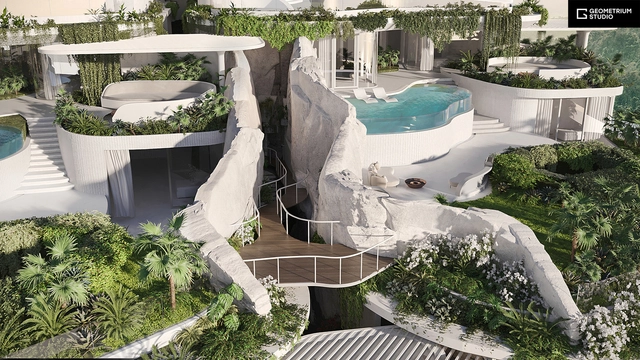
The Multifunctional complex “Next Collection” in Georgia by SPECTRUM Architecture illustrates this by adopting organic forms that blend into the seaside, while “Ethereal Mountains” by the Maden Group in Albania seeks to foster youth engagement in a breathtaking landscape. In Indonesia, the Villa complex “Olympus” by Geometrium Studio presents a unique structural concept where each villa’s roof acts as the terrace for the one above, echoing the rice fields of Bali. In this week’s curated selection of unbuilt resorts, submitted by the ArchDaily community, these themes are explored in different settings and design conditions.
Water, fluid and dynamic in its nature, has long been an inspiration for architects and designers. From ancient civilizations to modern metropolises, the presence of water has shaped architectural schemes and urban landscapes. This elemental force provides aesthetic and sensory inspiration to the buildings that are built around it. Additionally, it poses challenges and different opportunities for problem-solving, particularly as rising sea levels demand a revaluation of coastal developments.
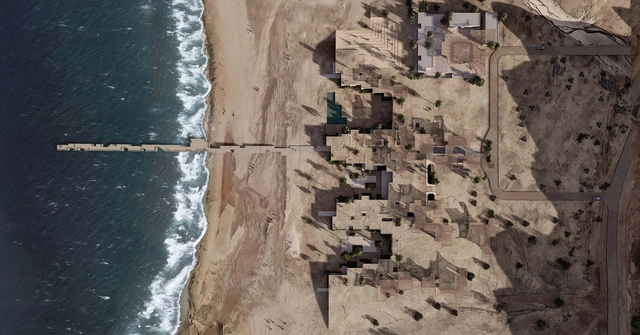
Whether it’s a restaurant overlooking the waters of the Aegean Sea or a hotel nestled along the coastline of Montenegro, architects worldwide embrace the proximity to natural bodies of water. These unbuilt projects, curated from submissions by the ArchDaily community, exemplify diverse architectural schemes that aim to harmonize with water surroundings. From the regenerative principles in the Chabahar Beach Cafe in Iran to a transformative master plan on a floating boat, each project uniquely aims to blend contextual elements with the human experience, resulting in different designs.
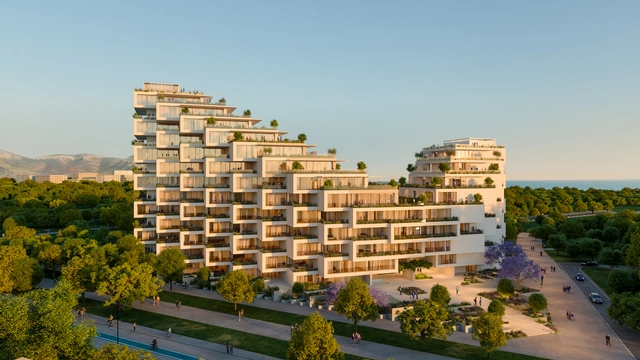
Bjarke Ingels Group has revealed the design of Park Rise residences, a new development the Little Athens neighborhood of Ellinikon, featuring modern homes, greenspace, retail, office, and hospitality. The Ellinikon is an ambitious urban regeneration project that reimagines the grounds of Athens' old international airport and transforms it into a 6.2 million-square meter smart city. Within this development, the Little Athens neighborhood aims to become an integrated part of Ellinikon's smart urban ecosystem and bring over 1100 new residences to the northwestern coastline of the development.
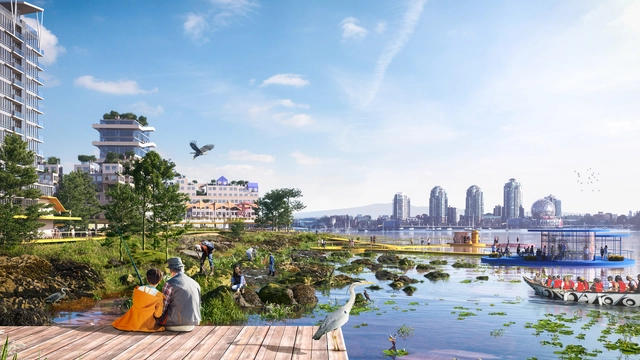
Architects, urban planners, and researchers from around the world are working on solutions to address the rising threat of climate change and climate-induced rise in sea levels and storm surges. Among them, MVRDV, as part of the North Creek Collective, has released a series of proposals for the city of Vancouver, mapping out possible adaptations of waterfront buildings, landscape, and infrastructure. On a similar note, a group of researchers led by Adrian Lahoud has developed the Second Sea Calculator, a digital tool that estimates the financial damages owned to coastal cities by different nations, while Human Climate Horizons has developed a platform for visualizing how different levels of global heating will affect people’s lives.
At first glance, building a pool right beside another body of water seems a little redundant. After all, why would someone choose to swim in a pool when they have a river or ocean to enjoy? However, for people with limited mobility and younger more inexperienced swimmers, natural bodies of water can prove both daunting and dangerous. Pools not only provide a controlled, secure space for them to enjoy aquatic activities, they also provide a connection with the surrounding landscape.
Land reclamation from the sea has become a popular phenomenon in coastal development. It is the most preferred solution to the need for land in coastal areas and has been implemented for various use cases, including flood control and agriculture. Nowadays, it has become a famous urban response to the rapid increase in coastal urbanization, economic activity, and global population. Countries like China and the Netherlands lead the chart on the amount of land area reclaimed. However, most reclamation projects today take place within urban centers in the global south. Cities in West Africa, East Asia, and the Middle East produce these new lands as economic forerunners for their commercial industry and as platforms to house luxury residences.
But the relationship between the design and production of reclaimed lands and the response of water in ocean environments is complex. It requires a symbiotic relationship with water bodies for stability but can provoke natural forces when negligently imposed on the sea. Ocean water behaviors, including tidal accumulation, sea level rise, connection to wetlands, and aquatic biodiversity, can question the success or failure of land reclamation projects in different contexts.
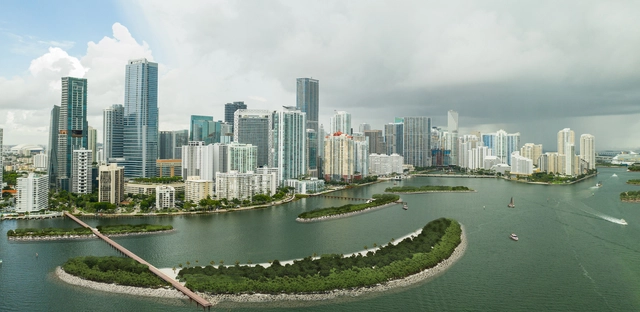
Response to the U.S. Army Corps of Engineers’ Back Bay Coastal Storm Risk Management Study / Curtis + Rogers Design Studio. Image Courtesy of Miami Downtown Development Authority
This Earth Day, U.S. Vice President Kamala Harris highlighted the many benefits of nature-based solutions and recognized the important role of landscape architects in this work. At the University of Miami, she also announced $562 million in funding for coastal resilience projects, supporting 149 projects in 30 states, through the Climate-Ready Coasts Initiative of the National Oceanic and Atmospheric Administration (NOAA). Vice President Harris’ remarks build on the Biden-Harris administration’s support for planning and designing with ecological systems in an equitable way.
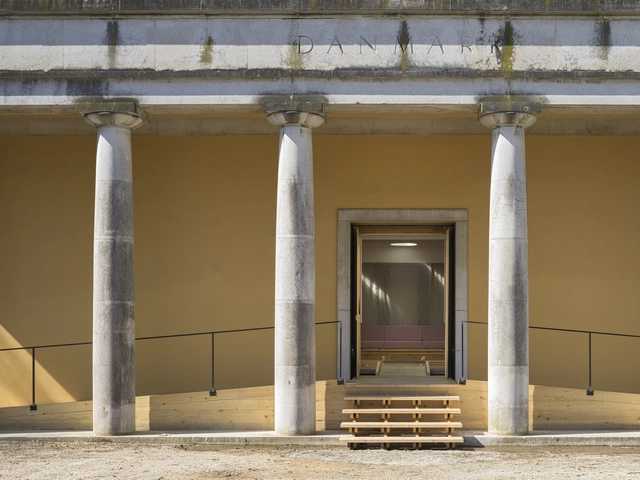
The Danish Pavilion has announced Josephine Michau as the curator of the exhibition “Coastal Imaginaries” to represent Denmark at the 18th International Architecture Exhibition – La Biennale di Venezia. The exhibition highlights nature-based design solutions to alleviate global challenges like rising sea levels and storm floods. The team behind the exhibition represents a collaboration between the landscape architectural firm Schønherr and researchers, artists, Danish trade organizations, and scientific institutions. The selected subject aligns with the biennale’s overarching theme of Laboratory of the Future, running from May 20th to November 26th, 2023, in the Giardini, at the Arsenale, and at various locations around Venice.
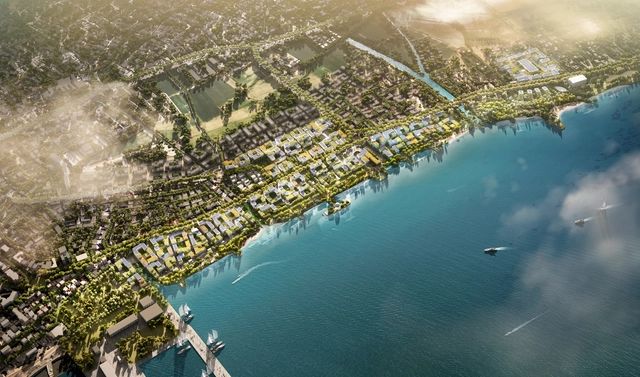
Foster + Partners, working in collaboration with Petrolina Group, has revealed the design of a new master plan to transform the seafront of Larnaca, Cyprus, into a sustainable and enjoyable area for the city residents, future generations, and new visitors. The resort town of Larnaca aims to redesign one of its main arteries, the Larnaca-Dhekelia Road, to become more pedestrian-friendly, along with its seafront. Foster’s proposal aims to enhance the land’s ecological value and to double the length of the waterfront accessible to the public.
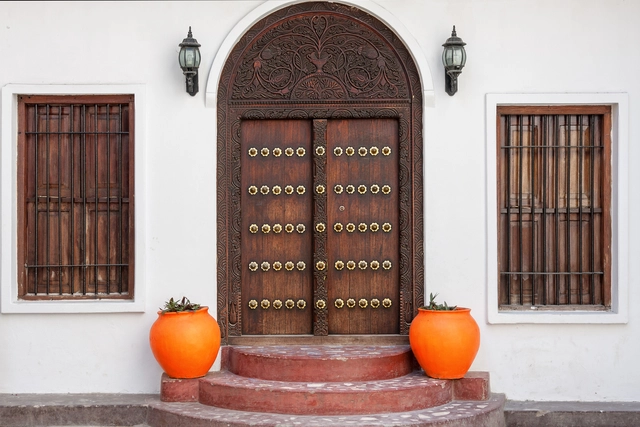
A defining feature of the architecture of the Swahili Coast—apart from its coral stone buildings and mangrove poles used to elaborate those structures—is undoubtedly the ornamented door so commonly found across this coastal area. Richly decorated, and historically often layered with meaning, these doors, apart from serving the more utilitarian function of an entrance, were also signifiers of status and wealth. From this Swahili Coast to the Arabian Peninsula, these doors of the coast are very much markers of their location, representative of trade and migration.