-
Architects: MAD Architects
- Area: 188000 m²
- Year: 2026

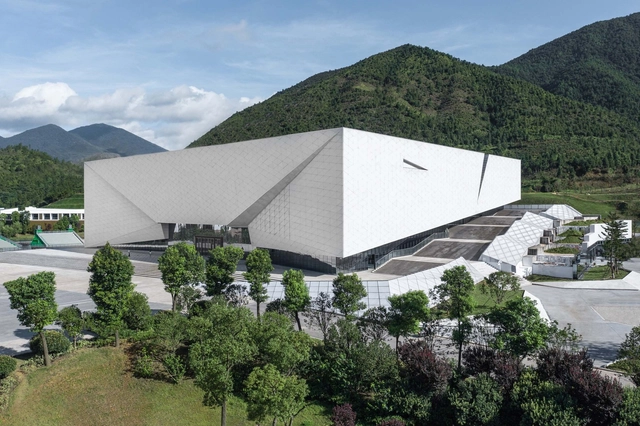
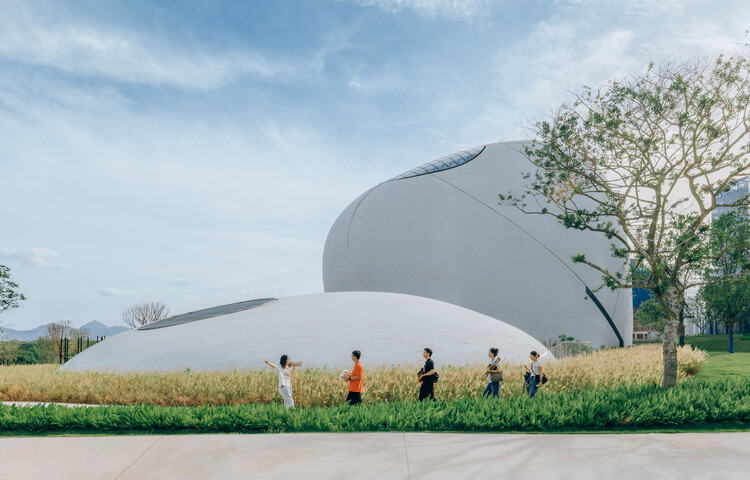
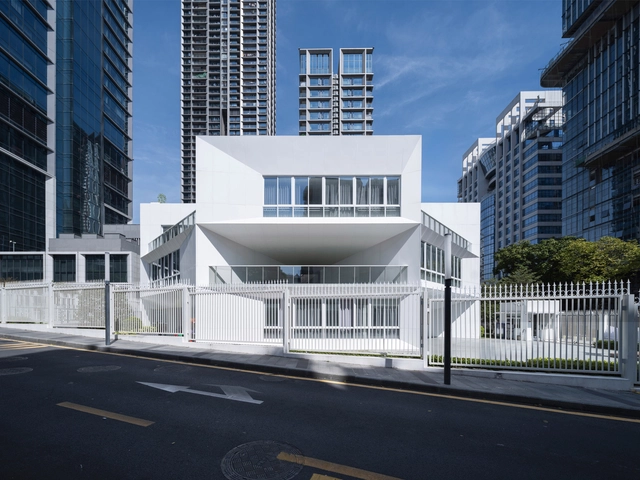
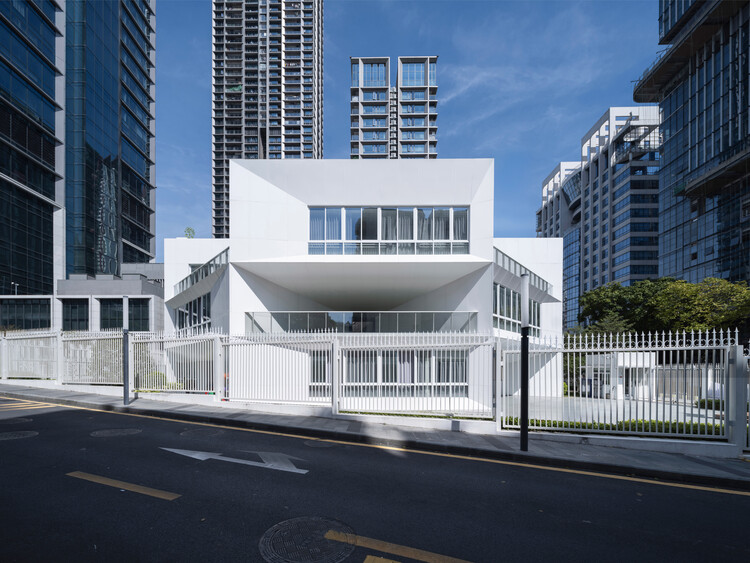
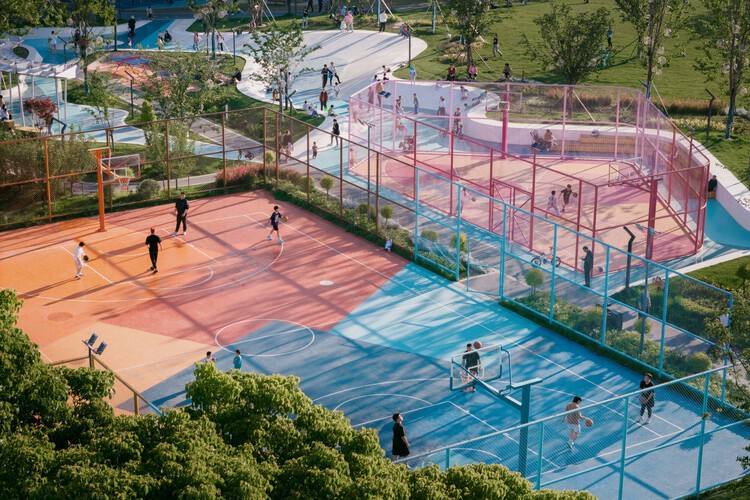
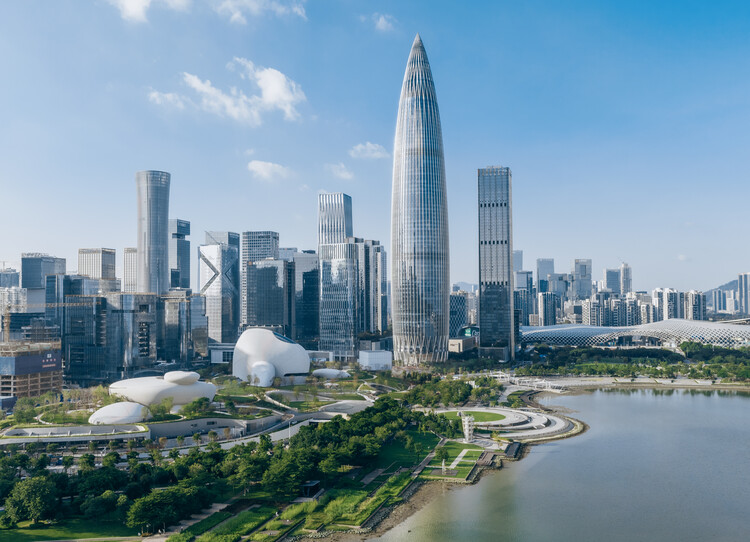
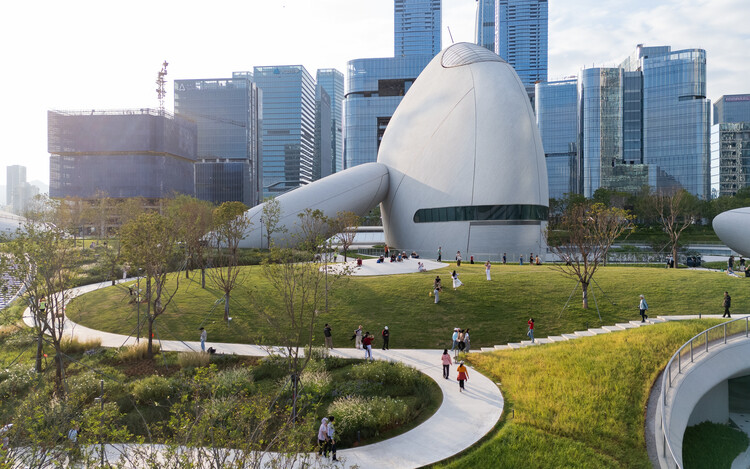
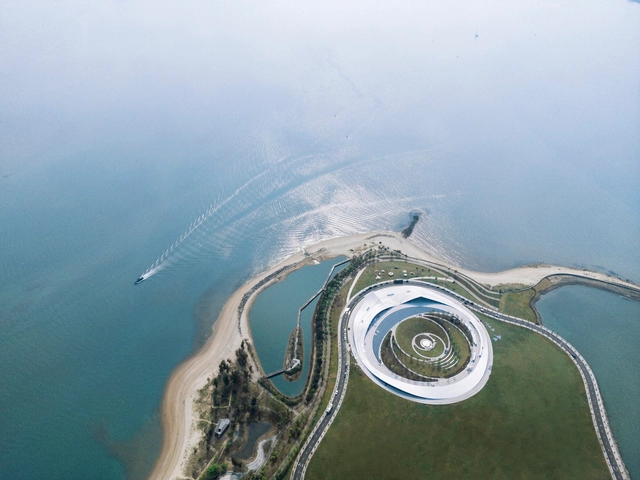
MAD / Ma Yansong's Shenzhen Bay Culture Square exhibition hall and park project began in 2018, with the project completed in 2020. The 188,000 m² building sits on a site area of approximately 51,000 m² along the city's waterfront, at the heart of Houhai, Nanshan District, the headquarters hub of Shenzhen's Greater Bay Area. The masterplan for the site, which includes the Creative Design Hall, the Shenzhen Science and Technology Museum, and a vast public green space, was announced by MAD in 2020 and was expected to be completed in 2023. After eight years, the project, led by Ma Yansong, Dang Qun, and Yosuke Hayano, is now complete and is intended to serve as a cultural facility for design and cultural exchange.

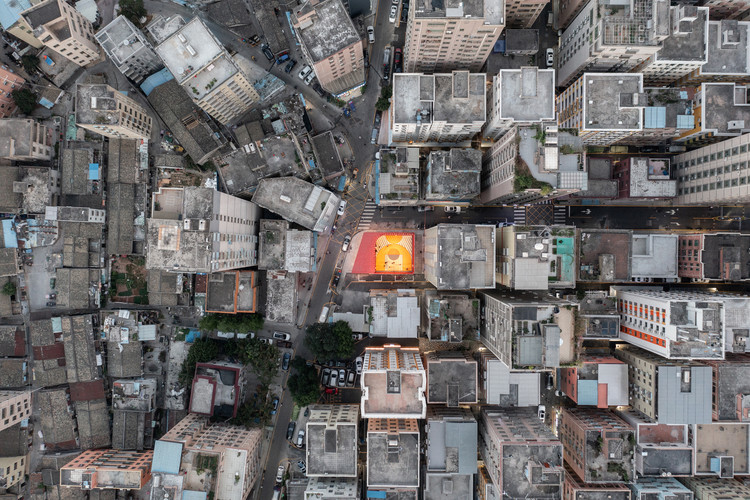
Unlike most popular sports, the origin of basketball has a precise year and creator: it was invented in 1891 in the United States by Canadian physical education instructor James Naismith as an indoor sport for athletes at Springfield College during the winter, after the end of the football season. The sport quickly expanded beyond U.S. borders, being included in the Olympic Games in 1936 and achieving international popularity after the Second World War. As basketball became more widespread, it also left the controlled environment of gymnasiums and began occupying a wide range of locations: playgrounds, public plazas, school courtyards, driveways, and backyard patios became informal courts for play and community life, reinforcing the role of physical activity as a catalyst for social interaction and neighborhood regeneration.

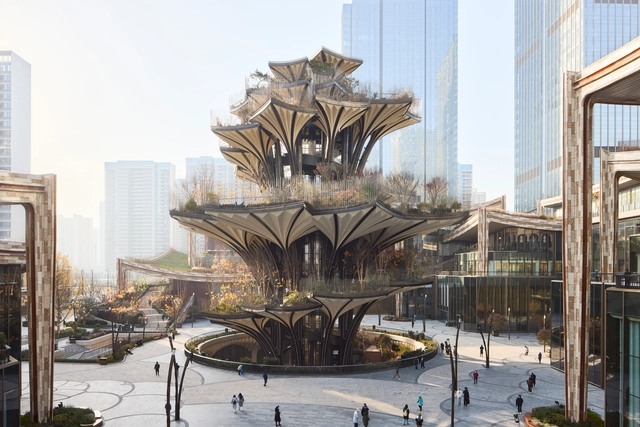
Shenzhen is China's first Special Economic Zone(SEZ), serving as a window for China's Reform and Opening-up and an emerging immigrant city. It has evolved into an influential, modern, and international metropolis, creating the world-renowned "Shenzhen Speed" and earning the reputation of the "City of Design." Architectural design stands as the most intuitive expression of Shenzhen's spirit of integration and innovation. Over the past decade (2015-2025), the development of urban architecture in Shenzhen has closely integrated with its open and inclusive urban character, ecological advantages of being nestled between mountains and the sea, and the local spirit of blending traditional culture with innovative technology, showcasing Shenzhen's unique charm and robust vitality across multiple dimensions.
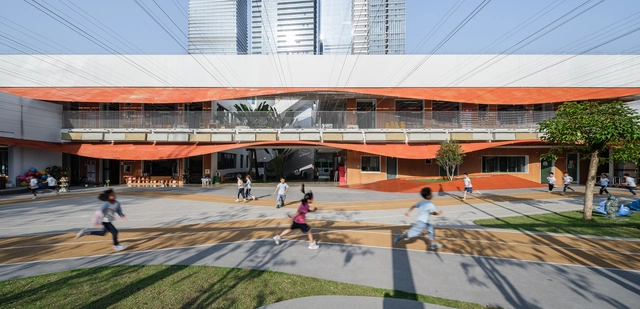

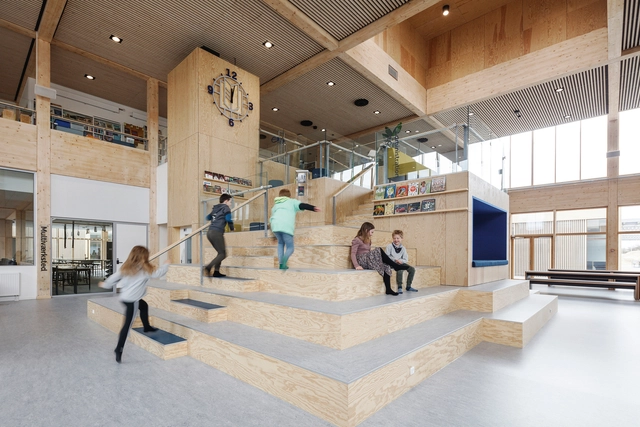
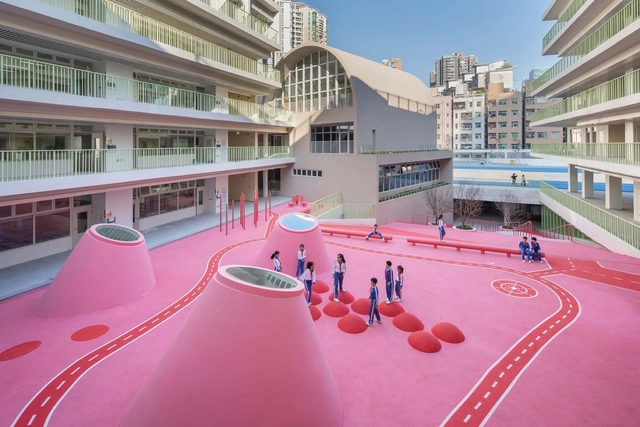
With spaces for children, “you have the opportunity to create architecture that in many ways is unformulated architecture. Children react to spaces completely spontaneously. It is almost an enhanced architecture”, says Dorte Mandrup. The implication is that design can contribute to forming critical thinking, encouraging autonomy, and responsibility, and helping forge future citizens. For the most part, the educational system and its spatial expression haven’t changed significantly in the last hundred years. Nonetheless, with access to information becoming ubiquitous, the focus is slowly moving from accumulating information to nurturing critical thinking, and new teaching methods open up a new area of architectural experimentation. The following explores the impact of space on learning, specifically in primary and secondary education, discussing how architecture could aid the educational process, becoming a teaching tool.
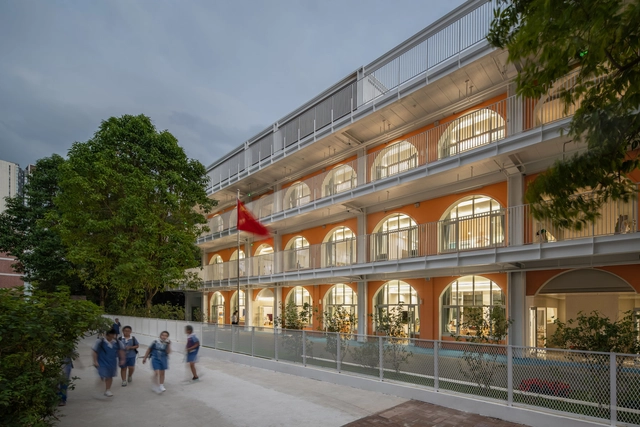
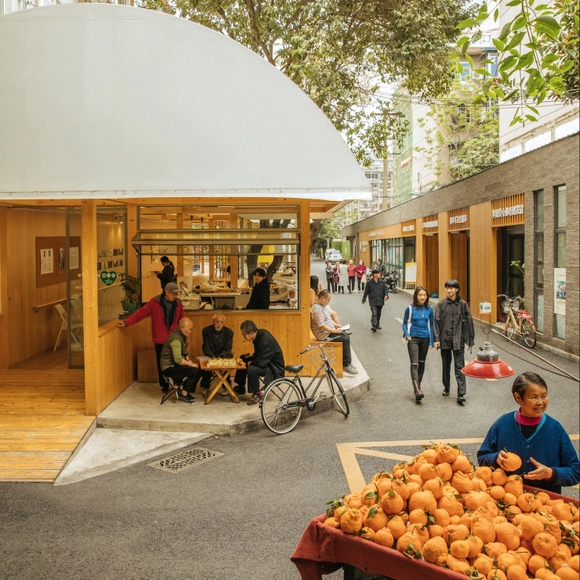
What kind of city is a people-oriented city? This is a difficult question to answer because humanistic cities evaluate the city by "people”, and people are extremely diverse, producing individual different evaluation standards. For example, a city that is friendly to car drivers, may not be so friendly to pedestrians.
Nonetheless, there is a general perception that some cities seem to be more friendly to people than others. Why is this the situation?
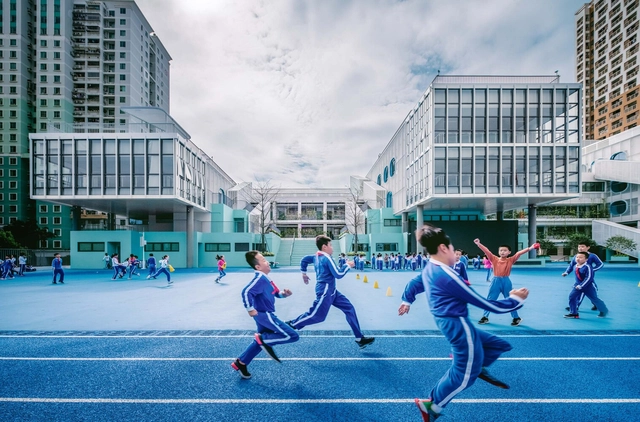

After a year delay due to the Covid-19 pandemic, Tokyo Olympics started at the end of July. In this edition, three new modalities debuted in the biggest competition in the world: 3x3 basketball, surfing and skateboarding. Bringing medals to countries such as Japan, United States, Brazil, Australia, Russia, Serbia, China and Latvia, and involving a large number of athletes and nations, these sports carry urban culture in their movements and histories and are an important part of relationships in the city.

#Anodized Aluminum Panels
In recent years, anodized aluminum panels have emerged as a prominent material, utilized across numerous interior and exterior architectural projects in China. Anodized aluminum features six key characteristics: 1. Metallic Appearance, protected by a transparent anodic oxide film, the natural, soft metallic texture of aluminum is fully preserved; 2. Workability, anodized aluminum features exceptional workability, as well as outstanding forming and bending capabilities; 3. Surface Consistency, across diverse architectural forms, anodized aluminum panels maintain a highly uniform color; 4. Corrosion Resistance, the anodization process generates a dense oxide film on the metal surface, providing superior corrosion resistance and enhancing structural hardness and strength; 5. Weatherability, the static-free surface does not attract dust, making it easy to clean and maintain its pristine, like-new appearance even after repeated washing. This ensures the building facade stands the test of time; projects completed with anodized aluminum 40 years ago still look as good as new today; 6. Sustainability, functioning as an environmentally friendly material classified as Class A non-combustible.
#Almeco Anodized Aluminum Panels
Almeco is a global expert in pre-treated aluminum surfaces, offering a range of innovative anodized aluminum products for interior and exterior curtain walls and decoration. Their unparalleled metallic texture, rich colors, and excellent workability bring new vitality and artistic form to interior and exterior architecture, turning every building into a unique work of art. Consequently, Almeco has become the material of choice for renowned architects such as Jean Nouvel, Thom Mayne, MAD, and UNStudio.
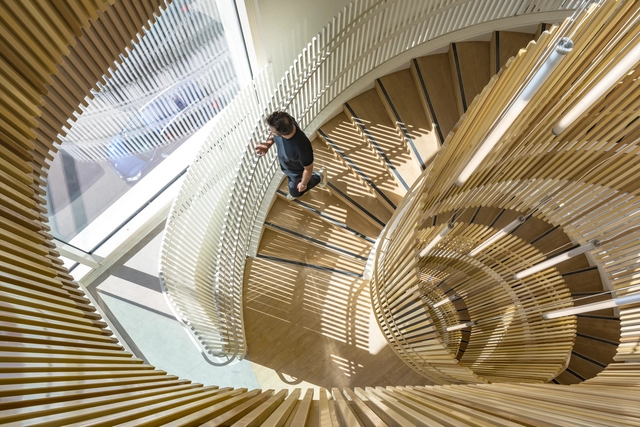
Railings play two roles in architectural projects, both as a support and safety component in a building, which involves a great deal of technical detailing and accessibility standards, and as an accent element in the design. In this article, we will explore the different ways in which these elements can be used in a project.