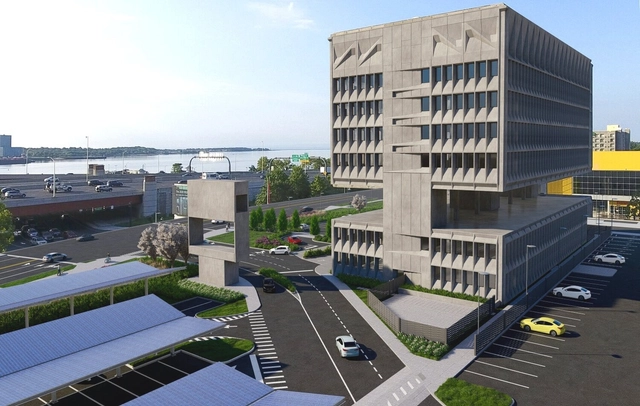
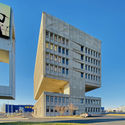
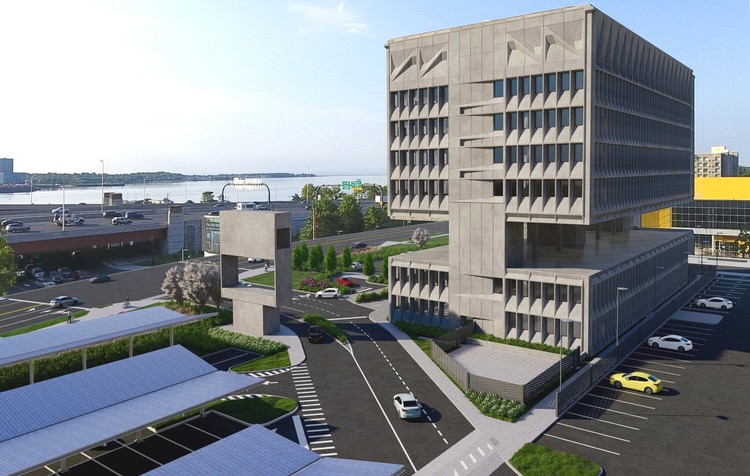
Marcel Breuer’s Pirelli Tire Building, a beacon of Brutalist architecture in the United States, is being reimagined as a hotel by development company Becker and Becker. After being abandoned for years, the structure was sold to architect and developer Bruce Redman Becker in 2020 with plans to transform it into a sustainable 165-room hotel. The sculptural concrete structure aims to be a model for passive design hotels using its unique architectural features and innovative adaptive reuse techniques.
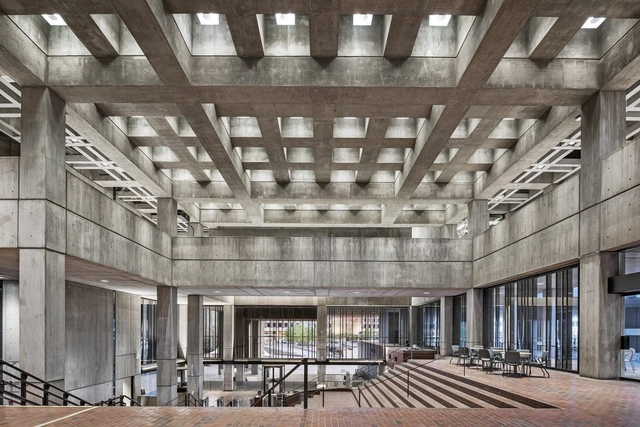
Boston City Hall . Image Courtesy of Utile and Reed Hilderbrand
"Demolition is a waste of many things – a waste of energy, a waste of material, and a waste of history,"says Pritzker-winning architect Anne Lacaton. In recent years, refurbishment and adaptive reuse have become ubiquitous within the architectural discourse, as the profession is becoming more aware of issues such as waste, use of resources and embedded carbon emissions. However, the practice of updating the existing building stock lacks consistency, especially when it comes to Brutalist heritage. The following explores the challenges and opportunities of refurbishment and adaptive reuse of post-war architecture, highlighting how these strategies can play a significant role in addressing the climate crisis and translating the net-zero emissions goal into reality while also giving new life to existing spaces.
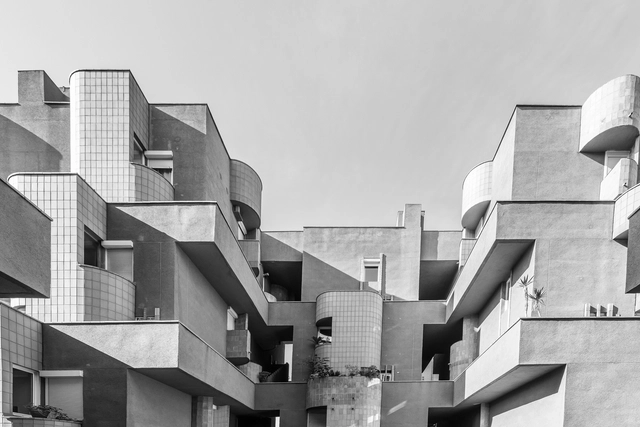
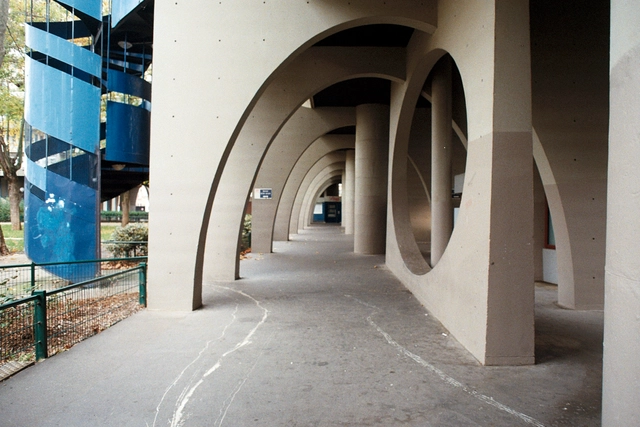
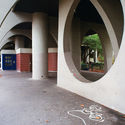
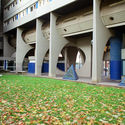
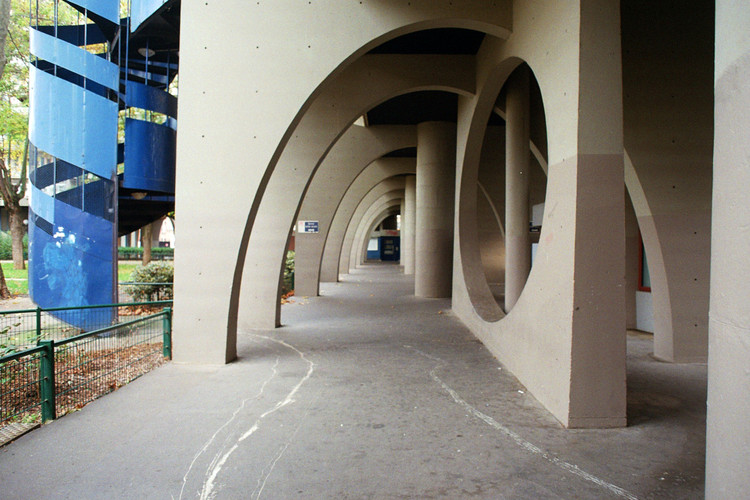
Designed by architect Renée Gailhoustet in 1972, the Cité Spinoza residential complex is part of the master plan created for downtown Ivry-sur-Seine, France. The project is a rendition of the Unité d'Habitation de Marseille by Le Corbusier, a major architectural reference for architects at that time. Architectural photographer Anthony Saroufim took the streets of the Parisian Banlieue and captured the modernist architecture's distinct concrete geometry.
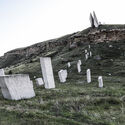
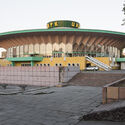
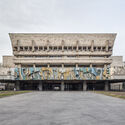
The little-known and remote area of North Caucasus is an intricate assemblage of territories, ethnicities, languages, religions, and, consequently, architectures, from Tsarist-era buildings to mosques, traditional bas-reliefs, and Soviet Modernism. The setting of controversial events and a heterogeneous cultural environment, in many ways, North Caucasus is a borderland between Europe and Asia, the former USSR and the Middle East, Christianity and Islam. Photographs by Gianluca Pardelli, Thomas Paul Mayer and Nikolai Vassiliev provide an introduction to the architectural landscape of the region.
In his book “The New Brutalism in Architecture: Ethical or Aesthetic?,” Reyner Banham establishes what he deems the semantic roots of the term 'Brutalism,' explaining that it comes from one of the " indisputable turning points in architecture, the construction of Le Corbusier's concrete masterpiece, la Unité d'habitation de Marseille. It was Corbusier's own word for raw or rough-cast concrete, "Béton brut," that made Brutalism a mainstay in architectural jargon and, in many ways, the term, as well as the architecture it described, flourished." In the book, Banham highlights the historical milestone marked by Corbusier's Unite d' Habitation and the socio-political context that shaped it. In steel-starved post-World War II Europe, exposed concrete became the go-to building material within the burgeoning Brutalist movement, which quickly defined itself by its bare-bone, rugged surfaces and dramatic, geometric shapes.
The first house ever built in the United States made entirely out of only concrete and glass is no longer standing. It was demolished in 1999, but that doesn’t mean we can’t visit it virtually to witness what it would have been like to be inside. This video and link below focuses on a single house — the Lincoln House — designed by Mary Otis Stevens to resurrect and explore. It uses the program Enscape to walk through the building and resurrect the experience of what it would have been like to be inside. The video offers a timeline to contextualize the role of the house in the career of the architect and the evolution of Brutalism in Architecture, an analysis of the building, and initial reactions to walking through the building for the first time. What magic and other lessons are lurking in the design, hidden until we could experience it?
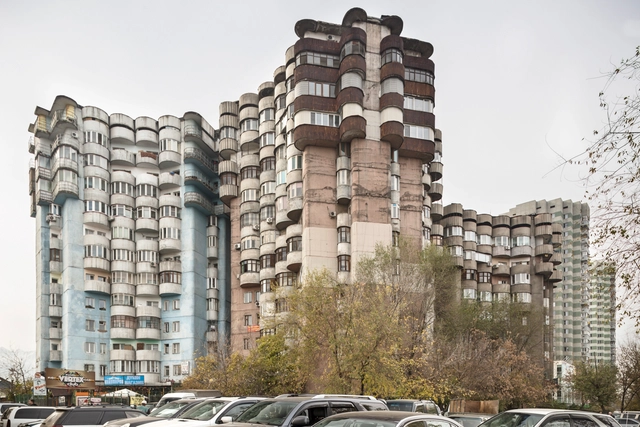
In the second half of the 20th century, Soviet architecture has spread a common aesthetic across highly diverse environments, being an integral part in promoting the totalitarian ideology that disregarded local cultures, envisioning a unified, homogenous society. Nevertheless, in practice, the architecture proved itself susceptible to adaptations and local influences, perhaps nowhere more than in Central Asia. The article looks at the architectural heritage of a geographical area largely excluded from the Western-centric narratives on Soviet Modernism, encouraging a re-reading of a layered and nuanced urban landscape, with images by Roberto Conte and Stefano Perego.
Corviale is one of Italy’s biggest postwar public housing projects and, arguably, one of the most controversial. Both revered and abhorred, the complex remains a pilgrimage site for architectural schools from around the world. Il Serpentone (The Big Snake), as it is affectionately called, stretches nearly a kilometer in a straight line, a monolithic, brutalist building that hovers over the countryside on the outskirts of Rome. But there is nothing sinuous about a construction made up of 750,000 square meters of reinforced concrete condensed into 60 hectares. This hulking horizontal skyscraper is formed by twin structures, each 30 meters high, connected through labyrinths of elongated hallways, external corridors, and inner courtyards. Divided into five housing units, each with its own entrance and staircase, it contains 1,200 apartments and houses up to 6,000 people.
https://www.archdaily.com/960563/chilometro-verde-five-women-architects-revitalizing-the-corviale-a-giant-public-housing-project-in-romeMarina Engel
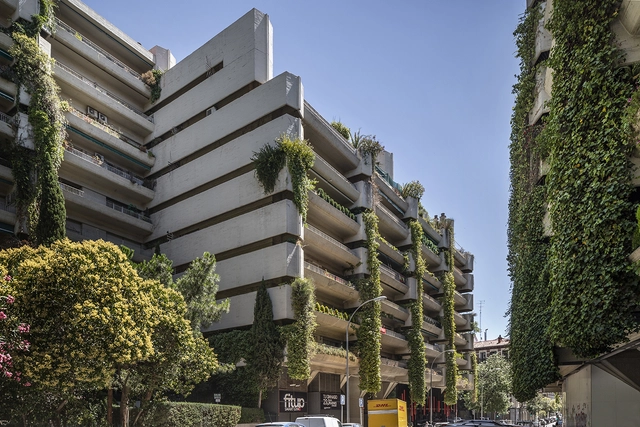
The city of Madrid can be viewed as a place that is representative of all the architectural styles found on the European continent. 16th-century Renaissance buildings and 18th-century Baroque buildings all co-exist in harmony with more modern architectural styles such as Art Deco or the expressive contemporary architecture of recent years. Iconic contemporary architecture firms such as Herzog & de Meuron and Rogers Stirk Harbour + Partners, with projects such as the BBVA Headquarters and Madrid-Barajas Airport Terminal, have all played a part in defining Madrid’s architectural character too, making for a city with highly varied and distinct streetscapes.
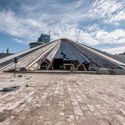
Construction has begun on MVRDV’s project for the Pyramid of Tirana in Albania, as of February 4th, 2021. Rehabilitating what was once a communist monument, the proposal transforms the brutalist structure into a new hub for Tirana's cultural life. Preserving the concrete shell, the intervention will open the atrium and the surroundings, while a small village of cafes, studios, workshops, and classrooms will permeate the site.
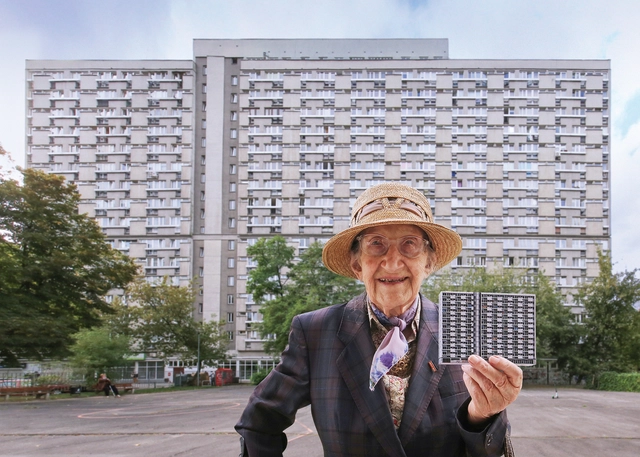
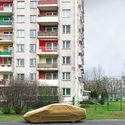
Recent years have prompted a rediscovery and a re-framing of some of the more controversial architectural phenomenons of the past century, with Brutalist architecture coagulating significant interest through its sheer scale, powerful expression and purist forms. Brutalist architecture across the former Eastern Bloc is inextricably associated with the totalitarian regimes that marked the history of this part of Europe during the last half of the 20th century. Following in line with the architecture of the Eastern Bloc, Poland’s urban landscape is dotted with large-scale prefab housing estates and stark brutalist public buildings constructed during the country’s Communist rule.
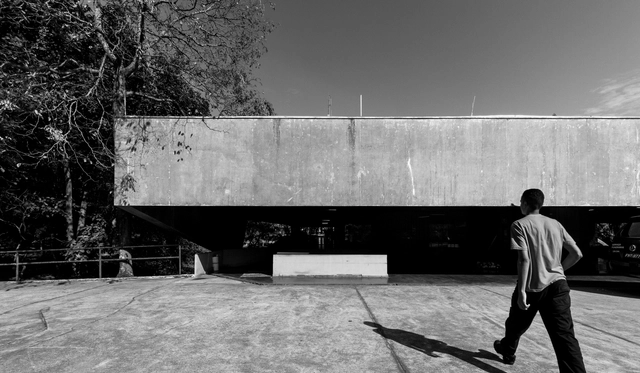
The Jayme Augusto Lopes Crematorium, popularly known as Crematorium of Vila Alpina, is located in Jardim Avelino, on the east side of the city of São Paulo. It was designed by architect Ivone Macedo Arantes - at the time an employee of the Cemetery Department of the City of São Paulo - and was inaugurated in 1974. It is considered to be the first crematorium in Brazil and Latin America and one of the largest in the world.
https://www.archdaily.com/950116/ad-classics-crematorium-at-vila-alpina-ivone-macedo-arantesEquipe ArchDaily Brasil
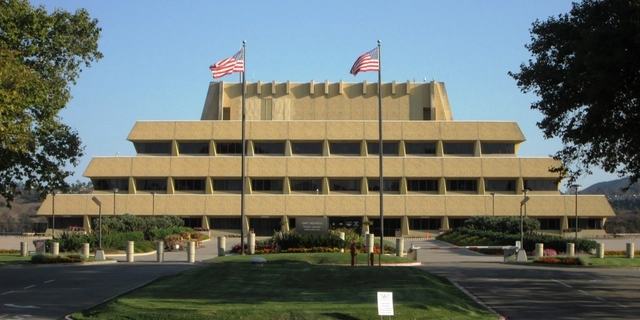
The Chet Holifield Federal Building in Laguna Niguel, California—better known to locals as the “Ziggurat” for obvious reasons—is reportedly at risk of demolition. The six-story, one-million-square-foot government services building is on the chopping block as the U.S. Public Buildings Reform Board, responsible for unloading federal facilities, will likely sell the structure as early as next year.
Rodolfo Lagos shared a series of photographs capturing the Brutalist architecture of Barcelona, illustrating how the movement has evolved in this iconic city.
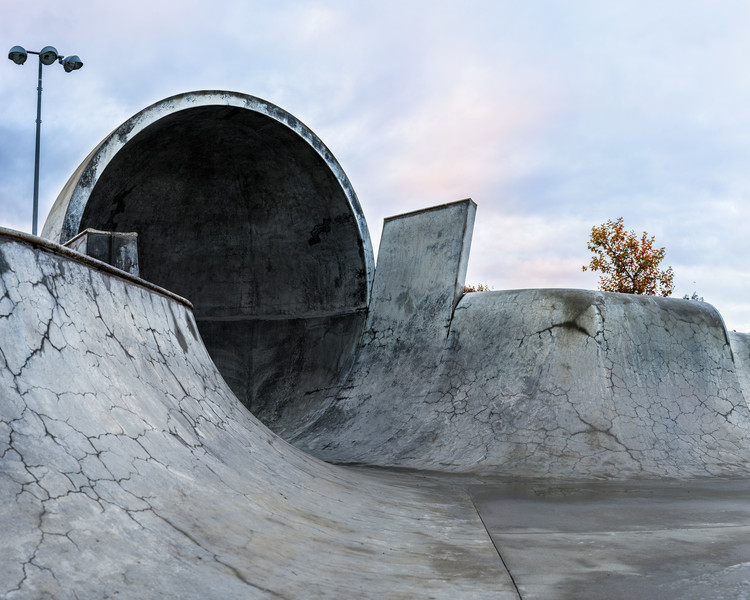
Skating took root as a sport in California during the 1960s and 70s, a time when extreme activities like surfing found their niche among the United States populace. Beginning as an urban adaptation of surfing, skateboarding became the pastime of choice for adolescents and, by the 1980s, acquired a worldwide following. Soon, city-scapes across the globe began transforming as spaces were created for people to engage in this uniquely urban sport.
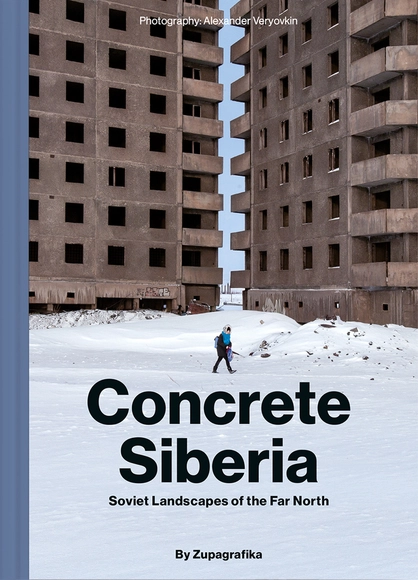
Concrete Siberia: Soviet Landscapes of the Far North by Zupagrafika
A photographic insight into the Soviet-era architecture of one of the most extreme, little-known and vast territories on Earth. From the Ural Mountains to the Arctic Circle, the book features the extensive micro rayon of Siberia’s urban centers, the brutal landscapes of industrial monotowns, cosmic circuses, concrete theatres and opera houses, as well as prefabricated panel blocks, or panelki, erected on permafrost.
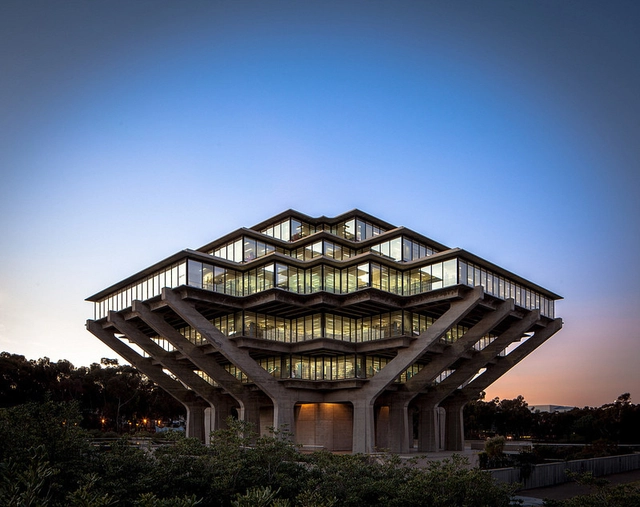
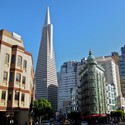
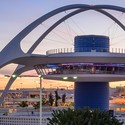
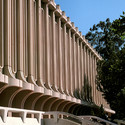
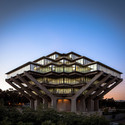
Winner of the 1942 Acadamy Award for Best Special Effects, William Pereira (April 25, 1909 – November 13, 1985) also designed some of America's most iconic examples of futurist architecture, with his heavy stripped down functionalism becoming the symbol of many US institutions and cities. Working with his more prolific film-maker brother Hal Pereira, William Pereira's talent as an art director translated into a long and prestigious career creating striking and idiosyncratic buildings across the West Coast of America.









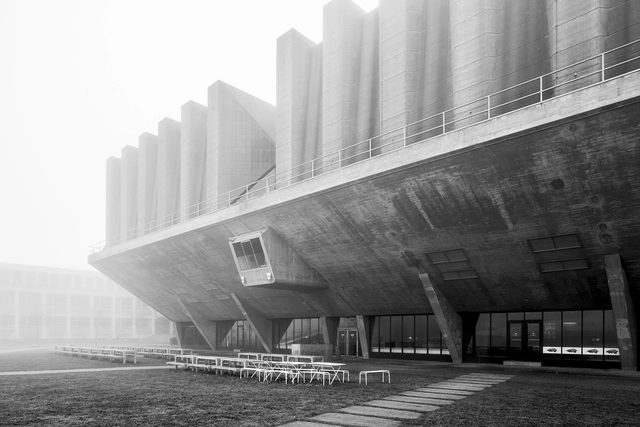
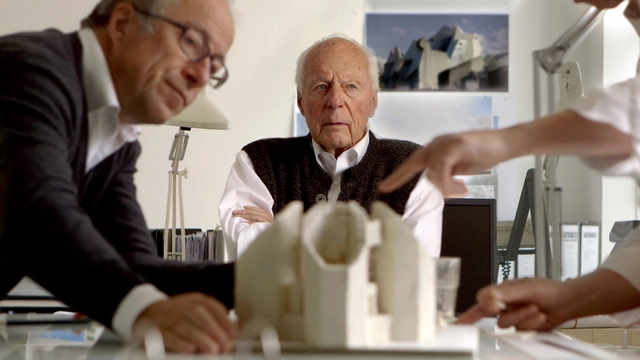
.jpg?1623359381 "Neviges Pilgrimage Church. Image © Laurian Ghinitoiu")
.jpg?1623359479 "Neviges Pilgrimage Church. Image © Laurian Ghinitoiu")



.jpg?1619126725&format=webp&width=640&height=580)



.jpg?1613644686&format=webp&width=640&height=580)
.jpg?1613644756 "Courtesy of MVRDV")
.jpg?1613644713 "Courtesy of MVRDV")
.jpg?1613644686)