What if the one thing that makes BIG "BIG" was suddenly stripped away right at the apex of its potential? That's the question posed by the trailer for Kaspar Astrup Schrøder’s documentary BIG TIME, which ominously illustrated a possible problem with Bjarke Ingels’ health.
Schrøder's documentary highlights the intense journey of Bjarke Ingels, the founder of Bjarke Ingels Group, through the past few years of his life. This unique insight into what exactly it's like to be an architect on top of the world ultimately poses a question that needs to be answered by anyone seeking to reshape the world through design. How do you handle the responsibility of forming the future you want to live in?
Johann David Steingruber was a German architect and designer with over 100 buildings to his name, including many churches, town halls, school buildings and even breweries. However, perhaps what he is best known for today are the intricate illustrations of his 1773 Architectural Alphabet, in which he converted the alphabet into plans for a series of eccentric baroque palaces.
Done more as a "labor of love" rather than for any practical reason, Steingruber's book is a compilation of playful and intricate spatial relationships, with each letter providing its own unique set of challenges. Even though the letters naturally offer more complex shapes than we would ordinarily use for plans, the spaces somehow make sense. The baroque style of oval antichambers, domes, and vaults is evident not only in the plans but also in the elevations.
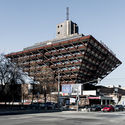
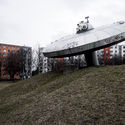
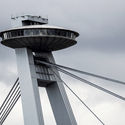
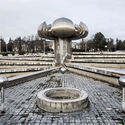
The history of Slovakia is riddled with political unrest and unwanted occupation, with the Slovak people having repeatedly been denied a voice throughout history. In the years following World War I, Slovakia was forced into the common state of Czechoslovakia; the territory was dismembered by the Nazi regime in 1938 and occupied by the Nazis for most of the Second World War, before being eventually liberated by Soviet and Romanian forces in 1945. Over the next four decades of communist rule—first by communists within Czechoslovakia itself and then later by the Soviet Union—the architecture of Slovakia came to develop into a unique form of sci-fi postmodernism that celebrated the shift in industrial influence at the time.
Photographer Stefano Perego has documented the Slovakian architecture from the 1960s–80s and has shared some of his photos with ArchDaily.
When looking back on the rich history of Japanese architecture, some of the things that immediately come to mind are complex wood joinery, hipped roofs and intimate experiences with water. Today, Japan is on the cutting edge of architectural innovation in many different buildling types—skyscrapers, office buildings and micro-housing to name a few. However, this Instagram account chooses to highlight an extremely unappreciated building type—public restrooms.
Cheekily named @toilets_a_go_go, the account promises its followers the "discovery of Japanese toilets," covering everything from bathroom pavilions inspired by traditional Japanese architecture to metabolist-like toilet pods—with a few novelty structures thrown in for good measure. If the name of the account did not already reveal the identity of the structures, one might even mistake many of them for something else. We typically overlook public restrooms or even see them in a negative light, but this account showcases the power of architecture to improve a neglected building type, showing that even a trip to the toilet can (and should) be beautiful.
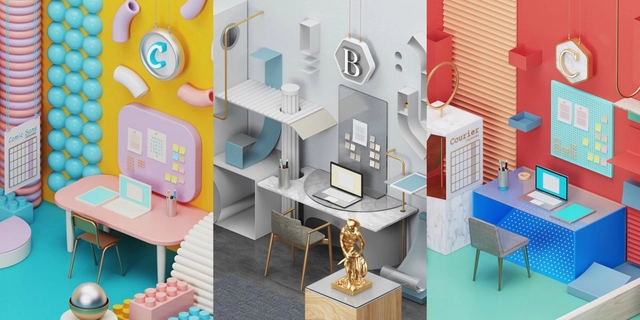
As many architects know, fonts have their own personality - so to use them as inspiration for office decors isn’t as crazy as you might think. Typography has the ability to instantly tell a narrative to the reader before needing to read the words, hence why we can take the decision-making behind which font to use in a project or scheme very seriously. They can hold the utmost importance in graphic design and architecture, as we often find ourselves displeased if the font is inefficient or disproportionate (take comic sans for example).
Seven unique, iconic fonts have been used as a base for each of the interior design projects below. Using their heritage, connotations, and style of the typography, HomeAdvisor have stylised each of the rooms to embody their identities and make us question their character.
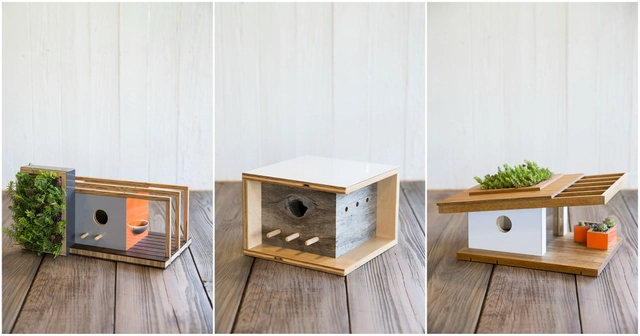
Douglas Barnhard, the owner of the home decor company Sourgrassbuilt, designs and builds birdhouses. Built out of repurposed materials, his designs are inspired by mid-century modernism and pay homage to the likes of Frank Lloyd Wright, Joseph Eichler and the Bauhaus School in Germany yet mix with Barnhard's experience of the rich surf and skate scene in Santa Cruz.
Sustainability. A word that, for many of us, has been driven into our minds from the very start of our careers as architects. We have a responsibility to the planet and future generations to design buildings that are socially conscious—from solar panels to triple-glazed windows, we have tried it all.
Ultimately, whether our designs are sustainable comes down to the early decisions we make for the building, with our choice of materials having a huge effect on the overall carbon footprint. With new technologies come new ways of incorporating abundantly found materials into the skin of the building that could reduce the building's embodied energy and enhance the structure's properties.
In this article, we have compiled a list of 8 familiar materials that you wouldn't initially associate with sustainability but which you might consider for your next design.
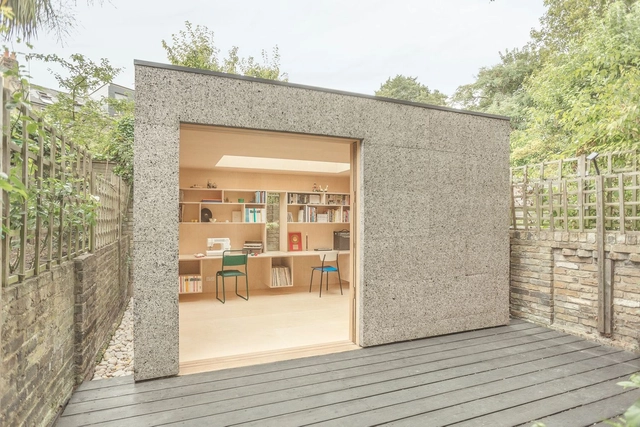
Unbeknown to many, cork is something of a dark horse when it comes to the environment—a model of a sustainable industry and building material. By its very nature, cork is both recyclable and renewable, as it is the only tree that regenerates its bark, while harvesting that bark causes the tree no harm.
Cork has been sneaking its way into our buildings for many years now; due to its hard-wearing properties it can be found, for example, in the checkerboard flooring of the Library of Congress. Even NASA has been wise to cork's light weight and insulation capacity, using it as an insulator for their space shuttles.
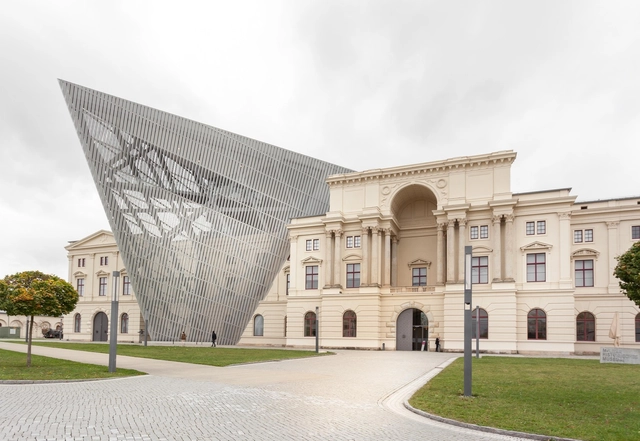
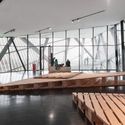
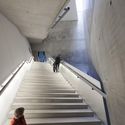
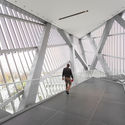
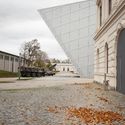
The complications of war and violence demanded a bold piece of architecture to provoke the public's understanding of the impact it had on Germany. Daniel Libeskind chooses to engage with such events in his extension to Dresden's Military History Museum, by crashing a huge steel and concrete structure through the neoclassical facade, tearing apart the symmetry of the original building. Photographer Alexandra Timpau has captured the sharp edges and harsh angles of the museum's extension that convey the pain and the stark reality of war Libeskind and the museum refer to.
Humans are adaptable animals; we have evolved to adjust to, and survive in, many difficult and extreme conditions. In some cases, these extremes are natural, while in other modern cities extreme living situations are created by us, and we are forced to accept and adjust. Here is a list of extreme settlement conditions: some challenging, some wonderful and all of them offering a fascinating insight into how we occupy the planet in 2017.
via Flickr User: Marcelo Campi Licensed Under CC BY-SA 2.0
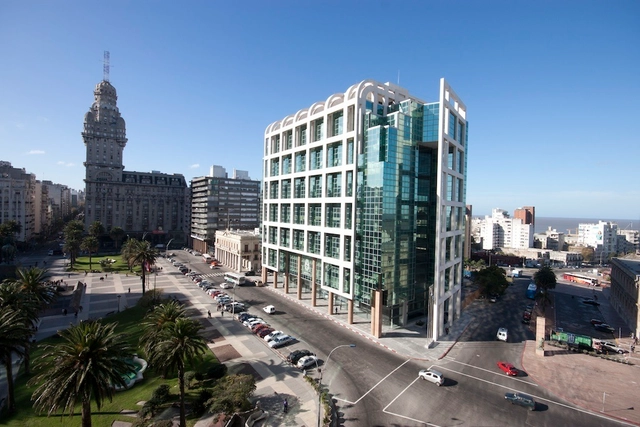
There are a number of reasons to visit the architecture of Montevideo: the coastal city is the result of a complex interaction of historical factors that provided multiple trends and architectural styles, currently coexisting at par. Its streets and buildings tell the story of its past.
The city´s architectural sites are easily found walking around Ciudad Vieja (Old Town) or in the renowned Rambla. Below is a list of 15 sites that every architect should know of and visit.
At times, Landscape design lacks proper consideration or its overlooked within architecture, as a result of current but preconceived notions within architectural practice and education that privilege building over site, or the constructed over the existing. While at face value, landscape is treated as an abject and constant entity of sorts, the reality is that it possesses a layered complexity of patterns and ecosystems, much of which is increasingly impacted by our own actions, more significantly than what meets the eye.
At the same time, the definition of landscape is constantly evolving to encompass a greater number of influences and factors. We have cultural, built and ecological landscapes, which influence one another and come about as a result of the intersection between the architecture and the environment that we are presented with. As a result, it is important to view terrain in a more holistic light, acknowledging its ecological underpinnings and well as the anthropological effects it is subject to, both physically and theoretically. Here is a list of five online resources, which investigate the interdisciplinary nature of landscape design and its relation to architecture and culture.
https://www.archdaily.com/875853/5-online-resources-that-explore-the-intersection-between-landscape-architecture-and-cultureOsman Bari
The ever-growing realm of “post-digital” drawing is currently at the forefront of a healthy dosage of discourse, appreciation and even criticism, as professionals and students alike continue to push the envelope of accepted architectural representation and exchange a waning hyperrealism for the quirks and character of alternative visual narratives. Central to this new wave of illustration is the inclusion and appropriation of specific icons and characters from famous pieces of modern art, selected in particular from the works of David Hockney, Edward Hopper and Henri Rousseau, whose work undoubtedly remains at the forefront of their individual crafts and styles.
https://www.archdaily.com/874948/painting-the-post-digital-the-meaning-behind-the-motifsOsman Bari
This month marks the 150th anniversary of the birth of acclaimed American architect, visionary, and social critic Frank Lloyd Wright -considered by many to be one of the greatest architects of his time.
As a pioneer of the term 'organic architecture', one of his most iconic representative works is Fallingwater, set upon a waterfall in rural Pennsylvania. From its unveiling, the scheme has evoked enduring reflection on the relationship between man, architecture, and most prominently in Frank Lloyd Wright's mind - nature.
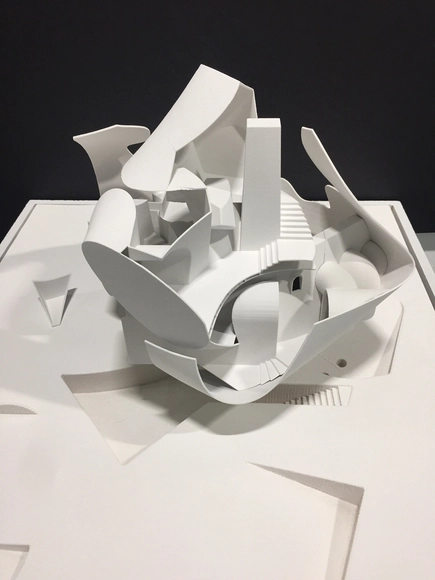
Wan-Hsuan Kung in Dwayne Oyler Studio. Image Courtesy of SCI - Arc
SCI-Arc, one of the few remaining schools whose undergraduate program culminates in a thesis project, asks students to locate their position within the discipline, theorize a problem around that position, create a project that tests their theory, and ultimately to present and defend that position to an audience of future peers and professionals. It’s a cathartic endeavor that is to some degree fraught with anxiety, as defining a position and speculating on the future of the discipline can be a rather daunting endeavor.
https://www.archdaily.com/804127/sci-arcs-new-undergraduate-curriculum-radically-rethinks-conventional-educational-modelsSponsored Post
Our experience of information is changing. We now consume more and more information digitally, with much of this being non-textual. Videos, photos and GIFs have become commonplace, with technology allowing these mediums to be as easily shareable as text. This gives way to another trend: the increase in the number and accessibility of online platforms. Not only is more information being digitized, but more dynamic ways of digitization are being developed; multimedia articles and online exhibitions, for example, hope to provide a more engaging way of sharing information.
Today we live in a rapidly aging society. The shift in the population pyramid means that traditional healthcare systems need to be reimagined in order to efficiently support an increasing senior population. This added pressure on healthcare is significant--the number of older adults in the US alone requiring long-term healthcare support is set to increase from 15 million to 27 million by 2050. By partnering with designers, healthcare providers can create valuable responses to address these growing needs.
One building typology that expresses this designer-provider partnership are centers for healthy living (CHL). CHLs help to bridge the gap between the senior living and healthcare sectors, and go beyond simple clinic or exercise spaces. Taking a more holistic approach, they seek to become accessible destinations for programs that nurture wellness while providing a sense of place and community.
In a new downloadable report, Perkins Eastman have explored this typology in great depth by investigating existing CHLs. Through spatial and market research, case studies and user surveys, their findings identify strategies for improving upon the CHL model in the future. Read on for our summary of their discoveries.