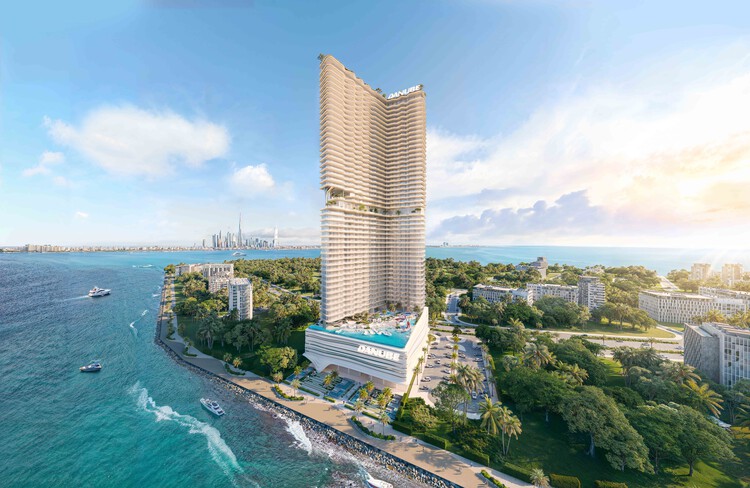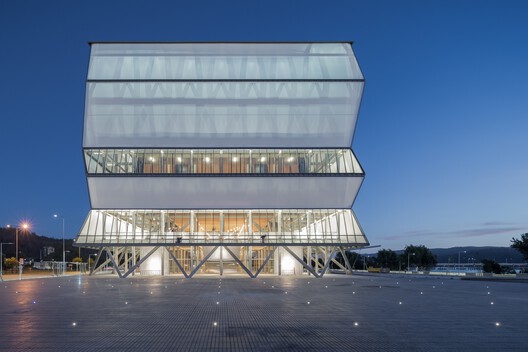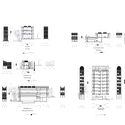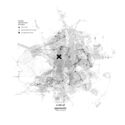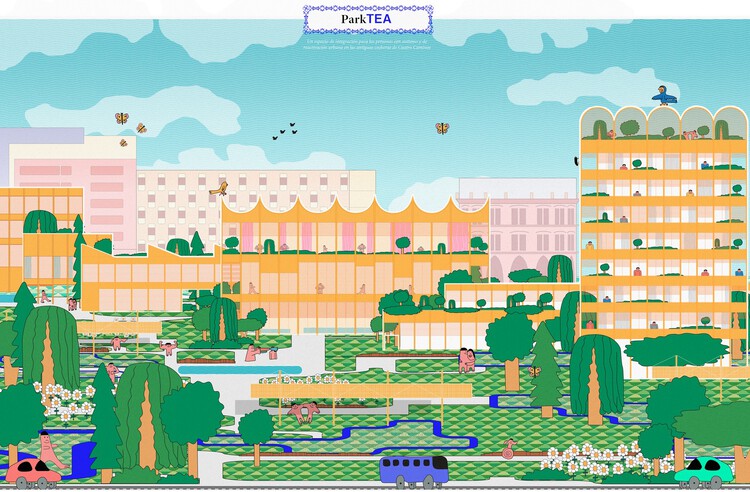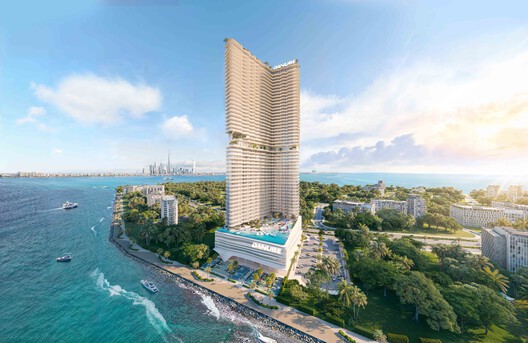
High-rise architecture continues to serve as a primary tool for accommodating density in rapidly evolving urban environments. Traditionally defined by efficiency and repetition, the tower is increasingly being reexamined as a more complex spatial and organizational system. Across different geographies, architects are testing how vertical structures can move beyond singular functions to incorporate layered programs, environmental strategies, and new forms of occupation.
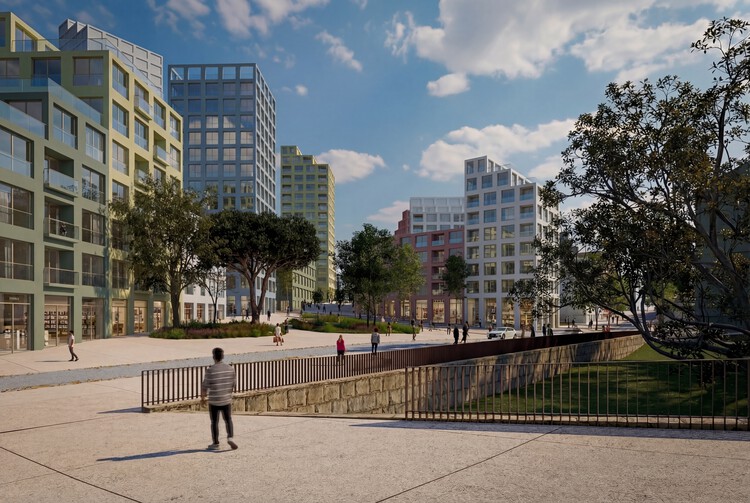
The following selection brings together unbuilt projects submitted by the ArchDaily community, highlighting a range of approaches to the contemporary tower. From mixed-use developments and residential high-rises to speculative ecological proposals, these works reflect an ongoing shift in how vertical architecture is conceived. These towers engage with broader questions of privacy, coexistence, adaptability, and urban integration.