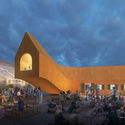
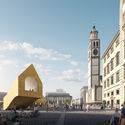
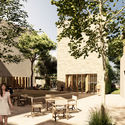
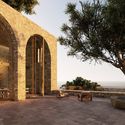
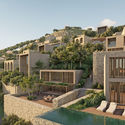
Beyond "experience tourism" and light entertainment, temporary architecture is a fertile ground for testing ideas, examining places, popularizing new concepts and technologies. Taking a wide array of forms, from disaster relief projects and utilitarian structures to design experiments, architectural statements and playful installations, transient structures showcase alternative visions for the built environment, opening up new possibilities and questioning established norms. As temporary architecture now seems at odds with sustainability imperatives, the following discusses the value of temporary architecture as a vehicle of experimentation, advancing design and engaging communities.
August 5th is National Health Day in Brazil. Our readers have already expressed their opinion on how psychology is essential to build healthy and pleasant spaces to live in, and for this reason, we decided to explore the impacts of the spatial experience on each person's well-being, improving quality of life and reducing mental stress. In other words, architecture not only contributes to physical health through ergonomics but also affects our emotional comfort.
https://www.archdaily.com/967003/architecture-and-health-how-spaces-can-impact-our-emotional-well-beingEquipe ArchDaily Brasil
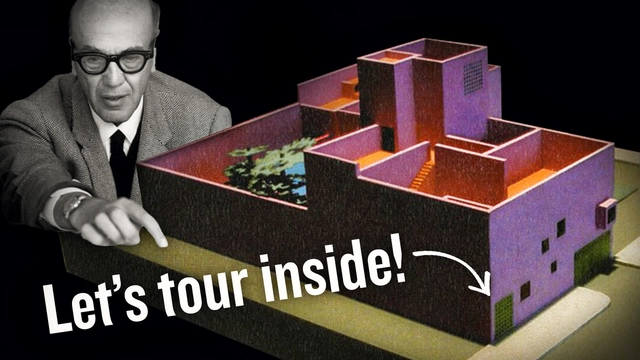
In 1984, the Menil Museum in Houston, Texas, commissioned the Mexican architect Luis Barragan to build a 3,000-square feet guest house to be located across the street from the famous Rothko Chapel. The architect came back with a design for a dazzling purple, pink, and orange 8,000-square feet mansion that looked to be more at home in Mexico City than a Houston residential suburban lot. So, due to the ensuing conflict between client and architect, the house would never get built, only displayed as an exhibition within the Menil’s galleries.
“Local” is a word that is broadly used to describe something particular about a place that makes it different from somewhere else. Across the globe, the “local-ness” of our cities is what makes them unique- in the way that people live, work, socialize, and especially in the way that they plan and construct cities and infrastructure. To someone living in a suburb, the way that they move from place to place might be through a car, while someone who lives in a dense metropolis might use a subway or bus system as part of their everyday lives.
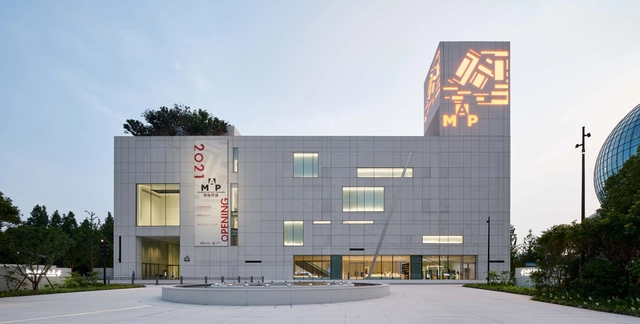
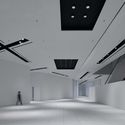
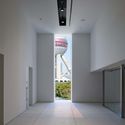
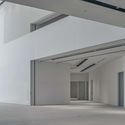
Atelier Jean Nouvel's monumental granite-clad museum in Shanghai's Pudong district is now complete and open to visitors. Labeled as a "domain" by the architecture firm, the Museum of Art Pudong covers an expansive plot of almost 40,000 sqm on the outer banks of the Huangpu River, and offers visitors a culture-driven space surrounded by the river and an undulating landscape of tall trees.
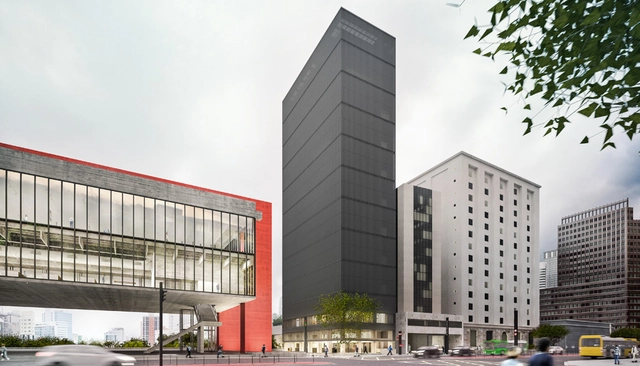
The Museum of Art of São Paulo - MASP will soon expand its facilities to include an annex next to the iconic project by Lina Bo Bardi. The 14-story Dumont-Adams building, which has been inactive for decades, has 7800 square meters and will be renovated to house exhibition wings, a café, a restaurant, and a restoration laboratory.
https://www.archdaily.com/967425/masp-to-receive-a-14-story-annex-on-paulista-avenue-designed-by-metro-arquitetosEquipe ArchDaily Brasil
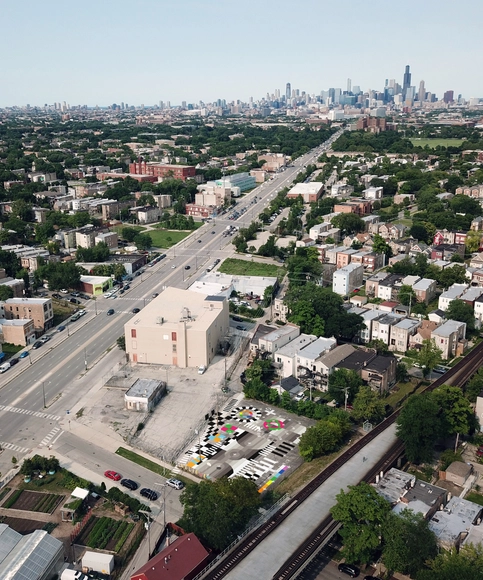
Titled "The Available City", the fourth edition of the Chicago Architecture Bienniale will be open to the public on September 17th, 2021. This year, the event presents an unprecedented biennale model that experiments with an array of site-specific projects and programs displayed across the Chicago, "reframing what a biennial can do, be, and explore for a city". Over 80 projects from 18 different countries will respond to an urban design framework and bring ideas for community-centered, collective spaces through architectural elements, engaging programming, and enhanced community experiences.
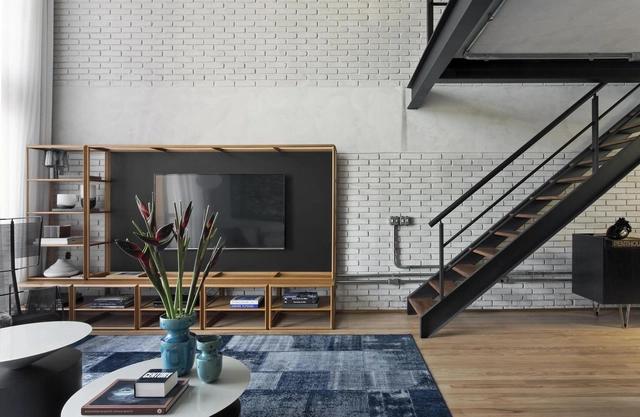
We are about to start living in a completely wireless world, but in the meantime, many people are looking for alternatives to hide wires creating a more organized and clean space. Therefore, we have provided some tips for those who want to disguise TV cables and cords from other devices to make the environment more comfortable.
https://www.archdaily.com/967139/how-to-hide-tv-wiresEquipe ArchDaily Brasil
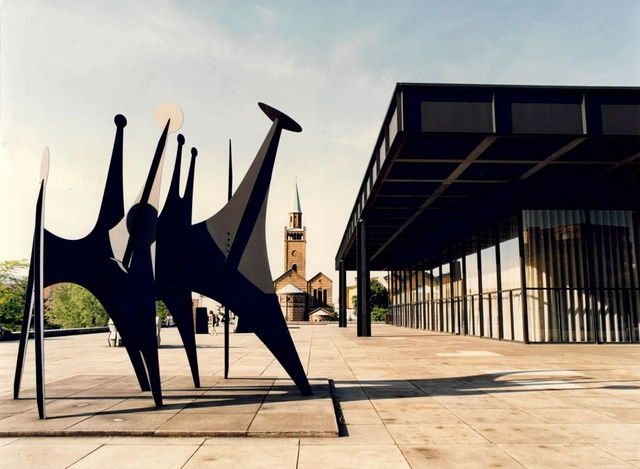
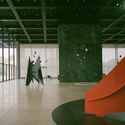
Minimal / Maximal is a solo exhibition of Alexander Calder’s opening this Sunday at the newly reopened Neue Nationalgalerie in Berlin.. Image Courtesy of Staatliche Museen zu Berlin, Nationalgalerie / Reinhard Friedrich
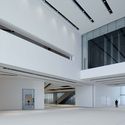
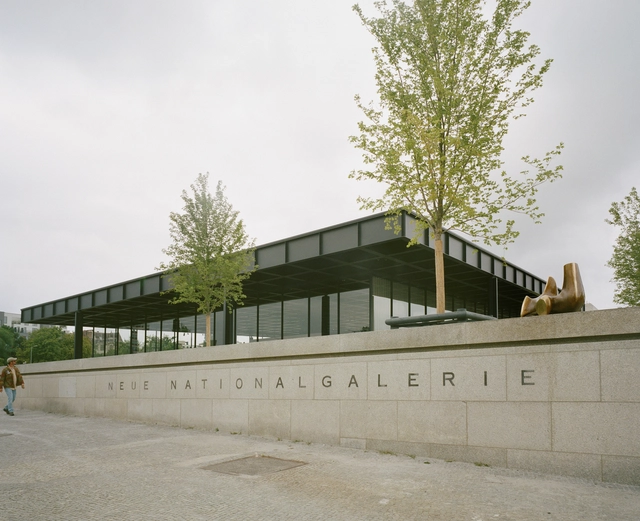
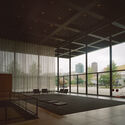
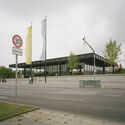
After being closed for six and a half years for a renovation by David Chipperfield Architects, the Berlin museum reopened Sunday, August 22.
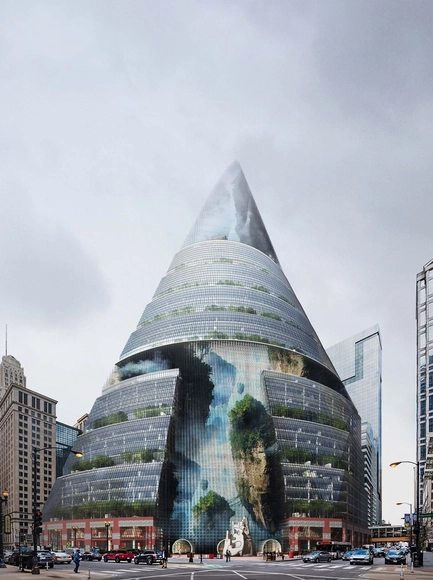
Thompson Scraper. Image Courtesy of Thompson Center Design Competition
The Chicago Architecture Center and Chicago Architecture Club have announced the seven finalists of the Thompson Center Design Competition, which called for new and innovative visions for the Illinois Thompson Center designed by Helmut Jahn in 1984. The winning design proposal will be announced during the opening of the September 14 pop-up exhibition of finalists work at the Chicago Architecture Center, and will run through October.
Questioning the new now, especially with the new challenges of Covid-19, around the world, cities are advocating for structural change and collective action. Berlin questions, an annual, multi-day conference and a platform for transdisciplinary dialogue, in its 2021 edition “Metropolis: The New Now”, tackled the immediate present, creating a place for debate. Dedicated to local solutions to global challenges, the event took on a hybrid format, at various locations in Berlin and online, resembling the world we live in.
ArchDaily had the chance to meet up with Lesley Lokko, architect, academic, and novelist at Berlin Questions, to discuss her talk “Africa as the lab for the future”, her visions for the future of architecture education and the future of big cities on a social, cultural and urban level.
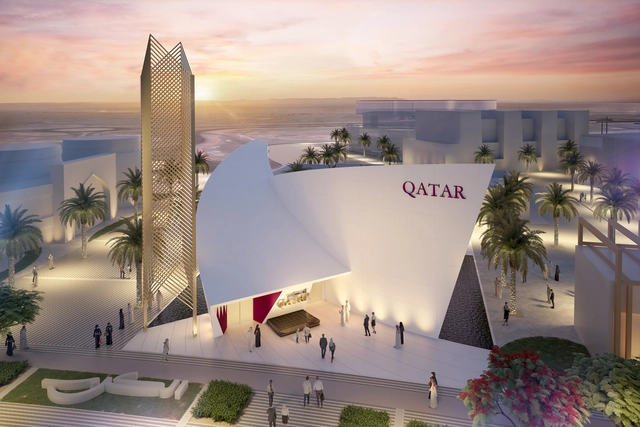
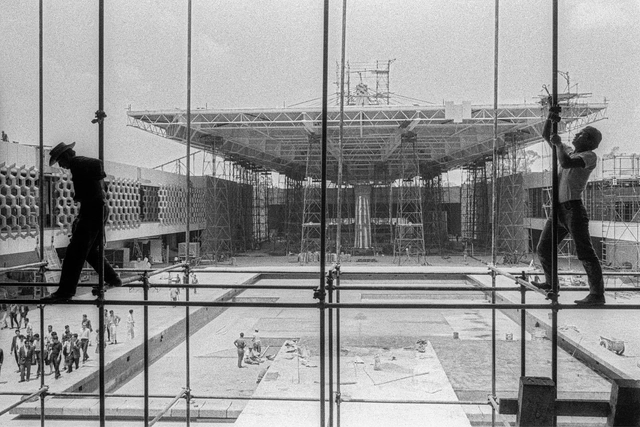
Spanish architect and engineer Santiago Calatrava has unveiled the design of the QatarPavilion at Expo 2020 in Dubai, UAE. The design is inspired by the four elements represented on the Coat of Arms of Qatar and will include two main galleries and exhibition spaces, providing visitors with engaging, inclusive, and interactive environments.
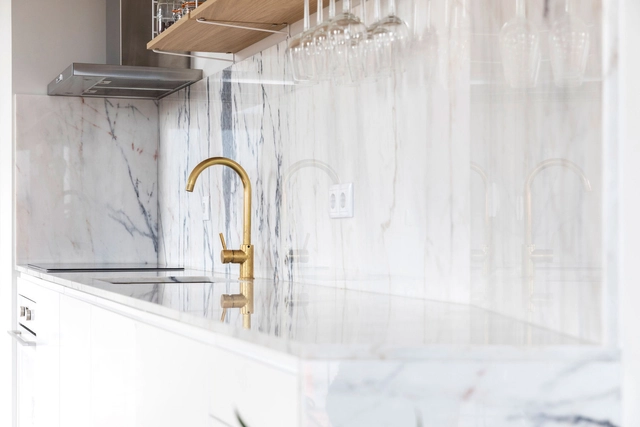
As an architectural project comes to its last phases, it is time to put together the smaller details in bathrooms and kitchens, which means choosing finishes for the walls and floors, as well as the countertops, and picking the right fittings and fixtures. These elements are essential for a well-designed space, regardless of the style.
The Graham Foundation has announced the award of 69 new scholarships to individuals around the world who support architectural projects. The funded projects represent diverse lines of research with original ideas that advance our understanding of the designed environment.
Selected from more than 500 proposals, the funded projects include exhibitions, publications, films, and performances that promote rigorous academic study, stimulate experimentation, and foster critical discourse in architecture. Innovative projects are led by established and emerging architects, artists, curators, filmmakers, historians, and photographers, among other professionals.
When David Chipperfield was asked about what visitors should expect to see when he concludes the renovation of Mies van der Rohe’s Neue Nationalgalerie in Berlin, he said: “Imagine a 1965 Mercedes. It looks fine, but it’s falling apart on the inside. We want to put it in the shop, take it apart and put it back together again, so when someone turns on the switch - the engine will work.” Due to the ongoing pandemic health regulations, the 2021 re-opening saw a limited number of journalists and visitors to tour alongside Chipperfield and explore the newly-renovated architecture. Editor and photographer Gili Merin had the opportunity to photograph the project during the pre-opening event and interview the world-renowned architect.
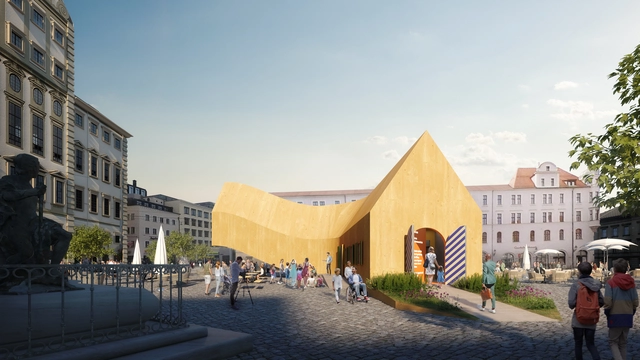
Celebrating the 500th anniversary of the Fuggerei social housing in Augsburg, Germany, MVRDV has collaborated with Fugger Foundation to initiate a conversation about the future architectural and urban plans of Fuggereien, the world’s oldest social housing complex. Throughout the upcoming months, the Fugger Foundations are hosting interdisciplinary debates that highlight Fuggerei’s guiding urban principles and discuss challenges about the field of architecture, politics, culture, and sciences, by notable individuals in each respective field.
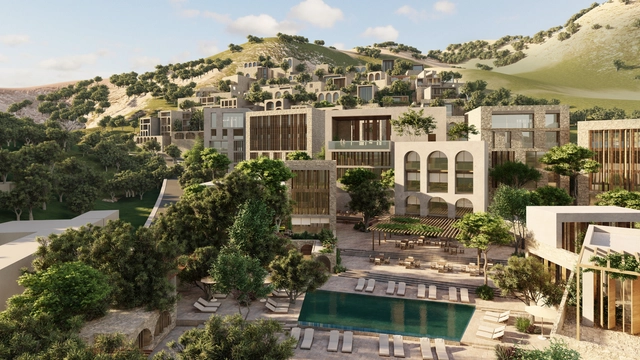
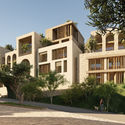
Oppenheim Architecture have unveiled the design of the Jali Hotel and Residences, a new luxury complex on Albania's southern coast. The project will nestle in the site's picturesque landscape and seaside, and provide visitors and residents with a public square, recreational amenities, and access to a vibrant beachside club that pay homage to traditional Albanian coastal structures.
A wood-burning stove (or wood burner or log burner in the UK) is a heating appliance used for cooking. Food cooked on a wood-burning stove tends to have a more intense flavor since it requires a slow, artisanal process that results in more complex dishes. For this reason, these stoves are becoming a popular choice for people who want to create a unique environment for family and friends to gather at home for a delicious meal.
https://www.archdaily.com/966620/10-off-grid-kitchens-with-wood-burning-stovesEquipe ArchDaily Brasil


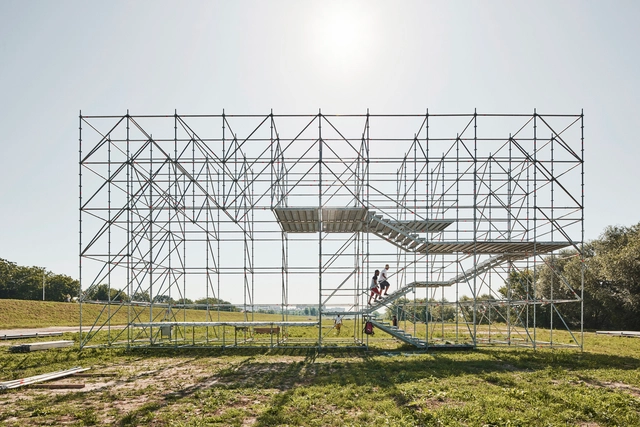






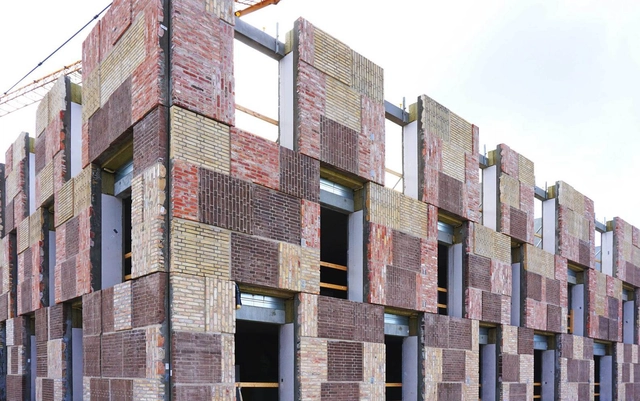













.jpg?1629793779 "Traumhaus Funari Project . Image Courtesy of MVRDV")