The ChicagoArchitecture Biennial has revealed the calendar for this year’s program of events, lectures, workshops and performances exploring how architecture shapes communities and cities. Titled The Available City, this edition aims to highlight the potential of vacant urban areas as community spaces, with the event debuting on September 17 at 12 sites across Chicago featuring 16 interventions that activate unused plots. The projects are complemented by a series of outdoor programming, as well as digital events that kick off on August 17.
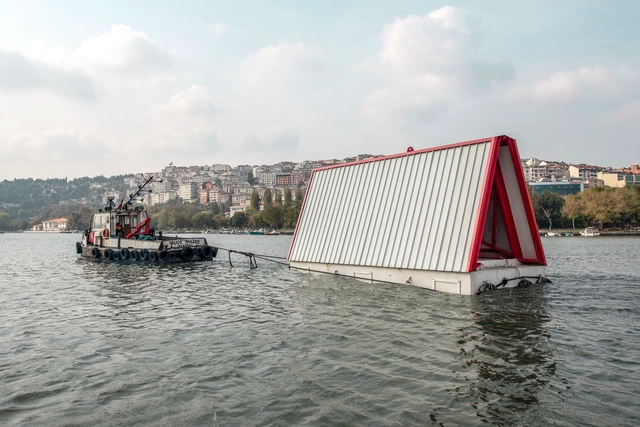
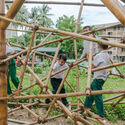
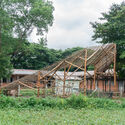
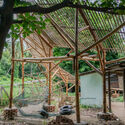
According to data from CRED (Centre for Research on the Epidemiology of Disasters) and UNISDR (UN Office for Disaster Risk Reduction), in a report released in 2016, the number of disasters related to the climate change has duplicated in the last forty years. The need for temporary shelters for homeless people is, as well as an effect of the climate crisis, is also one of the consequences of the disorderly growth of cities, which leads to a significant part of the world population living in vulnerable conditions due to disasters.
Too often buildings end up as waste at the end of their lifecycle. How can the built environment move towards a circular economy, and in turn, reimagine how valuable materials are tracked and recycled? Looking to address this issue, material passports are one idea that involves rethinking how materials are recovered during renovation and demolition for reuse. The result is when a building is ready to be demolished, it becomes a storage bank for useful materials.
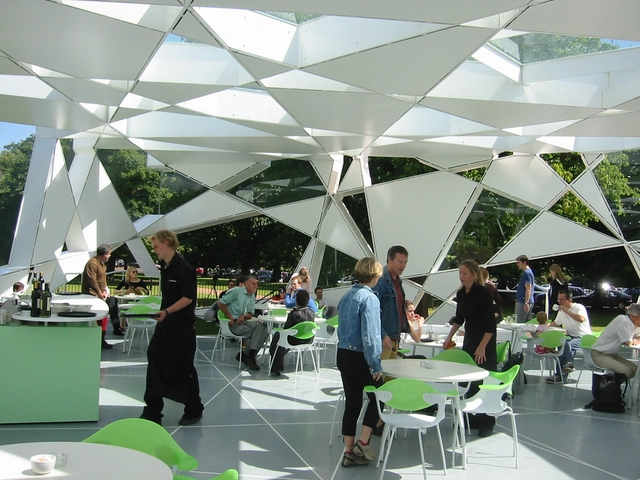
Serpentine Gallery Pavilion. Image Courtesy of Toyo Ito & Associates, Architects
Examining the work of Tokyo architect Toyo Ito (b. 1941) – particularly his now seminal Sendai Mediatheque (1995-2001), Serpentine Gallery (London, 2002, with Cecil Balmond), TOD's Omotesando Building (Tokyo, 2004), Tama Art University Library (Tokyo, 2007), and National Taichung Theater (2009-16) – will immediately become apparent these buildings’ structural innovations and spatial, non-hierarchical organizations. Although these structures all seem to be quite diverse, there is one unifying theme – the architect’s consistent commitment to erasing fixed boundaries between inside and outside and relaxing spatial divisions between various programs within. There is continuity in how these buildings are explored. They are conceived as systems rather than objects and they never really end; one could imagine their formations and patterns to continue to evolve and expand pretty much endlessly.
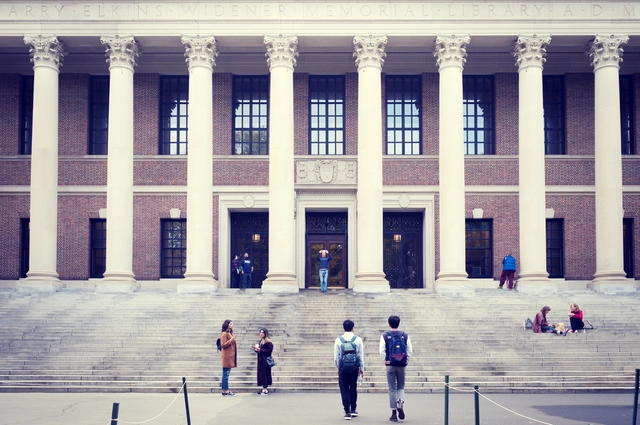
Harvard University in Cambridge, Massachusetts, USA. Image via Shutterstock/ By Marcio Jose Bastos Silva
In order “to help architects and students to get to know the best International Master’s programs available”, the Best Architecture Masters (BAM) has established its annual list of top postgraduate architecture curriculums. Based on the QS Ranking by Subjects – Architecture / Built Environment, for the 2021 edition, 22 Universities were selected to be evaluated, by an Expert Committee, formed by 15 professors from all over the world.
In 2021, the Harvard Master in Architecture II continued to lead the ranking, and Colombia maintained second place with its Master of Science Degree in Advanced Architectural Design. TU Delft in the Netherlands took on the third position, becoming the best in Europe while Tsinghua University in China followed in the fourth position, becoming the best in Asia. The Master in Architecture of the Pontificia Universidad Católica in Chile occupied the 15th position and was named the best program in Latin America.
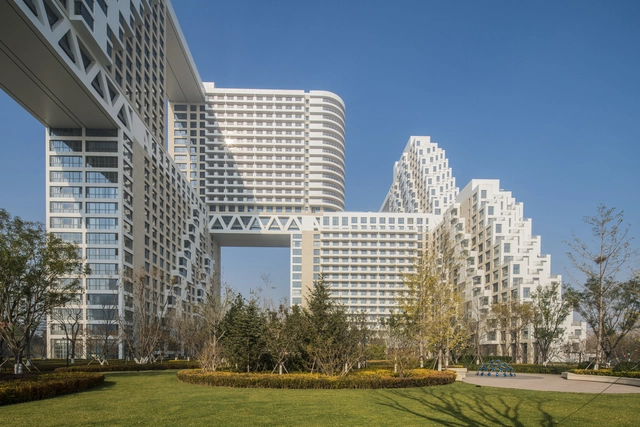
By now an architectural classic, Safdie’s Habitat ’67 represents a highly influential vision for a community-oriented, nature-infused urban housing model, and at the same time, a critical example of the possibilities of prefabrication. Fifty years after the design of Habitat ’67, Safdie is still exploring this vision of urban living, further developing the concept with projects such as Altair Residences, Qorner Tower and Habitat Qinhuangdao. Rooted in the architect’s motto - “for everyone a garden”, the new projects capitalise on outdoor terraces, natural light and ventilation, as well as communal spaces.
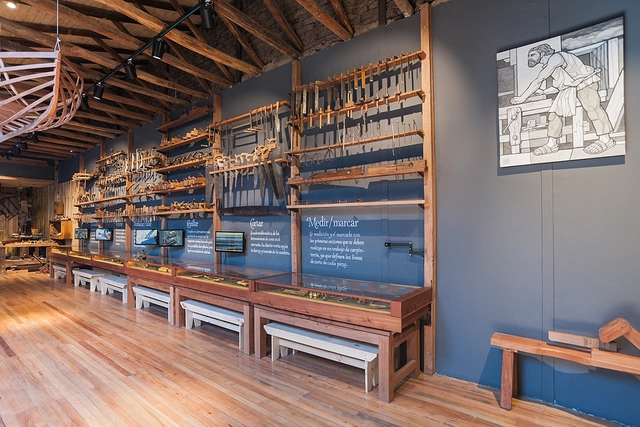
Wood is one of the most versatile materials used in construction nowadays and can be used for many different purposes, from beginning to end of the building process. Working with wood in a building requires specific skills that are very different from the skills of a bricklayer. Carpentry and joinery are the two main trades that handle wood in architecture and construction.
There is a fine line between the two, and people are often confused about which professional is the best suited for a particular job. This article will address the difference between the two practices to help you choose which one is best for your project.
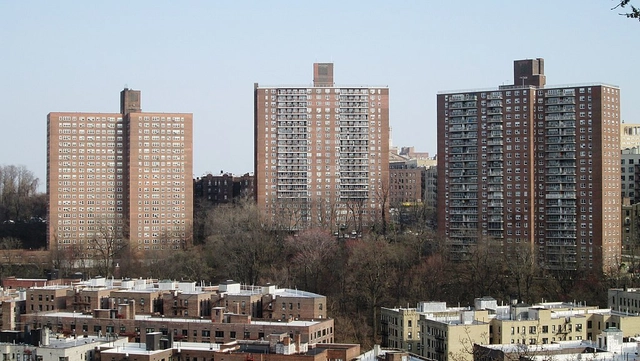
In the world of design and urban planning, aesthetics and functionality seem to take the spotlight, especially in how large-scale housing projects are developed. While this can be a good thing that continuously pushes the modern boundary of what we consider to be a dwelling, in some aspects, it has shined a negative light on how we perceive and stigmatize “bad design” in public and affordable housing, the socioeconomic factors that have created the need for it, and the types of residents who benefit most from these types of housing policies.
The Second Studio (formerly The Midnight Charette) is an explicit podcast about design, architecture, and the everyday. Hosted by Architects David Lee and Marina Bourderonnet, it features different creative professionals in unscripted conversations that allow for thoughtful takes and personal discussions.
A variety of subjects are covered with honesty and humor: some episodes are interviews, while others are tips for fellow designers, reviews of buildings and other projects, or casual explorations of everyday life and design. The Second Studio is also available on iTunes, Spotify, and YouTube.
This week David and Marina are joined by Samantha Burton, Vice President atYoung & Burton, a General Contractor company that focuses on custom residential projects.
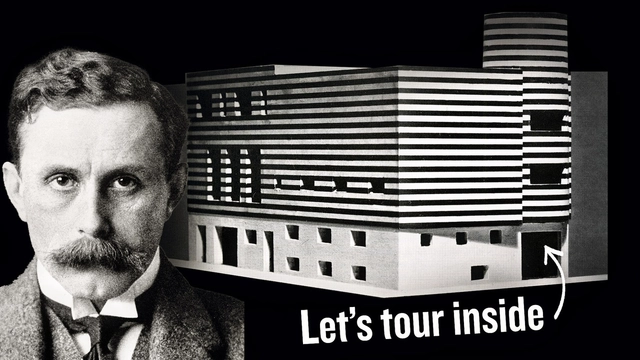
The unbuilt design of a home for Josephine Baker by the architect Adolf Loos is perhaps one of the most analyzed unbuilt homes of Modernism. Its design and history touch on a number of complex social and political issues during the early 20th century. The design comes when Josephine Baker, an African American entertainer is beginning her rise to superstardom and represents a thoroughly modern and fresh artistic voice. Meanwhile, Adolf Loos was a physically ailing man on a steep moral and social decline. The house itself was never truly commissioned by Baker, rather it lives mostly as a fantasy concocted by the architect. This video presents the house through a 3D model and narrated walkthrough to discuss how and why the house was designed and allow you to explore this unique house for yourself.
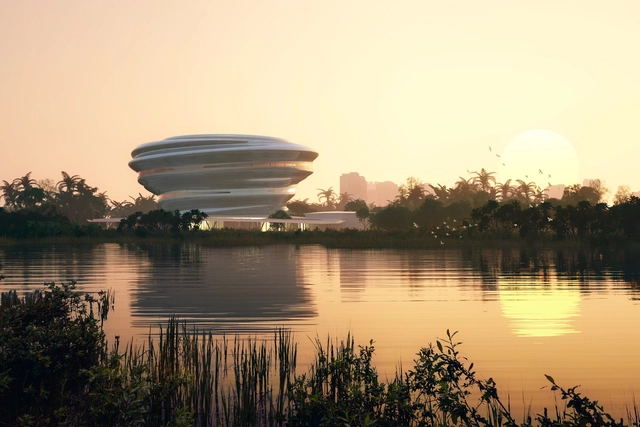
MAD Architects has unveiled his design proposal for Hainan Science and Technology Museum Haikou City, Hainan, China. Scheduled to break ground in late August 2021 and to be completed and open by 2024, the Hainan Science and Technology Museum is the firm’s second major public project in Hainan, after the Cloudscape, inaugurated in April 2021. Merging nature and technology, the project located on the city’s west coast will become an “important science venue and a major tourist attraction for Hainan's free trade port”.
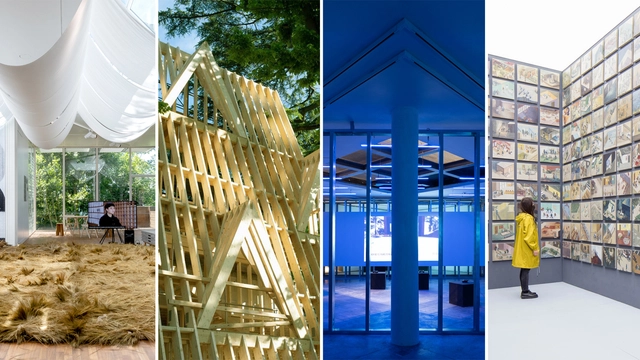
After being postponed for one year, the 17th Venice Architecture Biennale opened its doors to the public on May 22nd, 2021, revealing a wide range of answers to Hashim Sarkis’ question of "How will we live together". With over 112 participants from 46 countries, the contributions are organized into five themes: Among Diverse Beings, As New Households, As Emerging Communities, Across Borders, and As One Planet. Due to travel restrictions, many curators were unable to be physically present at the inauguration of the event, resorting to digital platforms for interviews and presentations. ArchDaily had the chance to physically attend the exhibition and meet with some of the curators to further explore their pavilions. The following are 9 interviews from ArchDaily’s Youtube playlists that feature these exclusive interviews.
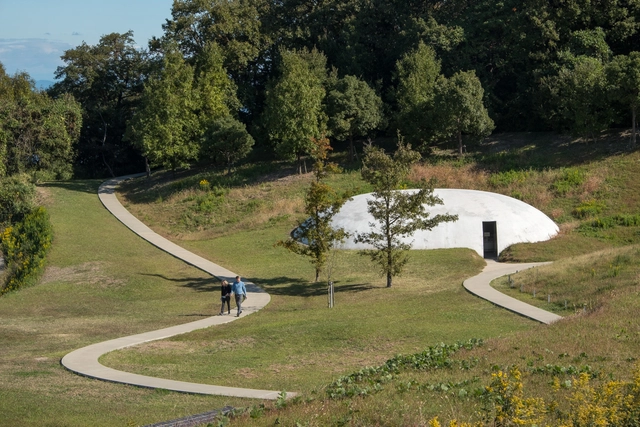
Naoshima, Teshima, and Inujima are the three main islands of an archipelago in Japan's Seto Inland Sea. What sets them apart from the many other Japanese islands is the large number of exceptional architectural works designed by some of the greatest architects and artists in the world. These projects are part of the Benesse Art Site Naoshima, an art complex idealized by billionaire businessman Soichiro Fukutake in the 1980s, composed of eighteen museums, galleries, and open-air installations.
Zero kilometer materials can be purchased locally, do not need to be transformed by large stages of industrial processing or toxic treatments and, at the end of their service life, they can be returned to the environment.
For example, wood from a nearby forest eliminates the need for long transfers, valuing local resources, and allowing architecture to lessen its environmental impact while committed to the landscape and context.
"For more than a generation, federally funded historic tax credits (HTCs) have been instrumental in incentivizing developers to revive and reuse historic buildings and keep them economically viable, rather than replace them with shiny new objects. These credits create jobs, promote responsible development, and leverage billions in private investment to enable income-generating buildings". Read the interview between Justin R. Wolf and Meghan Elliott, founding principal of New History, a firm specializing in adaptive reuse.
https://www.archdaily.com/966687/why-use-is-the-best-form-of-preservationJustin R. Wolf
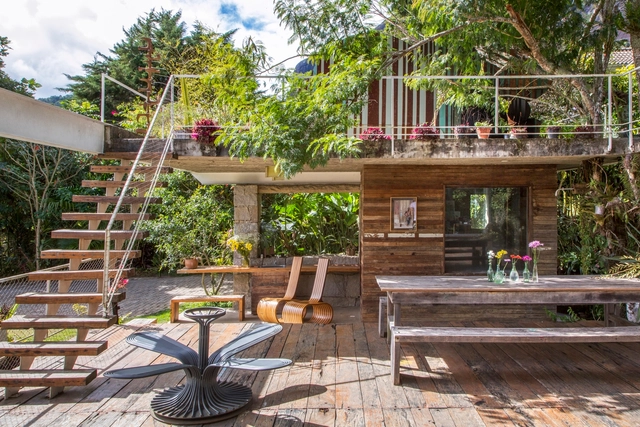
Reclaimed wood is wood that has been taken from its original application and repurposed. Old buildings such as houses, barns, and warehouses, often have to be torn down, resulting in demolition waste, which can be recycled and reused. Reclaimed wood can be used for many purposes, from cladding to building structures, and is very popular in contemporary architecture all over the world.
To get you inspired, here is a selection of 12 Brazilian houses that use this recycled material in flooring, walls, decks, bathrooms, outdoor areas, and stairs.
Paul Clemence has released a new series of images showcasing the incomplete construction of Diller Scofidio + Renfro's Copacabana Museum of Image and Sound (MIS). The project first took shape in 2014 but was completely suspended in 2016. Although the project has been untouched since then, a recent announcement by Governor Cláudio Castro promised the revival of construction works at the museum, with an expected public opening in early 2023.




Nacasa___Partners.jpg?1629103408 "Tod's Omotesando Building_interior. Image © Nacasa & Partners")


Kai_Nakamura.jpg?1629103497 "'Minna no Mori' Gifu Media Cosmos. Image © Kai Nakamura")









.jpg?1615469357&format=webp&width=640&height=580)







.jpg?1628582806&format=webp&width=640&height=580)
.jpg?1628583235 "© Paul Clemence")
.jpg?1628583065 "© Paul Clemence")
.jpg?1628583007 "© Paul Clemence")
.jpg?1628582926 "© Paul Clemence")
.jpg?1628582806)


