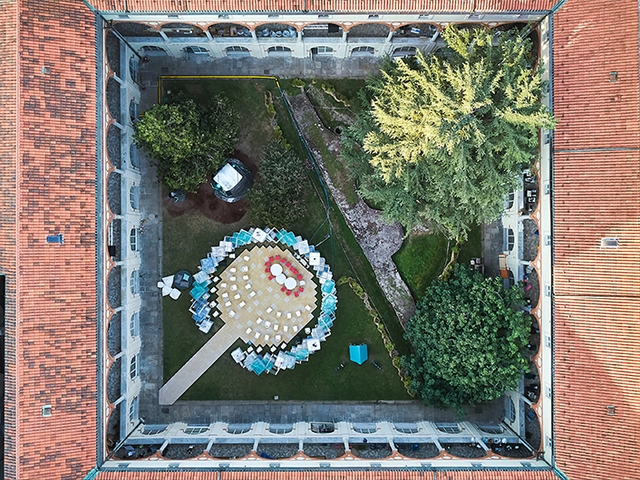
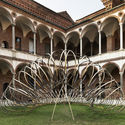
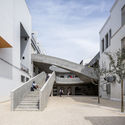
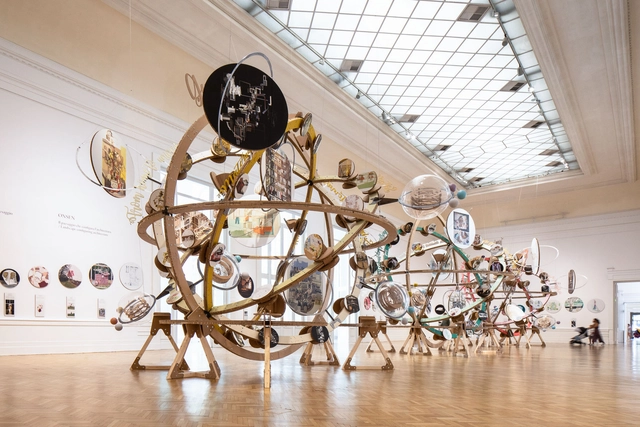
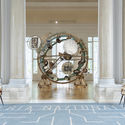
Curated by Spanish architect Izaskun Chinchilla Moreno, Cosmowomen. Places as constellations is an exhibition currently open at La Galleria Nazionale di Roma, Italy. Reflecting on the incorporation of women into architecture, Cosmowomen displays a series of projects developed by 65 Bartlett School of Architecture-alumni women architects from over 20 different nationalities.
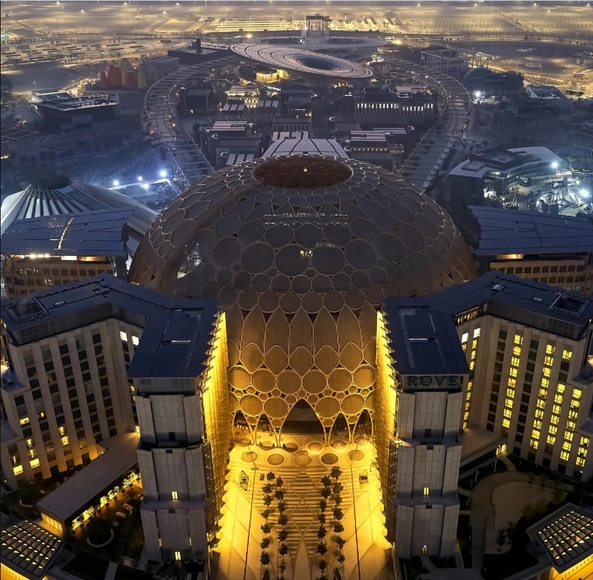
Al Wasl Plaza and Sustainability Pavilion. Image Courtesy of Expo 2020 Dubai
With Expo 2020 Dubai scheduled to debut in less than a month, new drone shots of the venue highlight water and garden features. Aiming to “explore the power of connections in shaping our world”, Expo 2020 Dubai will run from 1 October 2021 until 31 March 2022, under strict Covid regulations, after a year delay due to the worldwide pandemic.
During the first week of September, Milan Design Week opened its doors to more than 60,000 architects, designers, artists, and craftsmen from all around the world to explore new design innovations and exchange ideas about the interior design, furniture, and lighting. In parallel to the event hosted at the Rho Fiera, interventions by world-renowned architects were installed across the city as part of the Fuorisalone.
The Fuorisalone program took place under the patronage of the Municipality of Milan, and started last April with a digital edition under the theme of "Forms of Living", taking a view on the questions that inspire and influence the future of the furniture and design. Read on to discover the top 5 outdoor installations along with their description.
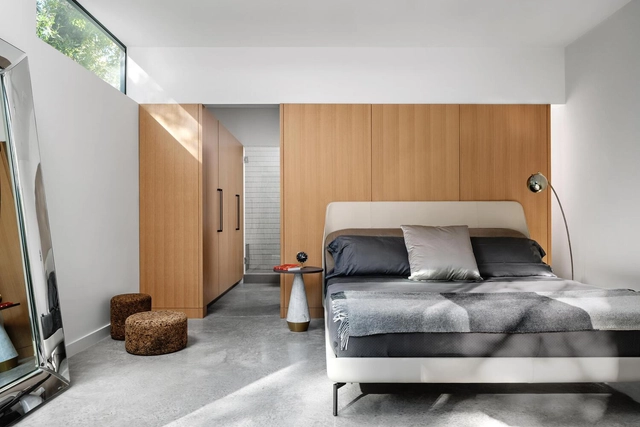
Choosing a home's cabinetry and furniture is not only about function and storage space but also about visual appeal. Walk-in closets, which are normally located in the master bedroom, are a good example of this. These spaces were usually used only for storing clothes, but modern closets now incorporate more unique features, transforming them into more personal and functional amenities.
https://www.archdaily.com/968291/more-than-just-a-wardrobe-15-examples-of-walk-in-closetsEquipe ArchDaily Brasil
Modular system Mywall by Fantoni. Image Courtesy of Fantoni
As material technology becomes more advanced and the importance of health and wellbeing is taken more seriously, sculpting sound is now a consistent part of specifiers’ briefs in all sectors, from echo-free hospitality to clear and functional meeting rooms, and even transforming home offices or music rooms into headache-free sound vaults.
Five emerging architecture studio profiles from Switzerland, France, the Netherlands, Austria, the UK, and Slovakia have been chosen by New Generations, a European platform that analyses the most innovative emerging practices at the European level, providing a new space for the exchange of knowledge and confrontation, theory, and production. Since 2013, New Generations has involved more than 300 practices in a diverse program of cultural activities, such as festivals, exhibitions, open calls, video interviews, workshops, and experimental formats.
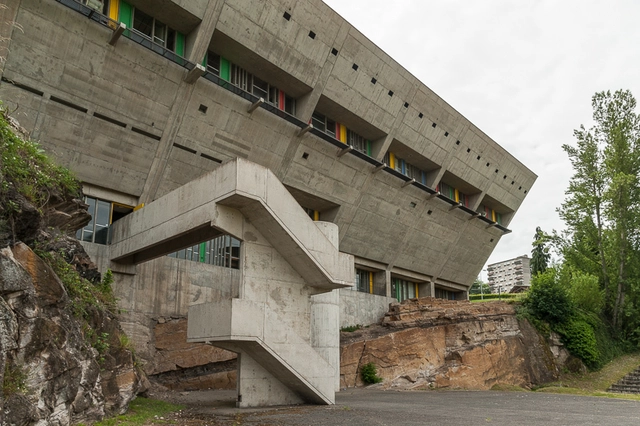
Le Corbusier was a pioneer of the Modernist Movement in architecture. Throughout his career, he undertook an array of projects all around the world. See below for 17 of his works that have been named World Heritage Sites by UNESCO, as well as many more of his other popular pieces. Hopefully, someday you get to go and see them yourself!
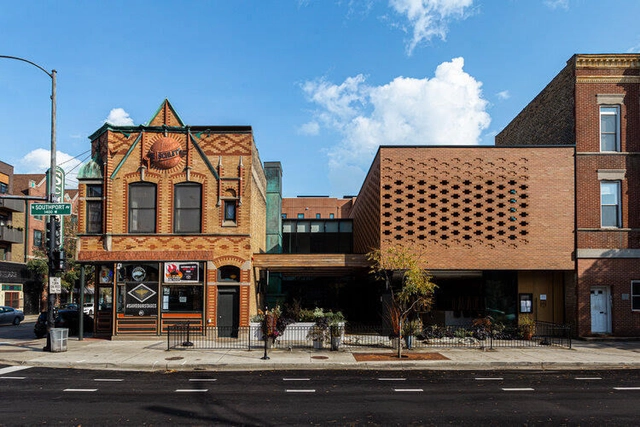
In this video, Will Quam of Brick of Chicago takes us around the American city to question Louis Kahn’s adage that all bricks are motivated to be arches. Here, in the Logan Square neighborhood, we find bricks of all sorts, that — in addition to arches — take on other configurations and metaphors to describe their qualities; textile bricks and diapering, brushstrokes of a painting, butter joints and glazes, soldiers and bullnoses.
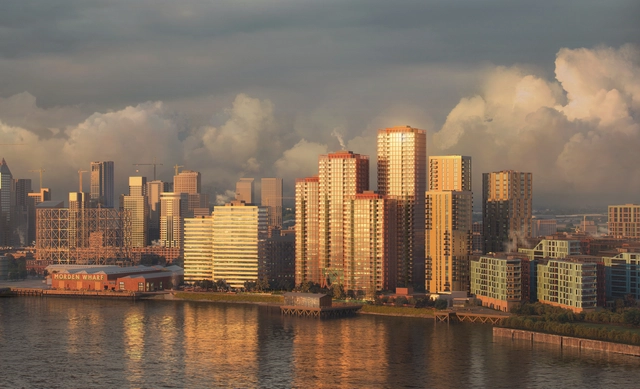
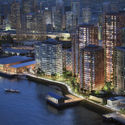
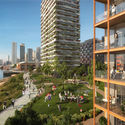
OMA’s mixed-use development for Morden Wharf has just been granted planning consent from the Royal Borough of Greenwich’s Planning Committee. The scheme created for developer U+I is located on a 2.4-hectare brownfield site, with an industrial past, on London’s Greenwich Peninsula facing the historic Greenwich and the millennial O2 Arena.
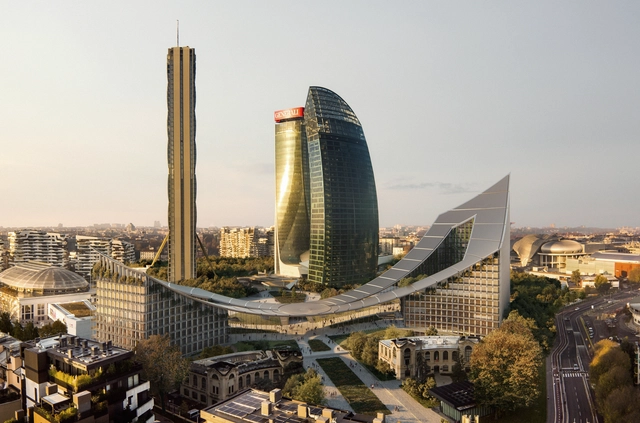
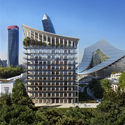
Work on Bjarke Ingels Group's gateway for Milan's CityLife district has officially commenced. The new-generation office building marks the completion of the CityLife area in the Italian city, an urban regeneration project that has been restored to provide a livable environment characterized by sustainability, improved quality of life, and all-inclusive services. The structure is set to "stand as a new paradigm for the offices of the future, as the outcome of a new idea of workplace based on innovative design solutions that put quality of life at the center and redefine the concept of sustainability".
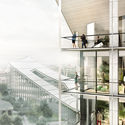
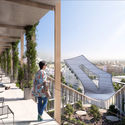
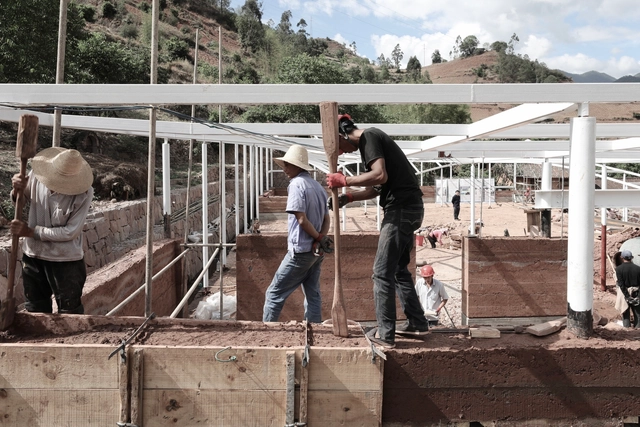
Vernacular techniques and local materials are becoming more and more relevant in architecture, but is it possible to bring these concepts to large urban areas?
In 1984, the Amazonian architect Severiano Porto had already pointed out the need to make architecture more connected to its location. Using local materials and techniques is becoming more important each day, considering the impacts of the commodity chain of building construction on the planet. Not surprisingly, the number of projects that use this approach is growing every day, as Severiano has already mentioned in his work since the 1980s.
“Is graphicacy a word?” asks Ken Shuttleworth, founder of Make Architects and instigator of The ArchitectureDrawing Prize. It is. “Like literacy”, he says, “, it’s certainly what I’m interested in when looking at and judging drawings. It’s about a fluency in making and understanding them.” The Architecture Drawing Prize is in its fifth year now. “We tend to see very few hand drawings by young architects - they mostly use computers - and, today, most architectural students come from more of a maths and physics than an art background. I still believe, though, that hand drawing is very important.”
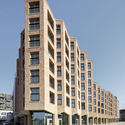
The European Commission and the Fundació Mies van der Rohe have announced the second list of 85 works competing for the 2022 European Union Prize for Contemporary Architecture – Mies van der Rohe Award. Joining the batch of first nominations announced in February 2021, the full list comprises now of 532 competing works for the EU Mies Award 2022. The shortlist of 40 will be announced in January 2022, the winners in April 2022, and the Award ceremony will take place in May 2022.
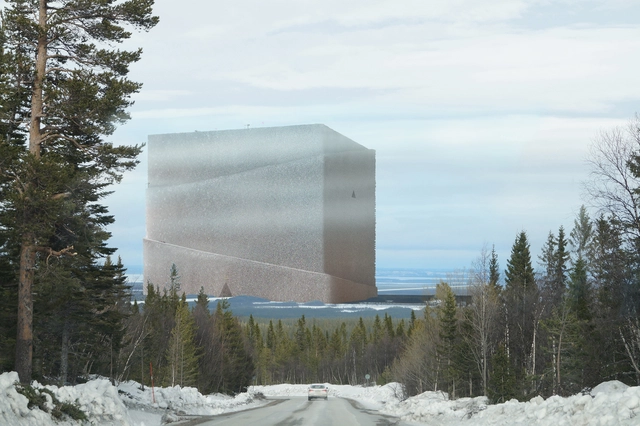
To reduce the “green” half of Sweden’s carbon emissions caused by the forest industries, Anders Berensson Architects have proposed to build the worlds largest timber structure titled the Bank of Norrland. The design aims to store carbon dioxide and a year's worth of timber production, ensuring the continuity of the Swedish construction and manufacturing industries regardless of weather and consumption.
In this week's reprint from Metropolis, author Leilah Stones explores how across the globe, architects, designers, and planners are redefining what it means to be an advocate in the design profession, listing 6 initiatives that practice design justice.
https://www.archdaily.com/968178/six-initiatives-model-ways-to-practice-true-design-justiceLeilah Stone
Henning Larsen has been creating projects that address cross-cultural design, tackle diverse climatic zones, and try to achieve ambitious sustainability objectives. All of this wouldn’t be possible without the use of technology and specially crafted digital and generative design tools that allow architects to treat any element as a parameter in design.
In a special interview with ArchDaily, Jakob Strømann-Andersen, Partner and Director of Henning Larsen’s Innovation and Sustainability Department talks about digital tools and their incorporation in the design process. Focusing specifically in this conversation on Sandworm, a new modeling program that uses sandboxes, Anderson explains how they have achieved to scan and directly transfer manipulated landscapes into a 3D model.
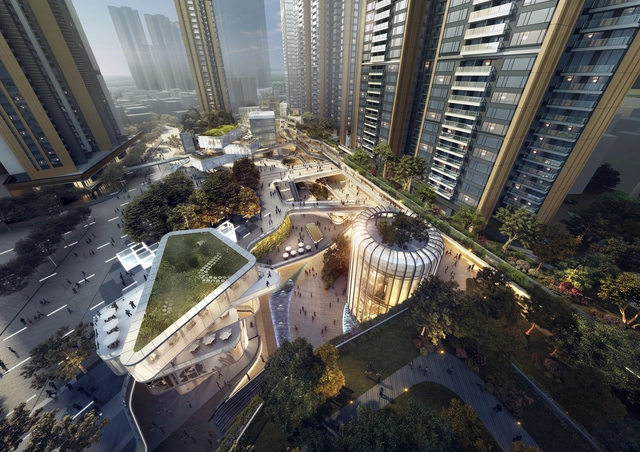
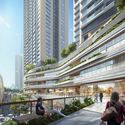
Aedas has unveiled Shenzhen C FutureCity, a two-phase project in Futian's Shangsha Village, Shenzhen. The design highlights how we "converse with the future and render a unique shopping experience that advances the development of the city" by creating an urban lifestyle center nestled between residential and corporate towers.
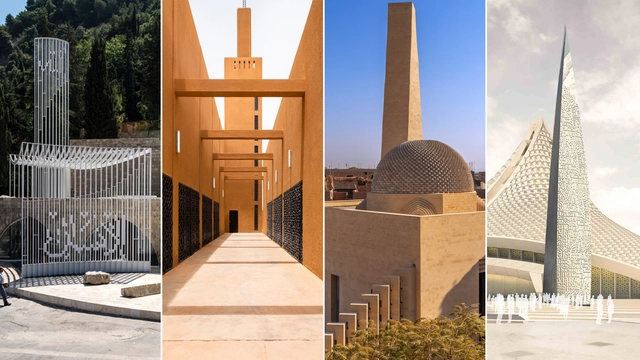
Islamic architecture has long been acknowledged as one of the most significant and influential typologies that translates the religion's core teachings and beliefs into structures. One of the most striking characteristics of architecture in the Islamic world is the focus on interior spaces. Whether it is a methodical organization of interior layouts to make use of natural light and ventilation, or the intricate detailing of ornamentation through carvings and paintings, the contrast between exterior and interior is palpable. However, one particular architectural feature defies the norms of modest facades, and stands as a strong visual statement of the presence of Islam. The minaret's distinctive structure strengthened its presence as a focal point, guiding people towards the religion's holiest space. In this article we will explore the reason behind the use of minarets and how its function has evolved culturally and architecturally.








.jpg?1631531492 "Courtesy of Expo 2020 Dubai")